Ipoh Travel Guide: Plan a First Visit to Malaysia's West Coast
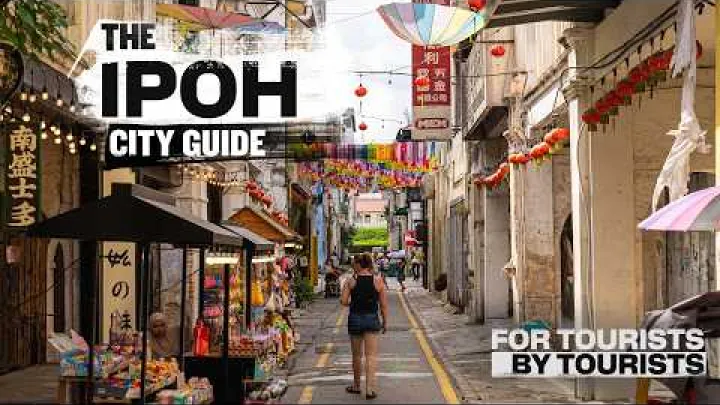
Ipoh is a useful West Coast Malaysia destination for travelers who want heritage streets, distinctive food, dramatic limestone hills, and a calmer pace than Kuala Lumpur or Penang. This Ipoh travel guide explains how the city is laid out, where to stay, how to arrive and move around, and how to build a realistic first itinerary. It also helps you decide whether Ipoh works best as an overnight stop, a short city break, or a base for wider Perak travel.
The city rewards a location-based approach. Its central heritage area is compact, but cave temples, Tambun, and regional excursions sit beyond the easiest walking zone. Plan the central sights first, then add outer attractions according to your available time, transport, and interests.
Start with the Ipoh travel guide essentials
Ipoh is the capital of Perak and a practical stop on a journey through Peninsular Malaysia's west coast. It is best approached as a city with several distinct experiences: historic streets and food in the center, limestone landscapes and temple complexes around the urban edge, and leisure attractions in the Tambun area.
Why Ipoh fits a West Coast itinerary
Ipoh combines a compact historic core with a landscape that feels very different from the larger cities on Malaysia's west coast. In and around the center, travelers can explore colonial-era civic buildings, shophouses, coffee shops, murals, and small heritage spaces. Outside the core, the limestone hills of the Kinta Valley shape visits to cave temples and scenic suburban areas.
Its position between Kuala Lumpur and Penang makes Ipoh a natural addition to a rail or road itinerary, but it should not be treated only as a place to change transport. A single night can introduce the Old Town and local food; two nights allow a more relaxed balance of heritage and cave temples. Travelers who prefer a slower pace, want a Tambun resort stay, or intend to explore Perak can stay longer.
Use the Kinta River as a simple orientation point. Much of the heritage-focused visitor experience is near Ipoh Old Town and Ipoh Railway Station, while Ipoh New Town offers a more commercial city atmosphere, many food choices, and convenient central services. The official Ipoh Tourism Board is a useful starting point for current destination information, local activities, and city updates.
How long to stay for a first visit
For most first-time visitors, one night is the minimum that makes Ipoh feel like a destination rather than a transit stop. Arrive early enough to walk Old Town, eat locally, and see the heritage area without rushing. If you arrive late in the day or leave early the next morning, your usable sightseeing time may be too limited for more than a meal and a short walk.
Two nights is the most balanced choice. It gives one day for Ipoh Old Town, the Ipoh Heritage Trail, cafés, food streets, and a museum or two, plus another day for cave temples or Tambun. This pace also leaves room to rest during the hottest part of the day rather than treating every attraction as a quick stop.
Choose three or more nights if you want a resort-style stay in Tambun or Ulu Kinta, a full day at Lost World of Tambun, an outdoor cave excursion near Gopeng, or a regional extension. Cameron Highlands, Taiping, and Pulau Pangkor are better considered separate additions to a wider route than automatic day trips. Their suitability depends on current road, rail, bus, and ferry arrangements as well as the weather.
| Stay length | Best use | Main limitation |
|---|---|---|
| One night | Old Town and food | Little time beyond the center |
| Two nights | Heritage plus cave temples or Tambun | Regional trips may feel rushed |
| Three nights or more | Leisure stay and Perak extensions | Requires more transport planning |
Understand Ipoh's layout before choosing a base
Ipoh is easier to plan when you separate the central visitor zones from the outer districts. Old Town and New Town can be combined in a central day, while Tambun, Ulu Kinta, and several cave temples need a ride, a car, or careful use of local transport.
Old Town and New Town: two useful visitor zones
Ipoh's central geography is commonly understood through Old Town and New Town, with the Kinta River forming a practical divide between them. This is not a strict boundary between tourist and non-tourist areas; it is a planning tool that helps first-time visitors decide where to walk, eat, and sleep.
Ipoh Old Town is the heritage-oriented side of the center. It is close to Ipoh Railway Station and contains historic streets, shophouses, murals, cafés, Concubine Lane, and several places connected with the city’s tin-mining history. It is the strongest choice for visitors who want to begin early with a self-guided walk and return to their accommodation on foot between stops.
Ipoh New Town has a busier commercial character, with more modern buildings, shopping, everyday services, and a broad selection of local dining. It can be a particularly convenient base for travelers whose priority is food, practical hotel choice, or a central location that is less focused on heritage ambience. A visual Ipoh map guide can help show how the two areas relate before you book.
Walking between central zones is possible for many travelers, but distance is only one consideration. Heat, humidity, rain, luggage, mobility needs, and museum opening times all affect the sensible order of a day. Start with the area containing your first timed activity, use shade and indoor stops deliberately, and save a longer cross-center walk for a cooler period when possible.
Where to stay in Ipoh: central districts or Tambun
Choose your base according to how you expect to spend your time rather than looking only for the lowest room rate. The most convenient hotel is not always the closest one on a map if it leaves you far from the activities that matter most to you.

Old Town suits first-time visitors who want heritage atmosphere and straightforward access to the railway station, historic streets, cafés, and central food stops. It is especially useful for a short stay because you can begin sightseeing soon after arrival and avoid repeated rides across town. The trade-off can be a quieter range of hotel facilities and fewer large-scale accommodation options than elsewhere in the city.
New Town is a good all-round central base for travelers who prioritize food, contemporary hotels, shopping, and everyday convenience. It also works well if your plans combine central exploration with regular ride-hailing trips to attractions outside the heritage core. Compare the precise hotel location with your evening plans, since a New Town address can still be a substantial walk from a specific restaurant or attraction.
Tambun and Ulu Kinta are better for resort, hot spring, wellness, and family-focused stays. They make sense when Lost World of Tambun or a self-contained hotel experience is central to your trip. The trade-off is clear: these outer areas reduce the convenience of making spontaneous Old Town visits, particularly at night or during rain. Budget for rides or a car if you want to combine a resort base with several central meals and heritage stops.
Choose the best time to visit Ipoh
Ipoh is warm and humid throughout the year, so the most useful seasonal planning is not about finding cold weather. It is about handling rain, heat, and changing daily conditions in a way that protects your walking time and keeps outdoor plans realistic.
Climate, rain, heat, and daily timing
Expect tropical warmth, humidity, and the possibility of rain in any season. Some periods may feel relatively drier, but no month guarantees clear skies for a full outdoor itinerary. Rather than building a trip around a fixed seasonal promise, use seasonal expectations only as a broad guide and make daily decisions from the forecast.
Heat changes how enjoyable central sightseeing feels. Old Town is most comfortable when you begin early, pause at shaded or indoor locations, and avoid trying to walk every street in the middle of the day. Afternoon rain can interrupt murals, riverside walks, viewpoints, or outdoor travel, while cave interiors may be more sheltered but approaches, stairways, and gardens can become wet.
Before every outdoor day, consult METMalaysia for the current forecast. Keep an indoor alternative ready rather than assuming rain will be brief or arrive at a predictable hour. This is especially important if your plans include a cave climb, Tambun outdoor activities, or a longer road trip.
How to build a flexible weather-aware plan
A simple method is to assign each day a priority outdoor activity and a nearby indoor alternative. For example, start a heritage walk around Ipoh Railway Station and the Old Town in the morning, then keep a café, a museum, or a longer food stop available if conditions become uncomfortable. On another day, schedule a cave temple early, but leave enough time to change plans if rain makes paths or stairs less appealing.
Cave temples are not all the same. Some involve relatively short visits to religious spaces, gardens, or halls; others include stair climbs or viewpoints where wet surfaces, heat, and visibility matter. Regional activities near Gopeng are even more weather-sensitive because they involve a longer journey and may have operator-led access arrangements.
Pack light, breathable clothing, a reusable water bottle, sunscreen, a compact rain layer or umbrella, and footwear with grip. Bring modest clothing or a covering for temple visits. A small day bag is useful for carrying water and rain protection, but keep valuables secure and avoid leaving electronics exposed during wet weather.
Plan transport to and around Ipoh
Transport choices should follow your itinerary. Rail is often the most convenient option for travelers moving along the Kuala Lumpur–Ipoh–Penang corridor, while a car or ride-hailing becomes more valuable when cave temples, Tambun, or several suburban locations are part of the same day.
Getting to Ipoh by train, bus, road, or air
KTM Electric Train Service, commonly called ETS, is the principal rail choice for many visitors traveling between major west coast cities. It is particularly practical because Ipoh Railway Station is close to the central heritage area, reducing the need for an immediate long transfer after arrival. Book based on your actual arrival and departure needs, not just the cheapest departure, especially if you have a timed museum visit or an onward connection.

Use the official KTM ETS timetable to confirm current routes, journey duration, seat availability, and service times before fixing connecting plans. Rail schedules and seats can change, and a travel day that looks simple on a map may become difficult if you rely on a close connection.
Buses can be a suitable alternative when their departure points, fares, or timings work better for your route. They may be useful for travelers arriving from places not directly served by the preferred rail connection. However, the arrival terminal and the final trip to your hotel matter, so include that last-mile journey when comparing a bus with a train.
A private car is most useful for families, groups, travelers carrying substantial luggage, or visitors planning multiple sites outside central Ipoh in one day. It gives flexibility for Perak Tong, Sam Poh Tong, Kek Lok Tong Cave Temple, Tambun, and nearby countryside, but parking, navigation, and road conditions become part of the trip. Sultan Azlan Shah Airport may offer limited-access arrival options, but it is not the default gateway for most international travelers; check current flight availability before planning around it.
Walking, buses, ride-hailing, and local tools
For central sightseeing, walk whenever the distance, weather, and your mobility allow. Old Town works well on foot, and parts of New Town can be added to the same day. Walking provides the best chance to notice shophouse details, murals, coffee shops, and small food stalls, but it is not necessary to turn the whole city into a walking itinerary.

For locations beyond the center, choose transport according to distance, time, group size, and the weather. Local buses can be a lower-cost option, but routes, stops, and operating patterns should be checked on the day you travel. Ride-hailing is often the more direct choice for cave temples, Tambun, and outer hotels, especially for two or more people sharing a ride. Confirm the pickup point before leaving an attraction, since less central areas may have fewer immediately available cars.
The city tourism website, standard mapping applications, and the IpohGo smart tourism app can assist with navigation and attraction discovery. The city council has announced IpohGo as a tourism tool, but app features and availability can change; treat it as a supplement to current maps rather than your only planning resource. Taxis remain a fallback, but agree on the fare and payment expectations before departure.
For a hop-on hop-off service or any specific bus route, confirm current route coverage, operating days, and service status before you rely on it. A transport plan should always have a practical alternative: walking in the center, a ride-hailing pickup point, or a private transfer for a tightly timed outer-city day.
Build an Ipoh itinerary around local highlights
The strongest Ipoh itinerary groups activities by area and energy level. Give the central heritage district a full unhurried block of time, then treat cave temples and Tambun as separate outings rather than small detours squeezed between meals.
Old Town heritage, museums, murals, and food streets
Begin a central route near Ipoh Railway Station, an imposing landmark that places you close to Old Town’s civic and heritage streets. From there, walk through the historic core at a relaxed pace, looking for the contrast between public buildings, old shophouses, contemporary cafés, and everyday businesses. The Ipoh Heritage Trail can provide a useful framework, but you do not need to complete every stop for the walk to be worthwhile.
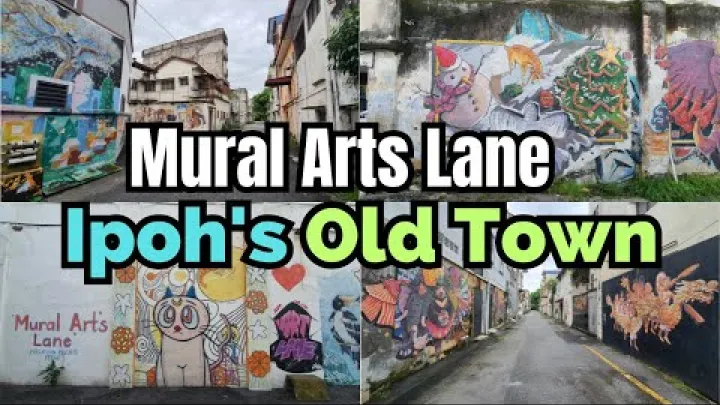
Concubine Lane is one of the best-known narrow lanes in the Old Town and is easy to combine with nearby streets, snack stops, and murals. It can be busier than surrounding lanes, so allow time to explore beyond it rather than making it the entire heritage experience. A mixed route works best: architecture and street details in the morning, a food stop at midday, then a museum or café when heat or rain makes outdoor walking less comfortable.
Han Chin Pet Soo adds a focused historical perspective through its connection with Ipoh’s Hakka community and tin-mining past. It is a more curated experience than simply walking the district, so it suits travelers who want context for the buildings and the city’s development. Opening arrangements, tour formats, admission, and reservations may apply; check access details before you go rather than assuming a walk-in visit will be possible.
Food is part of the route, not merely an evening activity. Ipoh is associated with white coffee, rice noodle dishes, bean sprouts, biscuits, and a broad Malaysian Chinese food culture, alongside Malay and Indian dining. Choose a few places that fit your day instead of chasing a long list across town. A heritage-focused morning can end with a traditional coffee-shop meal, while a food-focused day may use short walks between several neighborhoods and cafés.
Cave temples and limestone landscapes
The limestone formations around Ipoh make the city distinctive, and cave temples are among the most memorable ways to experience them. Kek Lok Tong Cave Temple, Perak Tong, and Sam Poh Tong should not be treated as interchangeable stops. Each has its own relationship between religious spaces, caverns, gardens, decorative features, stairways, and views.
Kek Lok Tong is often suited to travelers who want a cave setting combined with landscaped outdoor space and a less strenuous visit. Perak Tong is known for a more prominent hillside setting and can appeal to visitors willing to climb for a wider view. Sam Poh Tong combines temple areas with cave surroundings and is often paired with other southern Ipoh sights. The right choice depends on your mobility, interest in religious architecture, tolerance for stairs, and time available.
Group sites geographically rather than crossing the city repeatedly. A ride-hailing trip or a hired driver can be more efficient than trying to connect several cave temples by bus, particularly for a family or small group. Allow time to move slowly in each location; these are active places of worship as well as visitor attractions.
Wear footwear with grip, carry water, and dress modestly for temple grounds. Be realistic about climbs and wet surfaces, particularly after rain. Gua Tempurung near Gopeng is a different type of outing: it is more explicitly a cave and outdoor excursion and may require a longer journey, suitable clothing, and current tour or access arrangements. Treat it as a dedicated half-day or full-day plan rather than an add-on to an already full Old Town schedule.
Tambun, family attractions, and outdoor time
Tambun and nearby Ulu Kinta offer a different version of Ipoh. This area is attractive to families, resort guests, hot spring visitors, and travelers who prefer leisure facilities and more self-contained accommodation over immediate walking access to the heritage district.
Lost World of Tambun is the area’s major theme-park and leisure attraction. It can occupy most of a day, especially for families, and may suit travelers who want water-based activities, entertainment, and a planned attraction rather than a self-guided city day. Check current operating days, ticket categories, entry rules, and transport options directly before committing to a visit, since these practical details can affect the value of a short stay.
Non-family travelers can still use Tambun as a base for relaxation, hot spring experiences, or a quieter resort setting. The decision is mainly about priorities. Stay centrally if food walks, heritage architecture, and flexible evenings are your main goals. Choose Tambun if resort facilities, a theme-park day, and leisure time are more important, and accept that central Ipoh will require planned transport.
Use Ipoh for nearby day trips
Ipoh can be a useful point in a wider West Coast Malaysia route, but not every nearby destination is an easy day trip. Consider whether travel time leaves enough meaningful time at the destination, and whether an overnight stop would create a better experience.
Cameron Highlands as a highland add-on
Cameron Highlands is appealing because it adds cooler mountain scenery, agricultural landscapes, and a different pace after Ipoh’s urban heritage and food culture. It works best as an optional extension for travelers with enough nights to enjoy the highlands rather than simply viewing them from a vehicle.
A day trip is possible in principle for travelers with private transport or a suitable organized arrangement, but it can feel long. Winding roads, weather, an early start, and the need to return to Ipoh all reduce the time available for walks, tea areas, markets, or a slower lunch. Travelers who are sensitive to road travel should be particularly cautious about treating it as a casual excursion.
An overnight stay is usually the better choice when highland walks, tea-growing areas, or a cooler change of scenery are key reasons for going. Compare the highlands with your available time: choose a day trip only if you are content with a selective overview, and choose an overnight extension if the destination itself is a priority. Current weather and transport conditions should guide the final decision.
Taiping, Pangkor, and onward West Coast links
Taiping is a complementary Perak stop for travelers who enjoy heritage, green surroundings, and a slower regional rhythm. It can fit well as an onward stop on a broader route rather than as a tightly timed return excursion from Ipoh. Give it an overnight stay if you want time to experience it rather than simply passing through.
Pulau Pangkor offers a distinct coastal and island experience, but it involves additional road and ferry logistics. For most itineraries, it makes more sense as an overnight or multi-night extension than as a day trip. This is especially true if beach time is one of your main reasons for visiting, since a same-day return can leave little time once transfers are included.
Ipoh connects naturally with Kuala Lumpur and Penang as part of a west coast route. Think of each move in terms of its purpose: Kuala Lumpur is a major arrival and city stop, Penang is a larger heritage and food destination, Taiping is a slower Perak addition, and Pangkor is a coastal break. This approach prevents an itinerary from becoming a list of long transfers disguised as sightseeing days.
Budget, safety, and practical planning
Ipoh can suit a range of budgets, from simple food-and-heritage trips to resort-based family stays. Costs vary most according to accommodation style, how often you use private transport, and whether you include major paid attractions or organized outings.
Estimate costs without relying on stale prices
Build your budget in Malaysian ringgit and separate essential spending from optional experiences. The core categories are accommodation, meals, local transport, intercity transport, admissions, and tours. This is more reliable than relying on a single published daily total, because prices change and different travel styles in Ipoh produce very different spending patterns.
Budget travelers can reduce costs by staying centrally in simple accommodation, walking the heritage district, using local food shops, and choosing only a few paid attractions. Comfortable mid-range travelers may spend more on a central hotel, air-conditioned cafés, ride-hailing trips to cave temples, and selected museum or leisure visits. Resort-oriented travelers should expect accommodation, private transfers, and theme-park or wellness activities to have a larger effect on the overall total.
Food is one area where travelers can control spending without reducing the quality of the visit. A local coffee-shop breakfast or noodle meal will usually cost less than hotel dining or a specialty café, while both can have a place in the itinerary. Transport is the other major variable: a single shared ride may be efficient for a group, but repeated rides between a Tambun resort and central Ipoh can add up.
Before booking, check current prices in ringgit for your accommodation, train or bus, attraction admissions, meals, and any cave or theme-park activity. Record a small contingency for rain-related transport changes, last-minute rides, or a replacement activity if an outdoor plan no longer suits the conditions.
Stay safe and check current conditions
For most visitors, Ipoh planning is mainly about ordinary urban awareness and sensible logistics. Keep valuables secure, use established transport arrangements, stay alert in crowded places, and avoid displaying cash or electronics unnecessarily. Choose well-lit, familiar routes when moving late, and use a ride rather than a long unfamiliar walk if you are tired, carrying bags, or uncertain about the area.
Take additional care on wet stairs, cave paths, and uneven surfaces around limestone attractions. Wear suitable shoes, follow posted instructions, and do not rush climbs for a viewpoint. If you rent a car or travel with a driver, use seat belts and allow extra time rather than depending on a tightly timed arrival.
Read the current Malaysia travel advisory appropriate to your nationality before departure, alongside any guidance from your own government. National advisories can describe risks that are concentrated in particular regions, so read their location details carefully instead of assuming they apply equally to every part of Malaysia.
Complete a short pre-departure check: confirm your accommodation address and arrival method; review current ETS or bus details if applicable; confirm access and reservations for museums or attractions; check the forecast; arrange mobile connectivity or offline maps; save emergency contacts; and carry travel insurance details where relevant. With those basics in place, Ipoh is straightforward to explore at a relaxed pace, with enough flexibility to enjoy both its historic center and its limestone surroundings.
Select area
Create a post
Posting is free and no registration is required.