Malacca Budget: Daily Costs, Hotels, Food and Attractions

Malacca can suit a low-cost heritage break, a comfortable couple trip, or a family holiday with paid activities. The largest choices are usually your room location, whether you share a room, how often you use ride-hailing, and how many ticketed attractions you choose. This guide uses Malaysian ringgit, shown as RM, and gives planning ranges rather than fixed prices. It covers daily spending, accommodation near Jonker Street, food, transport, activities, and realistic two- and three-night examples.
Malacca Travel Budget at a Glance
For a short stay in Melaka City, think in daily categories first, then add the cost of reaching the city. The ranges below assume a two- or three-night visit, a shared dorm for the backpacker estimate, and a private room shared by two people for the mid-range and comfortable estimates where possible.
Daily Malacca Budget Ranges by Travel Style
A backpacker can often plan around RM 70–120 per person per day, a mid-range traveler around RM 200–320, and a comfortable traveler around RM 300–500. These are working estimates, not live quotations. A solo traveler in a private room may spend more per person than a couple with the same hotel room.

| Travel style | Daily estimate | Typical pattern |
|---|---|---|
| Backpacker | RM 70–120 | Dorm, hawker meals, walking, few paid sights |
| Mid-range | RM 200–320 | Shared private room, mixed meals, one paid activity |
| Comfortable | RM 300–500 | Better hotel, restaurants, rides, several upgrades |
For a more detailed starting point, use these category allowances. They are flexible planning bands, not four amounts that must all be spent at their maximum. Accommodation is shown per person where a room is shared; a solo traveler should use the full room price instead.
| Style | Accommodation | Food and drinks | Local transport | Activities |
|---|---|---|---|---|
| Backpacker | RM 30–60 | RM 30–50 | RM 0–15 | RM 0–20 |
| Mid-range | RM 50–120 | RM 60–100 | RM 15–30 | RM 25–60 |
| Comfortable | RM 100–200 | RM 100–180 | RM 30–60 | RM 50–100 |
The category totals can overlap the headline ranges because room quality, restaurant choices, and activities vary by day. A low-cost walking day may be followed by a water park or restaurant day. Set the daily range first, then reserve more of the overall budget for the days that contain your most expensive choices.
On a low-cost day, a dorm or shared budget room, simple meals, walking, and free heritage streets keep spending down. A mid-range day commonly includes a private room share, a restaurant meal, occasional rides, and one signature experience. Comfortable spending allows for a better room, cafés, restaurant dining, and more paid activities. Totals do not always match the midpoint of each category: travelers may have a cheap walking day followed by a higher-cost attraction day.
As a broad Malaysia comparison, Neverendingfootsteps reports country-level costs for double rooms, food, transport, and activities. Use that as background only; Malacca prices depend strongly on the exact room, date, and activity plan.
What the Daily Budget Includes and Excludes
The core daily city budget is accommodation, meals and drinks, local transport, and ordinary sightseeing. Keep intercity buses, flights, travel insurance, visas, shopping, nightlife, and large family purchases outside this figure. That separation makes it easier to compare a simple heritage stay with a resort or theme-park trip.
Use this formula: trip total = nights of accommodation + daily food + daily local transport + activity tickets + arrival and departure costs + personal extras. For a two-night, three-day visit, count two nights of lodging, three daytime food budgets, and the full arrival and departure costs separately. Divide the final total by the number of travel days only if you want an average daily figure.
For a solo trip, price the whole room rather than dividing it between guests. For a couple, divide the final room total by two, then add each person’s food, tickets, and personal transport. For a family, separate the shared room and vehicle costs from individual admission and meal costs. If your arrival and departure fall on different calendar days, assign those access costs to the relevant day instead of hiding them inside the hotel allowance.
Treat every range as a planning estimate. Add a separate buffer for taxes, exchange-rate movement, shopping, and date-specific surcharges rather than assuming the displayed price is your final cost.
Currency, Payment Methods and a Practical Buffer
Malaysia uses the Malaysian ringgit, written as RM. It is usually clearer to build the full Malacca budget in ringgit and convert only after checking the exchange rate offered by your card, bank, or currency service. This avoids creating an overly precise foreign-currency estimate that may change before travel.
Hotels, malls, established restaurants, and major attractions may accept cards or digital payments. Small food stalls, markets, and some local services can be more cash-dependent. Carry a modest amount of ringgit for small purchases, but confirm card or e-wallet acceptance before relying on cashless payment at a stall or ticket counter.
A practical contingency can cover an unplanned ride, a small deposit, water and snacks, or a price difference at checkout. Keep it separate from the money reserved for essential meals and accommodation.
Accommodation Costs in Malacca
Accommodation is the category with the widest variation. Compare room type, occupancy, walkability, and the final payable total rather than treating a search result as a citywide rate.
Budget Hotels Near Jonker Street and the Heritage Core
Near Jonker Street, Dutch Square, and the riverfront, basic dorm beds or very simple lodging can sometimes be planned at roughly RM 30–60 per person a night. Selected private budget rooms may start around RM 40–100 or more per room, depending on facilities and demand. These categories are not interchangeable: a dorm rate is per bed, while a private room rate is normally for the room.

Budget hotels near Jonker Street often focus on air conditioning, Wi-Fi, a basic bed, and either a private or shared bathroom. They may not include a pool, elevator, breakfast, parking, or large rooms. The benefit is that many heritage sights and evening food options are within walking distance, reducing the need for paid local transport.
Online hotel averages can be much higher because they combine private rooms, different dates, and better-located properties. The cheap-hotel page from Agoda illustrates how displayed averages vary with location and availability. Before booking, inspect the total for your exact dates, including taxes, fees, breakfast, occupancy, and weekend or holiday surcharges.
Private Rooms, Mid-Range Hotels and Riverfront Properties
A practical planning band for a private room or modest mid-range hotel is about RM 100–200 per night. Branded hotels, riverfront positions, larger rooms, pools, breakfast, views, and flexible cancellation can move the total above that band. A hotel label or star rating is less useful than the actual room size, inclusions, and final price.
For two adults sharing a RM 160 room, the accommodation cost is RM 80 per person per night before any extra charges. A solo guest pays the full RM 160 unless the property offers a single-rate room. This is why a couple’s per-person Malacca budget can look lower even with the same standard of lodging.
When comparing listings, look at the entire stay total and read what is included. A lower nightly figure may exclude breakfast or have stricter cancellation conditions, while a slightly higher central room can avoid repeated rides into the historic area.
Choosing Between the Heritage Core, Melaka Raya and Resort Areas
The heritage core is best for travelers who want to walk to Jonker Street, the riverfront, Dutch Square, museums, and cafés. Its room rates can carry a location premium, but its convenience can reduce transport spending and save time on a short visit.
Melaka Raya can suit visitors who want more hotel and dining choices outside the most concentrated heritage lanes. It may require occasional rides or longer walks, so compare the room saving against the likely number of daily trips. For some travelers, especially those staying longer, that balance can work well.
Tanjung Kling and resort-oriented areas such as A'Famosa or Bayou Lagoon are a different value proposition. They can offer larger rooms, pools, or family facilities, but they are not a substitute for a walkable heritage-city base. A cheap-looking room farther out can become less economical if several people need rides each day. Families who will spend most of the day using a resort’s facilities may still find the larger room or package more suitable.
Food and Drink Prices in Malacca
Food costs are flexible because Malacca offers simple local meals, market snacks, cafés, and sit-down Nyonya dining. Build your food budget around the number of restaurant meals and discretionary drinks, not only around the cheapest meal you can find.
Hawker Food, Night Markets and Inexpensive Meals
Many inexpensive meals can fit a cautious RM 10–25 planning band, depending on portion size, venue, drinks, and whether the area is oriented toward visitors. A larger Jonker Street night-market tasting session, with several snacks and drinks, may reach roughly RM 25–35 per person. That is different from the price of one meal.
Jonker Street is useful for casual food exploration, particularly when weekend market activity is available, but tourist-market prices should not be treated as the norm for every neighborhood eatery. Food courts, hawker-style stalls, and local areas can offer a more economical routine. A traveler who chooses simple breakfasts, hawker meals, water, and modest snacks can target about RM 30–50 a day for food.
A backpacker account from Backpackbob describes Malacca as affordable and notes food spending around RM 30 per day in a low-cost travel pattern. Treat that as one travel-style reference, not a guarantee for every menu or itinerary.
Nyonya Restaurants, Cafés and Desserts
Nyonya food is a worthwhile Malacca experience, but a sit-down meal generally belongs in a higher food tier than a hawker meal. A mixed day with one restaurant meal plus a café visit or dessert can bring food spending to roughly RM 60–100 per person. Share dishes carefully when estimating: a table total for several dishes is not an individual meal price.
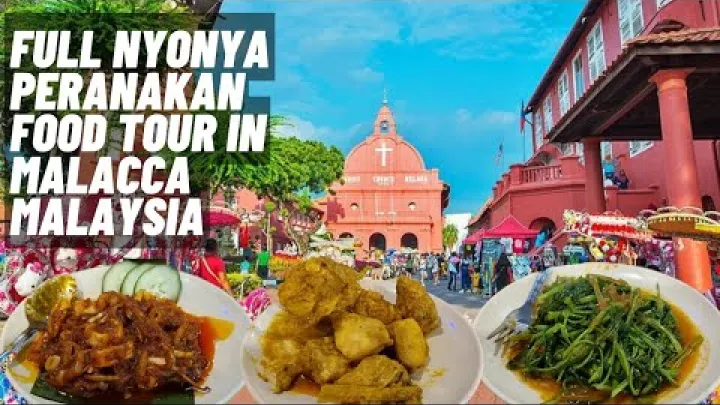
Cendol and gula Melaka-based desserts are common choices for a local treat, while cafés can add specialty coffee and a longer break from sightseeing. Menu prices differ by restaurant, portion, set menu, drinks, and service charges. Put café visits in the discretionary part of your plan so you can trim costs without skipping local food altogether.
Alcohol and Other Discretionary Food Costs
Frequent café visits, desserts, specialty drinks, and imported alcohol can raise food spending quickly. Some café drinks or desserts may fit roughly RM 10–20, while bar-based alcoholic drinks are often substantially more expensive and vary widely by venue.
| Food pattern | Daily planning range | What it includes |
|---|---|---|
| Frugal local eating | RM 30–50 | Simple meals, water, limited snacks |
| Mixed meals | RM 60–100 | One restaurant meal and café or dessert |
| Comfortable dining | Above RM 100 | Frequent cafés, restaurants, or alcohol |
Keep alcohol separate from the core meal allowance. It is a personal choice and not necessary for a comfortable Malacca visit.
Transport Costs to and Around Malacca
Transport is usually a manageable part of a central Malacca stay, but it becomes more important when arriving through Melaka Sentral or staying outside the heritage area.
Getting to Malacca by Intercity Bus
Intercity access should be added separately from the daily city budget. In the available planning information, Kuala Lumpur–Malacca bus fares are commonly estimated around RM 10–20 one way. Singapore–Malacca travel should be budgeted separately in Singapore dollars because the departure point, operator, and border process affect the total.
Many bus services use Melaka Sentral rather than the heritage core. On a three-day stay, a RM 40 round-trip access cost adds about RM 13 per travel day; on a shorter stay, its daily impact is higher. This is one reason an extra night can improve the apparent value of a trip.
Transport evidence changes more quickly than hotel or attraction information. Before paying for an intercity ticket, confirm the current fare, departure terminal, arrival point, luggage rules, and operator details.
Walking, Buses and Ride-Hailing in the City
For visitors based near the historic core, walking can cover Jonker Street, Dutch Square, the riverfront, and many nearby heritage attractions. A central budget traveler may need only RM 0–15 a day for local transport, while a traveler taking frequent ride-hailing trips can plan around RM 15–30 or more.
Ride-hailing is especially useful for Melaka Sentral, peripheral hotels, malls, late returns, and out-of-centre attractions. Treat these rides as convenience spending rather than an unavoidable cost when your hotel is central. Live app prices and bus schedules can differ by date, time, pickup point, and traffic, so check them when planning the actual day.
Trishaws and Optional Vehicle Rentals
Decorated trishaws are primarily a tourist experience, not essential transport. Short rides and longer evening rides can vary by operator, duration, route, and agreement, so put one in a separate activity line if it appeals to you.
Bicycle or motorbike rental may be useful beyond the compact core, but availability and rates are not universal. Anyone considering a rental should check licensing requirements, deposits, insurance, and the vehicle’s condition locally. Do not hide a full-day rental or trishaw experience inside a minimal transport allowance.
Attraction and Activity Prices in Malacca
A low-cost heritage itinerary can be satisfying with little paid admission. Families and visitors who choose theme parks, zoos, or multiple novelty attractions should build a separate activity budget from the beginning.
Free Heritage Sights and Small Museums
Heritage streets, Dutch Square, riverfront walks, religious buildings viewed respectfully, Bukit China, and neighborhood exploration can fill much of a day with little or no entry cost. Some small museums may fit roughly RM 3–10, while a guided heritage museum experience can be closer to RM 15–20 where available.
A budget sightseeing day can therefore allocate RM 0–20 when it centers on free sights and one low-fee museum. Check opening hours, dress expectations, and visitor rules at individual religious or historic sites before entering.
Melaka River Cruise, Taming Sari and Paid Core Attractions
The Melaka River Cruise is a useful official price anchor: Malaysia Travel lists an adult ticket at RM 25, with separate child, senior, and disability categories. This makes it an accessible signature activity for a mid-range plan.
Menara Taming Sari and other paid viewpoints are moderate-cost alternatives to a free heritage walk. A traveler who chooses one paid core attraction a day can reasonably allow about RM 25–60 for activities, depending on the ticket selected. This approach is often better value than buying several similar viewpoints in one day.
Attraction prices and operating status can change. Verify current pricing through the attraction or a current ticketing page, especially for non-citizen, child, combination, and date-specific rates.
Theme Parks, the Zoo and Family Activity Budgets
A'Famosa Water Theme Park, Bayou Lagoon Water Park, Melaka Zoo, and novelty attractions can transform a heritage-city budget into an activity-heavy one. Available ticket listings show examples starting around RM 47 or more for A'Famosa, RM 19 for Bayou Lagoon Water Park, and RM 13 for MagicArt, through Headout. Starting prices are not the same as a final family total.
An activity-heavy day can require roughly RM 80–160 or more per person for admission alone before meals and transport. Separate tickets from accommodation packages, lockers, parking, food, and rides. Families often get better control by selecting one major paid attraction for the day and comparing legitimate combination tickets rather than stacking multiple expensive venues.
What Raises or Lowers a Malacca Budget
Malacca is not uniformly cheap or expensive. The same traveler can have very different totals depending on travel dates, hotel base, room sharing, and the balance between free heritage exploration and paid activities.
Weekends, School Holidays and High-Demand Dates
Weekends, school holidays, public holidays, and major local events can tighten room availability around the heritage core and family resorts. A midweek stay may offer more choice, while a popular weekend can require booking earlier or accepting a less central room.
Do not assume a fixed seasonal increase. Instead, compare your selected dates across several properties, look at flexible alternatives, and decide whether a peripheral base saves enough to justify the additional local transport.
Practical Ways to Save Money
Stay midweek when possible and compare the final room total, not just the nightly headline rate. Share a suitable private room, or choose a walkable budget hotel if it removes the need for repeated rides. For meals, combine hawker food with one Nyonya meal rather than treating every meal as a restaurant occasion.
Use free heritage walks between paid sights, carry water, and limit café or bar visits that do not add much to your experience. Choose one or two signature attractions, compare valid bundles, and spread intercity access costs across a longer stay when your schedule allows it.
When a Central Stay Is Cheaper Overall
A room near Jonker Street can cost more than one farther away, but it may eliminate several ride-hailing trips and make short sightseeing windows more useful. This is especially relevant for solo travelers, couples on a two-night break, and visitors who plan to spend most of their time in the heritage core.
Out-of-centre or resort accommodation can be stronger value for families who need larger rooms, pools, or bundled activities. Use a simple decision rule: compare the total room saving with the number of people, expected daily rides, walking ability, and whether the planned attractions are central or peripheral. The heritage core is convenient, not automatically the cheapest choice for every group.
Sample Malacca Trip Budgets
These examples are planning models, not package prices. They show how room sharing and activity choices change the total more clearly than a single citywide average.
Two-Night Heritage City Break
For a two-night, three-day solo backpacker break near the heritage core, plan about RM 60–120 for lodging, RM 90–150 for food, RM 0–30 for local transport, RM 25–60 for one or two paid sights, and RM 20–40 for a return bus from Kuala Lumpur. The broad total is about RM 195–400 before shopping and personal extras.
For a couple sharing a RM 120–200-per-night private room, accommodation is RM 240–400 total, or RM 120–200 per person. Add RM 180–300 per person for food, RM 15–60 per person for local transport, RM 25–100 per person for attractions, and intercity access. The main cost movers are the room location, restaurant frequency, and number of paid attractions.
Three-Night Balanced Budget
A three-night backpacker version can combine two low-cost heritage days with one paid-activity day. Allow roughly RM 90–180 for a dorm or simple lodging, RM 120–180 for food, RM 15–45 for local travel, RM 25–80 for activities, and separate intercity access. The longer stay spreads the arrival cost and leaves more room for inexpensive meals.
A mid-range traveler sharing a private room might plan RM 150–300 per person for accommodation over three nights, RM 180–300 for food, RM 45–90 for local transport, and RM 50–150 for activities. A river cruise or viewpoint can be the paid highlight, while free streets and river walks keep the other days economical. Comfortable upgrades include a better room, breakfast, more cafés, and additional rides rather than necessities.
Family or Activity-Heavy Budget
For a family or group, calculate shared costs and per-person costs separately. A larger room or resort can be shared, but attraction tickets, meals, and some transport charges rise with each person. A family activity day with a water park or zoo can add RM 80–160 or more per person in admissions before food, lockers, parking, or rides.
A useful family worksheet is to price one room or apartment, divide that shared cost among the actual occupants, then list each adult and child ticket separately. Add one meal allowance per person and a transport line for the group rather than multiplying every ride by the number of travelers. This makes a free heritage day easy to compare with a water-park day and shows whether a package is genuinely saving money.
A lower-activity family alternative is a city-base stay with free heritage exploration, one paid core attraction, shared local meals, and only essential rides. A resort package may be more convenient when the family intends to use its facilities extensively, but it may be less economical than a central hotel with selective day visits. Check child, adult, package, and non-citizen rates for the selected dates before committing.
Malacca Budget Takeaways
A realistic Malacca budget starts with the accommodation base and then adds food style, transport convenience, and paid activities. Plan roughly RM 70–120 daily for a low-cost trip, RM 200–320 for a mid-range stay, and RM 300–500 for more comfort, then add intercity travel and personal extras. A walkable base near the heritage core can offer strong overall value, while resort areas make more sense when family facilities and major activities are the priority.
Select area
Create a post
Posting is free and no registration is required.