George Town Budget: Daily Travel Costs, Prices, and Saving Tips
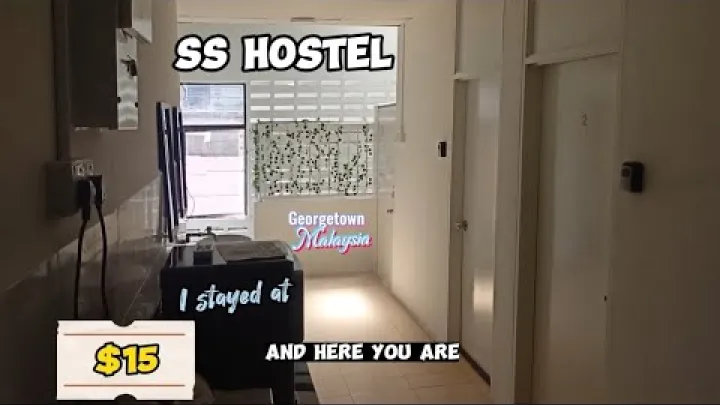
George Town can suit a very low-cost food-focused trip, a comfortable heritage break, or something between the two. The largest difference usually comes from accommodation, while hawker food and walking can keep day-to-day spending modest. This guide uses Malaysian ringgit (RM) and separates recurring daily costs from one-off costs such as airport transfers and flights. Use the ranges as planning tools for your own dates, travel style, and room-sharing arrangements.
How Much Does George Town Cost Per Day?
A realistic George Town travel budget depends less on small bus fares than on the type of room, how often you use cafes or alcohol, and how many paid attractions you add. The figures below are per person per day, except where a room price is clearly stated as per room. They exclude international flights and treat the airport journey as a separate arrival cost.
Daily budget ranges for budget, mid-range, and comfortable travel
| Travel style | Planning range | Typical pattern |
|---|---|---|
| Budget | RM75–RM175 per person daily | Dorm or basic shared stay, hawker meals, walking, limited paid entries |
| Mid-range | RM200–RM450 per person daily | Shared private room, mixed local and cafe meals, rides when useful, selected tickets |
| Comfortable | RM600 or more per person daily | Higher-end room, restaurants and drinks, frequent rides, tours or premium activities |
The budget band is most achievable for a solo traveler in a dorm or for travelers sharing a low-cost room, eating mainly at hawker centres, and exploring the heritage core on foot. A modest accommodation choice, a few Grab rides, a cafe stop, and one paid attraction can move a day into the mid-range band. Comfortable travel generally means a well-located boutique or heritage hotel, restaurant meals, drinks, private transport when convenient, and more than one paid experience.
Solo travelers paying the full cost of a private room should normally plan nearer the upper end of a range, while couples can often reduce the per-person accommodation share. Families need to check occupancy rules, extra-bed charges, and child admission categories rather than simply multiplying an adult estimate. These adjustments can matter more than small changes in bus or snack prices.
These are planning estimates, not guaranteed prices. A traveler who spends little on activities may stay below a range, while a holiday weekend, a private room for one person, or a food tour can move the total above it. Flights, travel insurance, shopping, private guides, theme parks, and major nightlife are better treated as separate additions.
What the daily George Town budget includes
For this guide, a budget day assumes a dorm bed or the traveler’s share of a simple room, local meals and drinks, mostly walking, and free or low-cost sightseeing. A mid-range day assumes a share of a private room, a mixture of hawker food and cafes, local transport or occasional ride-hailing, and an averaged allowance for paid attractions. A comfortable day allows for a better room, regular restaurant or bar spending, more convenient transport, and a higher activities allowance.
Accommodation makes the calculation different for solo travelers, couples, and families. A room costing RM240 per night is RM240 per person for one solo guest, RM120 each for a couple, and potentially less per person for a family if the room and occupancy rules allow it. The same principle applies to a Grab ride: the app quote is for the vehicle, so a shared ride can reduce each person’s cost.
Keep the inclusions visible when comparing any quote. A headline room rate may not include taxes, service charges, breakfast, booking fees, or optional extras. Similarly, a low air fare can exclude baggage and seat selection. Before committing to a total, identify whether each amount is per person or per room and whether these additional charges are included.
Accommodation Prices in George Town
George Town has a broad lodging market, from hostel dorms to restored shophouse hotels. A lower nightly rate is useful only if the location, facilities, and transport needs still suit the trip you want.
Hostels and basic guesthouses for a low-cost stay
Dorms and basic guesthouses are the main route to the lowest George Town budget. An available booking-market snapshot from Hostelz places average dorm beds around US$4 and private hostel rooms around US$25 per night, but these figures are variable estimates rather than fixed local rates. For planning, allow a wider amount around the displayed rate, especially for a bed in a central, well-reviewed hostel or for dates with stronger demand.
A dorm-bed price is one person’s sleeping space; it is not the cost of a private room. Basic private rooms can be useful for couples or friends, but compare the full room total against two dorm beds and divide it by the number of guests. The cheapest listing may have a shared bathroom, limited reception hours, no lift, weaker sound insulation, or fewer facilities than a hotel.
Check practical details that change value: air-conditioning, locker access, bedding, towels, laundry, breakfast, deposits, noise exposure, and cancellation terms. The final checkout amount matters more than the first nightly figure shown in search results. Very low rates can disappear quickly when dates are busy, so travelers with fixed plans may value a refundable booking over a small initial saving.
Private rooms, boutique hotels, and heritage properties
Private accommodation in or near the George Town heritage core is a common mid-range choice. Boutique hotels and restored shophouses offer atmosphere and a walkable location, but they vary considerably in room size, accessibility, included breakfast, and facilities. A useful broad planning band is roughly RM140–RM375 per room per night for some private mid-range options, with higher prices possible for popular heritage properties and busy dates. Treat this as a budgeting assumption, not a current quote for every hotel.
A higher room rate can still reduce the overall trip cost. A central hotel may allow you to walk to breakfast, street art, clan jetties, museums, and evening food stalls rather than paying for repeated rides. Breakfast included in the rate can be worthwhile if you would otherwise buy a substantial morning meal. A pool, reliable work space, or a larger room can also have value for families and remote workers, even if those features do not directly lower spending.
Do not assume that every heritage hotel belongs in one price tier. Compare the exact room category, bed configuration, breakfast, taxes, cancellation conditions, and distance from the places you expect to visit. Couples can often bring a mid-range room into a lower per-person cost than a solo traveler, while a family should check whether extra beds and child charges change the apparent value.
Choosing between the heritage core, Batu Ferringhi, and Balik Pulau
The George Town heritage core is usually the easiest base for travelers who want to walk to food, street art, historic streets, clan jetties, and cultural attractions. It can have higher demand than outer areas, but its convenience can reduce daily transport spending and make short stays more efficient. It is often the strongest choice for first-time visitors whose priority is city sightseeing and hawker food.

Batu Ferringhi is a beach-oriented alternative. Resort-style accommodation and beach demand can change the nightly price, while trips back to George Town add time and transport costs. It can make sense when the beach is a central part of the holiday, but a room that looks cheaper or more spacious should be assessed alongside the cost of returning to the city for heritage activities and food exploration.
Balik Pulau offers a quieter, more rural setting. It may appeal to travelers seeking a slower stay, but seclusion does not automatically mean cheaper accommodation, and access to George Town matters when planning meals and sightseeing. Choose the base that matches your intended daily pattern: central and walkable, beach-focused, or rural and relaxed. Compare the complete stay cost rather than selecting solely by the nightly rate.
Food and Drink Prices in George Town
Food is one of George Town’s strongest values, particularly for visitors who build their meals around hawker stalls and simple local eateries. Spending rises quickly when the itinerary shifts toward specialty coffee, brunch, cocktails, imported drinks, and modern restaurants.
Hawker meals and local dishes on a budget
For a simple local meal, a cautious working range is around RM10–RM20 per dish. This can cover many everyday choices, but the bill depends on portion size, ingredients, seafood or meat selections, drinks, and the location of the stall. The broad benchmark in Alike’s Malaysian street-food guide also indicates that prices vary by city and that Penang can be cheaper than Kuala Lumpur; it should not be read as a guarantee for a particular George Town menu or portion.

Char kway teow, assam laksa, hokkien mee, nasi kandar, cendol, rojak, and lok lok give visitors many ways to eat locally without making every meal expensive. New Lane Hawker Centre and Gurney Drive Food Centre are useful examples of places where several stalls can be compared in one visit. A traveler who mainly chooses hawker food and simple eateries can plan roughly RM40–RM70 a day for food and non-alcoholic drinks.
That allowance works best when breakfast is simple, lunch and dinner are local, and desserts or snacks are chosen selectively. Seafood dishes, extra toppings, specialty drinks, and dining in heavily visited areas can change the total. Look at the current menu or displayed price before ordering, especially where dishes are assembled from several components.
Cafes, coffee, alcohol, and restaurant splurges
A cafe-focused day has a different cost structure from a hawker-focused day. As a planning illustration, a latte around RM15 or a coffee-and-pastry stop around RM20–RM30 can equal the cost of one or more local meals. The exact price varies by venue and order, but the comparison helps explain why small daily treats often matter more than a low-cost bus journey.
Brunches, desserts, cocktails, wine, beer, and imported drinks can push a food budget upward quickly. Alcohol should be planned separately from meals because two travelers with identical accommodation and transport can have very different totals depending on drinking habits. Modern restaurants and tasting-style meals can be worthwhile experiences, but they should be deliberate choices within the daily plan rather than assumed to cost the same as hawker dining.
A balanced strategy is to make most meals local, then reserve a cafe, bar, or special restaurant for the occasions that genuinely matter to you. Travelers staying at a hotel with breakfast can also compare the included meal with what they would otherwise spend outside, rather than assuming it is automatically a saving.
Transport and Arrival Costs
Transport is often a manageable part of a George Town budget because much of the heritage core is walkable. Costs rise when heat, rain, luggage, late finishes, mobility needs, or out-of-town stays make ride-hailing more practical.
Walking, Rapid Penang buses, and Grab around the city
Walking is the lowest-cost option within the compact heritage core and is particularly useful when visits are grouped by neighborhood. It also makes it easier to explore street art, historic lanes, food stops, and waterfront areas without repeatedly paying for short trips. Build in time and rest breaks, as tropical heat and rainfall can make an apparently short walk feel more demanding.

Rapid Penang buses can be a lower-cost option for longer journeys, while Grab is often more convenient for luggage, late travel, rain, families, or destinations outside the central area. A Grab quote is for the car, not each passenger, so sharing with a partner or group can make it competitive with several individual fares. Use buses when time and flexibility are more important than door-to-door convenience; use ride-hailing when it avoids a meaningful delay or discomfort.
Do not rely on an old fare table or assume that a pass available to residents is suitable for every foreign visitor. Before using buses as the foundation of your estimate, confirm current Rapid Penang fares, payment requirements, service availability, and any pass eligibility with the operator. Check the live Grab price when you need a ride, since demand and conditions can affect the quote.
Penang International Airport transfers
Airport transport should be a separate arrival and departure line item, not hidden inside a normal daily transport allowance. Grab lists an approximate journey of 35 minutes between Penang International Airport and George Town, with an approximate price of RM30–RM45. See the current airport-transfer guidance from Grab for the reference point.
The final app quote can vary with demand, the precise destination, vehicle type, pickup conditions, luggage needs, tolls, and time of travel. The official taxi counter is another option, but compare its live price with the app quote rather than assuming a fixed taxi fare. A couple or family can divide a vehicle cost, while a solo budget traveler should decide whether the time saved is worth the higher per-person share.
Attraction Fees and Low-Cost Things to Do
George Town does not require a paid ticket every day. The best value often comes from combining walkable heritage experiences with one or two paid attractions chosen for your interests.
Free and low-cost George Town experiences
Walking heritage streets, viewing street art, visiting the clan jetties, and seeing temples can fill much of a first visit with little spending. These activities make it possible to direct more of the budget toward food or one major paid outing. They also work well for travelers with only a short stay, because many can be combined in the same walkable area.
Kek Lok Si is a useful example of an attraction where the main visit can be low-cost while optional areas or rides may add a small charge. Treat optional components as choices rather than assuming every part of a site has the same access conditions. Temple and heritage-site rules can differ, and donations, special areas, or particular facilities may create additional costs.
For a realistic activities budget, spread occasional admissions across the full trip. A traveler staying four days might choose one hill visit and one museum, then spend the other days on walking routes, food exploration, and public areas. This produces a more useful daily average than allocating a paid attraction to every day.
Penang Hill, museums, and paid experiences
Penang Hill is often one of the larger individual sightseeing expenses because of the funicular. The official Penang Hill Corporation ticket page lists visitor categories and notes that fares may change without prior notice. Use the applicable visitor category for your trip; resident discounts and special concessions may not apply to international visitors.
Other paid choices can include Pinang Peranakan Mansion, the Blue Mansion, Wonderfood Museum, guided food tours, and theme-park visits. These do not belong in a single price category: a self-guided museum entry, a guided tour, and a full theme-park day have very different effects on a daily budget. Rather than stacking several admissions in a short period, choose one or two experiences that fit your interests and leave room for the city’s low-cost walking and food experiences.
Before visiting any paid attraction, check its official site for current admission prices, visitor categories, opening information, and optional fees. This is especially important for families, as child categories and add-ons can materially change the total.
When George Town Costs More
Travel prices do not move evenly. Hawker meals may remain relatively accessible, while accommodation can rise sharply when demand is strong.
Seasonality, weekends, holidays, and events
Weekends, school holidays, public holidays, festivals, and major events can reduce room availability and raise hotel prices. This is why lodging is usually the first budget category to research when dates are not flexible. Compare the same room on nearby weekdays and weekends, then decide whether changing one or two nights would create a meaningful saving.
Older travel articles can also understate current costs. Malaysia’s official statistics agency reported Pulau Pinang annual inflation of 3.0% in 2024, above the national 1.8% rate, in its DOSM analysis. That does not forecast a particular hotel’s rate, but it is a useful reminder that historical price lists are not dependable booking quotes.
Book early when dates are fixed, but preserve flexibility where possible through suitable cancellation terms. Before setting a final budget, compare accommodation for the exact dates and look for public holidays, festivals, major events, and weekend surcharges that may affect availability.
Ringgit, cash, cards, and digital payments
Plan the trip in Malaysian ringgit, then convert to your home currency only for comparison. Exchange-rate movements can change what the same RM budget costs you, so leave a small buffer rather than treating a converted total as exact.
Cash remains useful for small hawker stalls, markets, buses, and some attractions. Cards and digital payments may be accepted at hotels, cafes, larger restaurants, and some other businesses, but acceptance differs by vendor and foreign cards are not universal. Ask about payment options before ordering or boarding, especially when you are relying on a card or e-wallet.
Carry enough ringgit for small purchases and track daily spending by category. Snacks, drinks, cafe stops, and short rides can seem insignificant individually but become a noticeable part of a five-day total. A simple daily note for accommodation, food, transport, and activities makes it easier to adjust before the budget is exceeded.
How to Save Money Without Missing George Town
The best savings are usually structural choices, not the smallest possible purchase. Focus first on the decisions that affect several days of the trip.
The most effective ways to lower the trip cost
- Control accommodation first. Compare dates, room types, and locations before reducing food spending. A dorm or shared private room can save far more than skipping a dessert, but the trade-off may be less privacy, fewer facilities, or more noise.
- Stay where you will spend time. A central heritage-core base may cost more per night but can reduce rides and make a short stay easier. A farther base can work for beach or rural priorities, but it offers less spontaneous access to George Town.
- Make hawker food the default. Use local eateries for most meals and select cafes, bars, and premium restaurants as intentional treats. The trade-off is a simpler dining pattern rather than constant variety in air-conditioned venues.
- Walk strategically and share rides. Group nearby sights into one walking route, use buses for suitable longer journeys, and split Grab rides when practical. The trade-off is more time on foot or less flexibility than taking a car for every trip.
- Choose paid highlights carefully. Mix free landmarks with one or two ticketed experiences. This protects the activities budget without removing the most meaningful paid visit from the itinerary.
- Review spending each evening. Move money between categories when needed. A restaurant splurge can be balanced by a free sightseeing day, rather than forcing every category to match an original estimate.
Included hotel breakfast can be helpful when it replaces a meal you would otherwise buy, but it is not automatically better value if you prefer a small local breakfast. Likewise, promotions are only real savings when they match purchases you already planned to make.
Turn daily estimates into a total trip budget
Use a low, expected, and high scenario rather than one exact total. Start with daily per-person spending multiplied by the number of full spending days. Because the opening bands already include an assumed share of accommodation, do not add the room again unless you are building a separate calculation from an exact room quote. Then add flights, travel insurance, airport transfers, and a contingency amount for exchange-rate changes, weather-related rides, or an unplanned activity.
| Example | Low scenario | Expected scenario | Higher scenario |
|---|---|---|---|
| Three-night stay | RM225–RM525 daily spending total | RM600–RM1,350 daily spending total | RM1,800 or more daily spending total |
| Five-night stay | RM375–RM875 daily spending total | RM1,000–RM2,250 daily spending total | RM3,000 or more daily spending total |
These examples multiply the daily ranges only; add airport transfers and other one-off expenses separately. For instance, a five-day solo traveler using dorms, hawker food, walking, and mostly free sights may aim near the lower range. A couple sharing a private heritage hotel, visiting cafes regularly, taking several rides, and choosing Penang Hill plus a museum may land in the mid-range. One premium tour, a theme-park day, or frequent alcohol spending can change the result more than small bus fares.
For a worked calculation, four full spending days at the mid-range band would produce roughly RM800–RM1,800 per person before flights, insurance, and airport transfers. If two people share a room or a car, divide those shared costs between them; if a room quote is already included in your daily estimate, do not count it a second time. Keeping recurring spending and one-off costs on separate lines makes the final budget easier to adjust.
Write room costs and vehicle transfers on their own lines before dividing shared amounts among travelers. This avoids the common mistake of multiplying a per-room price by every person or treating a one-time airport transfer as a cost that repeats daily.
George Town Budget: Final Takeaways
George Town can be a strong value destination when accommodation is chosen early, meals are built around local food, and the heritage core is explored on foot. A practical budget begins around RM75–RM175 per person per day for a simple travel style, while private rooms, cafes, rides, and paid activities move most visitors toward the mid-range or above. Set aside separate money for flights and airport transfers, use ringgit for the working budget, and leave a contingency for date-specific room prices and personal treats. The result is not one fixed George Town price, but a plan that lets you spend more on the parts of Penang that matter most to you.
Select area
Create a post
Posting is free and no registration is required.