Kuala Lumpur Getting There: Flights, Trains, Buses & Ferries

Getting to Kuala Lumpur is straightforward once you choose the right arrival hub for your route, budget, luggage, and planned arrival time. Most international visitors fly into Kuala Lumpur International Airport, while rail passengers usually arrive at KL Sentral and many long-distance coach passengers use Terminal Bersepadu Selatan. Travelers from Penang, Langkawi, Johor Bahru, Melaka, Singapore, and the northern West Coast have several workable choices. This guide compares the main routes and explains how to continue from each gateway without assuming that the lowest ticket price is the best complete journey.
How to Choose the Best Route to Kuala Lumpur
There is no single best way to reach Kuala Lumpur. A direct flight may save time, an intercity train may offer a more predictable journey, and a coach may be the simplest low-cost option when it departs close to your accommodation. Compare the complete door-to-door trip, including travel to the departure point, baggage costs, waiting time, and the final journey to your hotel.
Match the Transport Mode to Your Time and Budget
| Mode | Best for | Main advantage | Main drawback |
|---|---|---|---|
| Flight | Long distances and international arrivals | Usually the fastest travel leg | Airport travel adds time and cost |
| ETS train | West Coast cities | Comfortable arrival at KL Sentral | Seats and timings may not suit every route |
| Long-distance coach | Budget and direct city links | Many departure locations | Traffic and stops affect arrival time |
| Driving | Groups and flexible itineraries | Door-to-door control | Parking, tolls, and congestion |
| Ferry-linked route | Langkawi and island itineraries | Can combine sea travel with overland travel | Several separate connections |
Flying is usually the practical choice for long-haul arrivals and can be useful on domestic routes when the airport transfer is simple. Rail is particularly appealing from points on the West Coast corridor because it avoids road congestion and arrives at a central transport hub. Coaches can be economical and convenient from cities without a useful rail timetable, but the advertised journey length should be treated as an estimate rather than a guaranteed arrival time.
When comparing prices, include the whole itinerary. A low airfare can become less attractive after airport transport, checked baggage, meals, and a late road transfer. A coach that seems slower may be better value if it leaves from the city centre and arrives close to your hotel. For a group, a direct road journey can sometimes be simpler than buying several individual rail or airport tickets.
Understand Kuala Lumpur's Main Arrival Hubs
Kuala Lumpur is served by several distinct gateways. Kuala Lumpur International Airport Terminal 1 and Kuala Lumpur International Airport Terminal 2 are outside the city centre in the wider metropolitan area. Sultan Abdul Aziz Shah Airport, commonly called Subang Airport, is another airport in Selangor that handles selected services. These are not interchangeable pickup points, so use the airport and terminal printed on your booking.
KL Sentral is the principal rail and airport-rail hub for central Kuala Lumpur. Terminal Bersepadu Selatan, often called TBS, is a major long-distance coach terminal on the southern side of the city and is connected to Bandar Tasik Selatan. An arrival at KL Sentral is generally convenient for central districts; an arrival at TBS is still well connected but may require a further rail or road journey.
Kuala Lumpur sits on Malaysia's West Coast travel corridor. This makes it a common onward destination from Ipoh, Butterworth, Alor Setar, Melaka Sentral, Johor Bahru, and Singapore. Northern island routes add a sea connection through Kuah Ferry Terminal, Kuala Perlis, or Kuala Kedah before continuing overland.
Arriving in Kuala Lumpur by Air
Air travel provides the broadest choice of domestic, regional, and international routes. The important planning step is not only choosing Kuala Lumpur, but also identifying the exact airport and terminal where your flight lands.
KLIA Terminal 1 for International and Full-Service Flights
KLIA Terminal 1 is the principal international gateway for Kuala Lumpur and is commonly used by long-haul and full-service operations. The official Malaysia Airports page provides flight information and passenger facilities for the terminal. For many visitors arriving from outside Southeast Asia, this is the most likely first point of arrival in Malaysia.

The airport is not in central Kuala Lumpur. From Terminal 1, the main onward choices are airport rail to KL Sentral, airport buses, and official road transport. Rail is often the clearest option for travelers staying near KL Sentral or another urban rail station. A bus can reduce the cost of the airport transfer, while a taxi or booked ride may be easier for a family, travelers with several bags, or guests staying away from rail lines.
Confirm the operating airline and the exact KLIA terminal on your booking or the airport flight-information page before choosing a ground connection. This is especially important when arranging a pickup, booking an airport hotel, or allowing time between a flight and a separate domestic service.
KLIA Terminal 2 for Budget and Regional Airlines
KLIA Terminal 2 is a major gateway for budget and regional airlines. According to Malaysia Airports, it offers passenger information and real-time flight details for this separate terminal. It can be a convenient arrival point for regional and domestic journeys, including routes that connect Kuala Lumpur with other Malaysian destinations.
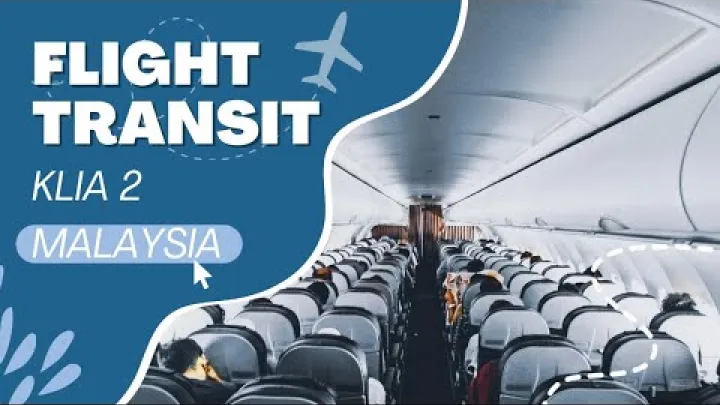
Do not assume that a low airfare means a low total arrival cost. Add the journey to the airport at your origin, any baggage charge, the transfer from Terminal 2 into Kuala Lumpur, and the time needed to reach your final accommodation. A direct flight can still be worthwhile if it avoids a long coach ride or an awkward interchange, but the saving is not always as large as the ticket price suggests.
Terminal 2 is separate from Terminal 1. Use the terminal shown on the booking, rather than relying on an older travel guide or an assumption based on the airline. The same broad airport-rail and bus principles apply, but allow for walking, finding the correct platform or bus stop, and any terminal-related transfer that your itinerary requires.
Subang Airport for Selected Regional Arrivals
Sultan Abdul Aziz Shah Airport, also known as Subang Airport, is located in Subang, Selangor. It is a closer-in alternative for selected domestic and regional operations, rather than a replacement for KLIA's broad international role. Its location can be useful for travelers whose final destination is in western Kuala Lumpur, Petaling Jaya, Shah Alam, or nearby business areas.
Subang can reduce the distance of the final road journey for the right itinerary, but it is not a general solution for every Kuala Lumpur arrival. Long-haul travelers should normally expect to use KLIA unless their airline clearly states otherwise. Travelers connecting between flights should also be cautious: an arrival at Subang and a departure from KLIA involves a cross-metropolitan transfer, not a simple terminal change.
Check the airport code, airline, and route shown on your ticket. Airline networks and operating patterns can change, and two flights marketed as serving Kuala Lumpur may use different airports.
Arriving in Kuala Lumpur by Train
Intercity rail is most useful for travelers moving along Peninsular Malaysia's West Coast. It combines a relatively comfortable journey with an arrival at KL Sentral, where airport rail and urban transport are available.
ETS on the West Coast Line
KTMB's ETS services are the main long-distance rail option on the electrified West Coast corridor. The corridor is relevant for travelers coming from places such as Ipoh, Butterworth, Alor Setar, and northern gateways toward Padang Besar, as well as locations south of Kuala Lumpur toward Gemas. Booking platforms describe the broad ETS corridor from Gemas to Padang Besar, but current train choices should be checked through the operator or current booking system rather than an old timetable.
For travelers from Ipoh or Butterworth, rail can be an attractive alternative to a coach because the journey is less exposed to motorway congestion and ends at KL Sentral. It is also useful when your accommodation is near central rail connections. The trade-off is that popular departures can sell out, and different service patterns may make one train substantially more convenient than another.
When choosing between rail and bus, compare departure station access as well as the main journey. A train that arrives at KL Sentral may be easier after a long trip than a cheaper coach that arrives at TBS and needs another connection. Check the current service category, stops, seat availability, baggage conditions, and departure time when buying tickets.
Southern and East Coast Rail Connections via Gemas
Gemas is an important planning point for rail journeys that involve southern or less direct connections. It is best understood as an interchange concept rather than a destination most visitors need to seek out. Depending on the route and current timetable, a journey from Johor Bahru or from an East Coast location may involve a change, a different rail service, or an alternative mode of travel.
For many southern travelers, a direct coach or flight can be easier than a rail itinerary with separate tickets and a tight connection. Rail may still appeal if you prefer station-to-station travel or want to avoid a long road journey, but the total time can be longer than expected once waiting time is included. East Coast travelers should also compare coach and flight options because the railway network does not offer the same direct West Coast alignment.
Do not assume that an older route map proves a seamless direct service today. Network works and timetable changes can alter which connection is practical. Build an itinerary around the actual interchange shown by the current operator, with enough time to move between services and manage luggage.
Use KL Sentral as the Main Rail Arrival Point
KL Sentral is Kuala Lumpur's key rail arrival point and a useful interchange for intercity trains, airport rail, and urban transport. An ETS arrival here can be a simple starting point for central accommodation, a meeting in the business districts, or a same-day connection toward KLIA.

Although it is centrally useful, KL Sentral is a large transport complex rather than one small station. Follow the signs for your next service, and allow time to locate the appropriate level, platform, ticket gate, or road pickup point. This matters most when changing from an intercity train to the airport rail link or when arriving with heavy luggage.
Before travel, identify the closest useful station or a clear hotel address for the last part of the journey. A hotel described as being in central Kuala Lumpur may still require an urban rail ride or a short road transfer from KL Sentral.
Arriving in Kuala Lumpur by Long-Distance Bus
Long-distance coaches cover many domestic routes and can be a practical way to reach Kuala Lumpur from cities that are not directly served by a convenient rail journey. They are also important for international overland travel from Singapore.
TBS as Kuala Lumpur's Main Coach Gateway
Terminal Bersepadu Selatan is a major coach gateway for many services entering Kuala Lumpur from the south and from other parts of Peninsular Malaysia. It is linked with the Bandar Tasik Selatan transport interchange, which makes it possible to continue by rail instead of arranging a separate cross-city road journey.
On arrival, check the information displayed for your operator, gate, and onward connection. Keep your ticket accessible, note where checked luggage is collected, and allow time to orient yourself before following signs toward the rail interchange or designated pickup area. The terminal printed on the ticket is the one to follow.
Some older guides refer to Pudu Sentral or Puduraya. These names may not describe the correct departure or arrival point for a current journey. Not every domestic or international coach uses TBS, so treat the ticket's listed terminal as the final instruction for your service.
Typical Domestic Bus Routes into Kuala Lumpur
Domestic coaches offer common route patterns from Melaka Sentral, Kuantan, Kota Bharu, Penang or Butterworth, and Johor Bahru. The best option differs by distance. From Melaka, a direct coach can be an efficient choice because it avoids the need to first reach a rail station. From Johor Bahru or Penang, the comparison between coach, rail, and flight is more balanced.
For longer routes, comfort matters as much as headline price. Seat layout, intermediate stops, meal breaks, departure time, luggage handling, and the operator's boarding location can change the experience. Road congestion is another variable, particularly when a coach approaches Kuala Lumpur during busy periods or after a holiday weekend.
From Butterworth, rail may be preferable for travelers who value a KL Sentral arrival; a coach may be easier if its departure point is closer to where you are staying. From Penang Island, first consider the time needed to reach Penang International Airport, the ferry or road link to Butterworth, or the coach departure point. From Kota Bharu or Kuantan, compare the convenience of a direct coach against a flight and the additional airport transfer.
International Coaches from Singapore
Coaches from Singapore to Kuala Lumpur are a practical overland option for travelers who prefer a city-centre departure, want to keep luggage with them, or do not want to use a short regional flight. Booking services list multiple operators and departure choices on this route, including standard and premium-style services. The Easybook route page is one place to compare currently listed departure and arrival locations.
The main trade-off is uncertainty at the land border. Border processing, traffic, and the time taken for passengers to reboard can make the actual journey longer than the advertised estimate. Select a departure point in Singapore that you can reach easily, and pay close attention to where the coach ends in Kuala Lumpur.
A service may arrive at TBS, KL Sentral, Bukit Bintang, or another listed city location. These are very different final stops. Premium and standard services can also differ in seat space, amenities, and price, so choose based on the comfort you need for a cross-border journey rather than operator name alone.
Ferry and Multimodal Routes to Kuala Lumpur
Kuala Lumpur is inland, so ferry travel is always part of a combined itinerary rather than a direct arrival method. The main example is Langkawi, where passengers must match a ferry arrival point with an onward train, bus, or flight plan.
Travel from Langkawi by Flight, Ferry and Bus, or Ferry and Train
From Langkawi, a direct flight to Kuala Lumpur is usually the simplest and fastest overall pattern. It may be especially convenient for travelers with limited time or a fixed hotel check-in. However, compare the total cost after baggage and airport transfers, particularly if a ferry-and-overland route fits your budget better.
A ferry route requires careful matching of places. Travelers can use Kuah Ferry Terminal to reach Kuala Perlis and continue by long-distance coach, or travel through Kuala Kedah and continue via Alor Setar by rail or road. These are different mainland gateways, and booking the correct onward service depends on knowing exactly where your ferry arrives.
The ferry-and-train option can be attractive for travelers who prefer an ETS journey into KL Sentral. The ferry-and-bus option may have simpler local connections on a particular day. Neither is automatically better: compare speed, likely cost, comfort, and the number of separate tickets.
Check the ferry departure, the connecting train or bus, and the required interchange separately, leaving a buffer for missed connections. Ferry frequency and connecting services can change, and independently booked legs do not necessarily protect you if an earlier journey is delayed.
Travel from Penang by Air, Rail, or Road
Penang offers three main patterns for reaching Kuala Lumpur: a direct flight from Penang International Airport, ETS rail from Butterworth on the mainland, or a long-distance bus or drive along the West Coast corridor. The right choice depends partly on whether you are starting on Penang Island or already on the mainland.
A flight has the shortest main travel leg, but travelers on the island should include the journey to the airport, airport waiting time, baggage arrangements, and the transfer from KLIA into Kuala Lumpur. ETS from Butterworth can be a more predictable alternative to road travel and delivers passengers at KL Sentral. A bus may be the lower-cost choice or the easiest option when its departure point is close to your accommodation.
Do not compare only the scheduled duration. A rail trip can be more useful if your hotel is near KL Sentral, while a flight may work best when the fare is favorable and your arrival time leaves a comfortable route into the city. Confirm the departure airport or station and the final Kuala Lumpur terminal before paying for a ticket.
Continue from the Gateway to Central Kuala Lumpur
Arrival hubs are only the first part of the trip. The best onward choice depends on where you are staying, how much luggage you have, the number of people traveling, and whether your arrival is during normal transport operating hours.
From KLIA to the City by Rail, Bus, or Official Road Transport
| Option | Typical use | Main advantage | What to consider |
|---|---|---|---|
| KLIA Ekspres | Travel to KL Sentral | Direct and predictable airport rail | Still needs a final local connection for many hotels |
| KLIA Transit | Airport rail with intermediate access | Useful where its stops suit the itinerary | Confirm the service that matches your destination |
| Airport bus | Lower-cost airport transfer | Simple for travelers with flexible time | Road traffic and stop location matter |
| Official road transport | Door-to-door journey | Helpful for groups and heavy luggage | Cost and traffic can be higher |
KLIA Ekspres provides the direct airport-rail connection between Kuala Lumpur and KLIA; consult KLIA Ekspres for current service information. KL Sentral is a useful destination for travelers continuing by urban rail or staying nearby. Airport buses are generally a lower-cost alternative, while an official taxi or booked ride can be the simplest choice when a hotel is not near a convenient station.
Choose rail when predictable timing and a KL Sentral arrival matter most. Choose a bus when price matters and you can accept a road-based journey. Choose road transport when luggage, children, a late check-in, or a door-to-door destination outweigh the cost difference. Current fares and departure patterns should be confirmed with the relevant operator.
From TBS or KL Sentral to Your Accommodation
From TBS, use the connected Bandar Tasik Selatan interchange when rail is suitable for your destination, or arrange a legitimate road transfer for a direct hotel journey. TBS can be especially useful for a later airport connection because it is on the southern side of the city, but it may be less convenient for accommodation in northern or western suburbs.
From KL Sentral, urban rail, a taxi, or a booked ride can each make sense. Urban rail is useful for hotels close to a station. A road journey is often easier if you have large bags, are traveling as a group, or are staying in a district that requires several rail changes.
Save the accommodation's complete address and identify its nearest useful station before you arrive. A broad area name is not always enough for a driver or for planning the final walk from a station.
Late Arrivals, Early Departures, and Tight Connections
A late flight, overnight coach, or delayed ferry can change the best plan completely. A cheap arrival that leaves no practical onward connection may create an expensive and stressful final journey. This is particularly relevant after an international flight, a land-border crossing, or a ferry booked separately from its onward transport.
Before booking a late flight or coach, check the last practical rail or bus connection and confirm that the accommodation accepts late check-in. If the timing is uncertain, a booked road transfer or an airport-area overnight stay may be a safer choice than relying on a connection with little margin.
For separate tickets, avoid building an itinerary around the minimum possible connection. Know the next available service, where the terminal is located, and where you can wait safely if a connection is missed. For an early departure, work backward from the required airport or station arrival time rather than from the scheduled flight or train time alone.
Book, Check, and Arrive Smoothly
Good arrival planning is mostly about keeping the important details consistent across every ticket. The place called Kuala Lumpur on a booking may mean an airport, a coach terminal, a rail station, or a city stop, each with a different final transfer.
Verify Schedules, Terminals, Fares, and Baggage Rules
Use official airport, rail, ferry, and operator information as the final authority for a journey. Aggregator listings are useful for comparing options, but they may not show the latest terminal assignment, seat availability, baggage rule, or route change. Save confirmations on your phone and keep a copy that can be opened without a data connection.
- Confirm the operator and travel date.
- Confirm the exact departure terminal, station, pier, or coach stop.
- Confirm the exact Kuala Lumpur arrival point: KLIA Terminal 1, KLIA Terminal 2, Subang Airport, KL Sentral, TBS, or another listed stop.
- Check fare conditions, seat selection, baggage allowance, and accepted payment method.
- Allow connection time for immigration, luggage collection, border processing, or a terminal change.
- Save the local names and address details for both your arrival point and accommodation.
Recheck the current departure time, terminal, fare, baggage rules, and route status directly with the operator before travel. This final check matters because transport schedules, airport assignments, and coach departure points can change after tickets have been purchased.
Avoid Unofficial Taxi Offers and Booking Confusion
At an airport, station, ferry terminal, or coach terminal, use a marked taxi queue, official airport counter, or pre-booked ride and decline unsolicited transport offers inside or outside the terminal. This simple choice makes it easier to confirm the vehicle, destination, and price method before you leave.
Whether the arrangement is fixed-fare, metered, or booked through an app, confirm the destination address and the booking details before starting the journey. If someone offers transport without a clear vehicle identification or booking record, use a recognized channel instead.
Also read the terminal name on every ticket carefully. A coach described as arriving in Kuala Lumpur may stop at TBS, KL Sentral, Bukit Bintang, or another location; a flight may use either KLIA terminal or Subang. Matching the named arrival point to your accommodation avoids confusion after a long journey.
A Final Route-Selection Checklist
Choose a direct flight when fastest arrival is the priority and the airport transfer fits your timing. Choose ETS when you are traveling on the West Coast corridor and value a comfortable arrival at KL Sentral. Choose a coach when a direct departure and lower total cost matter more than precise road timing. For Langkawi, choose a direct flight for simplicity or a ferry-linked route only when you are comfortable managing separate connections.
Before paying, compare the complete journey from your current accommodation to your Kuala Lumpur hotel, not just the flight, train, ferry, or bus ticket. Check the terminal, final arrival hub, luggage rules, connection buffer, late-night access, and hotel location. The best route is the one that fits your real arrival time and your tolerance for transfers.
Select area
Create a post
Posting is free and no registration is required.