Malacca Where to Stay: Best Areas and Accommodation Guide

Choosing where to stay in Malacca is mainly a choice between heritage atmosphere, modern hotel convenience, and transport access. For most first-time visitors, the most useful base is near Jonker Street and the Malacca River, where many of the city’s best-known sights, food stops, and evening streets are close together. Bandar Hilir and Melaka Raya are better for travelers who prefer larger buildings, malls, parking, and contemporary facilities, while Melaka Sentral is most practical when bus timing is the priority. This guide compares the main areas and accommodation types so you can choose a base that fits your trip rather than simply choosing the lowest nightly rate.
Where to Stay in Malacca: The Quick Decision
Malacca is compact enough that several central districts can work well, but the experience changes noticeably from one street to another. Start with the purpose of your stay: heritage sightseeing, family comfort, a bus connection, a longer apartment stay, or a quieter break outside the center.
Make the Historic River Core Your Default Base
For a first leisure visit, stay around Jonker Street and the Malacca River. This historic river core puts you in the strongest position for exploring heritage lanes, cafés, local food, Dutch Square, and evening activity without making transport the main part of every day. It is particularly useful when your itinerary is built around walking, with the option to return to your room during the hottest part of the day.
The best version of this choice is often close to Jonker Street rather than directly on its busiest frontage. A room above a lively street can be exciting for travelers who want to be in the center of the action, especially on busy weekends. A guesthouse or boutique hotel on a nearby lane usually provides a better balance of atmosphere and rest. Jonker Walk remains a major visitor focus, as reflected in the current Expedia destination guide.
This is a practical area recommendation, not a claim that every property here is equally good. Building age, room orientation, stairs, and the precise entrance can matter more than the broad neighborhood name.
If you have only a short city break and your main plans are in the heritage center, the river-core base usually saves the most logistical effort. If your plans include repeated driving, a large amount of luggage, or extensive time at attractions beyond central Malacca, compare the parking and departure route before choosing a historic shophouse.
Choose Bandar Hilir or Melaka Raya for Modern Convenience
Choose Bandar Hilir or adjoining Melaka Raya if you want a more conventional hotel stay while remaining central. These districts are a strong alternative for families, older travelers, visitors with a car, business travelers, and anyone who values reception services, lifts, parking, larger room categories, and nearby shopping.
Dataran Pahlawan Melaka Megamall and Hatten Square are useful orientation points in this modern central corridor. The trade-off is that the old-town atmosphere is less immediate than it is beside Jonker Street or the river. You may still be able to reach heritage attractions on foot, but the route and comfort of that walk depend on the exact hotel, crossings, weather, and the people in your group. Check the current facilities offered by the property and look at its actual route to the heritage core rather than assuming that a central address means identical access.
Choose Melaka Sentral Only When Bus Access Comes First
Melaka Sentral is the city’s principal public transport terminal, so staying nearby can make sense for a very early departure, a late arrival, or a short transit stop. It is a functional transport base rather than the best choice for visitors who want heritage streets and riverside activity immediately outside their accommodation.
For most short sightseeing stays, a central hotel plus a planned transfer is more rewarding than spending every journey between the terminal and the old town. The terminal area can still be sensible for budget travelers who have a tight connection and do not need a full heritage experience. This is a matter of convenience, not a judgment on the district.
Malacca's Main Areas Compared
The central visitor area spreads across both sides of the Malacca River, then continues south toward the mall and hotel districts. Use the river, Dutch Square, Jonker Street, and the larger commercial landmarks as practical map anchors rather than relying only on listing labels.
Jonker Street and the West Bank
The west bank around Jonker Street is the best fit for travelers who want Malacca’s heritage character at close range. It combines older streets, food options, cafés, cultural attractions, and a lively evening environment. It is especially convenient for people who prefer to explore slowly, stop often, and avoid organizing rides for every meal or landmark.

Its main advantage is walkability within the historic core. Its main compromise is that popular periods can bring crowds, traffic on narrow streets, and more sound from markets, restaurants, or passing visitors. “Jonker Street area” covers more than one experience: a room on the main street, a room behind it, and a room across the river can all be marketed similarly while feeling very different at night.
Light sleepers and families should generally favor a side street or a room facing inward rather than directly toward the busiest activity. Recent guest reviews are the most useful evidence for a specific building’s sound insulation, cleanliness, entrance arrangement, and room location.
The Riverside and East-Bank Heritage Area
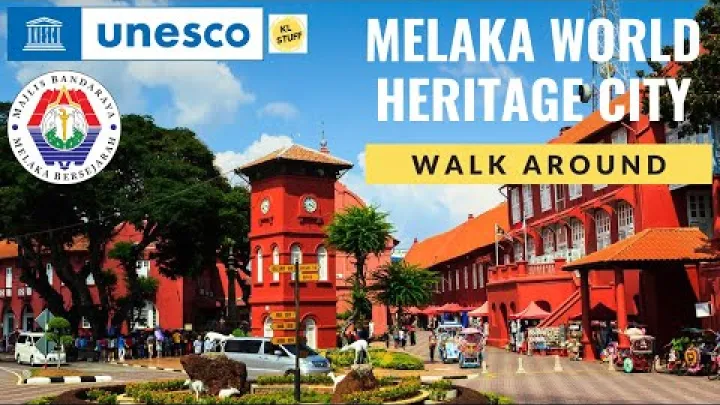
The Malacca River is both a scenic feature and a useful way to understand the center. It links the west-bank heritage lanes with the landmark area around Dutch Square on the east side. Riverside lodging can suit couples and first-time visitors who value views, a historic setting, and easy access to walks along the water.

The east-bank side near Dutch Square is practical when colonial-era landmarks are a central priority. It may feel more focused on major sights and open public spaces than the dense lanes near Jonker Street. Listings do not always use consistent neighborhood boundaries, so a property described as “riverside,” “Dutch Square,” or “city center” may be on a different side of the river than expected.
Riverfront rooms may command more interest because of their outlook, while inland properties a few streets away can offer a simpler and sometimes calmer base. Do not assume that every waterside room is quiet or that every non-river room is inconvenient; the building position and room-facing direction determine much of the experience.
Bandar Hilir and Melaka Raya
Bandar Hilir and Melaka Raya combine central sightseeing access with a wider range of contemporary services. They are useful for travelers who want restaurants beyond the heritage lanes, air-conditioned malls, larger hotel buildings, vehicle access, and more predictable room layouts. Dataran Pahlawan Melaka Megamall and Hatten Square make this area easy to identify when comparing map pins.
This is often the strongest compromise for families, visitors with reduced mobility, business guests, and travelers who do not want to stay in the narrowest old-town lanes. Current booking results show a broad range of lodging around Bandar Hilir, including heritage-oriented and modern options, on Agoda.
However, the district is not uniformly quiet. A room near a main road, shopping complex, restaurant cluster, or active entrance can have a different sound level from one facing a courtyard or higher floor. Choose the exact property for its route, building design, and room type rather than treating the whole district as one hotel zone.
Little India and Other Central Streets
Little India and nearby central streets offer a distinctive cultural setting and a food experience that differs from the Jonker Street corridor. They can suit travelers who want to remain close to the broader heritage center but prefer a less obvious base. Depending on the exact address, guests may have practical access to the river, Dutch Square, and old-town streets.
Accommodation is less concentrated here than around Jonker Street or the large hotel corridors, so search by map location as well as neighborhood name. A promising listing may be only a short distance from the sights, while another with a similar label may sit beside a busy road or farther from the places you plan to visit most. This area works best for travelers who value local character and central access, not for those specifically looking for Malacca’s main evening market atmosphere.
Match Your Base to Your Travel Priorities
There is no single best area for every visitor. The following choices turn the neighborhood comparison into a straightforward decision based on how you plan to spend your time.
Best for First-Time Sightseeing and Walking
Choose the historic river core if your list includes Jonker Street, the Malacca River, Dutch Square, and nearby heritage attractions. This base reduces the number of daily transport decisions and makes a flexible sightseeing pace much easier. You can walk out for breakfast, explore a landmark, return to rest, and head out again in the evening without treating each move as a separate journey.
A simple decision rule helps: choose direct Jonker Street frontage if being amid activity matters more than a quiet room; choose a nearby side lane if you want heritage access with a better chance of calm; choose the Bandar Hilir or Melaka Raya corridor if lifts, broad hotel facilities, and road access matter more than sleeping inside the old town. Do not rely on a generic “city center” label. Compare the map pin with the attractions you expect to visit repeatedly.
Best for Families, Mobility Needs, and Longer Stays
Families and travelers with mobility needs should place room design and access ahead of historic character. Modern hotels and serviced apartments in Bandar Hilir or Melaka Raya may offer more suitable layouts than smaller heritage buildings, which can have staircases, narrow corridors, uneven internal levels, and irregular room shapes. Larger developments may also be more convenient for parking and nearby indoor dining.
For a longer stay, useful features can include separate sleeping areas, a kitchen or kitchenette, laundry access, a quiet environment, and reliable access to everyday services. A location directly on Jonker Street may be ideal for a brief visit but less convenient if you need space to work, prepare food, or manage children’s routines.
Ask practical questions before booking: Is there a lift from the entrance to the room? Are there steps at the entrance or between rooms? Does the listed bed arrangement suit the group? Is parking on site or nearby? Are a pool, kitchen, laundry facility, or cot actually included with the selected room category? These details vary widely by property and should not be assumed from photographs.
Best for Budget Travelers and Bus-First Trips
Budget travelers can find hostels, guesthouses, basic private rooms, and lower-cost hotels in and around the central area, as well as options closer to transport corridors. The best value is not always the lowest room rate. A very cheap stay outside the core may add ride costs, travel time, and inconvenience when you return for a break or go out for dinner.
For sightseeing, a simple central hostel or guesthouse can be a strong value choice because it keeps meals, attractions, and evening walks close together. Compare recent reviews for cleanliness, storage, shared-bathroom conditions, staff responsiveness, and sleep quality. For private rooms, compare what is included rather than assuming that air conditioning, windows, daily cleaning, or luggage storage are standard.
When comparing a room rate, include any cleaning or service charges shown at checkout, transport to the heritage core, and the cost of storing luggage if your arrival and departure do not align with check-in. A slightly more central room can be better value when it replaces several short paid journeys.
Melaka Sentral becomes more appealing when your itinerary is built around a tight bus connection. Otherwise, a central stay with a transfer usually gives a fuller experience of the city. Avoid fixed price assumptions: rates change substantially by date, weekend demand, room type, and cancellation conditions.
Best for Quiet or Scenic Stays Outside the Core
The southern waterfront and more peripheral accommodation areas can suit visitors who prioritize space, scenery, a resort-like setting, or a slower pace. They can work well for a return visit, a couple seeking a more self-contained stay, or travelers with their own vehicle. They are less suitable as the default for a short first trip focused on walking through the old town.
The compromise is practical rather than cultural: there may be fewer food choices and services immediately nearby, and evening plans may require a car, taxi, or ride-hailing service. Before selecting a property that appears remote on the map, check the route back after dark, the availability of nearby meals, and whether transport is readily available when you need it.
Choose the Right Accommodation Type
In Malacca, the accommodation type can matter almost as much as the neighborhood. A heritage guesthouse, a full-service hotel, an apartment, and a hostel can all be located near the same attractions but serve very different travel needs.
Full-Service Hotels and Resort-Style Properties
Full-service hotels are a natural fit for families, couples wanting a simple stay, business travelers, and guests who value a staffed reception, lifts, restaurants, parking, pools, or larger room categories. Many are concentrated in the Bandar Hilir and Melaka Raya corridor rather than within the tightest heritage lanes. This can mean easier vehicle access and more standardized rooms, with the old town reached as an outing rather than as your immediate surroundings.
Use booking sites to understand the current variety of hotels, apartments, and other stays, but match any property to your purpose instead of searching for a universal winner. The current selection displayed on Booking.com illustrates how varied Malacca accommodation can be.
Hotels are usually easier when you want staffed help with luggage, a late arrival, or local transport; apartments can be better for space and self-catering but may require arranging access with an individual host. For either type, read cancellation and check-in conditions alongside the headline rate.
Confirm current room facilities, availability, cancellation terms, and property details on the booking page before paying. Facilities can differ by room category, and a hotel’s location within a broad district does not guarantee the same access or view from every room.
Boutique Heritage Hotels and Guesthouses
Boutique heritage hotels and guesthouses are best for travelers who want a stay that feels connected to Malacca’s older streets. Restored shophouses and smaller character properties can provide an atmospheric alternative to modern towers, particularly near Jonker Street, the river, and central heritage lanes.
The trade-off is variation. Historic buildings may have different room sizes, stairs, internal courtyards, limited lift access, and less consistent sound insulation. These are not necessarily disadvantages, but they require a more careful choice than a standard hotel room. Inspect recent photos, room descriptions, and floor information for the exact category you are booking.
A boutique property one or two streets from the busiest frontage can be an especially useful middle ground: close enough for easy heritage exploration while less exposed to the strongest market and street activity. Do not assume this is true of every side street; room orientation and neighboring businesses remain important.
Serviced Apartments and Homestays
Serviced apartments and homestays are often the most practical choice for families, groups, remote workers, and stays long enough to benefit from extra space. Multiple beds, a living area, kitchen facilities, and laundry access can make a meaningful difference when several people share one base or when you need a more routine daily schedule.
These properties may be located slightly beyond the densest heritage lanes, often in larger residential or mixed-use developments. That can be a benefit if you value space and vehicle access, but the listing should be assessed for its actual connection to the places you want to see. “Near Jonker Street” is a marketing phrase, not a substitute for checking the pin.
Read the practical terms carefully. Confirm check-in arrangements, cleaning frequency, building entry procedures, parking, house rules, the number of real beds, and whether kitchen equipment is available to guests. Apartments can offer more independence than hotels, but they may not provide the same level of on-site support.
Hostels and Budget Hotels
Hostels and basic budget hotels suit solo travelers, backpackers, and visitors who expect to spend most of the day outside exploring. A central dorm or compact private room can be a good use of money if location matters more than space and hotel facilities.
Compare dorms and private rooms separately. Consider whether bathrooms are shared, whether lockers are available, how late communal areas remain active, and whether a private room has its own bathroom and window. Low price is only good value if the property also allows reasonable sleep, secure belongings, and convenient access to your planned activities.
Recent reviews are especially valuable for this category because cleanliness, noise, staff availability, and shared facilities can change more noticeably than a listing description suggests. For weekend stays near active streets, read comments from travelers with similar sleep expectations rather than relying on an overall score alone.
Booking and Arrival Checks That Matter in Malacca
A few careful checks can prevent the most common mismatch between an attractive listing and the stay you actually experience. In a compact historic city, an address can look close on a map while the route, entrance, or room layout creates a very different level of convenience.
Check the Exact Location, Walkability, and Noise
Before booking, inspect the exact map pin, the building entrance, nearby road or bridge crossings, and the walking route to the attractions and food places you will use most. A property can be close to Jonker Street in a straight line but still involve steps, uneven pavement, a less direct route, or a busy road crossing. “Walkable” is therefore property- and route-dependent, particularly for travelers with strollers, heavy luggage, or limited mobility.
For anyone using a wheelchair, stroller, or large suitcase, check more than the walking distance: look for kerbs, narrow pavements, steep ramps, entrance thresholds, and whether the lift is available from street level. Contact the property if the listing does not explain these details, because a map route cannot confirm building access.
Use a short checklist across hotels, guesthouses, and apartments: look at the latest guest photos; read recent comments about the room-facing direction; identify stairs and lift access; check whether the entrance is easy to find; and compare the route at the times you expect to use it. If quiet sleep matters, read recent weekend reviews and request a room away from markets, main roads, or riverside activity where the property can accommodate that request.
Plan Transfers to and from Melaka Sentral
Melaka Sentral is the main bus terminal, so your arrival and departure time can affect which base is most convenient. A central hotel is usually better for a leisure stay, but an early bus, late arrival, luggage, or a group with children may make a terminal-area night or a pre-arranged transfer more sensible.

Check the current departure time and transfer options before booking a stay for an early or late bus. Route planners can help compare the connection between the terminal and Jonker Walk, including public transport and vehicle options; see Rome2Rio for route context. Treat journey estimates as changeable and confirm the relevant bus, taxi, or ride-hailing option for your actual travel date.
Use Ordinary Urban Safety Precautions at Night
Malacca’s central visitor areas are best approached with ordinary urban travel habits rather than dramatic assumptions about individual neighborhoods. In crowded markets, transport nodes, and active streets, keep bags secure and stay aware of your surroundings. When walking near traffic, keep valuables and bags away from the road side.
At night, choose active, well-lit routes instead of isolated shortcuts, especially when returning to a property on a quieter lane or outside the central core. Keep essential items close, avoid displaying large amounts of cash, and use established transport options if walking no longer feels practical. Ask your accommodation staff about late-night entry procedures and the easiest way to arrange transport back to the property.
Final Recommendation for Choosing Where to Stay in Malacca
For most first-time visitors, stay close to Jonker Street and the Malacca River, ideally on a nearby side lane if you want heritage access without being directly above the busiest activity. Choose Bandar Hilir or Melaka Raya when modern facilities, lifts, parking, larger rooms, and mall access are more important than sleeping in the historic lanes. Use Melaka Sentral mainly for a transport-driven overnight, and consider the southern waterfront or other peripheral stays when space and scenery matter more than immediate old-town access.
Finally, choose the individual property with the same care as the neighborhood. The map pin, room-facing direction, access arrangements, and accommodation type will determine whether your Malacca base feels effortless, restful, and suited to the trip you want.
Select area
Create a post
Posting is free and no registration is required.