Kuala Lumpur Travel Guide: Where to Stay & What to Do
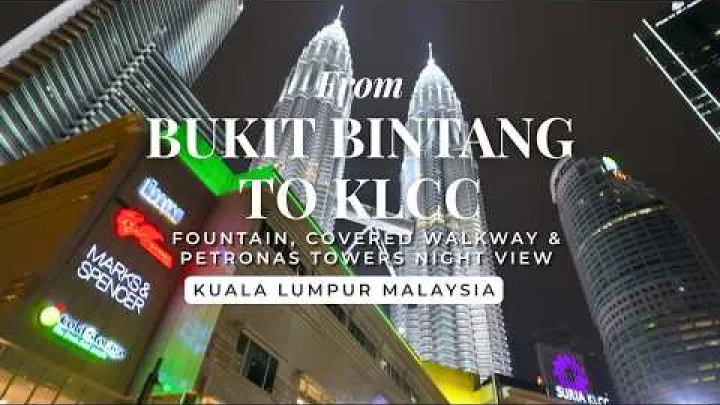
Kuala Lumpur is a practical first stop in Malaysia for travelers who want modern skyline views, varied food, historic streets, religious landmarks, and green spaces in one city. It is a large, humid capital rather than a single compact walking center, so choosing the right base and grouping nearby sights will make the trip easier. This Kuala Lumpur travel guide explains where to stay, how to arrive, how to move around, what to prioritize, and how to plan around rain, traffic, and changing attraction access. It also shows how Kuala Lumpur can fit into a longer West Coast Malaysia itinerary.
Plan Your Kuala Lumpur Trip at a Glance
For many international visitors, Kuala Lumpur is both a destination and a useful transport hub. Start with a realistic pace, choose a district that fits your travel style, and leave room for the city’s heat, rain, and road traffic.
Why Kuala Lumpur Works for a First Visit
Kuala Lumpur brings together several sides of Malaysia without requiring long domestic journeys. A first visit can include the towers and malls around KLCC, street food near Bukit Bintang and Jalan Alor, heritage streets around Merdeka Square and Chinatown, Indian Malaysian food in Brickfields, and museums or gardens near Perdana Botanical Gardens.
The city is spread across distinct districts connected by rail lines and roads. It is possible to walk within an individual area, but a day that combines KLCC, Petaling Street, and Batu Caves will usually need public transport or a car ride. Think of Kuala Lumpur as a collection of neighborhoods rather than one continuous pedestrian zone.
Kuala Lumpur itself is a federal territory within the wider Klang Valley urban area. That distinction matters when booking accommodation or following directions: a hotel may be marketed as being in Kuala Lumpur even when it is farther from the central visitor districts. For general destination ideas and national travel information, consult Tourism Malaysia.
How Long to Stay and What to Prioritize
Three to five nights is a useful flexible range for a first-time visit. With three nights, focus on a modern-city day around KLCC and Bukit Bintang, a heritage and food day around Merdeka Square and Chinatown, and one separate outing such as Batu Caves or the museum-and-gardens area. This is enough to understand the city without treating every attraction as a checklist.
Four or five nights give you more choice. You can slow down for the Islamic Arts Museum Malaysia, spend time in Perdana Botanical Gardens, explore Brickfields, add shopping or cafés, or keep an open period for rain. An extra night is also useful after a long flight or before an early departure from Kuala Lumpur International Airport.
Keep central city experiences separate from optional excursions. Batu Caves can work well as a half-day outing, while destinations such as Melaka, Ipoh, Penang, and Langkawi are better treated as additions to a wider trip rather than essential parts of a short Kuala Lumpur stay.
Kuala Lumpur on the West Coast of Malaysia
Kuala Lumpur is a convenient gateway for a West Coast Peninsular Malaysia route. Melaka appeals to travelers interested in heritage streets and food; Ipoh is often chosen for old-town architecture, limestone scenery, and local eating; Penang offers a longer heritage-and-food stop; and Langkawi is a separate island extension for beaches and coastal relaxation.
These places have different travel rhythms. Melaka may suit travelers with limited time, while Penang and Langkawi usually reward overnight stays. Intercity schedules, road conditions, fares, and transfer arrangements vary, so plan each onward journey separately instead of assuming every West Coast destination is an easy day trip.
Understand Kuala Lumpur's Districts Before Booking
Your hotel location affects how much time you spend in traffic and how easily you can return for a midday rest. Prioritize a useful rail station, realistic walking routes, and the atmosphere you want after sightseeing.
KLCC and Bukit Bintang: The Easiest Bases for First-Time Visitors
KLCC is the polished skyline district centered on the Petronas Twin Towers, Suria KLCC, and KLCC Park. It is a strong choice for travelers who want a predictable urban base, air-conditioned dining and shopping, park access, and easy views of the city’s best-known landmark. Hotels here often lean toward the higher end, although choices vary.
Bukit Bintang is more active and offers a broader spread of accommodation, restaurants, malls, and nightlife. Jalan Alor is nearby for an evening food stop, while the wider district can suit travelers who prefer to have many dining options close to their hotel. The atmosphere changes considerably by street and time of day, so check the exact property location rather than booking solely by district name.
The two areas can be combined in one day through walking and transit, with breaks from the heat indoors. Choose KLCC if skyline views, parks, and a calmer high-rise setting matter most. Choose Bukit Bintang if central dining, shopping, and evening activity matter more.
Chinatown, Merdeka Square, and Brickfields
Chinatown, centered on Petaling Street, is a historic and food-oriented base near Central Market, temples, and the Pasar Seni transport area. It can work well for travelers who prefer a more traditional streetscape and want to reach the heritage core without returning from the modern shopping districts every evening.
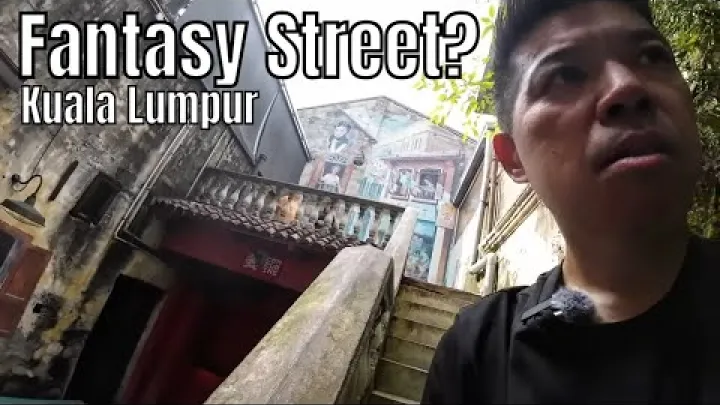
Merdeka Square is part of the city’s historic center, with the Sultan Abdul Samad Building area, museums, civic landmarks, and walkable cultural stops nearby. It is especially useful for a daytime route that combines architecture, markets, religious sites, and local food. The area is less about late-night entertainment than Bukit Bintang.
Brickfields, often known as Little India, is a separate cultural and dining district close to KL Sentral. It is practical for travelers arriving by airport train or continuing by rail, and it offers a different mix of restaurants, shops, and everyday city life. Experiences vary by street, so walk with a destination in mind rather than expecting one uniform visitor area.
KL Sentral and Quieter Residential Areas
KL Sentral is one of the most functional bases in the city. It is useful for airport access, rail transfers, and intercity connections, particularly for short stays with early departures or onward travel. Its main trade-off is that it feels more like a transport and business node than a sightseeing neighborhood.
For longer stays, repeat visits, remote work, or a quieter routine, areas such as Bangsar, Mont Kiara, and TTDI may be worth considering. These residential districts can offer larger rooms, local restaurants, and a less tourist-focused setting, but they may add travel time to KLCC, Bukit Bintang, and the heritage core.
Do not rely on a neighborhood label alone. Check the actual walking distance to a functioning rail station, the route after dark, and the time needed to reach the places you expect to visit most often.
Arrive in Kuala Lumpur and Get Around
Kuala Lumpur rewards travelers who combine rail, short walks, and occasional ride-hailing. The simplest arrival choice depends on your terminal, luggage, arrival time, group size, and final hotel location.
From Kuala Lumpur International Airport to the City Center
KLIA Ekspres is the dedicated non-stop airport rail service to KL Sentral. The operator states that the journey from KLIA Terminal 1 takes 28 minutes, making it a useful option for travelers staying near KL Sentral or able to transfer easily onward. KLIA Transit uses the same general rail corridor but serves intermediate stops, which can suit some destinations or schedules. See the current route, terminal, schedule, and ticket information through KLIA Ekspres before leaving the airport.
Road transfers, airport taxis, and ride-hailing can be more convenient for families, bulky luggage, late arrivals, or hotels far from rail. They are also affected by traffic, demand, vehicle type, and the airport terminal, so treat any quoted travel time or fare as an estimate rather than a guarantee.
KL Sentral is the main interchange for onward travel, with connections to several rail services and access toward Brickfields. Before departure, save your hotel address in a map app and identify whether the final walk from the station is genuinely manageable with luggage.
Rapid KL Rail, City Buses, and Walking
The main visitor network includes MRT, LRT, monorail, KTM Komuter, and buses. Rail is especially useful for moving between major nodes such as KL Sentral, Pasar Seni, Bukit Bintang, and KLCC, while buses and ride-hailing fill gaps away from stations. Current maps, fares, operating notices, and route information are available from Rapid KL.
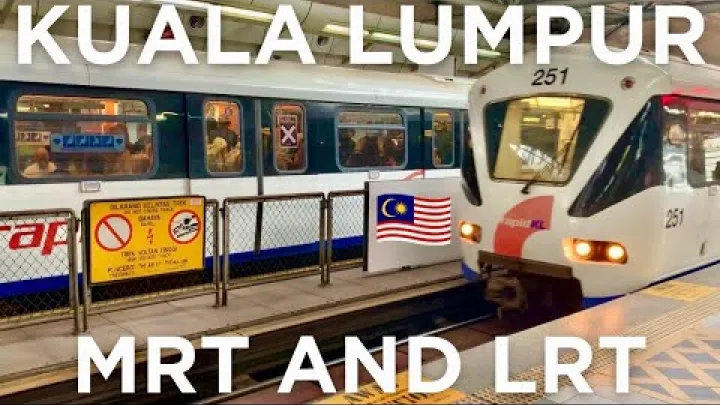
Walking is worthwhile within focused areas: KLCC Park and the surrounding towers, the Bukit Bintang shopping streets, or the heritage area around Merdeka Square and Central Market. Between districts, heat, busy road crossings, incomplete sidewalks, and distance can turn a short-looking map route into an uncomfortable journey. Use rail or a short car ride when it saves substantial energy.
The free Go KL City Bus can be useful on selected central routes, but it should be treated as a supplement rather than the foundation of a tightly timed day. Service patterns and traffic can change, so leave time for alternatives.
Grab, Taxis, and Traffic Planning
Ride-hailing is useful for door-to-door journeys, luggage, family groups, late arrivals, and places beyond the rail network. It also works well as a selective tool after a long museum visit or during a heavy downpour. Combining it with rail is usually more efficient than using cars for every trip.
Traffic can make a short road distance take much longer at busy times. Group activities by district, avoid crossing the city repeatedly, and build in time for hotel returns only when they are genuinely convenient.
For a late-night car journey, use a traceable ride-hailing service or transport arranged by your hotel rather than hailing an unverified street taxi. Confirm the pickup point in the app, match the vehicle details, and share trip information with a companion when appropriate.
Choose the Best Time to Visit Kuala Lumpur
Kuala Lumpur is visitable throughout the year, but comfort depends more on heat tolerance and flexible planning than on finding a perfectly dry period.
Year-Round Heat, Humidity, and Rain
Expect warm, humid conditions and the possibility of sudden tropical showers or thunderstorms. This affects walking comfort more than it prevents sightseeing: breathable clothing, sun protection, drinking water, shade, and air-conditioned breaks can make a substantial difference.
Use a current district forecast rather than relying on a single seasonal rule. MetMalaysia provides Kuala Lumpur district forecasts that are useful close to travel dates. A forecast is a planning tool for the next few days, not a guarantee of long-term climate patterns.
Build Flexible Days Around Storms
Put long walks, gardens, outdoor viewpoints, and open-air heritage exploration earlier in the day when that fits your schedule. Keep an indoor alternative ready, such as the Islamic Arts Museum Malaysia, a mall near KLCC or Bukit Bintang, a café, or a longer meal break.
Check the MetMalaysia district forecast before fixing outdoor plans, and keep one indoor alternative for storm periods. Rain can slow traffic, make crossings less pleasant, and affect the value of a distant day trip even if it does not end the day entirely.
Best Season for Your Travel Style
The city can suit year-round travel. Periods with less persistent rain may feel easier for travelers whose plans emphasize parks, walking routes, and outdoor photography, while visitors focused on food, museums, shopping, and urban sights can travel comfortably in many conditions.
Choose dates around your own priorities: tolerance for humidity, school holidays, hotel availability, major events, and willingness to adjust plans. For final decisions, current forecasts and hotel conditions are more useful than a rigid claim that one month is always best.
Build a First-Time Kuala Lumpur Itinerary
A good first itinerary groups nearby places and balances outdoor stops with indoor cooling. Do not try to visit every major landmark in one day.
Modern Kuala Lumpur: KLCC, the Twin Towers, and Bukit Bintang
Start around KLCC with the Petronas Twin Towers exterior, KLCC Park, and the surrounding public spaces. The park and skyline views are accessible without committing to a ticketed attraction, while a tower visit or observation experience may require advance booking, timed entry, or have changing access rules.
Continue toward Bukit Bintang for shopping, cafés, or a rest before an evening meal around Jalan Alor. This structure gives you a mix of landmark views, indoor time, and food without spending the whole day on transport. A tower visit is optional: some travelers prefer to enjoy the skyline from the park and choose another paid attraction instead.
Before building the day around any major attraction, confirm official opening hours, timed-entry availability, ticket rules, and current access arrangements. This is particularly important during weekends, holidays, and periods of high demand.
Heritage and Multicultural Kuala Lumpur
For a heritage-focused day, connect Merdeka Square, the Sultan Abdul Samad Building area, Central Market, Chinatown, and Petaling Street. This route shows a different Kuala Lumpur from the towers: civic architecture, markets, local commerce, religious landmarks, and street-level food culture.
Brickfields can be added as a separate meal stop or half-day visit rather than rushed into the same route. Its restaurants and shops offer another perspective on the city’s multicultural daily life. Treat neighborhoods as living places with residents and businesses, not as static cultural displays.
When visiting a mosque, temple, or other religious site, dress respectfully, follow photography rules, and observe any requirements for footwear or visitor access. Hours and access can vary, so ask locally or consult the site’s official information on the day of your visit.
Parks, Museums, and Batu Caves
Perdana Botanical Gardens, the National Mosque area, and the Islamic Arts Museum Malaysia can form a rewarding culture-and-green-space day. The museum is particularly useful during hot or rainy weather, while the gardens provide a slower contrast to the city center. These nearby places may still have different opening hours, entrances, and ticket arrangements.
Batu Caves is best planned as a separate half-day or morning outing. It involves steps, outdoor exposure, crowds at popular times, and a religious setting, so it may not suit every traveler’s mobility needs or interests. It is more satisfying when you allow time for the journey and avoid treating it as a quick addition between central attractions.
Before visiting any named site, check current admission arrangements, dress requirements, photography rules, transport options, and opening times. Choose among museums, gardens, architecture, wildlife attractions, and cave temples according to your interests, mobility, and the day’s weather.
Day Trips and West Coast Extensions
Genting Highlands can appeal to travelers interested in cooler highland scenery and entertainment, while Melaka is a stronger choice for heritage streets and food. Ipoh and Penang make more sense as part of a longer multi-city route. None is required for a successful Kuala Lumpur trip.
Add a day trip only after considering traffic, weather, transfer time, and what you would give up in the city. A traveler with three nights may gain more from an unhurried Kuala Lumpur day, whereas someone with five nights or more may value a change of scenery. Use a dedicated guide for detailed transport and booking decisions for each destination.
Budget for Kuala Lumpur
Kuala Lumpur can work for different budgets, but costs shift quickly with hotel location, room standards, dining preferences, ride-hailing use, and paid attractions.
Set a Daily Budget by Travel Style
Build your budget in Malaysian ringgit and separate accommodation, food, local transport, activities, airport transfers, and regional trips. Budget travelers can reduce costs through hostels, simple guesthouses, food courts, local eateries, and rail. Comfortable mid-range travelers often spend more on central hotels, air-conditioned rides, cafés, and a selection of paid sights. Higher-comfort trips may include upscale hotels, private transfers, dining, and premium experiences.
Independent Southeast Asia budget comparisons from Indie Traveller can help with broad planning, but they are not current Kuala Lumpur price guarantees. Room type, travel dates, exchange rates, and demand can change totals significantly.
Before setting your final budget, recheck current accommodation, transport, and attraction prices in Malaysian ringgit. Keep a separate buffer for arrival transfers, shopping, nightlife, and any intercity extension.
Food, Transport, and Attraction Costs
Food spending ranges widely. Local eateries and food courts can keep daily costs modest, while cafés, hotel dining, international restaurants, and nightlife can raise them quickly. Build your estimate around the style of meals you genuinely expect to eat, not only the cheapest options.
Rail and city buses can keep regular local transport manageable, while repeated ride-hailing, airport journeys, and day trips add more. Free public spaces, parks, heritage walks, and exterior landmark views can balance paid observation decks, museums, wildlife attractions, and organized tours.
Check current fares and admission prices directly with operators and attractions when you are ready to book. Avoid relying on fixed foreign-currency conversions, since exchange rates change.
Reduce Costs Without Losing Convenience
Stay near a useful station or in a district where you can combine several activities on foot. A slightly higher room rate in KLCC, Bukit Bintang, Chinatown, or near KL Sentral may save time and transport costs compared with a cheaper hotel far from your daily plans.
Mix free parks, public spaces, neighborhood walks, and markets with a small number of paid signature attractions. Eat some meals at local venues, book high-demand experiences in advance when appropriate, and use ride-hailing selectively instead of automatically. This approach protects convenience without requiring an ultra-low-budget trip.
Stay Safe and Handle Common Travel Pain Points
Kuala Lumpur is a major city, and normal urban awareness will make your visit smoother. Plan for common practical issues rather than assuming either constant danger or complete predictability.
Street Crime, Nightlife, and Personal Belongings
Use standard precautions against pickpocketing, bag snatching, scams, and opportunistic theft, especially in crowded areas, transport hubs, entertainment districts, and quieter side streets after dark. Keep phones and wallets secure, carry bags on the side away from traffic, and avoid displaying valuables unnecessarily.
At nightlife venues, watch drinks, remain aware of your surroundings, and leave with people you trust when possible. Avoid isolated routes when tired or unfamiliar with the area. Security reporting summarized by OSAC supports a cautious approach to personal belongings and taxi-related risks, without meaning that an entire neighborhood should be treated as unsafe.
Road Crossing, Heat, Water, and Health Basics
Take particular care around busy roads, motorcycles, uneven surfaces, and unfamiliar crossings. Use marked crossings where available, do not assume vehicles will stop quickly, and give yourself more time than a map estimate suggests.
Heat and humidity can cause fatigue even on a short sightseeing day. Carry sealed drinking water, use sun protection, eat and rest regularly, and adapt your activity level if you feel unwell. Food and water choices depend partly on individual tolerance, so use reasonable personal hygiene judgment rather than assuming one rule works for everyone.
Save the local emergency number, 999, before beginning city exploration, and confirm your travel insurance and medical arrangements before departure. Seek professional medical help for serious symptoms or emergencies.
Bookings, Connectivity, and Backup Plans
A working data connection makes arrival and daily movement much easier. Keep offline maps where possible, save your accommodation address, ensure your ride-hailing account is ready, and retain hotel contact details in case a driver needs clarification.
Check official attraction pages and transport notices for opening changes, timed tickets, closures, and disruptions. Have a backup for rain, traffic, sold-out attractions, delayed flights, or an accommodation location that proves less convenient than expected. A museum, mall, nearby café, or unscheduled food stop can turn a disrupted plan into a useful part of the trip.
Final Takeaways for Planning Your Kuala Lumpur Trip
A first Kuala Lumpur trip is easiest when you choose a central base, group sights by district, and allow three to five nights for a balanced pace. Use KLCC and Bukit Bintang for the modern city, Chinatown and Merdeka Square for heritage, Brickfields for food and culture, and the gardens, museums, or Batu Caves for a different rhythm.
Use rail for the main urban connections, add ride-hailing when it genuinely saves effort, and leave room for heat, storms, and traffic. With a practical hotel choice, a flexible daily plan, and a modest spending buffer, Kuala Lumpur can be an engaging starting point for both the city itself and a wider Malaysia journey.
Select area
Create a post
Posting is free and no registration is required.