Kuala Lumpur Where to Stay: Best Areas for Every Trip
Choosing where to stay in Kuala Lumpur has a large effect on how much time you spend in traffic, how easily you can walk to meals, and what your evenings feel like. The city has several strong bases, but they serve different priorities: the modern Golden Triangle, heritage streets around Chinatown, the transport hub at KL Sentral, and residential districts farther out. For most first visits, staying central is the simplest choice. This guide compares Kuala Lumpur neighborhoods, accommodation types, transport practicality, costs, and the details to inspect before you book.
The Short Answer: Where to Stay in Kuala Lumpur
Kuala Lumpur is compact enough to explore several districts in one trip, yet its broad roads, heat, rain, and uneven pedestrian routes make the exact base important. Pick an area first, then choose a property that is close to the stations, sights, and evening activities you actually plan to use.
The Best Default Base for First-Time Visitors
The strongest default answer to where to stay in Kuala Lumpur is the central Golden Triangle, especially Bukit Bintang or KLCC. These connected central areas put first-time leisure travelers close to major shopping centers, restaurants, city landmarks, and a wide selection of hotels. The Golden Triangle is widely described as Kuala Lumpur's main shopping and nightlife district by Wikivoyage, which helps explain why it works so well when time is limited.
Choose Bukit Bintang if you want the broadest choice of food, malls, nightlife, and hotel price points. Choose KLCC if seeing the Petronas Twin Towers, spending time at KLCC Park, and returning to a more polished, less nightlife-focused setting matter more. The trade-off is straightforward: Bukit Bintang is busier and more energetic, while KLCC is often more comfortable for a quieter sightseeing or family base but can cost more.
Neither is automatically best for every traveler. Chinatown can be a better value choice for heritage and budget lodging, while KL Sentral is better when airport rail, intercity trains, or early departures define the itinerary. Rather than searching for one universally best hotel, start with the district that reduces the compromises most important to you.
Choose Your Area by Trip Priority
- First visit, short sightseeing trip: Bukit Bintang or KLCC for central attractions, food, and easy evenings.
- Shopping, restaurants, and nightlife: Bukit Bintang, particularly around Jalan Bukit Bintang and the malls.
- Petronas Towers, park time, or a family-oriented base: KLCC, ideally within practical reach of KLCC Park.
- Budget rooms, hostels, and heritage streets: Chinatown and the old city centre around Petaling Street.
- Airport connections, rail travel, or day trips: KL Sentral and nearby Brickfields.
- Cafés, dining, and a residential feel: Bangsar for repeat visitors or longer stays.
- Indoor mall convenience: Mid Valley City, particularly for families and regional shoppers.
- Space for a monthly stay: Mont Kiara or a central serviced apartment, depending on how often you need to visit the tourist core.
Budget, mobility, late-night plans, and trip length can change the answer. A traveler who wants street food after midnight may prefer Bukit Bintang, while a visitor carrying luggage for an early train may gain more from KL Sentral than from a hotel nearer the towers.
How Kuala Lumpur's Main Areas Differ
The most useful Kuala Lumpur accommodation comparison is not simply central versus non-central. Each main district has its own walking experience, character after dark, lodging mix, and connection to attractions.
Bukit Bintang: Food, Shopping, and Nightlife
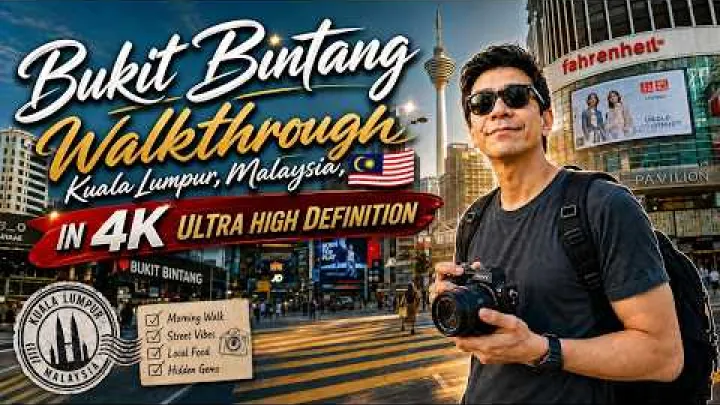
Bukit Bintang is Kuala Lumpur's most versatile tourist base. It is a natural fit for travelers who want to walk to restaurants, malls, entertainment, and many hotel options without planning every evening around a ride. The district includes Jalan Bukit Bintang, Pavilion Kuala Lumpur, Berjaya Times Square, Jalan Alor, and nearby monorail stations. Its concentration of shopping and entertainment is also reflected in the current area overview from Expedia.
For food-focused visitors, Jalan Alor is a major draw. For shoppers, Pavilion Kuala Lumpur and other nearby malls create an easy indoor option during heavy rain or hot afternoons. For a short stay, this density can save time because breakfast, dinner, a convenience store, and transport are often close by. There is accommodation across several price levels, from basic rooms and hostels to larger international hotels and apartment-style units.
The exact micro-location matters. A hotel close to the main malls may feel convenient and active but can also be exposed to traffic, crowds, and late-night sound. A side street may be calmer or cheaper, but it can add awkward crossings or a less pleasant walk after dark. Travelers who want nightlife should stay near the action; travelers who mainly want sleep should look a few blocks away and read recent room-specific comments about street noise.
Bukit Bintang is not the quietest answer for families or light sleepers, but it remains an excellent all-round base for travelers who value choice. Keep bags secure in crowded streets and avoid treating a lively tourist district as a reason to relax normal city awareness.
KLCC: Landmarks, Park, and Family Comfort
KLCC is the best area to stay in Kuala Lumpur for visitors who want a landmark-centered experience. The Petronas Twin Towers, Suria KLCC, KLCC Park, Aquaria KLCC, and the convention center are the main local anchors. This is a strong choice for families, business travelers, and visitors who prefer modern towers, malls, and park access over the concentrated nightlife around Bukit Bintang.

A hotel genuinely near KLCC Park gives a different experience from a property simply marketed as being in the wider Golden Triangle. You can build mornings or evenings around the park and towers, then use the surrounding mall complex for meals and practical services. The KLCC–Bukit Bintang Walkway can be useful for linking the two central zones, although access arrangements and operating conditions should be checked for your travel date.
Accommodation around KLCC generally leans toward mid-range and luxury hotels, with some serviced apartments. This can make the area especially comfortable for travelers who value a larger room, reception support, air conditioning, or facilities such as a pool. Budget travelers should compare the full stay cost against Bukit Bintang, Chinatown, and Brickfields rather than assuming every central address offers similar value.
KLCC is calmer than the busiest entertainment streets, but it is still a dense central business and visitor area rather than a quiet residential neighborhood. It works particularly well when the towers and park are priorities, or when you want an organized base without being directly in the center of nightlife.
Chinatown and the Old City Centre: Heritage and Lower-Cost Stays
Chinatown and the old city centre offer a more historic version of Kuala Lumpur. Petaling Street, Central Market, Merdeka Square, heritage shophouses, temples, cafés, and cultural venues are the main reasons to stay here. It is a good base for travelers who prefer market streets and older architecture to shopping malls, and for visitors who want to spend time around the city’s heritage core.

The area also has a meaningful concentration of hostels, guesthouses, and lower-cost hotels. Current accommodation listings near Petaling Street show the depth of lodging inventory in the area through Booking.com. Availability alone does not make properties equivalent: rooms may vary greatly in size, lift access, sound insulation, cleanliness, and whether the entrance is on a busy market street or a quieter lane.
Chinatown is rewarding in the daytime, when its markets and heritage sights are easy to explore on foot. At night, the atmosphere changes by street. Some routes remain active around dining and transport, while other lanes can feel quieter and less straightforward to unfamiliar visitors. It should not be treated as a no-go zone, but it is sensible to choose a property with a clear route to the places you expect to use after dinner.
This is often the right answer for backpackers and budget-conscious visitors, especially those happy to exchange hotel facilities for location and price. It is less ideal for travelers who want modern mall access, large resort-style facilities, or the easiest late-night entertainment scene directly outside the door.
KL Sentral and Brickfields: The Practical Transport Base
KL Sentral is Kuala Lumpur’s most practical base when travel connections are a central part of the trip. It is useful for airport rail, intercity trains, commuter services, and itineraries that involve arriving late, leaving early, or taking several day trips. The station is connected to major city rail systems, including LRT, MRT, and Monorail links, as outlined by KL Sentral.

Brickfields, the surrounding Little India district, gives the area more character than a station precinct alone. It has restaurants, shops, and a busy local street atmosphere. Staying here can be a good way to combine transport efficiency with access to Indian Malaysian food and everyday city life. The hotel range includes major station-area hotels, simpler properties, and some apartment-style options.
The compromise is that KL Sentral is not the same as staying beside the main sightseeing and nightlife streets. You may need to travel to Bukit Bintang, KLCC, or the heritage core for many evening plans. It is best understood as an itinerary-efficient base, not a district where every major attraction is directly outside your hotel.
Before booking, check the current rail and bus map and operating hours from the exact property. A listing described as “near KL Sentral” can still involve an inconvenient entrance, elevated walkways, large road crossings, or a longer walk with luggage than expected.
Alternative Areas for Longer or More Local Stays
These districts can be excellent choices when your trip is longer, your interests are more local, or you value space over being in the middle of the visitor core. They are usually weaker defaults for a first two-night visit.
Bangsar: Cafés, Dining, and Residential Atmosphere
Bangsar is a lifestyle-oriented area known for cafés, restaurants, bars, boutiques, and a more residential rhythm than the Golden Triangle. It is often a better fit for repeat visitors, remote workers, and travelers who want to spend time in one neighborhood rather than move quickly between the city’s headline attractions.
There is a mix of hotel and residence-style accommodation in and around Bangsar, with current listings illustrating that it is an established lodging alternative rather than only a dining destination. Expedia lists a range of Bangsar stays, though a listing should not be read as a fixed quality ranking.
Convenience varies sharply by address. Some properties have useful rail access or a manageable ride to central Kuala Lumpur, while others are more dependent on taxis or e-hailing. Bangsar is therefore best for travelers comfortable planning transport around their daily schedule. It should not be selected solely on a broad reputation for comfort or residential character; the street and transport connection matter more than the district name.
Mid Valley City: Mall Convenience and Family-Oriented Stays
Mid Valley City is built around Mid Valley Megamall and The Gardens Mall. It appeals to families, regional shoppers, and travelers who like having dining, shopping, entertainment, and indoor facilities concentrated in one large complex. In hot or rainy weather, this self-contained setting can be particularly convenient.
For families, the practical advantages can include easy meal choices, familiar shops, and less need to plan every outing around outdoor walking. It can also suit business visitors attending events nearby or travelers who want a hotel and mall environment rather than a dense street district. Serviced apartments may be useful here when a kitchen or extra living space matters.
The trade-off is sightseeing geography. Mid Valley is less convenient than Bukit Bintang or KLCC for a short visit focused on the Petronas Towers, Jalan Alor, Petaling Street, Merdeka Square, and central nightlife. Choose it deliberately for mall convenience and accommodation comfort, not as a substitute for a central walking itinerary.
Mont Kiara: Space and Long-Stay Convenience
Mont Kiara is a high-rise residential district with an expat-oriented feel, restaurants, cafés, international services, and larger apartment-style accommodation. It is most suitable for monthly stays, relocation periods, remote work, and travelers who value space, routine, and residential facilities more than immediate access to landmarks.
Compared with a central hotel room, an apartment in Mont Kiara may offer separate living areas, kitchen facilities, laundry, and a more home-like daily setup. That can be valuable for families staying several weeks, people on business assignment, or anyone who needs to work from the accommodation. The neighborhood also allows a different view of Kuala Lumpur than the visitor-focused Golden Triangle.
For a short first visit, however, its distance from the main tourist core is a real disadvantage. Exploring several central districts often requires driving, ride-hailing, or more deliberate transport planning. Ask whether the extra space will genuinely improve the trip enough to offset the additional journeys. Monthly rental terms and asking prices are date-sensitive, so treat any advertised rate as a starting point rather than a promise.
Chow Kit: Markets, Emerging Hotels, and More Mixed Nighttime Conditions
Chow Kit has a distinctive local identity shaped by Chow Kit Market, wholesale streets, traditional food, and a growing mix of cafés and boutique-style hotels. It can appeal to experienced urban travelers who want a less polished, more everyday side of central Kuala Lumpur while remaining relatively close to the city centre.
The neighborhood is not uniform. A newer hotel near an active main route can feel very different from a property on a quieter or more transitional lane. This makes Chow Kit a place where the exact block, entrance, and walking route are more important than broad district reputation. It can offer value and character, but it is not the simplest default for a first-time visitor who wants effortless sightseeing.
Online local discussions express mixed perceptions about Chow Kit at night, but those comments are anecdotal rather than verified crime data. A local discussion is useful only as a reminder to assess a particular route, not as evidence for judging the whole district. Inspect recent reviews for street, club, construction, and traffic noise, then request a quiet room if the property can provide one.
Compare Kuala Lumpur Areas by Walkability, Nighttime Feel, Cost, and Transport
District labels are helpful, but they cannot replace a practical comparison. The table below summarizes the broad experience of each area; a hotel on the edge of a district may work quite differently from one near its main anchor.
Walkability and Getting Around Without a Car
| Area | Walking experience | Best transport approach |
|---|---|---|
| Bukit Bintang | Dense, lively, mall and food access | Walk, monorail, short rides |
| KLCC | Modern towers, park, covered links | Walk locally, rail, short rides |
| Chinatown | Heritage streets, uneven pedestrian comfort | Walk locally, rail, short rides |
| KL Sentral and Brickfields | Useful but larger crossings and station routes | Rail hub and airport connections |
| Bangsar and Mont Kiara | Walkable within local pockets | Rail where close, taxis or e-hailing |
| Mid Valley City | Easy inside the mall complex | Rail and rides beyond the complex |
Bukit Bintang and KLCC have the most obvious visitor walking routes. The KLCC–Bukit Bintang Walkway can reduce the need for short vehicle trips between these central zones, and the GoKL bus network may also be useful for central movement. Chinatown is compact but can have narrower pavements and more uneven street conditions. Around KL Sentral and Brickfields, major roads, station entrances, and elevated connections can make a short map distance feel longer.
Bangsar, Mont Kiara, and parts of Mid Valley are easier to navigate within their own hubs than as walking bases for the whole city. Check the current rail and bus map and operating hours from the exact property before booking. A district name does not confirm whether the useful station entrance is actually comfortable to reach on foot.
Night Movement and Practical Safety
There is no official crime dataset in the available material that supports declaring whole Kuala Lumpur neighborhoods safe or unsafe. Community comments about Bukit Bintang, Chinatown, Brickfields, and Chow Kit should therefore be read as personal perceptions, not as crime statistics. The practical conclusion is standard big-city awareness rather than alarm.
Bukit Bintang usually has more evening foot traffic around its malls, restaurants, and entertainment streets. Parts of Chinatown and Brickfields may become quieter away from dining areas and transport routes, while Chow Kit has a more mixed nighttime feel by street. Busy streets are not a guarantee of safety, and quiet streets are not automatically dangerous; the most useful distinction is whether you know the route and whether it remains active and well lit.
Use a secure, closed bag worn across the body when walking at night. Keep passports and spare payment cards separate from daily essentials, stay on active routes when unfamiliar with an area, and use reliable transport after a late night rather than walking through isolated lanes. These steps are more useful than relying on generalized neighborhood labels.
Cost Levels and Accommodation Availability
There is a broad cost pattern, but it is not a fixed price chart. Chinatown and some Brickfields streets commonly have budget-oriented lodging. Bukit Bintang has one of the widest ranges, from economical rooms to upscale hotels. KLCC often skews toward higher-cost hotels and serviced apartments. Mont Kiara tends to emphasize larger units designed for longer stays rather than low-cost short visits.
Value is not just the nightly room rate. A lower-priced room far from your preferred sights can add transport spending, travel time, and late-night inconvenience. Conversely, a central hotel may cost more but allow you to walk to dinner, malls, and several attractions. Room type, booking window, school holidays, events, cancellation conditions, and included meals can all change which district offers the best deal.
Compare the full total, including taxes, fees, and date-specific rates, before booking. Read the final payment page rather than relying on a headline rate, especially for apartments that may add cleaning charges, deposits, or other conditions.
Choose the Right Lodging Type in Kuala Lumpur
Once you have selected an area, choose accommodation based on how you will use it. The right lodging type can matter as much as the neighborhood, especially for families, late arrivals, and stays longer than a few nights.
Hotels for Short Sightseeing Stays
Conventional hotels are usually the easiest choice for short sightseeing stays, first-time visitors, and business trips. A staffed reception, housekeeping, breakfast option, luggage storage, and predictable check-in can reduce friction when you are moving around the city all day. Hotels in Chinatown and some parts of Bukit Bintang may suit a lower budget, while KLCC has more mid-range and luxury-oriented choices.
KL Sentral demonstrates how varied one transport hub can be: current listings include major international hotels as well as simpler nearby properties on Booking.com. This is a useful reminder to compare the property itself rather than assuming a district determines the standard.
For any hotel, prioritize location, recent guest feedback, room size, lift access, breakfast needs, noise exposure, and cancellation terms. A star rating does not tell you whether a room faces a road, has limited windows, or works well for your luggage and sleeping arrangements.
Hostels and Capsule Lodging for Backpackers
Hostels and capsule lodging can work well for solo travelers, backpackers, and visitors who want low costs or social common spaces. Chinatown, Bukit Bintang, and nearby central streets have the best logic for this type of stay because they combine food access, visitor services, and relatively practical movement around the city.
A dorm bed is often the lowest-cost option, but it involves shared sleeping space, variable schedules, and less privacy. A private hostel room can offer a middle ground, while a capsule may provide a more enclosed sleep space without the room size of a hotel. Compare bathroom arrangements, locker size, luggage storage, air conditioning, shared-area rules, and whether reception can support a late arrival.
Recent reviews are especially important for hostels because standards can differ greatly between properties with similar prices. Focus on cleanliness, working lockers, check-in reliability, mattress comfort, and noise from both the street and other guests. The best choice is not always the cheapest bed if it leaves you unable to sleep or carry your bag through an inconvenient route.
Serviced Apartments for Families and Groups
Serviced apartments are often the strongest accommodation type for families, groups, and stays long enough to benefit from a kitchen, living room, laundry, or multiple sleeping areas. Central options around KLCC, Bukit Bintang City Centre, Bangsar, and Mid Valley may provide more usable space than a conventional hotel room.
For families, assess the number of actual beds rather than relying on a listing’s maximum occupancy figure. A sofa bed, a rollaway bed, and a second bedroom offer very different levels of comfort. Also consider lifts, stroller movement, pool rules, breakfast availability, laundry, refrigerator size, and whether the building has a practical entrance for taxis.
Distinguish professionally managed serviced apartments from independently managed condominium units. The first may have clearer front-desk arrangements; the second may be attractive but can operate with different key collection, deposit, cleaning, and support processes. Confirm the cleaning schedule, building access, visitor rules, and exact sleeping layout before deciding that an apartment is better value.
Monthly Furnished Rentals for Longer Stays
Monthly furnished rentals suit remote workers, relocations, business assignments, and stays of several weeks or more. They can provide better space and routines than hotels, particularly in Mont Kiara and other residential districts. Central serviced apartments are another option for people who need frequent access to KLCC, Bukit Bintang, or the business core.
The core choice is between space and proximity. Residential areas may provide larger layouts and neighborhood amenities, while central units save time on sightseeing, meetings, and evenings out. Consider where you will buy groceries, work, exercise, and spend most weekdays, not only which skyline view looks appealing in a listing.
Confirm the total monthly cost and management arrangements before committing. Deposits, minimum stays, utilities, internet, parking, cleaning, maintenance responsibility, and contract conditions may differ substantially from hotel bookings.
Where to Stay by Trip Type
A useful way to make the final decision is to begin with the trip purpose. The following recommendations prioritize what each type of visitor is most likely to need.
First-Time Sightseeing and Two-Night Visits
For a first-time visit or only two nights in Kuala Lumpur, stay in Bukit Bintang or KLCC. Both make it easier to combine major modern landmarks, good dining, shopping, and evening activity without repeated transfers. Bukit Bintang is the better choice for food variety and nightlife; KLCC is the better choice if the towers, park, and a calmer central environment are the focus.
Chinatown is worthwhile if the stay is strongly budget-focused and you want heritage streets near Petaling Street, Central Market, and Merdeka Square. KL Sentral is the better answer for a stopover dominated by an airport connection or intercity train. For a short trip, central location near useful transport is usually worth more than a small room-rate saving that creates multiple daily journeys.
Families With Children
KLCC is often the most straightforward family base because of KLCC Park, major attractions, malls, and a more controlled pedestrian environment than the busiest nightlife streets. The area can cost more, but it may reduce the effort of organizing meals, indoor breaks, and activities for different ages.
Serviced apartments can be preferable to hotel rooms when children need separate sleeping space, a kitchen, or laundry. Check whether the unit has usable beds, a lift, suitable pool access, and enough space to manage a stroller and luggage. Bukit Bintang is a strong alternative for families who prioritize dining and shopping, while Mid Valley City is useful when indoor mall facilities are the main attraction.
Family suitability is personal rather than guaranteed by a neighborhood reputation. A quiet room, sensible layout, and easy return route after dinner may matter more than an extra attraction nearby.
Backpackers and Budget Travelers
Chinatown is the clearest starting point for backpackers and budget travelers because it combines hostels, basic hotels, heritage sights, and affordable food options. A stay near Petaling Street can make daytime exploration easy and keep lodging costs lower than many KLCC options.
Budget-oriented parts of Bukit Bintang may cost more, but they can offer better access to nightlife, malls, and a broader range of late-evening food. Brickfields can work when rail access and local restaurants are more important than being in the middle of tourist activity. Each option has a different nighttime atmosphere, so select based on the kind of evening you expect to have rather than price alone.
Balance the lowest rate against locker quality, recent cleanliness feedback, room condition, and the likely cost of getting back late. A slightly more expensive central bed can sometimes simplify a short trip.
Transport-Heavy Trips and Day Trips
KL Sentral is the best base for travelers with early airport departures, regular intercity travel, or itineraries that use several rail connections. Staying near the hub can reduce the stress of moving luggage and makes transport the organizing principle of the stay rather than an extra task each morning.
Bukit Bintang or KLCC can still work for occasional day trips if central sightseeing, dining, and evenings are the higher priority. In that case, accept that reaching the station is part of the day. The right choice depends on whether you will use long-distance or airport transport once, or repeatedly throughout the trip.
Use current operator information when planning routes and schedules. Transfers, station access, weather, and traffic can affect the experience, so avoid building an itinerary around an assumed journey time.
How to Book the Right Kuala Lumpur Accommodation
Good booking decisions come from checking the property as carefully as the district. This matters in Kuala Lumpur because large roads, towers, covered walkways, and mixed-use buildings can make two nearby map pins feel very different in practice.
Check the Exact Location Beyond the District Name
Open the property map and inspect the walking route to the destination you will use most: Pavilion Kuala Lumpur, KLCC Park, Petaling Street, KL Sentral, a rail station, or a preferred food street. Look for the actual entrance rather than just the center of the map pin. A hotel advertised under one district may sit on its edge, across a major road, or closer to a different neighborhood entirely.
Compare the street address, map pin, and property photographs. Note crossings, covered routes, pavement conditions, lighting, traffic, and whether the walk makes sense with luggage, children, or a stroller. In tall buildings, also identify which tower or lobby the listing uses, since the nearest road entrance may not be the guest entrance.
Pin the exact property entrance and walk the route to the nearest useful station before paying. This simple step prevents many avoidable surprises about access and makes district comparisons more realistic.
Match Facilities, Noise, and Stay Length
Match the room to the trip rather than choosing only by photographs. A simple hotel room can be ideal for a short sightseeing stay. A dorm can be appropriate for social budget travel. An apartment may be better for a family or a longer visit where laundry, food storage, and separate sleeping areas make a real difference.
Read recent comments for nightlife, road traffic, construction, elevators, air conditioning, window condition, and sound insulation. These points are especially important around Bukit Bintang, Chinatown, and mixed-use high-rise buildings, where the same address can contain busy commercial activity and residential units. Also check luggage storage, reliable check-in, kitchen access where needed, and the number of usable sleeping spaces.
Do not let a long generic amenity list outweigh practical details. A pool is less useful than a quiet room if you have early plans, and a kitchenette is less useful than confirmed beds if several people are sharing the unit.
Verify Current Prices, Rules, and Reviews
Before payment, confirm the current total price, taxes, fees, cancellation terms, minimum stay, deposit, check-in hours, and availability for your dates. Listings can change quickly, and a headline rate may not include every cost that applies to the final reservation.
For serviced apartments and condominium-style listings, confirm who manages the unit, how keys are collected, whether building registration is required, and how support is provided if there is a problem. These operational details can matter more than a small difference in rating, especially for a late arrival or a family group.
Use recent guest reviews to understand present conditions, but do not assume one review represents an entire building or district. End with a final check of the cancellation policy, the guest name requirements, the planned arrival time, and the address you will give to your driver.
Final Recommendation for Where to Stay in Kuala Lumpur
For most first-time visitors, stay in Bukit Bintang for the best overall mix of food, shopping, nightlife, hotels, and central convenience. Choose KLCC instead when the Petronas Twin Towers, KLCC Park, family comfort, and a more polished atmosphere are more important than being beside the busiest evening streets.
Choose Chinatown for heritage and lower-cost lodging, and KL Sentral with Brickfields for rail-focused itineraries, airport connections, and early departures. Bangsar, Mid Valley City, Mont Kiara, and Chow Kit are worthwhile when their specific strengths match your trip, but they are more specialized choices. Pick the area first, then book the property whose exact entrance, room layout, and practical facilities fit the way you plan to experience Kuala Lumpur.
Select area
Create a post
Posting is free and no registration is required.