George Town Travel Guide: First-Time Tips for Penang

George Town is Penang's best base for travelers who want heritage streets, varied food, active neighborhoods, and easy access to the rest of Penang Island. This George Town travel guide explains how the city is laid out, how long to stay, where to sleep, and how to plan trips beyond the historic center. It also sets realistic expectations: this is a humid working city with a remarkable food culture, not a quiet beach resort. Plan for walking, pauses during the hottest part of the day, and a schedule that leaves room for rain and long meals.
For a first visit, focus on a compact area rather than trying to see all of Penang at once. Stay near the heritage core if food and culture are your priorities, then choose one or two island excursions that match your interests. The practical details below will help you make those choices with less backtracking.
Understand George Town's Setting and Layout
Knowing the difference between the city, the island, and the wider state makes accommodation and transport decisions much simpler.
George Town on Penang Island and the West Coast
George Town is the main city on Penang Island, off the west coast of Peninsular Malaysia. It is the capital of Penang state, which also includes a mainland area opposite the island. In travel planning, people often say “Penang” when they mean George Town, the island, or the state, so check the exact location whenever you book a hotel, transfer, or excursion.
The city is a strong stop on a west coast Malaysia itinerary because it combines historic urban scenery with a broad range of Malaysian food traditions. It is best understood as a cultural and food destination with access to hills, coast, and rainforest nearby. Beach-focused travelers can visit Batu Ferringhi or stay there, but should not expect the island to feel like a remote tropical-island resort. For official destination information and current local tourism updates, start with MyPenang.
How the Historic Core Is Organized
The UNESCO Historic City of George Town is the most useful mental map for a first visit. Its central streets form a dense, low-rise area of shophouses, places of worship, small businesses, cafés, markets, and civic buildings. It is compact enough for exploration on foot, but it is not a sealed heritage park: residents work, worship, shop, and live here.
![Preview image for the video "[4K] Afternoon Walk in the Inner City Streets of George Town - STEWART LANE & CHULIA LANE".](/sites/default/files/styles/media_720x405/public/oembed_thumbnails/2026-08/Ye5xJbcJcSLQZEqj92zhTogQXbvm3KltJiHAO2hPbS8.jpg.webp?itok=IgqdxvDL "Preview image for the video \"[4K] Afternoon Walk in the Inner City Streets of George Town - STEWART LANE & CHULIA LANE\".")
Use Weld Quay as the waterfront and transport-side reference point. The clan jetties are nearby along the coast, while Armenian Street and surrounding lanes are a convenient focus for street art, independent shops, and restored shophouses. Little India lies within easy walking distance to the west, and the Esplanade is farther north along the waterfront. Komtar stands south of much of the old core and is a useful landmark for buses, shopping, and services.
Think in short walking clusters rather than a long list of pins. Walk one neighborhood in the morning, stop for lunch or an indoor visit, then explore another area later. Pavements can be uneven, covered walkways can narrow, and traffic can make even short crossings slow. Comfortable shoes, water, and patience will improve the experience more than an overfilled route.
Who Will Enjoy George Town Most
George Town suits travelers drawn to food, architecture, multicultural history, café stops, street photography, and short urban walks. It is particularly rewarding for visitors who enjoy moving between Chinese, Malay, Indian, Peranakan, colonial, and contemporary influences without treating them as separate attractions. A meal, a temple visit, a coffee shop, and a heritage street can all be part of the same afternoon.
It also works as a base for Penang Hill, Kek Lok Si Temple, Batu Ferringhi, and Penang National Park. However, a city stay is less suitable for travelers whose main goal is a private beach, resort pool time, or a completely quiet evening. Choose George Town for atmosphere and variety; choose a coastal base when beach facilities are more important than walking to hawker food and heritage sights.
Decide How Many Days You Need
A short visit can be satisfying if you prioritize the historic core and one excursion. More time is useful for a slower pace, not simply for adding more attractions.
A Two- to Three-Day First Visit
Two full days give most first-time visitors a good introduction. Use the first day to orient yourself around Armenian Street, Little India, nearby lanes, and the waterfront. Include one formal heritage visit and leave space for a relaxed lunch, a coffee break, and an evening food walk. This prevents the city from becoming a checklist of murals and buildings.
On the second day, build around food and cultural context. Visit a museum, mansion, clan house, or other heritage venue that interests you, then explore a different dining area in the evening. With a third day, add one substantial outing: Penang Hill and Kek Lok Si work well for inland culture and views, while a northern coastal or national park trip is better for outdoor time.
Do not plan every hour. Heat can slow walking, rain can interrupt an outdoor route, and popular food stalls may have queues or close earlier than expected. An indoor museum, café, or longer lunch is a useful alternative when the weather changes.
What to Add With More Time
With four or more days, choose experiences by interest. Heritage-focused visitors can spend longer in the old center, take neighborhood walks, and visit more than one interpreted site. Food-focused travelers can spread meals across traditional coffee shops, hawker centers, Indian Muslim restaurants, and modern cafés rather than trying to eat everything in one day.
| Interest | Best addition | Planning approach |
|---|---|---|
| Heritage | Museums, mansions, clan areas | Keep it central and walk slowly |
| Views and culture | Penang Hill and Kek Lok Si | Allow a half or full day |
| Beach time | Batu Ferringhi | Day trip or coastal overnight |
| Nature | Penang National Park | Give it a full outdoor day |
A second accommodation base can make sense when you want several nights of coastal relaxation. Otherwise, staying in George Town and taking a day trip is usually simpler, especially for a short trip. Extra time should create breathing room for meals, weather, and wandering rather than a more demanding schedule.
Use George Town in a West Coast Itinerary
George Town fits naturally between Kuala Lumpur, Ipoh, Melaka, Butterworth, or Langkawi, depending on your route. It is often most valuable as a cultural and food stop between larger city visits or before moving to a beach or island destination. Butterworth is the key mainland connection point for rail and many overland journeys.
When joining several stops, compare arrival times, luggage transfers, and the effort required to change hotels. A route may look short on a map but still involve a station transfer, a crossing to Penang Island, and travel through city traffic. Keep George Town as one stable base while exploring the island instead of moving between several Penang neighborhoods without a clear reason.
Plan Arrival and Local Transport
George Town is easy to reach in broad terms, but the last part of the journey differs sharply depending on whether you arrive by air or through mainland Penang.
Arrive by Air, Rail, Bus, or Ferry
Penang International Airport is the direct option for visitors flying to the island. From there, continue to George Town by road using a pre-arranged transfer, ride-hailing service, taxi, or available public transport. This is usually the simplest choice for travelers carrying luggage, arriving late, or prioritizing a single arrival process.
Overland travelers commonly use Butterworth, the mainland gateway opposite Penang Island. KTM's ETS service includes Butterworth as a Penang gateway, with onward travel by bridge or ferry connection described by KTM Berhad. Buses may also arrive on the mainland. From there, you still need to reach the island and then travel to your hotel.
Choose by priority. Flying is usually the least complicated island arrival. Rail can suit travelers already moving through Peninsular Malaysia. A ferry crossing can add atmosphere, but it is an extra connection rather than a guaranteed shortcut to every hotel. Before departure, check current airport arrangements, KTM service, Butterworth crossing options, and onward transfer details, including final departures and luggage access.
Move Around the City Center
Walking is the most useful transport mode inside much of the heritage core. It lets you notice lanes, food stalls, small temples, and details that are easy to miss from a vehicle. For longer distances, buses, the CAT shuttle, ride-hailing services, and taxis can be useful. Weld Quay and Komtar are practical reference points when you need to reorient yourself.

Use a simple distance rule: walk between nearby heritage streets; consider a vehicle when crossing between the old center and Komtar, traveling in heavy rain, or returning late after a long day; use public transport when the route and waiting time work for you. Ride-hailing can be convenient for a direct journey, particularly when traveling in a small group or when mobility is limited.
Midday heat, sudden rain, narrow streets, and traffic can change what feels practical. Check current Rapid Penang and CAT route information on the day you travel rather than relying on an old route map or a hotel leaflet. If a route is unclear, ask your accommodation to help identify the nearest suitable stop.
Reach Hills, Beaches, and the National Park
Island excursions require more planning than the central streets. Penang Hill and Kek Lok Si Temple are inland and can be grouped in one direction, although queues, slopes, and the time you spend at each site may make a combined visit feel rushed. Batu Ferringhi and Penang National Park are farther north and are better treated as separate coastal or outdoor outings.
Public buses may suit flexible travelers who are comfortable with longer journeys and changing conditions. Ride-hailing or a taxi offers a more direct option, while an organized tour may help travelers who prefer a fixed pickup and a guide. Do not assume that the same choice is best for every destination: a vehicle can save energy for a hill or park visit, while a central city day rarely requires one.
Traffic, weather, queues, and the distance between sights can affect the day. Group destinations by direction and avoid trying to travel from the national park to an inland temple and back to George Town in a single tightly timed plan.
Choose Where to Stay in George Town
Your base shapes how easily you can enjoy early breakfasts, evening food walks, and spontaneous returns to the room during hot or wet periods.
Stay in or Near the Heritage Core
For most first-time visitors, the heritage core is the best base. You can walk to many food streets, street art areas, religious sites, and cultural venues, while Weld Quay and Komtar remain within reach for wider transport needs. This is especially useful if you want to explore before breakfast or return after dinner without arranging a ride.
Staying directly inside the core can mean character and convenience, but older buildings may have stairs, compact rooms, variable sound insulation, and limited parking. Streets can be lively in the evening and busy early in the morning. A hotel just outside the core may provide larger rooms, easier vehicle access, or newer facilities while still allowing a short walk into the historic area.
Choose the exact street according to your habits. Travelers who value nightlife and late meals may accept more noise. Light sleepers, families with strollers, and guests with reduced mobility should read room descriptions carefully and ask direct questions about lifts, step-free access, and street-facing rooms.
Compare George Town with Batu Ferringhi
George Town is the stronger base for heritage, dense dining choices, cafés, museums, and evenings spent walking. Batu Ferringhi is better for travelers who want resort facilities, a coastal setting, and a slower daily rhythm. The two places serve different trips rather than being interchangeable hotel districts.
Choose Batu Ferringhi if beach access and a resort-style stay are central to your plans. Choose George Town if you want to step outside for local food and spend most days among cultural sights. A split stay can work for a longer holiday: begin in George Town for city exploration, then move north for a quieter coastal finish. For a short visit, changing hotels may cost more time than it saves; a day trip to the coast is often enough.
Book for Comfort, Budget, and Arrival Logistics
George Town has hostels, guesthouses, restored shophouse hotels, boutique heritage properties, and modern hotels. The best value is not always the lowest nightly rate. Compare room size, air conditioning, stairs or lifts, sound levels, breakfast, parking, accessibility, and the distance to the places you expect to visit after dark.
Read booking conditions as carefully as room reviews. Confirm the full booking total, any deposit, cancellation terms, taxes, check-in requirements, and check-in hours before paying. This is particularly important for late flight arrivals, early rail departures, or heritage properties with limited reception hours.
For an easy arrival, save the property address in your phone, keep the booking confirmation available offline, and tell the hotel your expected arrival time if it is outside normal reception hours. Ask whether luggage storage, early bag drop, or a late checkout is possible rather than assuming these services are included.
Build Your George Town Experience
The most memorable visits balance purposeful sightseeing with unplanned stops for food, architecture, and daily life.
Walk the Heritage Streets and Cultural Districts
A good first walk can begin around Armenian Street and its surrounding lanes, then continue toward Little India, civic areas, and the waterfront. This creates a logical route through different parts of the historic core instead of sending you back and forth for individual landmarks. Add the clan jetties near Weld Quay at a time when you can walk slowly and respect the residential setting.
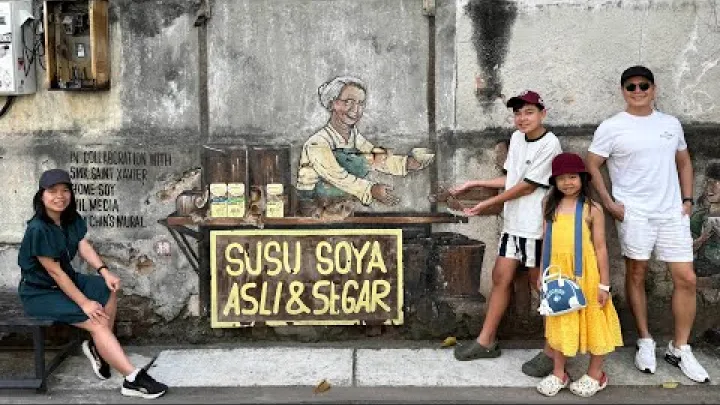
Street art is one visible part of George Town, but the city is richer when you also notice five-foot ways, shop signs, shophouse details, temples, mosques, churches, and businesses that remain in daily use. A formal building may explain a piece of history, while a working food shop or religious site shows how the neighborhood continues to function.
Dress appropriately when entering sacred places, follow any photography instructions, and do not block entrances, narrow walkways, or business fronts while taking pictures. Public art is different from museum interiors and active places of worship; treat each setting according to its own rules.
Eat Through Hawker Food and Local Cafés
Food is one of the main reasons to visit George Town. Useful dishes to seek out include char kway teow, assam laksa, nasi kandar, cendol, kopitiam drinks, and Peranakan-influenced dishes. Rather than pursuing a single famous stall, explore several types of places: hawker centers, traditional coffee shops, street-focused evening areas such as Chulia Street or Kimberley Street, and cafés in restored shophouses.
Build meals around what is available when you arrive. Opening hours, queues, stall days, portion sizes, spice levels, and menus can differ widely. Order a small amount first when you want to try several dishes, and be prepared to adjust your meal time if a preferred stall is busy or closed.
Dietary needs require direct questions. Explain allergies clearly, ask about ingredients and preparation, and remember that cross-contact may be possible in busy shared kitchens. Cash can be useful for small purchases, while cards or digital payments may be accepted in some places; carry more than one payment option rather than assuming one method will work everywhere.
Visit Museums, Mansions, and Living Heritage
A well-chosen museum or mansion can give useful context to streets that might otherwise look similar. The Pinang Peranakan Mansion, the Blue Mansion, clan houses, and local museums offer different perspectives on domestic life, trade, communities, and architecture. Choose one that matches your interests instead of trying to visit every heritage building in a single day.
Formal interpretation is valuable, but it should complement rather than replace the living city. Food traditions, religious practices, working shophouses, and residential lanes are also part of George Town's heritage. Leave time after a museum visit to walk nearby streets and connect what you learned with the surrounding neighborhood.
Admission methods, guided tours, photography rules, and opening hours can vary by venue. Verify the current arrangements directly with the place you intend to visit before making it the anchor of your day.
Add Penang Hill, Kek Lok Si, Beaches, or National Park
Choose an excursion by goal. Penang Hill is the natural choice for elevated views and a cooler-feeling change from the city. Kek Lok Si Temple suits visitors interested in large-scale religious architecture and inland culture. Batu Ferringhi is the easiest choice for a coastal break and resort atmosphere, while Penang National Park is the better option for a more active nature day.
Penang Hill or Kek Lok Si can fit a half-day or a longer unhurried day, depending on transport and how much walking you want to do. A beach visit can be relaxed but may still involve a substantial transfer from the center. The national park deserves a full day if you intend to walk, as heat, rain, terrain, and return transport all affect the pace.
Consider stairs, walking ability, rain protection, queues, and your energy level before choosing. Verify current opening hours, ticket rules, and access conditions for each excursion before setting out, especially when a funicular, park trail, beach facility, or venue entry is central to your plan.
Choose the Best Time and Estimate Costs
George Town can be visited throughout the year, but comfort, crowd levels, and the cost of rooms can change the way a trip feels.
Work With Tropical Weather and Heat
Expect warm, humid conditions year-round, with rain and thunderstorms capable of changing a walking day quickly. A wet forecast does not necessarily mean continuous rain, but it does mean that outdoor plans should have a practical alternative. Hills, waterfront walks, and longer park outings are more exposed than museum and food-focused days.
Plan outdoor walking for early morning or later afternoon, use the middle of the day for lunch or indoor visits, and carry sun protection and rain protection. Choose breathable clothing and drink water regularly. This rhythm makes the city more comfortable and reduces the urge to rush between sights.
Broad seasonal descriptions are less useful than the forecast for your actual dates. Check Penang conditions with the Malaysian Meteorological Department and keep an indoor option ready for storm periods.
Understand Peak Periods and Event Effects
Weekends, school holidays, major public holidays, festive periods, and local cultural events can increase room demand, queues, traffic, and pressure on popular restaurants. These periods can also be rewarding, since the city may feel especially lively and cultural events may add a meaningful reason to visit.
Book accommodation earlier when your dates overlap with a holiday period or a major event. Expect that road arrangements, venue access, and restaurant hours may differ from normal patterns. Check dates and local announcements close to travel instead of treating an annual festival calendar as fixed.
If you prefer quieter exploration, consider staying slightly outside the busiest heritage lanes and starting sightseeing early. If you want the energy of a festive period, accept that advance planning and extra time are part of the experience.
Set a Realistic Daily Budget
Your daily costs depend most on accommodation style, transport choices, and how many paid attractions or tours you add. George Town can work for different budgets because local food and walking can keep everyday spending modest, while boutique hotels, private transport, café hopping, shopping, and organized tours can raise costs quickly.
| Cost area | Lower-cost approach | Higher-spend approach |
|---|---|---|
| Accommodation | Hostel or simple guesthouse | Boutique or modern hotel |
| Food | Hawker meals and coffee shops | Cafés and full-service dining |
| Transport | Walking and public transport | Private rides and tours |
| Activities | Street walks and selected entry | Multiple venues and excursions |
Set your final budget using current Malaysian ringgit prices from accommodation providers, transport operators, and venues. Separate room cost from taxes and deposits, and keep contingency money for rain-day rides, attraction entry, snacks, or an unplanned meal. Carry a mix of payment methods and review receipts, card charges, and ATM transactions as you go.
Handle Safety and Practical Travel Issues
Most practical problems in George Town are easier to avoid with calm preparation, attention near traffic, and respect for the fact that the historic core is a living city.
Use Current Advisories and Urban Safety Basics
Use ordinary urban travel precautions in George Town: stay aware near traffic, cross roads carefully, keep bags close in crowded areas, and protect passports and important documents. Do not assume that a narrow heritage street is free of vehicles, and take particular care when stepping out from covered walkways or looking at a phone.
National travel advice can include regional information that does not apply equally across Malaysia. For example, official guidance may discuss eastern Sabah-specific concerns that should not be automatically transferred to Penang's west coast. Before departure, read the latest UK Foreign, Commonwealth & Development Office advice or the applicable advisory from your own government, and save relevant emergency contacts.
Reduce Road, Ride-Hailing, and Payment Risks
Traffic is a more immediate everyday hazard than many visitors expect. Use marked crossings where available, look carefully in both directions, and avoid standing in the roadway for photos or transport pickups. At night or in heavy rain, choose a clearly safe pickup point rather than waiting in a narrow traffic lane.
When using ride-hailing, book through the app, confirm the vehicle and destination before getting in, and share trip details with a companion if appropriate. Avoid accepting an unexpected change in destination or payment method without understanding it. For taxis or other hired vehicles, agree on the practical arrangement before departure.
Keep phones, bags, cards, and passports secure in busy streets and transport areas. Use ATMs in sensible, well-used locations, check the amount before confirming a transaction, and retain receipts until you can review charges. These steps are useful without assuming that every unfamiliar request is a scam.
Respect Heritage, Religious Sites, and Local Neighborhoods
George Town's appeal comes partly from the fact that its heritage streets contain homes, businesses, schools, workshops, and religious spaces. Visitors help preserve that character by treating the area as a neighborhood rather than a backdrop. Keep noise low near residences, do not enter private areas, and avoid obstructing doorways or narrow passages.
At temples, mosques, churches, and other sacred places, follow posted clothing and footwear rules, ask when photography is unclear, and respect services or ceremonies. A polite pause before taking a photo is better than assuming that every visible space is open for visitors.
When practical, spend with locally operated food, cultural, and heritage businesses. Small choices such as ordering respectfully, returning trays where expected, and giving staff room to work support the everyday places that make the city distinctive.
A Practical First-Time George Town Plan
For a strong first visit, stay in or near the heritage core for two or three nights. Spend your first morning walking a compact route around Armenian Street, Little India, and nearby lanes, then use the afternoon for one indoor heritage visit and the evening for food. On the next day, explore a different food area and waterfront section, allowing the pace to be guided by weather and appetite rather than a fixed list.
Use a third day for the island experience you value most: Penang Hill or Kek Lok Si for culture and views, Batu Ferringhi for a coastal pause, or Penang National Park for active outdoor time. Book a room that matches your arrival and mobility needs, keep transport plans simple, and leave space for an unplanned meal or neighborhood detour. That balance is the most reliable way to experience George Town as both a historic destination and an active contemporary city.
Select area
Create a post
Posting is free and no registration is required.