Hong Kong Immigration Procedures: Entry, Stay & Arrival Guide
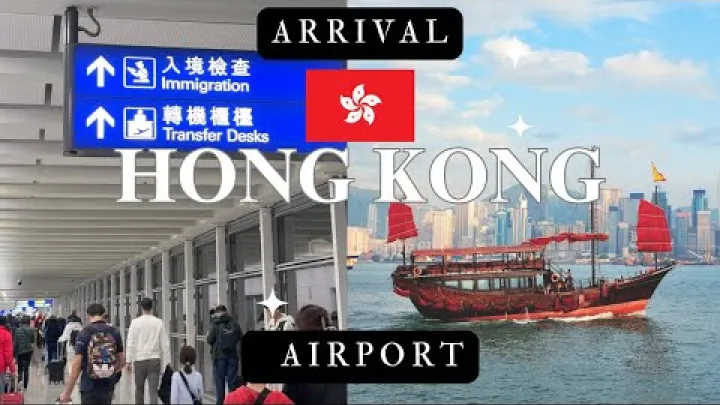
Hong Kong immigration procedures are easier to manage when entry permission is separated from the administrative steps that follow it. A visitor may need to check visa or pre-arrival requirements, carry a linked travel document, complete immigration clearance, and confirm the permitted stay. A person staying longer may also need to consider a Hong Kong Identity Card, an address notification, or an extension of stay. This guide explains the main procedures before entry, on arrival, and during a stay, while directing readers to the Hong Kong Immigration Department and GovHK for case-specific decisions.
How to Read Hong Kong Immigration Procedures
There is no single Hong Kong immigration requirements list that applies to every traveller. The correct procedure depends on the person’s nationality, travel document, purpose of travel, planned duration, and current immigration status.
Separate Entry Permission From Administrative Steps
Entry permission is the authority that allows a person to seek admission to Hong Kong for a particular purpose. Depending on the traveller and the trip, this may involve visa-free travel, a visa, an entry permit, or a nationality-specific pre-arrival registration. A visa or registration is not the same as a guaranteed right to carry out every activity in Hong Kong.
Immigration clearance is the examination at the control point. The traveller presents the relevant travel document and any authorization required for the travel category. The officer or system then records the admission and the conditions that apply to the stay.
Administrative procedures during a stay are separate from entry permission. Examples include checking the limit of stay, requesting an extension, registering for a Hong Kong Identity Card when required, and notifying the Immigration Department of a change of address. These steps do not automatically create a visa, change a visitor into a resident, or remove an existing condition of stay.
Online registration is also not automatically a visa. A digital form may collect information for a pre-arrival registration, an entry application, an identity-card appointment, or an address notification. Read the name and purpose of the official service carefully before submitting information or paying a third party.
Identify the Procedure That Matches Your Status
Start with a short decision path instead of searching for a general answer based only on the word immigration. Ask four questions:
- Which document will you use? Identify the passport, Hong Kong Identity Card, or other recognized travel document that will be presented at the control point.
- Why are you travelling? Tourism, transit, family visits, study, employment, business, and residence can have different requirements.
- How long will you stay? A short visit and a stay that may exceed 180 days can lead to different administrative responsibilities.
- What is your current status? A visitor, Hong Kong resident, person holding an entry permit, and person crossing between Hong Kong and Mainland China may use different documents and procedures.
In practical terms, short-term visitors usually begin with the official entry requirements for their nationality and purpose. Some Indian nationals and eligible Taiwan residents may need a dedicated pre-arrival registration. A person who cannot use visa-free entry or that registration route may need a visit or transit visa or entry permit. Residents and people travelling between Hong Kong and Mainland China should not assume that an international visitor process applies to them.
Use the exact passport or travel document that will be used for travel when comparing requirements. Another traveller’s experience may be accurate for that person but irrelevant to a different nationality, document type, purpose, or immigration status.
Complete Required Steps Before Travel
Before booking or beginning the journey, establish whether the trip requires only a valid travel document, a visa-free admission category, a pre-arrival registration, or a formal visa or entry permit application. Keep the approval evidence available throughout the journey.
Check Whether You Need a Visa or Entry Permit
Hong Kong visa and entry permit requirements vary according to nationality, travel document, purpose, and intended duration. The current Hong Kong Immigration Department requirements page is the appropriate starting point for checking whether the planned visit can use visa-free entry or needs prior permission.
These terms describe different routes:
- Visa-free travel: The traveller may seek admission without obtaining a visit visa in advance, subject to the applicable nationality, document, purpose, and stay conditions.
- Visa or entry permit: The traveller must obtain the required permission through the official process before travelling or before seeking admission, as instructed for the relevant category.
- Pre-arrival registration: An eligible group may complete a separate registration procedure instead of using the ordinary visit visa route. This is not a universal online visa and does not apply to every nationality.
A safe sequence is to confirm the category first, read the current document list, submit through the official channel if prior permission is needed, and save the approval, notification slip, or application reference. Do not use a nationality-specific rule for a different passport. Also check whether the purpose of travel is consistent with the permission being requested.
A visa discussion is only one part of Hong Kong immigration procedures. Even when a traveller is visa-free, the person must still meet the normal document and clearance requirements and must follow the limit of stay and conditions granted on admission.
Complete Pre-arrival Registration When Required
Hong Kong has dedicated pre-arrival registration procedures for certain eligible groups. The two routes most relevant to this guide are Pre-arrival Registration for Indian Nationals and Pre-arrival Registration for Taiwan Residents. Each route has its own eligibility rules and should be treated as a separate procedure, not as a general Hong Kong online immigration registration system.

Indian nationals. Use the current Immigration Department page for the Indian national route to determine whether the person, passport, and purpose qualify. The application information must match the passport or travel document that will be used. The current official guidance also identifies an exception for an Indian national in direct air transit who does not leave the airport, but a traveller should read the precise wording because a change of itinerary or a decision to pass immigration may change the result. The Pre-arrival Registration for Indian Nationals page should control the application.
Taiwan residents. Taiwan residents who intend to visit Hong Kong should use the separate official route for Taiwan residents. Check the current eligibility rules, the accepted travel document, the application steps, and the instructions for the notification slip. Do not combine the Taiwan route with the Indian national route simply because both are described as pre-arrival registration.
Before submitting either type of registration, compare every field with the linked document. Check the name spelling, document number, nationality or resident information, dates, and any other identifying information requested by the current system. A small mismatch can create difficulty when a carrier or immigration officer compares the registration with the document. If the passport or travel document changes after registration, do not assume that the approval transfers automatically.
Read the current result or notification slip for its validity and permitted entries. These limits may be stated in the official result rather than in a general travel discussion. Keep the notification slip in the format required by the current instructions, and make it accessible during check-in and arrival if the procedure requires it.
Pre-arrival registration does not remove ordinary immigration clearance. It also does not remove the obligation to comply with the limit of stay granted on arrival. A person may have a successful registration and still need to present the correct document, answer questions about the trip, and follow the conditions attached to admission.
Use the Official Online Visit or Transit Application
Travellers who cannot use visa-free entry or an applicable pre-arrival registration may need to apply for entry for visit or transit through the official online or other designated Immigration Department channel. The relevant service is an application route, not a promise that a visa or entry permit will be approved.
Prepare the information and supporting documents requested for the purpose of travel. Depending on the case, the authority may require evidence about identity, travel plans, funds, accommodation, sponsorship, or the activity to be undertaken. Do not assume that uploading a scan ends the process. Follow any instruction to submit original documents, provide additional information, attend an appointment, or wait for a formal decision.
Keep the application reference, confirmation message, approval notice, and any instructions about collecting or carrying documents. A commercial website may offer to complete a form, but it is not the authority that decides admission. Compare the service name, web address, fees, and document instructions with the official Hong Kong sources before sharing personal information.
An online submission should therefore be understood as one step in the process. The traveller still needs the approval or document issued for the relevant category, must travel with the document linked to that approval, and must comply with the conditions and limit of stay granted after clearance.
Complete Immigration Clearance on Arrival
Arrival procedures depend on the travel category, but the central task is consistent: present the correct document and any linked authorization, pass immigration clearance, and confirm the permission granted for the stay.
Hong Kong Arrival Card: What Current Clearance Requires
Visitors do not need to complete and submit an arrival card or departure card at Hong Kong immigration clearance. The current GovHK Immigration Clearance guidance states that visitors are not required to complete and furnish arrival or departure cards when passing through immigration.
This answers the common Hong Kong arrival card question, but it does not mean that all other requirements disappear. The traveller may still need a visa, entry permit, pre-arrival notification, valid travel document, or evidence relevant to the purpose of travel. The absence of an arrival card also does not change the length of stay or the conditions attached to admission.
Older forms, travel blogs, and unofficial websites may still describe an arrival-card process. A website that offers a digital arrival card is not, by itself, evidence that the form is a current Hong Kong requirement. Check the official clearance guidance rather than submitting personal information to an unofficial form.
Prepare the Documents for Your Travel Category
Carry the valid travel document that matches the information used for the trip. If the category requires a visa, entry permit, or pre-arrival registration, carry the authorization linked to that document and follow the current instructions about a printed or electronic notification slip. The practical rule is to keep these documents accessible during check-in and clearance, not only in checked baggage.
For a typical visitor, this may mean a valid passport or other accepted travel document plus the relevant visa, entry permit, or pre-arrival notification when applicable. The traveller should also be able to explain the basic purpose and plan of the visit if asked. Do not treat the lack of an arrival card as a substitute for these documents.
Hong Kong residents may use a Hong Kong Identity Card together with the travel document required for the particular journey. A resident’s document arrangement is not necessarily the same as that of a foreign visitor. Similarly, people travelling between Hong Kong and Mainland China may be subject to a different cross-boundary document and clearance arrangement. Use the instructions for that route instead of substituting an international visitor checklist.
Additional evidence may be relevant to a particular purpose or status. The official requirements for the person’s category should determine what is needed. Keep copies of approvals and confirmations where practical, but do not rely on a copy if the current rule requires the original document.
Check the Limit of Stay Before Leaving the Control Point
Admission normally includes a limit of stay. Depending on the category and clearance method, the limit may appear on an endorsement, a landing slip, or an electronic immigration record. The format can vary, so focus on the date and conditions recorded for the individual rather than expecting one standard document.
Check the admission record as soon as the clearance process is complete. Compare the permitted departure date with the itinerary and place the date in a calendar with an earlier reminder. For example, if the record allows departure by 8 August, treat 8 August as the controlling deadline even if a hotel booking or return ticket shows a later date.
If the record is unclear, ask the responsible officer or Immigration Department before moving on from the control point when possible. Automated or paperless clearance changes how the record is delivered; it does not remove the responsibility to know the granted limit of stay.
Manage Your Status During a Hong Kong Stay
After admission, the traveller must follow both the time limit and the activity restrictions attached to the current status. A change in plans may require a separate application, and a longer stay may create resident-registration duties.
Follow Visitor Conditions and Activity Restrictions
A visitor’s conditions cover more than the number of days allowed. They also define what the person may do during the stay. A person admitted as a visitor should not assume that visa-free entry or a short stay permits unrestricted work, study, business activity, or another activity that is outside the visitor category.
Visitors generally must not take employment, study, establish or join a business, or carry out other prohibited activities unless the appropriate permission has been obtained. The relevant question is not only whether an activity is convenient or unpaid. The question is whether the person’s current immigration status permits it. If a planned activity resembles employment, professional services, business operations, or formal study, obtain a clear answer from the responsible Hong Kong authority before beginning it.
Employers should also check the documents and immigration conditions of a prospective worker. A job offer, verbal assurance, or ability to enter Hong Kong is not proof of work authorization. Employers should inspect the relevant identity and immigration documents and confirm that the person’s status allows the proposed work.
For a remote worker, business visitor, student, or professional, the safest approach is to describe the actual activity and the place where it will occur when seeking guidance. Do not rely on a label such as meeting, consulting, training, or working online to decide that an activity is permitted. Confirm that the planned work, study, business, or other activity is allowed under the person’s current Hong Kong immigration status before beginning it.
Apply for an Extension Before Your Limit Expires
If the original plan changes and more time in Hong Kong is needed, review the current extension-of-stay procedure promptly. The application should be made before the existing limit of stay expires, using the channel and documents required for the person’s status.
An extension is not automatic. The decision may depend on the current immigration category, the reason for the request, supporting documents, and the Immigration Department’s assessment. A visitor should not treat a pending request, an unanswered email, or a new hotel booking as proof that additional time has been granted.
A practical timeline is:
- Identify the change in plans as soon as possible.
- Read the extension instructions for the current status.
- Gather the supporting documents and evidence of the reason for staying longer.
- Submit the application through the official channel and retain the reference or confirmation.
- Wait for the decision and follow the instructions attached to it.
An extension of stay concerns the current period in Hong Kong. It is different from obtaining a new visa or entry permit for a later trip. A new application for a future visit does not automatically regularize the current stay.
Avoid Overstaying and Unauthorized Work
Remaining in Hong Kong after the granted limit of stay, or breaching another condition of stay, can be treated as an immigration offence. The consequences depend on the facts and may include prosecution, removal, detention, or difficulty with future entry. The Hong Kong Immigration Department’s visit and transit guidance states that contravening a condition of stay is an offence and may lead to liability on conviction.
A short overstay or a misunderstanding of the date should not be treated as harmless. An airline ticket, hotel reservation, work schedule, or assumption that an application will be approved does not replace an approved extension. This is general information, not legal advice, and an individual facing an immigration problem may need prompt professional assistance.
Record the departure date shown in the admission record and arrange an approved extension before that date if additional time is needed. If an unexpected problem threatens lawful status, contact the Hong Kong Immigration Department promptly and explain the situation. Contacting an authority does not itself create an extension, so keep the application or approval evidence and follow the written instructions received.
Complete Resident Registration and Address Updates
Short-term visitors should distinguish ordinary visitor clearance from the procedures that apply to residents or people permitted to remain for a longer period. These procedures are connected to immigration status and personal records, not to the arrival-card process.
Register for a Hong Kong Identity Card When Required
The Hong Kong Identity Card is a resident identity document. The Immigration Department states that Hong Kong residents aged 11 or over, including people who have been permitted to stay in Hong Kong for more than 180 days, are required to register under the relevant identity-card rules. The current Registration and Replacement of Hong Kong Identity Card information explains the scope and related procedures.
This requirement should not be confused with a visa, entry permit, or limit of stay. An identity card does not replace the immigration permission that allows the person to remain in Hong Kong. The underlying status and its conditions continue to matter even after the card is issued.
Short-term visitors should not automatically treat the resident registration rules as applying to them. If the planned permission to stay may exceed 180 days, check the current Hong Kong Identity Card eligibility rules before travel and identify when first registration must be completed. The exact procedure may also depend on whether the person is a new arrival, has changed status, or needs a replacement or amendment.
Handle the Identity Card Appointment and Collection
The identity-card process is best treated as a timeline: determine whether registration is required, use the current appointment-booking service when an appointment is needed, attend the relevant Registration of Persons office with the original documents requested, and collect the card according to the instructions provided.
Do not assume that the documents for a first registration are the same as those for a replacement, amendment, or registration following an immigration-status change. Read the appointment confirmation and bring the originals required for that specific case. Check the current office and appointment information because availability and collection arrangements can change.
An acknowledgment of an identity-card application confirms that an application has been made; it is not automatically a substitute for a valid passport or another recognized travel document when travelling. Keep the travel document and immigration authorization required for the journey even if the identity-card application is pending.
Report a Change of Address
People whose recorded address changes may need to use the Immigration Department’s formal Notification of Change of Address process. This is different from updating a hotel booking, telling a landlord, or changing an address in a private account.
The current official form identifies the available submission channels, which may include in-person submission at a Registration of Persons office, mail, email, or fax. Use the channels, address, and contact details shown on the current form rather than relying on an old copy. A person may need to provide identifying information and the new address in the format requested.
Submit the notification promptly after moving when the duty applies, and keep a copy of the completed form and confirmation of submission. A visitor staying briefly in a hotel should not treat the hotel’s reservation record as the same thing as a formal change-of-address notification. The relevant duty depends on the person’s status and the official record involved.
Clarify Foreigner Registration and Accommodation Questions in Hong Kong
The phrase Hong Kong foreigner registration can refer to several different ideas. It may mean pre-arrival registration, Hong Kong Identity Card registration, an address notification, hotel recordkeeping, or a separate rule that the reader has seen for another jurisdiction. These concepts should not be merged.
Check Whether a Separate Visitor Registration Applies
The Hong Kong procedures covered by the official materials include immigration clearance, nationality-specific pre-arrival registration, Hong Kong Identity Card registration for people within the resident rules, and notification of a change of address. They do not establish one single general foreigner-registration step for every ordinary visitor after arrival.
That evidence boundary matters. It is safer to say that ordinary visitors should follow the requirements attached to their travel category than to claim a universal post-arrival police-registration exemption or a universal registration duty. The applicable procedure may be different for a person with private accommodation, employment, study, long-term residence, a special permit, or another unusual status.
If a hotel, landlord, employer, school, or online guide tells you to complete a registration, identify which authority requires it and what legal or administrative purpose it serves. Then compare that instruction with the current Hong Kong Immigration Department or other responsible Hong Kong authority. Use precise terms such as pre-arrival registration, Hong Kong Identity Card registration, address notification, or accommodation record instead of treating all of them as foreigner registration.
Do Not Transfer Mainland Accommodation Rules to Hong Kong
Mainland China and Hong Kong have separate immigration systems. A rule for one jurisdiction cannot be assumed to apply in the other. For example, the National Immigration Administration guidance for Mainland China states that foreigners staying in lodging other than hotels must file accommodation registration with the local public security authority. That is a Mainland rule and is not evidence of a Hong Kong requirement.
Hotel records should also not automatically be described as immigration registration. A hotel may collect guest information for its own operations or for a rule that applies to that jurisdiction, but this does not by itself prove that every Hong Kong visitor must complete a separate immigration report.
If you will stay in private accommodation or have a special Hong Kong status, verify any accommodation or reporting obligation with the relevant Hong Kong authority. Do not apply the Mainland China rule automatically, and do not rely on a general travel forum when the accommodation arrangement may affect your immigration status.
Use Official Sources and Finish With a Compliance Checklist
Immigration systems and document requirements can change. Use the official authorities for the final check, and keep the confirmation that applies to your own passport, purpose, and status.
Verify Current Systems, Forms, and URLs
Useful starting points include the Hong Kong Immigration Department’s requirements for visit visas and entry permits, GovHK immigration-clearance guidance, the pre-arrival registration pages for Indian nationals and Taiwan residents, identity-card services, and the Notification of Change of Address form. The Immigration Department online services directory brings together current categories for visas and entry permits, identity cards, travel documents, and related services.
Use the exact official system name and web address. A search result, old PDF, travel forum, social-media post, or commercial application site may describe an earlier process or a different jurisdiction. Before submitting personal information, check that the service is connected to GovHK or the Hong Kong Immigration Department and that the instructions match your travel document and purpose.
Save the approval, application reference, notification slip, appointment details, and any written instruction that applies to your case. Keep the information available during travel and during the stay. If a rule is unclear, ask the relevant authority a focused question that states your nationality, document, purpose, planned duration, and current status.
Build a Timeline for Before Arrival, Arrival, and Departure
Use this chronological checklist to organize the main Hong Kong immigration procedures:
- Before travel: Identify the travel document, purpose, planned duration, and current status. Check the official entry requirements for that exact combination.
- Before travel, when applicable: Complete the required pre-arrival registration or online visit or transit application. Compare every submitted field with the linked document.
- Before departure: Save the visa, entry permit, notification slip, application reference, or other approval required for the travel category. Follow instructions about original documents.
- At clearance: Present the valid document and linked authorization. Visitors do not need to submit a Hong Kong arrival card under the current clearance guidance, but they must still meet all other requirements.
- After admission: Check the limit of stay in the admission record and place the departure date in a calendar. Follow the conditions attached to the status.
- During a longer stay: Complete Hong Kong Identity Card procedures if the eligibility rules apply, and submit an address notification if the recorded address changes.
- Before the deadline: If more time is needed, submit an extension request early and wait for an approved decision. Otherwise, leave Hong Kong by the granted date.
Hong Kong immigration procedures are status-specific. Official confirmation for the exact nationality, travel document, purpose, and duration is more reliable than a general Hong Kong immigration requirements list written for another traveller. This guide provides practical information, not legal advice, so use the current Hong Kong Immigration Department and GovHK instructions for the final decision.
Select area
Create a post
Posting is free and no registration is required.