Indonesiens flygplatsguide: Jakarta (CGK), Bali (DPS), koder, transfer och nya projekt

Choosing the right Indonesia airport is essential when you are navigating the world’s largest archipelago. With thousands of islands and long domestic distances, a smart gateway choice can reduce travel time and simplify transfers.
How Indonesia’s airport network works
Indonesia’s airport network is designed to connect a vast and diverse geography, from the dense urban centers of Java to remote island regions in eastern provinces. A few major hubs handle most international arrivals, while many secondary airports focus on domestic connectivity. Understanding how airports are managed and where capacity is concentrated helps travelers choose efficient routes and avoid avoidable backtracking within the archipelago.

Most commercial airports fall under state-linked operators that manage terminals, runways, and services to common standards. This structure offers consistency in security and passenger procedures, while allowing local differences in ground transport, baggage handling flows, and peak-time operations. A growing number of public–private partnerships are modernizing key hubs and regional gateways, which is improving facilities and transfer reliability over time.
Because traffic patterns are uneven—tourism drives Bali, business and government drive Jakarta—capacity is not evenly distributed. Widebody stands, long runways, and 24-hour operations are concentrated at the largest hubs, which is why you see more long-haul routes from those airports. Smaller airports often rely on turboprops and narrowbodies and may observe shorter operating windows due to terrain, weather, or local regulations. These differences shape how you plan same-day connections and whether an overnight near a hub is prudent.
Governance and operators (Angkasa Pura I and II)
Indonesia’s commercial airports are primarily overseen by the Ministry of Transportation and operated by two main entities: Angkasa Pura I (AP I) and Angkasa Pura II (AP II). AP I generally manages airports across central and eastern Indonesia—covering important gateways such as Bali (DPS), Makassar (UPG), and Surabaya (SUB). AP II largely focuses on western Indonesia, including Jakarta Soekarno–Hatta (CGK), Medan Kualanamu (KNO), and Batam (BTH), among others. This division reflects historical growth patterns and helps standardize operations within each region.
In parallel, Indonesia is expanding public–private partnerships (PPPs) to bring in specialist expertise and capital. A notable example is the Kualanamu (KNO) concession, managed with AP II and GMR Airports, which aims to accelerate modernization, route development, and service quality. Operator portfolios can evolve as new concessions are signed or as airports are reassigned, so travelers and industry readers should check the latest operator lists and notices for any recent restructuring before relying on assumptions about who runs which facility.
International vs domestic airports and where capacity is concentrated
International demand in Indonesia is concentrated at Jakarta (CGK) and Bali (DPS), with Surabaya (SUB), Medan (KNO), and Makassar (UPG) serving as secondary gateways. CGK and DPS host the greatest number of long-haul and regional international routes, supported by longer runways, more widebody-capable gates, and robust ground handling. SUB, UPG, and KNO offer a mix of domestic and regional international services, supporting both tourism and inter-island business travel.

Domestic connectivity spans dozens of commercial airports, linking remote provinces with Java and Bali. Aircraft types range from large narrowbodies on trunk routes to turboprops serving shorter, island-hopping sectors. Because the longest runways and the most widebody stands are clustered at CGK and DPS, these airports anchor long-haul availability. Travelers planning tight same-day domestic-to-international connections often route through these hubs to minimize risk, while those aiming for specific islands may choose regional gateways first and connect domestically afterward.
Major international gateways (quick facts for travelers)
Most international visitors enter Indonesia through a few large hubs that act as the country’s primary gateways. These airports combine long runways, multiple terminals, and extensive airline networks to support both long-haul and regional services. Knowing what each hub offers—rail links, terminal layouts, and typical transfer times—can help you decide where to arrive and how to connect onward to domestic destinations.
Surabaya (SUB) supports East Java and regional international traffic, Makassar (UPG) bridges east–west domestic flows, and Medan Kualanamu (KNO) anchors Sumatra with a multimodal rail connection to the city. Each gateway has its own strengths, such as CGK’s parallel runways and rail access, DPS’s tourism-centric facilities and A380 capability, SUB’s efficient two-terminal setup, UPG’s role in inter-island connections, and KNO’s PPP-driven modernization.
| Gateway | Code | Rail link | Notable strengths |
|---|---|---|---|
| Jakarta Soekarno–Hatta | CGK | Yes | Primary hub, parallel runways, broad long-haul and regional reach |
| Bali Ngurah Rai | DPS | No | Tourism gateway, A380-capable stands, extensive Asia–Pacific links |
| Surabaya Juanda | SUB | No | East Java access, two terminals, strong domestic network |
| Makassar Sultan Hasanuddin | UPG | No | East–west connector, hub for inter-island transfers |
| Medan Kualanamu | KNO | Yes | Sumatra hub, PPP-driven upgrades, regional international links |
Jakarta Soekarno–Hatta International Airport (CGK): terminals, rail link, capacity, routes
CGK is Indonesia’s primary international hub, with Terminals 1–3 handling most domestic and international flights. Terminal assignments can change with seasonal schedules and airline decisions, so verify your terminal on your ticket, the airport website, or your airline’s app 24–48 hours before travel. Within the perimeter, a free Skytrain connects terminals, and the airport operates extensive facilities for both widebody and regional aircraft, supported by parallel runways that help sustain high slot availability.

The airport rail link connects CGK to BNI City/Sudirman Station with typical journeys of about 45–55 minutes and timed transfers to commuter lines. Buses, metered taxis, and ride-hailing operate from designated areas with clear signage. CGK’s route map spans Asia, the Middle East, and beyond, making it a logical entry point for complex multi-city itineraries. Because of its scale, queues can be longer at peaks; arriving early and using airline apps for check-in can reduce stress.
Bali Ngurah Rai International Airport (DPS): runway limits, passenger volume, A380 operations
DPS, officially I Gusti Ngurah Rai International Airport, is the main tourism gateway for Indonesia and the sole airport serving Bali. It has a single runway of about 3,000 meters, which is adequate for most operations but can constrain some long-haul departures during hot, humid peak hours. Layout and signage are traveler-friendly, though peak-season queues at immigration and security are common due to high demand.

Passenger throughput rebounded strongly in 2024, with the airport handling roughly 23–24 million travelers. DPS supports A380 operations on select services, underscoring its heavy-jet capability; schedules vary by airline and season. Always confirm your current flight’s terminal and check-in zone, and plan extra time during late afternoons and holiday peaks when the road network around Kuta and Jimbaran is busiest.
Surabaya Juanda International Airport (SUB): role for eastern Indonesia, terminals
It also serves as a domestic hub for connections deeper into eastern Indonesia, with reliable operations and a strong mix of narrowbody and turboprop services. The airport’s scale and location make it a useful transfer point when routing between Bali, Java, and Sulawesi.

SUB’s two-terminal layout generally separates domestic and international traffic, streamlining passenger flows. Wayfinding is straightforward and ground transport options include taxis and ride-hailing. Timelines for terminal expansion and modernization are periodically updated; check official notices for the latest status, as capacity works can change gate allocations or security checkpoints during construction phases.
Makassar Sultan Hasanuddin International Airport (UPG): east–west connector
Makassar’s UPG plays a strategic role linking western Indonesia with Sulawesi, Maluku, and Papua. Many itineraries that combine Bali or Java with Raja Ampat, Ternate, or Ambon will pass through UPG, making it an important node for inter-island transfers. Operations include a mix of mainline jets and turboprops geared to regional runway lengths and demand patterns.

Recent capacity upgrades aim to improve peak handling, boarding gate availability, and transfer flows. As infrastructure works are delivered in phases, travelers should expect occasional temporary changes to check-in areas or security lanes. Before travel, cross-check the current phase of terminal and runway works on official channels, especially if you have tight connections or special assistance needs.
Medan Kualanamu International Airport (KNO): Sumatra hub and multimodal access
KNO is Sumatra’s primary international gateway, supporting a growing set of domestic and regional routes. It is well positioned for travelers visiting Lake Toba, Bukit Lawang, or business centers in northern Sumatra. Facilities are modern and designed for efficient flows, with clear landside and airside segmentation and a layout that reduces walking distances compared with older city airports.

A dedicated airport rail link connects KNO to Medan city center in about 30–45 minutes, offering predictable timing and comfortable seating. Trains run at regular intervals throughout the day, and schedules can change by season or operator adjustments. KNO’s PPP with AP II and GMR aims to accelerate route development and service quality; check current train frequency and first/last departures when planning late-evening arrivals or early-morning flights.
Popular regional and tourist airports
Beyond the big hubs, several regional airports provide the fastest access to beaches, dive sites, volcanoes, and national parks. These gateways often support narrowbody and turboprop operations suited to shorter runways and island routes. For traveler itineraries, choosing the right regional airport can cut hours from overland transfers, especially during peak holiday seasons when road congestion is common.
Lombok (LOP) is a frequent pairing with Bali, whether for surf breaks in the south or relaxed stays in Senggigi. Batam (BTH) offers a unique alternative for crossing to Singapore or for low-cost carrier itineraries, thanks to frequent ferries and ample apron space. Finally, note that “Denpasar” and “Bali” refer to the same airport (DPS), which avoids confusion when scanning airline tickets and booking sites.
Lombok International Airport (LOP): access to Kuta and Senggigi
LOP is the primary gateway for Lombok, serving the Mandalika area in the south and the island’s west coast resorts. Kuta (South Lombok) is about 30–40 minutes by road, while Senggigi is around 60 minutes, depending on time of day and traffic. The airport operates a practical arrivals area with fixed-fare taxi counters, bus services, and ride-hailing pickup points, which help first-time visitors avoid negotiating fares at the curb.

Frequent flights from Jakarta take roughly two hours, and Bali–Lombok flights are around 40 minutes gate-to-gate. Schedules tend to increase in peak seasons and around regional festivals. Road travel times can improve when new bypass segments open; always check current routing options from your accommodation, as hotel transfers sometimes use faster local roads than general taxi routes.
Komodo Airport, Labuan Bajo (LBJ): gateway to Komodo National Park
LBJ is the closest airport to Komodo National Park and is functionally part of most visitor itineraries to the area. The harbor is a short drive from the terminal, with boats departing for day trips to Komodo and Rinca or for multi-day liveaboard cruises. The airport’s scale supports narrowbody and turboprop operations well suited to island-hopping and weather variability across the Flores Sea.

Regular domestic flights connect LBJ with Bali and Jakarta, and frequencies often increase during the dry season when sea conditions are most favorable. Same-day flight-to-boat connections are usually feasible, but travelers should verify tour departure times and account for potential weather delays. If your plan is tight, consider overnighting in Labuan Bajo to ensure you do not miss early morning sailings.
Batam Hang Nadim Airport (BTH): Singapore Strait proximity and low-cost focus
BTH sits close to Singapore and is linked by fast ferries from terminals such as Batam Center and Harbour Bay, making it practical for budget itineraries that mix flights and ferry legs. The airport has a long runway and significant apron space, which make it attractive for cargo, maintenance, and low-cost carrier growth. Domestic routes cover many major Indonesian cities, giving travelers options to route around peak hubs when needed.

Ferry-terminal connectivity is straightforward, with frequent services across the strait; some travel agencies offer coordinated tickets that bundle ferry and flight segments, though through-checking of bags is uncommon. New terminal projects aim to expand capacity and improve passenger amenities. When planning, confirm the latest ferry timetables, terminal assignments, and any bundled ticket conditions that may affect minimum connection times.
“Denpasar” vs “Bali” naming: the same airport (DPS)
Travelers often encounter different names for Bali’s airport: “Denpasar Airport,” “Bali Airport,” and “Ngurah Rai International.” All of these refer to the same facility with the IATA code DPS. The formal name is I Gusti Ngurah Rai International Airport, and it serves the entire island from its location near Denpasar city.

Because booking systems and airline communications may use different descriptors, always look for the code “DPS” to avoid confusion. There is no separate Denpasar airport. If you are arranging transfers or deliveries, specify your terminal and flight number, as many transport providers rely on these details to schedule pickups accurately during peak times.
Airport codes and quick answers travelers need
Airport codes are a simple way to avoid booking mistakes in a country with many similarly named places. For Indonesia, learning the main IATA codes will speed up searches and help when comparing itineraries that include both international and domestic legs. The country’s most searched codes are for Jakarta, Bali, Lombok, and Komodo, with additional interest in Yogyakarta, Batam, and Medan.

Codes also help when planning overland add-ons like ferry transfers or rail connections. For example, knowing that Halim Perdanakusuma (HLP) is a Jakarta city airport with select domestic services can open convenient time slots compared with Soekarno–Hatta (CGK). Similarly, Yogyakarta’s new YIA code (replacing most traffic from JOG) is vital if you want easy access to Borobudur and Prambanan. Keep a short list of name–code pairs when you shop for tickets to prevent surprises at check-in.
Key IATA codes at a glance
Several codes come up repeatedly when searching for “Indonesia airport” information. The main ones include CGK for Jakarta Soekarno–Hatta, HLP for Jakarta’s city airport, DPS for Bali, SUB for Surabaya, UPG for Makassar, and KNO for Medan. These are the most common starting points for international visitors and the backbone of longer, multi-sector itineraries that mix domestic hops with international arrivals or departures.

For tourism-focused trips, keep LOP (Lombok), LBJ (Labuan Bajo/Komodo), BTH (Batam), YIA (Yogyakarta), and BWX (Banyuwangi) in your notes. Lesser-known codes change occasionally or shift in prominence when new terminals open, so double-check current IATA listings if you are booking far in advance. Matching the city name on your ticket with the code can prevent confusion with similarly named islands or districts.
Name–code pairs that are often searched
Travelers frequently search for quick name–code confirmations to finalize bookings. Common pairs include: Bali — DPS; Jakarta — CGK (plus HLP); Lombok — LOP; Komodo/Labuan Bajo — LBJ; Surabaya — SUB; Medan — KNO; Makassar — UPG; Yogyakarta — YIA; Batam — BTH; Banyuwangi — BWX. These codes cover the most popular hubs and regional airports used in first-time itineraries.
When comparing fares, ensure the city naming on the booking page aligns with the code you intend to use. This is especially important around Jakarta, where CGK and HLP are both active, and in Yogyakarta, where YIA has replaced most scheduled traffic from the older JOG designation. Double-check your confirmation email and the airline app for terminal and airport details before you set ground transport plans.
Choosing the right airport for your itinerary
Picking the best airport depends on your destination list, connection preferences, and time of year. Many travelers benefit from arriving through a large hub and connecting to a regional airport on a separate ticket, while others prioritize the most direct routing to reduce ground transfers. Because Indonesia’s geography can make overland journeys lengthy, a good airport choice often saves more time than a small fare difference.

Consider your first-night stay, the sequence of islands, and peak travel periods. If you are visiting Bali and Lombok, for example, an open-jaw itinerary arriving into DPS and departing from LOP can avoid backtracking. Those heading to Komodo often combine DPS or CGK with a short hop to LBJ. For Java culture routes, YIA is closer to Borobudur and Prambanan than older airports, while SUB is a strong choice for East Java adventures such as Bromo and Ijen.
Best airport for Bali, Lombok, Komodo, Java, Sumatra, Sulawesi
For Bali, use DPS. It is the main tourism gateway with the widest choice of international flights and short transfers to Kuta, Seminyak, Canggu, Jimbaran, and Nusa Dua. For Lombok, LOP is the right pick, with quick access to Kuta (South Lombok) and road connections to Senggigi and the Gili islands via nearby ports.

For Komodo National Park, choose LBJ in Labuan Bajo, which is minutes from the harbor where most boats depart. In Java, CGK is best for Jakarta, SUB for East Java (Bromo, Ijen, Malang), and YIA for Yogyakarta’s temples and cultural scene. On Sumatra, KNO is the main international hub, while in Sulawesi, UPG provides the broadest domestic connections for onward travel to Manado, Ternate, Ambon, and Papua via connecting services.
“Airport near Bali” alternatives (Lombok LOP, Banyuwangi BWX) and when they make sense
LOP can be a smart alternative to DPS if you plan to spend most of your time in South Lombok or if you are combining Bali and Lombok in one trip. Flights from Jakarta and Bali are frequent, and the smaller scale can make arrivals quicker. For travelers focused on East Java and West Bali, Banyuwangi (BWX) is another option, especially if you plan to cross the Ketapang–Gilimanuk ferry between Java and Bali.

The Ketapang–Gilimanuk ferry operates around the clock with typical crossing times of about 45–60 minutes, though queues can extend during holidays or heavy weather. From Gilimanuk to popular areas of Bali requires additional road transfer time. Using LOP or BWX can help avoid DPS peak congestion, but weigh the trade-off of extra ferry or road segments against any fare savings and your tolerance for multi-leg travel days.
Ground transport and transfers
Efficient ground transport planning keeps your itinerary on schedule, especially in large metros like Jakarta and high-demand destinations like Bali. Airports vary in their rail, bus, and taxi options, so it helps to know the standard choices and what affects timing. Peak hours, rain, and holiday traffic can add significant time to road journeys, while rail links tend to be more predictable.
Across Indonesia’s major airports you will find a combination of airport rail services (where available), official buses, metered taxis, and app-based ride-hailing. Payment methods range from cash at counters to card and e-wallets for app rides. Always follow terminal signage to authorized pickup points, and build buffer time into your plan when making interline connections or heading to evening events soon after arrival.
Jakarta CGK to city: rail link, buses, taxis, ride-hailing
Jakarta’s airport rail link offers the most predictable transfer times from CGK to central Jakarta, with typical journeys of about 45–55 minutes to BNI City/Sudirman and connections to commuter rail. Trains run at regular intervals, and tickets can be purchased at station counters, vending machines, or via official apps. The rail option is popular with solo travelers and those with light luggage, as platforms and station transfers involve some walking.
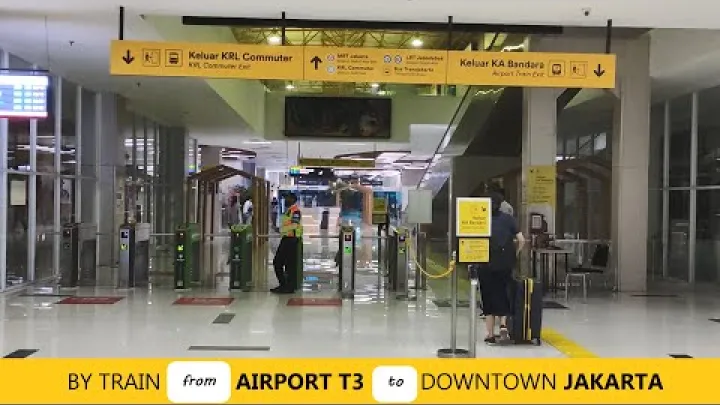
Alternatives include DAMRI airport buses to major districts, metered taxis from authorized ranks, and ride-hailing pickups at designated zones. Tolls and traffic conditions strongly influence road times, which can range from 45 to 90 minutes or more during evening rush hour or heavy rain. For payment, carry a small amount of cash for bus tickets and tolls if needed, and consider cashless options for ride-hailing to avoid change issues at the curb.
Bali DPS to major areas: Kuta, Seminyak, Ubud, Nusa Dua
From DPS, road transfers are the primary option to reach popular areas. Typical off-peak times are Kuta 10–20 minutes, Seminyak 30–60 minutes, Ubud 60–90 minutes, and Nusa Dua 25–45 minutes. Peak congestion occurs in late afternoons and during major holidays, when times can extend significantly. Fixed-fare taxi desks in the arrivals hall simplify pricing and help first-time visitors avoid haggling.

Pre-booked private transfers and app-based rides are widely used, with designated pickup zones signposted at terminals. Pickup rules for ride-hailing can change during festivals or operational adjustments, so verify the latest instructions in your app on the day of travel. If your arrival overlaps with sunset traffic or a public holiday, add a generous buffer when planning dinner reservations or tight inter-island connections.
Typical times, costs, and peak-season tips
Transfers cost more and take longer during Eid al-Fitr, school holidays, and weekends. In Jakarta, expect rail fares in the range of IDR 70,000–100,000 and DAMRI buses from roughly IDR 40,000–100,000 depending on the route. Metered taxi rides to central districts often fall in the IDR 150,000–300,000 range plus tolls, but exact amounts vary with distance and traffic. In Bali, fixed-fare taxis to Kuta commonly range around IDR 150,000–250,000, while Ubud transfers often range around IDR 300,000–500,000. All prices are illustrative and subject to change.

For tight connections, add a 30–60 minute buffer on top of typical transfer times, and more during heavy rain. Use official taxi counters and clear price boards to avoid disputes, and choose cashless payment where available. If you are connecting on separate tickets, consider travel insurance that covers missed connections and plan an overnight stop at a hub if your inbound flight’s on-time performance is uncertain.
New and planned airports (2024–2027)
Indonesia is investing in new airports and expanding existing ones to keep up with rising demand and to spread economic benefits beyond the largest hubs. A mix of state-led programs and PPPs is improving terminal capacity, airside infrastructure, and passenger experience. For travelers, these projects mean more routing options, better on-time performance at peaks, and new gateways to emerging destinations.

The most discussed proposal is North Bali International Airport (NBIA), intended to relieve pressure on DPS and stimulate North Bali’s development. Meanwhile, ongoing initiatives continue at regional gateways like Labuan Bajo (LBJ) and Yogyakarta (YIA), where modern facilities are already improving resilience and comfort. Timelines can shift as environmental and regulatory reviews progress, so treat target dates as indicative rather than guaranteed.
North Bali International Airport (NBIA): rationale, expected capacity, timeline
NBIA aims to alleviate congestion at DPS and to distribute tourism benefits more evenly across Bali. The concept envisions an initial runway with phased expansion to support larger aircraft and higher throughput over time. The airport’s location in the north would shorten access to Lovina and other northern attractions while easing road pressure in the south.

Early operational targets have been discussed for around 2027, but all dates remain subject to approvals, financing, and staged development. Environmental and regulatory reviews can influence site selection, scope, and timing, so timelines may shift. Until NBIA opens, DPS remains the island’s primary gateway, and travelers should continue planning itineraries with DPS as the main entry and exit point.
Recent regional airports and PPP initiatives
Indonesia’s transport policy emphasizes PPPs to accelerate upgrades in capacity, safety, and service quality. Kualanamu (KNO) stands out as a flagship concession with AP II and GMR, and similar models are being discussed or implemented at other strategic airports. These partnerships aim to expand facilities, improve passenger experience, and enhance route development, particularly where tourism or regional trade is growing.

Recent enhancements at tourist gateways such as LBJ and at newer airports like YIA demonstrate how modern terminals and airside upgrades can raise resilience and comfort. The broader goals include strengthening connectivity to outer islands, improving disaster recovery capacities, and accommodating traffic spikes during peak seasons. As new concessions are signed or expansions are completed, travelers should expect more choice and smoother connections across the network.
Travel tips, seasonality, and peak periods
Seasonality in Indonesia affects both flight availability and airport congestion. Peaks often align with religious holidays, school breaks, and global tourism seasons. Planning around these periods can improve your odds of on-time departures, reduce time in queues, and secure better fares. Knowing the rhythms of local holidays will also help you choose flight times that avoid the heaviest ground traffic to and from airports.

In other regions, local festivals and weather patterns can affect flight schedules, especially where turboprops operate into smaller runways. In all cases, booking early, favoring morning flights, and leaving buffers for ground transfers are simple strategies that pay off during the busiest weeks.
Eid al-Fitr, school holidays, tourism peaks
The busiest travel periods occur around Eid al-Fitr, the June–August school holidays, and late December to early January. Airlines add capacity where possible, but flights and hotels can sell out quickly and prices rise. Airports run near their peak throughput, which can lengthen queues at immigration, security, and check-in counters.

To minimize delays, choose midweek flights, aim for morning departures, and use online check-in to shorten time at counters. In Bali, soft peaks may also occur around local festivals and international events, which can concentrate arrivals and departures within specific days. If you must travel at peak times, plan extra buffers for road transfers and consider flexible tickets that allow rebooking.
Booking, arrival time, and baggage tips
Book early for peak dates and consider choosing morning departures to reduce the risk of knock-on delays. Arrive 2–3 hours before your flight when connecting or when traveling during busy periods. Verify your terminal and gate the day before departure, as operational changes can shift assignments, especially at large hubs like CGK and DPS.

Domestic baggage allowances in Indonesia can be lower than international entitlements, and some low-cost carriers have strict weight and size limits. Weigh your bags before heading to the airport and prepay for extra allowance if needed. If traveling on separate tickets, plan a contingency: build longer layovers, avoid the last flight of the day for critical legs, and consider an overnight at a hub if your inbound sector often runs late.
Frequently Asked Questions
What is the airport code for Bali, Indonesia, and what is the airport’s official name?
The Bali airport code is DPS and the official name is I Gusti Ngurah Rai International Airport. Locally it is often called “Denpasar Airport,” but DPS serves the entire island. The single runway is about 3,000 m, and the airport handled roughly 23–24 million passengers in 2024.
Which airport serves Jakarta and what are its codes and terminals?
Soekarno–Hatta International Airport serves Jakarta with the code CGK. It has multiple terminals (T1–T3) and a rail link to the city; Halim Perdanakusuma (HLP) supports select domestic services. CGK is Indonesia’s main international hub and operates two long parallel runways.
Is there an airport near Bali other than DPS, and when will North Bali open?
Yes, Lombok (LOP) and Banyuwangi (BWX) are near Bali and can be alternatives in specific itineraries. A proposed North Bali International Airport (NBIA) has advanced through planning with a first runway targeted as early as 2027, subject to phased development and approvals. DPS remains the primary gateway until NBIA opens.
Which airport should I use for Komodo National Park and how do I get there?
Use Komodo Airport in Labuan Bajo (LBJ). From LBJ, it is a short transfer to Labuan Bajo harbor where boats depart for Komodo and Rinca; most visitors join organized day trips or liveaboards. Domestic flights connect LBJ with Bali and Jakarta.
How long does it take to reach central Jakarta from CGK and what are the options?
The airport rail link takes about 45–55 minutes to central Jakarta with predictable timing. Buses and taxis can take 45–90 minutes depending on traffic; ride-hailing is available at designated pickup points. Allow extra time during peak hours or heavy rain.
Can I fly directly to Lombok from Jakarta or Bali, and how long is the flight?
Yes, there are frequent nonstops from Jakarta to Lombok (around 2 hours) and from Bali to Lombok (about 40 minutes). Schedules increase in peak seasons. Lombok International Airport (LOP) serves Kuta and Senggigi by road.
What is the difference between Denpasar Airport and Bali Airport?
There is no difference; both refer to I Gusti Ngurah Rai International Airport (DPS). The airport is near Denpasar city but serves the entire island of Bali. Airlines and tickets use the code DPS.
Conclusion and next steps
Indonesia’s airport system balances a few high-capacity hubs with a wide network of domestic gateways to connect distant islands. For most international trips, Jakarta (CGK) and Bali (DPS) offer the broadest route choices, while Surabaya (SUB), Makassar (UPG), and Medan (KNO) add regional flexibility. Tourist-focused airports such as Lombok (LOP), Labuan Bajo (LBJ), and Batam (BTH) make it easier to reach beaches, national parks, and ferry links without long overland journeys.
When you plan, match the airport to your first-night destination, keep key name–code pairs handy, and allow buffers for peak-season travel. Use the rail links at CGK and KNO where timing is important, and confirm terminal assignments a day before departure, as they may change seasonally. Looking ahead, projects through 2027—especially North Bali International Airport—aim to expand capacity and spread demand, but timelines can evolve with regulatory and environmental reviews. With the right airport choices and prudent buffers, you can simplify transfers and enjoy smoother travel across Indonesia’s islands.
Välj område
Skapa ett inlägg
Inlägget är gratis och ingen registrering krävs.