Tímabelti Víetnam (UTC+7) – Indókínutími útskýrður
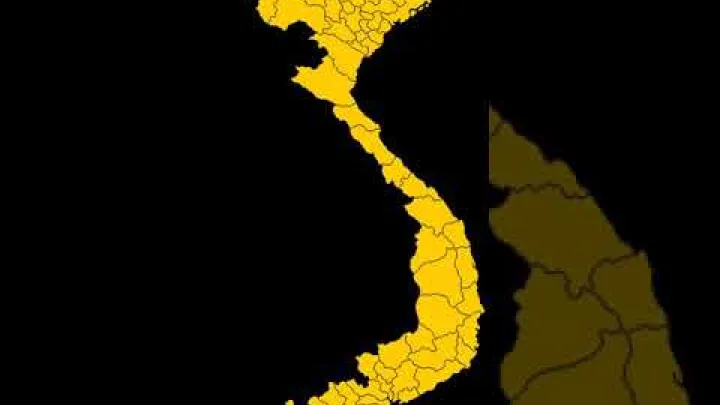
The Vietnam time zone is simple, stable, and the same everywhere in the country. Officially known as Indochina Time, it is set at UTC+7 and does not change for daylight saving. Whether you look up the time in Hanoi, Ho Chi Minh City, Da Nang, or on a remote island, you will always get the same local time. This consistency makes planning flights, study schedules, and international meetings much easier than in many other destinations. This guide explains how the Vietnam time zone works, how it relates to GMT and UTC, and how to convert it quickly from wherever you are.
By understanding the UTC+7 offset, you can avoid missed calls, late check-ins, or confusion when you travel or work with people in Vietnam. You will also see how Vietnam’s fixed time compares with countries that switch clocks for summer and winter. Along the way, you will find practical tables, examples, and simple rules that you can apply to future trips or remote projects. The goal is to give you clear, translation-friendly information that works for travelers, students, and professionals worldwide.
Introduction to the Vietnam Time Zone
Knowing the Vietnam time zone is important for anyone who plans to visit, study, or work with people in the country. Vietnam uses a single national standard called Indochina Time, which is always UTC+7 and often written as GMT+7. Because there is no daylight saving time and no regional time differences, the system is easier to understand than in many large countries. Still, people abroad often ask how far ahead Vietnam is and whether Hanoi and Ho Chi Minh City share the same time.
For travelers, this information affects flight bookings, hotel check-ins, and connecting transport. International students need to plan online classes, exams, and calls with family in different time zones. Remote workers and business partners must schedule meetings and deadlines across continents. This section explains why the Vietnam time zone matters for these groups and shows how its stability can be an advantage when organizing your daily schedule.
Why understanding the Vietnam time zone matters for travelers, students, and remote workers
For tourists, the Vietnam time zone is a key part of basic trip planning. Because the whole country follows Indochina Time (UTC+7), you do not need to worry about changing your watch when flying from Hanoi to Ho Chi Minh City or when visiting beaches, mountains, and islands. Knowing that Vietnam is several hours ahead of Europe and many hours ahead of the Americas helps you book flights that arrive at practical times, avoid late-night hotel arrivals, and plan activities during daylight. It also reduces stress when connecting from long-haul flights to domestic routes or buses.

Tourists also benefit from the lack of daylight saving time. Once you know that Vietnam is always UTC+7, you can plan long in advance without checking seasonal changes. For example, if you book a tour for the same local time in March and in November, the difference between your home time and Vietnam time may change because your own country adjusts clocks, but Vietnam does not. Understanding this pattern avoids confusion when you receive booking confirmations or reminders that show times in local and foreign formats.
International students who join Vietnamese universities or online programs work with class schedules, assignment deadlines, and exam times fixed in Vietnam time. If they live abroad or return home during holidays, they must convert between their local time and UTC+7. Knowing that Vietnam does not move between winter and summer time makes it easier to track deadlines over many months. Students can set their phones or online calendars to “Hanoi” or “Ho Chi Minh City” time, which both represent the same UTC+7 offset, and trust that class reminders stay accurate.
Remote workers and business professionals feel the time difference even more strongly. Many software teams, call centers, and outsourcing companies operate in Vietnam while clients are in Europe, North America, or Australia. The Vietnam time zone, at UTC+7, often means early-morning or late-evening calls for at least one side. Understanding the exact offset helps teams define clear overlapping hours, avoid meetings at midnight, and design follow-the-sun workflows where tasks pass smoothly between time zones. Because the offset stays constant, companies can design stable year-round routines instead of adjusting every few months.
Quick facts about Vietnam time zone, UTC+7, and Indochina Time
When people ask “What time zone is Vietnam in?” they usually want a short, direct answer. The official time used across the country is called Indochina Time, often shortened to ICT. In technical and travel contexts, it is described as UTC+07:00 or simply UTC+7. In everyday language, many people say GMT+7, which is practically the same for this purpose. All cities in Vietnam, from Hanoi and Da Nang to Ho Chi Minh City and Can Tho, share this single standard time.
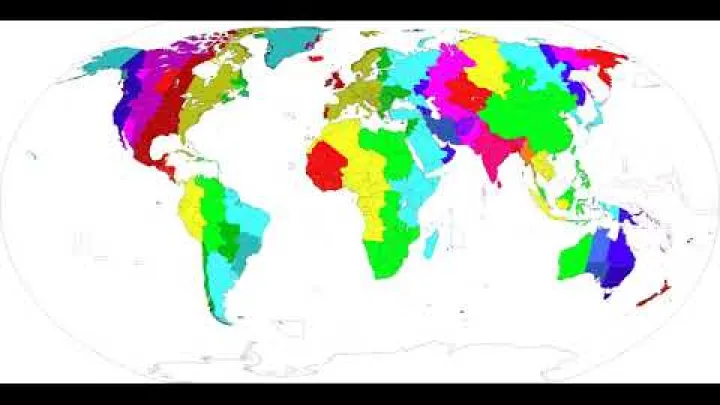
Because Vietnam does not use daylight saving time, the UTC+7 offset applies throughout the year. That means the time in Vietnam today will always be the same offset from UTC as it was six months ago or will be six months in the future. This predictability is helpful for long-term contracts, study programs, and planned events like conferences or weddings. It also makes world clock searches and online time conversions straightforward, since you do not need to select summer or winter versions of the Vietnam time zone.
- Official time zone name: Indochina Time (ICT)
- Standard offset: UTC+07:00, also written as GMT+7
- Daylight saving time: None (no clock changes during the year)
- National coverage: One time zone for all regions and cities
- Typical business hours: Around 08:00–17:00 local time, Monday to Friday
- Countries sharing UTC+7: Vietnam, Thailand, Laos, Cambodia, and others such as parts of Indonesia and Russia
What Is the Vietnam Time Zone?
Understanding what the Vietnam time zone is, and how it is defined, is the foundation for all later conversions and comparisons. Officially, Vietnam uses Indochina Time, which is a regional standard historically shared with neighboring countries in mainland Southeast Asia. Today, this time zone is fixed at UTC+7 and covers the entire territory of Vietnam, from the northern borders with China to the southern tip of the Mekong Delta.
In many time-related tools, such as world clocks, booking systems, and software settings, you will see Vietnam’s time zone expressed in several different but equivalent ways. These can include Indochina Time (ICT), UTC+07:00, GMT+7, or simply “Asia/Ho_Chi_Minh” as an internal identifier. This section explains what those labels mean and how Vietnam moved from more complex regional times in the past to the current unified system.
Basic definition of Indochina Time (ICT, UTC+7)
Indochina Time is the standard time observed in Vietnam and some of its neighboring countries. It is defined as seven hours ahead of Coordinated Universal Time, which is abbreviated as UTC. This is why the Vietnam time zone is described as UTC+07:00. If you see “ICT” written next to a clock or booking time for Vietnam, it refers to this same Indochina Time standard. In practice, this means that when it is 00:00 (midnight) in UTC, it is 07:00 in Vietnam.
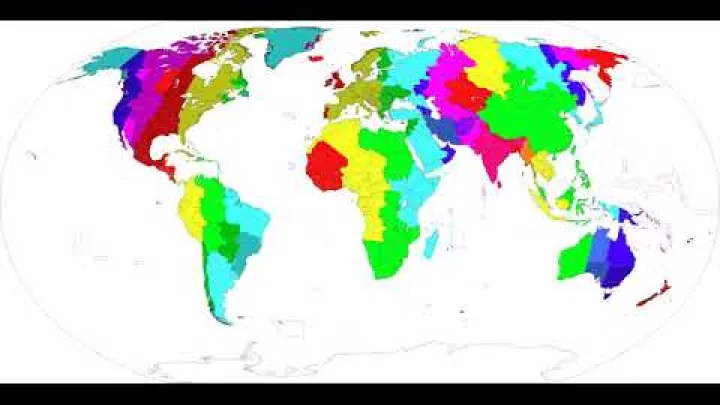
For people more familiar with Greenwich Mean Time, the same concept is often expressed as GMT+7. While UTC and GMT are not identical in a strict scientific sense, they are used in parallel for most everyday purposes, especially in travel and scheduling. When you read that the “time zone Vietnam uses is GMT+7,” it is simply another way to say that Vietnam is seven hours ahead of the reference time kept in Greenwich, London. This relationship remains constant all year, because Vietnam does not adjust clocks for daylight saving.
Historically, time in Vietnam was not always so unified. During colonial and wartime periods, different regions could follow slightly different standards or align with neighboring territories under shared administration. Over the twentieth century, legal and political changes gradually moved the country toward a single nationwide standard. After national reunification in 1975, Vietnam consolidated its official time at UTC+7, bringing all provinces into one consistent time zone. Today, this historical complexity is mostly of interest to researchers, while the modern reality is simply that Vietnam follows one clear time standard.
Is there only one time zone in Vietnam?
There is only one official time zone in Vietnam, and it covers every province and city without exception. This means there is no time difference between the north, central, and south of the country. If it is 10:00 in Hanoi, it is also 10:00 in Hue, Nha Trang, Da Nang, Ho Chi Minh City, and all smaller towns and islands. For travelers, this makes domestic travel easy, since you never need to change your watch or adjust your flight arrival and departure times for internal time shifts.
The single time zone system in Vietnam contrasts with large countries such as the United States, Canada, Russia, or Australia, where crossing internal borders can move you into a new clock time. Because Vietnam is long from north to south but not extremely wide east to west, it can comfortably operate with one national time. For example, if you fly from Hanoi to Ho Chi Minh City, the flight duration might be around two hours, but there is no time change on arrival. A meeting scheduled for 14:00 in both cities will always occur at the same moment, avoiding confusion about which region is ahead.
This uniformity also simplifies business operations within Vietnam. National television schedules, train timetables, and office hours apply directly across all regions. Companies that have offices in multiple cities can set one shared calendar without worrying about local time rules. For visitors who travel overland between regions, it removes the risk of missing buses or trains due to overlooked time changes. Overall, the one-time-zone policy keeps daily life and national coordination straightforward.
Vietnam Time Zone in UTC and GMT Terms
Many people first approach the Vietnam time zone through its relationship with UTC and GMT, since these are the most common reference systems in aviation, computing, and international travel. When you see world clock data, flight details, or technical logs, you often find times expressed as UTC plus or minus a number of hours. For Vietnam, that number is always plus seven. Understanding this simple relationship makes it much easier to calculate local time in Vietnam from any other location.

Greenwich Mean Time, or GMT, is the older standard based on the mean solar time at the Royal Observatory in Greenwich, London. Coordinated Universal Time, or UTC, is the modern standard used for international timekeeping and is maintained with atomic clocks. In most practical cases, including for Vietnam, the difference between GMT and UTC does not affect everyday scheduling. This section explains how to read the UTC+07:00 and GMT+7 labels for Vietnam and gives concrete conversion examples for quick reference.
Vietnam time zone UTC offset (UTC+07:00)
The Vietnam time zone has a fixed UTC offset of +07:00. This means that local time in Vietnam is always seven hours ahead of Coordinated Universal Time. If you know the current UTC time, you can find the local Vietnam time by simply adding seven hours. For instance, if the UTC time is 05:00, the corresponding time in Vietnam is 12:00 noon. This rule applies every day of the year, because Vietnam does not use daylight saving time or seasonal clock changes.
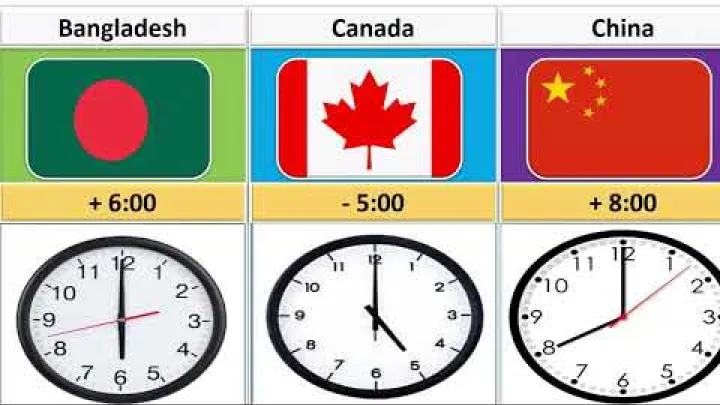
In written form, you might see the Vietnam time zone expressed in several consistent formats. Common examples include UTC+07:00, UTC+7, or just +07:00. In ISO 8601 timestamps, which are widely used in technical systems, the offset is included at the end of the date and time string. For example, “2025-03-10T09:30:00+07:00” describes a local time of 09:30 in Vietnam on 10 March 2025. Whenever you see the +07:00 suffix, it means the time is aligned with Vietnam’s offset.
| UTC time | Vietnam time (UTC+7) |
|---|---|
| 00:00 | 07:00 |
| 06:00 | 13:00 |
| 12:00 | 19:00 |
| 18:00 | 01:00 (next day) |
These examples show how the seven-hour difference works at different times of the day. When UTC is in the evening, Vietnam has already moved into the early hours of the next calendar day. This can be important when you schedule calls or deadlines across time zones, especially near midnight. Keeping the UTC+07:00 offset in mind helps you choose times that fall within normal waking hours in Vietnam.
Vietnam time zone GMT difference and quick examples
In everyday conversation and some older systems, people still use Greenwich Mean Time as the main reference. In this context, the Vietnam time zone is described as GMT+7. This phrase means that Vietnam is seven hours ahead of the time at Greenwich, London, when measured on the GMT scale. For planning purposes, GMT+7 and UTC+7 are equivalent descriptions of Vietnam’s offset, since there is no daylight saving time to complicate the relationship.

Practically, this means that when it is 08:00 in London during the GMT period, the local time in Vietnam is 15:00. During times when the United Kingdom moves to British Summer Time (BST), clocks in the UK shift forward by one hour, but Vietnam remains at UTC+7. In that situation, when it is 08:00 in London, it is 14:00 in Vietnam, reducing the gap to six hours. Although GMT and UTC have technical differences, for travelers and remote workers they can both be treated as the base line from which Vietnam is always seven hours ahead.
| GMT (London) | Vietnam (GMT+7) |
|---|---|
| 00:00 | 07:00 |
| 09:00 | 16:00 |
| 15:00 | 22:00 |
These simple examples illustrate common times when meetings or calls might happen. For instance, a 09:00 morning meeting in London during the GMT period corresponds to late afternoon in Vietnam, which can work well for joint discussions. When you see “Vietnam time zone GMT+7” in search results or travel guides, you can remember that it always points to this same seven-hour difference with London’s standard time.
Time Zones in Hanoi, Ho Chi Minh City, and Other Cities
Travelers often search for city-specific information such as “Hanoi Vietnam time zone” or “Ho Chi Minh City Vietnam time zone.” While this is understandable, all these queries lead to the same answer: every city in Vietnam shares the same national time. There is no special Hanoi time or Saigon-only standard, and no city uses a different offset or daylight saving rule. This uniform approach is one of the reasons scheduling within Vietnam is straightforward.

Still, it is useful to understand how time works in major cities, what typical business hours look like, and how these cities appear in digital tools and systems. This section explains how Hanoi and Ho Chi Minh City follow Indochina Time, how daily rhythms unfold in these locations, and how other destinations such as Da Nang, Nha Trang, and Phu Quoc align with them. It also corrects common misunderstandings about remote regions or islands using alternative time zones.
Hanoi, Vietnam time zone
Whether you visit in January or July, the local time in Hanoi is always seven hours ahead of UTC, with no daylight saving adjustments. This stability makes it simple to schedule flights, hotel check-ins, and meetings that involve Hanoi as a central point. International airlines, booking sites, and world clock apps all list Hanoi under this same UTC+7 standard.

Daily life in Hanoi typically starts early. Many offices open around 08:00 or 08:30 and close by 17:00 or 17:30, often with a lunch break in the middle of the day. Government offices, banks, and schools follow similar patterns on weekdays, while shops and markets may open earlier and stay open later. Understanding this rhythm helps visitors choose convenient times for sightseeing, shopping, and business meetings.
For people arriving from far-away time zones, adjusting to Hanoi’s clock can take a few days. Travelers from Europe may experience a time shift of six to eight hours, while those from North America may face a shift of eleven to fifteen hours. To reduce jet lag, it is often helpful to schedule outdoor activities during local daylight hours soon after arrival, and to avoid long naps that delay adaptation to local bedtime. Using phone or laptop world clocks set to “Hanoi” makes it easier to track local time before and during your trip.
Ho Chi Minh City (Saigon), Vietnam time zone
There is no time difference between Ho Chi Minh City and any other place in Vietnam, including Hanoi in the north or Can Tho in the Mekong Delta. When you see schedules for “Saigon Vietnam time zone” or “Ho Chi Minh City Vietnam time zone,” they always refer to the same UTC+7 offset. This is important for travelers who may worry about changing local time when moving between major cities; in Vietnam, this is not necessary.

In technical systems, Ho Chi Minh City is commonly represented by the IANA time zone identifier “Asia/Ho_Chi_Minh.” An older alias, “Asia/Saigon,” still appears in some software and maps to the same rules. Both labels indicate the same UTC+7 offset without daylight saving. When configuring servers, apps, or calendar systems, choosing Asia/Ho_Chi_Minh ensures that all timestamps and reminders align with the actual local time used in the city and the rest of Vietnam.
Ho Chi Minh City is a major economic center, with many companies that work with partners in Europe, North America, and Asia-Pacific. Office hours often run from around 08:00 or 09:00 to late afternoon or early evening. Because of the time difference, remote teams may schedule calls early in the morning local time or later in the evening to match working hours in other regions. Understanding that Saigon shares the same time zone as Hanoi simplifies country-wide coordination, since a meeting set at 15:00 local time is valid for participants in both cities.
Do any regions in Vietnam use a different time zone?
No regions in Vietnam use a different official time zone. All provinces, cities, and territories follow the same national time standard at UTC+7. This includes mountainous border areas in the north, central coastal towns, and remote southern islands. For example, popular tourist destinations such as Ha Long Bay, Hoi An, Nha Trang, Da Lat, Phu Quoc Island, and Con Dao all share exactly the same time as Hanoi and Ho Chi Minh City.
Sometimes visitors assume that long north-south distances or different climate zones might create separate local times. However, Vietnam’s government sets one legal time for the entire country, and public services, transport schedules, and businesses all follow it. Even in remote border regions or islands far from the mainland, official time remains unchanged. This consistent approach means that if you travel across Vietnam by train or bus, you never cross into another time zone, and ticket times always reflect the same national clock.
- North: Hanoi, Ha Long, Sapa, and Ha Giang
- Central: Hue, Da Nang, Hoi An, and Nha Trang
- South: Ho Chi Minh City, Can Tho, and the Mekong Delta
- Islands: Phu Quoc, Con Dao, and Cat Ba
All of these locations use the same UTC+7 time without exception. This nationwide consistency removes one common source of confusion for travelers and also aids nationwide broadcasting, emergency services, and logistics planning.
Does Vietnam Have Daylight Saving Time?
Many countries shift their clocks forward in spring and backward in autumn to maximize evening daylight, a practice known as daylight saving time or summer time. This can create confusion when you work or travel across borders, because the time difference between places changes twice a year. Vietnam, however, does not use daylight saving time. The entire country remains on UTC+7 all year, which greatly simplifies planning for both residents and international partners.

Even though Vietnam’s time stays stable, the time difference between Vietnam and some other countries still changes when those countries adjust their own clocks. This means that although Hanoi’s local time does not move, London, New York, or Sydney may change relative to it. Understanding how this works is essential when organizing long-term projects, study abroad programs, or travel that spans different seasons.
Current daylight saving time practice in Vietnam
Vietnam does not currently observe daylight saving time or any type of seasonal time shift. Clocks across the country stay on Indochina Time (UTC+7) from January through December. There is no spring “clock forward” or autumn “clock back” event, and no regional exceptions where certain provinces use different rules. This straightforward arrangement applies to all major cities, rural areas, and islands.
Historically, seasonal or regional time changes did occur in some periods, often linked to colonial administration or wartime conditions. However, these are now a matter of historical record rather than modern practice. Today’s laws and public information on time in Vietnam all assume a stable UTC+7 system with no daylight adjustment. For travelers and businesses, this is good news: once you know Vietnam’s time difference from your home country, you only need to update your calculations when your own country changes its clocks.
The absence of daylight saving time offers several practical advantages. Long-term contracts, curriculum schedules, and conference agendas can be written in Vietnam local time without worrying about seasonal ambiguity. Remote teams do not have to re-align internal calendars to account for Vietnamese clock changes, because there are none. When confusion arises about a sudden shift in time difference, the cause is almost always a change in the other country’s rules rather than any modification in Vietnam’s time.
When compared with regions that adjust clocks twice a year, such as most of Europe and North America, Vietnam’s stable time system is easier to remember and explain. For example, if a meeting is always scheduled at 10:00 Hanoi time every Tuesday, it stays at 10:00 Hanoi time forever. People in London, Paris, or New York may see that time appear as an hour earlier or later during parts of the year, but the base time in Vietnam does not move.
How daylight saving time in other countries changes the gap with Vietnam
Although Vietnam does not change its clocks, many partner countries do. When these countries move between standard time and daylight saving time, the number of hours between their local time and Vietnam time changes. This can affect meeting schedules, flight times, and the timing of live online events such as webinars or classes. Understanding this shifting gap is important for anyone who works or studies with people in Vietnam across seasons.

For example, the United Kingdom runs on GMT during the colder months and on British Summer Time (BST) during the warmer months. Vietnam is 7 hours ahead of the UK when the UK is on GMT, but only 6 hours ahead when the UK is on BST. A similar pattern appears in many European countries, which move between Central European Time (CET) and Central European Summer Time (CEST), changing their gap with Vietnam from 6 to 5 hours. In North America and Australia, daylight saving rules can shift the difference with Vietnam by one hour in either direction.
| Region | When on standard time | When on daylight saving time |
|---|---|---|
| United Kingdom | Vietnam is 7 hours ahead (vs. GMT) | Vietnam is 6 hours ahead (vs. BST) |
| Central Europe (e.g., Paris, Berlin) | Vietnam is 6 hours ahead (vs. CET) | Vietnam is 5 hours ahead (vs. CEST) |
| US Eastern (e.g., New York) | Vietnam is 12 hours ahead (vs. EST) | Vietnam is 11 hours ahead (vs. EDT) |
| US Pacific (e.g., Los Angeles) | Vietnam is 15 hours ahead (vs. PST) | Vietnam is 14 hours ahead (vs. PDT) |
These figures show that any change in the time difference is triggered by other countries’ daylight saving policies, not by Vietnam. For planning, it is wise to check both your local daylight saving calendar and Vietnam’s fixed UTC+7 time. Around the dates when clocks change in your country, double-check world clocks or reliable conversion tools before scheduling important calls or flights to avoid misunderstandings.
Time Difference Between Vietnam and Other Countries
Once you know that Vietnam operates on UTC+7, the next step is to understand how this compares with other countries and regions. Time differences determine whether a call takes place in someone’s morning or late evening, whether a flight arrival means checking in at a hotel at midnight, and how long an overnight layover truly lasts. Because the Earth is divided into time zones based on longitude, Vietnam’s position places it between much of Europe and the Pacific countries, and significantly ahead of the Americas.
This section looks at Vietnam’s time relationship to nearby Asian countries, Europe and the United Kingdom, the United States and Canada, and Australia and New Zealand. Each subsection offers practical examples using major cities so that you can quickly see how far ahead or behind Vietnam is. The goal is to help you plan travel, organize international meetings, and set expectations for response times in remote work situations.
Vietnam vs nearby Asian countries
Within Asia, Vietnam shares its time zone with several close neighbors, which simplifies cross-border travel and business. Thailand, Laos, and Cambodia all use UTC+7, just like Vietnam. This means there is no time difference when you travel between Hanoi and Bangkok, Phnom Penh, or Vientiane. Flights and buses that cross these borders do not require you to adjust your watch, and regional online meetings can be scheduled in local time for all participants with perfect alignment.
Other major Asian economies use different offsets. China and Singapore typically run on UTC+8, which places them one hour ahead of Vietnam. Japan operates on UTC+9, making it two hours ahead. These differences may seem small, but they still matter when scheduling international calls or tight flight connections. For example, an evening meeting in Vietnam may already be quite late in Japan, while a morning departure from Singapore could feel earlier when converted to Vietnam time.
| City | Time zone | Difference from Vietnam |
|---|---|---|
| Bangkok | UTC+7 | Same time as Vietnam |
| Phnom Penh | UTC+7 | Same time as Vietnam |
| Beijing | UTC+8 | 1 hour ahead of Vietnam |
| Singapore | UTC+8 | 1 hour ahead of Vietnam |
| Tokyo | UTC+9 | 2 hours ahead of Vietnam |
For overland travel across mainland Southeast Asia, the shared UTC+7 zone is very convenient. Trains, buses, and low-cost flights between cities like Ho Chi Minh City, Phnom Penh, and Bangkok all operate on the same clock. For business, companies operating in Vietnam, Thailand, Laos, and Cambodia can share office hours and schedule joint training or regional events without worrying about time zone conversions.
Vietnam vs Europe and the United Kingdom
Europe and the United Kingdom are located far to the west of Vietnam, which creates a significant time difference. This difference depends on whether European countries are on standard time in winter or summer time in warmer months. During standard time, most of Europe is six hours behind Vietnam, and the UK is seven hours behind. When Europe moves to summer time, the gap shrinks by one hour.

For example, when Central European countries such as France and Germany use Central European Time (CET, UTC+1), Vietnam at UTC+7 is six hours ahead. If it is 09:00 in Paris or Berlin, it is already 15:00 in Hanoi. When these countries switch to Central European Summer Time (CEST, UTC+2), Vietnam becomes five hours ahead, so 09:00 in Paris corresponds to 14:00 in Hanoi. The United Kingdom follows a similar pattern: during GMT, Vietnam is seven hours ahead of London, while during British Summer Time, Vietnam is six hours ahead.
| City pair | Winter (standard time) | Summer (daylight time) |
|---|---|---|
| Hanoi – London | Vietnam 7 hours ahead | Vietnam 6 hours ahead |
| Hanoi – Paris | Vietnam 6 hours ahead | Vietnam 5 hours ahead |
| Hanoi – Berlin | Vietnam 6 hours ahead | Vietnam 5 hours ahead |
In practical terms, this means that ideal overlap for meetings between Vietnam and Europe often falls in the European morning and the Vietnamese afternoon. For instance, a 09:00 meeting in Berlin in winter is at 15:00 in Hanoi, which keeps both sides within normal office hours. In summer, a 09:00 Berlin meeting becomes 14:00 in Hanoi. When planning calls or online classes, it is helpful to check whether Europe is currently on standard or summer time so that you apply the correct difference.
Vietnam vs United States and Canada
The time difference between Vietnam and North America is large, often reaching 11 to 15 hours depending on the region and season. This creates challenges for scheduling real-time communication, since daytime hours in Vietnam usually coincide with late evening or early morning in the United States and Canada. As with Europe, daylight saving time in North America changes the offset by one hour each year.
When North America is on standard time, Vietnam is typically 12 hours ahead of Eastern Time (e.g., New York, Toronto), 13 hours ahead of Central Time (e.g., Chicago), 14 hours ahead of Mountain Time (e.g., Denver), and 15 hours ahead of Pacific Time (e.g., Los Angeles, Vancouver). During daylight saving time, these gaps shrink by one hour, making Vietnam 11 hours ahead of Eastern Daylight Time and 14 hours ahead of Pacific Daylight Time.
| North American zone | Standard time difference | Daylight time difference |
|---|---|---|
| Eastern (New York, Toronto) | Vietnam 12 hours ahead | Vietnam 11 hours ahead |
| Central (Chicago, Dallas) | Vietnam 13 hours ahead | Vietnam 12 hours ahead |
| Mountain (Denver, Calgary) | Vietnam 14 hours ahead | Vietnam 13 hours ahead |
| Pacific (Los Angeles, Vancouver) | Vietnam 15 hours ahead | Vietnam 14 hours ahead |
For arranging meetings between Vietnam and North America, the best overlap often occurs in the early morning for one side and late evening for the other. For example, a 08:00 call in New York during the standard time period corresponds to 20:00 in Vietnam, while a 07:00 call in Los Angeles might be 22:00 in Vietnam. Remote teams often agree on fixed time windows, such as 07:00–10:00 in North America and 19:00–22:00 in Vietnam, to balance convenience and maintain a healthy work-life schedule.
Vietnam vs Australia and New Zealand
Australia and New Zealand are located to the southeast of Vietnam and share the Asia-Pacific region, but they use several different time zones. Some Australian states also observe daylight saving time while others do not, which makes the time difference with Vietnam more complex. In general, major Australian cities are a few hours ahead of Vietnam, and New Zealand is further ahead.

Under standard time, Sydney and Melbourne typically use Australian Eastern Standard Time (AEST, UTC+10), making them three hours ahead of Vietnam. Brisbane in Queensland also uses UTC+10 but does not adopt daylight saving time. Perth uses Australian Western Standard Time (AWST, UTC+8), placing it one hour ahead of Vietnam. When daylight saving time is in effect in parts of Australia, Sydney and Melbourne move to UTC+11, making them four hours ahead of Vietnam, while Brisbane remains three hours ahead and Perth stays one hour ahead. Auckland in New Zealand often runs at UTC+12 in standard time and UTC+13 during daylight saving, putting it five to six hours ahead of Vietnam.
| City | Standard time difference | Daylight time difference |
|---|---|---|
| Sydney, Melbourne | Vietnam 3 hours behind | Vietnam 4 hours behind |
| Brisbane | Vietnam 3 hours behind | Vietnam 3 hours behind (no DST in Brisbane) |
| Perth | Vietnam 1 hour behind | Vietnam 1 hour behind |
| Auckland | Vietnam 5 hours behind | Vietnam 6 hours behind |
For travelers and remote workers in Australia and New Zealand, these differences shape the best times for communication with Vietnam. For instance, a 09:00 workday start in Sydney during its daylight saving period corresponds to 05:00 in Vietnam, which is usually too early for meetings. Instead, scheduling calls in Sydney’s afternoon, perhaps 14:00–16:00, aligns with late morning to midday in Vietnam. By checking local daylight saving rules and Vietnam’s fixed UTC+7 time, you can choose meeting windows that are comfortable for both sides.
Practical Time Conversion Tips for Vietnam
Knowing the theory of time zones is useful, but in daily life people need practical ways to convert between Vietnam time and their own local time. Since Vietnam’s UTC+7 offset stays constant, you can rely on simple rules and tools to make quick conversions. Whether you are scheduling a video call, booking a flight, or planning to watch a live stream from Vietnam, a clear method saves time and reduces errors.
This section provides step-by-step instructions for manual conversion, along with worked examples. It also discusses common mistakes, such as forgetting daylight saving time in your home country or reversing the direction of time differences. Finally, it explains how to use world clock features on phones and computers to let devices handle most of the calculations for you.
Simple rules to convert between Vietnam time and your local time
A straightforward method for converting between Vietnam time and your local time begins with understanding UTC offsets. Every major time zone can be described as UTC plus or minus a certain number of hours, and Vietnam’s offset is UTC+7. By comparing your local offset with Vietnam’s, you can quickly determine whether Vietnam is ahead of or behind you, and by how many hours. Once you know the difference, you can add or subtract that number to find the corresponding time on the other side.

To make this easier, it helps to follow a consistent set of steps. The idea is to avoid guessing or relying on partial memories of time differences that may change during the year. Instead, you always start from current, reliable information about your own time zone, then relate it to Vietnam’s UTC+7. This approach reduces confusion when daylight saving time begins or ends in your country.
- Find your current UTC offset (for example, UTC+1, UTC-5, or UTC+10), making sure to note whether your country is on standard or daylight time.
- Compare your offset with Vietnam’s UTC+7 to determine the time difference in hours.
- Decide whether Vietnam is ahead of or behind your local time based on the comparison.
- Add or subtract the number of hours from your local time to get Vietnam time, or from Vietnam time to find your local time.
- Double-check the result with a reputable world clock or online converter, especially near daylight saving changes.
For example, if you are in London during GMT (UTC+0), Vietnam at UTC+7 is seven hours ahead. If it is 10:00 in London, it is 17:00 in Vietnam. If you are in New York during Eastern Daylight Time (UTC-4), Vietnam at UTC+7 is 11 hours ahead. If it is 08:00 in New York, it is 19:00 in Vietnam. Reversing the calculation is just as simple: if you know it is 21:00 in Vietnam and you want to know the time in Paris during CEST (UTC+2), you subtract five hours to get 16:00 in Paris.
Common mistakes include forgetting to adjust for daylight saving time in your own country, or mixing up whether Vietnam is ahead or behind. Another frequent error is to reuse an old time difference without checking if your local clocks have changed since then. To avoid these problems, always confirm your current UTC offset and remember that Vietnam stays fixed at UTC+7. With this in mind, the simple rules above will give you consistent results.
Using tools, phones, and calendars for reliable Vietnam time
While manual conversions are useful, most people rely on digital tools to handle time zone calculations automatically. Modern smartphones, laptops, and web services include world clock features and calendar applications that can display multiple time zones side by side. By setting up Vietnam as one of your reference locations, you can always see the current local time in Hanoi or Ho Chi Minh City with a quick glance.

On many devices, you can search for Vietnam’s major cities by name. Typing “Hanoi” or “Ho Chi Minh City” into a world clock search will usually add that city to your list, showing the local time in UTC+7. Some systems also allow searching directly by country name or by the name of the time zone, such as “Indochina Time.” Once added, the clock remains available even when you are offline, which is helpful when you are on flights or in areas with limited connectivity.
Calendar applications such as those provided by major email services can also manage time zones for meetings. When you create an event, you can choose a time zone like “Asia/Ho_Chi_Minh” or select a city such as Hanoi. The calendar then converts this time into local times for all invited participants, according to their own device settings. This means you can schedule a meeting at 10:00 Vietnam time, and colleagues in London, New York, or Sydney will automatically see the correct corresponding local time.
Online time converters and search engines are also valuable tools. Many allow you to enter a city name or time zone and a specific date and time, then display the matching time in another location. These tools are especially useful around the days when daylight saving time begins or ends in other countries, because they take into account the exact rules and dates. For reliability, it is wise to cross-check important times using more than one tool or confirm them with your calendar application before finalizing bookings or meeting invitations.
Daily Rhythm, Sunrise, and Sunset in Vietnam
Understanding the daily rhythm of life in Vietnam requires more than just knowing the official time zone. The country stretches across tropical and subtropical climate zones, which shape daylight hours and seasonal patterns. While clocks everywhere in Vietnam show UTC+7 all year, the times of sunrise and sunset vary between regions and across the months. Knowing these general patterns helps travelers and remote workers plan productive days and comfortable routines.

This section describes typical daylight hours in key cities such as Hanoi and Ho Chi Minh City, explains how the length of day changes with the seasons, and offers advice for organizing activities according to local light conditions. By matching your schedule to Vietnam’s natural rhythm, you can make better use of early mornings, avoid the hottest periods of the day, and reduce jet lag when arriving from distant time zones.
Typical daylight hours and seasonal changes in Vietnam
Because Vietnam is relatively close to the equator, the length of the day does not fluctuate as dramatically as in higher-latitude countries. However, there are still noticeable seasonal differences, especially between the northern and southern regions. In the north, including Hanoi, winters can have shorter days with later sunrises and earlier sunsets, while summers bring longer daylight and earlier sunrise times. In the south, including Ho Chi Minh City, the difference between seasons is less extreme, and days remain fairly consistent in length.
In general, sunrise in Vietnam often occurs sometime between about 05:00 and 06:30 local time, depending on the region and time of year. Sunset typically falls between 17:00 and 18:30. In Hanoi, mornings in the cooler months may begin with sunrise closer to 06:30, and evenings may become dark by around 17:15 to 17:30. During warmer months, the sun can rise earlier, closer to 05:15, and set later, closer to 18:30. In Ho Chi Minh City, sunrise and sunset times are more stable across the year, often staying near 05:30–06:00 for sunrise and 17:30–18:00 for sunset.
These patterns influence daily routines in Vietnam. Many people start their day early, taking advantage of cooler morning air for exercise, markets, and commuting. Midday can be hot, especially in the dry season in southern Vietnam, so some businesses and schools include longer lunch breaks or rest periods. Evenings are usually lively, with outdoor activities, street food, and social gatherings after sunset. For visitors and remote workers, tuning into this rhythm can help with productivity and comfort.
Because the clock offset remains UTC+7 throughout the year, these seasonal daylight changes do not involve any adjustment of official time. Instead, people naturally shift their activities according to light and temperature. When planning a trip or a work schedule, it is helpful to think in terms of general months or seasons rather than specific dates, since sunrise and sunset transition gradually across the year.
Planning travel, study, and meetings around Vietnam’s local time
For short-term visitors, planning around Vietnam’s local time means aligning flights, hotel arrivals, and sightseeing with the country’s daily rhythm. Long-haul flights from Europe or North America often arrive in Vietnam early in the morning or late at night local time. If you arrive very early, you may have to wait until hotel check-in, which usually begins around midday or early afternoon. Knowing local time and daylight hours helps you decide whether to rest, explore nearby attractions, or arrange an early check-in or luggage storage.

On departure, it is important to remember that late-evening or overnight flights may feel even later to your body, depending on your home time zone. Planning ahead with a sleep schedule that gradually shifts toward Vietnam time in the days before travel can reduce fatigue. During your stay, scheduling outdoor sightseeing in the early morning or late afternoon can help you avoid midday heat in many regions, while still enjoying daylight. Indoor activities such as museums or shopping can fill the hotter hours around noon.
For longer stays, such as study programs or remote work arrangements, integrating Vietnam time into your daily life becomes even more important. Students who attend classes in Vietnam while their families live abroad need to plan communication windows that fall within reasonable hours for both sides. For example, a student in Hanoi might call family in Europe in the early morning or late evening local time, to overlap with family’s late night or afternoon. Remote workers collaborating across continents often design weekly schedules that balance Vietnam’s business hours with those of partner countries.
Managing jet lag and time zone transitions is also crucial for both short and long stays. Helpful strategies include adjusting your sleep and meal times gradually toward Vietnam local time in the days before departure, getting exposure to daylight soon after landing, and avoiding heavy meals or caffeine close to intended bedtime. Separating tips for short trips (up to two weeks) and long stays can help you choose the right approach.
- Short trips: Focus on quickly adapting to local time by adjusting sleep as soon as you arrive, planning outdoor activities in daylight, and keeping naps short.
- Long stays: Shift your routine over several days before departure, maintain consistent sleep and meal times in Vietnam, and schedule regular communications with home that respect both time zones.
By aligning your schedule with Vietnam’s local time and daylight patterns, you can improve comfort, productivity, and overall enjoyment during your stay.
Vietnam Time Zone for Remote Work and Business
Vietnam’s position at UTC+7 makes it an important location for global business and remote work, particularly in technology, manufacturing, and services. Many companies in Europe, North America, and Asia-Pacific collaborate with Vietnamese teams or outsource certain activities to Vietnam. While the stable time zone simplifies long-term planning, the actual hour differences can still be large, especially when working with partners in the Americas.

This section discusses typical challenges faced by international teams that coordinate with Vietnam, and explains how to use the country’s time zone in follow-the-sun workflows. By understanding overlapping working hours and designing clear handover routines, organizations can turn time differences into an advantage rather than a barrier.
Challenges of working with Vietnam’s UTC+7 from Europe and the United States
From Europe, the time difference with Vietnam ranges from five to seven hours, depending on the season and exact location. While this gap is manageable, it still limits the length of the workday overlap. Mornings in Europe correspond to afternoons in Vietnam, and European afternoons tend to fall outside standard office hours in Vietnam, especially in winter. As a result, teams often schedule calls in early European morning and late Vietnamese afternoon to ensure that both sides attend during working hours.
From the United States and Canada, the difference is even more pronounced. As noted earlier, Vietnam is typically 11 to 15 hours ahead of North American time zones. This means that normal business hours in Vietnam often fall during the night or very early morning in North America. To communicate in real time, at least one side usually needs to accept calls outside regular office hours. This can create fatigue and scheduling stress if not managed carefully.
To cope with these challenges, teams can design clear overlapping windows and rotate meeting times. For example, a group working between Hanoi and London might agree on a standard meeting slot at 09:00 London time, corresponding to 16:00 in Vietnam during winter and 15:00 during summer. Teams linking Ho Chi Minh City with New York may alternate weeks between early-morning calls in New York and late-evening calls in Vietnam, to share the inconvenience. Written communication, such as email or project management tools, can handle many tasks without needing live meetings.
Below is an example of overlapping working hours for teams in Vietnam and selected cities, assuming standard office hours of 09:00–17:00 in both locations:
| City pair | Approximate overlap window (local times) |
|---|---|
| Hanoi – London (winter) | London 08:00–11:00 / Hanoi 15:00–18:00 |
| Hanoi – New York (winter) | New York 07:00–09:00 / Hanoi 19:00–21:00 |
| Ho Chi Minh City – Sydney (summer in Sydney) | Sydney 11:00–15:00 / HCMC 08:00–12:00 |
These examples show that while there are constraints, careful planning can still create workable collaboration windows. Understanding the Vietnam time zone and how it interacts with European and North American schedules is the first step toward building sustainable international work patterns.
Using the Vietnam time zone for follow-the-sun workflows
Follow-the-sun workflows use global time zones to keep projects moving almost continuously. Instead of one team working for eight hours and leaving tasks idle overnight, companies distribute work across regions so that when one team finishes, another in a different time zone takes over. Vietnam’s UTC+7 position, between Europe and the Asia-Pacific region, makes it a useful link in such workflows, especially when combined with partners in earlier and later time zones.
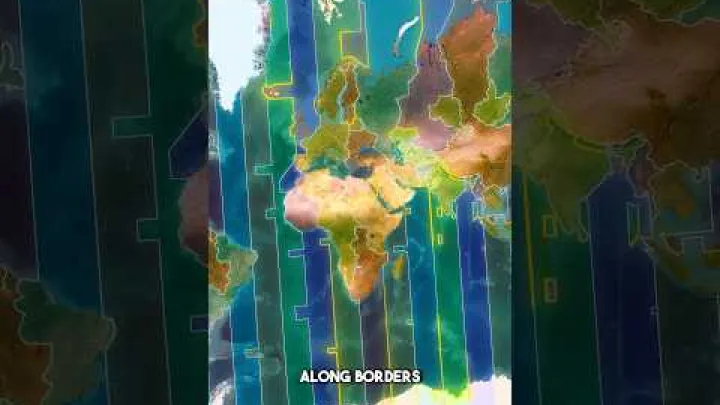
For example, a project might begin its day in Europe, where a team works during morning hours and then hands off tasks to colleagues in Vietnam by early afternoon European time. The Vietnamese team works during its own afternoon, which overlaps with Europe’s morning, then passes results to a partner team in a later time zone, such as Australia or New Zealand, which uses its own workday to continue the project. By the time Europe starts work again the next morning, progress has been made in both Vietnam and the Pacific region.
To make follow-the-sun workflows effective, clear and simple routines are essential. Teams should agree on fixed handover times that align with normal office hours in each region, ensuring that notes and updates are ready when the next group starts work. Written handover summaries, stored in shared tools such as project management platforms or shared documents, help avoid misunderstandings. These summaries might include completed tasks, outstanding questions, and priorities for the next shift.
Communication tools that support multiple time zones and clear calendar bookings also play an important role. Scheduling recurring check-ins at times that work reasonably well for all regions, even if they fall outside peak productivity hours, can keep everyone aligned. With Vietnam’s stable UTC+7 time zone, these routines do not need to change seasonally, which reduces complexity. As long as other regions update their schedules when their own daylight saving policies change, Vietnam can serve as a reliable anchor in a global workflow.
Technical Details: IANA Time Zone and Standards
Beyond travel and day-to-day scheduling, the Vietnam time zone is also important in technical contexts such as servers, applications, and data formats. Many systems rely on standardized identifiers and timestamp formats to handle dates and times correctly across borders. For developers, system administrators, and technically minded readers, knowing how Vietnam appears in these standards can prevent errors in logging, scheduling, and reporting.
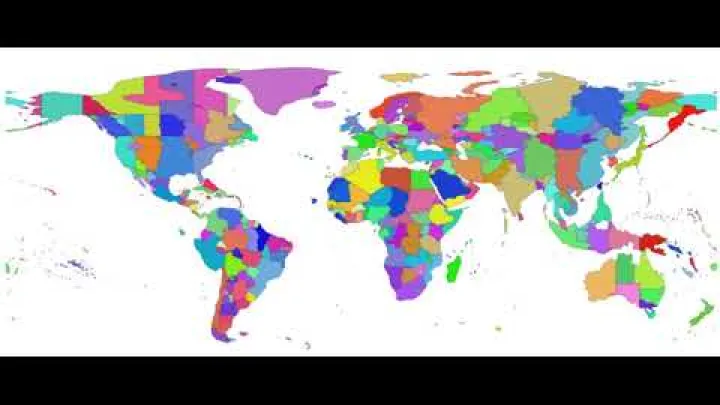
This section explains the official IANA time zone identifier used for Vietnam and how it appears in operating systems and cloud platforms. It also introduces ISO 8601, the widely used standard for writing timestamps that include time zone offsets. Even if you are not a developer, understanding these conventions can help you communicate unambiguous dates and times in international projects or legal documents.
Asia/Ho_Chi_Minh, Asia/Saigon, and system configuration
In the IANA time zone database, which many operating systems and programming languages use, Vietnam is represented by the identifier “Asia/Ho_Chi_Minh.” This name refers to Ho Chi Minh City, the largest city in Vietnam, and encodes all the rules required to calculate local time, including historical changes and the current UTC+7 standard. An older identifier, “Asia/Saigon,” is maintained as an alias and points to the same rules. In practice, both names indicate the same time zone, but “Asia/Ho_Chi_Minh” is considered the main, up-to-date label.
You may encounter these identifiers in various technical contexts. For example, server configuration files, cloud platform settings, and application frameworks often ask administrators to choose a time zone for logging and scheduled jobs. Selecting “Asia/Ho_Chi_Minh” ensures that timestamps reflect the correct local time in Vietnam and remain accurate if historical rules are ever updated. On desktop and mobile operating systems, system time settings may show cities or regions rather than IANA names, but internally they still rely on these identifiers.
Choosing the correct Vietnam time zone in system settings is important for several reasons. Logs and monitoring tools that rely on local time will be easier to interpret if they match the actual time experienced by users in Vietnam. Scheduled tasks such as backups, reports, or automated emails will run at expected local times. In distributed systems where services run in multiple countries, using city-specific identifiers such as Asia/Ho_Chi_Minh rather than generic UTC offsets makes it clear which region’s rules apply.
For non-developers who interact with time zone settings only occasionally, it is sufficient to remember that “Ho Chi Minh City” or “Asia/Ho_Chi_Minh” refers to the same UTC+7 time used everywhere in Vietnam. Whether you configure a cloud calendar, an online booking system, or a collaboration platform, selecting this option will align your events and records with the real local time in Vietnam.
ISO 8601 and timestamp formats for Vietnam
ISO 8601 is an international standard that defines how to write dates and times in a clear, consistent way. It is widely used in technical systems, legal documents, and data exchange formats. One of its key features is the use of a specific structure for timestamps that include the date, time, and time zone offset, usually in the form “YYYY-MM-DDThh:mm:ss±hh:mm.” For Vietnam, which uses UTC+7, the offset part of this format is always “+07:00.”
A complete example of an ISO 8601 timestamp for Vietnam might be “2025-06-15T14:30:00+07:00.” This string indicates that the event took place on 15 June 2025 at 14:30 local time in Vietnam, with the +07:00 offset making clear that this is seven hours ahead of UTC. If you send this timestamp to someone in another country, their software can convert it automatically to their own local time while preserving the exact moment when the event occurred.
Consistent use of ISO 8601 formats helps avoid confusion when sharing schedules, contracts, and technical data across borders. Instead of writing “15/06/25 2:30 PM local time,” which might be interpreted differently in regions that use different date orders or am/pm notation, the ISO format provides one clear representation. This is especially important in multinational projects where participants may come from many different time zones and cultural backgrounds.
When you work with partners in Vietnam, using ISO 8601 timestamps with the +07:00 suffix can make your communication more precise. For instance, when you specify a deadline or delivery time in a contract, including the offset ensures that both sides understand exactly when it falls. Even if you are not a technical specialist, learning to recognize and interpret these timestamp formats can improve clarity in international collaboration.
Frequently Asked Questions
What is the time zone of Vietnam in UTC and GMT terms?
Vietnam uses Indochina Time, which is UTC+07:00, often written as GMT+7. This means local time in Vietnam is always 7 hours ahead of Coordinated Universal Time (UTC). There is no seasonal change, so this offset stays the same all year.
Does Vietnam use daylight saving time or summer time?
Vietnam does not use daylight saving time or summer time. Clocks remain on UTC+07:00 throughout the entire year without any spring or autumn changes. Any change in time difference happens only because other countries move between standard time and daylight time.
Are Hanoi and Ho Chi Minh City in the same time zone?
Hanoi and Ho Chi Minh City are in the same national time zone, Indochina Time (UTC+07:00). There is no time difference between cities or regions inside Vietnam. Wherever you are in the country, the official local time is the same.
How many hours ahead is Vietnam compared to the United States?
Vietnam is usually 11 to 15 hours ahead of the United States, depending on the US time zone and daylight saving. For example, Vietnam is 12 hours ahead of New York in Eastern Standard Time and 11 hours ahead in Eastern Daylight Time, and 14–15 hours ahead of the US West Coast.
How many hours ahead is Vietnam compared to the United Kingdom?
Vietnam is 7 hours ahead of the United Kingdom when the UK is on GMT (winter) and 6 hours ahead when the UK is on British Summer Time. For example, 09:00 in London during GMT corresponds to 16:00 in Vietnam.
Which countries share the same time zone as Vietnam?
Several countries share Vietnam’s UTC+07:00 time zone, including Thailand, Laos, and Cambodia. Western Indonesia (WIB), parts of Russia and western Mongolia, and Australia’s Christmas Island also use UTC+07:00, so no clock change is needed when moving between these places and Vietnam.
What is the official IANA time zone name for Vietnam?
The official IANA time zone identifier for Vietnam is Asia/Ho_Chi_Minh. The older name Asia/Saigon is kept as an alias and points to the same rules. Modern operating systems and programming languages use these identifiers to handle Vietnam’s UTC+07:00 time correctly.
How can I quickly convert my local time to Vietnam time?
To convert your local time to Vietnam time, first find your current UTC offset, then add or subtract enough hours to reach UTC+07:00. An easier option is to use world clock apps, online converters, or calendar tools that support time zones and automatically calculate Vietnam time for you.
Conclusion and next steps
Summary of Vietnam’s UTC+7 time zone and how to use this guide
Vietnam uses a single, stable time zone: Indochina Time at UTC+7, also known as GMT+7. There are no regional variations between cities like Hanoi and Ho Chi Minh City, and the country does not observe daylight saving time. This simplicity makes it easier to plan travel, study programs, and remote work relationships that involve Vietnam.
By understanding how Vietnam’s UTC+7 offset relates to UTC and GMT, and by using the comparison tables and conversion rules provided, you can quickly find the time difference between Vietnam and your home country. The examples for nearby Asian countries, Europe, North America, Australia, and New Zealand offer concrete guidance for scheduling meetings and flights. With this knowledge, and with the help of modern world clock tools and calendar applications, you can coordinate confidently across time zones that include Vietnam.
Veldu svæði
Búðu til færslu
Birting er ókeypis og engin skráning er nauðsynleg.