מדריך ערי Vietnam: הבירה, ערים מרכזיות ויעדים מובילים
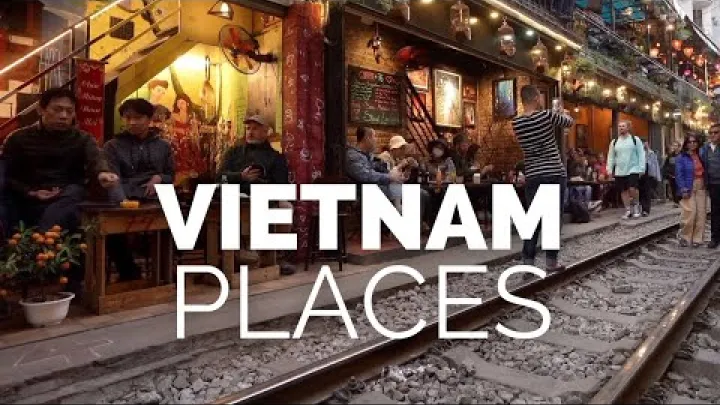
From the political streets of Hanoi to the busy avenues of Ho Chi Minh City and the coastal skyline of Da Nang, each Vietnam city offers a different window into the country’s history and future. Understanding how these cities connect helps travelers plan better routes and helps students or professionals choose where to live and work. This guide explains the capital city of Vietnam, the biggest urban centers, and how they fit together in one national urban system. It is designed in clear language so that readers and translation tools can use it easily.
Introduction to Vietnam City Travel and Urban Life
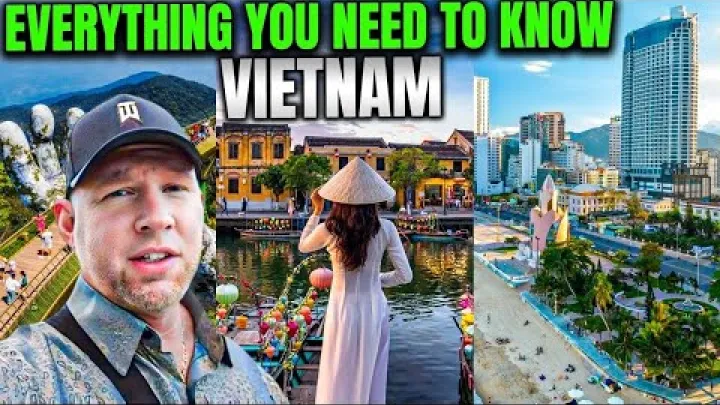
Why Understanding Vietnam Cities Matters for Travelers and Residents
Knowing the main Vietnam city hubs is more than simple geography. Vietnam stretches over a long north–south distance, so where you enter and which cities you connect through will change travel times, costs, and even climate and culture along your route.

Short-term tourists often focus on a few famous cities, while long-stay visitors need to compare cost of living, work options, and lifestyle. Students choosing a university compare Hanoi, Ho Chi Minh City, or Da Nang in terms of campuses, housing, and part-time jobs. Remote workers may look for good internet, international communities, and easy airport access. Business visitors care about access to ports, industrial parks, and conference centers.
At the top of Vietnam’s urban network sit three anchors: Hanoi in the north, Ho Chi Minh City in the south, and Da Nang in the center. Around them are ports like Hai Phong, heritage centers such as Hue and Hoi An, and specialized cities in the Mekong Delta and Central Highlands. Understanding this system helps you see why some flights, rail lines, and expressways are busy, while other routes remain slower or less direct.
Vietnam’s city system also shapes culture and opportunity. Certain industries cluster in particular cities: technology in Ho Chi Minh City and Da Nang, logistics in Hai Phong and Can Tho, and tourism in Hue, Hoi An, and Sapa. Access to services such as advanced hospitals, international schools, or large shopping centers is much higher in major cities than in smaller towns. For anyone planning to live, study, or invest in Vietnam, it is useful to understand these differences before choosing a base.
How This Vietnam City Guide Is Organized
This Vietnam city guide is structured to help different readers find what they need quickly. It begins with an overview of city types and the official urban classification system, then moves into focused sections on the capital Hanoi, Ho Chi Minh City, Da Nang, and other important destinations. Later sections explain tourism routes, transport links, and everyday life across Vietnam’s cities.
If you are planning a short trip of one or two weeks, you may want to focus on sections about the capital city of Vietnam, major tourist cities, and suggested itineraries. These are mainly found in the chapters on Hanoi, Ho Chi Minh City, Da Nang, “Other Important Cities,” and “Tourism in Major Vietnam Cities.” They highlight what to see, how to move between cities, and how to combine heritage, beaches, and landscapes in one journey.
Readers interested in long-term relocation, study, or business may care more about infrastructure and urban systems. For you, the parts on city classifications, metro projects, expressways, high-speed rail plans, and daily urban life will be especially useful. These sections explain how different city types function, where new development zones are growing, and how modern projects may change commutes and opportunities in the coming years.
Throughout the guide, information is presented in simple paragraphs, lists, and one comparison table. This supports quick scanning on mobile devices and makes machine translation into other languages more accurate. You can read the article from top to bottom as a complete Vietnam city overview, or jump between sections depending on whether your priority is culture, business, or transport.
Overview of Cities in Vietnam
How Many Cities Are There in Vietnam?
When people ask “How many cities are there in Vietnam?”, they usually want two different kinds of answers. One answer concerns official statistics about all urban areas. The other refers to the practical list of main cities that most visitors and investors will deal with. These are related but not the same.

Vietnam officially recognizes several hundred urban areas, covering everything from large metros to small district towns. In recent years, the total number of officially classified urban units has been around the high hundreds, approaching one thousand. This figure changes slowly as rural townships grow and new urban districts are upgraded, so it is better to think of it as “hundreds of urban areas” rather than a fixed number.
Among these, only a smaller group is counted as major cities at the national level. Two Special Class cities, Hanoi and Ho Chi Minh City, sit at the top. Below them is a set of larger Type I cities that serve as regional centers, along with many Type II and Type III cities that act as provincial capitals or industrial hubs. Type IV and V towns are typically smaller and serve more local populations.
For most international visitors, students, and companies, the practical network of Vietnam city destinations is about 10–15 places. This core usually includes Hanoi, Ho Chi Minh City, Da Nang, Hai Phong, Can Tho, Hue, Nha Trang, Hoi An, Sapa, and sometimes Vung Tau, Ninh Binh, or Dalat. Understanding this group gives you enough context to plan most trips, make cost of living comparisons, and choose business locations without needing to know every district-level town in the country.
Vietnam’s City Classification System Explained
Vietnam uses a six-tier classification system to organize its urban areas. This system helps the government plan infrastructure, allocate budgets, and guide development policies across different types of cities and towns. For travelers and residents, it offers a simple way to understand why some places have wide highways and skyscrapers, while others still feel semi-rural.

The six categories are: Special Class, Type I, Type II, Type III, Type IV, and Type V. Special Class covers only the very largest and most important cities in the national system. Type I cities are also large and influential but normally serve as big regional centers rather than national capitals. Types II and III are mid-sized cities, often provincial capitals or strong industrial bases. Types IV and V describe smaller towns and emerging urban districts that are moving away from a mainly agricultural character.
Several criteria influence how a Vietnam city is classified. These include population size and density, economic output, quality of transport and technical infrastructure, and the city’s administrative role. Cultural heritage, education, healthcare facilities, and environmental standards are also considered in a general way. The exact thresholds for each type can change over time as the country develops and policies are updated, so definitions are best understood as relative rather than fixed numerical lines.
The table below gives a general overview of each city type with simple examples. It is not a legal definition but a practical guide to how the system works in everyday terms:
| City Type | Typical Role | Example Vietnam City |
|---|---|---|
| Special Class | National capital or primary economic center with very large population and diverse functions | Hanoi, Ho Chi Minh City |
| Type I | Large regional center for economy, culture, and transport | Da Nang, Hai Phong, Can Tho, Hue |
| Type II | Important provincial city with growing industry or services | Nha Trang, Vung Tau (among others) |
| Type III | Medium-sized town or new urban area serving surrounding districts | Many provincial towns and smaller coastal cities |
| Type IV | Small town with basic urban services and local markets | District-level towns across the country |
| Type V | Emerging urban settlement, often upgraded from rural commune status | Newly urbanizing townlets and peri-urban areas |
For visitors, the key takeaway is that Special Class and Type I cities usually have better infrastructure, more choices for hotels and schools, and more developed public services. Type II and III cities can still offer good facilities but on a smaller scale. Smaller town categories may provide a more local atmosphere but with fewer international services and slower public transport connections.
What Is the Capital City of Vietnam?
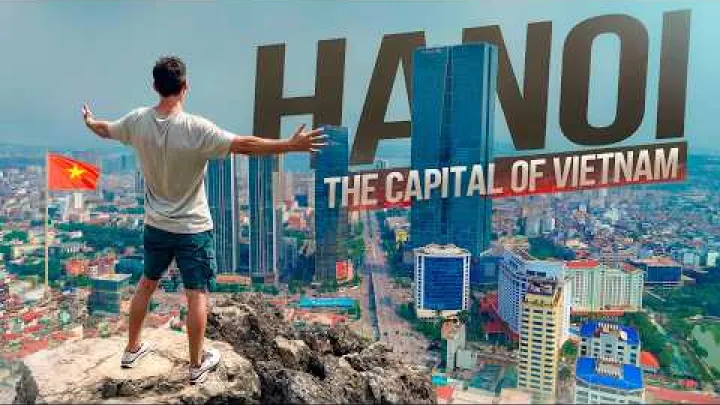
Quick Facts About Hanoi, Vietnam’s Capital
It is located in the northern part of the country, inland from the Gulf of Tonkin and close to the Red River Delta. Hanoi is both the political center of the country and an important cultural and educational hub.

Hanoi’s wider administrative area is home to roughly 7–9 million people, depending on how the city boundary is defined. Its landscape is shaped by rivers, lakes, and ponds, with the Red River running to the east and famous lakes such as Hoan Kiem Lake and West Lake in the urban core. These water bodies give Hanoi a special character compared with many other large Asian capitals.
- Official role: Capital city of Vietnam and national political center
- Region: Northern Vietnam, in the Red River Delta
- Population: Around 7–9 million residents in the greater municipal area
- Key water features: Red River, Hoan Kiem Lake, West Lake, and many smaller lakes
- Main airport: Noi Bai International Airport, serving domestic and international routes
- Main functions: Government, diplomacy, education, heritage tourism
These features make Hanoi a central reference point for almost any discussion of Vietnam city life, whether you are thinking about politics, culture, or transport across the country.
Role of Hanoi as Political and Cultural Center
Hanoi’s role as the political heart of Vietnam is visible across the city. It is home to the Presidential Palace, the National Assembly, and many central ministries and state agencies. Major national decisions, from economic planning to education policy, are made in government offices spread around Ba Dinh District and nearby areas. Most foreign embassies and international organizations also base their main offices in Hanoi to stay close to the central government.
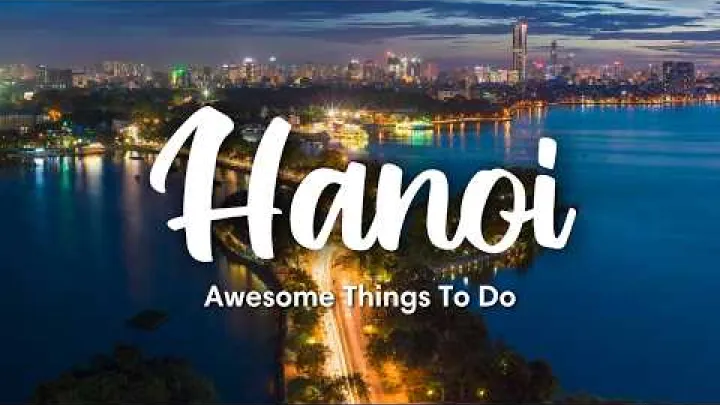
This political role is layered on top of a long history as a royal and colonial capital. Known under earlier names such as Thang Long, the city served as a center of power for various Vietnamese dynasties. The French colonial period left wide boulevards, villas, and public buildings in what is now sometimes called the French Quarter. The result is an urban landscape where modern government buildings sit close to tree-lined streets, old temples, and narrow alleyways.
Hanoi is also one of the leading cultural cities in Vietnam. It hosts top universities and academies, including major national universities that attract students from all over the country. Museums such as the Vietnam National Museum of History, the Vietnam Museum of Ethnology, and the Ho Chi Minh Mausoleum Complex provide insight into national history, culture, and political development. The city’s theaters and cultural centers, including the Hanoi Opera House and youth cultural houses, stage performances ranging from traditional water puppetry to modern music and dance.
For visitors, these institutions and districts make Hanoi a natural starting point to understand Vietnam’s identity. The Old Quarter near Hoan Kiem Lake shows traditional guild streets and tube houses. Ba Dinh District reveals monumental architecture and political sites. West Lake and surrounding neighborhoods illustrate how modern cafes, international restaurants, and high-end housing are spreading around historic lakes and pagodas. Together, they demonstrate how Hanoi’s political and cultural roles shape daily life in the capital.
Ho Chi Minh City, Vietnam’s Largest City

Where Is Ho Chi Minh City and Why Is It Important?
It lies along the Saigon River and connects by waterways and roads to a wide network of canals and branches of the Mekong. This position has made the city an important trade and transport hub for centuries, linking the agricultural south to both domestic and international markets.
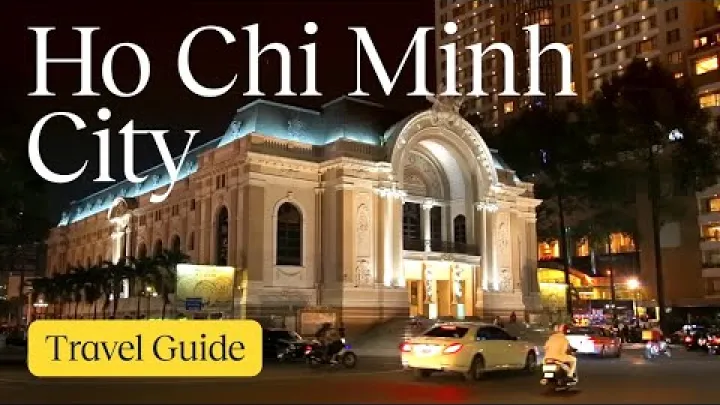
Today, Ho Chi Minh City is the biggest city in Vietnam by population. Its wider metropolitan area is often estimated at around 10–14 million people, making it one of Southeast Asia’s major urban concentrations. The city generates a large share of national GDP and plays a key role in exports, manufacturing, retail, and modern services. Ports in the region support container shipping, while industrial zones in and around the city host factories producing electronics, textiles, and consumer goods.
The city is divided into urban districts and outlying areas, with some districts especially well known to visitors. District 1 is the historic and commercial core, home to many offices, government buildings, shopping streets, and hotels. District 3 and parts of Binh Thanh and Phu Nhuan offer dense urban neighborhoods popular with residents and long-stay visitors. Thu Duc City, an eastern area formed by merging several districts, is developing as a high-tech and education hub.
Ho Chi Minh City is also a major gateway for international flights and business travel. Tan Son Nhat International Airport is one of the country’s busiest airports, with frequent domestic connections to Hanoi, Da Nang, and other key cities, as well as many regional and long-haul international flights. Compared with Hanoi’s strong political role, Ho Chi Minh City’s identity is more focused on commerce, innovation, and private enterprise. For anyone interested in Vietnam city business opportunities, this is usually the first place to study.
Ho Chi Minh City Versus Saigon: Name and Identity
Many people still ask whether they should say “Ho Chi Minh City” or “Saigon.” Historically, “Saigon” was the name used during the French colonial period and the Republic of Vietnam era for the urban core and surrounding region. After national reunification in 1976, the city was officially renamed Ho Chi Minh City in honor of the revolutionary leader. Today, the official name used in government documents, maps, and international agreements is Ho Chi Minh City.
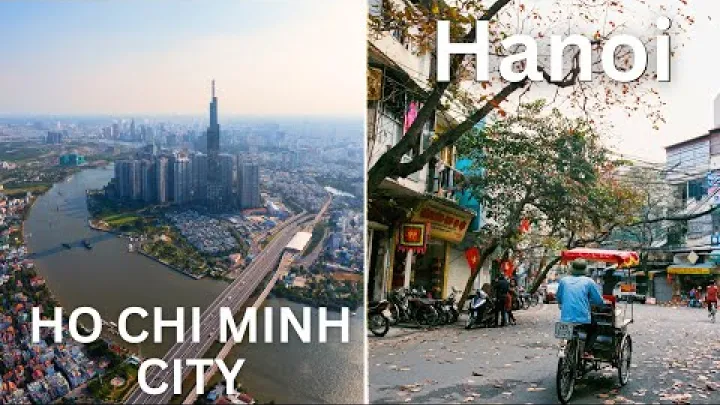
In daily life, however, both names remain in use. Residents often say “Saigon” when referring to the central urban area, especially District 1 and nearby neighborhoods where many colonial-era buildings, markets, and landmarks stand. Businesses also frequently use “Saigon” in branding, hotel names, and tourism promotion because it is short, recognizable, and strongly associated with the city’s identity. For example, a hotel may be officially registered in Ho Chi Minh City but market itself with “Saigon” in its trade name.
For visitors, it can be helpful to think of “Saigon” as the traditional city center inside the larger municipal area officially named Ho Chi Minh City. When people speak about “Saigon’s nightlife” or “Saigon street food,” they are usually describing experiences in the central districts, even though the administrative territory includes many suburban and rural zones beyond the historic core.
The continued use of both names reflects the city’s layered history without needing detailed political discussion. On airline tickets, visas, and formal paperwork, you will see “Ho Chi Minh City.” In conversations, guidebooks, and many local signs, you will encounter “Saigon” as well. Understanding that they refer to the same broad city, with Saigon commonly used for the inner area, helps avoid confusion when planning travel or reading about the city online.
Business, MICE, and Smart City Development in Ho Chi Minh City
Ho Chi Minh City is Vietnam’s leading economic engine and a major regional business center. Finance, logistics, technology startups, real estate, and manufacturing services all have strong bases here. The city’s office towers in District 1 and nearby areas house domestic companies, multinational corporations, banks, and consulting firms. Industrial parks in surrounding districts and neighboring provinces host export-oriented manufacturing that supplies global supply chains.

This strong economic role supports a growing market for MICE activities: meetings, incentives, conferences, and exhibitions. Hotels with large ballrooms, standalone convention centers, and exhibition halls host trade fairs and corporate events throughout the year. Many of these facilities cluster in central districts and along major roads linking the city center to the airport and new development zones. Business visitors can often combine formal events with city sightseeing and dining in a single short stay.
In recent years, Ho Chi Minh City has promoted itself as a smart city and innovation hub. Thu Duc City is being developed as a key zone for universities, technology parks, and research institutions. Across the urban area, authorities are investing in digital government services, open data platforms, and online public service portals. Projects aim to improve traffic management, public security, environmental monitoring, and administrative procedures through technology.
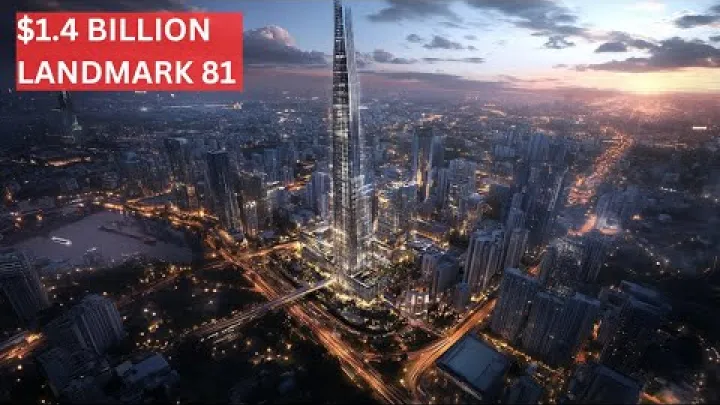
Infrastructure projects support this transformation. Urban rail lines, including a metro system with elevated and underground segments, are under construction to connect outer suburbs with central business districts. New ring roads and expressways link the city to industrial provinces and ports in the wider southern region. These developments are long-term and gradual, but they indicate the direction in which Ho Chi Minh City is moving: toward a dense, technology-enabled metropolis with an expanding role in regional and global business networks.
Hanoi: Vietnam’s Capital City in Detail

History and Urban Growth of Hanoi
Hanoi’s present-day layout makes more sense when you see it through its history. The city has served as a royal capital, colonial center, and modern national capital at different times. Each period left distinct marks on the urban form that visitors and residents can still see today, from ancient citadel walls to broad French-style boulevards and new ring roads.
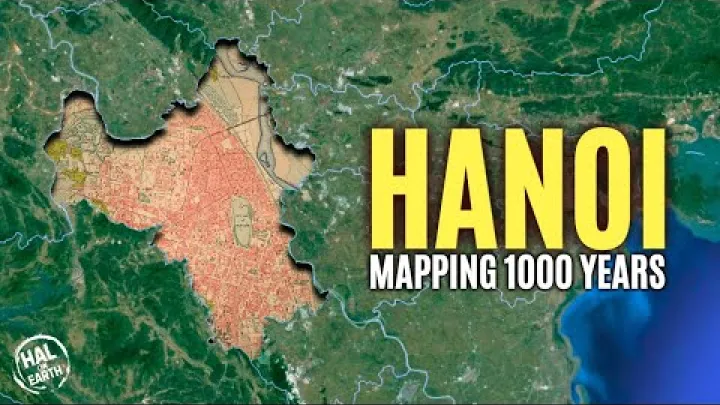
As Thang Long, the city was an imperial capital with palaces, temples, and administrative compounds protected by walls and waterways. The Thang Long Imperial Citadel today preserves parts of this royal center near present-day Ba Dinh District. During the French colonial era, the administration redesigned sections of the city with wide, tree-lined streets, villas, and public buildings, especially to the south and east of Hoan Kiem Lake. These areas form what is often called the French Quarter.
After independence and reunification, Hanoi developed as the capital of a unified Vietnam. The urban area expanded to include surrounding rural districts, new industrial zones, and later, satellite towns. Administrative boundaries were adjusted over time, so today’s Hanoi includes not only the compact historic area but also large rural and developing districts. This explains why official population figures refer to a much larger territory than what many visitors see in a short stay.
Modern infrastructure is reshaping how people move and live in the capital. A series of ring roads help redirect traffic around the dense inner core, while large bridges such as Thanh Tri, Vinh Tuy, and Nhat Tan link central districts with expanding areas on the far side of the Red River. New residential neighborhoods, office complexes, and mixed-use developments are growing along these corridors and in satellite towns.
As a result, Hanoi has become a city of contrasts. The Old Quarter still has very narrow streets and traditional tube houses, while new districts in the west and south feature wide avenues, high-rise apartment blocks, and shopping malls. Understanding this evolution helps newcomers realize why commute times, housing types, and neighborhood atmospheres can differ strongly between districts within the same city.
Key Attractions in Hanoi City, Vietnam
Hanoi offers a rich mix of historic sites, lakeside scenery, and local street life. For many visitors, the most memorable experiences come from walking between attractions and observing daily life along the way. Grouping sights by area can save time and make it easier to explore on foot or with short rides.

Some of the most important attractions in Hanoi city, Vietnam, include:
- Old Quarter: A dense maze of streets north of Hoan Kiem Lake, known for narrow houses, market shops, and street food.
- Hoan Kiem Lake: A central lake with a small island temple, walking paths, and surrounding cafes and shops.
- West Lake (Tay Ho): A large lake with pagodas, waterfront cafes, and a mix of traditional villages and modern housing.
- Temple of Literature: Vietnam’s first national university, with courtyards, old steles, and traditional architecture.
- Thang Long Imperial Citadel: A UNESCO-listed complex preserving parts of the ancient royal capital.
- Ho Chi Minh Mausoleum and Ba Dinh Square: Important political and historical sites surrounded by museums and government buildings.
- Vietnam Museum of Ethnology: Exhibits on the country’s many ethnic groups, including outdoor displays of traditional houses.
To move efficiently, many visitors focus on one cluster at a time. The Old Quarter and Hoan Kiem Lake form one natural walking area with many small temples, shops, and cafes. Ba Dinh Square, the Mausoleum, and the Imperial Citadel sit close together and can be visited in a half day, often combined with the Temple of Literature. West Lake and its surroundings are better explored by bicycle, motorbike taxi, or short car rides, as the lake is large and attractions are spread out.
Public buses and ride-hailing services connect these zones, while new metro lines are starting to provide alternatives along specific corridors. Even without using every transport option, understanding how attractions cluster by district can make a big difference in comfort and time when exploring the capital.
Hanoi Metro and Underground Infrastructure Plans
As Hanoi’s population and number of vehicles have grown, congestion and air pollution have become major challenges. To address these issues, the city is developing an urban rail and metro system. The goal is to create a network of lines that can move large numbers of people more efficiently than private motorbikes or cars, while also reducing pressure on crowded streets.
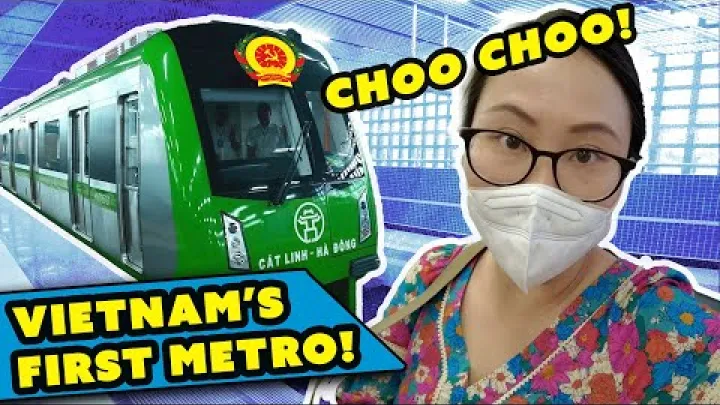
Some metro routes in Hanoi are already operating or in trial phases, while others remain under construction or in planning. The system combines elevated lines and underground sections. One line connects suburban districts in the northwest to the inner city, serving areas with new housing and educational institutions. Another important corridor runs between central districts and growing western areas where many offices and residential towers are rising.
Future plans envision a more complete network linking the historic core, government centers, new business districts, and outlying satellite towns. Interchange stations will allow people to transfer between lines and connect with bus systems. Park-and-ride facilities near outer stations may encourage commuters to leave private vehicles outside the most crowded zones. These projects are complex and take many years, but they point toward a more rail-oriented transport model for the capital.
Hanoi is also investing in other underground and related infrastructure. Road tunnels and underpasses at major intersections help separate traffic flows and reduce bottlenecks. Underground utility corridors are being expanded to organize water, electricity, telecommunications, and drainage systems more efficiently. Together with metro construction, these changes gradually shift part of the city’s infrastructure below ground, freeing space at street level for pedestrians, trees, and public transport lanes.
Because large projects often face technical, financial, and coordination challenges, it is best to see the metro and underground plans as long-term directions rather than fixed schedules. For residents and regular visitors, it is useful to follow local updates to see which lines or tunnels are operating and how they can improve daily commuting within Hanoi.
Da Nang City, Vietnam’s Central Hub

Location and Role of Da Nang in Vietnam
Da Nang city in Vietnam sits roughly halfway between Hanoi and Ho Chi Minh City on the central coast. It lies near the Hai Van Pass, a famous mountain pass that marks a climatic and cultural transition between the northern and southern regions. This position gives Da Nang a strategic role as a connector between the country’s two largest cities and between the coastal plains and the Central Highlands.
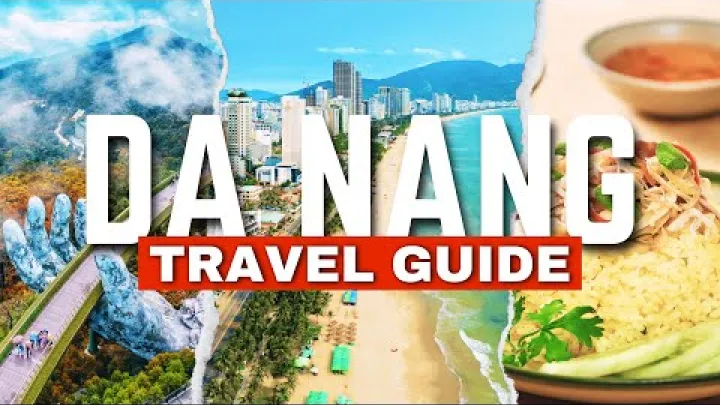
Da Nang is classified as a Type I city and serves as the main economic and administrative center of the central region. Its economy includes port activities, tourism, construction, services, and a growing high-tech sector. The city’s airport offers domestic flights to most major Vietnam cities and international routes to selected regional hubs. Its seaport handles cargo and contributes to regional trade.
Da Nang has a reputation within Vietnam as a clean and relatively orderly city, with long urban beaches and a well-planned riverfront. The Han River runs through the city center, crossed by several distinctive bridges that are lit at night. This combination of coastal scenery, modern infrastructure, and access to nearby heritage sites makes Da Nang popular with both domestic and foreign visitors.
The city also plays a central role in typical travel routes such as the Hanoi–Hue–Da Nang–Hoi An–Ho Chi Minh City corridor. Many travelers arrive from the north or south by plane or train, use Da Nang as a base, and then make short trips to the imperial city of Hue to the north and the ancient town of Hoi An to the south. This central location simplifies travel planning for those who want to explore both historical and natural attractions in a single area.
Da Nang City Attractions and Nearby Heritage Sites
Da Nang itself offers a mix of beaches, viewpoints, museums, and urban attractions. In addition, it sits close to several UNESCO World Heritage Sites and famous cultural landscapes, making it a convenient hub for day trips and short multi-day itineraries. Visitors can enjoy modern coastal city life while reaching ancient towns and temples within a few hours.
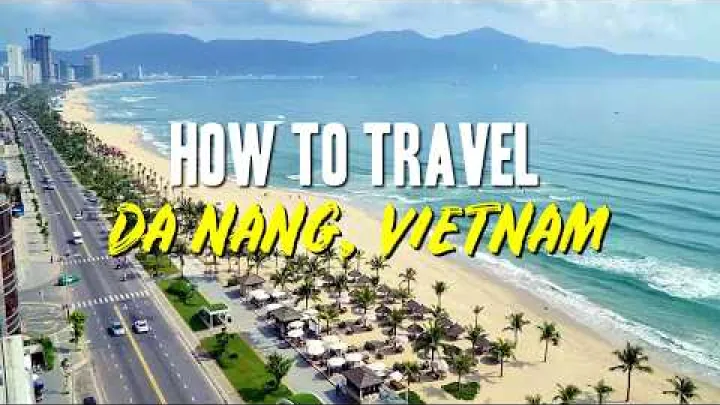
Key attractions in and around Da Nang include:
- My Khe Beach: A long sandy beach close to the city center, popular for swimming, sunbathing, and seaside walks.
- Dragon Bridge: A bridge over the Han River with a dragon-shaped design that features light shows on certain evenings.
- Other Han River bridges: Several distinctive bridges, including swing and cable-stayed designs, that give Da Nang the nickname “city of bridges.”
- Son Tra Peninsula: A forested peninsula with viewpoints, beaches, and a large hillside statue, offering views over the city and bay.
- Marble Mountains (Ngu Hanh Son): Limestone hills south of the city with caves, pagodas, and stone workshops.
- Cham Museum: A museum in the city center displaying sculptures and artifacts from the ancient Cham civilization.
Nearby heritage sites include Hoi An Ancient Town, a well-preserved trading port with old houses and lantern-lit streets; My Son Sanctuary, a complex of Cham temple ruins in a forested valley; and the Complex of Hue Monuments, including the former imperial citadel and royal tombs along the Perfume River. All of these can be visited on day trips from Da Nang, though Hue often deserves at least a full day or overnight stay due to its size and number of sites.
Travelers commonly spend two to four nights in Da Nang, using one day for beaches and city attractions and other days for excursions. A typical short itinerary might be: arrive in Da Nang, visit the Han River area and My Khe Beach; take a day trip to Hoi An; visit Marble Mountains and Son Tra Peninsula; and, if time allows, make a longer day trip or overnight visit to Hue. Because distances are relatively short, this region is flexible for both relaxed and busy schedules.
Da Nang Smart City and Planned Metro System
Da Nang is not only a tourist and port city; it also aims to become a leading smart city in Vietnam. Local authorities promote e-government services, digital platforms, and online public information to make administration more transparent and efficient. Residents can increasingly access services such as document applications, feedback channels, and local information through digital portals and mobile applications.
The city is investing in data systems for traffic management, public security, and environmental monitoring. Pilot projects explore ways to use sensors, cameras, and data analytics to improve city management and reduce congestion. This digital approach supports Da Nang’s broader goal of developing high-tech industries and attracting technology companies to its information technology parks and innovation zones.
In parallel, Da Nang has discussed long-term plans for urban rail or metro-style transport systems. These proposals often envision lines connecting the airport, city center, coastal hotel areas, and new development zones. Because the city is more compact than Hanoi or Ho Chi Minh City, a light rail or metro solution could help manage future growth in tourism and population while keeping streets more friendly to pedestrians and cyclists.
At the moment, such systems remain largely at the planning or feasibility study stage, and timeframes are long. However, the discussion signals that Da Nang is thinking in advance about sustainable urban living. Future rail-based public transport, combined with digital ticketing and real-time information, could make it easier for visitors and residents to move quickly between beaches, business districts, and residential areas without relying only on motorbikes or cars.
Seen together, Da Nang’s smart city and transport visions show how a mid-sized Vietnam city is positioning itself: as a clean, connected, and technologically advanced hub that can compete both within the country and in the wider region.
Other Important Cities in Vietnam
Hai Phong: Northern Port and Industrial City
Hai Phong is one of northern Vietnam’s most important urban centers and a key counterpart to Hanoi. Located near the mouth of the Red River system and close to the Gulf of Tonkin, it serves as a major seaport and industrial city. Many goods produced in northern Vietnam move through Hai Phong’s ports before being shipped overseas.
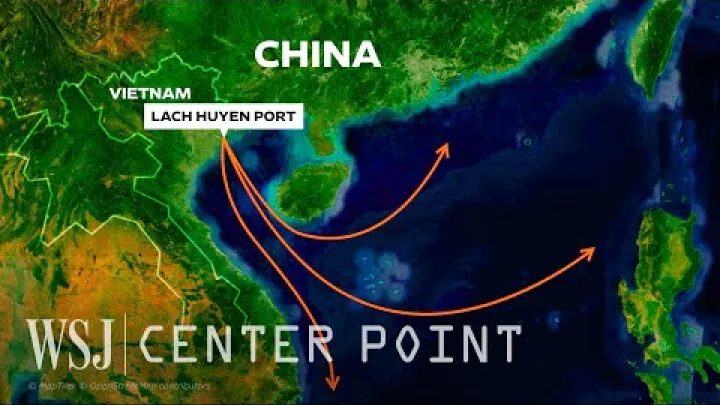
The city plays a central role in shipping and logistics. Deep-water ports in the area handle container vessels and bulk cargo, and industrial zones host factories in sectors such as electronics, automotive components, and heavy industry. Modern expressways now link Hai Phong directly to Hanoi and nearby provinces, cutting travel times and reinforcing the city’s role as a logistics hub.
Hai Phong’s skyline and infrastructure have changed rapidly, with new bridges, highways, and high-rise buildings appearing along the waterfront and in central districts. For business visitors focused on manufacturing or freight, the city is one of the main Vietnam city destinations to know, alongside Ho Chi Minh City’s port clusters in the south.
Beyond industry, Hai Phong has a local lifestyle and tourism appeal. It is a gateway to coastal and island destinations such as Cat Ba Island and Lan Ha Bay, which offer beaches and boating opportunities. The city itself features broad streets, colonial-era buildings in some quarters, and distinctive local cuisine, including seafood dishes. For travelers who prefer less crowded alternatives to Hanoi, Hai Phong can serve as a more low-key base for exploring the northern coast.
Can Tho: Mekong Delta Metropolis
Can Tho is the largest city in the Mekong Delta and a primary urban center for this fertile agricultural region. Located along the Hau River, one of the main branches of the Mekong, it connects river transport networks, rural canals, and road routes. Rice, fruit, and aquaculture products move through Can Tho on their way to domestic markets and export channels.
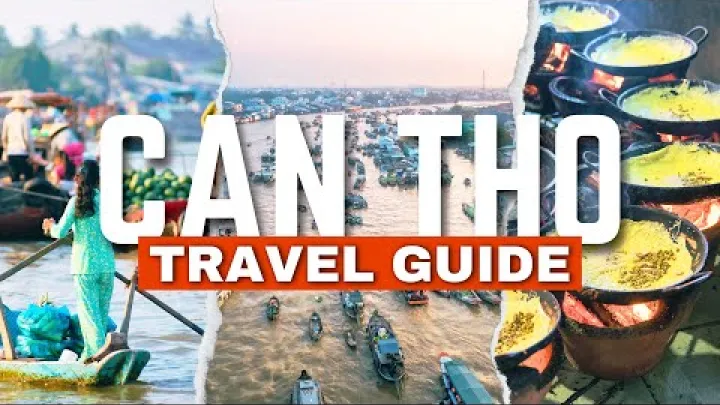
The city serves as a regional hub for trade, education, and healthcare. Universities and colleges draw students from surrounding provinces, while hospitals and clinics provide services that are not always available in smaller delta towns. Markets and wholesale centers distribute agricultural products across the region. As expressways and upgraded highways extend from Ho Chi Minh City into the delta, Can Tho’s role as a regional anchor is expected to grow further.
For travelers, Can Tho offers a deeper look into the Mekong region than a simple day trip from Ho Chi Minh City. Attractions include Ninh Kieu Wharf, a riverside promenade with views of boats and bridges; the Cai Rang floating market, where boats sell produce and breakfast foods on the water early in the morning; and nearby eco-tourism sites in fruit gardens and rural canals.
Compared with Ho Chi Minh City, Can Tho feels more relaxed and centered on river life. Streets are less dense, and the atmosphere is often quieter, especially away from the main wharf and central areas. Visitors who want to understand how the Mekong Delta shapes Vietnam’s economy and culture often use Can Tho as a base for boat trips and visits to surrounding provinces.
Hue Imperial City, Vietnam’s Former Capital
Hue is a city in central Vietnam best known for its history as the imperial capital of the Nguyen Dynasty, which ruled from the early 19th to the mid-20th century. The heart of this heritage is the Hue Imperial City, a walled citadel and palace complex modeled partly on Chinese imperial architecture but adapted to local culture and landscape.

The Complex of Hue Monuments is recognized as a UNESCO World Heritage Site. It includes the citadel with its moats and ramparts, the Forbidden Purple City where the emperor and court once lived, ceremonial gates and halls, and a series of royal tombs set among hills and rice fields along the Perfume River. Pagodas and temples, such as Thien Mu Pagoda, also form part of this wider cultural landscape.
Modern Hue city has grown outside and around the old imperial area. On one side of the Perfume River, you find the citadel and traditional neighborhoods with low-rise houses and quiet streets. Across the river, the newer commercial center features hotels, restaurants, and shops catering to both locals and tourists. Bridges connect these zones, making it easy to move between heritage sites and modern conveniences.
First-time visitors can orient themselves by thinking of three main areas: the Imperial City inside the citadel walls, the riverside and modern city center across the river, and the outlying countryside where many royal tombs and pagodas stand. Most tours and independent travelers spend at least one full day exploring the citadel and nearby sites, with additional time used for boat trips and cycling in the countryside. Hue’s combination of river scenery, history, and traditional cuisine makes it one of the most important cultural stops in any Vietnam city itinerary.
Hoi An and Sapa: Heritage and Mountain Cities
Hoi An and Sapa are smaller cities or towns compared with Hanoi or Ho Chi Minh City, but they play outsized roles in Vietnam’s tourism image. Each offers a distinct environment: Hoi An focuses on coastal heritage and crafts, while Sapa emphasizes mountain scenery, terraced fields, and ethnic minority cultures.

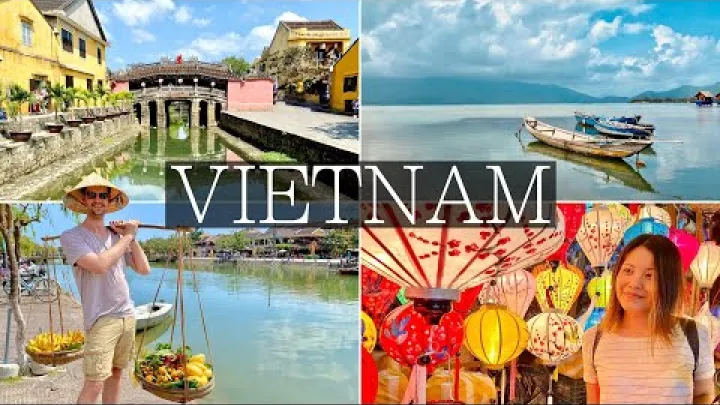
Hoi An Ancient Town, often referred to simply as Hoi An city in Vietnam, is a preserved trading port with a network of narrow streets, old merchant houses, assembly halls, and riverside quays. At night, lanterns decorate the streets and riverside, creating a well-known visual scene. The town is also famous for tailoring, handicrafts, and nearby beaches. While the ancient core is compact, the wider Hoi An area includes modern hotels, resorts, and rural villages that supply food and crafts.
The town sits at high elevation, with a cooler climate and frequent mist. From Sapa, visitors can see terraced rice fields, valleys, and peaks, and arrange treks to villages inhabited by ethnic minority groups such as the Hmong, Dao, and Tay. Cable cars and roads now reach higher viewpoints, including near the summit area of Fansipan, one of the highest peaks in the region.
Travelers typically reach Hoi An by first going to Da Nang, which has an airport and train station, and then traveling by road for about 30–45 minutes. Sapa is usually reached from Hanoi by overnight train to nearby Lao Cai followed by a road transfer, or by direct intercity bus or limousine vans. These routes mean that both towns are often combined with larger cities in multi-stop itineraries.
In a broad comparison, Hoi An centers on coastal heritage, river scenery, and crafts, with easy access to beaches. Sapa focuses on highland nature, trekking, and cultural encounters in villages and markets. Together, they show how Vietnam city experiences can range from lantern-lit old streets by the sea to misty mountain towns with terraced fields.
Tourism in Major Vietnam Cities
Best Cities to Visit in Vietnam for First-Time Travelers
For first-time travelers, choosing which Vietnam city to visit can feel overwhelming. The country offers many options, but certain cities provide a strong introduction to its history, landscapes, and daily life. Combining a few key destinations can give a balanced picture within one or two weeks.
The following cities are often recommended for first trips:
- Hanoi: The capital, with a historic Old Quarter, lakes, and access to Ha Long Bay and Ninh Binh.
- Ho Chi Minh City: The largest city, known for energy, nightlife, and modern business districts.
- Da Nang: A coastal hub with beaches, bridges, and easy access to Hoi An and Hue.
- Hoi An: A compact heritage town with preserved architecture and riverside atmosphere.
- Hue: The former imperial capital, full of citadel walls, palaces, and royal tombs.
For a one-week visit, a common route is to choose either the north or the south plus one central stop. For example, you might spend three to four nights in Hanoi, with a side trip to Ha Long Bay or Ninh Binh, and then fly to Da Nang for two to three nights to see Da Nang, Hoi An, and perhaps Marble Mountains. Another option is to focus on Ho Chi Minh City and the Mekong Delta, with a short visit to Can Tho.
With two weeks, you can combine the north, center, and south. A typical plan might be: Hanoi and nearby attractions; flight to Da Nang for Da Nang, Hoi An, and Hue; then a final flight to Ho Chi Minh City for urban exploration and a Mekong Delta visit. This pattern gives exposure to different climates, architectures, and local cuisines while using major airports and established travel corridors.
Beach Cities in Vietnam: Nha Trang and Da Nang
Vietnam’s long coastline offers many beaches, but Nha Trang and Da Nang stand out as two of the most accessible and developed beach cities. Each has its own personality and set of activities, and both connect well with other main cities in Vietnam by air and road.
Nha Trang is a classic beach city in Vietnam. It is known for its long central beach backed by a promenade, a wide range of hotels and resorts, and offshore islands that can be visited by boat. Popular activities include swimming, snorkeling, island-hopping, and enjoying seafood. A well-known cable car connects the mainland to one of the nearby islands, offering views over the bay.
Da Nang, by contrast, is both a working city and a beach destination. My Khe and other beaches stretch along the eastern side of the city, while commercial districts, offices, and residential neighborhoods fill the area around the Han River and inland. This mixed identity means that visitors can enjoy morning or evening beach time while staying within a modern, functioning urban environment with many services and transport connections.
Weather patterns affect beach travel in both cities. In general terms, the central coast, including Da Nang, has a dry season roughly from late winter to summer, followed by a rainy season that can bring heavy showers and storms, especially in the later months of the year. Nha Trang also has a drier part of the year and a wetter period, with some variation from Da Nang. Sea conditions can change with seasons, so it is wise to check local forecasts about swimming safety, waves, and any storm warnings before planning water activities.
Typical beach city activities include swimming, sunbathing, coastal walks, diving trips, and visiting nearby viewpoints or temples. Both Nha Trang and Da Nang have evening scenes along the waterfront, with restaurants and cafes facing the sea or river. For many visitors, combining a cultural city such as Hanoi or Hue with a stay in a beach city like Nha Trang or Da Nang makes for a varied and relaxing itinerary.
Cultural and Heritage Cities: Hanoi, Hue and Hoi An
Hanoi, Hue, and Hoi An together provide a strong overview of Vietnam’s cultural and historical layers. Each city highlights a different aspect: royal power, colonial influence, and trading networks. Visiting all three offers context for how Vietnam’s past and present are connected.

Hanoi shows a blend of traditional guild streets, lakeside temples, and colonial boulevards. Its Old Quarter preserves small shop houses and narrow alleys, while the French-influenced area around the Opera House features wider streets and villas. Museums and monuments in Ba Dinh and elsewhere tell stories of resistance, unification, and social change.
Hue imperial city in Vietnam focuses on royal history. The walled citadel, palaces, and royal tombs illustrate court rituals, architecture, and landscape design. The Perfume River flows gently between monuments and modern neighborhoods, reinforcing the city’s calm and reflective atmosphere. Traditional dishes, such as small steamed cakes and complex royal-style meals, are part of the cultural experience.
Hoi An presents a different kind of heritage. Its streets and houses reflect centuries of trade with merchants from several regions, leading to a mix of local, Chinese, Japanese, and European influences. Wooden shop houses with tiled roofs, communal halls, and a small covered bridge form the core of the ancient town. Lanterns and riverboats add to the visual charm, while nearby villages specialize in crafts like ceramics and carpentry.
Travelers can link these cultural cities by train, bus, or flight. A common route is to start in Hanoi, then take a domestic flight to Da Nang and use road connections to reach both Hue and Hoi An. The road between Da Nang and Hue passes through the Hai Van Pass or a tunnel, offering sea and mountain views. Buses and trains also connect the central cities with each other and with the north and south. For most visitors, allocating at least two to three nights for Hanoi and one to two nights each for Hue and Hoi An allows enough time to appreciate their different heritage types without rushing.
Transport, Infrastructure and Getting Between Cities
Expressways and High-Speed Rail Plans in Vietnam
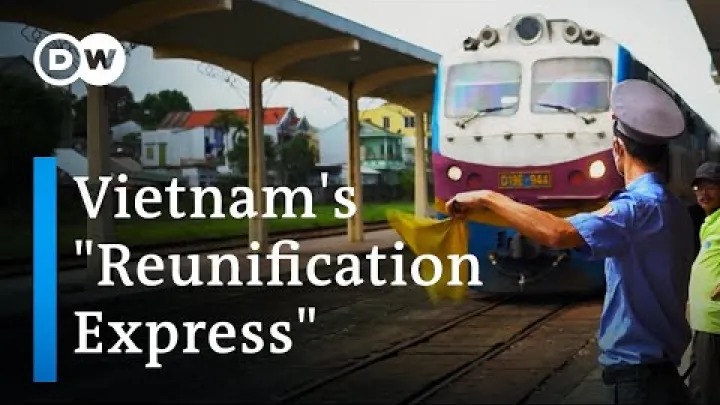
As Vietnam’s economy grows, the need to move people and goods quickly between cities becomes more urgent. Roads and railways are the backbone of this system. In recent years, a network of expressways has expanded, and long-term projects aim to create high-speed rail links that can reduce travel times along the country’s long north–south axis.
The expressway system already connects several major Vietnam city corridors. In the north, highways link Hanoi to Hai Phong, Quang Ninh, Ninh Binh, and other provinces, making it easier to reach ports, industrial zones, and tourist areas like Ha Long Bay and Trang An. Around Da Nang, improved roads connect the city with Hue to the north and Quang Nam Province, including Hoi An, to the south. In the south, expressways radiate from Ho Chi Minh City toward the Mekong Delta and toward coastal provinces.
These modern roads have divided carriageways, controlled access points, and in many sections higher speed limits than older national roads. For travelers, this means that private cars, intercity buses, and shuttle services can cover longer distances more quickly and safely than before. The exact travel time still depends on traffic and route details, but general patterns show clear reductions compared with routes that rely entirely on older highways passing through many towns.
Metro Systems in Hanoi, Ho Chi Minh City and Da Nang
Within major cities, metro and urban rail systems are important tools to manage congestion and support sustainable growth. Vietnam’s three most prominent urban centers—Hanoi, Ho Chi Minh City, and Da Nang—are all involved in planning or developing such systems, though they are at different stages.
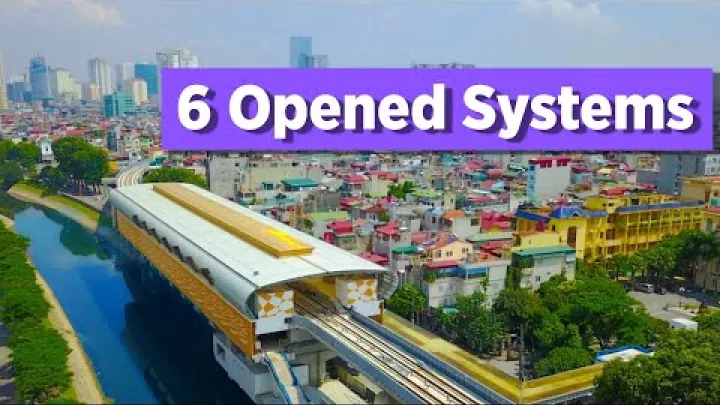
In Hanoi, as described earlier, several metro lines are operating or under construction. These lines combine elevated and underground segments and aim to link central districts with rapidly growing residential and industrial zones. Stations are planned near important hubs such as commercial centers, universities, and bus terminals, making transfers between modes easier. Over time, an integrated system with multiple lines should allow commuters to move more quickly than by motorbike on crowded surface streets.
Ho Chi Minh City is developing its own metro system, also with a combination of elevated and underground segments. Main lines are designed to connect outer districts in the north, east, and west with the central business areas in District 1 and nearby zones. Planned stations near major markets, park-and-ride facilities, and new urban areas will help shift some commuter flows away from main roads. Once several lines are complete and connected, the system should change how people move between residential areas, office districts, and industrial parks.
Da Nang, as a smaller city, does not yet have a metro. However, feasibility studies and conceptual plans consider the potential for light rail or metro-style transport in the future. Possible corridors could connect the airport, city center, beaches, and new development areas. At this stage, these plans are more vision than concrete projects, but they show that Da Nang is thinking ahead about transport solutions that go beyond private motorbikes and buses.
For non-specialist readers, the main point is that Vietnam’s largest cities are shifting from complete dependence on road traffic toward mixed systems that include rail. Over time, this should improve daily life by offering faster, more predictable journeys between home, work, and leisure areas and by freeing some road space for pedestrians and cyclists.
Flying Between Major Vietnam Cities
Given the long distance between the north and south of Vietnam, domestic flights are usually the fastest way to move between distant cities such as Hanoi, Da Nang, and Ho Chi Minh City. The country’s main airports handle a high number of daily flights, making it relatively simple to plan multi-city itineraries.
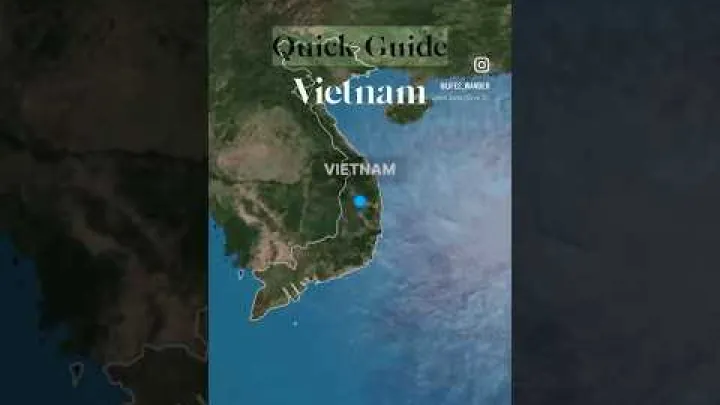
Additional important airports serve cities like Nha Trang (Cam Ranh), Hue, Hai Phong, and Can Tho. Typical flight times between Hanoi and Ho Chi Minh City are around two hours, while Hanoi to Da Nang or Da Nang to Ho Chi Minh City usually take about one hour to an hour and a half, depending on routing.
Booking domestic flights can often be done online through airline websites, travel agencies, or booking platforms. Prices vary by season, day of the week, and how early you book. Peak travel periods include national holidays, the Lunar New Year, and certain summer months when domestic tourism is strong. During these times, flights can fill quickly and prices may rise, so early planning is recommended.
For international arrivals continuing to other cities, it is common to land in either Hanoi or Ho Chi Minh City and then connect to Da Nang or another major city on a separate domestic ticket. Allowing enough connection time is important, especially if immigration, baggage claim, and re-check procedures are needed. Some travelers also choose to enter via Da Nang or other regional airports when convenient routes are available. Overall, domestic air travel has become a central part of how people move between Vietnam’s main cities.
Daily Life and Culture in Vietnam’s Cities
Street Life, Food and Coffee Culture

In the north, including Hanoi, dishes may feature lighter broths and subtle flavors, such as pho and bun thang. Central cities like Hue and Da Nang offer more spicy and complex dishes, including small rice cakes and noodle soups with strong chili and lemongrass. In the south, including Ho Chi Minh City and Can Tho, food often uses more herbs, coconut milk, and sweetness, with many different noodle and rice combinations. Exploring these differences is a natural way to experience regional culture.
Central cities like Hue and Da Nang offer more spicy and complex dishes, including small rice cakes and noodle soups with strong chili and lemongrass. In the south, including Ho Chi Minh City and Can Tho, food often uses more herbs, coconut milk, and sweetness, with many different noodle and rice combinations. Exploring these differences is a natural way to experience regional culture.
Traditional drip coffee, often served with sweetened condensed milk, is available from small street vendors and simple cafes. In many cities, you will see people sitting on low stools, slowly drinking coffee and watching traffic. At the same time, modern coffee chains and independent specialty cafes have appeared in large numbers in Hanoi, Ho Chi Minh City, Da Nang, and other major cities.
These cafes function as social spaces where students study, freelancers work on laptops, and friends meet. Some blend local brewing styles with modern interiors, while others focus on international-style espresso drinks. The result is a layered coffee scene ranging from tiny, hidden alleys to large, bright chains. For visitors and new residents, spending time in both traditional and modern coffee spots can provide insight into how old and new habits mix in Vietnamese urban culture.
Family and Community in Urban Vietnam
Urban life in Vietnam is shaped not only by buildings and roads but also by strong family and community networks. Multi-generational households are common, with grandparents, parents, and children often living together or in nearby apartments or houses. These close ties influence decisions about work, education, and care for elderly relatives and children.

Neighborhood networks are also important. Local markets, schools, and workplaces act as community anchors within each district. People often know the vendors at their usual markets, the security guards at their apartment buildings, and the owners of local food stalls or coffee shops. This familiarity creates informal support systems, such as watching a neighbor’s children or sharing information about job opportunities.
In older neighborhoods, especially in inner districts of Hanoi and Ho Chi Minh City, narrow alleys and small local parks serve as everyday community spaces. Children play in alleys after school; adults exercise in small open areas in the early morning or evening; and residents gather to talk during cooler hours. Even though buildings may be crowded, these shared spaces help maintain strong social connections.
Newer apartment complexes and gated communities are changing some interaction patterns. These developments often include their own internal parks, playgrounds, and convenience stores, so residents may spend more time within the complex and less in surrounding streets. However, community life remains active, with resident groups organizing events, exercise classes, and online chat groups. Traditional ties, such as visiting relatives during holidays and maintaining hometown connections, still play a large role even for city dwellers.
Balancing Modern Development and Heritage
Vietnam’s cities are developing quickly, with new high-rise buildings, shopping centers, and wide roads appearing year by year. At the same time, they contain historic districts, temples, pagodas, and colonial-era structures that many people want to preserve. Balancing modern development and heritage protection is a constant challenge in planning and daily decision-making.
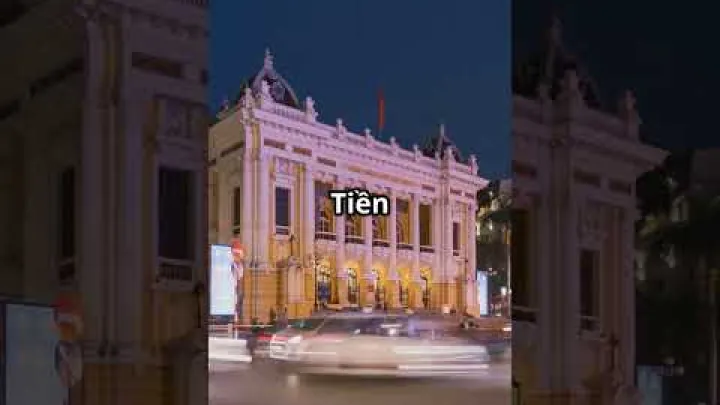
In Hanoi, this tension is visible around the Old Quarter and the French-influenced districts, where renovation and new construction must consider historic street patterns and building styles. In Ho Chi Minh City, old villas and traditional houses sometimes stand next to modern towers, raising questions about what should be saved and how it can fit into a changing skyline. Da Nang’s riverfront development and beach expansion must take into account traditional fishing communities and coastal ecology.
Hoi An is a special case, with very strict controls in the Ancient Town to preserve its character, even as tourism grows. In Hue, preservation of the citadel and royal tombs requires ongoing restoration and careful management of visitor flows. These examples show that each city needs its own approach to balancing growth and conservation based on local conditions and priorities.
Environmental challenges add another layer to this balance. Rapid urbanization brings more vehicles, higher energy use, and pressure on water and waste systems. Congestion and air quality are common concerns in big cities like Hanoi and Ho Chi Minh City. In response, concepts such as green spaces, public transport investment, and sustainable building practices are gaining attention. While changes take time, the direction is toward integrating heritage protection, modern growth, and environmental care into a more coordinated urban planning process.
Frequently Asked Questions

What is the capital city of Vietnam and how big is it?
The capital city of Vietnam is Hanoi, located in the northern part of the country. Its wider administrative area has around 7–9 million residents, depending on how the boundary is defined. Hanoi is the political center of Vietnam and an important hub for culture, education, and transport. It combines a historic core with rapidly expanding modern districts.
What is the biggest city in Vietnam by population?
The biggest city in Vietnam by population is Ho Chi Minh City in the south. Its metropolitan population is approaching 14 million people, making it significantly larger than Hanoi. Ho Chi Minh City is the country’s main economic and financial center and generates a substantial share of national GDP. It is also the busiest gateway for international business and tourism.
How many major cities are there in Vietnam?
Vietnam officially classifies hundreds of urban areas, but only a smaller group are considered major cities at the national level. Two “Special Class” cities, Hanoi and Ho Chi Minh City, sit at the top of the system. Below them are Type I cities such as Hai Phong, Da Nang, Can Tho, and Hue that act as regional centers. For most travelers and investors, around 10–15 cities form the main urban network to know.
Which Vietnam city is best for first-time visitors?
For first-time visitors, Ho Chi Minh City and Hanoi are the most common starting points. Ho Chi Minh City offers a very dynamic atmosphere, modern skyline, and strong food and nightlife scenes. Hanoi provides a denser historic core, traditional architecture, and easier access to Ha Long Bay and Ninh Binh. Many travelers visit both cities and then add Da Nang–Hoi An or Hue for beaches and heritage.
What is the difference between Hanoi and Ho Chi Minh City?
Hanoi is the capital and political center of Vietnam, known for its long history, lakes, and preserved Old Quarter. Ho Chi Minh City is the largest city and economic hub, with more skyscrapers, wider roads, and a stronger focus on business and services. Hanoi often feels cooler and more traditional, while Ho Chi Minh City is hotter and more fast-paced. Both cities are modernizing with new metros and infrastructure projects.
Is Da Nang a good city to visit in Vietnam?
Da Nang is an excellent city to visit, especially for travelers who want a balance of beaches, city comfort, and nearby cultural sites. The city has a long coastline with urban beaches such as My Khe and is close to Hoi An, Hue, Marble Mountains, and the Son Tra Peninsula. Its airport and port make access easy, and the city is known for being clean and relatively orderly. Da Nang is also developing as a smart city and high-tech hub.
What is Hue Imperial City in Vietnam known for?
Hue Imperial City is known for being the former imperial capital of the Nguyen Dynasty from 1802 to 1945. Its walled citadel, palaces, and royal tombs form the Complex of Hue Monuments, a UNESCO World Heritage Site. Visitors come to see Vauban-style walls, the Forbidden Purple City, ceremonial gates, and pagodas along the Perfume River. Hue is a key place to understand Vietnam’s royal history and court culture.
How do you travel between Vietnam’s main cities?
You can travel between Vietnam’s main cities by plane, train, or long-distance bus. Domestic flights are the fastest option between distant cities such as Hanoi and Ho Chi Minh City, often taking around two hours. Trains and buses offer cheaper alternatives and more scenery but require longer travel times. In the future, high-speed rail is planned to connect the north and south and reduce journey times significantly.
Conclusion and Next Steps for Exploring Vietnam Cities

Key Takeaways About Vietnam’s Capital and Major Cities
Vietnam’s urban system is anchored by three main cities: Hanoi as the capital and political center, Ho Chi Minh City as the largest and most dynamic economic hub, and Da Nang as an important central coastal city. Around them lies a network of ports, regional centers, heritage towns, and specialized cities that together shape the country’s economy and culture.
Understanding this network helps travelers plan realistic routes, helps students and workers compare lifestyles and opportunities, and helps businesses identify suitable locations. Heritage cities like Hue and Hoi An, beach destinations such as Nha Trang and Da Nang, and mountain bases like Sapa all add to the diversity of experiences available in different Vietnam city settings.
Across these cities, ongoing investments in expressways, metro systems, and smart city technologies are changing how people move and live. At the same time, efforts to preserve historic districts and cultural sites aim to protect the heritage that makes each city unique. Together, these trends outline a modern Vietnam that remains closely connected to its history while building more integrated and sustainable urban futures.
Planning Your Own Vietnam City Itinerary
When planning your own itinerary, it is helpful to start with your main interests: business, culture, food, beaches, or nature. Choose a few core cities that match these priorities and then see how they link together through flights, trains, or expressways. For culture and history, Hanoi, Hue, and Hoi An form a strong combination. For business and modern city life, Ho Chi Minh City and Hanoi are central, with Da Nang offering a balanced coastal option.
To experience regional contrasts in climate and culture, consider including at least one northern, one central, and one southern city. For example, a simple route could be Hanoi – Da Nang (with side trips to Hoi An and Hue) – Ho Chi Minh City. Another option might focus on Hanoi and Sapa for cooler mountain scenery, plus a central or southern beach city for relaxation. As new infrastructure projects open and transport times change, keeping updated with local information will help fine-tune future journeys through Vietnam’s diverse cities.
בחר אזור
צור פוסט
הפרסום חינם ואין צורך בהרשמה.