Sukhothai Travel Guide: Plan Your First Visit
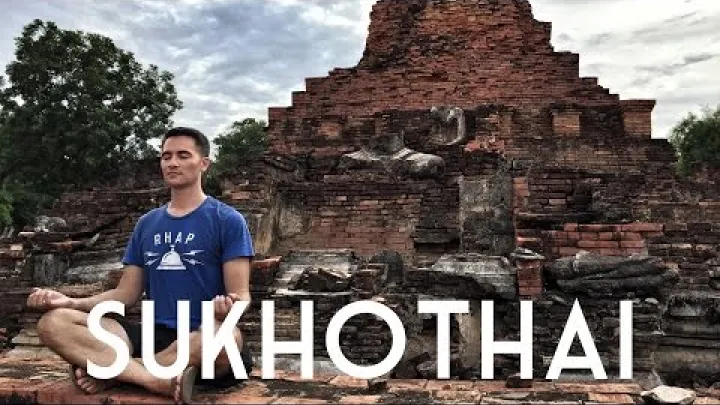
This Sukhothai travel guide is for travelers who want a quieter cultural stop between Bangkok and Chiang Mai. Sukhothai is best known for Sukhothai Historical Park, where temple ruins, ponds, Buddha images, and cycling routes create one of Thailand’s most rewarding historical experiences. It is not a beach or nightlife destination, so the main value is slow travel, heritage, local food, and a calmer pace. This guide explains where to stay, how to get there, how long to spend, what to do, and what to check before booking.
Why Sukhothai Belongs in a Thailand Itinerary
The Sukhothai Experience in Brief
Sukhothai is worth adding to a Thailand itinerary if you enjoy history, open-air ruins, cycling, local food, and slower travel days. The main reason to visit is Sukhothai Historical Park, but the experience is broader than a single monument. A good visit can include sunrise or sunset at the ruins, Sukhothai noodles, market meals, and quiet evenings in Old Sukhothai or New Sukhothai.
It is also important to set expectations. Sukhothai is not the easiest stop for every first-time visitor because it usually requires more planning than a quick day trip from Bangkok. It works best for travelers who can stay at least one night and who are comfortable with bus, flight, or train-plus-transfer logistics.
How Sukhothai Compares With Ayutthaya and Chiang Mai
Ayutthaya is usually easier to visit from Bangkok because it can fit into a day trip or short overnight stay. Sukhothai takes more time, but it offers a more park-like setting where many travelers explore by bicycle rather than moving through a busy urban area.
Chiang Mai is a larger travel base with markets, cooking classes, temples, cafes, mountain trips, and airport connections. Sukhothai is narrower in focus. Choose Sukhothai if historical atmosphere and a relaxed pace are important to you. Choose Chiang Mai if you want a wider range of activities and easier onward travel. Many travelers include both by using Sukhothai as a cultural stop on a north-south route.
How Sukhothai Is Laid Out
Understanding the layout is one of the most important parts of planning a smooth Sukhothai trip. The names Old Sukhothai and New Sukhothai are practical travel terms, and they affect your hotel choice, evening plans, and arrival transfers.
Old Sukhothai and New Sukhothai
Old Sukhothai is the area associated with Sukhothai Historical Park. It is the most convenient base if your main goal is to spend time around the ruins, rent a bicycle, visit in softer light, and avoid repeated transfers.
New Sukhothai is the modern town area. It has the Sukhothai bus terminal, local services, everyday markets, and a more local town feeling. The two areas are separated enough that most travelers use motorized transport between them, especially with luggage, after dark, or in hot weather.
Best Base Areas for First-Time Visitors
Neither Old Sukhothai nor New Sukhothai is automatically better. The best base depends on how you plan to spend your time. If you are visiting mainly for the historical park, Old Sukhothai is usually the simpler choice. If you are arriving by bus, watching your budget, or prefer to stay closer to town services, New Sukhothai can be practical.
| Base area | Best for | Main trade-off |
|---|---|---|
| Old Sukhothai | Historical park visits, cycling, sunrise, sunset, short stays | Fewer town services than New Sukhothai |
| New Sukhothai | Bus arrivals, local markets, budget convenience, town services | Requires transfers to the historical park |
Arrival Points and Local Orientation
Many overland travelers arrive near New Sukhothai, while the main sightseeing area is near Old Sukhothai. Before booking accommodation, check whether the address is close to the historical park or in the modern town. This small step can prevent confusion after a long bus journey.
Save your accommodation address offline and ask your lodging staff about the best current transfer options. If you arrive late, an arranged pickup or clear instructions can be more comfortable than negotiating transport when tired. Avoid relying on old fare reports because local transport prices can change.
Best Time to Visit Sukhothai
Seasons, Heat, and Rain
Sukhothai has an inland Northern Thailand climate, so heat and rain can shape your daily plan. Broadly, the cooler dry months are usually the most comfortable for cycling and walking around open-air ruins. The hot season can make midday sightseeing difficult, while the rainy season can bring showers, humidity, and occasional disruption.
Weather guidance from Kupi describes a dry period that broadly runs from around November to April, with cooler evenings most likely in the December to February period. Treat this as general planning guidance, not a guarantee. Check a current forecast close to travel, especially if you plan to cycle or visit outer zones.
Sunrise, Sunset, and Daily Park Timing
The most comfortable rhythm is usually early morning, a long midday break, and a late afternoon return. Morning and sunset light can also make the ponds, brick ruins, and Buddha images feel more atmospheric. Midday is often the hardest time because the historical park is mostly open-air and shade can be limited in parts of the site.
A practical day might start with the central zone, pause for lunch and rest, then continue with nearby temples, a museum, a cafe, or a market meal. Before visiting, check current opening hours, entry rules, and any zone-specific details with your accommodation or local visitor information, because access arrangements can change.
Festivals and Peak Dates
Loi Krathong is one of the most famous times to visit Sukhothai. The festival is connected with light, water, and evening ceremonies, and Sukhothai’s historical setting can make it especially memorable. It can also mean stronger demand for accommodation and transport.

If you want to visit during a festival period, confirm current dates, programming, ticketing, and any access restrictions through official tourism updates such as the Tourism Authority of Thailand or local event channels. Do not assume that dates or arrangements from a past year will repeat exactly.
How to Get to Sukhothai
Sukhothai is reachable from Bangkok, Chiang Mai, and other parts of Northern Thailand, but it rewards door-to-door planning. Compare the total journey, not only the headline travel time.
From Bangkok
The main options from Bangkok are direct bus, flight, or train to Phitsanulok followed by an onward transfer. The bus is often the simplest overland option because it reduces transfers, commonly starting from Bangkok Mo Chit bus terminal. Flying may be faster in the air, but airport transfers at both ends still matter. A train-based route can appeal to travelers who enjoy rail travel, but Phitsanulok usually becomes the practical gateway rather than the final stop.
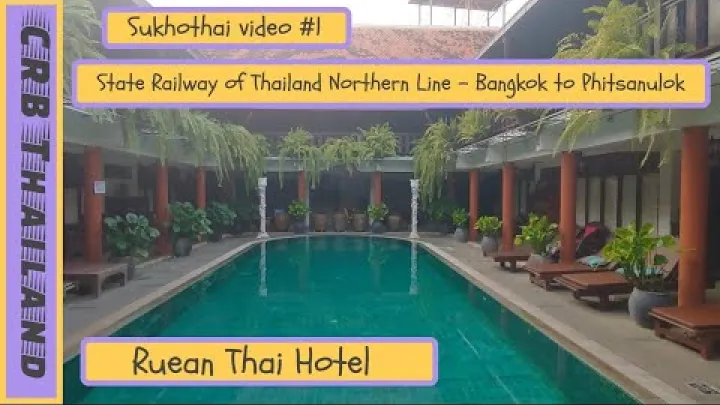
Practical transport summaries such as ASocialNomad compare these Bangkok to Sukhothai options, but schedules, operators, and prices should be checked close to travel. For most travelers, Sukhothai is not a realistic same-day overland trip from Bangkok if you also want meaningful time at the historical park.
From Chiang Mai and Northern Thailand
Sukhothai can fit well between Chiang Mai and Bangkok if you are traveling north to south or south to north. Bus routes are often the most direct way to connect regional cities, while train-based journeys usually involve Phitsanulok and an onward road transfer.
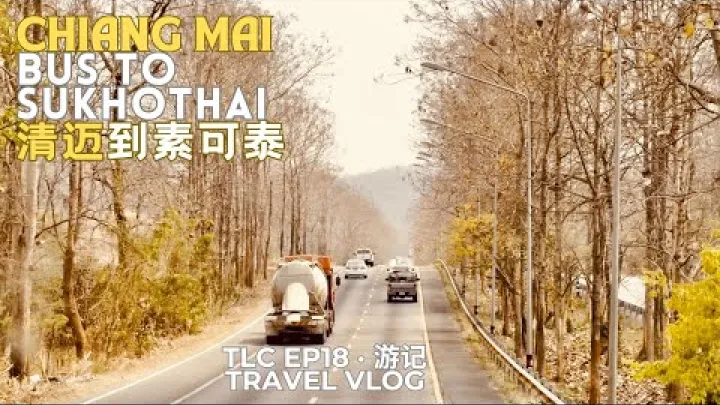
If your itinerary includes Chiang Mai, decide whether Sukhothai is a stopover or a destination. A stopover works if you have one or two nights. A destination-style visit works better if you want outer ruins, Si Satchanalai, local experiences, or a festival stay. Verify schedules near departure because regional transport times and availability can change.
First Arrival Transfers to Your Base
If you stay in Old Sukhothai but arrive at the Sukhothai bus terminal in New Sukhothai, you will likely need a tuk-tuk, taxi, shuttle, or arranged transfer. If you fly, you should also plan the airport-to-hotel transfer before arrival. This is especially important if you land or arrive late in the day.
When using informal local transport, agree the fare before departure and confirm whether the price is per person or per vehicle. If you are unsure, ask your accommodation to explain the usual options or arrange a pickup. This is often the easiest solution for first-time visitors with luggage.
Getting Around Sukhothai
Cycling the Historical Park
Cycling is one of the best ways to explore the historical park area because much of the central zone is relatively flat and spread out. A bicycle lets you move slowly between temple ruins, ponds, and shaded pauses without depending on a vehicle for every stop.
Start with the central zone before deciding whether to continue farther. Check the brakes, seat height, tires, and lights if you may ride near low light. Carry water, use sun protection, and avoid pushing too far during the hottest hours. Cycling inside the park area is different from longer road riding outside it, where traffic, heat, and navigation require more caution.
Tuk-Tuks, Taxis, Scooters, and Walking
Tuk-tuks and taxis are useful for transfers between Old and New Sukhothai, late returns, bad weather, or travelers who do not want to cycle. Walking works within compact clusters, such as around some accommodation areas or parts of the central park, but it is not practical between the two main town areas for most visitors.
Scooter rental can be convenient for experienced riders, but it should not be treated as necessary or risk-free. Wear a helmet, understand your licence and insurance conditions, and be honest about your riding ability. Heat, rain, unfamiliar traffic patterns, and road surfaces can make a short ride more demanding than it looks.
Best Things to Do in Sukhothai
Visit Sukhothai Historical Park
Sukhothai Historical Park is the main reason most travelers come to Sukhothai. The central zone includes some of the best-known landmarks, including Wat Mahathat, temple ruins, ponds, and open spaces that reward slow exploration. The park is part of the World Heritage context of the Historic Town of Sukhothai and Associated Historic Towns, as summarized by Wikipedia.
For a first visit, do not try to see every ruin at high speed. Spend time with the central area first, then decide whether you have the energy and interest for outer zones. The site is most enjoyable when you allow time to stop, look closely, and understand the layout rather than treating it as a checklist.
Explore Outer Zones and Si Satchanalai
The outer zones of Sukhothai Historical Park are good additions if you have extra time, deeper interest in ruins, or your own reliable transport. They can be quieter and more spread out, but they also require more planning around heat, access, and return transport.
Si Satchanalai is another historic site often considered by travelers who stay longer in the area. It is best treated as a second-day or extended-stay option rather than a requirement for every first visit. Before committing, confirm current transport options, access arrangements, and how much time the journey will take from your base.
Try Sukhothai Food and Markets
Sukhothai noodles are the local dish many visitors look for first.
Both Old Sukhothai and New Sukhothai can offer market or street-food experiences, but schedules and the best days can vary. Carry small cash, go early if you want more choice, and ask locally about current markets. Restaurant-specific recommendations can change quickly, so it is often better to follow local advice from your accommodation once you arrive.
Add Guided or Local Experiences
If you want more context, consider a guided bicycle tour, countryside route, local temple visit, cooking session, or small workshop. A good guide can help explain the historical setting, local life, and details that are easy to miss when exploring alone.
Availability may depend on season, group size, and small operator schedules. Confirm what is included, how long the activity lasts, whether transport is provided, and what happens in rain or extreme heat. Keep these experiences as add-ons rather than overloading the core historical park visit.
How Long to Stay in Sukhothai
One Night or One Full Day
One full day can work if your main goal is the central historical park plus a simple food or market stop. A practical plan is to arrive the previous afternoon or evening, visit the central zone early, rest during midday, return for late afternoon light, and leave the next morning.
This is much better than trying to visit Sukhothai as a same-day overland trip from Bangkok. With only one day, avoid trying to include every outer zone, Si Satchanalai, and multiple local experiences. Keep the visit focused and comfortable.
Two Nights
Two nights is the best balance for many first-time visitors. It gives you one full day for the central park in good light and enough flexibility for an outer zone, a relaxed meal, a market visit, or a short guided activity. It also protects your plan if transport is slower than expected or the weather is difficult.
History-focused travelers can use the second day for outer ruins or Si Satchanalai. Food-focused travelers can spend more time between New Sukhothai markets and Old Sukhothai meals. Slow travelers can simply reduce the pace, cycle less in the heat, and enjoy the Yom River area or quiet town life without rushing.
Three Days or a Festival Visit
Three days is pleasant for photographers, festival travelers, history enthusiasts, and anyone who prefers a slower pace. Extra time helps if you want sunrise and sunset sessions, a side trip, guided context, or rest between outdoor visits.
A longer stay is also useful around Loi Krathong or other peak event dates, when transport and accommodation may need earlier planning. However, three days is not necessary for every itinerary. If your Thailand trip is short, two nights or one focused full day may be enough.
Budget, Safety, and Responsible Travel
Typical Costs to Budget For
Sukhothai can be a budget-friendly stop, but exact costs vary by season, base area, comfort level, and transport choice. Build your budget around accommodation, long-distance transport, local transfers, park tickets, bicycle rental, meals, and any guided tours or side trips.
Carry small cash for markets, local transport, bicycle rental, and possible entry fees. Card acceptance may be more limited at small local businesses than in major tourist districts of Bangkok or Chiang Mai. If you are traveling during a festival or holiday period, budget more flexibility for rooms and transport.
Safety, Health, and Road Awareness
Sukhothai is generally manageable for independent travelers, but normal Thailand precautions still apply. Heat, sun exposure, dehydration, rain, road crossings, scooter use, and unfamiliar transport arrangements are the most likely practical issues for many visitors.
Check current official travel advice before departure, and make sure your travel insurance covers your planned activities. The GOV.UK Thailand travel advice is one source for safety, insurance, legal, and road-awareness information. If you ride a scooter, confirm licence requirements and insurance coverage rather than assuming you are covered.
Temple Etiquette and Heritage Protection
Dress and behave respectfully around Buddha images, monks, worshippers, and active religious spaces. Covering shoulders and knees is a safe standard when visiting temples, and quiet behavior is appropriate around sacred areas.
Do not climb restricted ruins, touch fragile structures, move objects, or ignore site rules. During festivals or market visits, reduce waste where possible and respect waterways, especially around floating lantern or krathong activities. Responsible behavior helps protect the heritage that makes Sukhothai worth visiting.
Final Planning Takeaways
Sukhothai is a strong choice for travelers who want history, cycling, local food, and a quieter stop in Northern Thailand. It is most rewarding when you stay overnight, choose the right base, and plan around heat, rain, and transport connections.
For most first-time visitors, Old Sukhothai is the easiest base for the historical park, while New Sukhothai is practical for bus access and town services. One full day can work, two nights is often ideal, and three days suits festivals or deeper exploration. Before booking, confirm current transport schedules, accommodation location, park access details, festival dates, and weather conditions so your Sukhothai visit feels calm rather than rushed.
Select area
Create a post
Posting is free and no registration is required.