Chiang Mai Travel Guide: Where to Stay and What to Do

This Chiang Mai travel guide is designed for first-time visitors who want a practical overview before booking flights, hotels, tours, or festival dates. Chiang Mai is the main cultural base of Northern Thailand, known for temples, markets, mountain day trips, relaxed neighborhoods, and strong travel infrastructure. In this guide, you will learn when to visit, where to stay, how to get around, what to do, how much time to allow, and how to build a realistic itinerary. The advice is planning-focused, with cautious notes where weather, air quality, transport, and event details can change.
Chiang Mai at a Glance
Chiang Mai is one of Thailand’s most useful destinations for travelers who want culture, food, mountains, and a slower city pace in one place. The official tourism overview from Tourism Thailand frames the province around Lanna culture, temples, natural attractions, and Northern Thailand travel, which matches how most visitors experience the city.
Why Chiang Mai Is Different from Bangkok and the Islands
Chiang Mai is not a beach destination and it does not feel like Bangkok. Bangkok is larger, faster, and more urban, while the southern islands are built around beaches, boats, and coastal resorts. Chiang Mai is inland, surrounded by hills and mountains, and its appeal comes from temple culture, markets, food, day trips, and a more relaxed rhythm.
The Old City, surrounded by a moat and traces of historic walls, gives first-time visitors a clear center. Landmarks such as Tha Phae Gate, Wat Chedi Luang, Wat Phra Singh, and Rachadamnoen Road help visitors orient themselves quickly. At the same time, modern areas such as Nimmanhaemin, Riverside, and the Night Bazaar make the city easy for travelers who want cafes, hotels, shopping, or nightlife.
Chiang Mai also works as a base. You can spend a few days exploring the city, or you can use it as the starting point for Doi Suthep, Doi Inthanon, Chiang Rai, Pai, Mae Kampong, and other Northern Thailand extensions.
How Many Days to Spend in Chiang Mai
For most first-time visitors, four or five days is the best balance. This gives enough time for Old City temples, Doi Suthep, markets, food experiences, one nature or elephant-related tour chosen carefully, and some unplanned time for weather or rest.
| Trip length | Best for | What to prioritize |
|---|---|---|
| Two or three days | Short first visit | Old City, Doi Suthep, one market, simple food stops |
| Four or five days | Balanced first trip | Temples, markets, cafes, cooking or food tour, one day trip |
| One week | Slower travel or regional base | City time plus Doi Inthanon, Mae Kampong, Chiang Rai, or Pai |
If you only have two or three days, avoid packing in distant side trips. Chiang Rai and Pai are better treated as extensions, not quick add-ons to an already short stay. A week allows a more comfortable pace, especially in rainy season or during festival periods when crowds and traffic can slow plans.
Best Trip Styles for Chiang Mai
Chiang Mai suits several travel styles. Culture-focused travelers can base themselves in the Old City and spend time at temples, museums, markets, and historic streets. Food travelers can explore street food, casual restaurants, cooking classes, and markets such as Sunday Walking Street or areas near Chiang Mai Gate.
Nature-focused travelers often use Chiang Mai as a base for Doi Suthep, Doi Pui, Doi Inthanon, waterfalls, trekking, or village stays. Digital nomads and longer-stay travelers often prefer Nimmanhaemin, Santitham, or nearby residential areas because daily life can be easier there than in the tourist center.
Families and couples may prefer larger hotels near the Night Bazaar, Chang Klan Road, or Riverside, especially if they value hotel facilities and easy evening dining. The key is to match the neighborhood to your trip style rather than assuming one area is best for everyone.
Best Time to Visit Chiang Mai
Chiang Mai has a clear seasonal pattern, but conditions vary by year. The best time depends on whether you value comfortable weather, lower prices, festival atmosphere, green landscapes, or fewer crowds.
Cool Season from November to February
November to February is the default best time to visit Chiang Mai for many travelers. The weather is generally more comfortable for temple visits, walking, cycling, markets, mountain viewpoints, and outdoor day trips. Climate summaries such as Climates to Travel show a broad pattern of drier conditions in this period, although actual weather can vary.
The trade-off is demand. December, January, and major festival periods can bring higher accommodation prices, limited room availability, and heavier crowds at popular places such as Wat Phra That Doi Suthep, Sunday Walking Street, and the Old City. Book accommodation early if you travel during this season.
Also remember that mornings and mountain trips can feel cooler than the city center. If you plan early starts, Doi Suthep, Doi Pui, or Doi Inthanon, bring a light layer.
Hot Season and Burning Season Considerations
March and April can be hot in Chiang Mai, and this period may overlap with regional smoke or haze from agricultural burning and other sources. Conditions change from year to year and even week to week, so avoid assuming that every day will be the same.
If you have respiratory concerns, are traveling with young children, or plan outdoor-heavy activities such as trekking, cycling, or long temple walks, check current air quality and relevant advisories close to your travel dates. During poor air conditions, consider shifting plans toward indoor activities, shorter outings, cafes, cooking classes, massage, or flexible hotel stays.
The advantage of this period can be fewer visitors and possible value in accommodation, but comfort is the main concern. Plan early starts, indoor breaks, and transport that reduces long walks in the strongest heat.
Rainy Season from May to October
Rainy season is not automatically a bad time to visit Chiang Mai. The landscapes can be greener, visitor numbers may be lower, and accommodation can be more available outside holiday periods. For travelers who can stay flexible, this can be a rewarding season.
The main challenge is planning. Heavy rain can affect trekking, waterfalls, mountain roads, walking comfort, and motorbike safety. Outdoor plans should remain flexible, especially for Doi Inthanon, Doi Pui, and rural roads.
Good rainy-day alternatives include cafes in Nimmanhaemin, massage, cooking classes, temple visits between showers, museum stops, longer lunches, and relaxed market visits when conditions improve. Check local forecasts before hikes, waterfalls, or mountain drives.
Festivals, Crowds, and Booking Timing
Chiang Mai’s major festivals can be unforgettable, but they require planning. Yi Peng and Loy Krathong are often discussed together, but they are not the same: Yi Peng is associated with Northern Thai lantern traditions, while Loy Krathong centers on floating decorated baskets on water. The CAD Yi Peng Chiang Mai Lantern Festival explains this distinction for organized lantern events, but travelers should verify current dates, ticketing, and lantern-release rules for their travel year.

Festival periods can affect hotel availability, prices, traffic, and crowd levels around the Old City, Ping River, bridges, temples, and event venues. Some celebrations are citywide and cultural, while others are ticketed private or organized events. Do not leave accommodation or event bookings to the last minute if a major festival is the reason for your trip.
The Chiang Mai Flower Festival is another visitor-relevant event, usually associated with the cooler season. As with lantern festivals, confirm current dates and route details before booking around it.
Where to Stay in Chiang Mai
Choosing where to stay in Chiang Mai matters because the city is spread across several distinct areas. The best base depends on your trip length, budget, transport confidence, and whether you prefer temples, cafes, markets, nightlife, river views, or a local neighborhood feel.
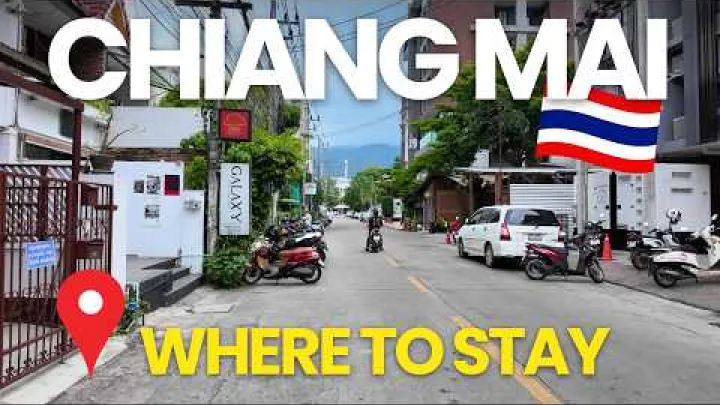
Old City for First-Time Visitors
The Old City is the strongest default choice for a short first visit. It is easy to understand on a map, framed by the moat and old walls, and close to many classic sights. Tha Phae Gate, Wat Chedi Luang, Wat Phra Singh, Rachadamnoen Road, and Sunday Walking Street are all useful anchors for first-time planning.
Staying here reduces transport time and makes it easier to walk to temples, cafes, restaurants, massage shops, and markets. It is especially useful if you have only two or three days in Chiang Mai.
The trade-offs are important. Some streets are busy, hotel quality varies, and parts of the area feel very visitor-oriented. If you want modern cafes, nightlife, newer apartments, or a longer-stay lifestyle, Nimmanhaemin or Santitham may suit you better. If you want larger hotels or a quieter river atmosphere, consider Night Bazaar or Riverside instead.
Nimmanhaemin for Cafes, Nightlife, and Longer Stays
Nimmanhaemin, often shortened to Nimman, is west of the Old City and is known for cafes, restaurants, bars, boutiques, and a younger, more modern atmosphere. It is near Chiang Mai University and the route toward Doi Suthep, which helps explain its student and digital-nomad appeal. Travel writer context from Nomadic Notes also highlights Nimman’s long-running role as a cafe and remote-work-friendly neighborhood.
Nimman is a good base if you are staying longer, working remotely, meeting friends, or prefer modern cafes over temple walks. It can also suit repeat visitors who already know the Old City.
The main disadvantage is that it is less convenient for classic sightseeing on foot. You will usually need ride-hailing, songthaews, tuk-tuks, bicycles, or another transport option to reach many Old City temples, the Night Bazaar, or Riverside.
Night Bazaar and Riverside for Markets and Larger Hotels
The Night Bazaar area, especially around Chang Klan Road, is useful for travelers who want evening shopping, restaurants, tour desks, and a commercial visitor zone. It is not as historic as the Old City, but it can be convenient if your evenings are centered on markets and easy dining.
Riverside, along the Ping River, has a quieter and more scenic feel. Some properties offer riverfront atmosphere, but not every hotel has direct views or resort-style facilities, so check the exact location and room type before booking.
These areas can suit couples, families, and travelers who prefer larger hotels. The trade-off is transport: depending on the property, you may need short rides to reach the Old City, Nimman, or mountain-bound transport.
Santitham and Local Neighborhoods for Budget Longer Stays
Santitham and nearby local neighborhoods are better suited to longer stays, budget-conscious travelers, and people who want a more everyday Chiang Mai feel. You may find local restaurants, apartments, small cafes, and less tourist-focused streets.
These areas are not the easiest choice for a first visit of only two or three days. Many major visitor sights are not within simple walking distance, so you need more confidence with local transport, ride-hailing, bicycles, or motorbikes.
If you are staying a week or longer, Santitham can be practical. If your trip is short and sightseeing-focused, the Old City will usually save time and reduce planning effort.
Getting to Chiang Mai and Moving Around the City
Chiang Mai is easier to manage than many large Asian cities, but transport still requires planning. There is no metro-style system, so most visitors use a mix of airport transport, walking, songthaews, tuk-tuks, ride-hailing, buses, tours, and occasional private drivers.
Arriving at Chiang Mai International Airport
Chiang Mai International Airport is the main air gateway for the city and a common entry point for Northern Thailand. The airport lists transport options such as public buses, airport taxis, metered taxis, car rentals, and GrabCar on the Chiang Mai International Airport website.
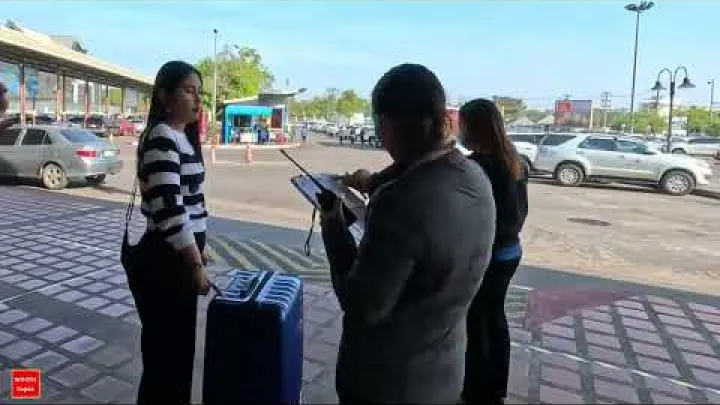
If it is your first time in the city and you have luggage, the simplest choice is usually door-to-door transport. This reduces confusion after arrival, especially if your hotel is in a small lane inside the Old City or in a neighborhood that is hard to explain.
Transfer time depends on traffic and where you stay. The Old City, Nimman, Night Bazaar, Riverside, and Santitham are all relatively central, but congestion, rain, festivals, and arrival time can affect the journey.
Buses and Regional Connections in Northern Thailand
Chiang Mai is a regional hub for Northern Thailand. Travelers commonly use it as a base before continuing to Chiang Rai, Pai, Mae Hong Son, mountain villages, or national parks.
Regional transport may include buses, minibuses, organized tours, private drivers, or self-drive trips. Schedules, operators, departure points, and routes can change, so confirm details directly before booking. This is especially important if your Thailand itinerary depends on a same-day connection.
For mountain routes such as the road toward Pai, travelers who are sensitive to winding roads may want to prepare for motion sickness and avoid overloading the day with tight plans. Organized tours can reduce planning stress, while independent buses and minibuses can be more budget-friendly but less flexible.
Walking, Songthaews, Tuk-Tuks, Grab, and City Buses
The Old City is one of the easiest areas to explore on foot, but heat, rain, traffic, and uneven sidewalks can make walking tiring. Plan temple walks in the morning or late afternoon when possible, and leave time for breaks.
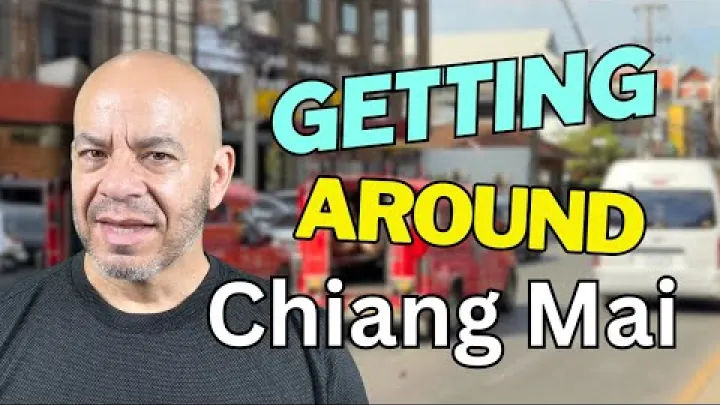
Songthaews are shared red pickup-style vehicles commonly used around Chiang Mai. Tuk-tuks are small motorized vehicles useful for short rides, especially when you want direct transport. For both, confirm the fare before boarding if the price is not fixed or app-based.
Ride-hailing can be convenient at night, in rain, with luggage, or when traveling between neighborhoods such as Nimman and the Old City. Public buses are more limited but can be useful on selected routes. The airport transport page for the Chiang Mai International Airport notes an RTC Chiang Mai City Bus airport route with central stops such as Wualai Road, Chiang Mai Gate, and the Night Bazaar area.
Car and Motorbike Rentals: When They Make Sense
Car and motorbike rentals can make sense for confident, properly licensed, insured, and experienced drivers who want flexibility for day trips. They can be useful for reaching viewpoints, villages, or places where public transport is limited.
However, rentals add risk. Chiang Mai has busy city traffic, unfamiliar road rules for many visitors, and mountain roads that require care. Rain, poor visibility, and road surface changes can make conditions more difficult.
If you are not experienced with motorbikes or mountain driving, consider tours, private drivers, songthaews, or ride-hailing instead. Check license and insurance requirements carefully, and do not assume that travel insurance covers every rental situation.
Best Things to Do in Chiang Mai
The best Chiang Mai experiences combine city culture with food, markets, temples, mountains, and carefully chosen nature activities. Avoid trying to do everything in one visit; the city rewards a slower pace.
Explore Old City Temples and Historic Streets
A simple first-day plan is to walk parts of the Old City and visit a small number of important temples rather than rushing through many. Wat Chedi Luang and Wat Phra Singh are common starting points, and the streets around them offer cafes, massage shops, guesthouses, and small restaurants.
Dress modestly for temples, remove shoes where required, keep voices low, and follow posted rules. Some temples may charge small entry fees or change access arrangements, so check locally before entering.
To make the walk more comfortable, avoid the hottest part of the day when possible. A good rhythm is temples in the morning, lunch and rest during the heat, then markets or another short walk in the evening.
Visit Wat Phra That Doi Suthep and Doi Pui
Wat Phra That Doi Suthep is one of Chiang Mai’s most important visitor experiences. It sits above the city on Doi Suthep and combines temple culture, views, and a mountain setting. Many travelers visit by songthaew, tour, private driver, or self-drive if experienced.
It is commonly combined with nearby mountain-area stops such as Doi Pui when time, weather, and transport allow. Conditions can be cooler than in the city, and visibility may vary with season, haze, or rain.
Go earlier in the day or during cooler hours if you want a more comfortable visit. As with all temples, dress respectfully and check current access details locally rather than relying on old information.
Eat at Markets and Try Northern Thai Food
Food is one of the main reasons to visit Chiang Mai. Markets and casual restaurants are ideal for trying Northern Thai flavors without needing a formal dining plan. Useful areas include the Old City, Chiang Mai Gate, Sunday Walking Street on Rachadamnoen Road, Wualai Road during the Saturday market, and the Night Bazaar area.
Common dishes to look for include khao soi, sai ua, nam prik with vegetables, and sticky rice-based meals. Menus and translations vary, so point, ask politely, or use a translation app if needed.
Markets are also good for low-cost snacks and simple dinners. If you have allergies or dietary restrictions, do not rely only on visual inspection. Ask about ingredients, use translated allergy cards when needed, and choose busy stalls where food turnover appears high.
Choose Ethical Nature and Animal Experiences Carefully
Elephant experiences and nature tours are popular around Chiang Mai, but they require careful selection. Avoid choosing only by price, photos, or the word ethical in a tour title. Look for transparent welfare policies, clear rules about animal contact, realistic group sizes, and responsible environmental practices.
Be cautious with any activity that appears to prioritize entertainment over animal welfare. Better-run tours may cost more because they limit group sizes, pay staff fairly, or avoid high-volume interactions.
For nature tours, ask what is included, how long transport takes, whether meals are provided, what fitness level is required, and how the operator handles weather changes. This is especially important in rainy season or for mountain areas.
Day Trips and Side Trips from Chiang Mai
Chiang Mai is a strong base for day trips, but not every nearby destination is suitable for a rushed visit. Mountain roads, weather, and long transport days can make a trip feel more tiring than it looks on a map.
Doi Inthanon National Park
Doi Inthanon is one of the main mountain day trips from Chiang Mai. Travelers visit for viewpoints, forests, cooler air, waterfalls, and walking routes. Tour operators such as Green Trails present it as both a day-tour and trekking area, which reflects how many visitors plan it from the city.
Treat Doi Inthanon as a full-day commitment, not a quick stop. You can visit by organized tour, private driver, or self-drive if you are experienced and conditions are suitable.
Weather and access details matter. High-elevation conditions can be cooler than Chiang Mai city, and rain can affect trails, roads, and visibility. Check current conditions, park access, and any trail rules before visiting.
Chiang Rai, Pai, and Northern Thailand Extensions
Chiang Rai and Pai are common add-ons, but they are best treated as extensions rather than casual half-day trips. Chiang Rai suits travelers interested in temples, northern routes, and a different city base. Pai suits travelers looking for mountain scenery, small-town atmosphere, and a slower pace.
Both involve road travel that can be tiring, especially if you try to go and return too quickly. If your itinerary allows, add extra nights rather than forcing these places into a short Chiang Mai stay.
Choose one or two Northern Thailand extensions, not every possible stop. A slower plan usually gives a better experience than a checklist of long transport days.
Mae Kampong, Villages, and Mountain Escapes
Mae Kampong and other mountain village escapes can be good choices for travelers who want scenery, cooler air, homestays, cafes, or a quieter environment outside the city. These trips can feel very different from temple and market days in Chiang Mai.
Plan respectfully. Smaller communities may have local rules, limited parking, narrow roads, or expectations around noise and behavior. Use responsible operators, follow local guidance, and avoid treating villages as photo backdrops.
Access details can change with weather and local management, so confirm transport and accommodation before setting out. These trips are best when you are not rushing.
Costs, Safety, and Practical Travel Tips
Chiang Mai can be moderate-cost by international travel standards, but the total budget depends on season, neighborhood, hotel comfort, food choices, transport style, and tours. Daily meals and local transport can be inexpensive, while premium hotels, domestic flights, private drivers, festivals, and high-quality tours can raise costs quickly.
Budget Planning for Accommodation, Food, Transport, and Tours
Accommodation varies widely. Guesthouses and simple hotels are common in the Old City and local neighborhoods, while boutique hotels, serviced apartments, and larger properties are found across Nimman, Riverside, and the Night Bazaar area. Prices usually rise with comfort, location, design, and seasonal demand.
Food can be one of the best-value parts of a Chiang Mai trip. Market meals and simple local restaurants keep costs low, while specialty cafes, international restaurants, cooking classes, and hotel dining cost more. Local transport is usually manageable for short trips, but frequent ride-hailing, private drivers, or full-day tours add up.
| Cost category | Lower-cost approach | Higher-cost approach |
|---|---|---|
| Accommodation | Guesthouse or simple hotel | Boutique, riverfront, or premium hotel |
| Food | Markets and local restaurants | Cafes, cooking classes, hotel dining |
| Transport | Walking, songthaews, selected buses | Ride-hailing, private drivers, car rental |
| Activities | Temples, markets, self-guided walks | Day tours, elephant experiences, festivals |
Do not plan your budget on the assumption that Chiang Mai is cheap for every traveler. A relaxed local-style stay can be affordable, but a festival trip with private tours and premium hotels can cost much more.
Health, Air Quality, Weather, and General Safety Checks
Chiang Mai is a popular destination, but basic safety planning still matters. Check current weather, air quality, and travel advisories before finalizing outdoor-heavy plans. This is especially important during hot season, possible smoke periods, and rainy season.
Road safety is one of the main practical concerns for visitors. Be conservative with motorbike rentals, wear appropriate protection, avoid driving if tired or inexperienced, and make sure your license and insurance situation is clear.
Travel insurance is strongly recommended for medical issues, cancellations, lost belongings, and activity-related problems. If you have health concerns, carry medication, know your hotel address, and avoid remote activities without a clear plan for transport and communication.
Booking, Cash, Connectivity, and Cultural Etiquette
Book ahead during cool season, Thai holidays, Yi Peng, Loy Krathong, the Chiang Mai Flower Festival, and other high-demand periods. This is especially important if you want a specific Old City hotel, riverfront property, or festival-focused stay.
Cash is useful for markets, small food stalls, songthaews, tuk-tuks, temple donations, and local businesses. Cards and payment apps may be accepted in more modern venues, but acceptance varies. Keep small notes available and do not assume every vendor can make change for large bills.
Basic etiquette goes a long way. Dress modestly at temples, remove shoes when asked, bargain politely where bargaining is normal, avoid loud behavior in residential areas, and be respectful when photographing people, monks, ceremonies, or private property.
Sample Chiang Mai Itineraries
These sample plans use morning, afternoon, and evening blocks instead of exact times. Adjust them for heat, rain, haze, festivals, and your own energy level.
Two or Three Days in Chiang Mai
For two or three days, stay in the Old City or another very convenient base. Keep the plan focused and avoid distant side trips.
Day one: Spend the morning visiting Wat Chedi Luang, Wat Phra Singh, and nearby Old City streets. Use the afternoon for lunch, a rest, and a cafe or massage. In the evening, visit a market such as Sunday Walking Street if your dates match, or choose the Night Bazaar area for food and shopping.
Day two: Visit Wat Phra That Doi Suthep in the morning or cooler part of the day. If conditions and transport allow, add Doi Pui or another nearby mountain stop. Use the evening for Northern Thai food near the Old City or Chiang Mai Gate.
Day three if available: Choose one flexible experience, such as a cooking class, a cafe-focused Nimman visit, a carefully selected nature activity, or more temple time. Skip Chiang Rai, Pai, and Doi Inthanon unless you are willing to sacrifice city time and accept a long travel day.
Four or Five Days in Chiang Mai
Four or five days is a strong default for a first-time Chiang Mai itinerary. It gives enough structure without making every day a full tour.
Day one: Old City temples, historic streets, and a simple market dinner. Day two: Doi Suthep and, if suitable, Doi Pui or a relaxed Nimman afternoon. Day three: Cooking class, food tour, or a self-guided market day with downtime. Day four: Choose one major nature or elephant-related tour after reviewing operator practices carefully. Day five if available: Keep it flexible for cafes, massage, Riverside, shopping, or weather changes.
If rain or haze affects outdoor plans, move the mountain or nature day and use city-based activities instead. Avoid scheduling several full-day tours back-to-back unless you know you enjoy a fast pace.
One Week in Chiang Mai and Northern Thailand
With one week, you can slow down and include one or two regional add-ons. Do not try to visit every destination near Chiang Mai. A better plan is to choose based on your interests.
For a sightseeing-focused week, stay in the Old City for easy access to temples and markets, then add Doi Inthanon or Chiang Rai. For a lifestyle-focused week, consider Nimman or Santitham, with time for cafes, work, fitness, local restaurants, and shorter day trips. For a nature-focused week, combine Chiang Mai city days with Doi Inthanon, Mae Kampong, Pai, or another mountain escape.
Build in rest days. Regional transport can be tiring, weather can change plans, and Chiang Mai is more enjoyable when you leave time for slow meals, neighborhood walks, and unplanned discoveries.
Final Chiang Mai Travel Guide Takeaways
Chiang Mai is one of the best places in Thailand for travelers who want culture, food, markets, mountains, and a relaxed Northern Thailand base. For most first-time visitors, four or five days is ideal, the Old City is the easiest starting base, and November to February is the most comfortable season if you book early.
Plan carefully around festivals, hot-season haze, rainy-season flexibility, and regional side trips. Choose transport and tours conservatively, especially for motorbikes, mountain roads, and animal experiences. With the right base and a realistic pace, Chiang Mai can work as a short cultural stop, a relaxed city break, or the heart of a wider Northern Thailand itinerary.
Select area
Create a post
Posting is free and no registration is required.