Sukhothai Where to Stay: Best Areas for First-Time Visitors
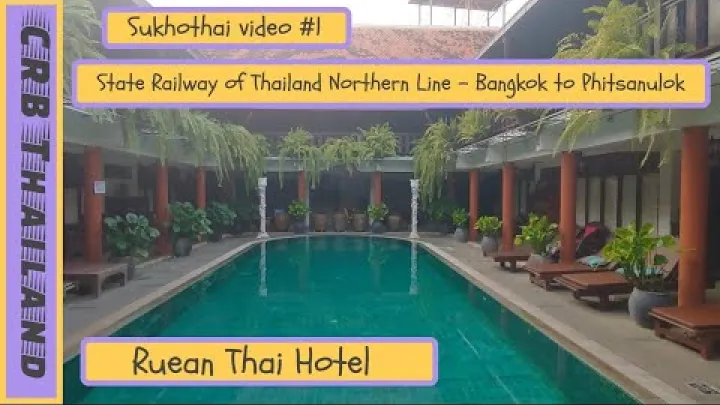
If you are deciding on Sukhothai where to stay, the main choice is simple: stay near the temples in Old Sukhothai or stay in the modern town of New Sukhothai. Both areas can work, but they suit different travel styles. Old Sukhothai is usually the best base for first-time visitors who want easy access to Sukhothai Historical Park. New Sukhothai is more practical for transport, markets, everyday services, and short stopovers.
This guide compares the best areas to stay in Sukhothai by sightseeing access, transport, evening walkability, safety comfort, budget, and length of stay. It avoids hotel rankings and instead helps you choose the right base and lodging type for your trip.
Quick Answer: Where to Stay in Sukhothai
For most first-time visitors, the best place to stay in Sukhothai is Old Sukhothai, also called Muang Kao, near Sukhothai Historical Park. This location makes temple visits easier, especially in the cooler morning and late afternoon. If you are arriving late by bus, leaving early, or mainly want town services and cheaper local food, New Sukhothai can be a better practical choice.
| Area | Best for | Main trade-off |
|---|---|---|
| Old Sukhothai | First-time sightseeing, cycling, early park visits | Quieter evenings and fewer town services |
| New Sukhothai | Bus access, budget food, short stopovers | Requires transport to the Historical Park |
| Countryside or edge-of-park stays | Couples, families, quiet resorts, more space | May be less walkable to food and sights |
Best Areas to Stay in Sukhothai
Sukhothai is not one compact tourist district. The main visitor area around the ancient temples is separate from the modern town, transport points, and everyday services. Choosing the right area matters more than choosing the most famous hotel name.
Old Sukhothai Near the Historical Park
Old Sukhothai, or Muang Kao, is the default recommendation for most first-time visitors. It is the area closest to Sukhothai Historical Park, which is the main reason many travelers come to Sukhothai. Staying here reduces transport friction and makes it easier to visit the temples early, rest during the hottest part of the day, and return for softer late-afternoon light.
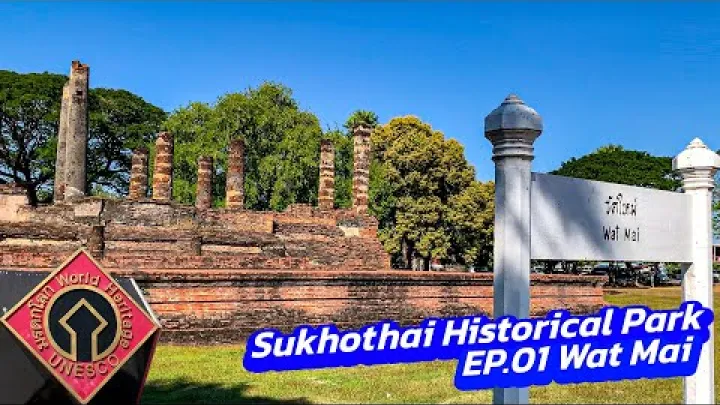
The atmosphere is quiet and village-like rather than urban. You can expect guesthouses, small hotels, and boutique resort-style stays rather than a large nightlife district. Current booking platforms show a range of accommodation around the Historical Park area, and checking recent availability on Agoda can help you see how properties are spread around the park.
The main advantage is convenience for sightseeing. The main disadvantage is that evenings are calmer and services are more limited than in New Sukhothai. This is not a problem for many visitors, but it matters if you want a wider choice of markets, shops, banks, and late dining.
Before booking, check the exact distance from the hotel to the Historical Park entrance or the part of the park you plan to visit first. A property may be described as Old Sukhothai but still be far enough from the entrance that walking in heat or darkness is inconvenient. If you do not want to walk much, look for recent reviews that mention bicycles, tuk-tuk help, or easy transport.
New Sukhothai and the Bus Terminal Area
New Sukhothai, also known as Sukhothai Thani, is the modern town. It is practical rather than atmospheric, with more everyday services, local food, markets, banks, and transport connections. It is a good base for travelers who arrive by bus, have an early departure, or want to keep costs low by staying near local restaurants and town facilities.
The bus terminal area and the town center are not exactly the same experience. Staying near Sukhothai Bus Terminal can be useful for arrivals and departures, while staying closer to the town center may be better for food and evening errands. Booking sites list accommodation near the terminal, with examples of budget and midrange stays visible on Trip.com, but these should be treated as options to compare rather than automatic recommendations.
Common arrival routes include long-distance buses to New Sukhothai, train connections through Phitsanulok followed by road transport, and flights through Sukhothai Airport where schedules and budgets make sense. A transport overview from Theo Courant describes the main options by bus, train connection, flight, and car, which is useful when planning how your accommodation fits your route.
The main trade-off is distance from Sukhothai Historical Park. If your main goal is temple sightseeing, staying in New Sukhothai means you need to arrange local transport to Old Sukhothai and back. This can still work well, especially for a one-night stopover, but it adds planning and may reduce flexibility for sunrise, sunset, or midday hotel breaks.
New Sukhothai is not an inferior choice. It is simply a different choice. It suits travelers who value transport convenience, cheaper daily meals, and town services more than immediate access to the ancient ruins.
Countryside and Edge-of-Park Resorts
A third option is to stay in a quieter resort, guesthouse compound, or small hotel near rice fields, gardens, or roads between the modern town and the Historical Park. This can be a very good fit for couples, families, older travelers, and anyone who wants more space and a calmer setting.
The appeal is comfort. Some properties in this category offer gardens, breakfast, pools, or a more relaxed environment, although you should not assume every resort has the same amenities. The location may feel peaceful after a day of temple visits, and it can be easier to rest between outings if the room and grounds are pleasant.
The trade-off is walkability. Edge-of-park and countryside stays may not be close to restaurants, shops, or the park gate. Before booking, check whether the property offers bicycles, can arrange tuk-tuks, has an on-site restaurant, and can help with transport after dark. These details matter more than the label “resort.”
How to Choose the Right Base
The best base in Sukhothai depends on how you plan to spend your days. Sightseeing access, arrival time, food preferences, and evening comfort all affect the right answer.
Sightseeing Access and Park Timing
Proximity to Sukhothai Historical Park matters because temple visits involve outdoor movement, sun exposure, and time spread across different ruins. Many visitors prefer to explore in the morning or late afternoon, when conditions can be more comfortable and the light is better for photos. Staying near the park makes this much easier.

The park area is spread out, so visitors often use bicycles or local transport to move between temple zones. If you stay in Old Sukhothai, it is easier to start early, return to your hotel for a midday rest, and go out again later. This is especially valuable during hot periods, when a short break in an air-conditioned room can make the day more enjoyable.
If you stay farther away in New Sukhothai, you can still visit the Historical Park without difficulty, but you need to think about transfers. Plan how you will get there, how you will return, and whether you want the flexibility to leave the park for a rest. For travelers whose main purpose is the temples, Old Sukhothai is usually the better base.
Transport Connections and Arrival Plans
Sukhothai has a split layout: the modern town and bus terminal are separate from the Historical Park area. This is the key transport fact to understand before choosing accommodation. A hotel that is convenient for your bus may not be convenient for the ruins, and a hotel near the ruins may require an extra transfer after arrival.
Common arrival routes include long-distance buses to New Sukhothai, train connections through Phitsanulok followed by road transport, and flights through Sukhothai Airport where schedules and budgets make sense. A transport overview from Theo Courant describes the main options by bus, train connection, flight, and car, which is useful when planning how your accommodation fits your route.
Local transfers between New Sukhothai and Old Sukhothai are possible, but schedules, fares, and availability can change. If you plan to move between the two areas in the evening, confirm the last practical return option locally. Do not depend on late public transport without checking, especially if you are staying away from the main road or returning after dinner.
As a simple rule, choose New Sukhothai if you arrive late, leave early, or want to be near the bus terminal. Choose Old Sukhothai if you have enough time to continue from the terminal and your next day is focused on the Historical Park.
Food, Night Markets, and Evening Walkability
Old Sukhothai has enough simple food options for many travelers, but it is quieter and more limited than the modern town. It is a good match if you are happy with relaxed dinners, early nights, and a calm base near the temples. It is not the best choice if you want the widest range of local food and evening activity.
New Sukhothai offers more town life. Travelers who prioritize evening food, markets, and services may prefer it, especially around areas with easy access to local restaurants and the Sukhothai Night Food Market. This does not mean New Sukhothai has major nightlife; it is simply more active than Old Sukhothai after dark.
Countryside and edge-of-park resorts require more attention to evening logistics. If the property is not walkable to restaurants, you may rely on on-site dining or arranged transport. Check lighting, road conditions, and how easy it is to return at night. A peaceful location can be excellent, but it should not leave you stranded after dinner.
Safety and Comfort Considerations
Choosing where to stay in Sukhothai is usually less about avoiding dangerous districts and more about choosing a base that feels comfortable, well located, and easy to navigate. Safety and comfort are strongly connected to transport access, lighting, hotel quality, and your ability to return easily after dark.
General Safety and Petty Crime Precautions
Sukhothai is generally considered a low-stress destination for visitors. Safety advice should still be practical. Petty theft, unattended valuables, overcharging, and crowded market situations are more relevant concerns than serious danger for most travelers. A travel safety overview from Legend Travel Group also frames Sukhothai as generally safe while noting common precautions around busy places.
For lodging choice, focus on location and ease. Choose established accommodation with recent reviews, a clear address, and staff who can help with local transport. If you are traveling alone, especially as a solo visitor arriving after dark, it can be worth paying slightly more for a place that is easy to find and close to your evening plans.
Keep valuables secure in busier places such as markets and transport points. Do not leave bags unattended in cafes, bus stations, or hotel lobbies. If you expect to return late from New Sukhothai to Old Sukhothai, or from town to a countryside resort, arrange transport in advance rather than hoping options will be available.
Heat, Rain, Mosquitoes, and Room Features
During rainy periods, check recent reviews for comments about damp rooms, slippery paths, drainage, and mosquito control. This does not mean rainy-season stays are a problem, but it is wise to choose accommodation that looks well maintained. Families and travelers with mobility concerns should also check stairs, room location, and bathroom setup before booking.
Comfort can matter as much as area choice in Sukhothai. Temple sightseeing involves walking, cycling, sun, and outdoor time. A room with reliable air conditioning, good screens or sealed windows, and recent cleanliness reviews can make a big difference after a long day outside.
If your budget allows, shade, a pool, breakfast, or a garden setting can improve the trip, especially for families, older visitors, and cyclists. These features are not essential for everyone, but they can make midday breaks more useful. Staying near the park also makes those breaks easier because you do not need to spend extra time transferring back to your hotel.
Best Lodging Types by Budget and Travel Style
Sukhothai accommodation is often more about fit than luxury level. A simple guesthouse in the right location may be better value than a cheaper room that adds daily transfers. Compare the total cost of the stay, including transport, meals, and time.
Guesthouses, Hostels, and Budget Hotels
Budget accommodation can work well in both Old and New Sukhothai. In Old Sukhothai, the main value is park access. A modest guesthouse near the Historical Park can make sightseeing simple, especially if bicycles are available or local transport is easy to arrange.
In New Sukhothai, budget travelers may find better access to low-cost food, shops, and transport. This is useful if you are connecting by bus or staying only one night. However, the cheapest room is not always the best value if it increases your transfer costs to the Historical Park or makes your sightseeing day less efficient.
If you are looking for hostels or very social stays, check current listings carefully. Sukhothai is quieter than major backpacker hubs, so do not assume every budget property has a strong social atmosphere. Recent reviews are the best guide to cleanliness, location, staff help, and transport convenience.
Midrange Hotels and Boutique Resorts
Midrange hotels and boutique resort-style stays are a strong category for many Sukhothai visitors. They often offer a better balance of comfort, location, and service without requiring a luxury budget. For first-time visitors, a slightly higher nightly rate can be worthwhile if it improves access to the Historical Park and makes heat management easier.
Common advantages may include gardens, breakfast, quieter rooms, bicycle access, pools, and staff help with tuk-tuks or park visits. These features should always be checked property by property. Do not rely only on star ratings or attractive photos; read recent reviews that mention room condition, breakfast, bicycles, mosquito control, and the real distance to the park.
This lodging type suits couples, first-time sightseers, and travelers who want a calm base without feeling isolated. If you choose a boutique resort outside the most walkable part of Old Sukhothai, confirm dinner options and evening transport before booking.
Family-Friendly and Comfort-Focused Stays
Families and comfort-focused travelers should prioritize short transfers, shade, larger rooms, reliable dining, and easy breaks. Old Sukhothai or an edge-of-park resort is often the best match when the main plan is Sukhothai Historical Park. This keeps the day simpler and reduces time spent moving between town and the ruins.
Countryside stays can be excellent for families if meals and transport are easy to manage. A peaceful property with space to rest can make the trip feel less rushed, but only if you are not dependent on uncertain late transport. Check whether the hotel can help arrange tuk-tuks, bicycles, or private transfers.
Travelers with mobility concerns should verify details directly with the property. Ask about stairs, ground-floor rooms, bathroom layout, distance from reception to the room, and whether staff can help arrange local transport. Do not assume that a hotel is accessible unless it clearly confirms the features you need.
Where to Stay by Traveler Type
Different travelers need different bases. The right choice depends on whether you value temple access, comfort, budget, town services, or transport connections most.
First-Time Sightseers
First-time sightseers should usually stay in Old Sukhothai or very close to Sukhothai Historical Park. This is the area that best matches the image most visitors have of Sukhothai: ancient temples, quiet roads, bicycles, and easy access to the historical landscape.
Staying near the park reduces the number of decisions you need to make each day. You can start early, take a break during the heat, and return later without planning a full transfer from the modern town. New Sukhothai is still a reasonable choice if you arrive late, leave early, or care more about town services than temple proximity.
Families, Older Visitors, and Limited-Mobility Travelers
Families, older visitors, and limited-mobility travelers should minimize daily transport and heat exposure. A comfortable stay near the Historical Park or in a nearby resort is usually easier than staying far away and transferring back and forth each day.
Look for air conditioning, shaded areas, easy meal access, and space to rest. If a pool is important, confirm it is available and suitable for your needs. If you do not want to cycle, ask the property about tuk-tuk arrangements, park transport options, and how easily you can move between different temple areas.
Before booking, make a short checklist: ground-floor room if needed, few stairs, suitable bathroom, easy pickup point, clear address, and staff who can help with transport. These details can matter more than the general area name.
Backpackers, Solo Travelers, and Short Stopovers
Backpackers may prefer New Sukhothai for lower-cost food, transport access, and a more active evening environment. This is especially true for one-night stays where the next bus or onward connection is a major priority. Staying near the bus terminal or town center can reduce stress on arrival and departure days.
Solo travelers focused on temples may still prefer Old Sukhothai because it is simple and calm. The best choice depends on your travel rhythm. If you want early park access and quiet evenings, choose Old Sukhothai. If you want town food, markets, and easy transport connections, choose New Sukhothai.
For short stopovers, match your base to your schedule. If you arrive late and leave early, New Sukhothai may be the practical answer. If you have one full sightseeing day, it can be worth transferring to Old Sukhothai so you wake up near the park. Keep valuables secure and arrange late transfers rather than improvising after dark.
How Many Nights to Stay in Sukhothai
Your length of stay affects where you should stay. A fast transit visit has different needs from a relaxed temple-focused trip.
One Night, Two Nights, or Three Nights
One night can work if Sukhothai is a stop between other destinations in Northern Thailand or Central Thailand. It is best for travelers with a clear schedule and limited sightseeing goals. If you arrive late and leave early, New Sukhothai may be the easiest base.
Two nights is a practical minimum for many visitors who want to enjoy Sukhothai Historical Park without feeling rushed. It gives you time for a main temple visit, a rest, and a more flexible second outing. For this style of trip, Old Sukhothai is usually the better choice.
Three nights is more comfortable for slower travelers, families, photographers, and anyone who wants multiple park visits or relaxed mornings. It also gives you more flexibility if heat or rain changes your plans. With three nights, a comfortable Old Sukhothai or edge-of-park stay often provides the best balance.
When to Split Your Stay
Splitting your stay between Old and New Sukhothai is usually unnecessary for short trips. Changing hotels adds packing, transfer time, check-in friction, and extra decisions. It should have a clear benefit.
A split can make sense for a longer stay, an awkward arrival or departure, or a traveler who wants both temple proximity and town life. A simple approach is to stay near the park first for sightseeing, then move closer to the bus terminal only if onward transport convenience really matters.
If you are carrying heavy luggage or arriving at an inconvenient time, avoid overcomplicating the trip. In many cases, one well-chosen base is better than two average ones.
Final Recommendation
For most first-time visitors wondering where to stay in Sukhothai, the best answer is Old Sukhothai near Sukhothai Historical Park. It gives the easiest access to the temples, supports cooler morning and late-day visits, and creates the calm historical atmosphere most travelers expect.
Choose New Sukhothai if your priority is transport, budget food, markets, or a short stopover near the bus terminal. Choose a countryside or edge-of-park resort if you want quiet comfort and are willing to check transport and dining details carefully.
The smartest choice is not always the cheapest room or the most polished hotel photo. Pick the base that reduces daily friction: close to the sights you care about, comfortable after a hot day, easy to reach on arrival, and safe to return to at night.
Select area
Create a post
Posting is free and no registration is required.