Sukhothai Best Time to Visit: Weather by Month

The Sukhothai best time to visit is usually from November to February, when the weather is generally cooler, drier, and more comfortable for exploring outdoor heritage sites. Sukhothai is an inland lowland destination in Northern Thailand, so heat, sun, rain, and seasonal haze can affect how enjoyable your days feel. This guide explains Sukhothai weather by season and month, with practical advice for Sukhothai Historical Park, the Loy Krathong and Candle Festival, photography, budget travel, and rainy-season planning. Weather varies from year to year, so use this as a planning guide and check current forecasts before you travel.
Quick Answer: The Best Time to Visit Sukhothai
For most first-time visitors, the best season for Sukhothai is the cool dry season. It gives the easiest conditions for walking, cycling, and spending long hours at open-air temple ruins.
Best Overall Months
November to February is generally the best time to visit Sukhothai. Rain is usually lower than in the wettest months, the air often feels less humid, and daytime sightseeing is more comfortable than during the late hot season.
December and January are often the most pleasant months for long visits to Sukhothai Historical Park. Mornings and late afternoons are usually the best times for cycling between ruins, taking photos, and walking around exposed temple areas. Even in the cool season, Sukhothai can still feel warm during the day, so sun protection and water remain important.
Best Shoulder-Season Choices
Late October to early November can be a strong shoulder-season choice. Rain often starts to decrease around this period, while the surrounding countryside may still look green after the rainy season. This can be a rewarding time for travelers who want a balance of atmosphere and improving weather.
This period may also coincide with Sukhothai’s Loy Krathong and Candle Festival, depending on the lunar calendar and the annual event schedule. The festival is one of Sukhothai’s most distinctive cultural experiences, but it can increase demand for accommodation and transport around Old Sukhothai. Check the confirmed festival dates before booking flights, buses, trains, or hotels.
Months That Need Extra Planning
March to May needs extra planning because the weather is typically very hot. March and April can make midday sightseeing uncomfortable, especially at open sites with limited shade. Haze or smoke can also affect parts of Northern Thailand in some late hot-season periods, although the severity changes each year.
August to October also needs more flexibility because heavier rain, wet ground, thunderstorms, and possible local flooding can affect outdoor plans and transport. These months are not impossible for travel, but they are better for visitors who can adjust their schedule and monitor weather updates.
Sukhothai Weather Basics
Sukhothai weather follows the broad seasonal rhythm of Thailand, but its inland location makes the experience different from beaches, islands, or higher mountain areas. Planning around heat and rain matters because the main sights are mostly outdoors.
Lowland Inland Climate in Northern Thailand
Sukhothai province sits in inland Northern Thailand, in a lowland setting rather than a high mountain area. This means it is warm or hot for much of the year. The cool season can feel comfortable, but it does not usually mean cold daytime weather for international visitors.
This matters most at Sukhothai Historical Park, where many of the ruins, paths, lawns, and cycling routes are exposed to sun. Higher areas of Northern Thailand can have cooler nights, but Sukhothai’s lowland landscape usually rewards travelers who plan outdoor sightseeing for early morning and late afternoon.
The Three Travel Seasons
For travel planning, it is easiest to think of Sukhothai in three seasons: cool dry season, hot season, and rainy season. The Tourism Authority of Thailand describes Thailand’s climate in terms of a rainy period, a cooler winter period, and a hot period, which is a useful framework for visitors.
In Sukhothai, November to February is usually the cool dry season. March to May is the hot season. The rainy season generally runs from around May or June to October, with May and October often feeling like transition months rather than fixed seasonal boundaries.
Climate Averages Versus Live Forecasts
Climate averages help you choose the most suitable month, but they cannot tell you the exact weather for a future travel week. Averages are best for comparing broad patterns such as cooler months, hotter months, and wetter months.
Before and during your trip, check current forecasts and advisories from official or reputable sources. The Thai Meteorological Department is a key source for current Thailand weather information. This is especially important during the rainy season, during hot-season storms, or if you have a tight transport connection.
Month-by-Month Travel Guide to Sukhothai
The month-by-month guide below gives a practical travel feel rather than exact predictions. Conditions can vary by year, but the pattern is useful when deciding when to visit Sukhothai for sightseeing, festivals, photography, or value travel.
November to February: Cool, Dry and Best for Sightseeing
November usually marks the start of improving travel weather. Rainfall often decreases compared with the wettest months, and the landscape can still look fresh after the rainy season. If Loy Krathong falls in this period, Sukhothai can feel especially atmospheric.
December to February is the prime window for Sukhothai Historical Park. These months are usually the most comfortable for cycling, walking, and photography, especially in the morning and late afternoon. Based on local climate summaries such as Climate Data, April is typically among the hottest periods, while the cooler dry months are more comfortable for outdoor travel.
| Month | Typical travel feel | Best use |
|---|---|---|
| November | Improving weather, lower rain, green scenery | Festivals, sightseeing, photography |
| December | Cooler and generally dry | Long outdoor days |
| January | Often very comfortable | Cycling and temple visits |
| February | Still good, gradually warmer | Sightseeing before peak heat |
Pack breathable clothing for the day and a light layer for early mornings or evenings. Do not expect cold conditions like high mountain areas, but the cooler air can make long sightseeing days much easier.
March to May: Very Hot With Possible Haze and Storms
March and April are typically very hot in Sukhothai. Midday exploration can be tiring because many historic areas are open to direct sun. If you travel in these months, plan temple visits early in the morning, rest during the hottest part of the day, and return in the late afternoon.

Some years bring haze or smoke impacts across parts of Northern Thailand during the late hot season. Conditions vary, so sensitive travelers should check current air quality before and during travel. April may also bring Songkran celebrations, which can be a cultural highlight, but the heat remains a major planning factor.
May is a transition month. Heat can remain high, while showers and thunderstorms become more common. Flexible daily plans are useful: keep your main outdoor activity early, carry water, and avoid scheduling every hour of the day.
June to October: Rainy, Green and More Flexible
June to October is the rainy season in Sukhothai. This does not always mean constant all-day rain. Many days may include showers or storms followed by clearer periods, but some days can be heavily disrupted by rain.
The green season has real advantages. Landscapes around Sukhothai province can look lush, the air can feel cleaner after rain, and visitor numbers may be lower outside major holiday periods. For photography, rice fields, dramatic skies, and wet temple stone can create strong visual atmosphere.
August to October usually deserves the most caution. Rain may be heavier, the ground may be saturated, and transport plans can be more vulnerable to disruption. If you travel during these months, build in buffer time and avoid making tight same-day onward connections during periods of severe weather.
Best Time to Visit Sukhothai by Travel Priority
The best month depends on what you value most. A traveler focused on cycling comfort may choose different dates from someone looking for festivals, lower crowds, or green-season photography.
Historical Park Sightseeing and Cycling
For Sukhothai Historical Park sightseeing and cycling, November to February is the best choice for most visitors. Cooler mornings, lower rain risk, and more comfortable humidity make it easier to spend several hours outside.
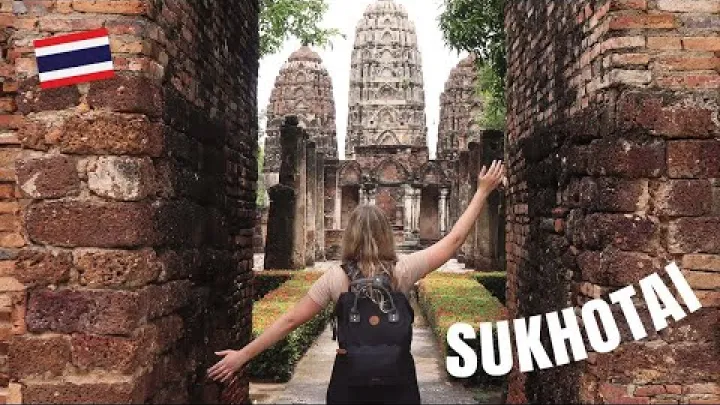
Even in the best season, plan your day carefully. Start early, take a midday break, and return before sunset if you want softer light for photos. Comfortable footwear, sun protection, and a water bottle are useful in every month because the park is open-air and distances between sites can add up.
Festivals and Photography
Late October or November is the key period to consider if you want to experience the Loy Krathong and Candle Festival in Sukhothai. Because the event follows the lunar calendar and annual programming, exact dates change. Confirm the official schedule before arranging your route and accommodation.

For general photography, the cool dry season usually offers easier conditions: less rain disruption, lower humidity, and more comfortable time outside with your camera. Rainy season can also be photogenic, especially for green fields and dramatic skies, but it requires patience and flexible timing.
Budget and Low-Crowd Travel
Lower-demand periods can be attractive if you are flexible and heat-tolerant. March, May, June, and parts of the rainy season may feel quieter than the most comfortable cool dry months, although this can vary by holidays, events, and domestic travel patterns.
Do not assume that Sukhothai prices follow the same pattern as Thailand’s beach destinations. Compare live accommodation and transport rates for your exact dates. Value travel is possible, but it usually means accepting trade-offs such as more heat, more rain risk, or fewer ideal sightseeing hours.
Seasonal Risks and Practical Planning
Sukhothai is a rewarding destination in every season if your plans match the weather. The main practical risks are heat stress, strong sun, seasonal haze, heavy rain, and transport disruption during severe weather.
Heat, Sun and Air Quality
March to May requires the strongest heat management. Plan short outdoor sessions, use shade when available, and avoid long walks during the hottest part of the day. Light breathable clothing, a hat, sunscreen, sunglasses, and regular water breaks are basic but important.
Air quality can vary in Northern Thailand during parts of the late hot season. Haze or smoke is not identical every year, but travelers with sensitivities should monitor current conditions and adjust outdoor activity if needed. If conditions are uncomfortable, focus on shorter visits, shaded areas, cafés, museums, or rest time at your accommodation.
Heavy Rain, Flooding and Transport Flexibility
During rainy season, heavy rain can affect outdoor plans, road conditions, and low-lying areas. Sukhothai’s local geography includes the Yom River, so flood-risk awareness is sensible during prolonged or severe rain, although flooding does not happen on every trip or in every rainy season.
Severe weather reports sometimes include Sukhothai and nearby provinces, and summaries such as ReliefWeb show why travelers should take storm advisories seriously when they occur. During heavy-rain periods, check official weather updates, ask your accommodation about local conditions, confirm transport status, and allow buffer time between destinations.
What to Pack for Each Season
For the cool dry season, pack breathable daytime clothing, sun protection, comfortable walking shoes, and a light layer for early mornings or evenings. A light layer is useful, but heavy cold-weather clothing is usually unnecessary for a standard Sukhothai visit.
For the hot season, focus on heat protection. Bring a wide-brimmed hat or cap, sunscreen, a reusable water bottle, lightweight clothing, and shoes that remain comfortable in high temperatures. If you plan to cycle, choose clothing that dries quickly and allows easy movement.
For the rainy season, bring compact rain gear, quick-dry clothing, waterproof protection for your phone and documents, and footwear suitable for wet paths. A small umbrella or light rain jacket can make short showers easier to manage while visiting temples or moving between transport and accommodation.
When to Avoid or Reconsider Your Dates
You do not need to avoid Sukhothai completely in any season, but some months are less suitable for certain travelers. Your personal comfort, health needs, and itinerary flexibility should guide the decision.
If You Are Heat-Sensitive
If you struggle with high heat, consider avoiding March and April or keeping your visit very short. These months can make open-air sightseeing uncomfortable, especially if you want to walk or cycle for several hours.
December, January, and February are better choices for heat-sensitive travelers. If hot-season travel is unavoidable, schedule only one major outdoor activity per day, start early, rest at midday, and choose accommodation where you can recover comfortably from the heat.
If You Have a Fixed Itinerary During Peak Rain
If your itinerary is fixed and your onward transport is time-sensitive, be cautious about traveling during the wettest part of the rainy season. August to October can be rewarding, but heavy rain may affect roads, outdoor access, and travel timing.
Choose flexible bookings where possible, add buffer time, and check local conditions before travel days. Rainy season can still be enjoyable for travelers who accept possible delays and adjust plans around the weather.
Final Recommendation for Planning Your Trip
For the best overall balance of weather and sightseeing comfort, plan your Sukhothai trip between November and February. December and January are especially strong for Sukhothai Historical Park, cycling, walking, and photography. Late October to early November can also be excellent if you want greener scenery or hope to experience the Loy Krathong and Candle Festival, as long as you confirm the annual dates.
If you visit from March to May, plan carefully around heat, sun, and possible haze. If you visit from June to October, travel with flexibility and monitor rain forecasts, especially from August to October. With realistic expectations and season-appropriate planning, Sukhothai can be a memorable stop in Northern Thailand at many times of the year.
Select area
Create a post
Posting is free and no registration is required.