Macau Best Time to Visit: Weather by Month & Season

The best time to visit Macau is usually October through December, when milder temperatures, lower humidity, and less rainfall support comfortable sightseeing. January and February are good alternatives for cool-season walks and cultural trips, while the warmer months suit visitors who prefer beaches, pools, indoor entertainment, or flexible plans. This guide compares Macau weather by month and season, including the rainy season, typhoon risk, clothing, crowds, and prices. Long-term climate averages can help you choose a travel window, but a live forecast is still needed for exact dates.
Quick Answer: When Is the Best Time to Visit Macau?
There is no single best month for every traveler. For most first-time visitors, the strongest overall choice is late autumn, but cool winter days, festival periods, and warm-weather trips can each be worthwhile for different reasons.
October to December for the Best Overall Balance
October through December generally offers the best balance for a city-focused visit to Macau. Rainfall normally falls after the wetter summer period, humidity becomes easier to manage, and daytime temperatures are more comfortable for walking between historic sites, viewpoints, neighborhoods, restaurants, and evening activities. These conditions are especially useful when your itinerary includes long outdoor periods rather than only resort or indoor attractions.
October is the warmest part of this recommended window and still feels like a transition from summer. November and December usually feel cooler and drier, although December evenings may require an extra layer. The official Macao Climate statistics are useful for comparing these long-term patterns, but they do not guarantee clear skies on every date.
Weather quality does not automatically mean low prices or small crowds. Early October can be busy around major holidays, and hotel demand depends on school breaks, events, weekends, and the exact dates of your stay. Choose October for warmer walking weather, or choose November and December if cooler, drier conditions matter more than heat.
January and February for Cool Weather and Cultural Trips
January and February are mild to cool and relatively dry alternatives to autumn. They work well for walking through the historic center, visiting heritage buildings, eating local food, and combining outdoor sightseeing with museums, shopping, or evening entertainment. The cooler air can be more comfortable for visitors who dislike heat and humidity, but it is not the best match for a beach-centered itinerary.
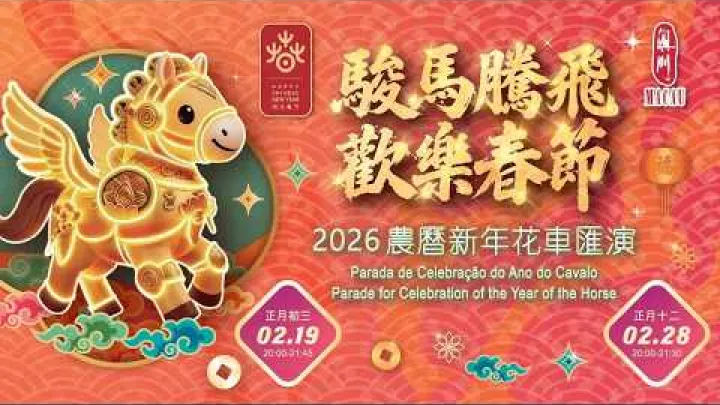
These months also offer a choice between two types of trip. An ordinary cool-season visit may provide a calmer cultural focus, while a trip planned around Lunar New Year can add festive decorations, events, and a stronger holiday atmosphere. Lunar New Year follows the lunar calendar, so its dates change each year. Event schedules, attraction arrangements, and accommodation availability should be considered for the specific year rather than assumed from a general seasonal guide.
Pack light layers, with a jacket or sweater available for cooler evenings and occasional colder spells. If the festival atmosphere is your main reason for visiting, accept that the experience may come with higher demand and less flexibility than an ordinary January or February stay.
When to Accept Heat, Rain, or Storm Risk
March and April can suit travelers who want milder temperatures than summer and are willing to accept rising humidity, occasional fog, low cloud, drizzle, or showers. This shoulder period can be useful for a mixed itinerary, especially if you can move long walks to the better parts of the day and keep indoor alternatives available.

May through September is more suitable for visitors who prioritize warm-weather activities, pools, beaches, resort facilities, or indoor entertainment and do not mind heat and heavy rain. July and August are particularly demanding for general outdoor sightseeing because heat and humidity combine with frequent rainfall and limited nighttime relief. They are not impossible months for Macau, but a fixed schedule of long walks and viewpoints is less comfortable.
September is a transition month in some respects, but it can still be hot, wet, and affected by tropical cyclone conditions. A summer or early-autumn trip is therefore a question of priorities and risk tolerance, not a simple list of months to avoid.
Macau Climate by Season
Macau has a clear seasonal rhythm: cooler and generally drier conditions in winter, rising warmth and humidity in spring, hot and wet summer weather, and a more comfortable autumn. The following patterns describe averages, so individual days can differ substantially.
Spring: March to May
Spring begins with relatively mild conditions in March and becomes warmer, more humid, and wetter by May. March can still be comfortable for historic walking, although fog or low cloud may affect elevated viewpoints. By April, the combination of warmth and moisture is more noticeable, and May begins to resemble the demanding summer pattern.
Fog, drizzle, showers, and low cloud can affect photography and visibility, particularly at hilltop or waterfront locations. That does not mean every spring day is rainy. Monthly rainfall is an average, and a visit may contain a mixture of bright, cloudy, humid, and wet periods.
Early spring is a reasonable shoulder choice for travelers who prefer mild temperatures and can tolerate some uncertainty. Late spring is less comfortable for long walks because humidity adds to the effort even before the hottest part of the year. Breathable clothing, a small rain layer, and a route that can be shortened are useful at this time.
Summer: June to September
Summer brings sustained heat, high humidity, frequent rainfall, thunderstorms, and limited nighttime cooling. The main challenge is the combination of heat and rain rather than temperature alone. A short walk between attractions may be manageable, while several hours on exposed streets, beaches, or hill routes can become tiring quickly.
June through September also overlaps with the period when tropical cyclone conditions can affect plans. Outdoor activities, marine excursions, viewpoint visits, and cross-sea travel may need to change when weather becomes severe. Seasonal risk describes what is more possible at that time of year; it does not mean that a particular storm will occur during every visit.
Indoor attractions, shopping, dining, museums, performances, and resort facilities make summer travel more practical. A balanced day can include a shorter outdoor visit followed by an air-conditioned activity, rather than treating the entire trip as an outdoor sightseeing schedule.
Autumn: October to December
Autumn is usually the most comfortable season for general sightseeing. After summer, rainfall and humidity generally decrease while temperatures become more suitable for walking. October remains warm, but November and December normally have a cooler, drier feel.
This season is well suited to outdoor heritage routes through Senado Square and the Ruins of St. Paul's, neighborhood walks in Taipa Village, elevated views from Guia Fortress, and selected outdoor plans in Coloane. The lower average rainfall makes it easier to connect several areas in one day, although comfortable conditions should never be treated as a promise of dry weather.
Autumn visitor demand is not uniform. Holiday dates, major events, weekends, and the popularity of particular attractions can influence crowd levels independently of climate. For a quieter-feeling autumn visit, compare the exact dates rather than relying only on the label October, November, or December.
Winter: January to February
Macau winter is generally mild to cool and relatively dry. Daytime conditions often support walking and cultural sightseeing, while evenings can feel noticeably cooler, especially near exposed waterfront areas. Light layers are more useful than heavy winter clothing for most visitors, but a jacket or sweater is sensible for cooler days.
Winter favors historic routes, food-focused trips, museums, and cultural activities more than beach or pool plans. Lunar New Year can add a special cultural dimension when the dates match your trip, but festival arrangements and demand vary from year to year. Treat the typical winter pattern as a planning guide and use the forecast for the actual dates.
Macau Weather by Month
Macau weather by month changes gradually rather than switching between perfect and unsuitable seasons. The table gives rounded planning bands based on the long-term statistics published by the SMG. Day and night figures are approximate temperature ranges, and rainfall is an approximate monthly total. They describe climate normals, not a prediction for a particular week.
| Month | Typical daytime | Typical night | Approx. rainfall | Planning feel |
|---|---|---|---|---|
| January | 18–19°C | 12–16°C | 30–40 mm | Cool and relatively dry |
| February | 18–20°C | 13–16°C | 50–70 mm | Cool, with more humidity |
| March | 21–23°C | 16–19°C | 70–100 mm | Mild and sometimes foggy |
| April | 24–26°C | 19–22°C | 150–220 mm | Warm, humid, and changeable |
| May | 27–29°C | 23–25°C | 250–370 mm | Hotter and wet |
| June | 30–31°C | 25–27°C | 300–350 mm | Hot, humid, and storm-prone |
| July | 31–32°C | 26–28°C | 250–320 mm | Very hot and wet |
| August | 31–32°C | 26–28°C | 300–380 mm | Very hot, humid, and wet |
| September | 30–31°C | 25–27°C | 180–250 mm | Hot, wet, and transitional |
| October | 27–29°C | 22–24°C | 60–100 mm | Warm and increasingly comfortable |
| November | 23–25°C | 18–20°C | 30–60 mm | Comfortable and relatively dry |
| December | 20–22°C | 14–16°C | 20–40 mm | Cooler and generally dry |
January to March: From Cool and Dry to Mild and Humid
January and February usually feel cool rather than cold, with comfortable daytime conditions for Senado Square, the Ruins of St. Paul's, and other central walking routes. A jacket or sweater is useful in the morning and evening, while lighter clothing may be enough during a sunny afternoon. March becomes milder, but humidity, fog, and light rain become more relevant.
Waterfront areas and elevated locations can feel cooler or have reduced visibility when cloud or fog develops. This matters if Guia Fortress or another viewpoint is a major photography goal. A flexible route lets you use a central heritage walk when visibility is limited and return to higher ground when conditions improve.
Rainfall totals and rainy-day averages do not predict the weather on each date. Pack warmer layers for January and February, then add compact rain protection in March. The street-level experience can vary from bright and comfortable to damp and cloudy within the same month.
April to June: Rising Humidity and the Wet Season
April marks a clear change from the cooler first quarter. It is warm and increasingly humid, with a greater chance of fog, showers, and unsettled periods. May and June are hotter and among the wettest parts of the year, so a long outdoor route can be interrupted by a heavy shower or thunderstorm.
This is the period many travelers mean when they refer to the Macau rainy season, but rainy season does not mean continuous rain every day. Some days can still support sightseeing, while others are better divided into short outdoor blocks. Outdoor photography, hill routes, and exposed waterfront plans need more scheduling flexibility than they do in late autumn.
A mixed itinerary works well from April to June: choose one outdoor anchor, allow time for a weather break, and keep indoor shopping, dining, museums, or performances as alternatives. Increasing rainfall is not the same as a tropical cyclone. A wet day may only require a schedule change, while a cyclone involves a separate official warning process.
July to September: Hottest, Wettest, and Most Disruption-Prone
July and August are usually the hottest and most humid months. Rainfall can be heavy, and thunderstorms may interrupt beach visits, viewpoint walks, hiking, and outdoor photography. Warm nights can also make recovery from a full day of walking more difficult.
September may begin to move toward autumn later in the month, but it remains warm and wet overall. It can still bring tropical cyclone uncertainty, so beach, coastal, and cross-sea plans should not be the only important parts of the itinerary.
The decision is practical rather than absolute. A summer visit can work if you prefer warm-weather facilities, can shift activities between morning and evening, and are comfortable replacing outdoor plans when conditions require it. Current official warnings should be the decision point for active plans, not a blanket rule that makes every summer trip impossible.
October to December: The Most Reliable Sightseeing Window
October is still warm, but it normally brings a significant improvement over the hottest and wettest months. November is often the easiest month for extended walking, and December usually adds cooler, drier conditions with chilly evenings for some visitors. Choose October if you want warmth, or November and December if you prefer a more comfortable cool-season feel.
Reduced rainfall supports routes linking Senado Square, the Ruins of St. Paul's, Taipa Village, and Guia Fortress. It also makes it easier to include outdoor time in Coloane without building the whole day around shelter. October holiday dates may be busier than later autumn dates, so climate and demand should be considered separately.
These averages are strong planning evidence, not a substitute for a current forecast. Even in the most reliable sightseeing window, one wet or unusually warm day can occur.
Best Time to Visit Macau by Travel Style
The best Macau season depends on how much time you plan to spend outside and how much flexibility you have. A traveler focused on heritage walks may choose different dates from someone who mainly wants pool time, festivals, or a low-cost short break.
Walking, Historic Sites, and Hiking
October and November are the strongest choices for walking-heavy trips because they usually combine comfortable temperatures with lower rainfall and more manageable humidity. This is a good period for connecting Senado Square with the Ruins of St. Paul's, exploring Taipa Village, visiting Guia Fortress, and adding outdoor routes in Coloane.
January and February are useful cooler alternatives. They may suit visitors who would rather wear a light jacket than walk in heat, although occasional damp or cool conditions can change the feel of a day. Short urban walks are easier to adapt than longer hill or coastal routes, which expose you to sun, rain, wind, and visibility changes for longer.
In spring, plan shorter outdoor blocks and allow time for fog or showers. In summer, avoid making a long route the only important activity of the day. Coastal areas such as Coloane and elevated sites such as Guia Fortress are especially dependent on comfort and visibility, while central heritage streets offer more options for shortening a walk.
Culture, Festivals, and Indoor Entertainment
Cultural and indoor activities are available throughout the year, so they are more resilient than beach, hiking, or viewpoint plans. Historic architecture, food, museums, shopping, dining, performances, and resort entertainment can form the main itinerary in any season, with outdoor walks added when conditions are comfortable.
January and February are possible choices for travelers who specifically want a Lunar New Year atmosphere. The lunar dates and official program change each year, so use the Macao Government Tourism Office calendar and visitor information for current events. Do not assume that a festival, opening arrangement, or performance will occur on the same dates every year.
October through December are also valuable for culture-focused trips because they make it easier to combine an outdoor heritage route with indoor attractions, dining, and evening entertainment. This creates a balanced day without depending on one specific event.
Beaches, Pools, and Warm-Weather Activities
Warmer months are more suitable for travelers who prioritize pools, beach time, and resort facilities. Hac Sa and Cheoc Van in Coloane can be considered as outdoor anchors when conditions are suitable, while Cotai offers indoor alternatives for the same trip.
The trade-off is that the months with the strongest warmth also bring higher humidity, heavier rain, thunderstorms, and greater tropical cyclone uncertainty. A beach or marine plan is therefore less dependable than an indoor cultural plan. Sea conditions, weather warnings, local operating decisions, and the status of individual activities all matter.
Pair each water-based plan with an indoor option in Cotai or another visitor area. Do not treat swimming, boating, or any marine activity as reliable during active warnings or severe weather, and do not build a day around the assumption that conditions will remain suitable.
Budget Travel and Hong Kong-Macau Itineraries
Lower prices and smaller crowds are date-specific, not guaranteed by a season name. June and September can be periods to test for value if you accept heat, rain, and greater weather uncertainty, but compare current accommodation rates for the exact dates before deciding. A weekday outside a major event may offer a different experience from a weekend in the same month.
Lunar New Year, Golden Week, Christmas, New Year, major events, and other holidays can change accommodation demand and availability. Check the official tourism event calendar and compare several date combinations. A lower advertised rate may also be offset by less comfortable outdoor conditions or a greater need for indoor and flexible plans.
For a Hong Kong–Macau itinerary, select a broad season that suits both destinations, then assess Macau separately for the days allocated to Macau. Cross-sea transport is part of the practical calculation, but schedules and operating conditions are date-specific. Confirm ferry, bridge, and other cross-sea service information with the relevant operator or official notice close to travel rather than relying on a normal timetable.
Rain, Typhoons, and Practical Weather Planning
Rain and tropical cyclones do not make Macau impossible, but they change how a city break should be organized. The most useful approach is to distinguish normal seasonal rain from official severe-weather warnings and to prepare a backup plan before the weather changes.
Typhoon Season and Official Warnings
The official typhoon-season period in Macau is May to November, with the greatest practical attention usually needed during the hotter and wetter summer and early-autumn months. Macau uses five tropical cyclone warning signals: No. 1, No. 3, No. 8, No. 9, and No. 10. The signal level communicates the seriousness of the threat, but travelers should follow the current instructions rather than trying to interpret the season alone.
Warnings can affect outdoor activities, marine plans, bridge access, cross-sea transport, and the operation of attractions. The Macao Government Tourism Office explains the typhoon-season timing and warning levels in its guidance on Visiting During Typhoon Season.
Use a simple check-before-you-go and check-during-your-stay routine. Before departure, look at the latest official weather outlook if you are traveling during the May-to-November period. During the stay, check the SMG weather information and MGTO visitor guidance before arranging outdoor or marine activities. If a warning is active, stay indoors as advised, suspend exposed outdoor and marine plans, and follow local instructions. A seasonal risk is not proof that a storm will occur, and a warning does not mean every service will close in the same way.
Rain Logistics and Backup Plans
Sudden showers can interrupt a route through the historic center, reduce the appeal of Guia Fortress, affect visibility in Coloane, or make a beach visit impractical. Heavier rain can also complicate cross-sea travel and change the status of attractions. A normal timetable or opening pattern should not be treated as guaranteed during severe weather.
Carry a compact umbrella or light rain jacket, a water-resistant bag, and footwear that remains comfortable on wet streets. Instead of planning one continuous outdoor day, use a simple sequence:
- Choose one outdoor block, such as Senado Square, Taipa Village, Guia Fortress, or a Coloane route.
- Leave time for a weather break instead of scheduling every hour.
- Keep an indoor alternative, such as shopping, dining, museums, casinos, or a performance.
- Revise the route when rain becomes heavy and confirm live transport or attraction status through the relevant operator or official notice.
This structure is useful even when no storm is expected. It prevents a short shower from turning into a lost day while keeping the itinerary specific to Macau.
What to Wear and How to Manage Heat or Cool Spells
For late spring and summer, choose breathable, quick-drying clothing and comfortable walking shoes. Sun protection, a hat, and a compact rain layer are useful because bright heat and sudden showers can occur within the same trip. Air-conditioned interiors may feel cool after time outside, so a light extra layer can be practical.
For winter, pack light layers rather than only heavy clothing. A long-sleeved top, jacket, or sweater can cover cooler mornings and evenings, while lighter clothing works for warmer daytime periods. Spring and autumn usually call for flexible layers because conditions can change as the day becomes warmer or more humid.
Humidity can make moderate walking feel more tiring than the temperature suggests. In hot months, carry water, use shade, schedule longer walks during cooler parts of the day, and take regular breaks in shaded or air-conditioned places. Flexible pacing is more useful than trying to complete every outdoor attraction in one continuous route.
Climate Normals Versus the Live Forecast
The SMG climate table is a long-term average used to compare broad travel windows. It answers what is typical for a month, such as whether rainfall and temperatures are usually higher in summer or lower in winter. It does not predict the exact weather during your trip.
A month can be generally wet while still containing clear sightseeing days, and a generally dry month can still bring a shower or an unusually warm period. Rainfall totals also do not show when rain will fall or how long a particular shower will last. Use climate normals to choose dates, then use the live forecast to plan each day.
Climate answers what is typical; a forecast answers what is likely soon. Check SMG's current forecast and warning pages close to departure and during the stay, especially when planning outdoor, marine, or cross-sea activities. This distinction keeps long-term averages from being mistaken for a safety decision.
Final Recommendation for Choosing Your Macau Dates
For most travelers asking for the best time to visit Macau, choose October through December. Select October for warmer days, or November and December for a cooler and generally drier sightseeing experience. January and February are strong choices for cool-weather culture, while March and April suit flexible shoulder-season trips.
Choose May through September when warm-weather activities, indoor entertainment, or potential value matter more than predictable outdoor comfort. Whatever month you choose, match the itinerary to the climate: heritage walks and viewpoints in comfortable weather, indoor plans during heat or rain, and official guidance for typhoon-related decisions.
Select area
Create a post
Posting is free and no registration is required.