Vietnam Airlines: Flights, Online Booking, Web Check-in Guide
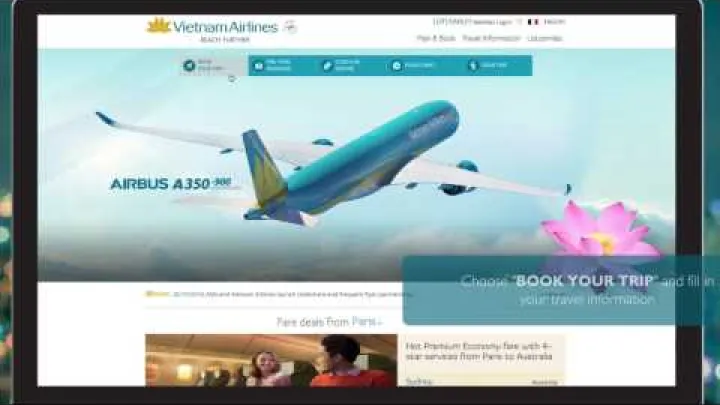
Vietnam Airlines is the national flag carrier of Vietnam and one of the main gateways for travelers entering and leaving the country. Whether you are planning a holiday, studying abroad, or flying for business, understanding how this airline works can make your journey smoother. This guide brings together the essentials of Vietnam Airlines booking, web check-in, baggage rules, cabins, and digital services in one place. It is written for international travelers who may be new to Vietnam and want clear, current, and easy-to-follow information.
Introduction to Vietnam Airlines and This Travel Guide
Why Vietnam Airlines matters for travelers to and from Vietnam
Vietnam Airlines plays a central role in connecting Vietnam with the rest of the world. As the national flag carrier, it operates a large network of domestic routes linking major cities such as Hanoi, Ho Chi Minh City, and Da Nang, as well as regional and long-haul flights across Asia, Europe, and Australia. For many visitors, Vietnam Airlines is the first impression of the country, and for many Vietnamese living abroad or students returning home, it is a familiar and trusted choice.

Different types of travelers use Vietnam Airlines for different reasons, and their information needs vary. Tourists usually want to know how to find good-value Vietnam Airlines air tickets, what baggage they can bring, and what to expect on board. International students and people relocating often need reliable connections, flexible change options, and clear rules about carrying extra luggage. Business travelers tend to focus on Vietnam Airlines Business Class, punctuality, and loyalty benefits such as lounge access and miles. This guide addresses all these profiles by explaining flights and routes, online Vietnam Airlines booking, how to check in Vietnam Airlines at the airport or online, and how to interpret baggage, cabin, and travel policy details.
How to use this Vietnam Airlines booking and check-in guide
This guide is organized to help you quickly find the information you need at each stage of your trip. After a short overview of Vietnam Airlines, you will find sections on booking flights, check-in options, cabin classes and onboard experience, baggage rules, and how the airline fits into international travel plans. Later sections describe the Lotusmiles loyalty program, digital tools such as the website and mobile app, and how to reach the Vietnam Airlines hotline or customer support. A structured Frequently Asked Questions block at the end provides quick answers to common topics like web check-in, baggage allowance, and schedule changes.
If you are comparing options, you can read through the whole article once and then return to specific parts, such as “Online Vietnam Airlines booking step by step” when you are ready to buy, or “Vietnam Airlines web check-in: how it works” a day before departure. The aviation industry can change quickly, so processes, routes, and policies described here may evolve. Always confirm the latest details on the official Vietnam Airlines website, in your booking confirmation, or with your travel agent before you fly, especially for time-sensitive items like check-in deadlines, visa rules, and health requirements.
Overview of Vietnam Airlines
Short history and ownership
Understanding the background of Vietnam Airlines helps explain its role in the country’s transport system and why many travelers see it as a stable option. The airline grew from Vietnam’s state aviation services into a formal national carrier in the late 20th century. Over the years, it shifted from mainly domestic and regional operations to building a more modern, international brand. This transformation included adopting new aircraft types, refreshing its visual identity, and improving onboard service standards to appeal to a global audience.
Vietnam Airlines remains majority state-owned and is recognized as Vietnam’s national flag carrier. This means it has a special role in connecting the country internally and externally, including maintaining strategic routes that support tourism, trade, and cultural exchange. For travelers, this often translates into a dense domestic network, coordinated connections through key hubs, and efforts by the government and the airline to keep operations reliable. While ownership structure is largely invisible to passengers, it is one of the reasons the airline is closely integrated with Vietnam’s broader transport and tourism policies.
Fleet, route network and alliances
Vietnam Airlines operates a mixed fleet designed to serve both short and long routes. On many domestic and regional flights around Southeast Asia, you will typically see single-aisle Airbus A321 aircraft or similar models that are optimized for shorter sectors. For long-haul services to Europe and Australia, the airline uses wide-body aircraft such as the Airbus A350 and Boeing 787 Dreamliner. These newer planes are known for improved fuel efficiency, quieter cabins, and more advanced passenger comfort features than older generations.
The airline’s main hubs are Noi Bai International Airport (Hanoi) and Tan Son Nhat International Airport (Ho Chi Minh City). From these hubs, Vietnam Airlines serves numerous destinations in Asia, including cities in Thailand, Singapore, Japan, South Korea, and China, as well as long-haul routes to key European gateways and Australian cities. Vietnam Airlines is a member of a major global alliance, allowing it to codeshare with partner airlines and offer through-tickets and coordinated schedules. For travelers, alliance membership can make connections smoother, expand mileage earning and redemption options, and simplify multi-airline journeys when traveling to or from regions such as North America that may not yet have nonstop Vietnam Airlines flights.
Service level, reputation and safety
Vietnam Airlines positions itself as a full-service carrier, which means that most fares include standard services such as cabin baggage, checked baggage on many routes, and in-flight meals or refreshments. Over time, the airline has improved its service quality, with many passengers noting friendly cabin crews and a balance between Vietnamese hospitality and international expectations. Punctuality can vary by route and season, as it does for most airlines, but the carrier generally strives to maintain reasonable on-time performance, especially on trunk routes linking major Vietnamese cities and key international destinations.
In terms of safety, Vietnam Airlines operates under international aviation standards and has invested in fleet renewal, pilot training, and maintenance programs. The use of modern Airbus A350 and Boeing 787 aircraft on long-haul routes is part of this strategy. The airline has been recognized with international ratings, including being classified as a 4-star airline by some industry reviewers, which reflects overall service and product quality rather than safety alone. As with any airline, travelers should understand that no carrier can guarantee zero disruptions, but Vietnam Airlines’ record and modernization efforts contribute to its reputation as a generally safe and reliable choice for flying to, from, and within Vietnam.
Booking Flights with Vietnam Airlines
Online Vietnam Airlines booking step by step
Booking Vietnam Airlines flights online is often the most convenient option for international travelers, as it lets you compare dates, routes, and prices in real time. The airline’s website and mobile app are designed to support a full Vietnam Airlines booking flow from flight search to payment and ticket confirmation. This section explains how to complete a typical Vietnam Airlines ticket booking in a clear, step-by-step way so you know what to expect on screen.
While exact layouts can change, most online bookings on the official channels follow a similar pattern. The process below also applies in a general way when you book through many travel websites, but specific rules, fees, or support conditions may be different if you do not buy directly from the airline. Always read fare conditions carefully so you understand what changes, refunds, and baggage are included before confirming payment.
- Search for flights. Go to the official Vietnam Airlines website or open the mobile app. Enter your origin, destination, travel dates, number of passengers, and whether the trip is one-way or return, then start the search.
- Select flights and times. Review the list of available flights, paying attention to departure and arrival times, connection points, and total journey duration. Choose the combination that best matches your plans.
- Choose cabin and fare type. For each flight, you will typically see Economy, Premium Economy (on some routes), and Business fares, often with different flexibility levels. Click on each option to see what is included, such as baggage allowance, change fees, and refund rules.
- Review fare conditions. Before proceeding, read the terms for your chosen fare, focusing on whether changes or cancellations are allowed and what penalties might apply. This step is important because different Vietnam Airlines booking classes can have very different rules.
- Enter passenger details. Fill in names, contact information, and any loyalty program numbers such as Lotusmiles or alliance partner frequent flyer numbers. Enter all names exactly as they appear on travel documents.
- Select seats and extras. Depending on your fare and route, you may be able to choose seats, pre-order special meals, or add extra baggage. Some options are included; others may involve additional charges.
- Pay and confirm. Choose a payment method such as credit or debit card and follow the instructions to complete the transaction. After successful payment, you should receive a confirmation email that includes your e-ticket and booking reference (also known as a PNR or reservation code).
- Save your booking reference. Keep your booking confirmation and reference number in a safe place. You will use it later for Vietnam Airlines web check-in, managing your booking, or contacting customer support if needed.
Finding Vietnam Airlines air ticket deals
Many travelers look for ways to reduce the cost of Vietnam Airlines air tickets without sacrificing comfort or reliability. Prices can vary widely depending on season, route, demand, and how far in advance you book. Vietnam has clear high and low tourism seasons, and this can strongly affect fares on popular routes such as flights between Vietnam and major cities in Europe or Australia. Understanding basic pricing patterns can help you decide when and how to search for cheaper tickets.

One effective strategy is to keep your travel dates flexible. If you can move your trip by a few days, you may find significantly different prices on the same route. Using the “flexible dates” option on the Vietnam Airlines website or flight comparison sites can show you cheaper days at a glance. Booking early often helps, especially for travel during peak holidays, school breaks, or major festivals when flights fill quickly. However, very early or last-minute bookings do not always guarantee the lowest fares, so it is wise to monitor prices over a short period if your dates are fixed.
Another decision is whether to book directly with Vietnam Airlines or through online travel agencies and comparison platforms. Booking with the airline can simplify later changes, allow easier access to customer support, and ensure that you see all current policies and optional services in one place. Third-party sites may sometimes display lower base fares or bundled deals across airlines, but service fees and rules can differ. When comparing, look not only at the ticket price but also at what is included, such as checked baggage, seat selection, and flexibility to change or cancel.
Finally, remember that airfares and promotions change frequently and cannot be guaranteed. Special offers for Vietnam Airlines flights may be limited to certain dates, routes, or sales periods. Signing up for newsletters, following the airline on social media, or setting price alerts on travel platforms can help you notice favorable fares. Always read the conditions of any promotion carefully so you understand restrictions before you buy.
Managing bookings, changes and cancellations
Plans can change, and Vietnam Airlines provides tools to manage your booking after purchase. The “Manage booking” function on the website and mobile app lets you review your itinerary, add services, and in many cases modify flights or request cancellations. To access this area, you usually need your booking reference and the last name of at least one passenger. Once logged in, you can see details such as flight numbers, times, and baggage allowance, which is useful when organizing the rest of your trip.
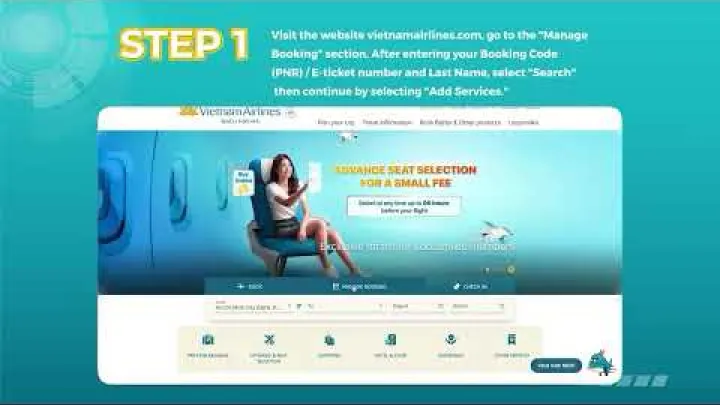
When changing flights, typical options include altering travel dates, times, or sometimes the routing. Any change is subject to the rules of the original fare you purchased. Some Vietnam Airlines booking classes allow free changes with possible fare differences, while more restrictive fares charge change fees or do not permit changes at all. If a new flight is more expensive than the original, you will usually pay the fare difference plus any applicable fees. If it is cheaper, refunds of the difference may be limited or not allowed, depending on the fare type.
Cancellations and refunds follow similar principles. Fully flexible or higher-priced fares are more likely to offer partial or full refunds, while discounted promotional fares may be non-refundable or carry significant penalties. Refunds can be processed back to the original payment method, or occasionally as travel vouchers, depending on policy and circumstances. Processing times can vary, and some requests may need manual review by the airline.
If you booked through a travel agency or an online travel platform, you may need to contact that company rather than Vietnam Airlines directly to change or cancel your ticket. In complex situations such as schedule changes, disruptions, or multi-airline itineraries, contacting Vietnam Airlines customer support or your agent is often the best approach. Because exact conditions depend on the specific fare type, route, and reason for change, always check the fare rules shown in your e-ticket and on the “Manage booking” page before making decisions.
Vietnam Airlines Check-in Options
Airport counter and kiosk check-in
Many passengers still prefer traditional check-in at the airport, especially when traveling with checked baggage, children, or special items. Vietnam Airlines operates check-in counters at its main hubs and at airports across its network. At these counters, staff verify your travel documents, tag and accept checked baggage, and issue boarding passes. This option is helpful if you need assistance with seat assignments, have questions about your itinerary, or are not comfortable using self-service tools.
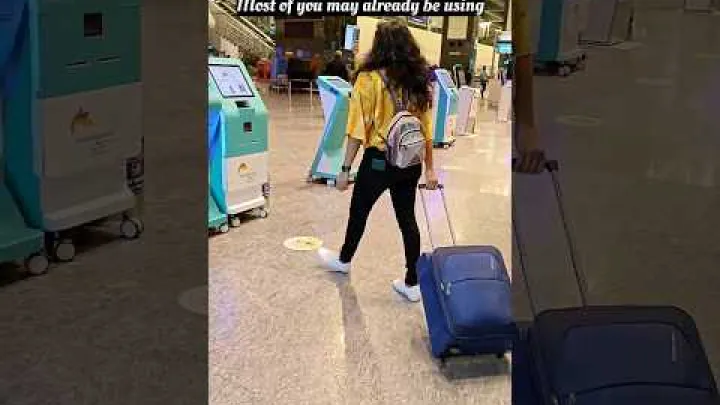
At some airports, Vietnam Airlines also offers self-service kiosks. These machines allow you to check in by entering your booking reference, frequent flyer number, or scanning a document. You can usually select or confirm seats and print boarding passes at the kiosk, then go to a dedicated bag-drop counter if you have luggage to check. Kiosk check-in can shorten waiting times, especially during busy periods, but may not be available at all locations or for all flights.
To make counter check-in smoother, plan to arrive at the airport well ahead of your flight. For domestic trips, travelers often aim to be at the terminal roughly a couple of hours before departure, while international flights generally require even more time for document checks, security, and immigration. Lines at check-in can be longer during holiday seasons, early morning peaks, or late-night waves of international departures. Preparing your passport, visa (if required), and booking confirmation in advance and having baggage within allowed limits will help speed up the process.
Passengers traveling with special baggage, mobility needs, or complex itineraries should allow extra time in case additional assistance or checks are required. Because each airport may have slightly different layouts and processes, follow the signs for Vietnam Airlines check-in and check the information screens for your flight number and counter area. For the most accurate and up-to-date check-in advice, always refer to your ticket, pre-departure emails, and the airline’s official website.
Vietnam Airlines web check-in: how it works
Vietnam Airlines web check-in is a convenient way to save time at the airport, especially if you are traveling with only carry-on baggage. By checking in online, you can confirm your seat, enter or verify passport information for international trips, and often obtain a digital or printable boarding pass before you leave home. This reduces the need to stand in standard check-in lines and can make your arrival at the airport much faster and more relaxed.
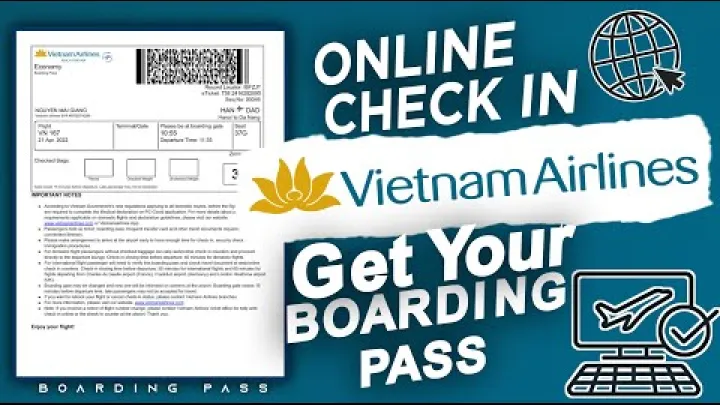
The exact appearance of the web check-in pages can change, but the core steps remain similar. The process usually opens a certain number of hours before departure and closes before the standard check-in cut-off. Not all flights or passengers are eligible; for example, some routes, codeshare flights, or travelers requiring special assistance may need to check in at the counter. Always review the instructions on the Vietnam Airlines website for your specific flight.
- Access the web check-in page. Go to the Vietnam Airlines website or open the mobile app and look for the “Check-in” or “Web check-in” option.
- Enter your booking details. Provide your booking reference and last name, or other requested information, to retrieve your reservation.
- Select the flight segment. If your booking includes multiple flights, choose the specific flight you want to check in for, such as your first departure of the journey.
- Confirm passenger information. Review and, if needed, complete required fields such as passport details or contact numbers. Ensure that all data matches your official documents.
- Choose or confirm seats. You may be able to select seats or confirm pre-assigned seats, depending on your fare type and seat map availability.
- Complete check-in and obtain your boarding pass. After confirming all details, submit the check-in form. You should then receive your boarding pass, which you can download, print, store in a mobile wallet, or collect at the airport if digital passes are not accepted at your departure point.
Even when you use Vietnam Airlines web check-in, you still need to respect airport security and boarding time requirements. If you have checked baggage, you must go to the appropriate bag-drop counter before the deadline. Keep your digital or printed boarding pass and identification documents ready for inspection at security checkpoints and boarding gates.
Check-in deadlines and required documents
Knowing check-in deadlines and required documents helps prevent stressful situations at the airport. Vietnam Airlines, like most carriers, sets time windows for when check-in opens and closes for both airport and web check-in. These times can differ between domestic and international routes and may vary by airport. On many domestic flights, check-in counters open a few hours before departure, while international flights typically open earlier to allow time for passport, visa, and sometimes health document checks.

Check-in closure times are equally important. They may be set to give Vietnam Airlines enough time to finalize the passenger list, load baggage, and complete other operational tasks before departure. Passengers who arrive after check-in closes may be denied boarding. Because specific timelines can change due to operational or regulatory reasons, do not rely on a single number; instead, always confirm the exact times in your booking confirmation, on the Vietnam Airlines website, or with your travel agent.
For documents, all passengers should carry a valid government-issued ID, such as a passport for international travel or a national ID where accepted for domestic flights. International travelers must also ensure they have any required visas, residence permits, or authorization documents for their destination and any transit countries. Some routes may require proof of onward or return travel, as well as health-related documents such as vaccination certificates or test results, depending on current regulations.
When checking in either online or at the airport, verify that the name on your ticket matches exactly the name in your passport or ID. Small differences can sometimes cause delays. Keep copies of your booking confirmation, hotel reservations, and travel insurance handy in case immigration or airline staff request additional information. Because visa and health rules change regularly, travelers should double-check requirements with official government sources or embassies well before departure and again close to the travel date.
Cabin Classes and Onboard Experience
Economy and Premium Economy overview
Vietnam Airlines offers different cabin classes to match various budgets and comfort expectations. Economy Class is the standard option available on almost all flights and is designed to provide a balance of price and essential services. Premium Economy, available on selected long-haul routes and aircraft, adds extra space and comfort for travelers who want a more relaxed journey without paying Business Class prices. Understanding these differences can help you decide which cabin suits your trip.
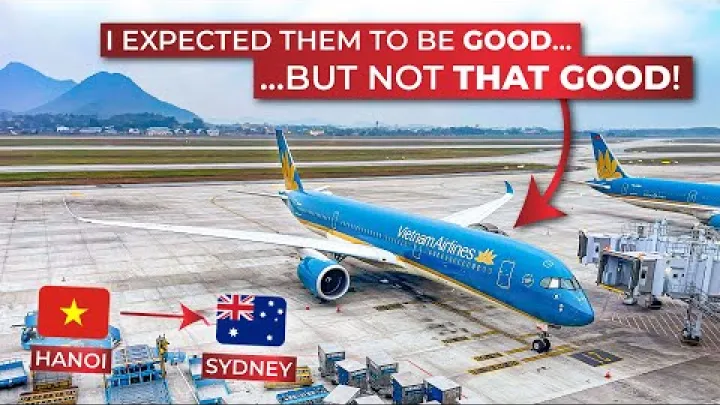
In Economy Class, seats are typically arranged in configurations suited to each aircraft type, with legroom that is comparable to many regional and international full-service carriers. Amenities usually include a personal or shared screen for inflight entertainment on longer flights, complimentary meals or snacks depending on route length, and a standard carry-on and checked baggage allowance on many international routes. On shorter domestic flights, service may be lighter, with drinks and snacks instead of full meals.
Premium Economy is usually offered on Vietnam Airlines wide-body aircraft such as the Boeing 787 and Airbus A350. Compared with Economy, these seats generally provide more legroom, a greater recline, and sometimes a wider seat with additional cushioning. The cabin is often smaller than the main Economy cabin, which can offer a quieter environment. Passengers in Premium Economy may receive upgraded meal choices, drinks, and sometimes small amenities such as better pillows or blankets.
Choosing whether to upgrade to Premium Economy often depends on the length of your flight and your personal comfort needs. On long overnight routes between Vietnam and Europe or Australia, the extra space and enhanced service can make a noticeable difference in rest and overall experience. Travelers who are taller, have back issues, or plan to work on board may find the added room worthwhile. Prices vary by route and season, so comparing the cost difference at the time of booking can help you decide if the upgrade fits within your budget.
Vietnam Airlines Business Class features
Vietnam Airlines Business Class is designed for travelers who prioritize comfort, privacy, and a higher level of service. It is especially popular on long-haul flights linking Vietnam with Europe and Australia, where passengers may spend many hours on board. While specific details differ slightly between aircraft types, the overall experience focuses on making it easier to work, rest, and arrive feeling refreshed.
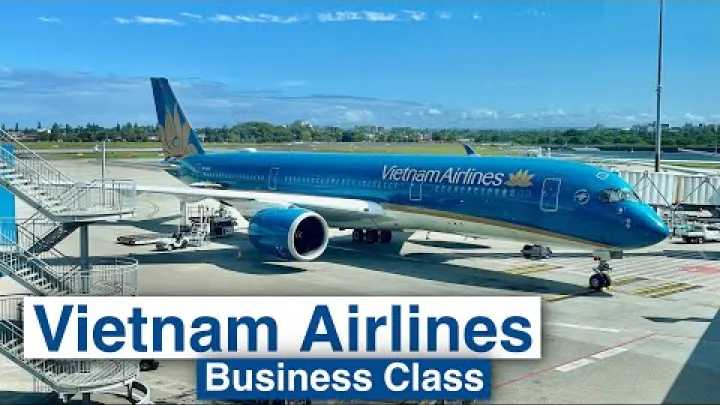
- Spacious seats: On most long-haul aircraft, Business Class seats convert into lie-flat or near lie-flat beds, with significantly more width and legroom than Economy.
- Enhanced privacy: Seat layouts and partitions are designed to give each traveler more personal space, which is useful for both sleeping and working.
- Priority services: Business passengers often benefit from priority check-in, security lanes in some airports, priority boarding, and faster baggage delivery on arrival.
- Lounge access: Where available, Business Class tickets include access to Vietnam Airlines or partner lounges, offering comfortable seating, refreshments, Wi‑Fi, and quiet areas before the flight.
- Upgraded dining: Meals are generally more elaborate, with multiple courses and a choice of Vietnamese and international dishes, along with a wider selection of drinks.
- Extra baggage allowance: Business Class passengers usually receive higher checked baggage allowances compared with Economy and sometimes Premium Economy.
- Amenities: On long-haul flights, amenity kits, better bedding, and sometimes additional services such as welcome drinks are provided.
For frequent travelers, Vietnam Airlines Business Class can also help with earning miles more quickly in the Lotusmiles program or alliance partner programs. When deciding whether to book Business Class, consider flight duration, the need to arrive rested for meetings or events, and possible corporate travel policies if you are flying for work. Reading recent Vietnam Airlines Business Class reviews and checking the aircraft type on your specific route can provide further insight into what to expect.
Inflight meals, entertainment and Wi-Fi
Inflight services such as meals and entertainment play a major role in overall comfort, especially on long flights. Vietnam Airlines offers different catering and entertainment options depending on route length, cabin class, and aircraft. On most international flights, passengers can expect at least one main meal service, while longer routes may include additional meals or snacks. The airline often showcases Vietnamese cuisine alongside international dishes, allowing travelers to experience local flavors in the air.

In Economy Class on short domestic routes, service may focus on drinks and light snacks, while longer domestic or regional flights may include more substantial meals. Premium Economy and Business Class passengers generally receive upgraded menu options, with more variety and sometimes the ability to choose from multiple main courses. Special meals for dietary needs, such as vegetarian, vegan, or religious requirements, can usually be requested in advance through the booking or “Manage booking” section, but must be ordered before a set deadline.
Inflight entertainment on Vietnam Airlines varies by aircraft type. On many long-haul aircraft such as the Boeing 787 and Airbus A350, each seat in Economy, Premium Economy, and Business Class has a personal screen with a selection of movies, TV shows, music, and sometimes games. On some older or regional aircraft, entertainment may be offered through overhead screens or may be more limited, so travelers who rely on entertainment may want to bring their own devices with downloaded content, plus headphones and a power bank within allowed safety rules.
Wi‑Fi availability on Vietnam Airlines is evolving and may not be present on all aircraft or routes. Where offered, passengers may be able to purchase data packages or, in some cabins, receive limited complimentary access. Because connectivity options can change as the airline upgrades its fleet and systems, check the latest information on the Vietnam Airlines website or in your booking details. As connectivity may be intermittent or slower than on the ground, travelers who need to work online should plan for offline alternatives as well.
Baggage Rules and Travel Policies
Carry-on baggage allowance
Carry-on baggage rules are important for all travelers, especially those who prefer to avoid checking bags or who carry valuable items such as laptops and cameras. Vietnam Airlines, like many full-service carriers, sets size and weight limits for cabin baggage to ensure safety and comfort in the overhead bins and under-seat spaces. While individual tickets may vary, understanding typical allowances helps you pack more efficiently.
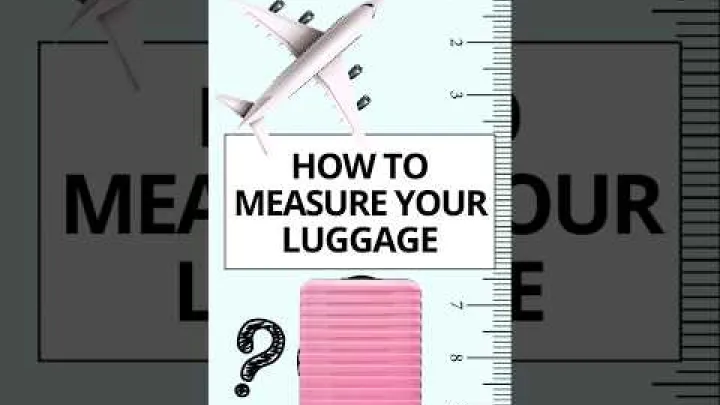
In general, passengers in different cabins may be allowed different amounts of carry-on baggage. Economy travelers usually receive at least one main cabin bag plus a smaller personal item, while Premium Economy and Business Class passengers may be allowed additional or heavier carry-on pieces. The exact limits in kilograms or dimensions are shown on your ticket or the airline’s website. Items such as laptops, small backpacks, handbags, or duty-free purchases often count as personal items if they fit under the seat in front of you.
The following simple table summarizes common patterns, but your specific allowance may differ and should always be checked on your booking:
| Cabin class | Typical carry-on allowance |
|---|---|
| Economy | Usually 1 cabin bag plus 1 personal item, within size and weight limits |
| Premium Economy | Often 1 cabin bag with slightly higher weight limit plus 1 personal item |
| Business Class | Commonly 2 cabin bags within specified total weight plus 1 personal item |
Carry-on items must also follow security regulations. Liquids, gels, and aerosols in cabin baggage are usually subject to restrictions, such as being carried in small containers placed in a transparent bag, depending on airport and country rules. Sharp objects, certain tools, and some sports equipment may not be allowed in cabin bags. Power banks and spare lithium batteries are normally required to be carried in cabin baggage rather than checked baggage, but they must meet power limits and should be protected from short circuits.
Because security and safety rules are set by both airlines and local authorities, always review the guidelines provided by Vietnam Airlines and the departure airport before packing. If in doubt about an item, contact the airline or airport, or place the item in checked baggage if permitted. Keeping your carry-on within the allowed size and weight reduces the risk of being asked to check it at the gate, which can delay boarding.
Checked baggage allowances by route and class
Checked baggage allowances on Vietnam Airlines depend on your route, cabin class, and sometimes your frequent flyer status or special promotions. For many domestic flights, the airline uses a weight-based concept, where your ticket specifies the total weight you may check across one or more bags. On many international routes, a piece concept applies, where you are allowed a certain number of bags, each up to a defined weight. Knowing which system your ticket uses is essential for avoiding extra fees at the airport.

Economy passengers on domestic routes often receive a standard weight allowance, while Premium Economy and Business Class may receive higher limits. On international flights, Economy passengers often have at least one checked bag included, whereas Premium Economy and Business Class tickets may include two or more pieces with higher maximum weights. Some special fares, such as basic or promotional tickets on certain routes, may offer reduced or even no free checked baggage, so it is important to read the fare description carefully during booking.
Lotusmiles elite members and alliance partner elites may receive additional baggage benefits, such as extra pieces or increased weight limits, when flying on eligible Vietnam Airlines flights. These benefits usually apply only when the traveler’s frequent flyer number is correctly added to the booking and may differ between tiers and routes. Checking your membership benefits on the program website before travel can help you plan how much you can bring.
Because precise baggage rules and numbers can change over time, you should not rely on generic weight figures. Instead, check the allowance printed on your e-ticket receipt or displayed in the “Manage booking” section for your specific itinerary. If you need to carry more than your allowance, Vietnam Airlines usually offers the option to purchase extra baggage in advance at lower rates than paying at the airport. Planning ahead can save both time and money and reduce stress on departure day.
Sports equipment, special baggage and restrictions
Many travelers to and from Vietnam carry more than standard suitcases. Sports enthusiasts may bring golf clubs, bicycles, surfboards, or diving equipment, while others may need to transport musical instruments, fragile artwork, or business samples. Vietnam Airlines has specific policies for these kinds of special baggage to ensure safe handling and appropriate space on the aircraft. Some items can be checked as part of the regular baggage allowance if they fit within size and weight limits, while others may incur additional fees or require prior approval.

Sports equipment such as golf bags or skis is often accepted as checked baggage, sometimes counting as a standard piece and sometimes subject to special charges if oversized or overweight. Bicycles and surfboards usually have strict packing and dimension requirements, and in some cases, you may need to sign a limited liability release. Fragile items or musical instruments may require special handling, such as being carried in a hard case or, for large instruments, being transported in the cabin on a paid extra seat, subject to airline approval.
Vietnam Airlines, like all airlines, also has lists of prohibited or restricted items in both checked and cabin baggage. These commonly include explosives, flammable liquids, certain chemicals, and other dangerous goods. Some items, such as batteries or electronic devices, have specific rules about where and how they must be packed. Regulations can differ between countries and may change over time as safety standards are updated.
If you plan to travel with unusual baggage or are unsure whether an item is allowed, the safest approach is to contact Vietnam Airlines or your travel agent well before your departure date. Providing details about the item’s size, weight, and nature will help the airline advise you on packaging, fees, and any special procedures. Confirming requirements in advance reduces the risk of surprises at check-in and helps ensure that your equipment or valuables arrive safely with you.
Vietnam Airlines for International Travelers
Key routes to Europe, Australia and the United States
Vietnam Airlines plays a significant role in linking Vietnam with major regions such as Europe and Australia. The airline operates long-haul flights from its hubs in Hanoi and Ho Chi Minh City to key European cities, offering convenient options for both Vietnamese travelers and international visitors. Routes typically focus on major capitals or large cities with strong tourism and business ties to Vietnam, providing direct or near-direct access without complicated connections.
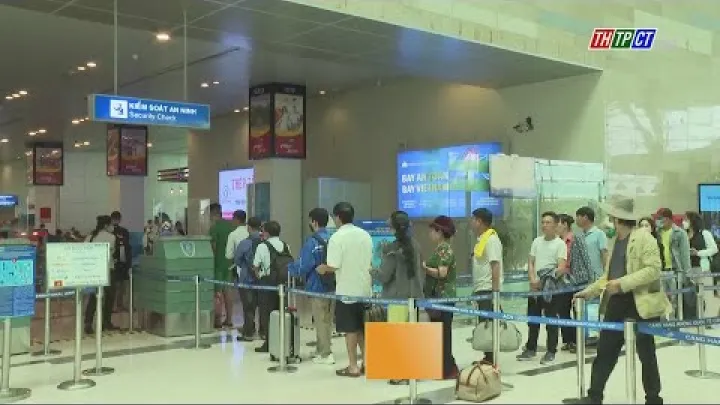
To Australia, Vietnam Airlines usually serves major gateways that attract both tourists and students, making it a popular choice for those studying abroad or visiting family. These routes often operate with wide-body aircraft like the Boeing 787 or Airbus A350, providing Business, Premium Economy (on some flights), and Economy cabins. Flight schedules are generally coordinated to allow smooth connections with domestic services within Vietnam, enabling travelers to arrive in Hanoi or Ho Chi Minh City and continue to cities such as Da Nang, Nha Trang, or Hue.
For travelers from the United States, direct nonstop services with Vietnam Airlines may be limited or evolving, so passengers often reach Vietnam via partner airlines and alliance hubs. For example, a journey might involve flying from a U.S. city to a major Asian or European hub on an alliance partner, then connecting to a Vietnam Airlines flight to Hanoi or Ho Chi Minh City. Codeshare agreements can make this process more seamless by allowing a single ticket, through-checking of baggage, and coordinated schedules.
Long-haul passengers commonly transit through Vietnam for onward travel within Southeast Asia as well. When planning such trips, consider total travel time, layover length, and whether you prefer to arrive and depart from the same Vietnamese hub. Checking route maps and schedule tools on the Vietnam Airlines website can help you see the main corridors between Vietnam and Europe or Australia and how they connect with other destinations.
Connecting in Vietnam and regional Asia routes
Vietnam’s geographic position makes it a convenient gateway for travel across Southeast and Northeast Asia. Vietnam Airlines operates numerous regional routes from Hanoi and Ho Chi Minh City to destinations such as Bangkok, Singapore, Kuala Lumpur, Seoul, Tokyo, and various cities in China. This network allows travelers to use Vietnam as a transit point or to combine multiple countries in one trip, such as visiting Vietnam and then flying onward to another Asian destination.

Connections through Vietnamese hubs usually follow standard airport transfer procedures. For international-to-international connections, passengers often remain in the transit area, follow transfer signs, and pass through security screening before reaching the next gate. For international-to-domestic connections, additional steps are usually required, such as immigration, baggage collection, customs, and re-checking bags for the domestic leg. Minimum connection times can vary depending on airport layout, time of day, and whether the flights are on a single ticket.
To ensure a smooth connection, it is wise to allow extra time between flights, especially if you are unfamiliar with the airport or need to change terminals. Booking both legs on Vietnam Airlines or on a single, coordinated ticket with alliance partners can simplify baggage handling and rebooking options if delays occur. If you have a tight connection, sit closer to the front of the aircraft when possible and prepare your documents in advance to move quickly through formalities.
Popular regional destinations served by Vietnam Airlines or its partners include major cities throughout Southeast Asia, as well as key hubs in North Asia such as Seoul and Tokyo. These routes are useful not only for tourists but also for business travelers and expatriates who frequently move within the region. Reviewing airport maps, paying attention to gate information on arrival, and following clearly marked transfer signs will help you navigate connections with confidence.
Cheapest airlines to Vietnam vs full-service carriers
Travelers comparing the cheapest airlines to Vietnam with full-service carriers such as Vietnam Airlines face a common question: is the lower base fare of a low-cost carrier better value than a higher-priced ticket that includes more services? The answer depends on your travel style, baggage needs, and how you value comfort and flexibility. Understanding the typical differences between low-cost and full-service models helps you compare options fairly.
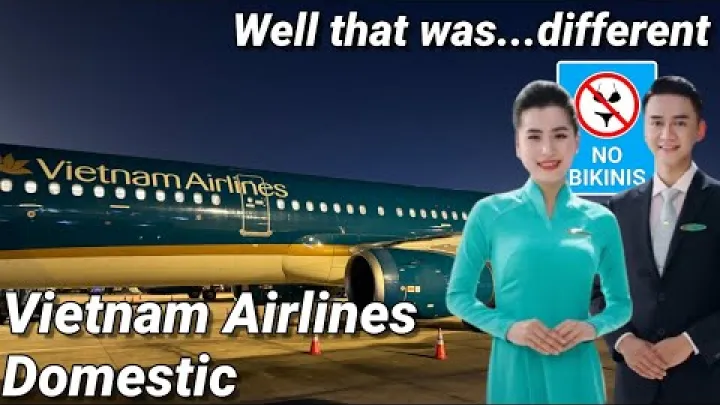
Low-cost airlines often advertise very attractive base fares but charge separately for many services. Checked baggage, seat selection, onboard meals, and sometimes even cabin baggage above a small limit can add to the final price. Full-service carriers such as Vietnam Airlines usually include at least one checked bag on many international routes, meals or snacks, and standard seat selection within certain zones in the main fare. Change and cancellation rules may also be more flexible or clearly structured.
The following simple table summarizes common distinctions in price structure and onboard experience:
| Feature | Low-cost airlines (typical) | Vietnam Airlines and similar full-service carriers (typical) |
|---|---|---|
| Base fare | Often very low, with many add-on fees | Usually higher, but includes more services |
| Checked baggage | Usually charged separately | Often included on many routes and cabins |
| Meals and drinks | Typically paid on board | Generally included, especially on longer flights |
| Seat comfort | More basic, less legroom in many cases | Standard full-service comfort; Premium and Business options available |
| Change and refund options | Often strict and costly | Range of fare types, including more flexible options |
When comparing “cheapest airlines to Vietnam” searches with Vietnam Airlines fares, always calculate the total cost, including all services you realistically need. If you plan to check bags, eat a meal on board, and want some flexibility to change dates, a full-service ticket may offer better overall value despite a higher starting price. On the other hand, if you travel very light and have fixed dates, a low-cost carrier might be suitable. Keeping these trade-offs in mind helps you choose the option that matches your priorities.
Loyalty Program and Benefits
Overview of Lotusmiles membership
Lotusmiles is the frequent flyer program of Vietnam Airlines, designed to reward regular travelers with benefits such as miles, priority services, and sometimes extra baggage. Membership is free and open to both Vietnamese and international passengers, making it a useful program for anyone who plans to fly with Vietnam Airlines or its partners more than occasionally. Signing up before your first flight allows you to earn miles immediately rather than missing out on potential rewards.

Basic Lotusmiles membership starts at an entry level where you can earn miles on eligible flights based on fare type and distance traveled. You can typically enroll online through the Vietnam Airlines website or at ticket offices and some airport counters. Once you receive a membership number, you should add it to all new and existing bookings to ensure miles are credited correctly. The program is linked to Vietnam Airlines’ alliance partners, so in many cases you can also earn miles when flying with other airlines in the same alliance or on selected codeshare routes.
Beyond earning miles, Lotusmiles members may receive occasional promotions, partner offers, or communication about special fares. While base-level benefits are mainly focused on mileage accumulation, higher tiers introduce more tangible perks such as priority check-in or extra baggage. Keeping your contact information up to date in your Lotusmiles profile helps ensure you receive notifications about such opportunities.
Earning and redeeming miles on Vietnam Airlines
Earning miles in Lotusmiles is straightforward once you understand the main sources. The primary way is by flying on Vietnam Airlines-operated flights and eligible routes with alliance partners. The number of miles you earn depends on the fare class, booking code, and flight distance or a percentage of that distance. Lower-priced fares may earn fewer miles than more flexible or premium cabins, while Business Class tickets generally earn at a higher rate. In some markets, co-branded credit cards, hotel partners, or car rental companies may also allow you to earn additional miles.

To make sure you receive credit, always enter your Lotusmiles number when booking or during check-in. After travel, you can log into your profile on the Vietnam Airlines website or app to check your mileage balance and activity history. If a flight does not appear, there is usually a process to claim missing miles by providing your ticket and boarding pass details, within a defined time limit.
Redeeming miles can be one of the most attractive aspects of the program. Common uses include award tickets on Vietnam Airlines flights, upgrades from Economy to Premium Economy or Business Class on eligible routes, and sometimes extra services or partner rewards. Popular redemptions often focus on long-haul flights between Vietnam and Europe or Australia, where the cash price of tickets can be higher and mileage use may feel more valuable.
Because mileage rates and award charts can change over time, it is important to check the latest redemption tables and terms directly on the Lotusmiles or Vietnam Airlines website before planning a trip. Availability for award seats can be limited at peak times, so flexibility with travel dates and routes can increase your chances of using miles successfully. Planning redemptions well in advance and monitoring availability across different days can help you make the most of your accumulated miles.
Elite tiers, lounge access and partner airlines
Lotusmiles includes several elite tiers above the basic membership level, each offering extra privileges designed to reward travelers who fly frequently with Vietnam Airlines and its partners. Members typically qualify for these tiers by flying a certain number of miles or segments per year, or by meeting a combination of distance and flight requirements. Exact thresholds can change, so you should always consult the current program rules for up-to-date qualification criteria.

Elite status benefits usually include priority check-in, priority boarding, additional baggage allowance, and, at higher levels, lounge access when flying on Vietnam Airlines or eligible partner flights. Lounge access allows you to relax in a quieter environment before departure or during connections, with seating, food and beverages, Wi‑Fi, and in some cases showers or work areas. Priority services can also help reduce waiting times at the airport, particularly during busy travel periods.
Because Vietnam Airlines belongs to a global airline alliance, elite status with Lotusmiles is often recognized when you fly with other member airlines. This means that if you hold a certain tier in Lotusmiles, you might enjoy benefits such as priority boarding or extra baggage on partner airlines, even when your flight is not operated by Vietnam Airlines. The exact set of benefits depends on the alliance and the specific partner, so checking the alliance section of the Lotusmiles website before your trip is recommended.
For frequent international travelers, understanding how Lotusmiles elite tiers work can influence booking decisions. Concentrating your flying on Vietnam Airlines and its alliance partners can make it easier to qualify for or maintain status, which in turn enhances your overall travel experience. However, because qualification rules and perks change from time to time, it is important to stay informed directly through the program’s official communications.
Digital Tools, Support and Contact
Website, mobile app and digital services
Vietnam Airlines provides several digital tools that simplify planning and managing your journey. The official website is the central platform where you can search for flights, complete Vietnam Airlines booking online, check in, and manage existing reservations. It also offers information about routes, schedules, baggage rules, travel policies, and the Lotusmiles program. For many travelers, this site is the primary reference for up-to-date information about flights and services.

The Vietnam Airlines mobile app extends many of these functions to smartphones and tablets. Through the app, you can search and book flights, perform Vietnam Airlines web check-in, store mobile boarding passes where supported, and receive notifications about gate changes or delays. The app typically includes features for managing your Lotusmiles account, such as viewing your mileage balance and digital membership card. Because operating systems and device models vary, detailed instructions may differ, but the core concepts of searching, booking, and checking in are similar.
Additional digital services include flight status search, timetable tools, and sometimes travel inspiration or destination information. These can help you track the punctuality of a specific flight or plan connections with more confidence. When you book directly with Vietnam Airlines, entering an up-to-date email address and mobile number allows the airline to send important operational messages, such as schedule changes or check-in reminders.
Using digital boarding passes where available can reduce paper use and make your airport experience more convenient. However, not all airports or security checkpoints accept mobile passes, and some may require a printed version. It is good practice to have a backup copy or to know how to access your boarding pass offline in case of network issues. Familiarizing yourself with the website and app before travel can save time when you most need it, such as during unexpected disruptions.
Vietnam Airlines hotline and customer support
Even with strong digital tools, there are times when speaking to a person is necessary. The Vietnam Airlines hotline and customer support channels exist to handle questions and issues that cannot easily be resolved online. These may include urgent booking changes close to departure, complex itineraries involving multiple airlines, or special assistance requests such as traveling with medical needs or unaccompanied minors.

Vietnam Airlines provides different hotline numbers for various countries or regions to ensure local language support and easier access from abroad. Rather than relying on numbers found in old documents or third-party websites, you should always look up the current contact details on the official Vietnam Airlines site. There, you can usually select your country or region and see the relevant phone numbers and service hours.
Common reasons to contact the Vietnam Airlines hotline include:
- Making urgent changes or cancellations when online tools are unavailable or restricted by fare rules.
- Handling disruptions such as delayed, rerouted, or canceled flights and learning about rebooking options.
- Requesting special services, including assistance for passengers with reduced mobility or specific medical needs.
- Clarifying baggage rules, special equipment handling, or travel document requirements when your situation is unusual.
- Resolving payment issues or problems with ticket issuance.
In addition to hotlines, Vietnam Airlines often offers support through email forms on its website, ticket offices in certain cities, and sometimes through official social media accounts. For urgent matters relating to a flight within the next day or two, phone support is usually more effective than email. When contacting support, have your booking reference, full name, and flight details ready to speed up the process.
Disruption handling, refunds and travel alerts
Flight disruptions can occur for many reasons, including weather, air traffic control restrictions, operational issues, or events at airports. Understanding in general terms how Vietnam Airlines handles delays, diversions, and cancellations can help you respond calmly if your travel is affected. While specific rights and obligations vary by country and ticket type, airlines typically offer options such as rebooking, refunds under certain conditions, or assistance with meals and accommodation in some scenarios.

When a disruption happens, Vietnam Airlines may notify you by email, SMS, or app alerts if your contact details are current in the booking. Airport information screens and public announcements also provide updates, so it is important to watch these regularly once you are at the terminal. In some cases, staff will proactively rebook passengers on the next available flight, while in others you may need to contact the airline or your travel agent to explore options.
Refunds and compensation policies depend on factors such as the cause of the disruption, the laws of the country of departure or arrival, and the conditions of your ticket. For example, regulations in some regions set minimum standards for care or reimbursement, while in others, airline policies apply. Travel insurance can also play a role, covering costs that airlines do not, such as extra nights in hotels or missed connections on separate tickets.
To stay informed, consider checking the Vietnam Airlines website for travel alerts before you leave for the airport. These alerts may mention weather affecting certain airports, temporary schedule changes, or new travel and health regulations. When disruptions occur, keeping receipts and documentation of additional expenses can be useful if you later file claims with the airline or your insurer. Because official policies and passenger rights vary widely between jurisdictions, always verify your specific situation with the airline, relevant authorities, or your insurance provider.
Frequently Asked Questions
Practical answers about Vietnam Airlines booking, check-in and baggage
The following Frequently Asked Questions section is designed as a quick reference for common issues related to Vietnam Airlines booking, web check-in, and baggage rules. It condenses many of the main points from earlier sections into short, direct answers that you can consult when you need a reminder close to your travel date.
Questions cover topics such as how to check in online with Vietnam Airlines, typical airport check-in times, standard baggage allowances, and key aspects of Vietnam Airlines Business Class. They also explain how to change or cancel a booking and how to contact customer service from overseas. For more detailed explanations, you can refer back to the relevant sections in this guide.
How do I check in online for a Vietnam Airlines flight?
You can check in online for a Vietnam Airlines flight through the official website or mobile app. Enter your booking reference and last name, select your flight, choose or confirm your seat, and complete the check-in process. After that you can download or email your boarding pass, or collect it at the airport if needed.
When does Vietnam Airlines check-in open and close at the airport?
Vietnam Airlines airport check-in usually opens about 2 to 3 hours before departure for domestic flights and about 3 hours or more for international flights. Check-in typically closes 40 to 60 minutes before departure depending on the route and airport. Passengers should always verify the exact times in their booking confirmation or on the airline’s website.
What is the baggage allowance on Vietnam Airlines?
Vietnam Airlines baggage allowance depends on route and cabin class but generally includes at least one piece of carry-on and one piece of checked baggage on most international tickets. Economy passengers often receive 1 piece of checked baggage, while Premium Economy and Business Class may receive 2 pieces with higher weight limits. The exact allowance is shown on each ticket and should be checked before travel.
Is Vietnam Airlines a safe and reliable airline to fly with?
Vietnam Airlines is considered a safe and reliable airline with a modern Airbus and Boeing fleet and adherence to international safety standards. The airline has significantly improved its safety record over time through fleet renewal and enhanced training. It is certified as a 4-star airline by Skytrax and is the national flag carrier of Vietnam.
How can I change or cancel a Vietnam Airlines booking online?
You can usually change or cancel a Vietnam Airlines booking online via the “Manage booking” section of the website or app using your booking reference and last name. Change and cancellation options depend on the fare type and route, and fees may apply. For complex itineraries or special cases, contacting customer service or your travel agent is recommended.
What is Vietnam Airlines business class like on long-haul flights?
Vietnam Airlines business class on long-haul flights typically features lie-flat seats, priority services, upgraded meals, and access to lounges. Passengers usually receive larger baggage allowances and enhanced onboard amenities such as better bedding and amenity kits. Service is designed to reflect Vietnamese hospitality combined with international standards.
How do I contact Vietnam Airlines customer service from overseas?
You can contact Vietnam Airlines customer service from overseas by using the hotline numbers listed on the official website for each country or region. Many passengers also use the online contact form, email addresses, or social media channels provided by the airline. For urgent issues related to an existing booking, using the local hotline is usually the fastest option.
Does Vietnam Airlines offer web check-in for international routes?
Vietnam Airlines offers web check-in for many international routes, especially from major airports it serves regularly. Some departure points or special cases, such as certain codeshare flights or documents that need manual checking, may not be eligible. Passengers should confirm web check-in availability by entering their booking on the website or app before departure.
Conclusion and Next Steps for Flying with Vietnam Airlines
Key takeaways for planning your Vietnam Airlines trip
Planning a trip with Vietnam Airlines involves a few clear stages: choosing routes and cabins, completing your Vietnam Airlines booking online or through an agent, checking in via the web or at the airport, and preparing baggage within the airline’s rules. Understanding how Economy, Premium Economy, and Business Class differ helps you choose the right level of comfort, while knowing your carry-on and checked baggage allowances reduces surprises at the airport. Digital tools such as the website, app, and “Manage booking” function make it easier to adjust plans if needed.
Within Vietnam and across Asia, Vietnam Airlines offers an extensive network, and through its alliance partners it connects to Europe, Australia, and many other regions. Whether you are traveling for tourism, study, or business, combining knowledge of booking and check-in procedures with awareness of baggage, visa, and health requirements will support a smooth experience. As airline policies, schedules, and international regulations continue to evolve, always confirm the latest information on official channels before you fly.
Next steps: compare options and prepare for your flight
Once you have a general understanding of how Vietnam Airlines operates, you can compare its flights with other carriers based on total value rather than price alone. Consider what each ticket includes in terms of baggage, meals, flexibility, and cabin comfort, especially for long-haul journeys. If you expect to fly regularly, enrolling in the Lotusmiles program may add long-term benefits through mileage earning and potential elite status perks.
Before departure, it can be helpful to create a simple checklist covering your passport and visas, flight booking and check-in method, baggage allowance, and planned arrival time at the airport. Reviewing your booking confirmation, monitoring any travel alerts, and ensuring that your contact details are up to date with Vietnam Airlines will keep you informed about any changes. With these preparations in place, you will be better positioned for a straightforward and predictable journey with Vietnam’s national carrier.
Your Nearby Location
Your Favorite
Post content
All posting is Free of charge and registration is Not required.