Sa Pa Travel Guide: Planning Your First Trip to Northern Vietnam
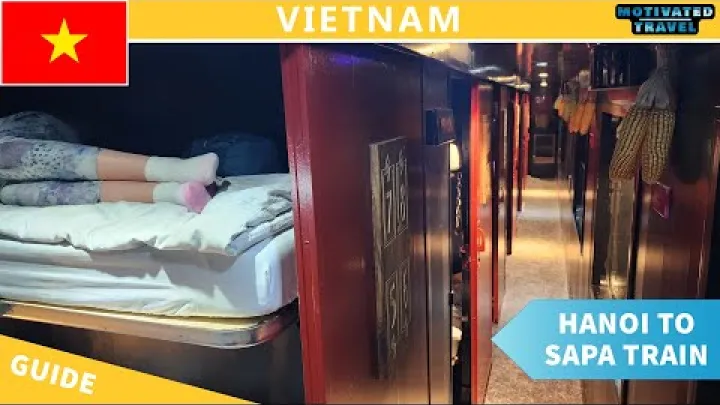
This Sa Pa travel guide is for first-time visitors who want a practical, realistic plan for Northern Vietnam. Sa Pa is known for highland scenery, terraced valleys, trekking routes, village visits, and cooler mountain weather, but it also requires careful decisions about transport, weather, and where to stay. This guide explains how long to spend, how to get there from Hanoi, what to do, how to budget, and how to travel respectfully. It also shows how Sa Pa can fit into a wider Northern Vietnam itinerary without making the trip feel rushed.
Start Here: What Sa Pa Offers First-Time Visitors
Sa Pa rewards travelers who like mountain views, slower days, and outdoor activities. It is not only a viewpoint stop; the best experience usually comes from choosing the right base, leaving room for weather changes, and understanding that the town and the surrounding valleys feel different.
Where Sa Pa Fits In Northern Vietnam
Sa Pa is a highland destination in Lao Cai Province, close to Vietnam’s northern mountains. Most international travelers reach it through Hanoi, either by road to Sa Pa town or by train to Lao Cai City followed by a road transfer. This makes Sa Pa a natural addition to a Northern Vietnam route rather than a place most visitors reach as a standalone first stop.
The main appeal is a mix of terraced landscapes, mountain air, valley views, trekking, village visits, and access to Fansipan. Muong Hoa Valley is one of the most common scenic areas associated with Sa Pa trips, while nearby places such as Cat Cat Village and Ta Phin are often included in short outings. For many travelers, Sa Pa works best after a few days in Hanoi, when they are ready for a cooler and more rural-feeling change of pace.
What Makes Sa Pa Different From Other Vietnam Stops
Sa Pa feels very different from Hanoi, Ninh Binh, the coast, or southern Vietnam. The climate is cooler, the roads are steeper, and the experience is more dependent on visibility and walking conditions. A day that looks simple on a map can feel demanding if rain, fog, or steep paths are involved.
Sa Pa is also more developed than some remote mountain areas in Northern Vietnam. Travelers can find hotels, restaurants, cafes, tour agencies, transport offices, and cable car infrastructure for Fansipan. This makes it easier for first-time visitors than more remote mountain routes, but it also means central Sa Pa town can feel busy and commercial, especially around popular travel periods. The surrounding valleys and rural lodges can feel quieter, though they may require more planning for transfers and meals.
| Destination | Best for | Main trade-off |
|---|---|---|
| Sa Pa | Terraces, trekking, mountain views, easier services | Weather and commercialization can affect the experience |
| Ha Giang | Remote mountain roads and dramatic landscapes | Longer travel times and more demanding logistics |
| Ninh Binh | Shorter transfer from Hanoi, boat trips, limestone scenery | Less of a highland trekking experience |
How Long To Spend In Sa Pa
Most first-time visitors should plan two to three nights in Sa Pa. Two nights can work for a classic visit with one main trekking or village day and one weather-dependent activity such as Fansipan. Three nights gives more breathing room, especially if you want a slower pace or a rural stay.
One night is possible, but it often feels rushed because the journey from Hanoi takes time and weather can change quickly. Four nights or more is useful if you want an overnight homestay, photography time, a market side trip, or flexibility in case fog hides the views on your first day.
Best Time To Visit Sa Pa
The best time to visit Sa Pa depends on what you want most: clear mountain views, comfortable trekking, rice terrace scenery, fewer crowds, or a cooler town-based break. Because Sa Pa is in the highlands, it is better to plan with flexibility than to expect perfect conditions.

Spring And Autumn For The Easiest Planning Window
Spring and autumn are often the easiest seasons to plan around because temperatures are generally more comfortable for walking and visibility can be better than during very wet or very cloudy periods. These are practical windows for first-time visitors who want to trek, visit viewpoints, and avoid the extremes of heat or cold.
If rice terrace views are a priority, remember that the fields change by agricultural season. Depending on timing, you may see water-filled terraces, green fields, golden rice, or harvested slopes. Conditions can vary from year to year, so ask your hotel, guide, or the Sa Pa Tourist Information Center for recent local updates before building the whole trip around a specific terrace look.
Rain, Fog, Cold, And Visibility Trade-Offs
Rain can make trekking routes muddy, slippery, and slower than expected. Fog and cloud can hide the valley views and reduce the reward of high viewpoints, including Fansipan. A mountain day that looks excellent in clear weather can feel very different if the summit is covered in cloud.
Cooler and mistier periods can still be enjoyable if you like atmosphere, cafes, short walks, and a quieter town-based stay. Pack properly, avoid committing to a long trek without checking conditions, and keep your clearest forecast day for Fansipan or major viewpoints if your schedule allows.
What To Pack For Highland Weather
Pack for changeable weather rather than one fixed season. Useful items include layered clothing, a light rain jacket or poncho, shoes with good grip, and warmer layers for early mornings, evenings, and higher elevations. Even if the town feels mild, wind and cloud can make viewpoints feel cold.
For trekking days, bring water, sunscreen, a small amount of cash, basic blister care, and a dry bag or plastic pouch for electronics. If you plan to walk on rural paths, avoid smooth-soled shoes. Steep wet ground is one of the most common practical challenges in Sa Pa.
Getting To Sa Pa And Moving Around Locally
Most travelers reach Sa Pa from Hanoi. The main choices are overnight train plus road transfer, direct bus or sleeper coach, and private transfer. The best option depends on comfort, budget, luggage, schedule, and how you feel about mountain roads.
Overnight Train To Lao Cai Then Transfer To Sa Pa
The train does not go directly to Sa Pa town. It runs between Hanoi and Lao Cai, so travelers need an onward road transfer from Lao Cai Railway Station to Sa Pa. This option is useful if you prefer rail travel, want an overnight journey, or prefer not to spend the entire route on a bus.
Before booking, check the current timetable, cabin type, luggage rules, boarding station, and transfer arrangements. Some rail products are sold as sleeper cabin tickets with add-on or separate transfers, so read the booking details carefully. Transport platforms such as Klook show the Hanoi to Lao Cai sleeper train route and typical booking categories, but you should still confirm current times close to travel.
Direct Bus Or Sleeper Coach From Hanoi To Sa Pa
Direct buses and sleeper coaches can take travelers closer to Sa Pa town without the Lao Cai rail transfer. This is often the most convenient choice for travelers who want fewer steps between Hanoi and their hotel area. Vehicle types vary, including sleeper buses and more premium cabin-style coaches.

Comfort and reliability depend on the operator, seat or bed type, pickup point, arrival point, driving conditions, and cancellation rules. Check recent reviews, the exact pickup address in Hanoi, the drop-off area in Sa Pa, and whether the bus arrives at a practical time for hotel check-in. Booking pages such as Klook illustrate common Hanoi to Sa Pa sleeper bus options, but current departure times and vehicle details should always be checked before purchase.
Choosing Between Train, Bus, And Private Transfer
There is no single best transport choice for every traveler. The train can feel more spacious for some people but requires the Lao Cai transfer. The bus is more direct but involves a long road journey. A private transfer is the most flexible but usually costs more and still depends on mountain road conditions.
| Option | Best for | Consider before booking |
|---|---|---|
| Train to Lao Cai plus transfer | Travelers who prefer rail and overnight cabins | Requires road transfer to Sa Pa town |
| Direct bus or sleeper coach | Convenience and fewer transport steps | Comfort and pickup points vary by operator |
| Private transfer | Families, groups, late arrivals, flexible timing | Higher cost and mountain road travel |
Avoid tight onward connections after arriving in Sa Pa, especially in poor weather. If you feel anxious about night road journeys, consider daytime travel or a reputable operator with clear pickup and drop-off information. It is better to arrive with extra time than to plan a complex transfer chain around fixed views or tours.
Walking, Taxis, And Local Transfers In Sa Pa
Central Sa Pa town can be explored on foot, but the town is steep and the weather can make streets and paths slippery. Walking between cafes, restaurants, tour offices, and central hotels is usually manageable for many visitors, but it may be tiring with luggage or during heavy rain.
Use taxis, hotel-arranged cars, or tour transfers for trailheads, rural accommodation, Fansipan access, and late arrivals. If you are staying outside the center, check whether your property can arrange pickup and whether the access road is suitable in wet weather. Mountain biking and similar activities can be rewarding for fit and experienced travelers, but they should not be treated as casual transport for everyone.
Where To Stay In Sa Pa
Your base will shape the whole trip. Central Sa Pa town is convenient, valley-view hotels offer scenery with some comfort, and rural homestays or lodges suit slower, more immersive stays. The right choice depends on how much you value easy logistics compared with quiet surroundings.

Central Sa Pa Town For First-Time Convenience
Central Sa Pa town is the easiest base for first-time visitors. It puts you close to restaurants, cafes, tour agencies, transport offices, small shops, and basic services. If you arrive late, leave early, or only have two nights, this convenience can matter more than having the quietest location.
The trade-off is atmosphere. The center can feel busy, commercial, and noisy, especially near popular streets and transport areas. Choose central Sa Pa if you want simple logistics, but check recent hotel reviews for noise, heating, humidity, and whether the property is on a steep side street.
Valley-View Hotels On Quieter Slopes
Hotels on slopes facing the valleys can offer a more scenic stay than the town core. A balcony or large window can make a big difference if you want to enjoy the mountains without leaving your accommodation. These properties often appeal to couples, photographers, and travelers who want comfort with views.
Views are not guaranteed every day. Fog and cloud can hide the mountains, and not every room in a hotel has the same outlook. Before booking, check the map location, recent guest photos, room category, heating, access road, and whether you will need taxis to reach restaurants or tour meeting points.
Village Homestays And Rural Lodges
Village homestays and rural lodges suit travelers who want quieter evenings, local meals, trekking access, and more time outside the town center. They can be especially rewarding if you plan a guided walk or want to understand the landscape at a slower pace.
Comfort varies widely. Ask about private or shared bathrooms, heating, bedding, meals, Wi-Fi, transport, luggage storage, and guide arrangements. Treat homestays as real accommodation in living communities, not as staged cultural attractions. Be respectful around homes, family spaces, and daily work.
Best Base Area By Travel Style
Choose your base according to the trip you want, not only by the cheapest room or the most dramatic photo. A beautiful rural stay may be frustrating if you need restaurants and transport offices nearby. A central hotel may be perfect for a short stay even if it is less peaceful.
| Traveler type | Best base | Main trade-off |
|---|---|---|
| Short first visit | Central Sa Pa town | Convenient but busier |
| Scenery-focused stay | Valley-view hotel | Better views but more taxis or walking |
| Trekking and slower travel | Rural homestay or lodge | Less convenient for town services |
Top Things To Do In Sa Pa
The best things to do in Sa Pa are strongly affected by weather, fitness, and how much time you have. Avoid filling every day with fixed activities. Choose one main priority, then add shorter outings around it.
Trekking Through Terraces And Villages
Trekking is one of the main reasons to visit Sa Pa. Options range from short guided walks to full-day hikes and overnight routes through terraces, valleys, streams, and rural paths. The exact difficulty changes with rain, heat, fog, trail conditions, and your fitness.

A local guide is strongly recommended for longer routes, wet conditions, unfamiliar trails, or culturally sensitive village areas. Before booking, ask what is included in the price: guide language, meals, water, entrance fees, transfers, homestay conditions, and return transport. If you are not confident on steep or muddy paths, choose a shorter route rather than forcing a full-day trek.
Fansipan Mountain And The Summit Area
Fansipan is one of the most popular excursions near Sa Pa. Many visitors access the summit area using cable car infrastructure, followed by additional walking and stairs depending on the route and ticket type. It can be a memorable mountain experience, but it is highly weather-dependent.
Cloud cover can remove the panoramic view, while wind, cold, altitude, stairs, and crowds can affect comfort. If your itinerary is flexible, save Fansipan for the clearest forecast day. Check current ticketing, operating times, and access conditions before going, especially during poor weather or busy holiday periods.
Cat Cat Village, Ta Phin, And Nearby Cultural Stops
Cat Cat Village, Ta Phin, and other nearby stops are common choices for travelers who want a shorter outing from Sa Pa town. These visits can combine scenery, walking, textiles, food, and local context, depending on the route and guide.
Some popular places can feel commercial, especially when many tour groups arrive. That does not mean they are not worth visiting, but it does change the experience. Ask permission before taking photos of people, homes, children, or work activities. If you buy textiles or crafts, bargain politely and remember that a purchase is a human exchange, not only a souvenir transaction.
Markets And Adventure Side Trips In Lao Cai Province
Bac Ha Sunday Market is a possible side trip within Lao Cai Province if your timing and transport make sense. It is not a casual add-on for a very short Sa Pa stay because road transfers can take time. Check the current market day, travel time, and return options before committing.
Adventure activities such as canyoning are also associated with the Sa Pa area, but they require proper operators, suitable weather, equipment, and fitness. The Lao Cai Provincial Portal describes canyoning and other tourism activities in the province, but travelers should still check current operating conditions and safety standards directly with providers. Do not add specialist adventure activities simply to make an itinerary look full.
Costs, Booking, And Practical Travel Basics
Sa Pa can work for budget travelers, mid-range visitors, and comfort-focused trips. Costs depend heavily on season, accommodation type, transport choice, private versus group tours, and whether you include Fansipan or longer side trips.
Budget Planning Without Overpromising Prices
Instead of relying on fixed prices that may change, divide your Sa Pa budget into categories: transport from Hanoi, accommodation, food, local transfers, trekking, entrance fees, Fansipan, and optional side trips. Mountain-view rooms, private guides, private transfers, and premium transport raise the total quickly.
| Budget area | Lower-cost approach | Higher-cost approach |
|---|---|---|
| Accommodation | Guesthouse or simple homestay | View hotel or rural lodge |
| Transport | Bus or standard shared options | Private transfer or premium cabin |
| Activities | Short walks and group tours | Private guide, Fansipan, specialist trips |
| Food | Local restaurants and simple meals | Hotel dining and curated meals |
Check current prices close to travel, especially during Vietnamese holidays, weekends, and peak travel periods. If a quoted tour price seems unusually low, ask what is excluded before comparing it with another operator.
Booking Transport, Accommodation, And Guided Treks
Book key transport and accommodation in advance if you are traveling during busy periods, arriving late at night, or visiting with limited time. For weather-dependent activities, leave some flexibility rather than prepaying every hour of the trip.
Before arrival, confirm your Hanoi pickup or Hanoi Railway Station details, your Sa Pa arrival point, hotel check-in time, and whether your accommodation can help with local transfers. For treks, ask about route length, difficulty, guide language, meals, water, entrance fees, return transport, and homestay conditions if included.
- Confirm transport departure time and pickup address.
- Save your hotel address in Vietnamese and English if available.
- Carry enough cash for small vendors and rural stops.
- Check the weather before long treks or Fansipan.
- Keep one flexible half-day for delays or poor visibility.
Money, Connectivity, And Everyday Essentials
Carry Vietnamese dong for small vendors, markets, village purchases, short transfers, and some homestays. Larger hotels may accept cards, but small businesses and rural accommodations may not. Do not assume card payment or reliable mobile signal everywhere outside central areas.
A local SIM or eSIM can help with maps, messaging, and transport coordination. Download offline maps before leaving Hanoi or central Sa Pa. Bring basic health items such as personal medication, stomach medicine, blister care, and rehydration salts if you plan active days.
Visa And Entry Basics Before Traveling To Vietnam
Before planning Sa Pa, make sure you meet Vietnam’s national entry requirements. Visa rules depend on nationality, passport validity, entry point, length of stay, and current regulations. Do not rely only on old blog posts or social media comments for entry advice.
The official Vietnam National Electronic Visa system is the safest place to verify e-visa eligibility, fees, entry and exit points, and passport conditions. Check these details before booking non-refundable transport to Northern Vietnam.
Safety, Responsible Travel, And Realistic Expectations
Sa Pa is a popular destination, but mountain travel always requires flexible planning. The main practical risks are transport delays, weather, slippery paths, fatigue, and unrealistic expectations about crowds or cultural visits.
Transport And Mountain Road Caution
Road journeys to and around Sa Pa involve mountain terrain. Weather, traffic, road works, and operator quality can affect travel time and comfort. Avoid planning a tight flight, cruise, or long-distance connection immediately after arriving back in Hanoi from Sa Pa.
Choose reputable operators, read recent reviews, confirm pickup details, and keep your luggage manageable. There is not enough public evidence to make a simple claim that one transport mode is always safest for every traveler. The better approach is to choose an option that matches your comfort level and to avoid rushed connections.
Trekking Safety And Weather-Dependent Decisions
The main trekking concerns in Sa Pa are slips, mud, steep paths, fog, cold, heat, hydration, and fatigue. A route that is easy in dry weather can become difficult after rain. If you are unsure about your fitness, choose a shorter walk with a guide rather than a full-day or overnight route.
Listen to local guides, accommodation staff, and operators when they warn about poor conditions. Changing plans is not a failure; it is normal mountain travel. Carry water, wear shoes with grip, and do not continue onto exposed or remote paths if visibility becomes poor.
Respectful Village Visits And Photography
Village visits should be approached with respect. Ask permission before photographing people, homes, children, ceremonies, or work activities. If someone declines, accept it immediately. Avoid entering private spaces unless invited by a host or guide.
Ethnic minority cultures in the Sa Pa area are living communities, not tourist scenery. Buy thoughtfully, bargain fairly, and avoid treating clothing, homes, or daily work as props. A respectful visit benefits both travelers and hosts more than a rushed photo stop.
Crowds, Commercialization, And What To Verify Locally
Central Sa Pa and popular stops can feel crowded, especially on weekends, holidays, and peak travel periods. Commercial development does not make Sa Pa unworthy, but it changes the experience. If you want quieter days, consider a rural stay, an early start, or a less rushed itinerary.
Before finalizing each day, verify local weather, trail conditions, transport times, entrance fees, cable car operation, market timing, and tour inclusions. This does not mean the destination is uncertain; it means the best Sa Pa trips are planned with mountain conditions in mind.
Frequently Asked Questions
Is Sa Pa worth visiting on a first trip to Vietnam?
Yes, Sa Pa is worth visiting if you want mountain scenery, cooler weather, trekking, and a different pace from Hanoi or lowland Vietnam. It may be less ideal if you dislike long transfers, steep walking, or weather-dependent views.
How many days do you need in Sa Pa?
Two to three nights is the best starting point for most first-time visitors. Two nights allows one main activity day, while three nights gives better flexibility for trekking, Fansipan, or poor weather.
Is it better to take the train or bus from Hanoi to Sa Pa?
The bus is usually more direct because it reaches Sa Pa town, while the train goes to Lao Cai and needs a road transfer. Choose the train if you prefer rail travel and an overnight cabin; choose the bus if convenience and fewer transfers matter more.
Can you visit Sa Pa without doing a long trek?
Yes. You can stay in town, choose short guided walks, visit nearby villages, enjoy cafes and viewpoints, or take a weather-dependent trip to Fansipan. Long treks are optional, not required.
What should you book before arriving in Sa Pa?
Book your Hanoi to Sa Pa transport and accommodation before arrival, especially in busy periods or if arriving late. You can often leave treks and Fansipan more flexible so you can adjust for weather.
Final Tips And Simple Itinerary Ideas
A good Sa Pa itinerary balances one main outdoor goal with enough flexibility for weather and travel time. Do not treat the journey from Hanoi as a small detail; it shapes how much energy you have when you arrive.
Two Nights For A Classic First Visit
For a classic two-night visit, arrive from Hanoi, settle into Sa Pa town, and take a short orientation walk if weather allows. Use your full day for a guided trek, a valley walk, or nearby village visit. On the final morning, choose Fansipan, a viewpoint, a cafe stop, or a short local outing depending on visibility and departure time.
If the weather is poor, move the more scenic activity to the clearest window and keep the rest of the plan simple. Avoid adding Bac Ha Sunday Market or a long adventure side trip to a two-night stay unless the timing is unusually convenient.
Three Or Four Nights With Trekking Or Homestay Time
With three or four nights, you can travel more slowly. Add an overnight trek, a rural lodge stay, extra photography time, or a market side trip if transport makes sense. This pace reduces the chance that one foggy day will define the whole trip.
Longer stays are best for travelers who enjoy walking, rural landscapes, and flexible days. Balance active trekking with recovery time because steep terrain can be tiring, especially after long transfers from Hanoi.
Adding Sa Pa To A Wider Northern Vietnam Route
Sa Pa combines well with Hanoi, Ninh Binh, Ha Long Bay, or Ha Giang, depending on your total time and comfort with transfers. Hanoi is the usual transport hub. Ninh Binh offers a lowerland landscape contrast, Ha Long Bay adds coastal scenery, and Ha Giang offers a more remote mountain-road experience for travelers with more time and confidence.
Avoid overloading a short Northern Vietnam itinerary with too many mountain bases. Sa Pa is most rewarding when you plan around weather, choose transport that matches your comfort level, travel respectfully in local communities, and leave enough time to enjoy the highlands without rushing from one checklist stop to the next.
Select area
Create a post
Posting is free and no registration is required.