Sa Pa Getting There: Bus, Train, Private Transfer

For Sa Pa getting there planning, Hanoi is the main starting point for long-distance travel to Sa Pa. International travelers commonly arrive in northern Vietnam through Noi Bai International Airport, spend time in Hanoi, and then continue northwest toward the mountains. Domestic travelers from other parts of Vietnam also often connect through Hanoi because it has more rail, bus, and private transfer options than smaller cities.
Understand the Main Routes to Sa Pa
Most travelers reach Sa Pa through a larger transport gateway, then complete the final leg by road. The main choices are direct bus from Hanoi, overnight train from Hanoi to Lao Cai plus transfer, or a private car arranged from Hanoi, Noi Bai International Airport, or Lao Cai.
Hanoi Is the Primary Gateway
From Hanoi, travelers can choose between tourist buses, overnight rail to Lao Cai, shared minivans, and pre-arranged private transfers. This makes the capital the easiest place to compare departure times, vehicle types, and booking channels before heading toward Sa Pa.
This does not mean Sa Pa is difficult to reach. It means you should treat the journey as a planned mountain transfer, not as a simple city-to-city commute. The road distance, mountain conditions near Sa Pa, and your arrival time all affect which transport mode is best.
Lao Cai Is the Railhead, Not Sa Pa
The most common planning mistake is assuming there is a train all the way to Sa Pa. There is not. Train passengers travel to Lao Cai Station, then continue by road to Sa Pa town. Lonely Planet describes this classic route as an overnight sleeper train to Lao Cai followed by a bus transfer to Sa Pa.
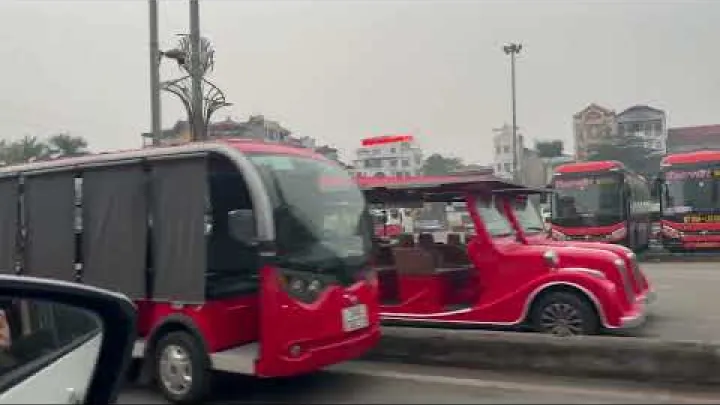
The Lao Cai to Sa Pa section is a mountain road journey, not a short urban transfer. Vehicles climb from the lower city area toward Sa Pa, commonly using National Road 4D. Weather, traffic, and road conditions can change the experience, so allow time between your arrival at Lao Cai Station and any fixed plan in Sa Pa.
Noi Bai Airport Requires Careful Connection Planning
Some travelers try to continue directly from Noi Bai International Airport to Sa Pa without entering central Hanoi. This can work if you have a confirmed airport pickup from a bus company, agency, private transfer provider, or hotel partner. However, direct airport-to-Sa Pa arrangements are less simple than boarding from a known Hanoi office, so details matter.
Before paying, confirm the exact pickup point, waiting area, driver or company phone number, departure time, and what happens if your flight is delayed. Late-night and early-morning arrivals need extra care because counters may be closed, informal advice can be confusing, and some services may require passengers to wait at a specific roadside meeting point rather than inside the terminal.
Compare Train, Bus, and Private Transfer Options
The best way to get to Sa Pa depends on whether you value simplicity, sleep, flexibility, or price. The table below gives an indicative comparison. Always check current schedules and booking terms before you commit.

Best Option by Budget, Speed, and Comfort
Direct buses from Hanoi are usually the simplest option because they do not require a transfer at Lao Cai. Overnight trains appeal to travelers who prefer rail travel and want to avoid spending a full day on the road. Private cars and private minivans are the most flexible, especially for families or groups, but they generally cost more.
| Option | Best for | Main drawback | Booking difficulty |
|---|---|---|---|
| Direct Hanoi to Sa Pa bus | Simple single-vehicle travel | Comfort varies by operator and vehicle | Low to medium |
| Train to Lao Cai plus transfer | Overnight rail travel and sleeper berths | Requires a road transfer after arrival | Medium |
| Private car or private transfer | Families, groups, luggage, flexible timing | Usually higher cost | Medium |
| Shared minivan | Smaller vehicle and selected pickups | Pickup and drop-off rules vary | Medium |
No option is universally best. A solo backpacker may prefer a sleeper bus. A couple wanting better rest may choose a train berth. A family arriving at Noi Bai International Airport with large luggage may find a private transfer easier even if it costs more.
Typical Travel Times and Transfer Points
Direct buses from Hanoi to Sa Pa are commonly described as taking about five to six hours, depending on stops, traffic, and operator routing. Sapa Express publishes Hanoi to Sa Pa bus schedule information and gives an operator-level reference for the approximate road travel time.
The train route takes longer overall because it includes an overnight rail leg to Lao Cai Station and then a separate road transfer to Sa Pa. Private car timing depends on your pickup point, rest stops, weather, and traffic around Hanoi and the mountain road near Sa Pa.
| Route | Typical pattern | Transfer point |
|---|---|---|
| Hanoi to Sa Pa bus | Often about 5 to 6 hours | Usually no Lao Cai transfer |
| Hanoi to Lao Cai train | Overnight rail plus road transfer | Lao Cai Station |
| Noi Bai Airport to Sa Pa | Possible by confirmed pickup or private transfer | Depends on provider |
| Private transfer | Flexible timing with stops | Door-to-door if arranged |
What Current Details Must Be Verified Before Departure
Transport details to Sa Pa can change by season, operator, and booking channel. Before you leave, verify the departure time, pickup address, drop-off address, luggage allowance, refund rules, arrival estimate, and whether hotel pickup is included.
- For buses, confirm the exact operator name, bus class, pickup point, and boarding time.
- For trains, confirm berth type, carriage type, departure station, Lao Cai arrival time, and the onward transfer plan.
- For private transfers, confirm the vehicle type, total price, pickup sign or contact method, and included waiting time.
- For all modes, save the phone number of the company or driver and keep a screenshot of your ticket.
Ask where you will arrive in Sa Pa. Some buses stop at Sapa Bus Station, while others use company offices on or near Dien Bien Phu Street, Thach Son Street, Tran Quang Khai Street, or Tran Nguyen Han Street. A small difference in drop-off point can matter if you have heavy luggage or if your hotel is uphill.
Reach Sa Pa by Direct Bus From Hanoi
Direct bus is the most straightforward Sa Pa transport option for many visitors. It avoids the Lao Cai transfer and usually brings passengers directly into Sa Pa town or to a company office near the center.

Sleeper Bus and VIP Bus Services
Hanoi to Sa Pa bus services may be marketed as sleeper buses, VIP sleeper buses, limousine buses, or luxury buses. These names are not always standardized, so do not judge comfort by the label alone. Check photographs of the vehicle, recent reviews, luggage rules, and whether the seat or berth layout suits your body size and travel style.
Operators such as Sapa Express and Queen Cafe Bus are examples of companies travelers may encounter on the Hanoi to Sa Pa route. Queen Cafe Bus provides an official operator website that travelers can use as one reference point when checking names, contact details, and booking information.
A sleeper bus can be useful if you want to travel overnight or rest during the journey. A daytime bus or limousine-style service may suit travelers who prefer to see the road, arrive before evening, and check in to accommodation on the same day.
Common Pickup and Drop-Off Areas
Many tourist bus services use pickup points in central Hanoi, especially in or near Hoan Kiem and the Old Quarter. Some provide hotel pickup, but this does not always mean pickup from every hotel. It may mean pickup from hotels within a defined area, a nearby office, or a meeting point where passengers are gathered before boarding.
In Sa Pa, arrival points vary. You may be dropped at Sapa Bus Station near Sapa Market, a company office on or near Dien Bien Phu Street, or a central area close to Sapa Stone Church. Some operators also use offices on streets such as Thach Son Street, Tran Quang Khai Street, or Tran Nguyen Han Street. Save the address in both English and Vietnamese if your booking provides it.
Bus Booking Risks and Practical Checks
Most bus problems are practical rather than dramatic: a different pickup location than expected, unclear vehicle class, confusing office names, or a late arrival into Sa Pa. Reduce the risk by checking the exact company name, route, vehicle type, pickup address, boarding time, and drop-off point before travel day.
- Arrive early at the pickup point if the operator asks passengers to be present before departure.
- Keep your booking confirmation available offline.
- Confirm whether the bus goes directly to Sa Pa or stops at another transfer point.
- Ask whether luggage is stored under the bus or inside the cabin.
- Keep the operator contact number ready in case the pickup vehicle is late.
Online platforms, hotels, travel agencies, and direct operator websites may show different cancellation rules or pickup instructions. Use the details from the channel where you paid, but contact the operator directly if anything is unclear.
Reach Sa Pa by Train Through Lao Cai
The train route is a traditional way to reach the Sa Pa area. It is especially appealing if you enjoy rail travel, want an overnight journey, or prefer not to sit on a long daytime bus from Hanoi.
Overnight Trains From Hanoi to Lao Cai
Rail passengers travel from Hanoi to Lao Cai, then continue by road. Depending on the train and carriage, booking options may include different berth categories and private tourist carriage products. Availability and prices can change, so check current rail options before arranging your Lao Cai to Sa Pa transfer.

The main advantage is timing. You can leave Hanoi in the evening, sleep on the train if you are comfortable with rail travel, and arrive in Lao Cai early enough to continue to Sa Pa the same morning. The main disadvantage is the transfer: you still need a bus, minivan, taxi, or private car from Lao Cai Station to Sa Pa town.
Route 01 Bus, Minivan, Taxi, or Private Car to Sa Pa
After arrival at Lao Cai Station, travelers usually choose between public bus, shared minivan, taxi, ride-hailing where available, or a private car. Vexere outlines several Lao Cai Station to Sa Pa transfer choices, including public bus, minivan, taxi, and private car options.
Public buses and shared minivans are often cheaper than private cars, but they may require waiting, negotiating, or finding the correct boarding point. Taxis and private cars are easier with luggage and early arrivals, but you should confirm the fare and destination before boarding.
| Transfer mode | Best for | Check before boarding |
|---|---|---|
| Public bus | Lower budget travelers | Route, stop, fare, and departure time |
| Shared minivan | Moderate budget and faster boarding | Fare, luggage, and final drop-off point |
| Taxi | Luggage and direct hotel access | Fare method and exact destination |
| Private car | Families, groups, and pre-arranged comfort | Total price, contact name, and waiting time |
The road from Lao Cai to Sa Pa climbs into the mountains. In rain, fog, or heavy traffic, the transfer may feel slower than expected. Keep warm layers and essential items with you rather than buried deep in stored luggage.
How to Handle Early Morning Arrival at Lao Cai Station
Overnight trains often bring travelers into Lao Cai early in the morning. Plan the first hour before you arrive. Know whether you are taking a public bus, meeting a private driver, walking to a minivan office, or asking your hotel to arrange pickup.
Keep a jacket or warm layer accessible because early morning transfers toward Sa Pa can feel cool, especially after a night train. If your train is delayed or arrives earlier than expected, contact your hotel or transfer provider before leaving the station area.
Also remember that arriving early in Sa Pa does not guarantee immediate hotel check-in. If you expect to reach town before standard check-in time, ask your accommodation about luggage storage, early check-in fees, or a place to wait.
Use Private Cars, Minivans, or Self-Drive With Caution
Private transport can make the journey easier, but it should still be arranged carefully. Clear pricing, vehicle type, pickup point, and driver contact details are more important than a low advertised fare.
When Door-to-Door Transport Is Worth the Extra Cost
A private car or arranged minivan can be worth the extra cost if you are traveling with children, older relatives, large luggage, photography equipment, or a group that can share the price. It is also useful for late arrivals at Noi Bai International Airport or for travelers who do not want to manage separate tickets and transfers.
The main benefit is door-to-door control. You can request pickup at a hotel, airport, or station and arrange drop-off at your Sa Pa accommodation if the road access allows it. Even so, book through a trusted provider and get the total price in writing, including tolls, waiting time, luggage, and any extra charge for remote hotels outside the town center.
Mountain Road and Self-Drive Considerations
Access to Sa Pa includes mountain roads, curves, gradients, fog, and weather-sensitive driving conditions. Travelers who are not used to Vietnam traffic or mountain roads should think carefully before choosing self-drive.
If you consider driving yourself, check Vietnamese license requirements, insurance coverage, rental rules, vehicle condition, and what support is available if there is a breakdown. Avoid making self-drive the default choice simply because it looks flexible. For many visitors, a bus, train-plus-transfer, or hired driver is more practical and less stressful.
Navigate Arrival Points Inside Sa Pa
Arriving in Sa Pa is not always the end of the journey. The town is compact in parts, but roads can be steep, weather can be wet or foggy, and hotels may be above or below the central streets.
Sapa Bus Station, Dien Bien Phu Street, and the Stone Church Area
Important arrival anchors include Sapa Bus Station near Sapa Market, company offices on or near Dien Bien Phu Street, and the central area around Sapa Stone Church. These landmarks are easier for visitors to recognize than administrative boundaries.
Different transport types may stop in different places. A public bus may use a station area, while a tourist bus may stop at a company office. A private car may be able to continue closer to your hotel, but only if the road and parking situation allow it. Check the distance from the drop-off point to your accommodation before choosing a service.
Getting From Drop-Off Points to Your Hotel
Central Sa Pa is walkable in some areas, but steep roads can be tiring with luggage. If your hotel is uphill, outside the center, or in poor weather, a short taxi ride or hotel-arranged pickup may be worth the cost.
Accommodation in valley areas or nearby villages may require separate local transport beyond Sa Pa town. Do not assume that a Hanoi-to-Sa Pa bus will drop you at a rural homestay. Ask your accommodation whether they can arrange the final section from town, Sapa Bus Station, or a company office.
Common Traveler Traps Around Transfers
Fare confusion and wrong drop-off points are the main issues to avoid. Before entering a taxi, minivan, or private car, confirm the destination, total fare, number of passengers, luggage costs, and whether the price is per person or per vehicle.
If someone approaches you at a station or bus stop, make sure they represent your booked operator before following them. Use written confirmations, official office signs, hotel assistance, or app-based fare information when available. If you are unsure, pause and call the company number on your booking.
Arrive From Other Northern Vietnam Destinations
Hanoi is the main gateway, but Sa Pa can also fit into wider northern Vietnam itineraries. Routes from other mountain and regional destinations are useful, but schedules can be less consistent online than the main Hanoi route.
Connections From Ha Giang, Yen Bai, and Dien Bien Phu
Travelers sometimes connect to Sa Pa from Ha Giang, Yen Bai, or Dien Bien Phu as part of a multi-stop northern Vietnam trip. These routes may involve buses, minivans, or local transfers through regional towns and bus stations.
Check schedules locally or through your accommodation because mountain services can vary by operator, season, road condition, and demand. Avoid planning a tight same-day connection to a flight or expensive tour after a long interregional mountain bus.
Remote Routes Such as Y Ty Require Local Confirmation
Remote rural links around Sa Pa and Lao Cai, such as routes involving Y Ty, are less consistently documented online. They may be possible by local vehicle, motorbike, private driver, or occasional shared transport, but details can change.
For these legs, confirm road conditions and transport availability close to your travel date. Ask accommodation owners, local drivers, or bus offices rather than relying only on old posts or social media comments. Build flexibility into your itinerary so a change in vehicle type or timing does not disrupt your whole trip.
Plan Timing, Season, and Booking
Good timing makes the Sa Pa journey much easier. Decide whether you want to save daytime hours, sleep during the journey, arrive fresh for check-in, or keep maximum flexibility.
Choose Between Day Travel and Overnight Travel
Choose a day bus if you want simpler arrival, daylight views, and a better chance of reaching your accommodation during normal check-in hours. Day travel is also easier if you dislike sleeping in moving vehicles or want staff available at hotels and offices when you arrive.
Choose a night bus or overnight train if you want to save daytime hours and can sleep in shared transport. This can be efficient, but it may result in early arrival before your room is ready. Travelers sensitive to motion, noise, light, or shared sleeping spaces should choose carefully.
The overnight train can feel more stable than a road vehicle for some travelers, but it still requires a transfer at Lao Cai. A night bus is more direct, but comfort depends strongly on the vehicle and operator.
Allow for Mountain Weather and Road Delays
Sa Pa is a mountain destination, so fog, rain, chilly early mornings, and reduced visibility may affect comfort and timing. These conditions do not mean you should avoid the journey, but they do mean you should avoid tight onward connections.
Check the local forecast before departure, keep a warm layer accessible, and allow buffer time before flights, trekking tours, or onward buses. If you must connect to an international flight from Noi Bai International Airport, consider returning from Sa Pa with generous extra time rather than relying on the fastest advertised journey.
Final Checklist Before You Go
Before departure, confirm your route, operator, pickup point, drop-off point, fare, luggage rules, arrival time, and emergency contact number. If you are using the train, confirm your Lao Cai transfer before you arrive. If you are using a bus, confirm whether you arrive at Sapa Bus Station, a company office, or another point in town.
- Screenshot tickets, maps, addresses, and phone numbers.
- Save your pickup address in English and Vietnamese if available.
- Check whether the price is per person or per vehicle.
- Keep warm clothing, water, and essential medication in your hand luggage.
- Tell your hotel your expected arrival time if you arrive early or late.
For most travelers, the direct Hanoi to Sa Pa bus is the simplest route. The train to Lao Cai plus transfer is best if you prefer overnight rail comfort. A private transfer is best if flexibility, luggage, late arrival, or door-to-door convenience matters more than cost.
Frequently Asked Questions
Is there a train all the way to Sa Pa?
No. Trains go to Lao Cai Station, not Sa Pa town. From Lao Cai, you must continue by road using a bus, minivan, taxi, or private car.
What is the easiest way to get from Hanoi to Sa Pa?
The easiest option for many travelers is a direct Hanoi to Sa Pa bus because it avoids a transfer at Lao Cai. Check the operator, pickup point, vehicle type, and drop-off location before booking.
Can I travel directly from Noi Bai Airport to Sa Pa?
Yes, it may be possible through a confirmed airport pickup or private transfer, but you should verify the exact meeting point, departure time, contact number, and delay policy before paying.
How do I get from Lao Cai Station to Sa Pa town?
You can use a public bus, shared minivan, taxi, ride-hailing where available, or private car. Confirm the fare, luggage rules, and final drop-off point before boarding.
Should I choose a day bus, night bus, or overnight train?
Choose a day bus for simpler arrival and daylight travel, a night bus to save time on a direct route, or an overnight train if you prefer rail travel and do not mind transferring at Lao Cai.
Do Sa Pa transport schedules and fares change?
Yes. Schedules, fares, pickup points, and vehicle types can change by operator and season. Always check current details with the company, booking platform, hotel, or station before departure.
Select area
Create a post
Posting is free and no registration is required.