Sa Pa Where to Stay: Best Areas and Lodging Types

If you are asking Sa Pa where to stay, the best answer depends less on hotel star ratings and more on your base. Sa Pa is a mountain destination where distance, slopes, fog, road access, and arrival times can matter as much as room comfort. This guide explains the best areas to stay in Sa Pa Vietnam, from Sa Pa town center and Cau May Street to Ta Van Village, Lao Chai, Cat Cat Village, Muong Hoa Valley, and O Quy Ho. It also compares lodging types so you can choose a hotel, hostel, homestay, eco lodge, or resort that fits your trip length and travel style.
Quick Answer: Where to Stay in Sa Pa
For most first-time visitors, the safest default choice is Sa Pa town center or a quieter hotel on the edge of town. Choose a valley village such as Ta Van or Lao Chai if you value scenery, slow travel, and quiet evenings more than transport convenience.
Best Default Base for First-Time Visitors
The best default base for a first trip is Sa Pa town center, especially near Sa Pa Town Square, Stone Church, Cau May Street, Sa Pa Lake, or within easy reach of Sapa Bus Station. This is not because the town is always the most peaceful or scenic choice. It is because it gives first-time visitors the easiest access to restaurants, cafes, tour agencies, transport pickup points, shops, and backup plans if the weather changes.
If you are arriving late, leaving early, traveling alone, or visiting for only one or two nights, staying in or near the town center usually reduces friction. You can walk to dinner, compare trekking operators, arrange Fansipan or Muong Hoa Valley activities, and return to your hotel without depending on a village transfer after dark.
The main compromise is noise. Central streets can be busy, and recent construction, traffic, crowds, or weekend activity can affect sleep. If you are sensitive to noise, look for a hotel slightly away from the busiest streets while staying within practical walking distance of the core.
| Base | Convenience | Noise level | Best fit |
|---|---|---|---|
| Sa Pa town center | Highest for food, tours, transport, and short stays | Often busier | First-time visitors, solo travelers, tight schedules |
| Sa Pa Lake and town edges | Good town access with a calmer feel | Usually quieter than the core, not silent | Couples, families, light sleepers |
| Ta Van Village | Lower; host transfers often matter | Usually quieter evenings | Slow travelers, trekkers, rural atmosphere |
| Lao Chai and Muong Hoa Valley | Lower; more planning needed | Quiet, property-dependent | Terraces, homestays, photography, longer stays |
| O Quy Ho and high-road areas | Vehicle-dependent | Quiet but weather-exposed | Scenic retreats, road trips, resort stays |
Best Alternative Base for Quiet Valley Stays
Ta Van and Lao Chai are the main alternatives if you want a quieter Sa Pa accommodation experience. These villages in the Muong Hoa Valley area are better for travelers who want terraced landscapes, homestays, shared meals, and easier access to village walks or trekking routes.
The trade-off is practical. Village bases normally have fewer restaurants, fewer cafes, less immediate transport, and more dependence on your host for pickup, meals, local advice, and onward movement. This is not a problem if you plan for it, but it can be frustrating if you expect the same flexibility as the town.
Choose a valley stay if you are a trekker, photographer, slow traveler, or visitor who wants rural atmosphere. Choose town if you want easy choice, late dinners, quick taxi access, and simple departures.
When to Split Your Stay
If you have three or more nights, a split stay can be the best way to experience Sa Pa. Spend the first night in Sa Pa town for arrival, restaurants, transport, and Fansipan access. Then move to Ta Van or Lao Chai for one or two quieter nights in the valley.
This approach gives you both convenience and immersion. It also reduces the risk of being locked into a remote base if fog or rain makes trekking less appealing. For one or two nights, however, most travelers are better served by keeping logistics simple and staying in town or on a nearby town edge.
Understand Sa Pa Before Booking
Sa Pa is not a flat, compact city where every listed property is equally convenient. Before choosing where to stay in Sa Pa, understand the difference between the central town, nearby villages, valley lodges, and road-pass hotels.
Sa Pa Town Versus Sa Pa District
On booking platforms, the word Sa Pa can refer to very different locations. A listing may be in Sa Pa town center, near Sa Pa Lake, in Ta Van Village, in Lao Chai, near Cat Cat Village, somewhere in Muong Hoa Valley, or along high mountain roads near O Quy Ho and Heaven Gate-style viewpoints. Traveler discussions often point out that Sa Pa is a large district, not only a single village or a compact downtown area, so exact map location matters; one example of this wider-geography reminder appears in a Sa Pa travel discussion on Facebook.
Do not rely only on the property title. Check the map, the road route, and the distance to the place you actually need: Stone Church, Sa Pa Town Square, Sapa Bus Station, a tour pickup point, Muong Hoa Valley, or Fansipan Legend access. A short distance on a map can feel longer in Sa Pa because of elevation, steep roads, mud, stairs, and mountain weather.
Arrival, Bus Station, and Fansipan Access
Sa Pa town works as the simplest transport and service hub for most visitors. Many restaurants, travel agencies, shops, and pickup points are concentrated in or near the central area, which makes arrival and departure easier than from a village base.
Town is also practical for a Fansipan excursion. According to Klook, the Fansipan cable car station is about 3 km from Stone Church in Sa Pa town. That does not mean you must stay beside Stone Church, but it shows why the town center and town-edge areas are convenient for visitors planning to visit Fansipan Legend.
If your schedule depends on a morning bus, a late arrival, or a fixed pickup time, choose town or confirm transfers in advance. Ask your accommodation how far it is from Sapa Bus Station or your exact pickup point, not only from Sa Pa in general.
Muong Hoa Valley Access and Trek Starting Points
Muong Hoa Valley is both a major sightseeing area and a lodging zone. Many visitors go there for terraced fields, village scenery, and walking routes, while others book homestays or eco lodges in or near the valley to stay closer to the landscape.
![Preview image for the video "VIETNAM - 12 KM trekking in Sapa [4K] 🇻🇳".](/sites/default/files/styles/media_720x405/public/oembed_thumbnails/2026-07/DY__zL-lpWQoO9Pm4zSWJ0YAIqZ39JklJCsN6mBIfZ0.jpg.webp?itok=77Mu1BJd "Preview image for the video \"VIETNAM - 12 KM trekking in Sapa [4K] 🇻🇳\".")
A valley base can be rewarding if your main goal is trekking, photography, or quiet time. It can also place you farther from town services, transport hubs, and restaurant variety. Road and trail conditions should influence your decision, especially if you are carrying luggage, traveling with children, or visiting during wet or foggy conditions.
Best Areas to Stay in Sa Pa
The best area to stay in Sa Pa depends on what you want to make easy. Pick the town for services and transport, the town edge for balance, and villages for scenery and slower travel.
Sa Pa Town Center and Cau May Street
Sa Pa town center and the Cau May Street area are the most convenient bases for a first visit. You are close to restaurants, cafes, tour agencies, shops, night walking routes, and central landmarks such as Sa Pa Town Square and Stone Church. This is useful if you want to compare day tours, book a trek, find dinner without planning, or return easily after an evening walk.

This area is best for first-time visitors, solo travelers who prefer an active environment, backpackers who want central access, and anyone with tight transport schedules. It is also sensible for travelers who are unsure how much trekking they will do and want the option to change plans.
The downside is atmosphere. The center can feel commercial and busy, especially around main streets. Read recent reviews for traffic noise, construction noise, nightlife, and whether rooms face a main road. A central hotel can be convenient without being restful if the room position is poor.
Sa Pa Lake and Quieter Town Edges
Sa Pa Lake and nearby town-edge streets offer a useful compromise. You can stay close enough to reach restaurants, agencies, and central sights, while avoiding the busiest corners of the town center. This is often a good choice for couples, families, and light sleepers who still want town services.
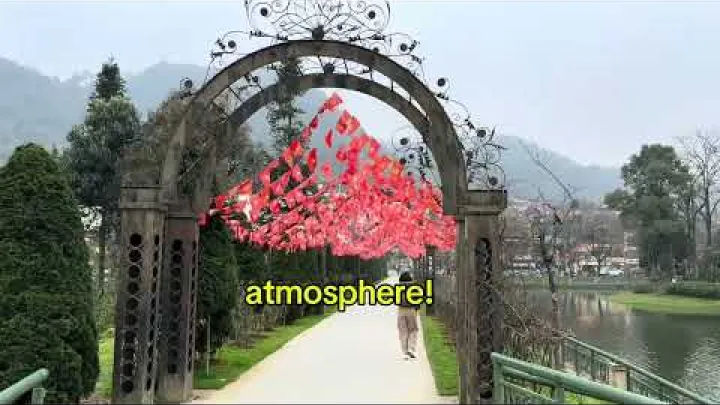
These areas are quieter by comparison, not guaranteed silent. Sa Pa still has traffic, construction, slopes, and local activity. Before booking, check the walking route to the places you will use most, especially if you have luggage, mobility concerns, or young children.
A town-edge hotel can also be a good bad-weather base. If fog or rain reduces mountain views, you still have cafes, restaurants, and easier access to transport than from a remote homestay.
Ta Van Village
Ta Van Village is one of the best-known village bases for travelers who want a quieter Sa Pa stay. It is often chosen for homestays, rural views, evening calm, and closer contact with valley landscapes. It suits slow travelers, trekkers, and visitors who are comfortable arranging transfers through their host.
The convenience trade-off should be clear before you book. Town has more restaurants, cafes, hotels, and easier transportation, while Ta Van is generally quieter and less immediate. A traveler discussion summarized this same trade-off, noting that Ta Van evenings are quieter while Sa Pa town offers more services and transport convenience, on Facebook.
Do not romanticize a village stay as automatically better. It can be memorable, but you should confirm dinner options, road access, transfer timing, heating or cooling, bathroom setup, and what happens if weather makes walking difficult.
Lao Chai and Muong Hoa Valley Homestays
Lao Chai is a more immersive valley option, especially for travelers focused on terraces, village scenery, and trekking-oriented accommodation. It can feel more connected to the landscape than a town hotel, but it requires more planning.
A useful booking lesson is that properties described as Sa Pa may still be several kilometers from transport hubs. For example, an Agoda listing for a Lao Chai property shows Sapa Bus Station as more than 4 km away. This does not mean every Lao Chai stay has the same distance, but it shows why exact location matters.
If you stay in Lao Chai, confirm transfers, road access, pickup timing, and meal arrangements before you arrive. This is especially important for late arrivals, early departures, heavy luggage, or poor weather.
Cat Cat Village
Cat Cat Village is best treated mainly as a nearby hiking and sightseeing destination rather than the default overnight base. Many visitors can go from Sa Pa town to Cat Cat, spend time walking or sightseeing, and return to town for the evening.
Tour listings commonly frame Cat Cat as part of a day activity that returns to Sa Pa town later; for example, GetYourGuide includes Cat Cat hiking options that return to Sapa town in the evening. This supports the practical idea that town remains the easier overnight base for many visitors.
Consider staying near Cat Cat only if a specific property has strong recent reviews and you understand the access situation. Check whether you can comfortably reach dinner, transport, and your next-day plans without relying on an inconvenient route.
O Quy Ho and High-Altitude Road Bases
O Quy Ho and Heaven Gate-style high-road areas are scenic but specialized. They are better for road-trip travelers, view-focused stays, resort-style retreats, or visitors who have reliable vehicle access. They are not the easiest general-purpose bases for a first Sa Pa visit without private transport.
High-altitude road locations can be affected by fog, weather exposure, and distance from restaurants or bus points. Some accommodation platforms list lodging around Muong Hoa Valley and high-road areas such as O Quy Ho, which can be useful for comparing locations, but you should read the map carefully and confirm practical access; Booking provides examples of accommodation listings around these wider Sa Pa-area anchors.
Before booking, ask about road conditions, transfers, meal availability, heating, and what you can do if visibility is poor. A scenic base is only enjoyable if the logistics fit your trip.
Choose the Right Lodging Type
Once you choose your base, decide which lodging type fits your comfort needs, budget, and trip purpose. Sa Pa has a wide accommodation market, from budget rooms and hostels to hotels, resorts, homestays, and eco lodges.
Hotels and Resorts
Hotels and resorts are the most predictable choice for many travelers. They usually offer private bathrooms, reception support, easier transfer arrangements, and more consistent facilities than simple homestays. Town hotels are the simplest option for first-time visitors, families, short stays, and anyone who wants help arranging activities.
Large booking platforms show a broad Sa Pa accommodation market with many hotels and changing advertised rates; Expedia lists hundreds of Sa Pa hotel options and low starting prices that should be checked live before booking. Do not choose only by star rating. Compare location, noise, recent reviews, heating or cooling, elevator access, breakfast, cancellation terms, and whether the property can help with transfers.
Resorts can be worthwhile for couples, families, and travelers who want a slower stay with views and facilities. Check whether the resort is in town, on a town edge, in a valley, or along a road outside the center, because the same word can describe very different access situations.
Hostels and Budget Rooms
Hostels and budget rooms work well for backpackers, solo travelers, and cost-sensitive visitors who want social settings and central access. They are often strongest when located near the town center, where you can walk to food, agencies, and transport.
Very low rates may come with trade-offs. Check recent reviews for cleanliness, noise, maintenance, bathroom setup, privacy, lockers, and whether reception can handle late arrivals. If you are arriving on a night bus or leaving early, a central budget room with clear check-in procedures may be more valuable than a cheaper but remote option.
Budget travelers should also compare the total cost. A cheaper village room can become less convenient if you need extra transfers, while a slightly higher central rate may save time and transport costs.
Homestays and Eco Lodges
Homestays and eco lodges are best for travelers who want cultural immersion, quiet scenery, shared meals, and direct access to valley life. They are especially popular around Ta Van, Lao Chai, and other Muong Hoa Valley areas.
Comfort can vary widely. Some homestays are simple family homes with shared facilities, while some eco lodges are boutique properties with private rooms and higher comfort levels. Before booking, check Wi-Fi, bathroom privacy, heating or cooling, bedding, meals, road access, and whether the host can arrange pickup.
Respect matters. Ask before photographing people, be considerate around host families, keep noise low at night, and avoid treating villages as stage sets for travel photos. Responsible behavior helps make homestay tourism better for both guests and local communities.
Safety, Walkability, Noise, and Weather
Sa Pa lodging decisions are not only about views. Night walkability, weather, road access, and sleep quality can change how practical a base feels.
Night Walkability and Personal Safety
Central Sa Pa town is likely the easiest area for night walking because streets are more active, better served by restaurants, and closer to hotels and services. This is a practical walkability point, not a hard claim about crime rates.
In villages and on trails, the main night concerns are often darkness, slopes, mud, limited lighting, and fewer transport options. If you plan to eat dinner away from your accommodation, ask how you will return after dark. This is especially important during rain or fog.
Use standard precautions. Keep valuables secure, avoid isolated routes when unsure, carry a charged phone, save your accommodation address, and ask local staff about safe walking routes. Solo travelers may prefer a central or town-edge base for the first night before moving to a village.
Trail Conditions, Fog, and Rain
Fog and rain can reduce views and make trekking routes slippery. This affects not only your activities but also where you should stay. If your trip is short and you need flexible backup plans, town or a town-edge hotel is usually safer and easier than a remote base.
Traveler community warnings often emphasize that fog and rain can make walking less scenic and more slippery; one such discussion appears on Facebook. Treat this as practical traveler context rather than formal safety data, and make decisions based on current conditions when you arrive.
If you stay in a village, confirm vehicle transfers and avoid relying on steep paths after dark or in bad weather. Ask your host what routes are realistic for your fitness level and luggage.
Noise, Construction, and Sleep Quality
Central convenience may come with noise from traffic, crowds, nightlife, early activity, or construction. This is one of the main reasons some travelers choose Sa Pa Lake, a town-edge hotel, or a valley homestay instead of the busiest central streets.
Read recent reviews rather than old general descriptions. Look for comments about road-facing rooms, construction nearby, thin walls, karaoke or nightlife noise, and morning traffic. If possible, request a room away from the main road or on a quieter side of the building.
Village stays are usually chosen for quiet, but quiet does not automatically mean easy. The trade-off is reduced access to restaurants, shops, transport, and weather-proof backup activities.
Where to Stay by Trip Style
Your trip length and priorities should shape your base. A one-night visitor and a five-night trekker should not always choose the same area.
One or Two Nights
For one or two nights, stay in Sa Pa town center or on a nearby quieter town edge. Short stays benefit from simple logistics: easy arrival, easy departure, quick restaurants, Fansipan access, tour agencies, and organized treks.
A remote base can be beautiful, but it may use too much time if you have an early bus, a late arrival, or only one full day. Choose a village stay for a short trip only if transfers are already arranged and the property fits your exact plan.
Trekking, Photography, and Longer Stays
If your main goals are trekking, terraced landscapes, photography, and slower travel, consider Ta Van, Lao Chai, or a split town-valley stay. Longer stays make village logistics more worthwhile because you have time to settle in and adjust plans around weather.
Build flexibility into your booking. Fog, rain, and trail conditions can affect both views and safety. A good longer-stay plan might include one night in town, two nights in a valley homestay, and a final town night before departure.
Families, Couples, Solo Travelers, and Remote Workers
Families often do best in predictable town-edge hotels or central hotels with easy meals, transport, private bathrooms, and helpful reception. Check stairs, elevators, heating, room size, breakfast, and how easy it is to return from dinner.
Couples can choose based on mood: a lake-edge hotel for convenience, a scenic resort-style stay for comfort, or a carefully selected valley homestay for quiet and atmosphere. The best choice depends on whether you prefer easy services or a more remote setting.
Solo travelers should prioritize walkability, recent reviews, social comfort, and late-arrival procedures. Remote workers should verify Wi-Fi directly with the property, especially in villages, and should consider staying in town if reliable connection, cafes, and services are important.
Booking Checklist for Sa Pa Accommodation
Before booking, use a practical checklist. In Sa Pa, a good room in the wrong location can create avoidable transport and comfort problems.
Verify Exact Location and Road Access
Check whether the property is in Sa Pa town, Ta Van, Lao Chai, Cat Cat, O Quy Ho, Muong Hoa Valley, or another part of the district. Do not assume that a Sa Pa address means central town access.
Compare the property location with practical anchors: Stone Church, Sa Pa Town Square, Sa Pa Lake, Sapa Bus Station, Fansipan Legend access, or your tour pickup point. Then check the final approach. Is it a paved road, steep road, narrow lane, footpath, or transfer-only location?
This matters more if you have luggage, children, mobility limitations, or a late arrival. A beautiful homestay can be a poor match if reaching it requires a difficult final approach at night.
Check Transfers, Food Options, and Cancellation Flexibility
Ask the property how guests usually arrive from Sa Pa town, Sapa Bus Station, or Lao Cai. If you are coming by train to Lao Cai and then continuing to Sa Pa, confirm the full arrival plan rather than only the final hotel name.
Confirm nearby dinner options, especially in valley villages and high-altitude road areas. Some stays may offer meals, while others may require transport to reach restaurants. Ask what is available if you arrive late.
Flexible cancellation can be useful when weather affects trekking, views, or road access. This does not mean you should avoid village stays; it means you should book them with realistic expectations and a backup plan.
Final Recommendation for Where to Stay in Sa Pa
For most first-time visitors deciding where to stay in Sa Pa, choose Sa Pa town center or a quieter town-edge hotel. This gives you the best balance of restaurants, transport, tour agencies, Fansipan access, night walkability, and flexibility during bad weather.
Choose Ta Van or Lao Chai if your main goal is a quieter valley experience, homestays, terraces, trekking, photography, or slow travel. Choose O Quy Ho or high-altitude road bases only if you understand the transport and weather trade-offs. If you have three or more nights, split your stay between town and a valley village for the most balanced Sa Pa accommodation experience.
The most important rule is simple: book by exact location, not by the word Sa Pa alone. Check access, reviews, noise, transfers, meals, and weather flexibility before you commit, and your base will support the trip you actually want.
Select area
Create a post
Posting is free and no registration is required.