Sa Pa Best Time to Visit: Weather & Seasons by Month

The best time to visit Sa Pa depends on what you want most: comfortable trekking, rice terrace scenery, clearer mountain views, or a cold highland atmosphere. Sa Pa town sits in the Northern Vietnam highlands of Lào Cai Province, so its weather feels very different from lowland Vietnam. This guide gives a quick answer first, then explains Sa Pa weather by month, the rainy season, fog, winter cold, rice terrace timing, and practical planning checks. Use the monthly guidance as a climate overview, but always check current forecasts before trekking or mountain travel.
Quick Answer: The Best Months for Most Travelers
For most visitors, Sa Pa is easiest to enjoy during the spring and autumn shoulder seasons. These periods usually give a better balance of mild temperatures, scenic landscapes, and more manageable rain than the peak wet months.
Best Overall Windows: March to May and September to November
The best overall windows for Sa Pa are usually March to May and September to November. These months are popular because they often combine cooler mountain air, better trekking comfort, and more usable weather than the wettest part of summer.
March and April are especially useful if your priority is hiking before the rainy season becomes more intense. May can still be rewarding, but rain risk increases as Sa Pa moves toward the monsoon period. September is often the strongest single month for rice terrace scenery, while October and November are strong choices for cooler trekking and autumn travel.
There is no month with guaranteed clear views. Sa Pa is a mountain destination where fog, low cloud, and sudden rain can happen even during good travel windows. The safest way to choose dates is to match the season to your priorities, then keep some flexibility in your itinerary.
When Another Month May Be Better
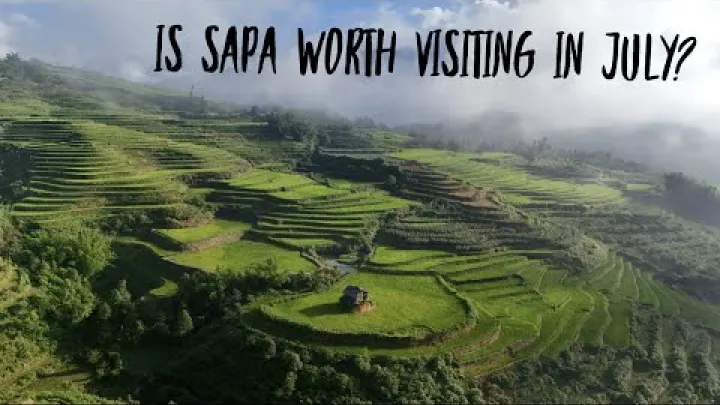
Another month may be better if you are traveling for a specific reason. June and July can be very attractive for lush green rice terraces, but they are also wetter months, so trails may be muddy and visibility may be limited.
December to February can suit travelers who want a cold mountain atmosphere, fewer heavy-rain days than summer, and quieter-feeling trails outside major holiday periods. However, these months are not a warm tropical Vietnam experience. Nights can feel cold, interiors can feel damp, and fog may hide mountain views.
| Travel goal | Best general timing | Main caution |
|---|---|---|
| Trekking | March to May, September to November | Rain and fog can still affect trails |
| Green terraces | June to July | Wet, muddy, and less predictable |
| Golden terraces | Late August to September | Harvest timing varies locally |
| Cool dry feel | December to February | Cold, damp, and foggy at times |
| Flexible budget trip | Wetter or colder periods | May need buffer days and cancellations |
Why Sa Pa Weather Is Different from Lowland Vietnam
Sa Pa is not a typical lowland Vietnam destination. Its highland location changes the temperature, visibility, and comfort level, especially for travelers arriving from Hanoi or other warmer parts of the country.
Highland Location, Elevation, and Microclimates
Sa Pa town is in Lào Cai Province in the Northern Vietnam highlands, near steep valleys, rice terraces, and mountain terrain. Because of this setting, it is much cooler than many lowland destinations in Vietnam. A day that feels hot and humid in Hanoi can feel mild, misty, or cold in Sa Pa.
The terrain also creates microclimates. Conditions in Sa Pa town, on village trails, and around Fansipan can differ on the same day. One valley may have passing cloud while another viewpoint opens briefly. This is why travelers should plan clothing and activities around changeable mountain weather rather than around a simple national Vietnam weather forecast.
Dry, Rainy, Cold, and Transitional Seasons
Sa Pa generally has a warm, wet monsoon period around May to September and a cooler, relatively drier period around October to April. Climate summaries such as Climates to Travel describe Sa Pa as humid, often misty, and cooler than Vietnam’s lowlands, with rainfall concentrated in the warmer months. Climate-Data.org also provides climate-normal context for Sa Pa’s cool average temperatures and high annual precipitation.
March, April, September, and October are important transitional months. They can offer some of the best travel conditions, but they are not perfectly predictable. March can still be cool and foggy. April and May can bring more showers. September can still have wet-season interruptions even when the terraces look beautiful. October is often more stable, but early October may still feel variable.
Monthly climate averages help you choose a season, but they do not replace live weather forecasts. For trekking, road transfers from the Lào Cai travel gateway, Fansipan plans, and village visits, current conditions matter more than the average for the month.
Sa Pa Weather by Month
The month-by-month guide below gives a practical feel for Sa Pa climate by month. It is best used for planning expectations, not for predicting exact daily conditions.
January to March: Cold Winter to Mild Spring
January is typically one of the coldest months in Sa Pa. It is often relatively dry compared with summer, but fog can be frequent and the air can feel damp. Frost is possible in the wider highland area during cold spells, especially at higher elevations, but visitors should not expect snow in Sa Pa town as a normal event.
February remains cool, with gradually milder days as spring approaches. It can be a good month for travelers who like cold mountain air and do not mind mist. March usually becomes more comfortable for trekking, with milder daytime conditions and less intense heat than summer. It is one of the stronger spring choices if you want village walks and mountain scenery before the wettest months.
April to June: Spring Shoulder to Green Terraces
April is a balanced shoulder month for many travelers. Temperatures are generally more comfortable than winter, and the landscape begins to feel more active and green. Rain risk increases, so a light rain jacket and flexible trekking plans are still important.

June and July can be very attractive for lush green rice terraces, but they are also wetter months, so trails may be muddy and visibility may be limited. May marks the transition toward wetter conditions. Rice-field activity may become more visible in many areas, but timing is not fixed across every village or year. June is often appealing for lush green terraces, yet it also brings heavier rain risk. Rural paths can become slippery, and steep sections may be muddy after showers.
July to September: Wettest Weather and Harvest Scenery
July is usually among the wettest and warmest periods in Sa Pa. The landscape can be intensely green, but trekking and road plans require more caution. Heavy rain can reduce visibility, make paths difficult, and create delays in mountainous areas.

August remains wet, but terrace colors may begin to shift in some places as the season moves toward harvest. September is often one of the best months for golden rice terraces, especially when timing aligns with local cultivation and weather. It is also the month when many travelers choose Sa Pa for iconic photography, but it still requires flexibility because rain and cloud can interrupt plans.
October to December: Autumn Trekking and Cold Dry Winter
October is a strong autumn choice. Rain often decreases compared with the monsoon months, temperatures are cooler, and trekking becomes more comfortable. Early October can still be variable, so travelers should keep backup activities in Sa Pa town if fog or rain limits viewpoints.
November is another strong trekking month because it is generally cooler and drier than the summer monsoon period. Rice terrace harvest scenery may have faded by then, so November is better for hiking comfort than for golden fields. December is cold and relatively dry, with frost possible in high areas during cold spells. Snow is rare and should not be treated as a reliable reason to visit.
| Month | Weather feel | Travel advantages | Cautions |
|---|---|---|---|
| January | Cold, misty, relatively dry | Cold mountain atmosphere | Fog, cold nights, damp rooms |
| February | Cool to cold | Quieter feel outside holidays | Limited views during fog |
| March | Milder spring | Good trekking window | Still variable and misty |
| April | Mild, more showers | Balanced shoulder month | Increasing rain risk |
| May | Warmer, wetter | Greener landscapes | Wet-season transition |
| June | Warm, humid, wet | Lush green terraces | Mud and slippery trails |
| July | Warm and very wet | Dramatic green scenery | Heavy rain disruption |
| August | Wet, slowly shifting season | Possible early harvest colors | Timing varies by area |
| September | Autumn transition | Often best for golden terraces | Still possible rain |
| October | Cooler, less wet | Excellent trekking month | Early month can vary |
| November | Cool and drier | Strong hiking conditions | Less classic terrace color |
| December | Cold, relatively dry | Winter mountain feel | Cold nights and fog |
Best Time to Visit Sa Pa by Travel Style
Different travelers should choose different months. A photographer waiting for rice terrace color may accept more rain risk than a trekker who wants safer trails. A traveler who enjoys cold mountain cafés may prefer winter even when visibility is limited.
Best Months for Trekking and Hiking
The best months for trekking and hiking in Sa Pa are generally March to May and September to November. March and November are especially useful for travelers who want lower rain risk compared with the middle of the wet season. April, October, and early November can also be excellent when weather is stable.
June to August trekking can be scenic but more difficult. Trails can become muddy and slippery, small streams can rise quickly, and steep rural paths may be harder to navigate. If heavy rain is forecast, delay trekking, choose a shorter route, or switch to safer activities in Sa Pa town.
Local guides are valuable for village trails because they understand recent trail conditions, weather patterns, and which routes are safer after rain. Listen to local safety judgment, especially during the wet season and after intense rainfall.
Best Months for Rice Terraces and Photography
For rice terraces around Sa Pa, think in two main visual seasons. Green terraces are usually associated with June and July, when fields can look lush and bright. Golden harvest scenery is usually associated with late August to September, with September often the strongest single month if the timing aligns.
Local traveler discussions, including posts on Facebook, often describe June and July as green terrace months and August to September as harvest-related months. Treat this as practical traveler insight, not an official agricultural calendar. Rice growth and harvest timing vary by village, slope, elevation, rainfall, and year.
If photography is your main goal, stay more than one night. Fog can hide terraces in the morning and then lift later, or a rainy day can be followed by a clearer interval. Bring rain protection for your camera or phone, use shoes with grip, and keep your schedule flexible enough to return to a viewpoint when weather improves.
Best Months for Cool Weather, Culture, and Quieter Travel
December to February can suit travelers who want cold highland weather, town cafés, markets, homestays, and a slower mountain atmosphere. These months can also be useful if you prefer fewer heavy-rain days than summer, although holiday periods can still affect demand.
Fog and cold can reduce the value of viewpoint-focused itineraries, so plan weather-flexible activities. Sa Pa town works well as a base for meals, cafés, short walks, and arranging local experiences. Homestays can be rewarding in winter, but comfort depends on heating, bedding, insulation, and dampness, so check accommodation details before booking.
Best Months for Budget Travelers and Flexible Trips
Budget travel in Sa Pa depends on current demand, accommodation availability, tour demand, and holiday periods. Popular good-weather windows and terrace-viewing periods may require earlier booking. Wetter or colder periods may offer more flexibility, but this is not guaranteed across all operators.
If you choose a rainy-season trip to save money, build in buffer days and choose bookings with practical cancellation or date-change options. A cheaper trip can become stressful if your only trekking day is affected by heavy rain. Compare current accommodation and guide prices instead of relying on a fixed idea of low season.
Rainy Season, Fog, Cold, and Safety Checks
Sa Pa is a mountain destination, so weather affects more than comfort. Rain, fog, cold, and wind can change trekking plans, road transfers, and Fansipan visibility. Safety checks are most important during the wet season and before any long hike.
How Rain Affects Trails, Roads, and Village Visits
Heavy rain can make village trails muddy, slippery, and harder to follow. It can also make rural slopes more difficult for people without trekking experience. During intense rain, mountainous areas in Northern Vietnam can face flash-flood or landslide concerns, so current warnings matter more than monthly climate averages.
Before trekking or traveling during unstable weather, check official forecasts and warnings from Vietnam’s NCHMF, and also ask your accommodation or guide about local conditions. Avoid risky hikes, exposed routes, and unnecessary night travel during severe weather.
If rain is heavy, choose safer activities such as cafés, markets, short town walks, or a lower-risk village visit arranged with local advice. Do not rely only on old traveler reports or social media posts for current road and trail safety.
How Fog Affects Views, Fansipan, and Photography
Fog is part of the Sa Pa experience, but it can be frustrating if your trip depends on views. Clear views of valleys, terraces, and Fansipan are never guaranteed. Cloud can move quickly, and the difference between a poor-view day and a good-view day can be only a few hours.

Fansipan is especially weather-sensitive because cloud, fog, wind, and cold can affect the experience. If the summit or cable car views are important to you, check same-day conditions before committing your best day to the trip. A multi-day stay improves your chance of catching a clearer weather window.
Photographers should avoid planning only one fixed sunrise or viewpoint session. Keep a flexible list of locations and be ready to adjust when fog lifts. Casual travelers should also avoid judging Sa Pa only by the first cloudy hour after arrival.
Winter Cold, Frost, and Rare Snow Expectations
December and January are among the coldest periods in Sa Pa. The cold can surprise travelers who arrive expecting a warm Southeast Asian climate. Damp air, fog, and basic room insulation can make the temperature feel colder than the number on a forecast.
Frost or very cold conditions in the wider highland area are more realistic winter expectations than snow. Snow can occur in unusual cold events, especially at higher elevations, but it is rare and not guaranteed. Do not plan a Sa Pa trip mainly as a snow trip.
Winter visitors should pack warm layers, a jacket, socks, and cold-weather accessories such as a hat or gloves. If you plan Fansipan or early-morning viewpoints, check the forecast before going and prepare for stronger wind and lower temperatures than in town.
What to Pack and How to Plan Your Itinerary
Good packing and flexible planning matter in Sa Pa because the same trip can include mist, sun, rain, mud, and cold nights. You do not need excessive gear for a normal visit, but you do need practical clothing and shoes.
Packing for Each Season
For spring and autumn, bring light layers, a rain jacket, and shoes suitable for uneven paths. Mornings and evenings can be cool, while daytime walking can feel warmer. A small day bag is useful for carrying water, rain protection, and an extra layer.
For the wet season, focus on waterproof protection and quick-drying clothes. Shoes with good grip are more important than fashionable footwear because rural paths can become muddy. A waterproof cover for your bag or electronics is useful if you plan to photograph terraces.
For winter, bring warm layers, a jacket, and cold-weather accessories. Accommodation warmth varies, so warmer sleepwear can improve comfort. If you are sensitive to cold, check whether your hotel or homestay provides adequate bedding or heating before booking.
How Many Days to Stay and When to Check Forecasts
There is no perfect trip length for every traveler, but staying at least more than one night gives you a better chance of seeing Sa Pa in usable weather. A short one-night visit can work for a quick look at town and nearby scenery, but it leaves little room for fog, rain, or transport delays.
A practical planning sequence is simple: check the forecast before leaving Hanoi, check again before traveling from the Lào Cai travel gateway to Sa Pa, and check once more before trekking or going to Fansipan. Monthly climate averages help you choose the season, but live forecasts help you choose the day.
If the forecast shows heavy rain, move the trek, shorten the route, or choose town-based activities. If clear weather appears after a foggy morning, be ready to use that window for viewpoints, terraces, or Fansipan plans.
Where Timing Matters Most: Sa Pa Town, Fansipan, and Village Trails
Sa Pa town is the practical base for weather logistics. It has accommodation, meals, cafés, tour offices, and backup activities when fog or rain affects outdoor plans. If you arrive in poor weather, use the town as a place to wait, reorganize, and ask for local advice.
Fansipan is the main view-dependent attraction. Timing matters because cloud, fog, wind, and cold can change the experience quickly. Do not assume that a clear moment in town means the summit will also be clear, or that a cloudy morning will remain cloudy all day.
Village trails and rice terrace areas are where seasonal timing matters most. Rain affects mud and safety, while harvest timing affects the look of the terraces. Ask guides or accommodations about recent trail conditions and terrace status rather than relying only on a general month-by-month guide.
Final Recommendation: How to Choose Your Sa Pa Dates
For the most balanced Sa Pa trip, choose March to May or September to November. Pick March or November if trekking comfort and lower rain risk are your main priorities. Pick September if rice terrace photography is your top reason to visit, while accepting that harvest timing and weather can vary.
Choose June or July if you want lush green terraces and can handle rain, mud, and flexible plans. Choose December to February if you want a cold mountain atmosphere, cafés, cultural visits, and fewer heavy-rain days than summer, but pack warmly and expect fog.
The best time to visit Sa Pa is not only about the month. It is about matching your travel style to the season, staying flexible, checking current forecasts, and listening to local guidance before trekking. Plan with those habits, and Sa Pa can be rewarding in every season for the right traveler.
Select area
Create a post
Posting is free and no registration is required.