Matsue Getting There: Plane, Train, Bus, or Car

Getting to Matsue is straightforward once you choose the right gateway. The best route depends on your starting city, budget, arrival time, and preference for flying, rail, buses, or driving. Flights through Izumo Enmusubi Airport and Yonago Kitaro Airport offer useful air connections, while trains via Okayama, direct highway buses, the Sunrise Izumo, and driving suit different travel styles. JR Matsue Station is the main intercity arrival hub, but Matsue Shinjiko Onsen Station may be more convenient for lakefront accommodation or travel toward Izumo Taisha. This guide compares the main options and explains how to make the final connection into central Matsue.
Choose the Best Way to Get to Matsue
Matsue is in eastern Shimane, on the Sea of Japan side of western Japan. It is not served directly by the Tokaido or Sanyo Shinkansen, so many overland journeys include a transfer at Okayama. Air travel can shorten the journey from Tokyo, while direct buses can remove a rail transfer from Osaka, Kyoto, Hiroshima, or nearby cities. Compare the complete journey to your accommodation, not only the flight or train segment.
Compare Flights, Rail, Highway Buses, and Driving
The table uses representative route patterns. Times, fares, service frequency, and rail-pass rules are approximate or date-sensitive. Add an airport bus, local transfer, or taxi whenever the long-distance service does not finish near your hotel.
| Route pattern | Typical time pattern | Cash-cost pattern | Transfers | Comfort and booking | Rail-pass fit |
|---|---|---|---|---|---|
| Tokyo by plane | Usually fastest when the flight and shuttle connect well | Airfare varies; add the airport-bus fare | One airport-to-city connection | Fast, but flight and bus bookings may be separate | Usually not the main advantage |
| Tokyo by rail | About 5 hours 40 minutes in a representative route via Okayama | Often higher than a bus; pass-dependent | Usually one major transfer at Okayama | Comfortable daytime travel; reserve seats | Potentially useful for eligible JR legs |
| Osaka or Kyoto by train | About 3 hours from Osaka in a representative route; Kyoto is longer | Varies by train and pass | Usually one transfer at Okayama | Good daytime comfort; moderate planning | Potentially useful for eligible JR legs |
| Osaka or Kyoto by highway bus | About 4.5 hours from Osaka and about 5 hours from Kyoto in representative patterns | Can be lower, especially with a valid promotion | Often direct to Matsue | Simple routing; comfort depends on the seat | Normally outside JR pass coverage |
| Regional bus or train | Useful from Hiroshima, Okayama, Yonago, or Izumo; schedule-dependent | Varies by operator and service type | May be direct or require one change | Practical for a wider San'in itinerary | Depends on the operator and pass |
| Driving | Flexible, but road time varies with origin, traffic, and stops | Tolls, fuel, rental, parking, and possible drop-off fees | No public-transport transfer | Best for rural touring; requires more preparation | Not relevant to rail-pass coverage |
From Tokyo, compare a flight with the Okayama rail route first. The plane may save substantial time, but rail avoids airport procedures and may suit an eligible pass. From Osaka or Kyoto, the usual choice is between a comfortable train and a direct bus with fewer changes. From Hiroshima or Okayama, a direct bus or regional train may be easier than traveling through an airport.
Add the airport shuttle to airfare, reserved-seat or sleeping-accommodation supplements to rail fares, and luggage or seat options to a bus journey. For driving, include tolls, fuel, rental charges, parking, and any one-way fee.
Match the Route to Your Starting City and Travel Style
From Tokyo: A flight to Izumo or Yonago followed by a city bus is usually the speed-focused choice. The main overland alternative is the Shinkansen to Okayama and the Limited Express Yakumo to Matsue. The Sunrise Izumo offers a direct overnight experience, while an overnight highway bus may suit budget travelers who want to avoid a transfer.
From Osaka or Kyoto: The route through Okayama is a sensible daytime rail default. A direct highway bus can be more practical if you prefer to board once and arrive near JR Matsue Station. Osaka also has a regional discount-bus offer at some times; treat its conditions separately from normal fares.
From Hiroshima or Okayama: Look for a direct highway bus if its departure and arrival times fit. It can avoid a change at Okayama when starting in Hiroshima, or a rail transfer when starting in Okayama. Regional JR service is an alternative for travelers combining Matsue with other San'in destinations.
From Fukuoka or wider Kyushu: Compare a longer or overnight highway bus with a rail itinerary through Okayama or, depending on the connection, Shin-Yamaguchi. International flights and regional frequencies change, so compare the complete itinerary on your travel date.
- Rail-pass users: Start with JR routes, then confirm which trains, seats, supplements, and operators are covered.
- Budget travelers: Compare direct and overnight buses, including the value of losing a night or arriving outside normal check-in hours.
- Daytime travelers: Prefer a daytime Yakumo journey, flight, or regional train if an overnight arrival would reduce useful sightseeing time.
- Travelers avoiding transfers: Compare direct buses and airport shuttles with the number of changes required by rail.
Know Matsue's Main Arrival Points
Matsue has two stations serving different purposes. Using the correct station name when booking accommodation, airport transport, and local connections prevents an avoidable cross-city transfer.
Use JR Matsue Station as the Main Intercity Hub
JR Matsue Station is the standard endpoint for long-distance rail journeys and many highway buses. Its adjoining bus terminal makes it the most useful reference point for comparing routes into the city. The Visit Matsue transport overview identifies JR Matsue Station and its bus terminal as a transportation hub.
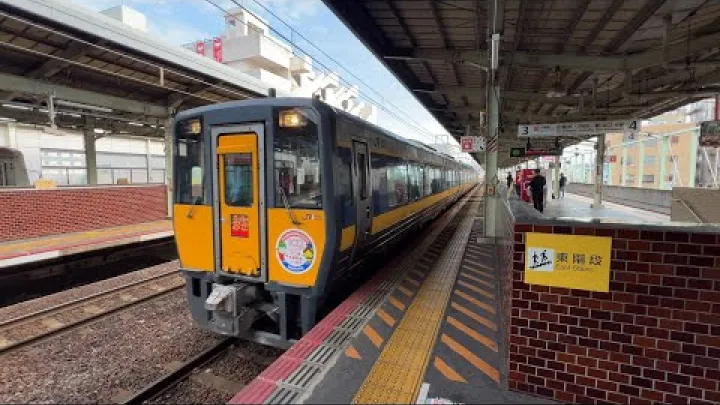
From the station, visitors can continue by local bus, taxi, rental car, or on foot where appropriate. Airport-bus and highway-bus arrivals may use the same general hub, although the exact stop or boarding position can differ. JR Matsue Station is not the same as arriving at Matsue Castle, the historic center, or every lakefront hotel, so check your accommodation's location before choosing the final connection.
Use Matsue Shinjiko Onsen Station for Lakefront Stays and Ichibata Rail
Matsue Shinjiko Onsen Station is the Ichibata Railway terminus near Lake Shinji and the hot-spring area. It can be more convenient than JR Matsue Station for lakefront accommodation or for travel toward Izumo Taisha on Ichibata Railway.
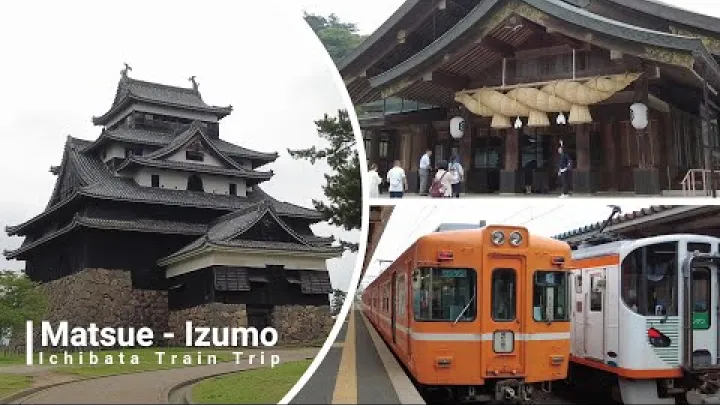
It is not the normal arrival point for the Limited Express Yakumo or other long-distance JR services. Travelers arriving at JR Matsue Station need a local transfer unless their airport bus or another local service goes directly to Matsue Shinjiko Onsen Station.
Ichibata Railway is separate from JR. A JR ticket or rail pass does not automatically cover an Ichibata journey, so check the operator when calculating costs or planning a pass-based itinerary.
Fly to Matsue Through Izumo or Yonago
Air travelers generally compare Izumo Enmusubi Airport with Yonago Kitaro Airport. The better gateway depends on the available flight, airport-bus connection, and the rest of the itinerary. Compare the surface journey into Matsue as carefully as the flight.
Arrive Through Izumo Enmusubi Airport
Izumo Enmusubi Airport is often the first nearby gateway to compare for a Matsue-focused trip. Local access information describes domestic connections including Haneda and airport buses toward Matsue. The flight and airport-to-city journey are separate, so allow time to collect luggage and reach the bus stop.
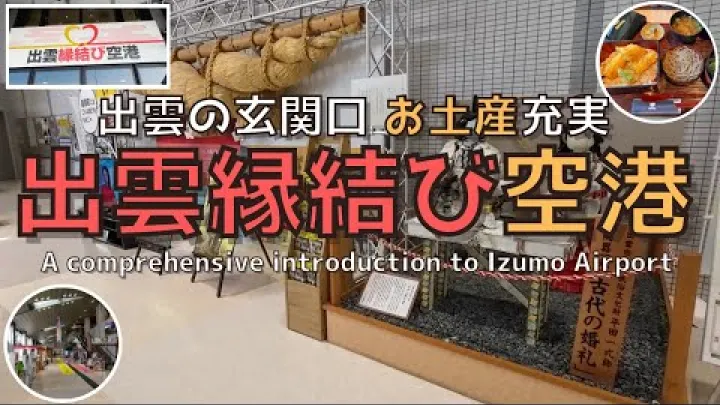
Airport shuttle buses reach JR Matsue Station in approximately 30 minutes in the published local guidance. The listed one-way fare is ¥1,050 to JR Matsue Station and ¥1,150 to Matsue Shinjiko Onsen Station. These are planning reference figures, not permanent prices. The Visit Matsue airport-access page provides the shuttle destinations and guidance.
Izumo is useful when its bus reaches the station nearest your hotel. Choose the JR destination for accommodation near the main intercity station or for a JR connection; choose Matsue Shinjiko Onsen Station when the lakefront or hot-spring area is more convenient and the service operates for your arrival.
Arrive Through Yonago Kitaro Airport
Yonago Kitaro Airport is an alternative gateway when its flight schedule fits better or when your itinerary includes Yonago, Tottori, or eastern San'in destinations. Domestic and selected international services may help some travelers, but availability is route- and date-dependent.

The direct airport shuttle to JR Matsue Station takes approximately 45 minutes and has a listed one-way fare of ¥1,000 in local visitor guidance. Buses are described as departing after domestic flight arrivals. The Visit Matsue airport page provides the reference journey time and fare.
If the bus timing does not fit, rail through Yonago may be a fallback, although it adds another service and station decision. Compare the flight, waiting time, bus or train, and final local journey rather than choosing by map distance alone.
Decide Between the Two Airports Before Booking
Use this decision matrix as a starting point. Bus times and fares are approximate reference figures, while flight routes and prices depend on the date.
| Airport | Surface connection | Useful when | Main question |
|---|---|---|---|
| Izumo Enmusubi Airport | About 30 minutes by bus; ¥1,050 to JR Matsue Station or ¥1,150 to Matsue Shinjiko Onsen Station in published guidance | Matsue or western Shimane is the main focus | Does the flight connect well with the bus and hotel endpoint? |
| Yonago Kitaro Airport | About 45 minutes by direct bus to JR Matsue Station; listed fare ¥1,000 | The flight is better, or the itinerary includes Yonago or eastern San'in | Will the bus or rail fallback fit the arrival time? |
Airport-to-station time is only part of total travel time. A cheaper bus may be outweighed by a long flight wait, while a longer surface connection may be worthwhile if the airfare or arrival time is better. Choose the airport with the strongest confirmed combination of flight, shuttle, accommodation access, and first-day plans.
Take the Train to Matsue
Rail suits travelers who value comfortable daytime travel, want to use eligible JR services, or are building a route through western Japan. The key connection is at Okayama, where the Shinkansen network meets the Limited Express Yakumo.
Travel via Okayama on the Limited Express Yakumo
The standard pattern is a Shinkansen journey to Okayama followed by the Limited Express Yakumo to JR Matsue Station. A representative total is approximately 5 hours 40 minutes from Tokyo and about 3 hours from Osaka. Actual totals depend on the selected Shinkansen, transfer margin, and Yakumo timetable.
Think of the route in three parts: the Shinkansen, the transfer inside Okayama Station, and the Yakumo. Okayama is the point where you leave the Shinkansen and find the limited-express platform, so keep reservation details available and allow a sensible margin, especially with luggage.
Yakumo seats may require or benefit from advance reservation during busy periods. Confirm the current reservation rules for both trains. A pass may cover eligible JR portions under its own conditions, but coverage can differ by pass, train, seat type, route, and supplement. Any onward Ichibata journey is separate.
Ride the Sunrise Izumo Overnight Train
Sunrise Izumo is a direct overnight train from Tokyo toward Matsue and Izumo. It combines transport with a place to sleep and stops at Matsue, making it more direct than changing at Okayama. Sleeping arrangements may include Nobi Nobi space and private compartments, depending on availability.
The price is not simply one train fare: basic rail fare is separate from limited-express charges and, where applicable, a berth or compartment supplement. Availability is the main practical difficulty. Confirm the current reservation-opening rule and total fare through the JR reservation system, and keep a backup flight, daytime rail route, or bus plan.
A secondary explanation from Solo Travel POV can help first-time travelers understand the booking challenge, but current JR information should determine the reservation.
Use Regional Rail from Yonago, Izumo, and Other San'in Gateways
The JR San'in Main Line links Matsue with regional gateways such as Yonago and Izumo. Regular trains are useful when you are already traveling through the San'in region or combining Matsue with smaller destinations. They are generally slower than limited express services but may avoid a detour through Okayama.
From Yonago, regional rail can provide an approach after arriving by air. From Izumo, it can link a visit to Izumo Taisha or Izumo City with Matsue. Compare the station, number of changes, and luggage handling rather than choosing only by train name. Travelers from Kyushu may find routes through Okayama or Shin-Yamaguchi, depending on the date. Keep regional JR rail separate from Ichibata Railway, which serves a different sightseeing pattern.
Travel by Highway Bus
Highway buses can work well when directness and price matter more than speed. Services are subject to operator schedules, traffic, seasonal changes, and promotional conditions, so check the exact route and departure point for your date.
Take Day or Night Buses from Osaka and Kyoto
Direct buses from Osaka and Kyoto can reach Matsue without the Okayama transfer used by the standard train route. Representative journey patterns are about 4.5 hours from Osaka and about 5 hours from Kyoto, although traffic and the selected departure affect the total.
Osaka is associated with a special discount bus offer between Osaka and Shimane. The Kankou Shimane information describes the promotion and representative Matsue connections. Treat promotional tickets as separate products with their own sales channels, travel dates, restrictions, and validity periods.
Day buses provide a direct city-to-city journey. Overnight buses may save a hotel night, but arrival can be early and sleep quality depends on the seat, lighting, stops, and personal comfort. Train is usually preferable for a smoother daytime ride or more predictable transfer environment.
Use Long-Distance Buses from Tokyo, Hiroshima, Okayama, or Fukuoka
Tokyo: An overnight bus is the main direct budget alternative to flying or daytime rail. One travel overview gives a representative journey of around 12 hours and ¥5,000–¥16,000, but the exact fare and operator depend on the date. The Japan Guide access overview helps compare the broad options.
Hiroshima: A direct regional bus can avoid traveling first to Okayama. Compare its arrival time and price with the rail route, especially if you need normal hotel check-in.
Okayama: A bus may appeal if you want a direct road journey, although Yakumo is the main rail alternative. Compare the departure point, stops, seat type, and total time to your hotel.
Fukuoka and wider Kyushu: Longer or overnight services may be available, while rail can use Okayama or another western-Japan connection. Operator listings identify routes involving Fukuoka, Tokyo, Hiroshima, and Okayama, but the useful service depends on the travel date.
Buses can offer direct access and savings, particularly when airfare is high or a rail pass is unsuitable. The trade-offs include lost daytime, road traffic, less space than many trains, and arrival times that may not match hotel reception.
Book and Prepare for a Long Bus Journey
Bookings commonly use an operator website, national booking platform, regional ticket center, or campaign-specific sales channel. Confirm the operator shown on the reservation because services with the same origin and destination may use different terminals, luggage rules, seat layouts, and cancellation conditions.
- Boarding point: Save the terminal, address, bay, and check-in instructions.
- Luggage: Check the number, size, and weight of bags accepted in the hold and at your seat.
- Seat layout: Standard, wider, and more private configurations differ by operator.
- Arrival: Match the expected arrival time with hotel reception and local transport.
- Documents: Know whether the operator requires a printed ticket, QR code, or counter check-in.
Drive to Matsue or Rent a Car Locally
Driving is most valuable when Matsue is part of a wider Shimane or San'in itinerary. It provides access to rural sights, coastal areas, hot springs, and places with infrequent public transport. For a short visit focused on central Matsue, public transport may be simpler after parking and road costs are considered.
Reach Matsue by Expressway from Western Japan
The road approach may combine the Chugoku Expressway, Yonago Expressway, San-in Expressway, and Matsue Expressway, depending on the origin. National Route 9 can provide a final local approach. These are possible corridors rather than one fixed route.
From Osaka, drivers cross a substantial part of western Honshu; Okayama and Hiroshima fit more naturally into a Chugoku or San'in road trip. Yonago is an eastern approach, while Fukuoka involves a much longer drive. A Tokyo drive generally makes sense only as part of a broad road itinerary.
The advantages are control over stops and access to places outside rail corridors. Disadvantages include tolls, fuel, parking, traffic, weather, and driver fatigue. Calculate rental charges, tolls, fuel, parking, insurance options, and any one-way drop-off fee before deciding.
Rent a Car After Arriving in Matsue
Another option is to reach Matsue by train or plane and rent a car locally. Rental offices may be available around JR Matsue Station and nearby airports; confirm the provider's exact location and opening hours.
A local rental is useful for rural Shimane, coastal viewpoints, hot-spring areas, and destinations with limited bus service. It is less useful for a central sightseeing day focused on Matsue Castle, the historic center, and the lakefront.
Prepare for left-side driving, narrow local streets, different road layouts, parking signs, and route choices. Confirm driving documents, insurance, age requirements, child-seat rules, payment conditions, fuel policy, breakdown procedures, and return arrangements directly with the rental provider.
Make the Last Connection into Central Matsue
After a flight or intercity journey, the final endpoint matters. Choose JR Matsue Station or Matsue Shinjiko Onsen Station according to your hotel, sightseeing plans, and onward railway. The simplest connection is often the one that leaves you closest to your accommodation.
Take an Airport Bus to the Station or Lakefront
Izumo Airport buses can serve both JR Matsue Station and Matsue Shinjiko Onsen Station. Choose the JR destination for accommodation near the main intercity station or a JR connection; choose Matsue Shinjiko Onsen Station when the lakefront or hot-spring area is more convenient and the service operates for your arrival.
Yonago Airport's main direct pattern is a bus to JR Matsue Station. Travelers staying elsewhere can continue by local bus, taxi, or another city connection. Read the destination display and confirm the stop before boarding. Airport buses may have specific payment procedures, so follow the posted instructions.
Continue from JR Matsue Station by Foot, City Bus, or Taxi
Walking can suit a central hotel and light luggage. The Lakeline loop bus is useful for Matsue Castle, the historic center, and sightseeing stops. Regular city buses may be better outside the loop, while a taxi is practical with large luggage, rain, mobility needs, or a late arrival.
As a reference, a published Matsue transport guide reports buses at roughly 20-minute intervals and a single ride of ¥210. Treat these as indicative figures. Compare the current day-pass price with individual fares if you plan several rides.
Use signed bus stops and the official taxi rank. Do not accept unsolicited transport offers from people approaching you inside or outside the terminal; ask station staff if you are unsure where to wait.
Change Between JR Matsue and Matsue Shinjiko Onsen Station
The stations can be connected by local bus, Lakeline, taxi, or walking, depending on luggage and destination. JR Matsue Station is the point for Yakumo, other JR services, and many intercity buses. Matsue Shinjiko Onsen Station is the point for Ichibata Railway and the lakefront or hot-spring area.
A traveler arriving by Yakumo might stay near JR Matsue Station, then use a local connection to reach Matsue Shinjiko Onsen Station for an Ichibata trip. A traveler arriving through Izumo Airport may instead select the airport-bus destination closest to the hotel.
Ichibata Railway serves the route toward Izumo and Izumo Taisha, but JR tickets and passes do not automatically cover it. Confirm the operator before boarding and buy a separate ticket or use a pass that explicitly includes the railway.
Finalize Your Matsue Arrival Plan
Base the final choice on the complete chain from departure city to hotel door. Before paying for a scarce seat, discounted bus, flight, or rental car, make sure each connection works with the next one.
Verify Current Routes, Schedules, and Booking Rules
Close to departure, confirm the following with the relevant airline, airport, railway, bus operator, or road provider:
- Airline: Flight number, operating airport, baggage conditions, arrival time, and operation on your date.
- Airport shuttle: Destination, flight-arrival matching, fare, payment method, boarding point, and whether it serves JR Matsue Station or Matsue Shinjiko Onsen Station.
- JR journey: Shinkansen and Yakumo services, Okayama transfer, reservations, train restrictions, and supplements not covered by your pass.
- Sunrise Izumo: Availability, reservation-opening rules, sleeping arrangement, fare components, and a backup route.
- Highway bus: Operator, terminal, bay, seat type, luggage rule, cancellation condition, arrival time, and promotional restrictions.
- Ichibata Railway: Whether your ticket or pass is valid for this separate operator.
- Driving: Road route, toll estimate, fuel, parking, weather or traffic notices, rental opening hours, and drop-off conditions.
Exact fares, departure times, frequencies, and pass rules from an older guide may no longer apply. Use the booking confirmation and current airport, station, operator, or road notices as the final reference.
Align Arrival Time with Lodging and First-Day Plans
A route that is fastest on paper may be unsuitable if it arrives after hotel reception closes or leaves no practical final connection. Check late-arrival procedures, key collection, luggage arrangements, and the final bus or taxi option before choosing an evening flight, overnight bus, or late train.
Choose the endpoint according to the hotel: JR Matsue Station is the normal intercity reference, while Matsue Shinjiko Onsen Station may be better for lakefront accommodation and Ichibata Railway. Air is generally speed-focused, rail offers comfortable overland travel or potential rail-pass value, buses emphasize directness and possible savings, and cars suit wider regional exploration.
Keep a backup when your plan depends on a scarce overnight train, promotional bus, tight airport connection, or limited late-night transport. Aligning the airport, arrival station, local connection, and lodging check-in makes getting to Matsue a manageable part of the trip.
Select area
Create a post
Posting is free and no registration is required.