Matsue Budget: Daily Travel Costs, Prices & Saving Tips
A practical Matsue budget depends less on a single city average than on the choices you make each day. A simple hotel, local meals, walking, and central sightseeing can keep costs moderate, while a Tamatsukuri Onsen ryokan, premium seafood, or a regional excursion can change the total quickly. This guide gives working daily ranges in Japanese yen and explains how to budget for accommodation, food, local transport, attractions, arrival costs, and optional spending. Use the figures as planning allowances, then build your final total from the dates, room type, travel party, and activities you choose.
How Much Does a Matsue Trip Cost?
The easiest starting point is to separate the cost of an ordinary day in Matsue from the cost of reaching the city and from optional splurges. The following figures are per person and per day, but accommodation is often first priced per room or per guest, so the calculation method matters.
Daily Matsue Budget Ranges by Travel Style
As a working estimate, plan about ¥10,000–¥15,000 per person per day for budget travel, about ¥20,000–¥30,000 for mid-range travel, and about ¥40,000–¥70,000 or more for comfortable travel. These bands are centered on Japan-wide planning benchmarks, including the approximately ¥12,000 budget and ¥24,000 mid-range figures reported by Offbeat Japan, and then adjusted for likely Matsue choices. They are not official Matsue averages.
| Travel style | Daily total | Accommodation share | Food | Local transport | Activities |
|---|---|---|---|---|---|
| Budget | ¥10,000–¥15,000 | ¥5,000–¥7,000 | ¥2,000–¥3,000 | ¥1,000–¥2,000 | ¥1,000–¥3,000 |
| Mid-range | ¥20,000–¥30,000 | ¥8,000–¥12,000 | ¥5,000–¥8,000 | ¥1,000–¥3,000 | ¥2,000–¥6,000 |
| Comfortable | ¥40,000–¥70,000 or more | ¥20,000–¥40,000 or more | ¥8,000–¥15,000 | ¥2,000–¥8,000 | ¥5,000–¥12,000 |
The categories do not need to match the top of every range on the same day. A comfortable traveler might spend less on transport by walking, while a budget traveler might have an expensive day after adding a regional ticket and a special meal. A full-board ryokan night is especially different because dinner and breakfast may be included in the accommodation price. International flights, long-distance arrival and departure tickets, major shopping, travel insurance, and personal purchases are outside these core daily estimates.
What the Daily Estimate Includes
The standard daily estimate includes an allocated share of accommodation for one night, meals and ordinary drinks, local transport within the Matsue area, and planned admission or activity costs. It is useful to treat the room as a nightly cost and everything else as a daily cost. For example, a two-night room costing ¥20,000 is ¥10,000 per night for the room, or ¥5,000 per person per night when two people share it.
Solo travelers usually carry the full room cost, unless they choose a dormitory or another shared arrangement. Couples and friends can divide a private room, a taxi, or a private experience between the participants. Do not add a separate dinner and breakfast line when a ryokan plan already includes both meals. Shopping, souvenirs, international transport, long-distance rail, and optional private tours should stay outside the core comparison so that the daily figures remain useful.
How to Turn a Daily Rate into a Trip Total
Use this simple formula: accommodation by night + food by day + local transport by day + activities by day + arrival and departure costs + regional excursions + shopping and personal extras + a flexible reserve. First calculate ordinary city days. Then make separate entries for an Adachi Museum of Art day, an Izumo Taisha day, a seafood dinner, or a Tamatsukuri Onsen night if those costs are higher than usual.
A small worksheet can use these headings:
- Number of nights and room price.
- Number of travelers sharing the room.
- Food allowance for each ordinary day.
- City transport and any one-time local pass.
- Admission and activity allowance.
- Arrival and departure tickets.
- Regional day-trip tickets and local connections.
- Shopping, insurance, and contingency reserve.
Assign a one-time pass or intercity ticket to the trip segment where it is bought, rather than pretending it is a normal daily expense. Short trips can show a high average because a fixed airport bus or limited express ticket is spread across only one or two days. A longer stay may have a lower daily average even if the total amount is higher.
Accommodation Costs in Matsue
Lodging is usually the largest recurring part of a Matsue travel budget. Compare the total value of the room, location, included meals, and transport needs instead of choosing only the lowest displayed rate.
Budget Lodging: Guesthouses and Simple Hotels
Guesthouses, hostels, shared rooms, and simple hotels are the main options for a strict Matsue budget. A current listing snapshot from Expedia shows Matsue hotel inventory advertised from US$37 in its 2026 page title. That is a dynamic entry-level listing in a different currency, not a guaranteed Matsue rate or a typical price for every date. It should not be converted into a fixed yen average without the exchange rate and booking details.

When comparing a low-cost listing, record whether the price is for a dormitory bed, a private room, or an entire room. Also compare shared or private bathrooms, breakfast, cleaning arrangements, cancellation terms, taxes, and the distance from JR Matsue Station or the central sightseeing area. A room that is cheap but far from Matsue Castle, Lake Shinji, or public transport may lead to extra bus or taxi spending. A slightly higher central rate can sometimes reduce the total cost of moving around.
Business Hotels and Shared-Room Value
For planning purposes, an ordinary business hotel can be estimated at about ¥8,000–¥15,000 per room per night, while live Matsue rates may move outside that band according to date, occupancy, and booking conditions. Private rooms near JR Matsue Station or the central city can provide predictable comfort, a private bathroom, and a simple base without the meal structure of a ryokan.
Keep the room price and the per-person price separate. A ¥10,000 room is ¥10,000 per person for a solo traveler but ¥5,000 per person for two people sharing. A breakfast-inclusive plan may be useful when its extra cost is lower than buying breakfast separately, but a room-only rate may suit travelers who want convenience-store, supermarket, or café choices. Location also has a value: a central room may reduce local transport use for Matsue Castle, Lafcadio Hearn sites, Shiomi Nawate, and the Lake Shinji waterfront.
Tamatsukuri Onsen Ryokan and Full-Board Splurges
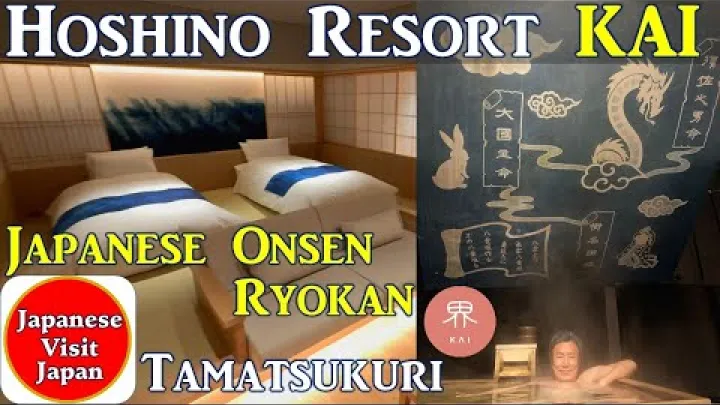
Tamatsukuri Onsen is a different accommodation category from a room-only city hotel. The cited listing for Tamatsukuri Grand Hotel Choseikaku gives a range of ¥16,400–¥74,800 per guest per night, and states that the price includes one dinner and one breakfast. See the Selected Onsen Ryokan listing for that example. The broad range reflects the difference between room categories and upgraded features.
Ryokan prices are commonly driven by room size, meal plan, hot-spring facilities, and features such as a private open-air bath. The quoted basis here is per guest, not per room, and the included meals must be considered before adding a food allowance. At checkout, confirm whether the displayed quote is per guest or per room and whether dinner, breakfast, bathing facilities, taxes, service charges, and other inclusions are covered. Cancellation terms and payment conditions can also change the effective cost.
A useful strategy is to spend most nights in a central business hotel and make one Tamatsukuri night the traditional or comfort centerpiece of the trip. This gives the traveler an onsen experience without making every night a full-board splurge. The reverse can also work for a comfort itinerary, but the higher ryokan rate should be treated as an intentional premium rather than an ordinary daily lodging assumption.
Season, Weekday, and Base Selection
Accommodation availability and price can change on weekends, public holidays, event dates, and other high-demand periods. Rather than assuming that one month is always cheapest, compare several date combinations and calculate the cost of transport and meals for each possible base.
| Base | Price pattern | Main value | Budget question |
|---|---|---|---|
| Central Matsue | Several room levels | Convenient for city sights and stations | Does the room save enough transport and time? |
| Tamatsukuri Onsen | Often higher for meal plans | Onsen atmosphere and bundled meals | Would included dinner and breakfast replace separate meals? |
| Remote or rural base | May offer different room value | Quiet setting or special property | What will the last-mile bus or taxi cost? |
Choose the base according to the number of planned excursions, the meals you want included, the time you are willing to spend traveling, and whether the room is shared. A lower room rate is not automatically cheaper if every sightseeing day requires a long connection. Flexible date searches are useful because they reveal the effect of weekends and events without promising a permanent low season.
Food and Drink Prices in Matsue
Food spending in Matsue can be controlled with simple meals, but local seafood and drinks create clear opportunities for a higher-cost day. Build a normal food allowance first, then reserve a separate amount for one special meal.
Budget Meals and Convenience Food
When current Matsue menu evidence is limited, recent Japan-wide food benchmarks are a starting point rather than a local survey. An indicative simple-food allowance is about ¥2,000–¥3,000 per person per day. This can cover a light breakfast, an inexpensive lunch, and one casual meal if the traveler uses lower-cost planning categories.
A practical pattern might be a convenience-store or supermarket breakfast, a simple set meal or chain lunch, and an inexpensive dinner. Ramen, rice dishes, casual set meals, supermarkets, and convenience stores can all be considered in this category, but individual prices vary by venue. Buying one meal or snack for later can also reduce unplanned spending. The goal is not to avoid local food; it is to protect enough of the daily budget for a worthwhile Matsue experience such as the castle area, Lake Shinji, or a paid cultural attraction.
Casual Restaurants and Izakaya
For a mixed dining plan, use about ¥5,000–¥8,000 per person per day. The supplied national reference from E Housing places a casual mid-range dinner in Japan at roughly ¥3,000–¥6,000 per person, depending on the cuisine. That figure is not a direct Matsue menu measurement, but it is useful for planning one restaurant dinner within a wider daily allowance.
An izakaya bill may include food, shared plates, drinks, and possible fixed charges. Ask how the venue structures its menu when the total matters. A lunch set can be less expensive than a similar dinner, so making lunch the main restaurant meal is one way to preserve a mid-range budget. Travelers who drink alcohol should keep drinks as a separate line when comparing food prices, because beverages can change the final bill more than the main dish.
Seafood, Crab, and Special-Occasion Meals
Matsue's location near the Sea of Japan and Lake Shinji makes seafood an important reason to reserve a special-food budget. Fish, shellfish, crab, and local dishes can be the most memorable part of a trip, but a premium ingredient is not the same as the final restaurant bill. Add side dishes, rice, drinks, service charges, and the number of people sharing the order.
An older 2017 restaurant report described crab examples from ¥2,800 for smaller crabs to ¥15,800 for a very large crab. This is useful only as an illustration of how much a single ingredient and size can vary over time, not as a current Matsue menu quote. Seasonal supply, restaurant style, reservation conditions, and whether a price is per dish or per person all matter. Put premium crab or a seafood course in a separate special-occasion envelope so it does not unexpectedly consume the activity budget.
Daily Food Plans for Three Budget Levels
Use the following allowances as planning choices rather than verified averages for all Matsue restaurants. Drinks should be added separately when they are not included in a meal or accommodation plan.
| Travel style | Indicative daily food allowance | Meal pattern | Cost-control decision |
|---|---|---|---|
| Budget | ¥2,000–¥3,000 | Simple breakfast, inexpensive lunch, casual dinner | Use supermarkets, convenience stores, and low-cost set meals |
| Mid-range | ¥5,000–¥8,000 | Mixed simple meals and one casual restaurant meal | Make lunch the main meal or limit drinks |
| Comfortable | ¥8,000–¥15,000 or more | Premium meals, seafood, drinks, and flexible choices | Reserve a separate fund for crab or special dining |
If a Tamatsukuri ryokan package includes dinner and breakfast, those meals belong in the accommodation line. Only add food bought outside the package, such as lunch, snacks, or drinks. One inexpensive meal around one carefully chosen seafood meal often provides a better balance than paying premium prices for every meal.
Transport and Access Costs
Transport has two distinct parts: getting to Matsue and moving around after arrival. A low daily city budget can still produce a high total trip cost if the gateway ticket or a regional excursion is expensive.
Getting to Matsue: Arrival Costs Are Separate
The cost of reaching Matsue should be placed in an arrival or departure envelope, not silently included in the daily in-city rate. One reported Limited Express Yakumo fare example from Okayama to Matsue starts at about ¥8,120 one way. The Japan Travel by NAVITIME listing also shows other sections, which illustrates why the gateway and origin matter.
![Preview image for the video "[TRIP REPORT] Limited Express Yakumo From Okayama To Izumo In Green Car By JR West 381 Series".](/sites/default/files/styles/media_720x405/public/oembed_thumbnails/2026-08/7agDG2SA64Mz58C6aJuPg4htk54zgH8u-xqs6ksxtZw.jpg.webp?itok=lHXfasaL "Preview image for the video \"[TRIP REPORT] Limited Express Yakumo From Okayama To Izumo In Green Car By JR West 381 Series\".")
Izumo Airport bus access is another separate cost component. Add the current operator fare for the connection to JR Matsue Station or your actual destination rather than substituting an ordinary city-bus fare. Limited-time intercity promotions should not be part of the base budget until their current validity and conditions fit the planned travel date. Before treating a Matsue daily rate as the full trip cost, price the selected rail, bus, or air gateway connection, including the return journey if it is not already covered.
City Buses and the Lake Line
Matsue City buses and the Lake Line are useful cost categories for central sightseeing around Matsue Castle, Shiomi Nawate, the lakefront, Matsue Shinjiko-Onsen Station, and the pleasure-boat area. The supplied fare examples are about ¥250 for a standard adult city-bus ride and about ¥210 for an adult Lake Line ride. A Lake Line one-day pass is reported at about ¥520 for an adult, and a common two-day pass example is about ¥1,050 for an adult.
The Japan Travel by NAVITIME fare listing gives the Lake Line pass examples and child figures shown for those products. For a simple break-even calculation, three ¥210 Lake Line rides total ¥630, so a ¥520 one-day pass can be cheaper when all three rides are covered. Two rides total ¥420, so buying a pass for only two rides would not save money on that comparison. A two-day pass around ¥1,050 reaches the equivalent of five ¥210 rides, but its value depends on its wider coverage and validity rules. Check operating days and exclusions before relying on a pass.
Ichibata Railway and Regional Excursion Costs
Ichibata Electric Railway is a major regional transport cost when traveling from Matsue Shinjiko-Onsen toward the Izumo area. Supplied fare examples are about ¥770 to Dentetsu Izumoshi and about ¥900 to Izumotaisha-mae. These figures are useful snapshots for a first calculation, but the full day-trip amount also includes the return journey, local connections, meals, optional admissions, and any planned shopping.
A reported two-day regional pass around ¥3,000 for adults may be useful when several covered journeys are planned. Compare that price with the individual tickets you would actually buy. A pass can be poor value if the day is mostly spent walking in central Matsue or if an intended destination is outside the participating operators. Treat the pass as a regional product, not as a replacement for every city bus or airport connection. Its value depends on operator coverage, validity dates, purchase rules, and exclusions.
Taxis and Last-Mile Choices
A supplied taxi example uses a base fare of about ¥730 for the first 2 kilometers, followed by about ¥90 for each additional 280 meters. This is a fare-structure indication rather than a promise for a particular journey. The final amount can vary with the operator, distance, traffic, destination, and any applicable local conditions.
Taxis are most useful as a targeted expense for a late arrival, early departure, remote lodging, heavy luggage, or a group that can share the fare. They are not usually the default method for every central sightseeing trip. When comparing accommodation, keep a small last-mile allowance if the property is outside the main network. For two or more travelers, compare the shared taxi total with the combined bus or rail fares and the value of the time saved.
Attractions and Day-Trip Spending
Matsue has enough central, low-cost, and paid experiences to build a full itinerary without paying admission at every stop. The key is to combine one main attraction with walking, waterfront time, and other lower-cost activities.
Matsue Castle, Hearn Sites, and Low-Cost City Time
Matsue Castle is the main paid-sightseeing anchor for many visitors, while the castle area, Shiomi Nawate, former Lafcadio Hearn sites, and Lake Shinji provide ways to structure a day around walking and public spaces. Paid admissions should be kept separate from free or low-cost time. Do not assume that a central sightseeing day requires a large activity budget simply because it includes an important landmark.
A cost-conscious plan can cluster the castle area and Hearn-related locations before continuing toward the waterfront. That reduces backtracking, saves local fares, and leaves room for one paid admission or a boat-related activity if desired. Current admission prices for Matsue Castle and Hearn-related sites are not included here, so use official ticket information when assigning exact amounts. The practical decision is to choose the central paid anchor that matters most and use the surrounding streets and lakefront to fill the rest of the day.
Adachi Museum of Art: A Clear Admission Anchor
The official adult admission figure for the Adachi Museum of Art is ¥2,500 from the fee revision effective April 1, 2025. The Adachi Museum of Art notice also lists ¥2,000 for university students, ¥1,000 for high school students, and ¥500 for elementary or junior high school students in the cited schedule.
Admission is only one line in the museum-day budget. Add the transport from Matsue, local connections, food, and time spent away from central Matsue. At ¥2,500 for an adult, the museum can fit naturally into a mid-range activity allowance, but it may make a strict budget day more expensive. Student and child rates depend on eligibility, so each traveler should use the appropriate category when calculating the group total.
Izumo Taisha and Other Regional Day Trips
Izumo Taisha is a clear example of a regional day trip whose cost is made up of several smaller lines. Add the Ichibata or other regional transport fare, local connections, the return journey, food, optional admissions, and shopping. A day trip may be worthwhile because of its cultural importance, but it should be compared with the alternative of spending the same budget on several central Matsue experiences.
Rank regional excursions by their main cost drivers. Transport is often the first item, followed by meals and optional activities. A full-day excursion can raise an otherwise ordinary budget day, especially when combined with premium food. Before fixing a day-trip date, check the current admission price, opening hours, reservation rules, seasonal requirements, and operating days for every attraction on that date. These details affect both the amount paid and the risk of making an unusable booking.
Mix Free, Low-Cost, and Paid Experiences
Build each sightseeing day around one paid anchor and several free or low-cost activities. For example, a central day can combine a selected admission with the castle district, historic streets, a Lake Shinji viewpoint, and time near Matsue Shinjiko-Onsen Station. A Lake Line pass may support this pattern when the planned rides reach its break-even point, while a walking plan may be cheaper on a compact day.
Keep the activity fund flexible instead of paying for many attractions simply because they are available. If a boat cruise, meal, or ryokan package already includes part of an experience, do not count that component again. Budget travel may use one paid anchor every one or two days, mid-range travel can add several admissions, and comfortable travel can choose more paid cultural experiences without making every stop mandatory.
How to Save Money in Matsue
The strongest saving decisions usually involve the base, the number of regional trips, and the balance between local food and special meals. Small fare savings help, but changing one expensive night or excursion can have a larger effect.
Choose a Base That Matches Your Budget
A city guesthouse or business hotel, a Tamatsukuri Onsen ryokan, and a remote or rural base offer different combinations of price and experience. A central Matsue base may make Matsue Castle, Lafcadio Hearn sites, Lake Shinji, JR Matsue Station, and city transport easier to budget. A Tamatsukuri base may bundle dinner, breakfast, and bathing into a higher nightly price. A remote base may offer a different atmosphere but require more last-mile planning.
Use this decision tree:
- If the nightly budget is strict, start with a shared room or simple city hotel and compare the total transport cost.
- If included meals and an onsen experience are the priority, price one Tamatsukuri night as a deliberate splurge.
- If atmosphere matters more than central access, calculate the added bus or taxi cost before choosing a remote base.
- If traveling as a couple or group, divide the room and shared transport costs before comparing properties.
One comfort night in Tamatsukuri alongside lower-cost city nights can provide variety without setting the entire trip at the highest accommodation level. No area is universally cheapest because the answer changes with meals, room sharing, and the number of excursions.
Use Lower-Demand Dates Without Assuming a Guaranteed Discount
Compare weekdays, weekends, public holidays, event dates, and high-demand travel periods in the same accommodation search. Flexible dates may improve the chance of finding a lower rate, but no particular month or weekday should be treated as permanently cheapest. The best date is the one that combines an acceptable room rate with suitable transport and attraction plans.
Compare refundable and nonrefundable rates as separate products. A cheaper nonrefundable rate may not be better if the schedule is uncertain. Also compare different booking windows and note whether breakfast, taxes, or cancellation rights change between offers. If the terms permit changes, checking the rate again later can reveal a better option, but only rebook when the cancellation and payment conditions are clear.
Use Passes Only When the Math Works
Start with the journeys you will actually make, then compare pay-as-you-go fares with the Lake Line pass, city transport options, and regional passes. The basic formula is pass price divided by the relevant single-ride fare. For example, ¥520 divided by ¥210 is about 2.5, so a traveler expecting three covered Lake Line rides may benefit, while someone taking only two may not.
That calculation is only valid when the pass covers the intended service and destination. Check validity dates, participating operators, exclusions, purchase locations, and temporary service limitations. Avoid overlapping passes, such as buying a regional product for a day spent mainly walking in central Matsue. A pass is a tool for a defined travel pattern, not automatically a discount.
Balance Local Food and Paid Experiences
Protect the budget for one local food or cultural highlight by keeping the surrounding meals simple. An inexpensive breakfast or lunch can sit next to a planned seafood dinner without requiring a premium allowance for the entire day. Lunch pricing, shared dishes, and nonalcoholic drinks may make a local restaurant easier to fit into a mid-range plan than a large dinner with several drinks.
Use a separate allocation such as simple meals, one specialty meal, transport, and admissions. If the specialty meal costs more than expected, decide whether to reduce a later admission or use a lower-cost meal rather than letting the overspend spread invisibly across the trip. Check current menus, seasonal availability, reservation conditions, and whether prices are per dish or per person when choosing the meal. The saving tactic works best when the special meal is selected in advance.
Sample Matsue Budget Profiles
These profiles show how the daily bands can work in practice. They are not fixed itineraries or guaranteed totals. Each profile excludes international flights, long-distance arrival costs, major shopping, and personal insurance unless those items are added separately.
Budget Traveler Profile
A budget traveler can target about ¥10,000–¥15,000 per person per day with a low-cost guesthouse or simple hotel, simple meals, walking, city buses, and limited taxi use. Activity spending can focus on one or two selected paid attractions while the rest of the day uses central streets, the castle area, and Lake Shinji time.
| Category | Planning share per person per day | Budget decision |
|---|---|---|
| Accommodation | ¥5,000–¥7,000 | Use a shared room or low-cost private room |
| Food | ¥2,000–¥3,000 | Combine simple meals with one casual choice |
| Local transport | ¥1,000–¥2,000 | Walk central areas and use buses selectively |
| Activities | ¥1,000–¥3,000 | Choose a small number of paid anchors |
A regional day trip, premium seafood meal, or expensive arrival ticket may create a higher-cost day and should be placed in a separate envelope. Guesthouse conditions, room sharing, flexible dates, and the distance from the main sights determine whether the target band is realistic.
Mid-Range Traveler Profile
A mid-range traveler can plan about ¥20,000–¥30,000 per person per day around a private business hotel, a mixture of casual restaurants and simple meals, regular public transport, and several paid attractions. Couples can reduce the accommodation share by sharing a room, while a solo traveler should use the full room cost in the calculation.
| Day type | Accommodation | Food | Transport | Activities | Working total |
|---|---|---|---|---|---|
| Ordinary city day | ¥8,000–¥12,000 | ¥5,000–¥7,000 | ¥1,000–¥2,000 | ¥2,000–¥4,000 | About ¥16,000–¥25,000 |
| Excursion day | ¥8,000–¥12,000 | ¥5,000–¥8,000 | ¥2,000–¥5,000 | ¥2,000–¥6,000 | About ¥20,000–¥31,000 |
An Adachi Museum of Art or Izumo Taisha day can sit near the upper end because transport and admissions are added to an ordinary room and food cost. The profile remains flexible: one inexpensive meal, a selected pass, and shared lodging can offset one higher-cost excursion.
Comfortable Traveler Profile
A comfortable trip uses approximately ¥40,000–¥70,000 or more per person per day as a broad working range. The profile may include an upscale city room or a Tamatsukuri Onsen ryokan, premium meals, taxis when they save time, and several paid cultural experiences. A full-board ryokan or premium seafood meal can push a day above the range.
| Day type | Lodging pattern | Food line | Transport and activities | Planning result |
|---|---|---|---|---|
| Comfort city day | Upscale room, often shared | ¥8,000–¥15,000 | ¥7,000–¥20,000 | About ¥40,000–¥60,000 may be workable |
| Full-board ryokan day | Ryokan package per guest | Included dinner and breakfast; add outside meals only | ¥5,000–¥20,000 | About ¥40,000–¥70,000 or more |
Comfort travel does not require the highest available price for every night. One high-value Tamatsukuri night can be balanced with comfortable city nights, and walking can replace taxis when convenient. When calculating a full-board ryokan day, do not add the included dinner and breakfast again to the food line.
Adjusting for Solo Travel, Couples, and Trip Length
Separate costs into room, person, and trip-level fields. Room costs are often priced per room, while food, admissions, and many fares are priced per person. A simple calculator template is:
- Room cost per night divided by the number of people sharing.
- That per-person room cost multiplied by the number of nights.
- Food, local transport, and activities multiplied by the number of days.
- One-time rail, airport, pass, and regional excursion costs assigned to the traveler or shared group.
- Shopping and reserve kept as personal or group extras.
Solo travel usually produces a higher lodging cost per person because the room is not divided. Couples may reduce the accommodation share, and groups may also divide a taxi or private activity. Fixed arrival costs and multi-day passes affect a short trip more strongly because there are fewer days over which to spread them. Calculate each person's share separately when one person pays for a shared room, taxi, or private tour.
Matsue Budget Planning Checklist
Use the final checklist after choosing dates, a base, and the main sightseeing days. It separates reliable planning categories from optional costs that can otherwise disappear into one daily average.
Verify Live Prices, Inclusions, and Payment Options
Prices change, and a displayed number can have a different basis from the one assumed in a spreadsheet. Before payment, complete these checks:
- Record the price date and travel dates for every accommodation, transport, pass, admission, and restaurant estimate.
- Confirm whether the amount is per room, per guest, per dish, per ride, or per pass.
- Check whether breakfast, dinner, bathing facilities, taxes, service charges, and other inclusions are covered.
- Read cancellation, refund, change, and nonrefundable conditions before comparing the rate with another offer.
- Confirm the current admission price, opening hours, reservation rules, and operating days for attractions assigned to a specific date.
- Check accepted payment methods with the lodging, attraction, restaurant, or transport operator instead of assuming that cards or cash will always work.
- Keep Japanese yen as the main planning currency. Treat exchange-rate conversions as personal estimates that can change before payment.
This checklist is especially important for a ryokan quote, a regional pass, a seasonal seafood meal, or a booking made through an overseas currency display. The final amount in yen and the stated inclusions are more useful than a low headline price by itself.
Separate Arrival, Daily, Day-Trip, and Shopping Budgets
Four budget envelopes make the total easier to understand:
| Spreadsheet heading | Examples | Why it is separate |
|---|---|---|
| Getting to Matsue | Airport bus, Limited Express, air or rail gateway | One-time or departure-linked cost |
| Ordinary city days | Room, meals, city buses, central admissions | Recurring daily spending |
| Regional excursions | Adachi Museum, Izumo Taisha, special tours | Higher transport and activity cost |
| Shopping and extras | Souvenirs, personal purchases, optional upgrades | Flexible spending that varies by traveler |
Put airport buses, Limited Express fares, and other long-distance tickets in the arrival or departure envelope. Put the Adachi Museum, Izumo Taisha, premium meals, and special tours in the relevant excursion or activity envelope. This structure prevents a low daily city average from hiding a large total trip cost.
Allow for Seasonal and Optional Spending
Add a flexible reserve to the base budget for a higher room rate, an optional taxi, a premium seafood choice, a ryokan upgrade, or an extra admission. The reserve is not a claim about a fixed seasonal surcharge. It protects the plan from changing rates and from the personal choices that make one day different from another.
Use a simple formula: base budget + flexible reserve = trip budget. If the verified total is above the preferred band, use a clear go-or-no-go decision. Change dates, choose a different lodging base, reduce premium meals, or remove one regional excursion instead of cutting every small experience. For budget travelers, lodging and regional transport are usually the biggest decisions. For mid-range travelers, room sharing and the number of excursions matter most. For comfortable travelers, the main choice is whether a full-board ryokan or premium meal is worth the increase.
Conclusion: Build a Matsue Budget Around Your Priorities
A realistic Matsue travel budget starts with about ¥10,000–¥15,000 per person per day for budget travel, ¥20,000–¥30,000 for mid-range travel, and ¥40,000–¥70,000 or more for comfortable travel. These figures become useful only when accommodation, food, local transport, activities, arrival costs, regional excursions, and shopping are kept in separate categories.
Choose the experience that matters most, whether that is Matsue Castle and the Hearn sites, Lake Shinji, an Adachi Museum visit, Izumo Taisha, local seafood, or one Tamatsukuri Onsen night. Then spend less on the categories that matter less to you. That approach produces a more accurate total and a better Matsue trip than trying to find one universal daily price.
Select area
Create a post
Posting is free and no registration is required.