Matsue Where to Stay: Best Areas for Sightseeing & Onsen
Choosing where to stay in Matsue is less about finding one universally best hotel and more about matching your base to your daily route. The city brings together JR trains, a castle-centered heritage district, Lake Shinji, two different onsen areas, and regional day-trip connections. This guide compares the main places to stay in Matsue for sightseeing, transport, budget, walkability, evening comfort, and different trip lengths. It also explains how to choose between a business hotel, ryokan, lakeside onsen hotel, guesthouse, or apartment-style stay.
The Quick Answer: Where to Stay in Matsue
For many first-time visitors, Matsue Shinjiko Onsen and the Lake Shinji area are the best all-round base. You can combine hot-spring facilities and lakeside scenery with access to Matsue Castle, the castle town, and central Matsue. This area is especially suitable when the experience of staying in Matsue matters as much as efficient transport.
Choose JR Matsue Station instead if you arrive or depart by train, plan several regional day trips, have heavy luggage, need early transport, or prefer a predictable business hotel near restaurants and convenience stores. Choose Matsue Castle Town and Old Town if your priority is walking to the castle, moats, museums, traditional streets, and historic atmosphere. Choose Tamatsukuri Onsen when you want a deliberate ryokan retreat with traditional meals, bathing, and a slower evening rather than a convenient city base.
Matsue Shinjiko Onsen is centered on the private railway station of the same name, in the northwestern part of central Matsue. The location is different from JR Matsue Station, so the station names should be part of your lodging decision. The official Kankou Shimane destination information is useful for understanding this transport anchor and its position within the city.
Compare Matsue's Main Areas
The four main bases serve different travel rhythms. The table below gives a quick starting point, but the exact convenience of a hotel depends on its position within the district, your luggage, and when you travel each day.
| Area | Best for | Main advantage | Typical trade-off |
|---|---|---|---|
| JR Matsue Station | Rail, day trips, short stays | Transport and practical facilities | Less historic atmosphere |
| Matsue Castle Town | Heritage and walking | Close to major cultural sights | Fewer direct rail connections |
| Matsue Shinjiko Onsen | First visits, scenery, baths | Lake views and central onsen setting | Some hotels cost more |
| Tamatsukuri Onsen | Ryokan retreats | Traditional hot-spring town experience | Extra transfer from central Matsue |
JR Matsue Station: Best for Transport and Regional Day Trips
JR Matsue Station is the practical choice when transport starts most days. It is the main regional gateway for visitors arriving by JR, and the surrounding area is useful for city buses, intercity connections, car rental, luggage handling, and early departures. A station-area base reduces the need to move bags across town and makes a short one-night stay easier to manage.
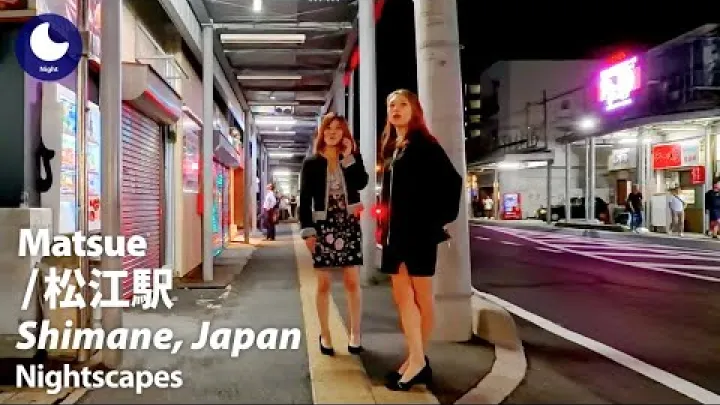
The trade-off is that the station is not the most atmospheric part of Matsue. Matsue Castle, the castle town, and the Lake Shinji waterfront are in different parts of the city, so sightseeing will usually involve a city bus, taxi, or a longer walk. That is not a serious problem if your itinerary is rail-heavy, but it can feel inefficient if you want to step outside your hotel directly into the historic center or lakeside scenery.
Station hotels suit solo travelers, business visitors, travelers with limited time, and anyone who prefers familiar business-hotel facilities. They are also sensible when you will leave early for another destination. Pick this area when predictable connections matter more than a traditional room, a lake-facing setting, or a quiet onsen evening.
Matsue Castle Town and Old Town: Best for Heritage and Walkable Sightseeing
Staying near Matsue Castle places you close to the city's strongest heritage experience. Depending on the exact property, you may be able to walk to the castle, moats, samurai-related sites, the Lafcadio Hearn Memorial Museum, and old streets around the Ohashi River. This base works well for visitors who want to spend the day moving between cultural sights without returning to a station area after every visit.

The castle-town area is also a natural choice for a traditional inn or a small historic property. A Horikawa Pleasure Boat cruise can fit easily into a walking-focused day, and the surrounding streets give the stay a stronger sense of place than a standard station hotel. Accommodation searches have included names such as Ohashikan and Yonemuraya, but these should be treated as examples of the type of stay available, not as a permanent ranking.
Walkability here means easy movement within the heritage core, not necessarily easy access to every part of Matsue. JR trains and some regional connections are less direct than at JR Matsue Station, and evening commercial activity can be limited once the main attractions close. Accept this extra transfer if your ideal day begins and ends near the castle, museums, and traditional streets.
Matsue Shinjiko Onsen and Lake Shinji: Best All-Round Scenic Base
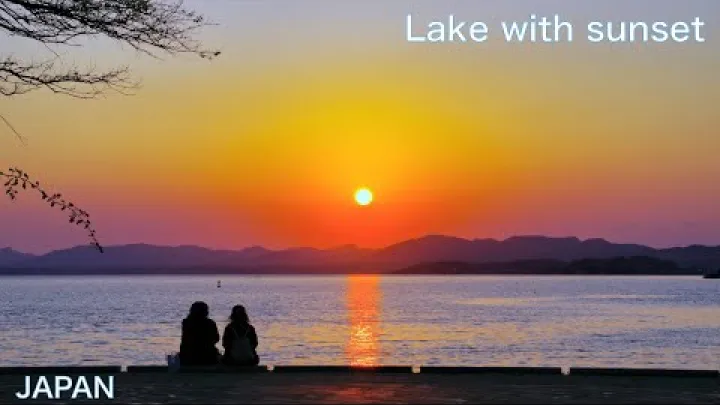
Matsue Shinjiko Onsen is the strongest default for many visitors who want a balanced Matsue stay. The area combines hot-spring accommodation with access to Lake Shinji, making it possible to add a lakeside walk or sunset time to a sightseeing day. It also remains connected to central Matsue, so it can serve travelers who want more atmosphere than the station area without choosing a separate rural retreat.
There is an important distinction between a hotel near the lakefront and a property that is simply classified within the wider Matsue Shinjiko Onsen neighborhood. A neighborhood booking page such as Hotels.com can help show the range of listings, but it should not be read as a fixed ranking or proof that every property has the same view or bath access.
Names that may appear in searches include Hotel Ichibata, Matsue Shinjiko Onsen Yukei-Kohan Suitenkaku, Matsue New Urban Hotel, and Onyado Nono Matsue. Use them as starting points for a live search rather than automatic recommendations. Confirm whether the selected room plan includes access to communal baths, a private bath, meals, or lake-facing facilities. A hotel can be in the onsen district without every room having a lake view.
The main disadvantages are cost and schedule. Onsen hotels may charge more than station business hotels, particularly when dinner, breakfast, upgraded views, or larger rooms are included. Dining may also be more centered on the hotel, while early JR departures can require an additional transfer. This area is the default only when scenery and lodging experience fit your itinerary.
Tamatsukuri Onsen: Best for an Intentional Ryokan Retreat
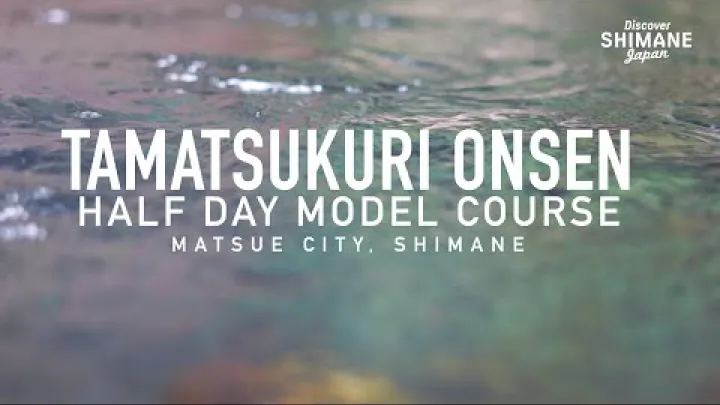
Tamatsukuri Onsen is a distinct hot-spring town within the wider Matsue area, not another central Matsue neighborhood. Its appeal is the stay itself: ryokan atmosphere, extended bathing, traditional meals, river walks, and a quieter evening rhythm. It is a good choice for couples, restorative travel, or visitors who want one or two nights devoted mainly to an onsen experience.
The access pattern makes the difference clear. From JR Tamatsukurionsen Station, Kankou Shimane describes an Ichibata Bus journey of approximately 10 minutes to the Tamatsukuri Onsen bus stop. Your accommodation may still involve a separate walk or local transfer, so the station-to-inn route matters when you have luggage.
Tamatsukuri Onsen is not the default base for a short castle-and-lake itinerary. Commuting back toward central Matsue each day adds a transfer and makes spontaneous returns less convenient. Treat it as an onsen-focused stay or a one- to two-night extension, especially if you want the evening to take place at the ryokan rather than in central Matsue.
How Transport Should Shape Your Matsue Base
Matsue's districts are close enough to combine but separate enough that the best base depends on the order of your day. Think first about where you will begin and end most often, then compare the lodging atmosphere.
JR Trains, Buses, Taxis, and Luggage
JR Matsue Station matters most when you arrive with luggage, use regional trains, or have early and late connections. It gives you a simple arrival route and places city buses, taxis, and car-rental options within a practical transport zone. This can outweigh the appeal of a more scenic neighborhood when your itinerary includes several journeys beyond Matsue.
The Ohashi River and the separation between the station, castle town, and lakeside areas create small but meaningful decisions. Walking can be pleasant when you have light bags, suitable weather, and a day focused on nearby sights. A city bus is useful when you want to link districts during the day, while a taxi can save time when you are carrying luggage or returning after dinner. The most convenient mode changes with the route rather than belonging permanently to one area.
Use this simple rule: stay near JR Matsue Station when transport begins most days; stay nearer the castle or lake when sightseeing begins and ends there. International visitors should distinguish JR Matsue Station from Matsue Shinjiko-Onsen Station when entering directions into a map or asking for a taxi.
Matsue Shinjiko-Onsen Station and the Izumo Connection
Matsue Shinjiko-Onsen Station is an Ichibata Railway station in the onsen district. It is not the same station as JR Matsue Station, and that distinction can affect both the hotel walk and your regional itinerary. A property may be convenient for the private railway while being less convenient for a JR departure.

This station can suit travelers combining Matsue with Izumo Taisha while also wanting a lakefront onsen base. The regional railway connection makes the district more attractive for that combination than its position on a simple city map might suggest. At the same time, it does not replace JR access for every regional destination, so do not choose the area solely because one planned journey appears convenient.
If you plan an Izumo day trip from Matsue Shinjiko-Onsen Station, check the current Ichibata Railway timetable and the final return service before booking around that plan. Pay particular attention to the departure time, the return service, and whether your hotel is close enough to the station for your luggage and evening arrival.
The station's location and transport role are outlined by Kankou Shimane. Use the official route and timetable information for the details that determine whether this base works for your dates.
Lakeline Sightseeing Bus and Walkable Sightseeing Loops
The Matsue Lakeline Sightseeing Bus can reduce the disadvantage of staying away from one particular attraction. It links major tourism anchors such as Matsue Castle and the Lake Shinji area, allowing a station-area visitor or a less central hotel guest to build a sightseeing loop without changing buses repeatedly.
Official tourism information describes the Lakeline as an approximately 70-minute tour of major attractions, with buses departing every 20 to 30 minutes in the published operating pattern. See the current service details for your travel date through Kankou Shimane. A day pass may be useful when its current fare and validity match several planned rides, but it should be judged against your actual route.
The bus is mainly a daytime sightseeing tool. It is not a substitute for late-night transport, early JR departures, or every connection to Tamatsukuri Onsen. Use it to widen your daytime accommodation choices, not to assume that every hotel will have convenient transport at every hour.
Stays Beyond Central Matsue: Access Trade-Offs
Tamatsukuri Onsen is the clearest example of a worthwhile but separate base. It offers a different experience from central Matsue, yet it requires an additional transfer and makes repeated visits to the castle area less spontaneous. That trade-off is reasonable when bathing and ryokan time are the purpose of the trip.
Outlying coastal areas such as Mihonoseki may suit a specific local, coastal, or event-focused itinerary. They are not the default for a visitor whose main goals are Matsue Castle, the castle town, Lake Shinji, and central dining. Being within Matsue City's administrative boundary does not mean a property is close to the city center.
Evidence for accommodation and English-language transport information can also be thinner outside the main areas. Before choosing an outlying base, confirm the transport plan, dining options, luggage arrangements, and return route. Check the last connection, the transfer point, and a taxi fallback before committing to Tamatsukuri Onsen or another property beyond central Matsue.
Choose the Right Accommodation Type and Price Level
Once you have selected an area, choose the accommodation style according to the purpose of the stay. A lower room rate may be the better value when you spend all day sightseeing, while a higher total can make sense when the bath, meals, and room are central to the experience.
Business Hotels Near the Station: Predictable and Efficient
Business hotels near JR Matsue Station are practical for solo travelers, business visitors, short stays, and anyone departing by train or bus. Their value is efficiency: a compact room, a straightforward check-in, Wi-Fi, and an easy route with luggage. They also tend to place you near practical evening services, although the exact restaurant and convenience-store options depend on the hotel's position.
When comparing listings, look at the actual station entrance and the route from the platform, not only the hotel name. Check whether breakfast, luggage storage, front-desk hours, and other useful facilities are included in the selected plan. Search results may include Toyoko Inn Matsue Ekimae, Matsue Plaza Hotel, or Green Rich Hotel Matsue Eki Across, but these names are illustrations for a live search rather than a universal ranking.
The usual trade-off is less historic atmosphere and less emphasis on a full onsen or ryokan experience. That is not a disadvantage for every traveler. If your room is mainly a base between regional journeys, a station business hotel can be the most comfortable and cost-effective choice.
Ryokan and Lakeside Onsen Hotels: Experience Over Convenience
Ryokan, modern hotels with communal baths, and resort-style lakeside onsen properties are related but not identical categories. A ryokan may emphasize tatami rooms and traditional meals. A modern onsen hotel may focus on large communal bathing facilities and convenient hotel services. A lakeside property may emphasize views and a hotel-centered evening. Compare the actual experience rather than assuming every hot-spring hotel offers all three.
This category suits couples, restorative short stays, and visitors who want Matsue's hot-spring and lakeside identity to be part of the accommodation. Examples such as Ohashikan, Hotel Ichibata, and Matsue Shinjiko Onsen Yukei-Kohan Suitenkaku can help you begin a search, but the exact room and meal plan determine what you receive.
Compare the complete meal-included total with a room-only stay before paying a premium. Include dinner, breakfast, bath access, private-bath charges, and a higher-priced view category in the comparison. A room-only onsen hotel may not deliver the traditional evening you expected, while a meal-included plan may be good value if you would otherwise need to travel for dinner. Do not assume that a private bath, lake view, or traditional meal is included unless the exact booking plan states it.
Guesthouses, Hostels, and Serviced Apartments: Check Supply Carefully
Matsue has some guesthouse-style options, but it should not be assumed to have the same broad hostel and serviced-apartment supply as a major Japanese city. Onsen Guest House Aobato no Su is one researched example that may appear in accommodation guides, but availability and operating details should determine whether it fits your dates.
A guesthouse can suit solo travelers, social stays, and tighter budgets. Confirm whether the room is private or shared, and whether bathrooms, kitchens, and other facilities are communal. A serviced apartment can be useful for a longer stay only when kitchen equipment, laundry, occupancy limits, and cleaning arrangements match your needs.
For either category, location is more important than the label. A low-cost property outside the station, castle, lake, or onsen areas may cost more in time and taxis than its room rate suggests. Map the route to your first morning destination and your evening dining options before choosing a property mainly because it is described as a hostel or apartment.
Safety, Walkability, and Booking Checks
Area choice also affects how comfortable the city feels at different times of day. Matsue is generally experienced as a calm, low-stress destination, but quiet streets, limited late dining, and transport gaps still matter for practical planning.
Safety Baseline and Comfort After Dark
The available information does not justify naming one Matsue neighborhood as the safest or presenting any accommodation district as risk-free. Separate a broad safety impression from personal comfort: a quiet castle-town or lakeside street may feel empty after attractions close, while the station area usually provides more visible evening activity and easier access to practical services.
Use ordinary urban travel precautions. Keep belongings secure, stay aware of your route, and avoid deserted shortcuts if they make you uncomfortable. After dark, use a well-lit main route and arrange a taxi if a quiet walk feels uncomfortable. Before dinner or an evening bath, know how to reach the property and where you can obtain help or transport. This is especially useful for solo travelers, visitors carrying luggage, and anyone arriving after the main sightseeing period.
Quietness is not evidence of danger, and more activity is not a guarantee of comfort for every traveler. Choose the district whose lighting, foot traffic, and evening services match your own preference rather than relying on a simple safest-area label.
Walkability, Noise, and Evening Dining
Each base has a different evening profile. JR Matsue Station is the practical choice for restaurants, convenience, and transport activity. The castle town is strongest for heritage walks and a quieter historic atmosphere. The Lake Shinji area suits a promenade or scenic evening, while Tamatsukuri Onsen offers a compact strolling environment that is more likely to revolve around the ryokan and hot-spring town than late-night city dining.
Being able to walk to daytime sights is different from being able to find a late-opening restaurant, bar, or convenience store. If evening food is important, identify realistic dining options near the exact property rather than judging the whole district. If you prefer a hotel-centered evening, an onsen stay may be more satisfying even when it is less convenient for spontaneous restaurant choices.
Noise also varies within each area. A room near a station entrance, main road, riverfront route, or busy evening street may feel different from one on a quiet residential side street. Read the property's position carefully and consider room orientation when that information is available. Luggage, rain, cold weather, and bridges can also change how walkable a route feels, even when the map shows a short distance.
Prices, Availability, and Live Listing Details
Matsue accommodation prices and availability vary by date, weekend demand, festivals, holidays, room plan, and meal inclusion. A booking snapshot should not become a permanent price promise. As a relative guide, station business hotels are often the practical budget-to-midrange reference, castle-town inns may be limited, and onsen hotels often cost more because of baths, meals, larger rooms, or views.
Use current accommodation platforms to compare dates and property types. A page such as Hotels.com can help identify live options, but star ratings, review counts, and one platform's order of results are not universal recommendations.
Open the live property listing immediately before booking and confirm:
- the exact address and distance from the relevant station or bus stop;
- the room type, bed arrangement, occupancy, and whether the room is private;
- whether bathing is communal, private, in-room, or subject to an additional charge;
- whether breakfast or dinner is included, and the meal times and cancellation conditions;
- front-desk hours, late-arrival arrangements, and luggage storage;
- the operating status and the practical route from JR Matsue Station, Matsue Shinjiko-Onsen Station, or JR Tamatsukurionsen Station.
Compare the full payable total, not only the first nightly figure. This final check prevents an attractive room-only listing from being compared unfairly with a meal-included ryokan or an onsen hotel with additional bathing and view charges.
Final Recommendation: Pick the Base That Matches Your Trip Rhythm
For a first trip focused on Matsue Castle, Lake Shinji, and a comfortable local experience, start by searching Matsue Shinjiko Onsen. It is the best all-round default when you want scenery and bathing without giving up access to central sightseeing. Then change that choice if your schedule points elsewhere.
- Choose JR Matsue Station for rail connections, regional day trips, early departures, luggage convenience, or a short efficient stay.
- Choose Matsue Castle Town and Old Town for heritage walks, museums, traditional streets, and a stronger historic atmosphere.
- Choose Matsue Shinjiko Onsen for a balanced first visit with Lake Shinji, hot springs, and central sightseeing access.
- Choose Tamatsukuri Onsen for a planned ryokan retreat, especially when bathing and traditional meals are more important than daily city transfers.
The right answer to where to stay in Matsue is the base that matches where your days start, how you want your evenings to feel, and whether transport or lodging experience is your main priority. Compare the exact location and complete booking plan, then choose the area that makes your particular trip easier rather than simply choosing the most highly rated name.
Select area
Create a post
Posting is free and no registration is required.