Matsue Best Time to Visit: Weather, Seasons & Tips
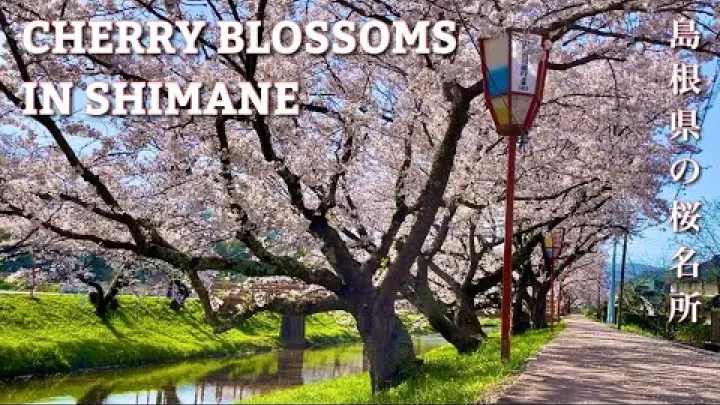
The best time to visit Matsue depends on whether you value cherry blossoms, comfortable walking, summer festivals, autumn scenery, or a quieter city stay. For most travelers, late March to early April and mid-October to mid-November offer the strongest balance of weather and sightseeing. However, May, summer, and winter can also be good choices for specific travel priorities. This guide explains Matsue's climate, rainy season, humidity, snow, typhoon considerations, month-by-month conditions, clothing, and ways to keep your itinerary practical.
The Best Times to Visit Matsue at a Glance
Matsue is a rewarding destination throughout the year, but the experience changes considerably with the season. Historic streets, Matsue Castle, Lake Shinji, gardens, and museums are easiest to enjoy when temperatures are moderate and rain or snow does not control the day.
Best Overall: Late March to Early April and Mid-October to Mid-November
If you want one simple answer, plan for late March to early April or mid-October to mid-November. These periods usually provide a good combination of outdoor comfort, seasonal scenery, and cultural sightseeing.
Late March to early April is the classic spring window. It is especially attractive to visitors who want cherry blossoms, gardens, castle views, and a lively seasonal atmosphere. Early April is usually the main blossom focus in Shimane, although the exact peak changes with the year and can differ between locations. The official Kankou Shimane guidance describes the usual pattern as blossoms beginning around the end of March and reaching full bloom around early April.
Mid-October to mid-November is the stronger choice for travelers who prefer cooler walking conditions and a calmer autumn atmosphere. October is a particularly flexible month for castle-town walks, lakeside views, museums, gardens, and day trips. November brings cooler air and possible autumn color, but also shorter days and a greater need for warm layers.
Neither recommendation guarantees a particular blossom or foliage date. Treat these periods as planning windows rather than fixed promises. If a specific garden, event, or tree-lined route is the main reason for your trip, allow some date flexibility where possible.
- Choose late March to early April for cherry blossoms and spring scenery.
- Choose mid-October to mid-November for comfortable walking, autumn atmosphere, and broad sightseeing flexibility.
- Choose May for green landscapes and mild general sightseeing without making cherry blossoms the focus.
- Choose summer for festivals and evening activities if you can manage heat, humidity, rain, and storm-related uncertainty.
- Choose winter for a quieter, atmospheric city visit with more indoor sightseeing and less outdoor flexibility.
When to Choose May, Summer, or Winter Instead
May is one of the best alternatives to the two peak recommendation windows. The weather is generally suitable for walking, the landscape is fully green, and daylight is longer than in winter. It is a good month for visitors who want Matsue Castle, historic neighborhoods, gardens, Lake Shinji, and museums without making blossoms or autumn color the central purpose of the trip.
June and July can suit travelers who do not mind rain and humidity. The rainy season can bring long wet periods, cloud, and difficult walking conditions, but indoor cultural attractions and flexible city itineraries remain possible. August is more suitable for festival-focused visitors who enjoy warm evenings and can plan around heat. Summer events can justify accepting less comfortable daytime conditions.
Winter is a valid choice for travelers who value quiet streets, low winter light, and atmospheric views of the castle or lake. Cold rain, wind, and occasional snow mean that long outdoor days are less dependable, but museums, cafés, historic interiors, and shorter walks can still create a satisfying visit.
Accommodation rates and availability vary by weekend, holiday, event schedule, and booking timing. Do not assume that one alternative month is always the cheapest or quietest. Compare current room prices and check the event calendar for the year of travel.
Matsue Climate and What It Means for Your Trip
Matsue has a humid climate influenced by its position on the Sea of Japan side of Japan. The city experiences clear seasonal changes, but no month should be treated as completely free from rain. Temperature, daylight, wind, and precipitation all affect how much time you can comfortably spend outdoors.
How to Read Matsue Climate Normals
Climate normals are long-term averages calculated from many years of observations. They help answer questions such as whether a month is usually cool, hot, wet, or snowy, but they do not predict the weather for a particular day. A week can be sunnier, wetter, warmer, or colder than its monthly average.
The Japan Meteorological Agency's Matsue station data shows the broad annual pattern: winter is cool and often damp, spring warms steadily, summer is hot and humid, and autumn gradually becomes cooler. Precipitation occurs throughout the year. Wetter conditions are especially important around the early-summer rainy season, while winter can also bring substantial precipitation on the Sea of Japan side.
Use the official Japan Meteorological Agency Matsue normals to understand the pattern, not to promise a fixed number of sunny or rainy days. Rounded seasonal descriptions are more useful for trip planning than false precision.
| Season | Typical temperature feel | Rain and snow pattern | Trip implication |
|---|---|---|---|
| Spring | Cool to mild, then warmer | Changeable; rain is possible | Good for walking with layers |
| Summer | Hot, humid, warm nights | Rainy-season rain, showers, storms | Plan breaks and flexible outdoor time |
| Autumn | Warm in September, mild to cool later | Generally more comfortable, but rain remains possible | Strong balance for sightseeing |
| Winter | Cold, damp, and windy | Cold rain and possible snow | Use layers and indoor alternatives |
Rainy Season, Humidity, and Typhoon Exposure
June and July can combine warm temperatures, high humidity, heavy cloud, and prolonged rain linked to the East Asian rainy season. A rainy day in Matsue may involve occasional showers, but it can also involve several hours of persistent rain. This affects castle walks, gardens, cycling, lakeside sightseeing, and any plan that depends on a clear view.
Late summer and early September can remain hot and unsettled. Storm systems or the remnants of typhoons may bring strong rain and wind to the wider region even when a typhoon does not make a direct landfall in Matsue. Coastal waters, ferry operations, exposed viewpoints, and lakeside activities are more sensitive to these conditions than central indoor attractions.
For a summer or early-autumn visit, carry a compact rain shell or umbrella and include indoor alternatives in the plan. During periods of heavy rain, strong wind, or official warnings, check the Japan Meteorological Agency forecast and warnings before committing to exposed outdoor activities. A low chance of rain for a month does not mean that every day will be dry, and a climate average cannot replace the current forecast.
Central Matsue can still support a useful city day in unsettled weather. Pair a shorter outdoor visit with a museum, café, castle-related indoor experience, or another cultural stop. Treat exposed lakefront and coastal plans as the parts most likely to need adjustment.
Winter Snow and Regional Climate Differences
Matsue winters are cold, damp, and sometimes windy. Visitors may encounter cold rain, sleet, or snow, and the combination of moisture and wind can feel colder than a dry winter day. Snow is possible in the city, but the amount and persistence vary from one weather system to another.
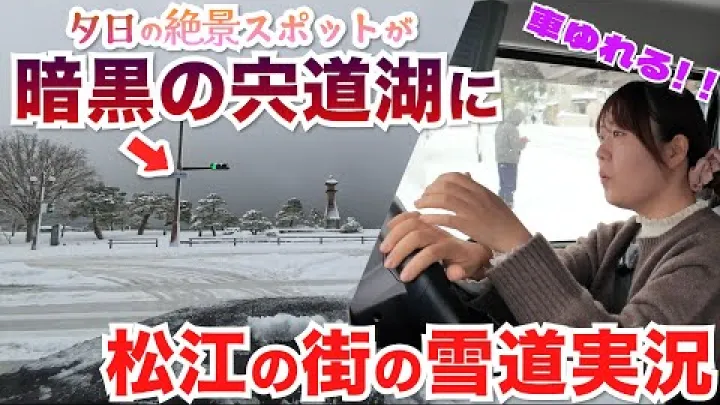
Conditions can be more severe in Shimane mountain areas than in central Matsue. Higher or inland routes may have colder temperatures, snow cover, reduced visibility, or more difficult walking conditions while the city itself is simply wet and cold. This difference matters if you are combining a city stay with hiking, scenic drives, or rural sightseeing.
The Oki Islands are another example of a nearby destination whose conditions may differ from Matsue. Sea exposure, wind, and visibility can make an island itinerary feel much more weather-dependent than a museum visit in the city center. Winter can reward visitors who enjoy quiet streets, subdued light over Lake Shinji, and atmospheric castle scenery, but it offers less outdoor flexibility than spring or autumn.
Matsue by Season
Each season gives Matsue a different character. The best choice depends less on finding a universally perfect month and more on matching the climate to the way you want to travel.
Spring: March to May for Blossoms and Comfortable Walking
March is a changeable transition month. Early March can still feel like winter, with cool mornings, rain, and a need for warm layers. Conditions become more spring-like later in the month, and late March may begin the blossom period in some places.
Early April is usually the main cherry blossom period. It is a strong time to walk around Matsue Castle, historic waterways, gardens, shrines, and lakeside areas. The combination of seasonal color and manageable temperatures makes spring attractive for a first visit, but the most popular blossom dates can create more planning pressure around accommodation and schedules.
May is warmer and greener. Trees and gardens have moved beyond the blossom focus, daylight is longer, and walking can be comfortable for much of the day. May is often the better spring choice for travelers who want a relaxed sightseeing rhythm, outdoor photography, or nearby excursions rather than a precise cherry blossom experience.
Pack layers in spring. Early April mornings and evenings can feel cool even when afternoons are pleasant, and a light rain layer is useful because spring weather is not uniformly dry. Blossom dates vary by year and location, so travelers who are visiting mainly for sakura should follow current local bloom information.
Summer: June to August for Festivals, Heat, and Humidity
Summer has two different phases. June and early July often overlap with rainy-season conditions, bringing humidity, cloud, and periods of rain. Later July and August are hotter, with strong sun, warm nights, and sudden downpours still possible.

Summer's main advantage is its evening atmosphere. Festivals, fireworks, waterfront walks, and later sunsets can make the season appealing even when midday sightseeing is uncomfortable. Matsue Suigosai Fireworks is one reason some travelers choose a summer visit. The event is seasonal, and its date, venue arrangements, and program should be confirmed through the current official listing.
Heat changes the best daily schedule. Visit Matsue Castle, Lake Shinji, gardens, and other exposed sites in the morning or evening when possible. Use the middle of the day for an air-conditioned museum, a long lunch, a rest at your accommodation, or another indoor activity. Wear breathable clothing, carry water, use sun protection, and keep a rain layer available for sudden showers.
Summer is not a poor choice for everyone. It works well for visitors who prioritize festivals, warm evenings, flexible city sightseeing, and seasonal energy over cool walking conditions. It is less suitable for travelers who want long, uninterrupted outdoor days or strenuous excursions at midday.
Autumn: September to November for the Best Weather Balance
September should be treated as a transition month rather than guaranteed autumn weather. It can remain warm and humid, and unsettled rain or storm systems may affect outdoor plans. The later part of the season is generally more comfortable for walking as temperatures gradually fall.
October is one of the strongest all-purpose months for Matsue. It usually offers a better balance between outdoor comfort and seasonal interest than the hotter summer months. You can combine Matsue Castle, Lake Shinji, the Shimane Art Museum, gardens, historic streets, and nearby excursions without designing every day around heat or early darkness.
November is cooler and more foliage-oriented. It can be a good choice for travelers who want quiet cultural sightseeing, autumn color, and a slower pace. The trade-off is shorter daylight and a greater need for layers, especially in the morning and evening. Foliage timing can vary with location and elevation, so a particular garden or mountain site may peak at a different time from central Matsue.
Autumn is not guaranteed to be clear every day, but October through mid-November is a strong recommendation because it balances scenery, cultural activities, and walking comfort. Early September should be chosen mainly by travelers who accept summer-like conditions and a less predictable transition.
Winter: December to February for Quiet and Atmospheric City Visits
December through February is chilly, wet, and sometimes snowy. Wind from the Sea of Japan can make outdoor conditions feel colder, and earlier sunsets reduce the time available for long walks. The exact mix of rain and snow varies from one winter weather pattern to another.
Winter still works for a city-focused visit. Plan shorter outdoor segments around Matsue Castle, historic streets, or the waterfront, then use museums, indoor cultural experiences, cafés, and traditional buildings to create a comfortable rhythm. Low winter light can give Lake Shinji and the castle a distinctive atmosphere for visitors who enjoy mood and photography more than warm weather.
Warm layers, waterproof footwear, gloves or other warm accessories, and a coat that protects against wind are useful. Winter is a good alternative for travelers who value a quieter seasonal experience and can accept that some outdoor activities may be shortened by cold rain, snow, or low visibility.
Choose the Best Time by Your Travel Priorities
The right Matsue travel season changes with your main purpose. A blossom trip, a castle-and-museum itinerary, a sunset visit, and a festival weekend do not need the same weather.
Culture, Castle Town Walks, and Gardens
For historic sites, gardens, museums, shrines, and traditional neighborhoods, choose late March through May or October through mid-November. These periods make it easier to spend several hours walking between stops and to pause outdoors without the strongest summer heat or winter damp.
Early April adds cherry blossom scenery around the spring landscape. Late April and May offer greener views and a warmer, less blossom-focused atmosphere. Late October and November bring cooler air and possible foliage, with November better suited to visitors who prefer a more distinctly autumnal feeling.
Matsue Castle is a useful anchor for this type of trip because it can be combined with nearby historic streets, waterways, gardens, and cultural sites. In July and August, divide the route into shorter outdoor segments and schedule indoor breaks. In winter, allow more time for museums, cafés, and sheltered attractions rather than expecting a full day of uninterrupted walking.
Lake Shinji Sunsets, Hiking, and Outdoor Time
Spring and autumn are the most comfortable seasons for lakeside walks, cycling, gardens, and hiking-oriented excursions. Moderate temperatures make it easier to stay outdoors for longer, although the quality of a sunset or the visibility from a trail always depends on the conditions of that day.
Lake Shinji and the Shimane Art Museum provide two well-known local anchors for sunset viewing. The museum stands on the lake shore, and Japan Travel identifies the area as an important sunset-viewing location. Plan the sunset as an opportunity rather than a guarantee: clouds, haze, rain, and the position of the sun can all change the result.
Late July through early September can appeal to travelers who enjoy warm waterfront evenings and summer light. This period also overlaps with humidity, rain, and possible storm disruption, so it is better for flexible outdoor travelers than for visitors who need perfect visibility every evening.
Mountain hikes require a separate climate judgment. Strong summer heat can make strenuous routes uncomfortable, while winter snow, cold rain, and low visibility can affect mountain areas more than central Matsue. Do not infer trail conditions from the weather at your city hotel.
Festivals and Seasonal Events
Early April is the main spring event and scenery window for travelers interested in cherry blossoms. It combines seasonal views with the broader cultural appeal of Matsue's castle-town setting, but the exact bloom peak changes each year.
Summer festival travel can justify choosing a hotter or wetter month. Matsue Suigosai Fireworks is a notable seasonal option in Matsue. The Kankou Shimane event information can help identify the current listing, but dates, venues, programs, and access arrangements are subject to change. Check the official information for the year you plan to travel before booking around the event.
Autumn also brings seasonal and cultural programming in Shimane, although the most relevant options may be outside central Matsue. If an event requires a side trip, consider its location, travel time, and weather exposure separately from the city itinerary.
Event-focused travel may require earlier accommodation planning, particularly when dates overlap with blossom periods, holidays, or popular weekend programs. Choose the event first, then assess whether the associated weather trade-off suits you.
Lower-Cost or Quieter Travel
Late May, late November, and parts of winter may suit travelers who prioritize a calmer atmosphere over peak blossoms, foliage, or festivals. These periods can offer more flexibility in choosing accommodation dates, but availability and pricing depend on the specific weekend, holiday calendar, local events, and booking lead time.
Do not treat any month as permanently low-cost. Compare the current rates for several dates and check whether an event or holiday changes demand. A midweek stay may be more useful than changing seasons if your main goal is availability.
Balance any potential quiet or better availability against the weather. Early summer can be humid and rainy, late November can be cold and dark earlier, and winter can limit long outdoor evenings. A quieter trip is most successful when your itinerary already includes indoor cultural activities and does not depend on one outdoor view.
Matsue Weather Month by Month
The following guide describes the typical climate feel rather than a daily forecast. It is designed to help you compare months before booking and to identify the clothing and activity style that fits each period.
January to March
January: This is part of the coldest period of the year. Expect the possibility of cold rain, wind, and snow, with short daylight and damp outdoor conditions. Warm waterproof clothing and footwear are important. Plan shorter walks and use indoor attractions as reliable parts of the day.
February: February is still a winter month, with continued possibilities of cold rain or snow. Days begin to lengthen gradually, but conditions may remain unsuitable for long outdoor sightseeing. A warm coat, layers, and water-resistant shoes are more useful than light spring clothing.
March: March changes quickly from early to late month. Early March can feel like winter, while late March may bring milder afternoons and the first signs of spring. Travelers seeking blossoms or comfortable walking should distinguish late March from the colder beginning of the month.
Best use of this period: Choose January or February for quiet indoor culture and atmospheric winter scenery. Choose late March if you want an early spring possibility and can accept variable conditions.
April to June
April: April is one of the most attractive months for walking, with mild conditions, the usual cherry blossom period, and cooler evenings. Rain remains possible, so bring layers and a light rain jacket. Early April is more blossom-focused; later April is often a greener alternative.
May: May generally feels comfortable for daytime sightseeing, with green landscapes and longer daylight. It is a strong general-purpose month for castle visits, gardens, lakeside walks, and cultural travel. Light layers and rain protection are sensible as humidity gradually increases.
June: June introduces warmer temperatures, higher humidity, cloud, and a greater chance of prolonged wet periods as rainy-season conditions develop. It suits rain-tolerant travelers who can combine indoor attractions with shorter outdoor breaks. Quick-drying clothing and a dependable rain layer are useful.
Best use of this period: Choose April for blossoms and walking, May for broad sightseeing and green scenery, or June if rain will not disrupt your plans.
July to September
July: July can overlap with rainy-season rain while also becoming hot and humid. The first and second halves may feel different, but the seasonal transition does not occur on a guaranteed date. Use flexible plans and avoid building every day around long exposed walks.
August: August is usually the hottest part of the year and is best for travelers interested in evening festivals, fireworks, warm waterfront atmosphere, and summer energy. Breathable clothing, sun protection, water, and rain protection are important. Midday sightseeing is more demanding than morning or evening activity.
September: September remains a summer-to-autumn transition month. Warmth and humidity can continue, and rain or storm systems may affect plans. It becomes a better choice for autumn-oriented travel only as conditions begin to cool later in the month.
Best use of this period: Choose July or August for festivals and flexible summer evenings. Choose September only if you are comfortable with unsettled transition weather and do not need stable autumn conditions.
October to December
October: October is a strong month for comfortable walking, lakeside scenery, gardens, and cultural sightseeing. Heat stress is lower than in summer, and the month works well for a first visit with a varied itinerary. Bring light layers and a compact rain layer.
November: November is cooler, with possible autumn foliage, shorter daylight, and a stronger need for warm layers. It suits travelers who prefer foliage, quiet cultural visits, and a slower pace. Conditions can vary by location, especially between the city and higher regional sites.
December: December begins the winter pattern of rain, wind, occasional snow, and earlier sunsets. Waterproof footwear, warm clothing, and indoor alternatives become more important. Short weather breaks can still support visits to outdoor landmarks.
Best use of this period: Choose October for broad comfort, November for foliage and quiet culture, or December for an atmospheric winter visit with a flexible indoor-focused plan.
Practical Planning for a Matsue City Stay
A successful Matsue itinerary does not require perfect weather. It requires clothing, daily timing, and backup activities that match the season.
What to Wear and Pack by Season
- Spring: Pack light layers, a light rain jacket, and comfortable walking shoes. Add extra warmth for early April mornings and evenings.
- Summer: Choose breathable clothing, sun protection, and comfortable shoes. Carry water, quick-drying items, and an umbrella or rain shell for downpours.
- Autumn: Light layers are suitable for much of October, while November usually calls for warmer layers. Keep compact rain protection available for variable days.
- Winter: Bring an insulated coat, warm accessories, and water-resistant footwear. Clothing that protects against wind and damp is more useful than a coat designed only for dry cold.
For a city stay, footwear matters in every season because Matsue is best experienced through a combination of short rides and walking between historic, cultural, and waterfront sites. A small day bag for water, a rain layer, and extra clothing is useful in the wetter months.
Build a Weather-Flexible Itinerary
Use a mix of outdoor and indoor anchors rather than assigning every major experience to one fixed day. For example, combine Matsue Castle or a waterfront walk with the Shimane Art Museum and another cultural venue. If rain arrives, you can shorten the outdoor section without losing the entire day.
Place walks, sunset viewing, and other exposed activities in the most favorable part of the day. In summer, this often means morning or evening; in winter, it may mean using a brighter break in the weather. Keep a flexible block in a short city stay so that rain, heat, or low visibility does not remove your main experience.
Climate normals help you choose the season, while a live forecast should guide daily clothing, timing, and outdoor decisions. Before departure and during the trip, use the Japan Meteorological Agency forecast for current conditions in the Shimane Eastern Region. This is especially important when your plan includes an exposed lakeside or coastal activity.
Verify Event Dates and Regional Access Before Departure
Confirm annual festival dates, venue arrangements, admission information, and current opening details before booking a trip around a seasonal event. An event may change its date, program, venue, or access arrangements from one year to the next.
Regional side trips need separate planning. The Oki Islands depend on sea conditions, while Shimane mountain areas can have different snow, rain, visibility, and road conditions from central Matsue. A city forecast is not enough evidence for an island crossing or a mountain route.
- Check same-day ferry status with the responsible ferry operator before traveling to or from the Oki Islands.
- Check road and route conditions with the relevant official authority before entering mountain areas, especially during winter or heavy rain.
- Confirm attraction status when severe weather could affect outdoor access.
- Leave buffer time if a regional excursion is important to the trip.
- Keep a Matsue-based fallback itinerary in case sea or road conditions prevent the side trip.
Do not rely on an old timetable or a general seasonal assumption when the excursion is important. Same-day information from the responsible operator or official authority is the practical basis for a safe and realistic plan.
Final Recommendation for Your Matsue Trip
For the best overall balance, visit Matsue from late March to early April for cherry blossoms or from mid-October to mid-November for comfortable walking and autumn atmosphere. May is an excellent green-season alternative, while summer is worthwhile for festivals and evening activities if you can manage heat, humidity, rain, and flexible scheduling. Winter suits travelers who prefer quiet indoor culture and atmospheric scenery rather than dependable long outdoor days.
Choose your season by the experience you want, then use Matsue climate normals for broad planning and current forecasts for daily decisions. With layers, a rain-ready itinerary, and separate access checks for Oki Islands or mountain excursions, Matsue can work well in every season.
Select area
Create a post
Posting is free and no registration is required.