Matsue Travel Guide: Sights, Stays, Transport & Itineraries
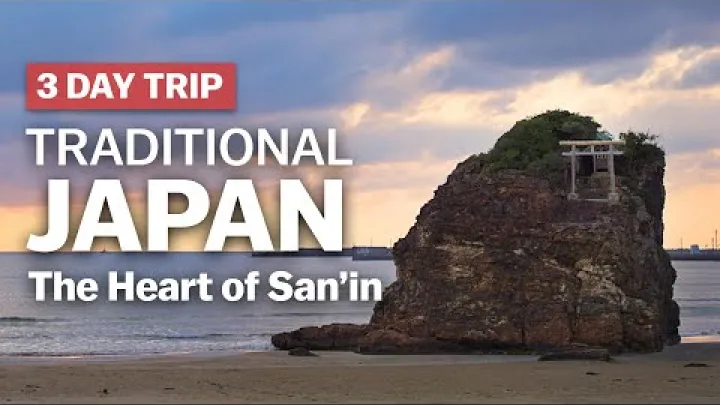
Matsue is a thoughtful choice for a first visit to Japan's Chugoku region. Set in Shimane Prefecture on the San'in side of western Honshu, the city combines a preserved castle town with lakes, canals, gardens, hot springs, and a slower regional pace. This Matsue travel guide explains how long to stay, when to visit, how to arrive, where to base yourself, how to move around, and which nearby excursions fit different schedules. It also gives you a practical way to plan around changing transport, weather, opening hours, and accommodation costs.
Matsue at a Glance: A Water City in the Chugoku Region
Matsue is easier to understand as a connected landscape than as a list of separate attractions. Its historic center, waterways, Lake Shinji waterfront, and nearby onsen areas create several sightseeing clusters, while regional rail and road connections lead toward Izumo, Yasugi, and the gardens around Lake Nakaumi. The Visit Matsue guide is a useful starting point for current local planning information.
Where Matsue Fits in Japan and Chugoku
Matsue is the capital of Shimane Prefecture, on the San'in side of the Chugoku region. The San'in coast faces the Sea of Japan and generally has a quieter travel rhythm than the more densely connected Sanyo side, where cities such as Hiroshima and Okayama are common bases. Matsue therefore works well for travelers who want to add a smaller cultural city to a wider Chugoku itinerary rather than move only between Japan's largest urban centers.
The city developed around water. Lake Shinji lies beside Matsue, Nakaumi Lagoon and its surrounding waterways shape the wider regional setting, and the central castle district is crossed by moats and canals. This explains why sightseeing can feel varied even when the distances are modest: one walk may include a castle park, historic streets, a boat route, and a lake view.
Expect a lower-rise regional city rather than a continuous metropolitan area. Shops and restaurants are not distributed in the same way as in Tokyo, Osaka, or Hiroshima, and some attractions outside the center are separated by water or suburban roads. The reward is a slower pace, a strong local identity, and the chance to experience a castle town without treating every stop as a rushed photo opportunity.
What Matsue Offers and How Long to Stay
A one-day visit can work if you focus on the central sights. Start around Matsue Castle, walk through the historic district and Shiomi Nawate Street, add a Horikawa moat boat if its timing suits you, and finish near Lake Shinji. This is a good sampler for a traveler passing through the region, but it leaves little room for a long meal, a museum, a garden, or an onsen experience.
About two nights is a more comfortable choice for most first-time visitors. It allows one day for the castle town and another for Lake Shinji, the Shimane Art Museum, tea culture, a garden, or a more relaxed visit to Matsue Shinjiko Onsen. A two-night stay also reduces the risk that a delayed arrival will remove an important attraction from the itinerary.
Use three nights when Matsue is a regional base rather than a brief stop. The extra time can accommodate Izumo Taisha, Yuushien Garden, the Adachi Museum of Art, or Tamatsukuri Onsen. Travelers who enjoy gardens, art, bathing, local history, and landscape photography will usually gain more from staying longer than travelers whose main goal is simply to see the castle.
In practical terms, choose your length of stay according to your travel style:
- One day: a compact cultural stop focused on the castle district.
- Two nights: a balanced first visit with central sightseeing and Lake Shinji.
- Three nights or more: a slower base for gardens, onsen, Izumo, or Yasugi.
When to Visit Matsue and How to Budget Your Trip
Matsue changes character with the season, but no season guarantees ideal conditions for every activity. Match the time of year to the experiences you value most, then leave enough flexibility for outdoor walks, gardens, lake views, and transport connections.
Choose a Season for Gardens, Sunsets, and Onsen
Spring and autumn are natural choices for walking through the castle town and visiting gardens. Mild-feeling walking conditions can make it easier to combine Matsue Castle, Shiomi Nawate Street, the moat area, and a tea house without turning the day into a transport schedule. Gardens such as Yuushien also become stronger reasons to spend an additional day when seasonal plantings are important to you.
Summer offers longer daylight for waterfront walks and regional sightseeing, but humidity can make a full outdoor itinerary tiring. Plan indoor breaks at museums, tea houses, or accommodation, and avoid assuming that every lake or garden activity will feel comfortable at the warmest part of the day.
Winter can suit travelers who prefer atmospheric castle-town walks, quiet museums, and hot spring stays. Snow, rain, wind, or shorter daylight may make a ryokan in Tamatsukuri Onsen or Matsue Shinjiko Onsen more appealing than a tightly packed excursion schedule. Warm layers and footwear that can handle wet streets are more useful than trying to follow a summer-style itinerary.
Lake Shinji sunset viewing is a timed experience, not a guaranteed event. The open waterfront, the Shimane Art Museum, and a possible pleasure cruise give you several ways to build an evening around the lake. The museum's sunset-related seasonal opening information is especially useful for planning in spring and summer; treat it as a scheduling clue and include the museum, promenade, or another indoor stop according to the plan for that day.
Build One- to Three-Day Matsue Itineraries
Build the itinerary around clusters instead of crossing the city repeatedly. A practical sequence is to put the castle and historic district together, reserve a separate period for the lakefront, and use another day for destinations that require regional transport.
- One day: Begin at Matsue Castle and explore the park, moats, Shiomi Nawate Street, and nearby historical sites. Add the Horikawa boat or a tea-house visit, then go toward Lake Shinji if the remaining daylight and transport timing make the sunset plan realistic.
- Two days: Use the first day for the castle town. On the second, choose between the Shimane Art Museum and lakefront, a garden such as Yuushien, or an onsen-focused half day. This gives you a choice between more culture, more landscape, or more relaxation.
- Three days: Keep two days for Matsue and use the third for Izumo Taisha, the Adachi Museum of Art, Yuushien, or Tamatsukuri Onsen. Do not automatically combine every regional stop; the value of the extra day is a calmer pace.
The official Kankou Shimane model course is helpful for seeing how Matsue Castle, Yuushien Garden, Lake Shinji, and longer regional extensions can be sequenced. Use such examples as frameworks rather than fixed timetables. If an attraction cannot fit comfortably, remove the most distant or least important stop first, not the time needed for the central area.
Estimate Typical Costs in Matsue
Plan your Matsue budget in Japanese yen and separate costs that are fixed from costs that change by date. A room rate is normally charged per room or according to the accommodation's stated occupancy, while meals, admissions, local transport, and onsen access are often easier to compare per person. Intercity travel to Matsue can also be a larger part of the total than sightseeing inside the city.
| Cost area | Lower-spend approach | Higher-spend approach |
|---|---|---|
| Accommodation | Station-area business hotel or simple central room | Lakeside onsen property or meal-included ryokan |
| Local transport | Walking, regular buses, and selected tourist-bus use | Taxis, private transfers, or a rental car for regional stops |
| Sightseeing | Selected admissions and self-guided historic walks | Several paid attractions, cruises, gardens, and cultural experiences |
| Meals and bathing | Casual meals and public or hotel bathing where available | Specialty meals, ryokan dinner, and an overnight onsen stay |
For a lower-cost visit, stay near JR Matsue Station, walk the central clusters, and select only the paid experiences that matter most. A central hotel or a castle-area stay may cost more on some dates but can reduce taxi use and wasted time. An onsen stay often changes the budget because the room, meals, and bathing experience may be sold as one package rather than as separate hotel and restaurant purchases.
Set the final budget only after checking date-specific accommodation rates, current admission fees, regional transport prices, and any reservations required for cruises or meal plans. Compare a room rate with the total cost of getting to and from dispersed attractions, not with the room rate alone.
How to Get to Matsue from Major Gateways
Matsue is a regional destination, so the best arrival route depends on where you begin in Japan and what you plan to do afterward. The official city guide organizes access by plane, train, highway bus, and car, which is a useful way to compare options without assuming that the fastest route on a map will also be the easiest after landing.
Compare Izumo and Yonago Airports
Izumo Airport is west of Matsue in Shimane, while Yonago Airport is in neighboring Tottori Prefecture. Both can be practical gateways, and the better choice depends on the flights available from your origin, the time you land, and whether your route continues toward Izumo, Yasugi, Tottori, or another part of the San'in region.
For many visitors, the key convenience is an airport shuttle bus to JR Matsue Station. The station is the main arrival anchor for trains, local buses, hotels, and visitor information. If your accommodation is near the castle, Matsue Shinjiko Onsen, or Tamatsukuri Onsen, add the final transfer rather than assuming the airport bus ends at your door.
Compare airports in this order: available flights, arrival time, airport-to-station transfer, hotel location, and the first planned excursion. Flight routes, international services, shuttle departures, and fares can change. Match your flight arrival time with the current airport bus and onward transport timetable before completing the booking, especially if you arrive late or have a prepaid ryokan check-in.
Arrive by Rail, Highway Bus, or Car
Matsue is served by conventional rail rather than a direct Shinkansen station. A rail journey from major cities may therefore include a regional interchange before continuing to Matsue. The route can be comfortable for travelers who value predictable station-to-station travel, but compare the total journey, transfers, luggage, and arrival time rather than looking only at the fastest segment.
A regional pass such as the Sanyo-San'in Area Pass may be worth comparing when Matsue is part of a longer western Japan itinerary. Pass eligibility, validity, prices, and reservation rules are time-sensitive, so treat a pass as a possible cost-saving tool rather than an automatic recommendation. For a trip centered only on Matsue, ordinary tickets may be simpler.
Highway buses can appeal to travelers who want a direct road connection or a lower-cost alternative to rail. Their advantages depend on departure city, travel time, luggage arrangements, and the location of the arrival terminal. A rental car provides more flexibility for Yuushien, Adachi Museum of Art, onsen areas, and other dispersed stops, but it is not necessary for a central Matsue sightseeing day. Parking, navigation, and the return of the vehicle also add planning tasks.
How to Get Around Matsue and the Main Sightseeing Areas
Matsue's central attractions are close enough to combine, but the whole region is not one continuous walking zone. Think in terms of a walkable historic cluster, a lakefront cluster, and regional excursions that need a bus, taxi, train, or car.
Read the City Layout Before You Choose Transport
Use JR Matsue Station as the southern transport anchor on a simple mental map. The castle and historic district lie north of the station, while the central waterways and Lake Shinji waterfront extend toward the lake side of the city. Matsue Shinjiko Onsen sits near the castle-and-lake sightseeing area, so it can combine both accommodation convenience and access to the water.
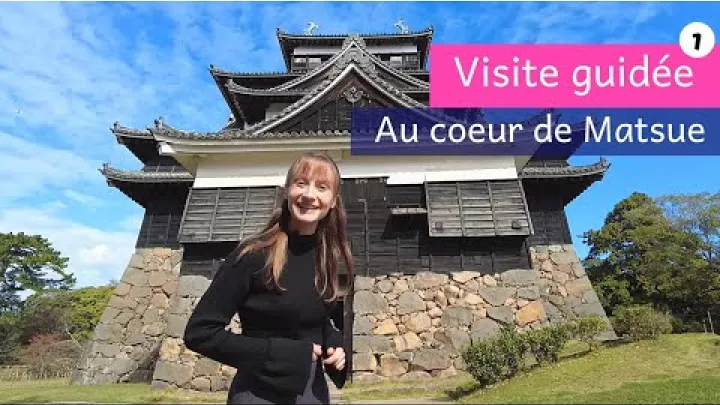
The station area is useful for arrival and departures, but it is not the same as staying beside Matsue Castle. A castle-town walking day can include the castle, moats, Shiomi Nawate Street, historical residences, and nearby museums. The Shimane Art Museum and the lakefront are better treated as a separate extension, especially when you want time for sunset.
Before choosing transport, mark every stop as one of three types: walkable from the previous attraction, served by the visitor bus loop, or requiring a regional connection. This simple classification prevents the common mistake of calling all of Matsue walkable when the advice applies mainly to the central sightseeing clusters.
Use the Lake Line, Local Buses, and Taxis
The Lake Line is designed around major sightseeing areas and can reduce the need to understand several regular city-bus routes. A day ticket may be useful when you will make multiple rides, but walking may be better when your stops are concentrated around the castle. Compare the number of planned rides with the flexibility of paying for individual journeys.
Regular city buses and taxis fill the gaps. A taxi can be sensible after rain, with heavy luggage, for limited mobility, or when a group is traveling together to a stop outside the tourist loop. Regular buses may be more practical for residents' neighborhoods and destinations not emphasized by the sightseeing route.
Get a current map and clear boarding instructions at the station-area visitor-information service before attempting a complex route. Save the Japanese name of your hotel and destination, and allow extra time when you are changing between a walk, a local bus, and a train.
Use Ichibata Railway and Rental Cars for Regional Excursions
Ichibata Electric Railway provides a rail-based way to travel between Matsue and destinations toward Izumo Taisha. The line also offers a different view of the north side of Lake Shinji, making it more than a simple transfer for travelers who enjoy regional trains. It is most useful when your excursion follows the railway corridor rather than zigzagging between several road-based attractions.
Choose rail for a focused Izumo visit and a rental car for a day built around dispersed gardens, Yasugi, Yuushien, hot spring areas, or several rural stops. Keep the central city separate from the driving day: walking and local buses are usually more convenient around Matsue Castle, while a car becomes more valuable once the attractions are spread across the region.
Plan around the final return service, not only the outbound departure. Regional trains and buses may offer fewer late options than a major city network. Check the current last train or bus and the return timetable for each excursion before committing to a day trip, then leave a margin for walking between an attraction and its station or pickup point.
Where to Stay in Matsue: Compare the Main Bases
There is no single best area for every Matsue trip. Choose between transport convenience, historic atmosphere, and the depth of the onsen experience. Moving accommodation can be worthwhile for a long regional itinerary, but one well-chosen base is simpler for a short visit.
Stay Near JR Matsue Station for Connections
The JR Matsue Station area is the practical choice for a short stay, an airport arrival, or a rail-based itinerary. It places you near the main bus terminal, casual dining, and the easiest start and finish for regional day trips. Business hotels and other straightforward accommodation options are common reasons travelers select this base.
The trade-off is that Matsue Castle and the historic district are not immediately outside the station. You will likely walk, use the Lake Line, take a regular bus, or use a taxi for the central sightseeing area. Choose this base when simple logistics matter more than waking up beside the old town.
Stay Near Matsue Castle for History and Walkability
The castle and historic district suit travelers who want to begin and end the day among Matsue Castle, Shiomi Nawate Street, samurai history, museums, and Lafcadio Hearn-related sites. Early and late walks can feel more atmospheric when you are already near the old streets, and a city-focused itinerary requires fewer repeated rides.
Accommodation choices may be more limited than around the station, and the wider castle area covers more than one small block. Confirm how luggage will reach the property and how easily you can leave for a regional excursion. This base is strongest when most of your time is devoted to central Matsue.
Choose Matsue Shinjiko Onsen or Tamatsukuri Onsen for Baths
Matsue Shinjiko Onsen is the better compromise for travelers who want an onsen stay while remaining close to the city and lakefront. It supports a sightseeing itinerary that includes the castle area, Lake Shinji, and museums without making every outing feel like a separate regional journey.
Tamatsukuri Onsen is better when the overnight itself is part of the experience. Choose it for a ryokan-centered stay, bathing, footbaths, and a slower walk along the hot spring area. It is less suitable if you want to return to the station repeatedly for trains or if your schedule gives Matsue only one short day.
First-time visitors who want one base and broad sightseeing access should usually choose JR Matsue Station or Matsue Shinjiko Onsen. Choose Tamatsukuri Onsen when you are willing to give the bathing town its own focused evening and morning. Traditional accommodation may have meal times, check-in windows, bathing arrangements, and room layouts that differ from a standard hotel, so read the property conditions carefully.
What to See and Do in Matsue
Matsue's main experiences work best when combined: the castle explains the city, the moats show its water-based layout, the historic district adds everyday context, and Lake Shinji supplies the open landscape.
Visit Matsue Castle and the Castle Town
Matsue Castle is the central historic landmark and the natural starting point for a first visit. Explore the castle grounds and park, then continue into the surrounding castle-town streets rather than treating the interior as the entire attraction. The moats and bridges help you understand how the historic center was organized, while the town provides a more human-scale view of the former domain.

Shiomi Nawate Street, the former samurai residence, and the Matsue History Museum can be planned as one walking area. Lafcadio Hearn-related sites add a literary perspective to the history, particularly for visitors interested in how foreign writers interpreted Japan. Together, these stops connect military history, domestic life, local archives, and literature.
Allow more time than the minimum needed to enter the castle. Stairs and historic interiors may make the visit slower than an ordinary modern museum, and the surrounding streets deserve time for photographs, a tea stop, or a quiet detour. Treat opening hours, closure days, admission fees, and access rules as separate planning details rather than permanent assumptions.
Take a Horikawa Moat Boat and Explore Tea Culture
A Horikawa sightseeing boat gives you a water-level view of the castle town. From the boat, the moats are not simply scenery beside the road; they become the route through which the historic center is understood. This reinforces Matsue's water-city identity without requiring a long excursion outside the center.
Pair the boat with a walk through the historic district. The combination is more satisfying than choosing the cruise as an isolated attraction because you see the same area from two levels: from the water and from the streets. If the boat does not fit your timing, a moat-side walk still provides a useful alternative.
Matsue's tea culture, matcha, and wagashi traditions are well suited to a slower afternoon. You do not need to book a formal ceremony to participate; a simple tea-house visit can provide a cultural pause between the castle and museum stops. Choose a casual experience if you want flexibility, or reserve a more structured activity if tea practice is a central reason for your trip.
Watch Lake Shinji Sunset at the Art Museum or Waterfront
Lake Shinji's open horizon makes sunset one of Matsue's defining experiences. The Shimane Art Museum, lakeside promenade, and possible pleasure cruise offer complementary ways to spend the evening. A museum visit gives the sunset plan an indoor foundation, while the promenade provides the simplest outdoor viewpoint.
The Shimane Art Museum is located on the shore of Lake Shinji and is built around harmony with water. The official Kankou Shimane listing notes seasonal opening information connected with sunset, including a later closing arrangement during part of the year. This can make it possible to visit art and landscape in one sequence, but the sunset itself remains dependent on visibility and timing.
Build the evening backward from the expected sunset time: choose the museum or cruise first, allow time to move to the waterfront, and keep the promenade as the flexible final stop. When the view is poor, the museum, a tea house, or an onsen provides a worthwhile alternative instead of making the entire evening depend on the sky.
Best Day Trips and Nearby Bases from Matsue
Matsue is a strong base for nearby cultural excursions, but regional travel takes more time than the map may suggest. Decide whether the day trip is about one major destination or several connected stops.
Make Izumo Taisha a Full or Half-Day Excursion
Izumo Taisha is the most significant cultural and spiritual excursion commonly paired with Matsue. Visit for its Shinto setting, architecture, regional mythology, and ritual atmosphere rather than reducing it to a generic power-spot stop. Give the shrine respectful attention and follow local signs and visitor guidance about where and how to pray and photograph.
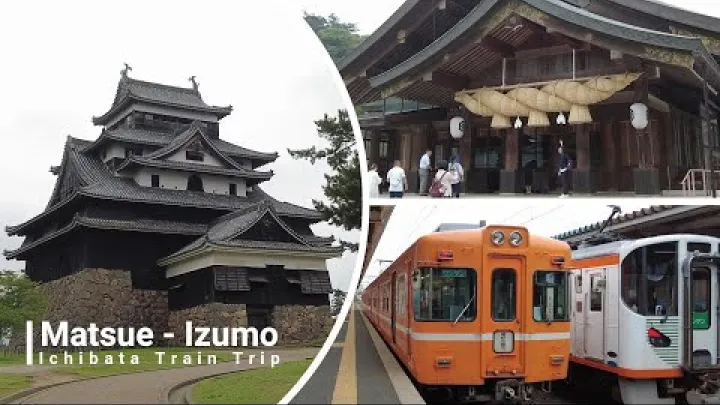
Ichibata Electric Railway is a natural public-transport option for a Matsue-to-Izumo journey, while other rail or bus combinations may suit your starting point and final destination. A focused half day is possible when the shrine is the main goal and you return without many extra stops. Choose a full day if you want to add other parts of the Izumo area, allow time for walking, or prefer not to rush the shrine visit.
For a first Matsue trip, decide between two clear versions: a focused Izumo Taisha excursion with Matsue as your base, or a broader Izumo-area day that replaces another Matsue activity. Trying to complete both a detailed Matsue schedule and a detailed Izumo schedule in one day usually weakens both experiences.
Combine Yuushien and the Adachi Museum of Art
Yuushien Garden on Daikonshima and the Adachi Museum of Art in Yasugi appeal to different interests. Yuushien is a garden visit centered on seasonal plantings and changing views along its paths. Adachi combines a museum collection with carefully framed garden compositions, so the garden is experienced through both direct views and the museum's interior perspective.
Visitors without a car can use a rail-and-shuttle pattern for Adachi Museum of Art. The museum's official Adachi Museum access information describes a free shuttle of about 20 minutes from JR Yasugi Station and also provides car-access guidance. This makes the museum possible without driving, but the shuttle timetable must be integrated with the train journey.
Combining Yuushien and Adachi can be reasonable with a car and a carefully checked schedule, especially when gardens are the main purpose of the day. Public transport may make separate visits more comfortable because each site has its own access pattern. If you also want a long museum visit, a meal, or photography time, choose one garden for the day instead of treating both as quick stops.
Add Tamatsukuri Onsen or the Oki Islands Only with Extra Time
Tamatsukuri Onsen is a realistic half-day addition or an overnight change of base. It suits travelers who want bathing, footbaths, river walks, and the atmosphere of a ryokan stay. A half day adds a different experience to a Matsue itinerary; an overnight lets the onsen town become the main evening and morning activity.
The Oki Islands should be treated as a longer regional extension, not as a default Matsue day trip. Island travel adds another layer of transport and can be worthwhile for travelers with enough nights and a specific interest in the island environment. Do not add the islands simply because they appear on a broad regional map.
Keep Matsue as your base when you value simple luggage logistics and want a mix of castle, museum, lake, and city experiences. Move to an onsen or island destination when you want that place to receive focused time. Extra nights, not optimism about connections, should decide the extension.
Practical Matsue Tips for a Smooth Visit
A smooth Matsue trip depends less on seeing every attraction than on matching the plan to regional weather, transport patterns, communication needs, and opening arrangements.
Prepare for Sea of Japan Weather
Use broad seasonal guidance rather than a precise forecast made months in advance. Winter in the Sea of Japan region can be cool, wet, windy, and occasionally snowy, while summer can be humid. Conditions affect more than comfort: they can change how enjoyable it is to walk the castle district, visit gardens, take a lake cruise, drive between regional attractions, or rely on a rail connection.
Pack for the activities you actually plan to do. Waterproof outerwear and shoes that handle wet streets help with moats, historic lanes, and waterfront walks. Warm layers are useful for winter castle grounds and evening lake views. In summer, plan shade, water, indoor pauses, and shorter outdoor sections instead of treating long daylight as unlimited energy.
Keep your schedule flexible. Put the castle, museums, tea houses, and onsen in the plan as alternatives to exposed outdoor activities, and avoid making a cruise or sunset the only important event of the day. Before setting out, check the current forecast and any rail, road, or cruise service notices, then keep an indoor or shorter route available if conditions change.
Use Visitor Support and Ordinary Safety Practices
The Matsue Tourist Information Center beside JR Matsue Station can help with local orientation, maps, pamphlets, and practical questions. The Matsue Tourist Information Center is particularly useful at the start of a trip when you need to connect an airport transfer, hotel location, bus route, and sightseeing area.
English availability can vary outside major hotels and prominent attractions. Carry your accommodation address in Japanese, save offline maps, and keep a translation tool ready for restaurant, transport, and check-in conversations. A written destination name is often more useful than trying to pronounce a long place name while boarding a bus or showing a taxi driver.
Use ordinary precautions: keep valuables secure, avoid leaving bags unattended, and plan how you will return to your accommodation after a quiet evening around the lake or castle town. Save the address of your accommodation and the contact details of a staffed visitor-information service. If you need assistance, use a staffed station, hotel, visitor center, or transport office rather than relying on an unfamiliar late-night route.
Verify the Details That Change Most Often
Make a planning-time checklist for the details that can affect the structure of your trip:
- Attraction opening hours, closure days, admission fees, and access rules.
- Lake Line, city bus, regional train, and highway bus timetables.
- Airport shuttle departures that match your flight arrival and departure times.
- Horikawa boat boarding information, cruise departures, and operating conditions.
- Onsen check-in times, bathing access, meal arrangements, and reservation requirements.
- Garden and museum hours for Yuushien, the Adachi Museum of Art, and the Shimane Art Museum.
Then make a second, same-day check for the forecast, sunset timing, rail and road service notices, cruise departures, and unexpected closures. This is especially important when a regional excursion depends on one return service or when an evening plan depends on visibility.
Use official tourism, attraction, transport, airport, and accommodation pages for the final version of time-sensitive information. The Visit Matsue guide can help with the overall access and sightseeing picture, while individual operators and attractions should control the final details for fares, hours, reservations, and departures.
Final Planning Takeaways for Matsue
Matsue is best planned as a compact historic city with several distinct extensions. Stay near JR Matsue Station for connections, near the castle for atmosphere, or at Matsue Shinjiko Onsen or Tamatsukuri Onsen for bathing. Give the central castle town at least one focused day, allow about two nights for a balanced first visit, and add regional excursions only when your schedule can absorb the transport.
Prioritize Matsue Castle, Shiomi Nawate Street, the Horikawa moats, Lake Shinji, and the Shimane Art Museum before adding Izumo Taisha, Yuushien, Adachi, or the Oki Islands. With a flexible sequence and a final check of transport, weather, prices, hours, and reservations, Matsue can become a calm and rewarding anchor for a wider Chugoku itinerary.
Select area
Create a post
Posting is free and no registration is required.