Hiroshima Getting There: Shinkansen, Flights, Buses & Ferries
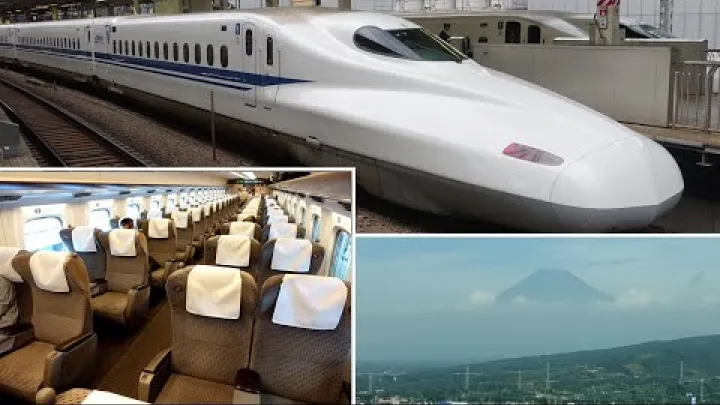
Getting to Hiroshima is straightforward, but the fastest route is not always the most convenient one. The best choice depends on your starting point, final destination, luggage, arrival time, budget, and willingness to manage transfers. This guide compares the Shinkansen, flights, long-distance buses, and Seto Inland Sea boats, then explains how Hiroshima Station, Hiroshima Bus Center, Hiroshima Airport, Hiroshima Port, and nearby gateways fit into a practical itinerary.
Choose the Best Route to Hiroshima
Hiroshima is on the Sanyo Shinkansen corridor, with direct rail access from the direction of Tokyo, Osaka, and Fukuoka. It also has an airport outside the city, central highway bus services, and regional sea connections. Japan Travel identifies the Tokaido-Sanyo Shinkansen as one of the main ways to reach Hiroshima from major Japanese cities.
Compare Shinkansen, Flights, Buses, and Ferries
Compare the complete journey rather than only the time spent in the air or on the water. A flight includes travel to the departure airport, check-in, security, baggage collection, and the road transfer from Hiroshima Airport. A ferry includes travel to the correct port and the final connection into the city. A bus may leave from a central terminal but take longer because of traffic and overnight stops.
| Mode | Best for | Main Hiroshima arrival point | Main trade-off |
|---|---|---|---|
| Shinkansen | Speed, comfort, and simple city-center access | Hiroshima Station | Usually costs more than a basic bus fare |
| Flight | Suitable direct air routes or distant origins | Hiroshima Airport | Airport transfer adds time after landing |
| Long-distance bus | Lower-cost travel and overnight journeys | Hiroshima Bus Center or another listed stop | Longer travel and possible road delays |
| Ferry or high-speed boat | Setouchi travel, scenery, and links with Shikoku | Hiroshima Port or Kure Port | Limited routes and port-to-city travel |
The Shinkansen is normally the easiest default for travelers already in central Tokyo, Osaka, Kyoto, or Fukuoka. Flights can make sense when a suitable direct service matches your origin and schedule, especially when the alternative involves a long rail journey. Buses are attractive for travelers who accept a slower trip in exchange for a lower advertised fare or overnight travel. Ferries are most useful as part of a wider Seto Inland Sea itinerary, not as a universal replacement for rail.
Prices, seat availability, flight routes, ferry services, and departure times depend on the date and operator. Treat any fare shown during a search as a date-specific price rather than a permanent standard.
Match the Route to Your Origin and Travel Priorities
Your starting point gives a useful first recommendation:
- Tokyo and eastern Japan: Compare a direct Tokaido-Sanyo Shinkansen journey with air travel from a Tokyo-area airport. Rail usually offers a simpler station-to-city-center route, while a flight may be useful when its schedule or fare is clearly better for your trip.
- Osaka and Kyoto: The Shinkansen from Shin-Osaka is generally the speed-focused choice. A highway bus may suit a tighter budget or an overnight plan.
- Kansai International Airport: A common rail sequence is an airport train to Shin-Osaka followed by the Sanyo Shinkansen. The airport transfer and connection make the total journey longer than the Shinkansen segment alone.
- Hakata and Fukuoka: Hiroshima lies on the same Sanyo Shinkansen corridor, so rail is often the most direct long-distance option. Conventional JR trains may be more appropriate for smaller western regional destinations.
- Matsuyama and Setouchi destinations: Compare a boat from Hiroshima Port or Kure Port with a land route through the rail network. The ferry may be the natural choice when you want to continue through the Seto Inland Sea.
Then apply your priorities. Choose speed when the city-center arrival of the Shinkansen saves a separate airport transfer. Choose low cost when a bus fare remains attractive after luggage and accommodation needs are considered. Choose an overnight service when preserving daytime hours matters and you can sleep reasonably well on board. Choose a ferry when the departure port and sailing schedule fit the itinerary without creating a difficult final connection.
Understand Hiroshima's Main Arrival Hubs
Hiroshima has several arrival points, and they are not interchangeable:
- Hiroshima Station: This is the main arrival point for the Shinkansen and regional JR trains. It is a practical base for travelers continuing by rail toward Miyajimaguchi or other parts of the region.
- Hiroshima Bus Center: This is a central highway bus arrival point near the Kamiyacho and Hatchobori areas. It can be convenient for hotels and attractions in central Hiroshima, although not every bus route uses the same terminal.
- Hiroshima Airport: This airport serves Hiroshima but is outside the central city. A road transfer, normally an airport limousine bus or another arranged connection, is needed after landing.
- Hiroshima Port: This is a maritime gateway for regional Setouchi and Shikoku journeys. It is not beside Hiroshima Station or the central Bus Center, so the final city connection must be part of the plan.
Also distinguish Miyajimaguchi, the mainland ferry area, from Miyajima, the island itself. Neither is the same arrival point as Hiroshima city. Selecting the correct hub before booking helps prevent a common mistake: choosing a ticket that appears to arrive in Hiroshima but actually ends at the airport, port, Miyajimaguchi, or a suburban bus stop.
Get to Hiroshima by Shinkansen and Train
Rail is the clearest long-distance option for many visitors because Hiroshima Station is close to the city transport network and the train avoids airport access procedures. It is especially useful when your trip begins near a major station on the Tokaido-Sanyo Shinkansen route.
Travel from Tokyo and Eastern Japan by Shinkansen
From Tokyo or Shinagawa, the usual rail pattern is a Tokaido-Sanyo Shinkansen journey toward Hiroshima. A direct Nozomi service generally provides the fastest and simplest version of this route when the selected train stops at Hiroshima. The main advantage is continuity: you can board at a central Tokyo-area station, remain on one long-distance service, and arrive at Hiroshima Station without an airport transfer.
Slower services or routes selected for pass compatibility may involve a change at Shin-Osaka or another major station. That can reduce the price in some situations or make a particular pass more useful, but it adds platform walking, a connection to manage, and a greater risk of inconvenience if the first train is delayed. A direct reserved seat is often worth considering when you have large luggage, are traveling with children, or want to avoid changing trains after a long flight.
Do not confuse the stations and airports in the Tokyo area. Tokyo Station and Shinagawa are rail departure points. Haneda and Narita are airports with separate access journeys. If you land at Haneda or Narita, include the airport-to-station trip, baggage, and the time needed to reach the correct Shinkansen platform before comparing rail with a domestic flight.
Train type, travel date, seat category, and booking channel affect the total rail price. For the Tokaido portion of the journey, the Central Japan Railway Company provides timetable information; travelers should also use the relevant JR route and reservation tools for the complete journey to Hiroshima.
Travel from Osaka, Kyoto, and Kansai International Airport
Shin-Osaka is the key interchange for the Sanyo Shinkansen to Hiroshima. It is different from Osaka Station and from other central Osaka stations, so allow time to reach Shin-Osaka if your hotel or airport connection ends elsewhere. The most direct rail plan from Osaka is therefore usually a local or rapid connection to Shin-Osaka followed by the Shinkansen.
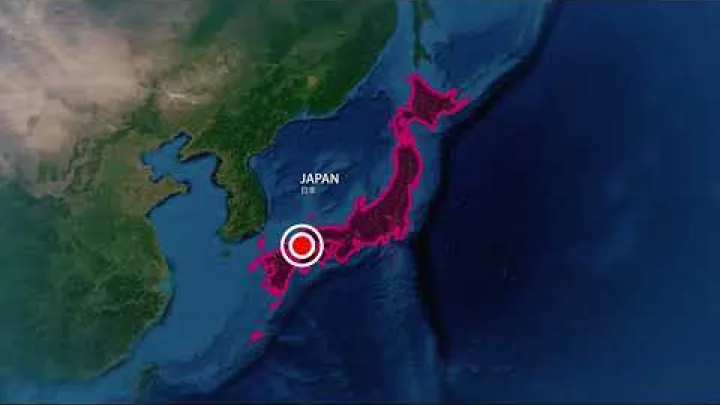
From Kansai International Airport, a common sequence is airport rail service to Shin-Osaka and then a Sanyo Shinkansen to Hiroshima. This keeps the long-distance portion on major rail hubs, but it still requires a transfer after an international arrival. Baggage collection, immigration, walking through the airport, finding the correct ticketing area, and moving between trains all form part of the door-to-door journey.
Travelers starting in Kyoto should first identify whether their selected service allows a convenient connection toward Hiroshima at Shin-Osaka or another valid interchange. A highway bus from Kyoto or Osaka can be simpler if the departure stop is close to your accommodation and the fare is favorable, but the trip is more exposed to road traffic and usually takes longer than the Shinkansen.
If you buy separate airport, local rail, and Shinkansen tickets, treat the changes as separate steps rather than assuming that one missed train automatically protects the next reservation. A connected itinerary through recognized rail hubs is easier to understand, but it does not remove the need to allow time for an international arrival.
Travel from Hakata, Fukuoka, and Western Japan
Hakata is the principal western gateway for the Sanyo Shinkansen. From Hakata Station, travelers can normally plan a rail journey along the corridor to Hiroshima Station, making this one of the simplest long-distance approaches from Kyushu. The exact train pattern depends on the service selected, so use a current JR route-finding or reservation tool for the departure date rather than relying on a static journey example.
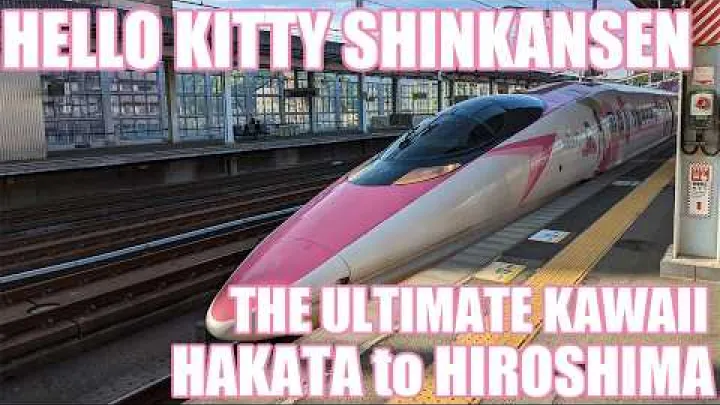
Fukuoka travelers should distinguish Hakata Station from Fukuoka Airport. Hakata is the Shinkansen station; Fukuoka Airport requires a separate local transfer before the long-distance rail journey. If you are already near Hakata, going to the airport to fly to Hiroshima may add steps without improving the overall trip.
Conventional JR trains are useful for western Hiroshima Prefecture and nearby regional cities when the destination is not close to a Shinkansen station. They may also be the practical continuation after arriving at Hiroshima Station. For example, a visitor may use the Shinkansen to Hiroshima, then continue by regional rail toward Miyajimaguchi or another local destination. Keeping the long-distance arrival and regional continuation separate makes it easier to identify the correct platform and ticket.
Understand Rail Passes, Reservations, and Train Changes
Rail passes can change the best route, but their conditions are not interchangeable. Nozomi and Mizuho services are particularly important because travelers using some nationwide or regional passes may need a supplement or a separate ticket for those train types. Pass eligibility can also depend on the specific pass, route, seat, and booking method.
Read the current official terms for your pass before choosing a train. Confirm whether the journey is covered, whether a Nozomi or Mizuho supplement is required, and whether the pass allows the reservation method you plan to use. Do not assume that a pass advertised for the Sanyo area has the same conditions as a nationwide pass.
Reserved seating is useful during busy travel periods, for families, and for anyone who wants to keep a group together. Non-reserved seating can provide flexibility, but it may involve waiting for a suitable train or standing if demand is high. Large luggage also deserves attention: check the applicable railway rules and any reservation requirements before boarding rather than assuming that every suitcase can be placed beside your seat.
- Compare the total fare with and without a pass, including supplements.
- Choose between a direct train and a connection based on the value of a single seat versus the possible savings.
- Select a reserved seat when the departure time, group seating, or luggage arrangement matters.
- Record the departure station, train type, platform information, and any change station in one itinerary.
Get to Hiroshima by Air
Flying can be practical when Hiroshima has a suitable direct route from your origin or when the alternative rail journey is very long. It is less useful to compare only the flight duration because Hiroshima Airport is outside the city and requires a road transfer after arrival.
Use Hiroshima Airport for Direct Domestic and Regional Flights
Hiroshima Airport is the main air gateway for the city and handles selected domestic and regional international services. Depending on the season and airline schedule, travelers may find useful routes from the Tokyo area, northern Japan, Okinawa, or nearby East Asian cities. Do not treat a route list from an old travel article as permanent; flight networks can be seasonal, and some services may not operate every day.
The airport's official arrival page provides flight information by airline and is the most useful place to confirm whether an international service is operating for your travel date. Hiroshima Airport publishes arrival information, but a flight listing is only the first part of the decision.
Compare the complete air journey with the Shinkansen. Add the time to reach the departure airport, the recommended airport arrival time, check-in and security, baggage handling, boarding, the road trip from Hiroshima Airport, and the final walk or local connection to your hotel. A flight may have a shorter time in the air but still take longer from a central hotel to a central Hiroshima destination.
Travel from Hiroshima Airport to Hiroshima Station and the City Center
Hiroshima Airport is not directly beside Hiroshima Station, so most visitors continue by airport limousine bus or another road transfer. The two most useful public destinations are Hiroshima Station's Shinkansen Gate and Hiroshima Bus Center. Hiroshima Station is convenient for onward JR trains and hotels around the station. Hiroshima Bus Center is closer to central areas such as Kamiyacho and Hatchobori and may be more convenient for accommodation near the Peace Memorial Park area.
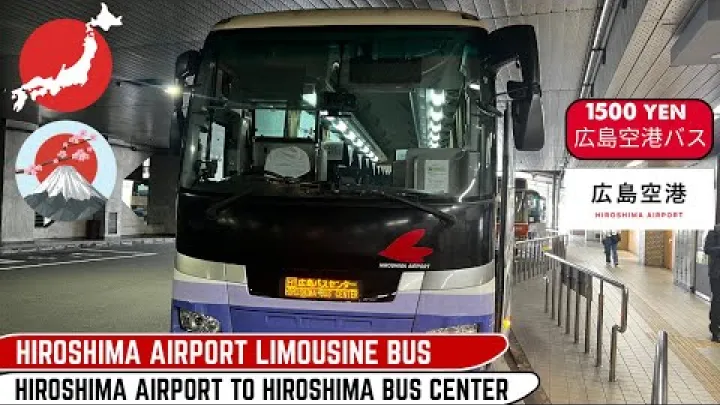
The airport's published access information lists Hiroshima Station Shinkansen Gate at approximately 45 to 50 minutes and Hiroshima Bus Center at approximately 55 minutes. It also lists an adult fare of 1,500 yen and a child fare of 750 yen for the limousine bus. These figures are useful planning references, not a promise for every departure or traffic condition. The Hiroshima Airport access timetable also provides the operating timetable and payment information.
Choose the destination that matches your accommodation rather than automatically going to Hiroshima Station. If your hotel is near the Bus Center, going there directly can avoid a second city transfer. If you are changing to a train or traveling onward to Miyajimaguchi, Hiroshima Station may be the more logical target. Keep the airport bus stop, direction, and last departure in your travel notes, especially after an evening flight.
Consider Iwakuni Kintaikyo Airport as a Secondary Gateway
Iwakuni Kintaikyo Airport can be a useful alternative for western Hiroshima Prefecture, eastern Yamaguchi, or an itinerary that already includes Iwakuni and the Kintaikyo Bridge area. Its value depends on where you will sleep and what transport is available after landing. For a hotel in central Hiroshima, the onward rail or road segment may remove the apparent advantage of a cheaper flight.
Compare the full route from the airport to your accommodation, not just the airfare. Include the arrival time, the airport exit process, the transfer to the rail or road network, and any connection needed to reach Hiroshima Station or the city center. Iwakuni Kintaikyo Airport should be treated as a route-specific option rather than an automatic substitute for Hiroshima Airport or the Shinkansen.
Get to Hiroshima by Long-Distance Bus
Long-distance buses connect Hiroshima with major cities and regional locations. They can be useful when the departure point is more convenient than a Shinkansen station or when an overnight journey fits your budget and schedule.
Take a Tokyo-Hiroshima Night Bus
A Tokyo-Hiroshima night bus appeals to budget travelers because it combines transport with an overnight journey. A lower advertised fare may help reduce the cost of a long trip, and traveling overnight can preserve a daytime sightseeing or work schedule. It can also reduce the need for a separate hotel night, although the quality of sleep varies greatly between travelers.
Compare the seat layout before booking. Standard seats may have less personal space, while more comfortable classes can offer greater recline, wider spacing, curtains, or other privacy features depending on the operator. These features affect the fare, but they can make a major difference on a long overnight route. Also compare the expected travel duration, luggage allowance, onboard facilities, and whether the bus makes rest stops.
The main trade-off against the direct Shinkansen is time and physical comfort. A bus is slower and can be affected by road traffic, weather, and highway conditions. Even when the bus arrives on schedule, an early-morning arrival may leave you tired before hotel check-in. Before paying, identify the exact Hiroshima arrival stop and its connection to your accommodation. A stop near Hiroshima Bus Center is not the same as a stop near Hiroshima Station or a suburban interchange.
Take Highway Buses from Osaka, Kyoto, and Regional Cities
Highway buses from Osaka and Kyoto can be a lower-cost alternative to the Sanyo Shinkansen. They are most attractive when the departure terminal is close to your accommodation, the fare is substantially lower, or you prefer an overnight schedule. The Shinkansen is normally better for travelers who value a shorter journey, predictable seating, and arrival at Hiroshima Station.
Hiroshima Bus Center is an important central arrival point for many highway bus journeys, but routes can also use Hiroshima Station or other stops. The listed stop matters because it determines your final walk, local transport, and the location where you collect luggage. Do not assume that every bus described as a Hiroshima service terminates at the Bus Center.
Regional highway buses can be useful when neither the origin nor the destination is convenient for a Shinkansen station. They may connect areas of the Chugoku region more directly than a rail itinerary with several local changes. The disadvantages are fare and schedule variability, limited departures on some routes, and exposure to traffic. Compare the complete route with a combination of local train and Shinkansen before deciding.
Handle Bus Booking, Comfort, and Arrival Logistics
Before booking a highway bus, record five details: the operator, departure date and time, seat type, boarding stop, and arrival stop. Then read the luggage allowance, cancellation rules, payment method, and instructions for collecting or displaying the ticket. Operators do not all use the same seat designs, baggage policies, refund rules, or boarding procedures.
Arrive at the correct terminal with enough time to find the boarding area. A reservation may use a stop outside the main Hiroshima Bus Center, and an English booking page may use a different spelling or description from local signs. Keep the confirmation available offline if possible, and match the bus number, destination, and departure time before boarding.
Early-morning arrival requires its own plan. Hotels may not offer immediate room access, although they may provide luggage storage. You may need to plan breakfast, a shower, or a quiet place to work before check-in. If someone at a terminal approaches you with an unsolicited claim that your bus is canceled or that only one ticket can be used, confirm the information at the marked operator counter or with the details on your booking. Use official signs and booking information instead of paying an unverified intermediary.
Reach Hiroshima by Ferry and Seto Inland Sea Boat
Sea travel is most relevant for regional journeys across the Seto Inland Sea. It can turn the journey into part of a wider Hiroshima, Kure, and Shikoku itinerary, but the departure port and final city connection must be chosen carefully.
Travel between Hiroshima, Kure, and Matsuyama
Hiroshima Port and Kure Port are separate maritime gateways for journeys toward Matsuyama and other parts of Shikoku. The correct port depends on the service, your starting point, and the rest of your itinerary. A traveler staying in central Hiroshima may find Hiroshima Port more natural, while Kure Port can suit a route that includes Kure or eastern Hiroshima.
Where both types of vessel are available, compare high-speed boats with slower cruise ferries. A high-speed service is suited to time-sensitive travel and a tight sequence of destinations. A cruise ferry may be more attractive when the fare is lower, the scenery matters, or you want a more spacious journey. The practical differences include crossing time, seating, onboard facilities, luggage handling, and the departure and arrival terminals.
A service toward Matsuyama may use Matsuyama Kanko Port or another specified terminal, so the Shikoku arrival point is also important. Confirm the current ferry timetable, fare, vessel type, payment method, and departure port with the operator for your intended date. Sea services can have different operating patterns from rail and may be affected by maintenance, weather, or seasonal changes.
Arrive through Hiroshima Port and Continue to the City
Hiroshima Port is a regional maritime arrival point, not a replacement for Hiroshima Station or Hiroshima Bus Center. After disembarking, plan the final public transport or taxi journey to your accommodation. The best choice depends on your hotel location, luggage, arrival time, and the local services available when the boat arrives.
The port route is especially logical when you are arriving from Matsuyama, continuing toward Shikoku, or building a Setouchi itinerary that would otherwise require backtracking through the rail network. It may be less convenient for a visitor whose only goal is to reach a hotel near Hiroshima Station quickly. Compare the complete port-to-hotel journey with a land route before treating the ferry as the cheaper or faster option.
Write the full port name in your itinerary. Hiroshima Port and Kure Port should not be treated as interchangeable, and a ticket for one cannot be used as a general arrival instruction for the other. Include the onward city connection alongside the sailing details so that the final leg is not left to chance.
Use Miyajima Ferry Routes for the Right Itinerary
Miyajima is a popular part of a Hiroshima visit, but Miyajima and Miyajimaguchi are not Hiroshima city arrival points. The common land-based pattern is to travel from Hiroshima Station to Miyajimaguchi by rail and then take a ferry to Miyajima. This is a side-trip route or an onward destination, not the normal way to arrive in central Hiroshima from Tokyo, Osaka, or Fukuoka.
Two ferry companies operate from Miyajimaguchi. Japan Guide describes the JR and Matsudai ferry routes as competing services with short crossings. Travelers should compare the departure location, fare, visitor charges, payment method, and pass validity for the operator they choose.
Direct sightseeing boats from the central Hiroshima area or Hiroshima Port can be convenient for travelers already near Peace Memorial Park. They may reduce backtracking to Hiroshima Station, while the rail-and-ferry route can be easier to understand and may fit a particular rail or ferry pass. The right choice depends on price, travel time, departure frequency, and where you are staying. If you are carrying luggage or visiting Miyajima before checking into a Hiroshima hotel, confirm where bags can be stored and which terminal is closest to your plan.
Plan Booking, Transfers, and Arrival Timing
A good Hiroshima route is more than a ticket between two cities. It must also work at the time you arrive, allow for transfers between separate operators, and end at a useful location for your accommodation.
Plan for Late-Night and Early-Morning Arrivals
Airport limousine buses, local trains, Shinkansen services, ferries, and hotel reception desks do not follow identical schedules. A flight arrival time is not the same as the time you can leave Hiroshima Airport: immigration, baggage collection, and walking to the bus stop come first. A night bus may arrive before normal hotel check-in, when local transport and luggage services are operating differently from daytime.
For a late airport arrival, compare the landing time with the last limousine bus to Hiroshima Station or Hiroshima Bus Center, then consider the final connection from that hub to your hotel. For an early-morning bus arrival, ask the hotel about luggage storage and check-in timing before you travel. Do not build a same-night connection around a narrow gap between a scheduled landing and a final train or ferry.
Practical backups include booking accommodation near Hiroshima Station or the Bus Center, selecting a later onward departure, or arranging a taxi when the cost and local conditions make that appropriate. If the last connection has already departed, a confirmed hotel near the arrival hub is safer and simpler than trying to cross the city with luggage at an inconvenient hour.
Allow Buffer for Multimodal Connections
Connections between different transport modes need more than the published travel time. A train-to-ferry plan may require a walk from Hiroshima Station to a local platform and then a separate journey to the port. A flight-to-bus plan includes baggage, airport exits, queues, and the walk to the bus stand. A train-to-highway-bus plan may involve crossing a large station or finding a stop on a different street.
Separate tickets also change your level of protection. A through booking or one reservation issued for the complete journey may have defined rebooking rules. Separate reservations with different railway, bus, airline, or ferry companies may not protect the next leg if the first one is late. Read the conditions and avoid assuming that one operator will automatically hold or replace another operator's ticket.
Choose a later onward departure when the first leg is long-distance, arrives at a different terminal, depends on road or sea conditions, or includes checked baggage. The right buffer is not a universal number of minutes. It should reflect the size of Hiroshima Station, the location of Hiroshima Bus Center, the distance from Hiroshima Airport, or the time needed to leave Hiroshima Port and reach the next service.
Verify Schedules, Fares, and Service Changes before Departure
Use a final verification checklist shortly before travel:
- Confirm the railway route, train type, seat reservation, pass conditions, and departure station.
- Confirm the flight status and arrival terminal on the airport or airline page.
- Confirm the Hiroshima Airport limousine bus destination, timetable, fare, payment method, and last suitable departure.
- Confirm the highway bus operator, boarding stop, arrival stop, seat class, baggage rule, and cancellation conditions.
- Confirm the ferry operator, departure port, vessel type, fare, payment requirements, and arrival terminal.
- Check service notices for delays, cancellations, seasonal operation, maintenance, road conditions, or sea conditions.
Route availability, promotional fares, pass rules, seasonal flights, and departure times can change after you first plan the trip. Use an aggregator to compare possibilities if helpful, but confirm the selected service through the official railway, airport, bus, port, or ferry channel. This is especially important when the journey uses a secondary airport, a small bus stop, or a port with more than one terminal.
Keep the route if the official service is operating and the connections leave a realistic margin. Change to the Shinkansen, a highway bus, another airport, or a different ferry when the selected leg is unavailable or the connection is too tight. A slightly more expensive route that arrives at the correct Hiroshima hub can be better value than a low headline fare followed by a difficult or uncertain final transfer.
Final Advice for Getting to Hiroshima
For most travelers from Tokyo, Osaka, Kyoto, Hakata, or Fukuoka, the Shinkansen offers the clearest balance of speed, comfort, and arrival convenience because it ends at Hiroshima Station. Flights deserve comparison when a suitable direct service makes the complete journey competitive, but Hiroshima Airport's road transfer must be included. Long-distance buses favor budget and overnight travel, while ferries are strongest for Hiroshima, Kure, Matsuyama, and wider Setouchi itineraries.
Choose the arrival hub before you choose the ticket. Hiroshima Station, Hiroshima Bus Center, Hiroshima Airport, Hiroshima Port, Kure Port, and Miyajimaguchi serve different purposes. Once the hub, final destination, transfer margin, and current operator conditions all fit your plans, getting to Hiroshima becomes a manageable part of the itinerary rather than a source of surprises.
Select area
Create a post
Posting is free and no registration is required.