Hiroshima Best Time to Visit: Weather and Monthly Guide
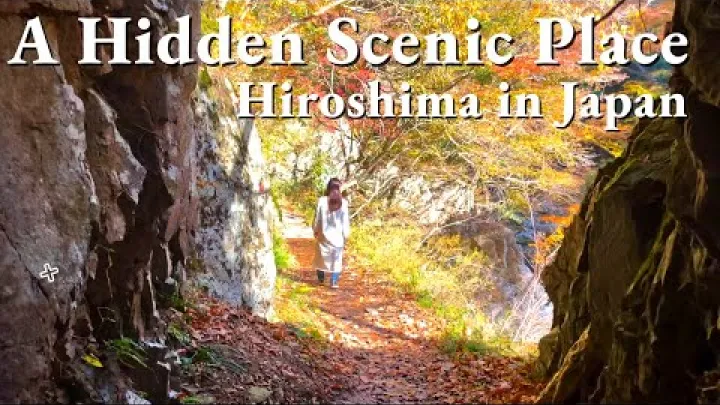
The best time to visit Hiroshima is usually from late March to May or from October to November. These periods offer a strong balance of comfortable walking weather, seasonal scenery, and good conditions for combining Hiroshima City with Miyajima or other nearby excursions. Summer brings rainy-season conditions, heat, humidity, and possible storm disruption, while winter is cooler, quieter, and often relatively dry along the coast. This guide explains Hiroshima weather by season and month, regional differences across the prefecture, crowd and price patterns, packing needs, and how to use a live forecast rather than relying only on climate averages.
The Best Time to Visit Hiroshima at a Glance
If you want one simple recommendation, choose late March to May for spring scenery or October to November for comfortable autumn sightseeing. The first window is especially attractive for cherry blossoms and fresh greenery. The second is often better for long walks, Miyajima visits, and outdoor day trips after the hottest part of the year has passed.
Best Overall: Late March to May and October to November
Late March to early April is the traditional choice for visitors who want cherry blossoms. The exact bloom period changes each year, but this is the usual window to consider for seasonal views around Peace Memorial Park, Hiroshima Castle, riverside areas, and other urban green spaces. Late April and May are useful alternatives if you prefer mild to warm weather, fresh greenery, and a lower dependence on a short blossom window. Golden Week, however, can make part of this spring period much busier.
October is one of the strongest all-purpose months for sightseeing. Temperatures generally become more comfortable for walking between the Atomic Bomb Dome, Peace Memorial Park, the Hiroshima Peace Memorial Museum, Hiroshima Castle, shopping areas, and restaurants. November brings cooler air and the possibility of autumn foliage, particularly from mid- to late November at lower elevations, with different timing in higher areas.
Each window has a trade-off. Spring blossoms and autumn colors are attractive but can increase demand at popular sites. Summer is warmer and offers long daylight hours, but rain, humidity, and heat can make full outdoor days tiring. Winter lacks seasonal foliage but can provide a quieter and potentially better-value city visit. The best month therefore depends on whether your priority is blossoms, hiking, coastal activities, cultural sightseeing, or lower demand.
Hiroshima Climate and Regional Differences
Hiroshima is not defined by one uniform climate. Hiroshima City and the southern Seto Inland Sea coast are different from Northern Hiroshima Prefecture and the Chugoku Mountains. This distinction matters when an itinerary includes Miyajima, islands, hiking areas, or mountain roads.
Hiroshima City and the Seto Inland Sea Coast
Hiroshima City is a relatively mild, low-elevation coastal base. Winters are generally manageable with layers, and the coastal area is known for relatively low rainfall and many sunny days compared with the wetter northern part of the prefecture. Summers are hot and humid, and early summer has a clear rainfall peak. The Hiroshima Prefecture overview describes this broad contrast between the sunnier coastal region and the wetter northern mountains.
For a city stay, comfort is closely related to walking conditions rather than temperature alone. A visit to Peace Memorial Park and the Atomic Bomb Dome may involve extended time outdoors, while Hiroshima Castle, shopping streets, riverside paths, and dining areas add more walking. In summer, humidity can make these distances feel harder even during a dry interval. In winter, chilly mornings and evenings are more relevant than severe cold for most city itineraries, so a warm outer layer and clothing that can be added or removed are useful.
Climate normals help you compare January with August or May with November, but they do not describe a particular day. A normal is an average pattern over many years, not a promise that your visit will have sunshine, rain, or a specific temperature. Use it to choose the season, then use a current forecast for daily plans.
Miyajima, Coastal Islands, and Northern Mountain Areas
Miyajima and other coastal or island areas share the broad maritime influence of southern Hiroshima, but wind, cloud, visibility, and sea conditions can differ from central Hiroshima. A gray or windy day may affect the experience of an island visit even when the city has only light rain. Outdoor plans also feel different on exposed waterfronts than they do among city buildings.
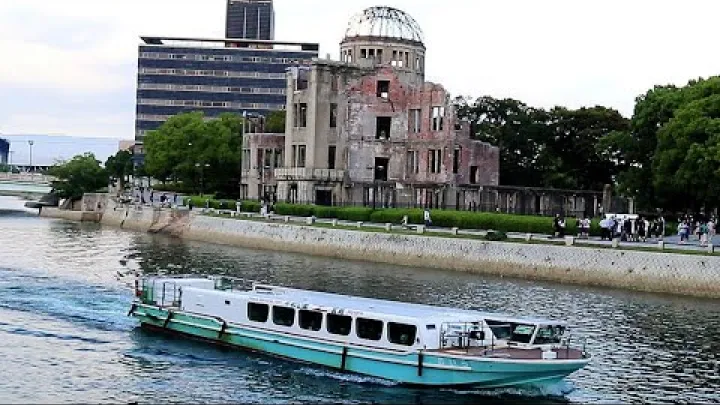
Northern Hiroshima Prefecture and the Chugoku Mountains are colder, wetter, and more likely to experience snow than the city and southern coast. Higher elevations can also have earlier autumn color and later spring conditions. These differences affect hiking feasibility, visibility, road conditions, and the amount of warm or weather-resistant clothing needed.
Do not assume that a Hiroshima City forecast describes every part of a prefecture-wide itinerary. Before leaving Hiroshima City, confirm the current status of ferries, relevant railway services, and mountain roads for Miyajima or northern mountain areas. This is particularly important when rain, strong wind, poor visibility, or snow could affect an island crossing or a mountain journey.
Hiroshima by Season
Hiroshima's seasons create different kinds of travel comfort. The coast is relatively moderate in winter, spring changes quickly into warmer conditions, early summer is wetter, and late summer can be intensely hot. Autumn gradually restores comfortable walking weather, although September may still feel like summer.
Winter: Cool, Relatively Dry, and Quiet
December to February is the coolest period in Hiroshima City. Along the coast, precipitation is generally lower than during the early-summer rainy season, and visitors may find many clear or sunny days suitable for urban exploration. The shorter daylight period and cool evenings mean that outdoor sightseeing can feel less relaxed than in spring or autumn, but winter remains practical for a city-centered itinerary.
Winter works particularly well for travelers focused on the Hiroshima Peace Memorial Museum, Peace Memorial Park, the Atomic Bomb Dome, Hiroshima Castle, food, and quieter urban exploration. These experiences do not depend on flowers or autumn foliage, and indoor cultural visits can provide a natural break from cool air. The memorial sites deserve a respectful, unhurried approach in every season; winter's quieter atmosphere may appeal to visitors who prefer more time for reflection.
The main trade-offs are bare vegetation, chilly mornings and evenings, and colder conditions outside the city. Northern mountain areas can receive snow even when Hiroshima City remains relatively mild. Pack a warm coat or insulated jacket, layers, and comfortable shoes. The New Year holiday is an exception to the otherwise quieter winter pattern, so the weeks after the holiday period are often a better choice for travelers seeking lower demand.
Spring: Blossoms, Mild Weather, and Rising Demand
Spring changes noticeably from month to month. March can still feel cool and changeable, especially early in the month. April is usually milder and is the main month associated with cherry blossoms. May is warmer, greener, and often more comfortable for travelers who want long outdoor days without making their trip depend on peak sakura.
Late March to early April is the usual cherry blossom period, but bloom timing varies with the year and with location. A tree in the city, an island, and a higher mountain area may not reach its best color on the same dates. Treat seasonal averages as a planning window rather than a guarantee. If blossoms are the main reason for travel, use the latest official blossom forecast when choosing exact dates.
Late April and early May also contain Golden Week, a major domestic holiday period. Demand can rise for accommodation, trains, ferries, Miyajima, and major attractions. Travelers who choose spring for comfortable weather but do not need peak blossoms may prefer a period after Golden Week, especially in mid- to late May. Bring adaptable layers and rain protection because spring days can vary even when the overall season is mild.
Summer: Rainy Season, Heat, Humidity, and Events
Summer is best understood as two different periods rather than one uniform season. The rainy season is usually centered on June to mid-July. Rain may arrive in repeated periods, and wet ground, low cloud, or changing visibility can reduce the appeal of long outdoor itineraries. July can straddle the end of the rainy season and the beginning of stronger heat.
After the rainy season, July and August can become very hot, humid, and uncomfortable for extended walks. Warm nights may also reduce recovery after a full day outside. The Japan Meteorological Agency describes the second half of summer in the Chugoku region as capable of bringing very hot and humid conditions. Late summer and early autumn can also be affected by tropical systems, producing heavy rain, strong wind, or changes to travel plans in some years.
Summer is still reasonable for travelers who prioritize beaches, coastal activities, festivals, or long daylight hours. It is a better match for people who can start early, take a longer midday indoor break, and accept that an outdoor plan may be less comfortable than expected. Schedule demanding walks for cooler hours, carry water, use shade and air-conditioned spaces, and follow current heat alerts. Museums, galleries, shopping, dining, and other indoor activities can provide useful alternatives during rain or the hottest part of the day.
Autumn: Comfortable October Weather and November Foliage
September is a transition month, not a reliably cool autumn month. It can remain hot and humid, and rain fronts or tropical systems may still influence conditions. October is more consistently attractive for walking, city sightseeing, Miyajima, and outdoor excursions because the strongest summer heat usually eases and clearer days become more common.
November is cooler and generally drier, with autumn colors often developing from mid- to late November in and around lower-elevation sightseeing areas. Higher mountain locations can change earlier, while Hiroshima City and coastal areas may change later. This variation makes November useful for travelers who want foliage but also means that one fixed peak date cannot apply to every destination.
October usually suits travelers who value comfort and flexible outdoor plans. November suits travelers who value foliage and cooler air. Light layers are often suitable in October, while a warmer jacket becomes more useful in November. Scenic foliage sites, including Miyajima and mountain viewpoints, can still be busy on weekends even when the wider city feels calm.
Best Time to Visit Hiroshima by Travel Purpose
The ideal Hiroshima travel season changes according to what you plan to do. A blossom trip has a narrower timing window than a museum trip, while a mountain excursion requires more attention to elevation and regional weather than a city itinerary.
Cherry Blossoms and Spring Scenery
Choose late March to early April if cherry blossoms are the central purpose of your visit. Peace Memorial Park, Hiroshima Castle, riverside areas, and other urban green spaces can be part of a spring sightseeing plan, allowing visitors to combine seasonal scenery with the city's historical and cultural sites. The exact experience depends on when buds open, reach peak color, and begin to fall.
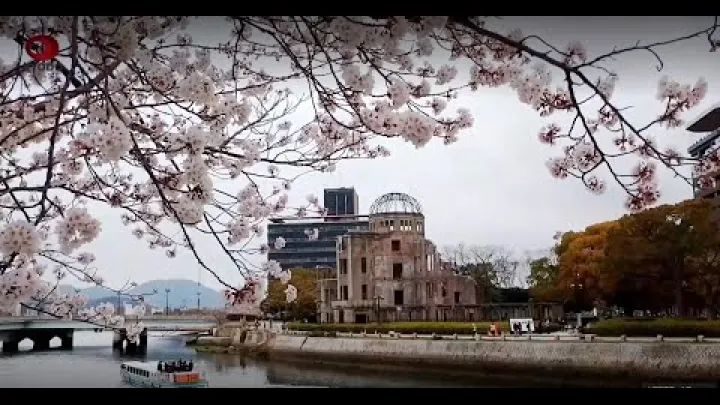
Because blossom timing changes each year, do not book based only on a fixed calendar date. An official blossom forecast is more useful as the season approaches, but even a forecast describes a likely window rather than a promise of perfect peak bloom during every travel day. Peak periods may also bring more visitors and stronger booking pressure.
Late April and May are good choices for fresh greenery, mild to warm conditions, and outdoor sightseeing after the main blossom period. They can be a better fit for travelers who prefer a longer and less narrowly timed spring season. Avoiding the busiest Golden Week dates may also provide a more relaxed experience, depending on accommodation and transport availability.
Hiking, Miyajima, Beaches, and Coastal Day Trips
April to May and October to November are generally the strongest broad windows for walking, hiking, island visits, and scenic day trips. Spring brings comfortable conditions and new greenery, while October and November come after the hottest and wettest part of the year. Higher elevations can still be cooler than Hiroshima City, so a city forecast should not be treated as a complete description of a mountain outing.
Miyajima is appealing in several seasons, but the best timing depends on whether you value blossoms, greenery, autumn color, or simple walking comfort. Coastal trips also depend on wind, visibility, and sea conditions, not just whether rain is falling in the city. A clear day in the city does not automatically guarantee the same visibility or comfort on an exposed island or coastal route.
Summer is the warmest period for beach and coastal activities, and long daylight can make it attractive for visitors with those priorities. It is also the season with the greatest combination of heat, humidity, rainy-season conditions in early summer, and possible storm-related uncertainty. Match the month to the activity instead of assuming that the best season for city walking is also the best season for every coastal plan.
Museums, Memorials, and City Sightseeing
Hiroshima's main cultural and historical attractions support travel in every season. The Hiroshima Peace Memorial Museum, Peace Memorial Park, the Atomic Bomb Dome, Hiroshima Castle, urban dining areas, galleries, and shopping streets can form a meaningful itinerary whether the weather is cool, warm, or wet. Weather should influence your pacing and outdoor time, not determine the value of the memorial and museum experience.
Spring and autumn are especially useful for visitors who want to combine indoor cultural visits with substantial walking. A morning at the museum or another indoor attraction can be paired with outdoor time later in the day. This approach also leaves room to enjoy riverside areas or Hiroshima Castle grounds when conditions are comfortable.
Winter suits travelers who prefer a quieter, reflective city experience and do not mind cool air. Rainy summer days can be handled by placing museums, dining, shopping, and other indoor activities at the center of the day, then using a drier or cooler interval for outdoor landmarks. Check the current opening and access information for individual attractions because operating details are separate from climate.
Lower Crowds and Better Value
For lower demand, consider the period after New Year in January and February. The city is cooler, and vegetation is less colorful, but travelers who prioritize museums, food, memorial sites, and a calmer pace may find this a practical choice. Mid- to late May after Golden Week is another useful compromise, offering greenery and warm conditions without the main spring holiday surge.
Weekdays in shoulder seasons can also reduce pressure at popular sites. Hotel prices and transport availability depend on exact dates, room supply, events, and booking time, so no season guarantees the lowest rate. Winter may offer better value, but a slightly more expensive spring or autumn trip may be worthwhile if comfortable outdoor sightseeing is important to you.
Hiroshima Weather by Month
A month-by-month guide is useful for choosing a travel window, but it should be read as a description of typical conditions. The JMA climate normals are calculated from long-term observations, including the 1991–2020 normal period. They help compare seasons and months, but they cannot predict the weather on a specific travel date.
January to March: Cool Winter to Early Spring
- January: Cool, relatively dry, and often quiet in Hiroshima City after the New Year holiday period. It is suitable for museums, memorial sites, food, and urban walks with a warm coat and layers.
- February: Similar to January but gradually moving toward spring. Cool mornings and evenings remain likely, while indoor sightseeing and shorter outdoor walks are easy to combine.
- March: A changeable transition month. Early March can feel winter-like, while late March may begin to overlap with the cherry blossom season. Pack layers so that a cooler day does not disrupt an outdoor plan.
March should not be treated as one consistent experience. A late-March blossom trip has a different purpose and timing risk from an early-March city visit. For all three months, climate patterns provide the broad feel; a current forecast is needed for exact clothing and daily scheduling.
April to June: Blossoms, Greenery, and Rainy Season
These three months show the clearest shift from spring comfort to early summer humidity. April is the main blossom month, May is warmer and greener, and June usually brings more humidity and the beginning of the rainy season. Golden Week is the main crowd and price consideration in late April and early May.
| Month | Typical feel | Planning use | Packing feel |
|---|---|---|---|
| April | Mild spring weather | Blossoms and city walking | Layers and light rain protection |
| May | Warm and green | Hiking, Miyajima, and day trips | Light layers and walking shoes |
| June | More humid and wetter | Flexible city and museum plans | Breathable clothes and rain gear |
June can still work well for travelers who are comfortable with rain and can change the order of activities. Waterproof footwear or reliable rain protection becomes more useful, and indoor alternatives should be part of the itinerary rather than an emergency idea. May is not equally busy throughout the month; demand varies around Golden Week and by weekday.
July to September: Heat, Humidity, and Typhoon Risk
- July: Often begins with lingering rainy-season conditions before becoming hotter. It can be a mixed month for outdoor sightseeing, with wet periods followed by intense heat.
- August: Usually the hottest and most humid part of the year. Beaches, festivals, and long daylight may appeal to some travelers, but midday walking can be physically demanding.
- September: A warm transition month that may still feel like summer. Rain fronts or tropical systems can affect some plans, and cooler autumn conditions are not guaranteed at the start of the month.
These months are easier for travelers who can use indoor backups, choose shorter outdoor periods, and wear breathable clothing. They are less suitable for anyone who expects consistently cool weather or wants every day to support long walks. Rain after the main rainy season can be more episodic, but heavy weather remains possible during storms or tropical-system influences.
October to December: Clear Autumn Days to Winter
- October: Mild and favorable for walking, city sightseeing, Miyajima, and outdoor day trips. Light layers are usually more adaptable than heavy winter clothing.
- November: Cooler, generally drier, and suitable for autumn foliage. Color timing differs between Hiroshima City, Miyajima, and higher mountain areas, so the month offers potential rather than a fixed peak.
- December: The beginning of quieter winter conditions. The city can be comfortable for cultural visits with warm layers, but there is less greenery and a shorter comfortable period for extended outdoor walking.
October is the better choice for travelers who place walking comfort first, while November is stronger for those who want autumn scenery. December may appeal to visitors seeking a calmer city break and does not require the same clothing as a northern mountain trip, although warmer layers are still useful.
Crowds, Prices, and Periods to Reconsider
Weather is only one part of the best time to visit Hiroshima. Seasonal scenery and Japanese holiday periods can affect demand even when the weather is favorable. Prices are also dynamic, so use these periods as planning signals rather than guarantees.
Cherry Blossom Season and Golden Week
Late March and early April can bring higher demand because travelers are trying to see blossoms during a limited seasonal window. Popular parks, city viewpoints, Miyajima, and transport routes may feel busier than they do during an ordinary spring week. The experience can vary substantially between weekdays and weekends and between peak bloom and the surrounding weeks.
Golden Week is a separate demand driver, generally running from late April into early May. Domestic travel can affect trains, accommodation, Miyajima, and major attractions during this period. It should not be treated as simply an extension of cherry blossom season; it is a major holiday factor even after many blossoms have finished.
If you must travel during peak blossoms or Golden Week, reserve accommodation and any time-sensitive transport early. Exact crowding and prices depend on the weekday, local events, room supply, and how far in advance you book. Travelers with flexible dates can compare the weeks before and after these periods rather than assuming that all of spring has the same demand.
Autumn Foliage, Weekends, and New Year
Mid- to late November can increase demand at Miyajima, parks, temples, and mountain viewpoints, particularly on weekends. Autumn demand may be more distributed than the concentrated Golden Week surge, but localized congestion can still be noticeable at a scenic site when foliage is at its best.
Hiroshima City attractions and foliage destinations do not always have the same crowd pattern. A city museum may remain manageable while a popular viewpoint or island route is busy. Weekday visits, earlier or later sightseeing hours, and a willingness to choose less concentrated locations can help travelers who want a calmer experience.
The New Year period is another holiday exception. January and February are often quieter after the holiday period, but the first days of the year can have different demand and operating patterns. If lower crowds are the priority, plan beyond the main New Year interval rather than treating all of January as identical.
Rainy, Hot, or Storm-Exposed Periods
June to mid-July is the period to reconsider if your main goal is consistently dry outdoor sightseeing. Rain can interrupt walking routes, reduce visibility, and make wet-weather logistics more tiring. It is still a workable period for travelers who enjoy a slower pace and have museums, dining, and other indoor activities available.
July and August may be difficult for travelers who are sensitive to heat and humidity. The issue is not only rain; warm nights and strong daytime heat can make long walks, exposed waterfronts, and uphill routes less comfortable. Travelers who prioritize beaches or summer events may accept this trade-off, while those planning intensive sightseeing may prefer spring or autumn.
September and early autumn can still be affected by rain fronts or tropical systems, with the actual influence varying by year. These are periods to reconsider and prepare for, not universal no-go months. A flexible culture-focused itinerary can still work, especially when outdoor plans are not the sole reason for the trip.
How to Plan Around Hiroshima Weather
A reliable Hiroshima itinerary uses two levels of information. Long-term climate patterns help you choose the month, while current conditions determine what to do on a particular day. This approach is especially useful when one trip includes city landmarks, Miyajima, and mountain or coastal excursions.
Climate Averages Versus the Live Forecast
Climate normals are useful for broad decisions. They show why January is generally cooler and drier than July, why May is a strong spring option, and why October and November are popular for comfortable outdoor sightseeing. They do not tell you whether a specific Tuesday will be sunny, rainy, unusually hot, windy, or affected by a warning.
As departure approaches and during the stay, use the JMA forecast for Hiroshima's southern region, together with current warnings and advisories. Use long-range blossom or foliage expectations for seasonal timing, then use short-term forecasts for rain, heat, wind, and storm decisions. Do not combine a historical average with a current forecast as though they were the same type of information.
Current forecasts matter most for weather-sensitive plans such as Miyajima, ferries, hiking, coastal viewpoints, and mountain trips. A city-centered museum day is usually easier to adapt than an island or mountain outing. Check the forecast shortly before each outdoor day and let the daily conditions determine the order of activities rather than assuming that the seasonal average will describe your stay.
What to Pack for Each Season
- Winter: Bring a warm coat or jacket, layers, and clothing for cool mornings and evenings. City visitors usually need practical warmth rather than specialized mountain equipment, but northern or higher areas may require more protection.
- Spring: Pack adaptable layers and light rain protection. March can feel cooler and more variable than April or May, so a single lightweight outfit may not be enough for a full day.
- Autumn: Use light layers in October and add warmer layers in November and December. Foliage or mountain trips can feel cooler than the city, especially early or late in the day.
- Summer: Choose breathable clothing, sun protection, comfortable shoes, and reliable rain gear. Plan for both rain and heat rather than packing only for clear beach weather.
- Every season: Wear comfortable walking shoes. Hiroshima sightseeing can combine memorial parks, city streets, riverside paths, castle grounds, and day trips, so footwear often affects comfort more than a small difference in temperature.
Build a Flexible City and Day-Trip Itinerary
Use Hiroshima City as an adaptable base by pairing outdoor landmarks with indoor activities. A day might combine Peace Memorial Park, the Atomic Bomb Dome, or Hiroshima Castle with the Hiroshima Peace Memorial Museum, galleries, shopping, dining, or other indoor stops. This structure keeps the itinerary useful when rain, heat, or reduced visibility makes a long outdoor route less appealing.
If the itinerary includes Miyajima, hiking, a coastal excursion, or a mountain area, place the most weather-sensitive activity on the day with the most suitable conditions when the schedule allows. Keep less weather-dependent city activities available for a less comfortable day. This is more practical than assigning every attraction to a fixed date weeks in advance.
A flexible backup plan should be specific. Choose an indoor museum or cultural activity, a dining area, and a shorter city walk that can replace a longer excursion. If a regional day trip becomes impractical, Hiroshima City can still support a complete visit through its memorial sites, museums, castle area, food, shopping, and riverside neighborhoods.
Conclusion: Choose the Best Hiroshima Season for Your Trip
For most travelers, the best time to visit Hiroshima is late March to May or October to November. Choose late March to early April for the best chance of cherry blossoms, May for greenery and warm spring weather, October for comfortable walking, and November for autumn foliage potential. Choose January or February if quieter city sightseeing and possible value matter more than seasonal color, and choose summer only when beaches, events, or long daylight outweigh the heat and rain trade-offs.
Hiroshima City, Miyajima, the Seto Inland Sea coast, and Northern Hiroshima do not always share the same conditions. Use climate normals to choose your broad travel window, then use current weather information to make daily outdoor decisions. With the right season, layers, and a flexible balance of city and day-trip activities, Hiroshima can be rewarding throughout the year.
Select area
Create a post
Posting is free and no registration is required.