Hiroshima Travel Guide: First-Time Visitor Tips
This Hiroshima travel guide helps first-time visitors plan a thoughtful and practical trip to western Japan. It explains how long to stay, where to base in Hiroshima City, how to travel from Hiroshima Station or Hiroshima Airport, and how to include Miyajima without rushing. You will also find guidance on seasons, costs, reservations, respectful visits, local food, and day trips across Hiroshima Prefecture and the wider Chugoku region.
Start Here: What Hiroshima Offers and How Long to Stay
Hiroshima is easiest to understand as a combination of important history, a rebuilt modern city, distinctive food, and access to the Seto Inland Sea. Its compact central districts make a short visit possible, but the city and Miyajima reward a slower pace.
Understand Hiroshima's Place in a Japan Itinerary
Hiroshima sits in western Honshu and is one of the main travel bases in the Chugoku region. It combines the Peace Memorial Park and its related sites with lively shopping streets, gardens, museums, restaurants, and convenient connections to islands and nearby cities. The city is also known for two World Heritage sites: the Atomic Bomb Dome and Itsukushima Shrine on Miyajima.
Any Hiroshima visitor guide should introduce the events of 1945 with care. The memorial sites are not simply sightseeing attractions. They are places for learning, remembrance, and reflection, while the wider city shows Hiroshima's reconstruction and contemporary life. Plan to give the historical sites your attention, then make space for ordinary experiences such as a meal, a garden visit, or an evening in Downtown Hiroshima. The official Dive Hiroshima tourism guide is useful for checking the broader mix of city, island, food, and regional attractions.
This article focuses on Hiroshima City, nearby Miyajima, and selected day trips. It is not a complete guide to every destination in Chugoku, so choose extensions according to your available time rather than trying to cover the entire region.
Choose One, Two, or Three Nights
The right length depends on whether you mean hotel nights or full sightseeing days. A late arrival and an early departure can turn two nights into only one useful day. Check your train, flight, and luggage schedule before assuming that every day on the calendar is a full day in Hiroshima.
- One night or one full day: Choose Hiroshima City and focus on Peace Memorial Park, the Hiroshima Peace Memorial Museum, the Atomic Bomb Dome, and a meal in the downtown area. This is suitable for a stop between larger cities, but adding Miyajima will make the day tight.
- Two nights or two full sightseeing days: This is the balanced first visit for most travelers. Use one day for Hiroshima City and one day for Miyajima. You can give the museum and park proper attention while still allowing time for Itsukushima Shrine, island streets, and either Mount Misen or a lower-effort alternative.
- Three or more nights: Choose this length for a slower trip, an overnight on Miyajima, or one carefully selected regional day trip such as Onomichi, Kure, Iwakuni, or Saijo. The additional time is most valuable when it gives you flexibility rather than another long list of stops.
If you have only one day, do not measure success by the number of landmarks completed. If you have two full days, keep Hiroshima City and Miyajima as the foundation. With three or more days, add one regional interest instead of attempting several distant destinations.
Understand Hiroshima's Layout and Choose Where to Stay
Hiroshima's main visitor bases are easy to compare: Hiroshima Station is best for transport, Downtown Hiroshima is best for restaurants and evening activity, and the Peace Memorial Park area is best for immediate access to the memorial district.
Hiroshima Station Area
Hiroshima Station is the practical base for travelers arriving by Shinkansen, using JR connections, taking an airport bus, or leaving early for another destination. It is also convenient for plans that include Miyajimaguchi, Onomichi, Kure, Iwakuni, Saijo, or another regional stop. Having the main rail connection nearby can reduce the stress of managing luggage and early departures.
The trade-off is atmosphere. The station area is useful and well connected, but it can feel more functional than central downtown. Choose it when transport convenience matters more than stepping directly into Hiroshima's restaurant and shopping districts. It is especially suitable for a trip built around several rail journeys or for a short stop with limited arrival and departure time.
Downtown Hiroshima: Hondori and Hatchobori
Downtown Hiroshima, especially around Hondori Shopping Street and Hatchobori, is the strongest all-round base for many first-time visitors. Hondori provides a central covered shopping route, while Hatchobori is a useful map anchor for nearby restaurants, department stores, offices, and transport connections. International visitors may see the names as separate districts, but they can often treat them as one connected central area when planning meals and evening walks.
Downtown suits travelers who want restaurants, casual shopping, and city life after visiting the memorial sites. It also provides a reasonable position for reaching Peace Memorial Park, Hiroshima Castle, and Shukkei-en Garden, although the exact route depends on your hotel and transport choice. Choose this area if dining and atmosphere are more important to you than being beside the Shinkansen gates.
Peace Memorial Park Area
The Peace Memorial Park area is the closest base to the Atomic Bomb Dome, the Cenotaph, and the Hiroshima Peace Memorial Museum. It works well for visitors who want to start early with the memorial district, take quiet walks, or return to their accommodation after an emotionally demanding museum visit. Families may also prefer this area when a suitable room layout and a simple daytime route are available.
The atmosphere is more reflective than lively. Accommodation and evening dining choices may be narrower than in Downtown Hiroshima, and travelers who want a broad choice of restaurants may prefer Hondori or Hatchobori. Choose the park area for proximity and a quieter setting; choose downtown if you want the easiest access to ordinary city activity at the end of the day.
| Base area | Best for | Main trade-off |
|---|---|---|
| Hiroshima Station | Rail travel, airport connections, and day trips | More functional atmosphere |
| Hondori and Hatchobori | Food, shopping, evening activity, and an all-round stay | Not directly beside the Shinkansen gates |
| Peace Memorial Park | Memorial sites, quiet walks, and early access | Fewer evening choices than downtown |
Choose the Best Season and Prepare a Realistic Budget
Hiroshima works in every season, but the best choice depends on how much time you will spend outdoors, on Miyajima, or on a regional day trip. Your budget will also change most with accommodation, intercity travel, and the number of paid activities you add.
Compare Spring, Summer, Autumn, and Winter
Spring is popular for mild walking conditions and blossoms. It can also bring higher demand around attractive weekends, so accommodation and popular sites may require more planning. Spring is a good fit for visitors who want parks, gardens, and Miyajima scenery, provided they accept that popular periods may not feel quiet.
Summer can be hot and humid. Rainy-season conditions, strong sun, and typhoon-related disruption are reasons to avoid building a schedule in which every day depends on a ferry, a mountain route, or a long outdoor walk. If you travel in summer, include indoor alternatives such as museums, galleries, shopping arcades, and food-focused time.
Autumn is often comfortable for city walking, island visits, and gardens, with seasonal foliage adding appeal. It is also a popular period for outdoor sightseeing. Winter is cooler and often quieter, which can suit visitors who prefer a more measured pace and do not need long mountain or island days. Daylight and colder conditions may limit outdoor flexibility.
There is no single best month for every Hiroshima travel itinerary. Late spring and early autumn often provide a useful balance for general sightseeing, while personal priorities may favor blossoms, foliage, festivals, lower crowds, or cooler temperatures. Before assigning outdoor or island days, check the current Hiroshima forecast and weather alerts. Check event dates and temporary exhibitions separately because they are not permanent features of the destination.
Estimate Daily and Lodging Costs
Build a Hiroshima budget in Japanese yen and separate costs paid per person from costs paid per room. The main categories are accommodation, meals, local transport, travel between cities, admissions, ferry travel, and optional activities such as the Mount Misen Ropeway.
- Lower-cost planning: Look for simple accommodation near a transport hub, use public transport, choose casual restaurants, and limit paid attractions to the places most important to you.
- Mid-range planning: Allow for a central hotel, a mixture of casual and sit-down meals, several admissions, and the transport needed for Miyajima and one or two city clusters.
- Higher-comfort planning: Budget for a larger room, upgraded dining, taxis when useful, optional island activities, or an overnight stay on Miyajima. Island accommodation and popular dates can have a strong effect on the total.
Use current booking pages and operator websites for exact prices rather than relying on old average hotel figures. For transport passes, compare the current point-to-point fares with the pass price against your actual itinerary. A pass is useful when it simplifies several planned journeys, but it is not automatically cheaper than individual tickets. Keep a separate allowance for luggage storage, drinks, weather-related changes, and a meal after the museum or on the island.
Plan Around Reservations, Crowds, and Respectful Visits
The Hiroshima Peace Memorial Museum can be busy. Reserve a web ticket through the museum before fixing the rest of your sightseeing schedule, then use the selected visit window as one of the day's fixed points. The official Hiroshima Peace Memorial Museum visitor information is the right place to confirm current tickets, opening hours, access, and visiting guidance.
Organize the essentials before arrival: accommodation for popular dates, the museum visit, your Miyajima crossing plan, and any regional transport or activity that has limited departures. Leave some space around these commitments. A delayed arrival, a longer museum visit, or a change in energy can make a rigid schedule unpleasant.
For safety preparation, save your government’s current travel advisory for Japan and the current emergency information provided by the City of Hiroshima. Keep your accommodation address available in Japanese and know how to contact your travel insurer. At memorials, museums, shrines, and residential streets, follow posted rules, use a quiet manner, and follow local guidance about photography and conduct.
Arrive in Hiroshima and Get Around Without a Car
A car is not necessary for a first Hiroshima trip. The Shinkansen, JR lines, airport buses, streetcars, city buses, and ferries cover the routes most visitors use.
Reach Hiroshima by Shinkansen, Air, or Regional Transport
The Sanyo Shinkansen is the main long-distance option from the Kansai area and from routes on the Tokyo side. It also makes Hiroshima a natural stop between cities in western Japan, the Chugoku region, and routes continuing toward Kyushu. The best train choice depends on your starting point, train type, seat preference, luggage, and any rail-pass rules that apply to your trip.
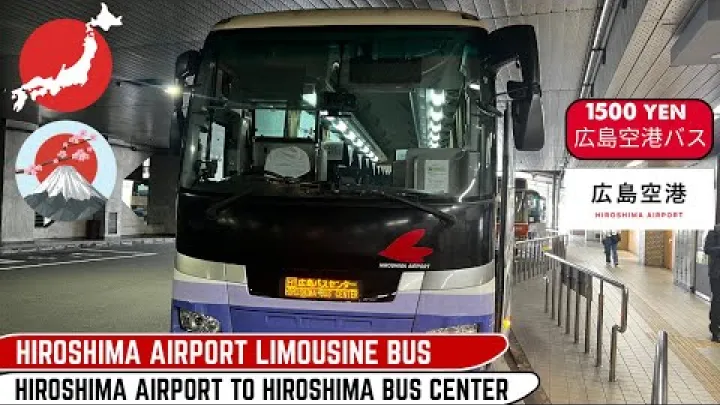
Hiroshima Airport is outside the city, so air travelers need a separate ground transfer. Airport limousine buses are the practical connection for many visitors, including the route to Hiroshima Station. The Hiroshima Airport access page provides the current connection timetable and should be used when planning around a flight.
Conventional JR lines can suit regional trips, while highway buses may be useful for travelers comparing price, departure location, and luggage arrangements. Before departure, check current JR and Hiroshima Airport connection schedules on the operators’ websites. Do not assume that a flight arrival or long-distance train connection leaves enough time for a tightly timed attraction booking.
Use Streetcars, Buses, and IC Cards in the City
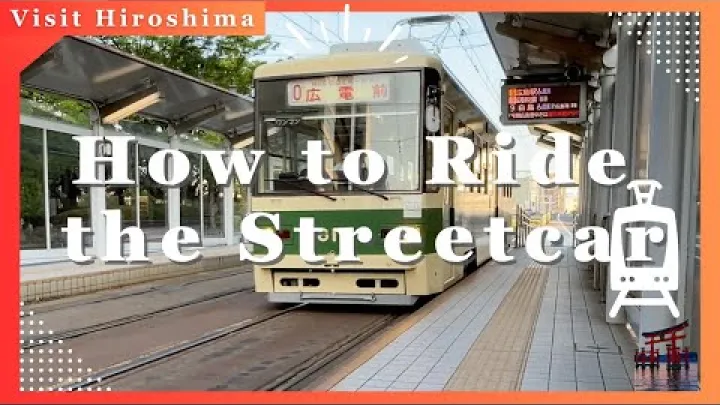
Hiroshima Electric Railway, commonly called Hiroden, is central to city transport. Its streetcars connect Hiroshima Station with downtown, the Peace Memorial Park direction, and the Miyajimaguchi direction. Visitor-oriented buses can also help link attraction clusters, especially when you want to avoid changing between several streetcar routes.
For a first-time streetcar journey, confirm the destination shown on the vehicle before boarding. Board as directed, keep your payment method ready, and follow the display or announcement instructions when leaving. Hiroden’s Hiroden information includes route maps, schedules, fares, and riding guidance.
A compatible Japanese IC card can make repeated local journeys easier where the specific service accepts it. Carry cash as a backup, particularly when changing between different operators. Day passes can be convenient, but coverage may vary by transport mode and zone. Do not assume that a city pass includes an airport bus, an express service, or every ferry connected with a Miyajima trip.
Travel Between Hiroshima and Miyajima
Think of the trip as two separate legs. First, travel from Hiroshima City to Miyajimaguchi. From Hiroshima Station, the JR Sanyo Line is generally the faster rail choice; from central districts, the Hiroshima Electric Railway streetcar can be convenient because it provides a direct route toward Miyajimaguchi, although it is usually slower. Second, walk from Miyajimaguchi to the ferry area and take a ferry across to Miyajima.
- Leave Hiroshima City by JR or streetcar for Miyajimaguchi.
- Follow signs from the station toward the ferry piers.
- Select the ferry service that fits your ticket or pass arrangements.
- After arriving on Miyajima, walk from the island pier toward the shrine area and town.
JR West and private ferry operators serve the short crossing. A transport pass may cover one part of the journey but not every fare or visitor charge, so read the terms rather than assuming complete coverage. Keep this distinction clear: Miyajimaguchi is the mainland transport area, while Miyajima is the island.
The main settlement and many first-visit sights are walkable from the pier, but luggage can be inconvenient on a sightseeing route. Travelers with mobility limitations should allow extra time and identify lower-effort options before adding Mount Misen. Uphill routes, uneven surfaces, and a long day on foot can change what is realistic even when the city-to-island transfer is simple.
Build a First-Time Hiroshima Sightseeing List
A balanced Hiroshima sightseeing list combines the memorial district with older cultural sites, gardens, food, and ordinary city life.
Give Peace Memorial Park and the Museum the Time They Require
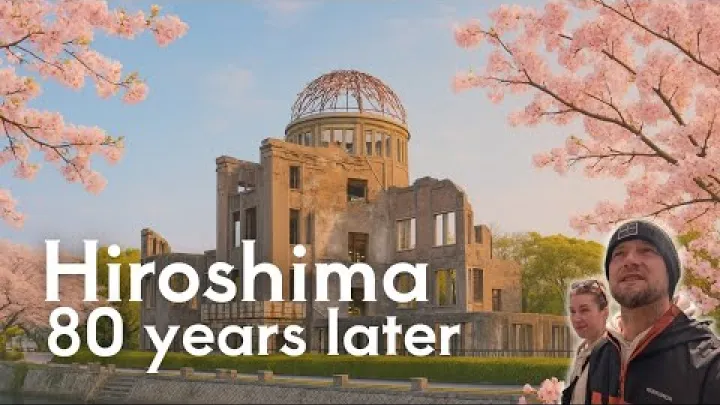
Peace Memorial Park brings several related places into one meaningful area. The Atomic Bomb Dome is a preserved reminder of the destruction, while the Cenotaph and other memorial features provide places for remembrance. The Hiroshima Peace Memorial Museum gives deeper historical context and helps visitors understand the human consequences of the atomic bombing.
Many visitors find the museum emotionally demanding. Treat it as the central part of a visit rather than a quick checklist stop, and allow time to walk through the park before or after the exhibition. Reading, pausing, and discussing what you have seen may require more time than a standard attraction visit.
This area should be understood alongside Hiroshima’s reconstruction and ongoing peace advocacy. It is possible to learn about the city’s wartime history without reducing Hiroshima to that history. Afterward, move at your own pace to a garden, a quiet café, or downtown food rather than immediately adding several demanding attractions.
Add Hiroshima Castle, Shukkei-en, and Other Museums
Hiroshima Castle provides a different historical perspective, introducing the city’s earlier development and samurai-era context. The castle buildings are reconstructed rather than original survivors, so describe the site accurately while still recognizing its value as a place for history, views, and landscaped grounds.
Shukkei-en Garden offers a compact change of pace from the memorial district. Its paths, water, and planted landscapes show another side of Hiroshima’s cultural heritage and can work well after a museum visit or during a slower station-area day. The Hiroshima Museum of Art and temporary cultural venues are useful optional additions, especially when you want an indoor activity or have already seen the main memorial sites.
Do not place every museum into the first day automatically. Group the castle, garden, and cultural venues according to your available time and the route from your base. Opening days, exhibitions, and access arrangements can differ on your travel dates, so treat these as flexible additions rather than fixed promises.
Explore Downtown Food and Everyday City Life
Hondori Shopping Street, Hatchobori, and nearby downtown streets are good places to experience Hiroshima beyond its formal sights. Use them for casual shopping, an evening walk, cafés, restaurants, and the ordinary activity of a modern regional city. This helps balance a historically heavy itinerary without treating nightlife as the only reason to stay downtown.
Hiroshima-style okonomiyaki is one of the simplest ways to connect local food with the city. It is a practical choice after visiting Peace Memorial Park because many downtown restaurants serve it in a casual setting. Menus and preparation styles vary, so travelers with allergies, vegetarian requirements, or other dietary needs should ask about ingredients before ordering. Keep food plans broad rather than depending on one restaurant or one opening schedule.
Spend a Full Day on Miyajima
Miyajima can fill a full day without needing an aggressive schedule. Itsukushima Shrine, the town, the waterfront, Buddhist sites, and Mount Misen offer different experiences, so select a main focus before you arrive.
Time Itsukushima Shrine with the Tides
Miyajima is the island; Itsukushima Shrine is its principal landmark. This distinction makes transport and map reading easier. The shrine’s relationship with the water changes with the tide: higher water can create the well-known floating impression, while lower water changes the shoreline view and access around the torii gate.
Consult a current tide table and decide which view matters most to you, but do not assume that both tide states will fit comfortably into a single visit. Place the shrine visit around your ferry arrival, any museum reservation in Hiroshima, and your chosen mountain or garden plan.
Itsukushima Shrine is a religious and cultural setting, not only a photography stop. Follow posted directions, keep clear of restricted areas, and use considerate behavior when taking photographs. Allow time for the approach from the pier, the shrine complex, nearby streets, and quiet observation instead of moving directly from one photo point to the next.
Combine the Shrine Area with Mount Misen and Daisho-in
There are several ways to extend a shrine visit. Daisho-in introduces Buddhist culture and provides a meaningful alternative to spending the entire day in the shopping streets. Momijidani Park offers a green walking setting. Mount Misen adds elevated scenery through the ropeway or hiking routes, but it also adds walking time, exposure, and operational dependencies.
- Ropeway-based visit: This reduces the amount of climbing but still requires walking between the town, ropeway areas, and viewpoints. It suits visitors who want mountain scenery without committing to a full hike.
- Hiking visit: Choose this only when your group is comfortable with sustained uphill and downhill walking, suitable footwear, and a longer outdoor day.
- Lower-effort island visit: Stay near the shrine, town, waterfront, and Daisho-in, or choose only one of those additions. This is often the better plan for families, limited mobility, heat, rain, or reduced daylight.
Physical ability should guide the choice. Heat, rain, footwear, daylight, and the energy left after the city visit all affect the comfort of Mount Misen. Do not treat the ropeway or a trail as guaranteed parts of the day; make the island experience worthwhile even if you decide to remain at lower elevations.
Handle Ferry Logistics, Crowds, Food, and an Overnight Option
There is more than one ferry operator on the Miyajima crossing. On travel day, confirm the current sailing times, departure pier, visitor-tax treatment, and pass rules on the relevant operator’s website. Check whether a visitor charge is included in your ticket or pass or collected separately, and keep the return crossing in mind when choosing a late island activity.
Peak weekends, blossom periods, autumn foliage, and major events can make the central island routes busy. An earlier or later visit may provide a different rhythm, but no time guarantees an empty island. Build your day around the places you most want to see and leave room for queues, meals, and the walk back to the ferry.
Oysters and momiji manju are familiar Miyajima food experiences, while the shopping streets offer additional snacks and local products. Food availability and opening hours vary, so do not postpone every meal until one specific street or shop. A day trip from Hiroshima City keeps luggage and accommodation simple. An overnight stay is better for travelers who want a slower evening, an earlier morning, or more time for the shrine, town, and mountain without returning on the same day.
Select Day Trips That Match Your Interests
Miyajima is the core nearby experience for most first-time visitors. After Hiroshima City and Miyajima, add one destination that matches your interests rather than treating every nearby place as essential.
Start with Miyajima, Then Choose One Extension
Use this simple decision framework:
- Scenery and sacred sites: Choose Miyajima, with Itsukushima Shrine, Daisho-in, and an optional Mount Misen plan.
- Hillside town and seaside atmosphere: Choose Onomichi.
- Maritime and shipbuilding history: Choose Kure.
- Bridge, river, and castle scenery: Choose Iwakuni.
- Sake-brewing heritage: Choose Saijo.
- Animals and unusual history: Consider Okunoshima.
- Stronger hiking interest: Consider Sandankyo Gorge.
For a three-day trip, the extra destination must be easy enough to fit without displacing the Peace Memorial Museum or Miyajima. For a longer trip, compare travel complexity, return connections, meal options, and walking demands as carefully as the attraction itself.
Choose Onomichi, Kure, Iwakuni, or Saijo
These destinations provide different regional character and should not be treated as interchangeable. Onomichi, Kure, and Saijo are in Hiroshima Prefecture; Iwakuni is in Yamaguchi Prefecture, outside Hiroshima Prefecture but accessible as a regional extension from Hiroshima.
| Destination | Best for | Traveler fit |
|---|---|---|
| Onomichi | Hillside temples, older streets, seaside character, and food | Travelers who enjoy walking and small-city atmosphere |
| Kure | Maritime, naval, and shipbuilding history | Visitors with a focused interest in industrial and maritime stories |
| Iwakuni | Kintaikyo Bridge, riverside scenery, and Iwakuni Castle | Travelers seeking a calmer cultural landscape |
| Saijo | Sake-brewing heritage and brewery visits | Food and drink travelers who can plan around opening dates |
Onomichi combines hillside temples, retro streets, sea views, local food, and connections toward the Shimanami Kaido. Kure is a strong choice for maritime history and shipbuilding, but its relationship with wartime narratives deserves more context than a simple attraction checklist. Iwakuni centers on Kintaikyo Bridge, riverside scenery, and Iwakuni Castle, making it a good cultural day outside Hiroshima Prefecture. Saijo suits visitors interested in sake production and seasonal events; plan responsibly if tasting alcohol and do not make a driving itinerary around brewery visits.
Exact travel effort and venue availability depend on the current regional transport timetable and the dates of your visit. Treat one of these places as your main extension, not as a group of stops to combine casually.
Reserve Rabbit Island or Sandankyo for a Focused Plan
Okunoshima, often called Rabbit Island, is an unusual choice for travelers interested in animals and history. It requires more coordination than a standard city day because ferries, local connections, and facilities are limited compared with Hiroshima City. Its history is also important, so approach the island as more than an animal encounter and allow time to understand the setting.
Sandankyo Gorge is a nature-focused hiking option rather than a casual sightseeing add-on. It demands suitable footwear, transport planning, enough daylight, and the ability to handle a longer outdoor route. It is better for travelers who specifically want a gorge and hiking experience than for visitors making a short first stop in Hiroshima.
Before committing to either destination, confirm current ferry, bus, trail, and facility status. The transport complexity and physical demands make Okunoshima and Sandankyo better for returning visitors or travelers with a clear interest. If your schedule is short, keep Hiroshima City and Miyajima as the priority.
Turn the Research into a Practical Hiroshima Itinerary
The best Hiroshima itinerary is geographically coherent and leaves room for the museum, meals, transfers, and personal energy. Use the following plans as frameworks, not minute-by-minute schedules.
One Day: Choose Depth Over Coverage
For one full day, begin with Peace Memorial Park and the Hiroshima Peace Memorial Museum. Include the Atomic Bomb Dome and the Cenotaph, then use the afternoon for a quiet transition, a garden or castle addition if energy allows, and dinner in Hondori or Hatchobori. Hiroshima-style okonomiyaki provides a simple evening food plan without adding another distant transfer.
Adding Miyajima on the same day is possible only as a tightly limited plan. You would need to accept less time at the museum, fewer island sights, limited flexibility around the ferry, or all three. If your arrival is late or your departure is early, reduce the plan further rather than treating travel time as sightseeing time. Use the museum reservation window and current opening information as the fixed point, then place other activities around it.
Two Days: Hiroshima City Plus Miyajima
On the first day, focus on the Peace Memorial Park area, the museum, the Atomic Bomb Dome, and downtown. Add either Hiroshima Castle or Shukkei-en Garden if the route and your energy allow. Give yourself time after the museum to pause before moving into food and shopping; the change from memorial spaces to ordinary city life can be useful rather than inefficient.
Use the second day for Miyajima. Visit Itsukushima Shrine and the island streets, eat a local snack or meal, and choose either Mount Misen, Daisho-in, or a slower waterfront and town route. The order can change around your museum booking, the tide, outdoor conditions, and personal priorities. Two full days offer the most balanced first visit because they combine historical attention, local food, and island scenery without requiring every named attraction.
Three or More Days: Add Regional Character
With an additional day, choose Onomichi, Kure, Iwakuni, or Saijo according to your interests and the ease of the current transport connections. Onomichi is a natural choice for hillside and seaside character, Kure for maritime history, Iwakuni for bridge and castle scenery, and Saijo for sake heritage. Do not assume that all four can be combined efficiently.
An overnight on Miyajima is another way to use the extra time. It suits travelers who prefer a slower island evening and morning rather than another long regional transfer. Hiroshima also works well as a western anchor between Kansai, other Chugoku destinations, and routes toward Kyushu, so a flexible block can be more valuable than a fully packed local schedule.
For a first-time visitor, a practical final choice is two full sightseeing days, usually supported by two or three nights depending on arrival and departure times. Use Hiroshima Station when rail connections and day trips dominate, Downtown Hiroshima when food and city life matter most, and the Peace Memorial Park area when proximity and a quieter setting are the priority.
Plan a Balanced Hiroshima Trip
A strong Hiroshima trip gives the Peace Memorial Park and Hiroshima Peace Memorial Museum the attention they require, then balances that experience with food, gardens, downtown life, and Miyajima. Two full sightseeing days are the clearest starting point; add a third day for a slower island stay or one regional destination that matches your interests.
Reserve the museum at the right stage of your planning, choose a base that matches your transport needs, and keep outdoor or regional plans flexible. With those decisions made, Hiroshima becomes more than a short stop: it becomes a thoughtful introduction to Hiroshima Prefecture, the Seto Inland Sea, and the wider Chugoku region.
Select area
Create a post
Posting is free and no registration is required.