Where to Stay in Hiroshima: Best Areas by Travel Style
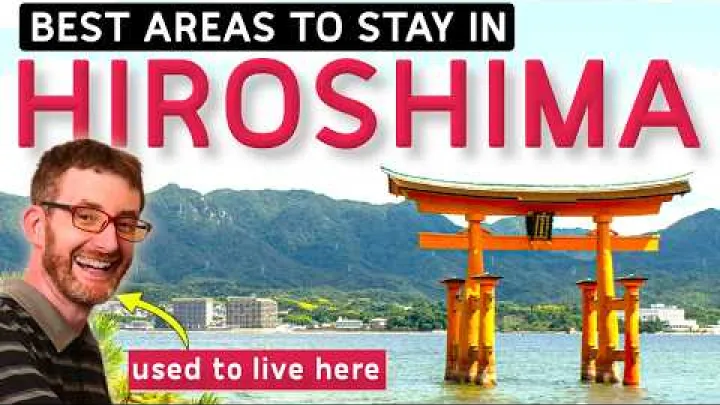
Where to stay in Hiroshima depends on what you want to do between arrival and departure. For most first-time visitors, downtown Hiroshima around Hondori, Kamiyacho, Hatchobori, or Peace Memorial Park is the best default because it combines sightseeing, restaurants, and evening walkability. Hiroshima Station is usually the better choice for early trains, repeated JR day trips, or a rail-focused itinerary. Miyajima Island is a different type of base, suited to travelers who want a traditional ryokan stay and a slower island experience.
How to Choose Where to Stay in Hiroshima
Hiroshima is compact enough that several areas can work well, but they create different daily routines. The right base is not simply the hotel with the highest rating. It is the area that reduces the transport, walking, luggage, and evening compromises that matter most during your trip. The Hiroshima Official Tourism Guide is useful for understanding how the main central attractions fit together, while your accommodation decision should reflect your own arrival point and sightseeing priorities.
| Base | Best for | Main advantage | Main compromise |
|---|---|---|---|
| Downtown Hiroshima | First-time sightseeing and dining | Convenient access to central sights and restaurants | Less direct access to JR trains |
| Hiroshima Station | Rail connections and early departures | Simple transfers with luggage | More recurring travel to central sights |
| Miyajima Island | Ryokan, scenery, and a slower stay | Distinctive island atmosphere | Extra transfer and check-in planning |
The Default Base for First-Time Visitors
For a first visit focused on the Peace Memorial Park, the Peace Memorial Museum, the Atomic Bomb Dome, central restaurants, and evening walks, choose downtown Hiroshima. The most useful band runs from Hondori Shopping Arcade through Kamiyacho and Hatchobori toward the park and nearby riverside streets. A hotel in this area places more of your day within a simple walk or a short local connection, so you can return to your room between visits or choose dinner without planning every movement around a train departure.
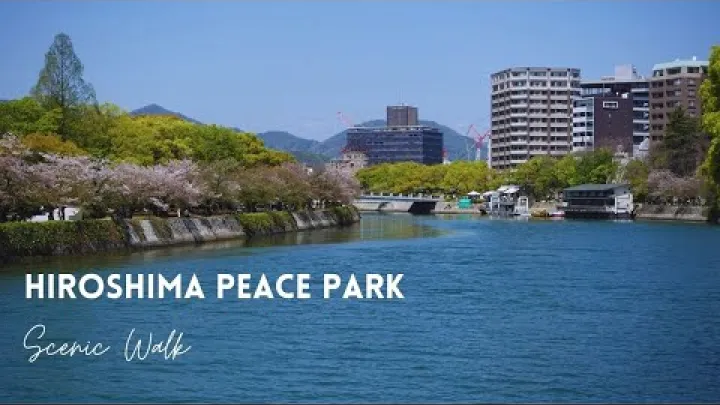
Downtown is also the strongest general answer to the question of where to stay in Hiroshima when your trip is short. You spend less time returning to the station after sightseeing, and evening plans remain flexible. You can look for a full-service hotel, business hotel, hostel, guesthouse, or apartment-style room in the same broad area, depending on your budget and room requirements.
The main exception is Hiroshima Station. Choose it when your priority is a Shinkansen connection, several JR day trips, a very early departure, or carrying substantial luggage at the start or end of the trip. Station-area accommodation can be practical rather than scenic, but that practical advantage may outweigh downtown walkability.
Three Questions to Ask Before Booking
Ask these questions before comparing individual properties:
- Where will most of my sightseeing happen? If the answer is Peace Memorial Park, the museum, the Atomic Bomb Dome, Hondori, and central dining streets, downtown usually saves local travel.
- How often will I use JR trains or make an early departure? If you will leave Hiroshima several times by rail, the station area may save repeated transfers and luggage handling.
- What atmosphere do I want at night? Downtown offers more restaurants and activity, while a park-side street or Miyajima may feel calmer. A livelier location can also mean more nighttime noise.
- Am I choosing Hiroshima city or Miyajima for the overnight experience? The city is easier for a short, attraction-focused itinerary. Miyajima is better when the traditional stay itself is one of the main reasons for the trip.
Then match the area to the room rather than choosing by neighborhood alone. A family may need a particular bed layout and occupancy limit. A solo traveler may prefer a dormitory bed or a small private room. A couple may value a quiet setting, a traditional room, or a private bath more than immediate access to a shopping street. Trip length matters too: changing bases can add effort that is difficult to justify on a very short visit.
Hiroshima Station Area: Best for Rail Connections
Hiroshima Station is the most logical base when transport efficiency is central to the itinerary. It is especially useful for travelers arriving by Shinkansen, leaving early, taking several rail day trips, or managing large bags.

Who Benefits Most From Staying Near the Station
Stay near Hiroshima Station if you want to step quickly from your accommodation into a rail journey. This is useful for an itinerary that includes several departures, such as trips to other parts of the region, or for travelers who do not want to make a cross-city transfer immediately before a flight or long-distance train. It can also be reassuring on the first or last night when luggage, check-in timing, and a fixed departure matter more than being beside the memorial sites.
Station-area accommodation covers more than one level of service. Full-service hotels directly beside or connected to the station may offer larger public areas, restaurants, reception services, and room categories suited to business or family travel. Business hotels farther from the platforms may offer a more predictable private room at a lower cost level, but the label near Hiroshima Station does not mean that every property has the same walking route or entrance.
Current booking pages illustrate why the exact address matters. For example, a Booking.com station-area listing describes Sheraton Grand Hiroshima Hotel as a one-minute walk from Hiroshima Station. Other properties marketed for the same area may require a longer walk, a different station exit, or a local connection. Use the listing map and the stated route to the platforms rather than assuming that all station hotels are equally convenient.
The Main Trade-Offs for Sightseeing and Nightlife
The station area is not the most direct walking base for Peace Memorial Park, the Peace Memorial Museum, Hondori, or the main downtown dining streets. Streetcars, buses, and other local connections make these places accessible, but each return journey adds planning and travel time. This is a manageable compromise for a rail-heavy schedule, but it can feel inefficient if most of your day is spent in central Hiroshima.
Downtown also has a denser evening choice. Around Hondori and Hatchobori, you can browse shops, eat Hiroshima-style dishes, and return to your accommodation without arranging a separate trip back to the station area. Near the station, dining is still possible, but the atmosphere is more strongly shaped by the transport hub and nearby hotel concentration than by the central nightlife streets.
If you book downtown while depending on an early departure from Hiroshima Station, check the current first and last streetcar or bus services for your travel date before paying. Also identify a taxi fallback and allow time to reach the correct station entrance with luggage. Public transport schedules and operating arrangements are not fixed for every date, so a map estimate alone is not enough for a departure-critical booking.
Downtown Hiroshima: Best for Walking and Evening Dining
Downtown Hiroshima is the broadest and most flexible answer for visitors who want central sightseeing, restaurant access, and a choice of accommodation styles. It is not one uniform neighborhood, so the exact block influences noise, walking convenience, and the route to public transport.
Hondori, Kamiyacho, and Hatchobori
Hondori is the clearest commercial anchor. Hondori Shopping Arcade is a pedestrian-focused shopping and dining area, making it useful for travelers who want restaurants, cafes, shops, and an active evening setting close to their room. It is a strong choice for first-time visitors who prefer to make decisions after arriving rather than reserve every meal in advance.
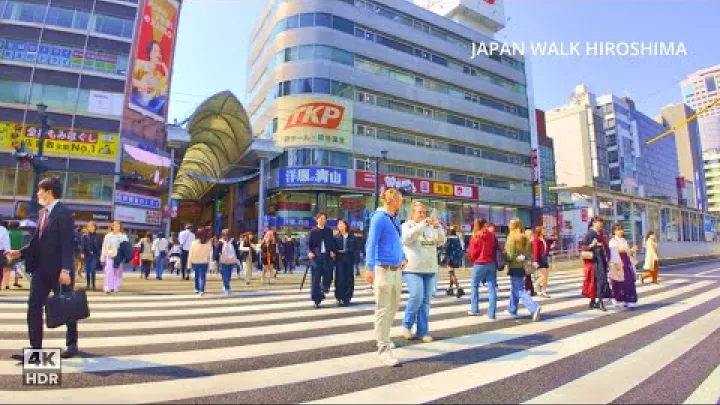
Kamiyacho is a central access point between the commercial core and the Peace Memorial Park side of the city. It suits visitors who want a practical position for local buses and streetcars as well as central walking. It can be a good compromise when you want downtown dining but also want a straightforward connection toward the park and museum.
Hatchobori combines shopping, restaurants, hotels, and transport access. It can suit couples, solo travelers, and business visitors who want more evening activity than a quiet park-side street provides. Its convenience comes with the need to inspect the immediate block, since a room close to restaurants or nightlife may experience more sound after normal sightseeing hours.
These areas overlap as a practical downtown band rather than functioning as completely separate bases. When comparing hotels, mark the property on a map and look at the actual walk to Hondori, the nearest streetcar or bus stop, and the route you expect to use with luggage. The area name is helpful, but the block is often more important.
Peace Memorial Park and Quieter Central Areas
Accommodation near Peace Memorial Park is attractive for visitors who want to reach the park, the Peace Memorial Museum, and the Atomic Bomb Dome with minimal local travel. It can make an early museum visit or a reflective morning easier, especially when the memorial sites are the central purpose of the trip.
Park-side and riverside streets can provide a calmer setting than the busiest commercial blocks while remaining close to central Hiroshima. This does not automatically mean that every hotel has a park or river view, and it does not guarantee silence. Ask what the room actually faces and inspect the surrounding streets if a quiet room is important.
The setting also changes the evening experience. A hotel near the park may be convenient for memorial sites but less convenient for spontaneous shopping and late dining than one near Hondori or Hatchobori. A property around Motomachi or another quieter central sub-area may appeal to travelers who want less nightlife activity, but include it only after checking the current accommodation map and the route to the sights that matter to you.
Use respectful language and expectations around the memorial locations. Staying near Peace Memorial Park is not simply a sightseeing convenience. It places you close to places of remembrance, so visitors should plan time for a thoughtful visit rather than treating the area only as a shortcut between attractions.
Nighttime Walkability, Noise, and Safety Checks
For a safe base in Hiroshima, focus on ordinary urban precautions and the exact accommodation block rather than labeling an entire central district as dangerous. Central Hiroshima is a busy city environment with different types of streets, businesses, and activity levels. A well-located hotel may be convenient and comfortable, but convenience does not remove the need to understand the immediate surroundings.
Hondori and the main parts of Hatchobori are useful for evening movement because shops, restaurants, and transport are concentrated there. Nagarekawa and nearby nightlife streets can offer more late-night dining and activity, but they may also bring more noise, pedestrians, or commercial activity near some properties. A quieter side street can be preferable for families, light sleepers, or travelers who plan to wake early.
Before booking, read recent accommodation reviews for the exact property and look for comments about sound, entrances, elevators, and the surrounding block. Check whether the entrance is easy to identify at night, whether access is controlled, and whether the route from the nearest stop is comfortable for your group. Solo travelers and families should also review current local advisories and ask the property about nearby nightlife noise. This is a practical check, not a promise that any neighborhood is completely risk-free.
Miyajima or Hiroshima City: Choosing the Right Base
Miyajima and Hiroshima city offer different kinds of stays. The city is an efficient base for memorial sites and dining, while Miyajima Island is an experience-led base built around traditional lodging, scenery, and a slower pace.
When Hiroshima City Is the Better Base
Choose Hiroshima city when you have a short stay and want to focus on Peace Memorial Park, the Peace Memorial Museum, the Atomic Bomb Dome, and downtown restaurants. A city hotel lets you keep one base, leave your luggage in one place, and adjust your evening plans without arranging an island return or a second check-in.
This option is especially practical when your arrival and departure points are on the mainland or when the timing of your sightseeing is uncertain. You can place downtown first in the itinerary and use a local connection for other destinations, rather than building the day around the transfer to and from Miyajima.
For most one-night visits, a city base is the simpler choice unless the Miyajima overnight itself is the main priority. The city also offers a wider range of hotels, business hotels, hostels, and private-room options, which makes it easier to match a short stay to a specific budget or occupancy requirement.
When an Overnight on Miyajima Is Worth It
An overnight on Miyajima is worth considering when you want the lodging experience to be part of the trip. A ryokan or small island hotel may provide tatami rooms, futon bedding, Japanese meals, communal bathing, or a private bath, but these features depend on the individual plan and property. Do not assume that a traditional label includes meals, an onsen, a private bath, or a shrine-facing room.
The island can suit couples looking for atmosphere, travelers who prefer scenic surroundings, and visitors who want to experience Miyajima at a slower pace. It may feel more peaceful after the busiest daytime period, but the main benefit is the distinct island setting rather than guaranteed quiet at every accommodation.
A guide to Miyajima lodging, Globaltripdiaries, discusses named options including Iwaso Ryokan, Kurayado Iroha, Hotel Sakuraya, and other island properties. Treat such names as examples for further comparison, not as a universal ranking. Check the exact room type, meal plan, bath arrangement, check-in window, and luggage process for the dates you want.
The added cost of an island stay may reflect meals, historic character, location, private bathing, or a more traditional service style. Compare the experience you value with the convenience you give up by staying away from central Hiroshima. If your main goal is the Peace Memorial Museum and downtown dining, the extra transfer may not add enough value.
How to Plan a Two-Base Stay
A split stay can work well on a longer visit. Use Hiroshima city for urban sightseeing and dining, then move to Miyajima for a traditional island night. This arrangement lets each base serve a clear purpose instead of asking one location to provide both city convenience and island atmosphere.
Do not split a very short visit unless the Miyajima ryokan experience is the main reason for booking. Changing rooms uses time for packing, transport, luggage storage or transfer, check-in, and check-out. It can also make the order of the itinerary less flexible. For a short trip, one downtown hotel is often more satisfying than two rushed bases.
Plan what will happen to your luggage before reserving the second room. Ask whether the first property can store bags, whether the second property accepts luggage before check-in, and whether you will carry everything between the mainland and island. Put the island stay in an order that does not create an unnecessary backtrack before a fixed departure.
Before fixing the order, confirm the current ferry or rail-ferry timetable, operating notices, and your luggage plan. Also identify the final return services that fit your sightseeing schedule. Ferry operations, connections, and disruption information can change, so a split stay should be based on the timetable for your actual dates rather than a remembered route.
Accommodation Types and Budgets in Hiroshima
Once you choose a base, select the accommodation type by the way you will use the room. A lower headline rate is not always the lowest total trip cost if it creates extra transport, paid meals, or an unsuitable sleeping arrangement.
Choosing Between Hotels, Resort-Style Stays, and Serviced Apartments
Full-service hotels are useful when you want a staffed reception, breakfast, restaurants, luggage support, or a wider choice of room categories. They can suit families, couples, business travelers, and visitors who prefer a predictable service structure. Compare the actual room size and occupancy rather than choosing only by star rating.
Business hotels can be a practical choice for solo travelers and professionals who want a private, efficient room. They may work particularly well near Hiroshima Station or in central Hiroshima when the main requirement is a reliable place to sleep with convenient transport. A compact room may be less suitable for families or travelers with several large bags.
Resort-style properties and serviced apartments should be treated as search filters, not guaranteed categories in every Hiroshima area. Availability depends on dates and live listings. An apartment-style room can be useful for a longer stay when it explicitly provides a kitchen, living space, laundry access, or other required facilities. Confirm cleaning arrangements, reception hours, and whether the listed facilities are private or shared.
For any type, location, capacity, bedding, breakfast, and luggage arrangements can matter more than the label. A larger room may be worth the additional cost for a family, while a central smaller room may be better value for someone who spends most of the day outside. Professionals should also check desk space, internet information, and the hours when reception or other services are available.
Hostels and Guesthouses for Value
Hostels and guesthouses are strong options for solo travelers, backpackers, and visitors who value walkability and social spaces. Central properties can put Hondori, downtown restaurants, and local transport within easy reach while keeping the accommodation cost lower than many private hotel rooms.
Compare the specific room format. A dormitory bed may provide the lowest nightly price, but it usually means less privacy and shared facilities. A private room in a hostel or guesthouse can provide a middle option, although the bathroom, kitchen, lounge, or reception may still be shared. Check locker size, storage for large luggage, quiet hours, and whether the property has staffed reception or a self-check-in process.
Review recency matters because service arrangements and room conditions can change. Look beyond the overall score and read comments about noise, cleanliness, bed comfort, security, and the exact walk to a station or streetcar stop. A slightly more expensive private room near your main sights may cost less overall than a cheaper room that requires several local journeys.
Ryokan and Traditional Rooms on Miyajima
Miyajima ryokan offers a different value calculation from a standard city hotel. The room may have tatami flooring and futon bedding, and a plan may include a Japanese dinner and breakfast. Some properties may offer communal bathing or private baths. These are listing-specific features, so check the meal plan and facilities attached to the exact room rather than assuming they are included throughout the property.
A higher price may reflect the meals, historic character, scenic location, private bathing, or level of service. It does not necessarily mean that the room has every traditional feature. Ask yourself whether you want the complete ryokan experience or only a quiet room on the island. If meals are included, confirm serving times and whether late arrival would prevent you from using the plan.
Also check check-in windows, bathing arrangements, futon setup, room size, and luggage handling. Traditional rooms may not have the same bed layout or bathroom arrangement as an international hotel. Make sure every traveler is comfortable with the sleeping surface and shared facilities before paying a nonrefundable rate.
The Best Hiroshima Base by Trip Type
Your itinerary often gives a clearer answer than a general neighborhood ranking. Count the nights, fixed sightseeing times, early departures, and rail day trips before deciding which area is most convenient.
One Night and First-Time Sightseeing
For one night focused on memorial sites and central sightseeing, choose downtown around Hondori, Kamiyacho, or Peace Memorial Park. This is the sightseeing-first path. It gives you more useful time near the attractions and makes it easier to choose dinner or take an evening walk without returning to Hiroshima Station.
Use the departure-first path when the next morning involves an early Shinkansen or another fixed rail departure. In that case, Hiroshima Station may be worth choosing even if it means using local transport for the park and downtown. The best base depends on whether your most important time is the afternoon and evening before departure or the convenience of the following morning.
Set realistic expectations for one night. Choose a small number of central sights and leave enough time for the museum and park rather than trying to cover Hiroshima and Miyajima in detail. A well-placed room supports a better visit than an ambitious schedule that spends much of the night or morning in transit.
Families and Couples Who Want More Space or Atmosphere
Families should begin with room capacity and sleeping arrangements. Check the maximum number of guests, bed layout, availability of connecting or family rooms, elevator access, space for luggage, breakfast arrangements, and the distance to simple transport. A central location is helpful, but a room that cannot comfortably fit the group is not a practical choice.
Downtown can suit families who want short routes to restaurants and central attractions. A quieter street near the park may be better for an early bedtime, while Hiroshima Station may help when the family has heavy luggage or a fixed rail departure. These are different advantages, so choose according to the most difficult part of your family itinerary.
Couples can compare downtown evening access with the more traditional atmosphere of an overnight on Miyajima. Downtown is better for restaurant choice and flexible plans. Miyajima may justify a higher price when the couple values tatami rooms, Japanese meals, scenic surroundings, or a private bath. Connecting rooms, private baths, and special views are property-specific, so treat them as requirements to confirm rather than standard features.
Budget Solo Travelers and Backpackers
Central hostels and guesthouses suit solo travelers who prioritize a lower cost, social interaction, and walkability over a private bathroom or large room. A dormitory is usually the value-focused option, while a private room provides more privacy at a higher cost. In both cases, check storage, shared facilities, quiet hours, and the route to public transport.
A private business hotel is a useful alternative for a solo traveler who wants predictable privacy and does not need a communal lounge. It may cost more than a dormitory bed, but the difference can be worthwhile if you sleep better, need a private workspace, or prefer not to manage shared facilities.
Think of budget as the cost of the whole stay. Include local transport, breakfast, dinner, luggage storage, and any extra transfer created by a cheaper but less convenient location. A central hostel can be good value because it reduces daily movement, while a station hotel can be good value for a traveler with several rail departures.
Rail Travelers, Day Trips, and Longer Stays
The station area becomes more valuable as the number of rail departures increases. If you have multiple JR day trips, a tight onward itinerary, or an early train, reducing the distance between your room and the station can simplify each travel day. It is also useful when you plan to leave your bags at the hotel and return for them before departure.
Downtown remains the better base when most of your time is around Peace Memorial Park, Hondori, and central dining streets. A traveler who takes only one rail journey may gain more from staying near the evening activities than from paying for station adjacency. Count actual departures rather than choosing the station area because it sounds generally convenient.
Longer stays can justify a split base, but only when each location adds a clear benefit. Hiroshima city can provide urban convenience, while Miyajima can provide the traditional island night. If the second base only changes the view and does not support a specific priority, staying in one hotel may be easier and more flexible.
A Practical Booking Checklist for Hiroshima Accommodation
After choosing the area, compare the actual property details. Neighborhood labels are useful for narrowing the search, but they are not a substitute for the map, room conditions, or booking terms.
Check the Map, Route, and Walking Reality
Open the exact property address and compare it with the station exit, nearest streetcar or bus stop, Hondori Shopping Arcade, Peace Memorial Park, and the route you will take with luggage. A room described as central may be central to one activity but inconvenient for another. Mark your arrival and departure points as well as your main sightseeing anchor.
Look at the entrance, not only the pin on the map. Confirm whether reception is in the same building, whether the property uses a separate entrance, and whether late arrival is supported. A short map distance can be less useful if the route is difficult to identify, includes a transfer that your group cannot manage easily, or requires carrying luggage farther than expected.
Use labels such as near the station, close to the park, and central as starting points for checking. Compare the address with your actual itinerary and the transport stop you will use. This is particularly important for station-area properties because the distance to the platforms and the distance to the station district are not always the same.
Compare Room Type, Total Price, and Cancellation Terms
Compare the final total for the complete stay, not only the headline nightly rate. Check taxes or fees, cancellation rules, payment timing, occupancy limit, bedding, and meal inclusions. Prices, availability, and room configurations change with dates and demand, so save the details of the exact plan you are comparing.
Make sure the room matches the travelers. Confirm whether beds are single, double, twin, bunk, or futon; whether children count toward occupancy; and whether the bathroom is private or shared. For a hostel, compare dormitory and private-room conditions. For a ryokan, check meal schedules, bathing arrangements, room facilities, and check-in requirements.
- Exact property address and distance to your main local stop
- Room type, bed layout, occupancy limit, and bathroom arrangement
- Final total, payment timing, and cancellation deadline
- Breakfast or dinner inclusion and meal service times
- Reception hours, late arrival instructions, and luggage storage
- Noise information and recent reviews for the room or building
Do not use star rating or a low advertised starting rate as the main filter. The right comparison is between properties that offer the same room capacity, location convenience, and cancellation flexibility.
Book Around Busy Dates and Fixed Sightseeing Times
Busy travel dates can change both availability and the value of a convenient location. Before choosing a nonrefundable room, check official attraction updates for holiday periods, opening changes, reservation rules, and access conditions on your travel dates. This is especially relevant when a fixed visit to the Peace Memorial Museum or another attraction determines the rest of your day.
A fixed museum visit may favor downtown if you want to walk or use a simple local connection. A fixed early train may favor Hiroshima Station. If your plan includes Miyajima, the lodging choice must also fit the island transfer and any reserved meal or check-in time. These decisions are connected, so do not treat the hotel booking as separate from the sightseeing schedule.
Match your cancellation terms to the uncertainty in the plan. If attraction access, transport, or weather may affect the itinerary, flexible terms can be more valuable than a small discount. Check the current rules of the relevant attraction and transport services for your dates before committing to a room that cannot be changed.
Final Recommendation for Where to Stay in Hiroshima
For most first-time visitors, downtown Hiroshima is the best place to stay, especially around Hondori, Kamiyacho, Hatchobori, or the Peace Memorial Park area. Choose Hiroshima Station when rail connections, multiple day trips, luggage, or an early departure are the main priorities. Choose Miyajima when the traditional island overnight is itself a central part of the experience.
Once you choose the base, compare the exact route, room configuration, total price, cancellation terms, and atmosphere. The best Hiroshima accommodation is not necessarily the most luxurious or cheapest option. It is the place that fits your sightseeing pattern, transport needs, budget, and preferred way to spend the evening.
Select area
Create a post
Posting is free and no registration is required.