Beijing Budget Travel: Daily Costs, Hotels, Food & Transport

A Beijing travel budget can range from a low-cost hostel stay to a comfortable trip with central hotels, restaurant meals, taxis, and private activities. The largest difference usually comes from accommodation and major excursions, not ordinary subway rides. This guide explains typical daily costs in Chinese yuan, compares budget, mid-range, and comfortable travel styles, and shows how hotels, food, airport transfers, attraction tickets, season, and payment choices affect the final total.
Beijing Daily Budget at a Glance
For planning purposes, use CNY as the main currency. The ranges below are approximate per-person estimates for time spent in Beijing, rather than guaranteed prices. Using an illustrative conversion of CNY 7.2 to US$1, the three headline bands are about US$28–49, US$90–146, and US$174–333 per person per day. Exchange rates change, so use a current rate when converting your own budget.
Beijing Daily Budget Ranges for Three Travel Styles
A budget traveler can keep costs near CNY 200–350 per day by sleeping in a dormitory, eating mostly local food, using the Beijing subway, and alternating paid sights with free or low-cost places. A mid-range traveler generally needs about CNY 650–1,050 per day, especially when paying for a private room alone. A couple sharing that room can reduce the per-person accommodation cost. Comfortable travel starts around CNY 1,250 per day and can reach CNY 2,400 or more when the room, meals, taxis, and activities are upgraded.
| Travel style | Accommodation | Food and drinks | Local transport | Attractions and activities | Daily total |
|---|---|---|---|---|---|
| Budget | CNY 80–150 dorm bed | CNY 60–100 | CNY 15–30 | CNY 45–70 | CNY 200–350 |
| Mid-range | CNY 500–800 private room if traveling alone | CNY 80–130 | CNY 30–60 | CNY 40–60 | CNY 650–1,050 |
| Comfortable | CNY 700–1,300 higher-service room | CNY 300–550 | CNY 80–180 | CNY 170–370 | CNY 1,250–2,400+ |
These allocations are planning models, not fixed price lists. The mid-range row assumes a traveler pays for a private room and chooses ordinary sightseeing. A couple sharing a CNY 500–800 room may divide the accommodation cost between two people. A Great Wall day, a Peking duck dinner, a guided tour, or several premium attractions can move any style above its usual daily band.
What the Daily Budget Includes and Excludes
The core daily calculation covers one night in Beijing, meals and ordinary drinks, city transport, and planned sightseeing. It can also include an allocation for airport transfers when you spread those one-time costs across the length of the trip. For example, a day built around parks, public spaces, and a low-cost temple may have a small attraction line. A day that includes the Palace Museum or a paid excursion needs a larger activity allowance.
The figures do not include long-haul flights, visa expenses, travel insurance, shopping, expensive nightlife, major personal purchases, or onward travel to another city in China. Intercity trains, domestic flights, private guides, and rural or resort stays should be budgeted separately. Keeping those items outside the Beijing daily rate makes it easier to compare a genuine city-stay cost with the full cost of a China trip.
Simple assumption: the headline ranges are per person and per day. Accommodation prices are normally quoted per room or per bed, so always state whether a room is occupied by one person or divided between two travelers. Airport transfers and day trips are best shown as separate one-time items, even when you later calculate an average per day.
Accommodation Costs and Budget-Friendly Areas
Accommodation is usually the most important part of a Beijing budget. A low-cost room near a useful subway station can be better value than a cheaper room that requires long taxi rides, while a central hotel can save time on a short visit. Compare the entire stay rather than looking only at the lowest displayed nightly rate.
Hostels and Budget Hotels
A hostel dormitory bed is normally the lowest-cost lodging option for a solo traveler. For budget-oriented examples, a practical planning range is about CNY 80–150 per night, although dates, neighborhood, property quality, and demand can change the price. A recent Dorms listing snapshot also showed private-room examples around US$34–45. At the rounded planning conversion used above, that is approximately CNY 245–325, but the displayed listing should be treated as a directional example rather than a live quote.

A private hostel room is a different category from a dorm bed. It may offer more privacy while retaining shared facilities, or it may include an en-suite bathroom. A basic budget hotel may cost more but can offer a private bathroom, stronger sound insulation, luggage storage, a more predictable front desk, and room heating or air-conditioning. For each option, compare the room occupancy, bathroom type, breakfast inclusion, luggage policy, cancellation conditions, and distance to a usable subway station.
Before booking, confirm the final accommodation price for the exact dates and occupancy. Check whether taxes, service charges, breakfast, and extra-person fees are included, and review the cancellation terms. A low starting price is not useful if the final total changes at checkout or if the property is inconvenient for the planned sightseeing area.
Mid-Range and Comfortable Hotel Costs
A directional planning band for many mid-range private rooms is about CNY 500–800 per night. A user-reported Facebook travel discussion uses a similar range as an example of a clean, modern hotel with good value. This is a broad market indication, not a universal Beijing average or a live booking quote.
For a solo traveler, the full room price may be CNY 500–800 per night before food and sightseeing are added. For two people sharing the same room, the accommodation allocation becomes roughly CNY 250–400 per person. This is why a couple can have a higher-quality private room while spending less per person than a solo traveler in the same room. The room price remains unchanged; only the division changes.
Comfortable travel is driven mainly by lodging. A larger room, a higher-service property, a central location, breakfast, a recognized international standard, or a high-demand date can move the price above the mid-range band. By contrast, metro fares and ordinary local meals usually do not create the same increase. Decide whether comfort means location, room size, sleep quality, facilities, or service, then spend on the feature that matters most rather than upgrading every category.
Choosing a Base: Central and Outer Districts
Dongcheng and Xicheng form the main tourist core. They are convenient for the Forbidden City, the Tiananmen area, Wangfujing, hutong neighborhoods, and several traditional cultural sites. This convenience can carry a lodging premium, but it may reduce daily travel time and make a short Beijing visit easier to manage. A modest room in the core can therefore be reasonable value if it replaces several long cross-city journeys.
Chaoyang has a wider mix of prices and travel purposes. The district includes business hotels, shopping centers, embassy areas, international dining, and Sanlitun nightlife. A property near an office or premium retail area may be expensive, while another property in the same broad district can be more moderate. Sanlitun is useful for nightlife and international restaurants, but those choices can also raise the food and drinks budget.
Haidian, Fengtai, and Shijingshan can be useful outer-base options when the room rate is substantially lower and the property is close to a practical subway station. The cheapest district is not always the cheapest trip. Add the cost of extra rides, the time spent traveling, late-night convenience, and the likelihood of using taxis before choosing an outer location. Compare the same dates, room standard, occupancy, and cancellation terms across districts rather than assuming one district is always cheapest.
Food and Drink Costs in Beijing
Beijing offers a broad food price range. Breakfast stalls, noodle shops, dumpling restaurants, food courts, convenience stores, and neighborhood cafés can support a modest budget, while hotel restaurants, imported products, specialty coffee, bars, and famous dining venues can quickly raise it. Tourist areas such as Wangfujing may not have the same prices as a neighborhood away from the main attractions.
Local Meals, Street Food and a Practical Food Allowance
For simple local meals, snacks, and drinks, plan around CNY 80–150 per person per day. This is a full-day allowance, not a price that should be added to every meal. A useful planning model might assign CNY 15–25 to breakfast, CNY 25–50 to a simple noodle, dumpling, rice, or food-court meal, CNY 25–50 to another ordinary meal, and CNY 10–30 to snacks and drinks. The total changes with portion size, location, and how often you choose a sit-down restaurant.
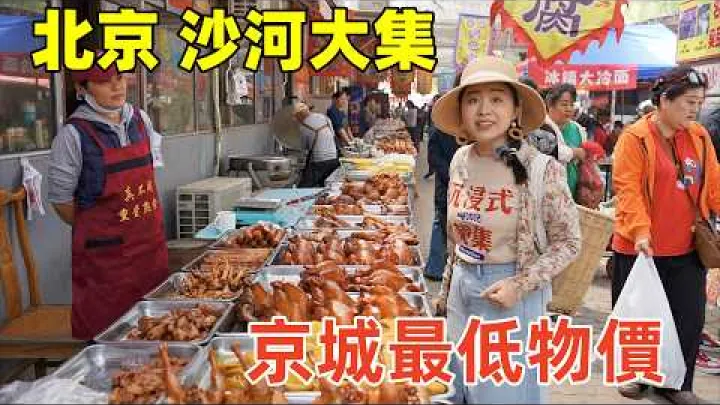
Neighborhood eateries often make it easier to remain near the lower end of the allowance. Food courts and casual restaurants offer more variety without requiring a premium dining budget. Convenience stores can fill gaps between attractions, but relying on them for every meal may be less satisfying. Shared dishes also make per-person costs less predictable: sharing several dishes can be good value for two people, while ordering many items for one person can cost more than a simple individual meal.
Keep breakfast, lunch, dinner, snacks, coffee, and alcoholic drinks as separate mental categories. That prevents a low-cost lunch from hiding a series of café purchases. If local food is the main focus, CNY 80–150 is a reasonable starting allowance. Add more for frequent cafés, hotel breakfasts, international restaurants, delivery fees, or meals in high-demand tourist and nightlife areas.
Peking Duck, Coffee, Drinks and Nightlife
Peking duck is best treated as a planned splurge rather than part of a normal local-food allowance. A well-known meal can add roughly CNY 200–300 or more per occasion, depending on the venue, portion, side dishes, number of diners, and drinks. Some prominent or tourist-oriented restaurants can cost substantially more. Decide whether the goal is a signature meal, a particular restaurant, or simply trying the dish, because those choices can produce very different totals.
Specialty coffee, imported beer, cocktails, and Sanlitun nightlife can move a traveler well above the CNY 80–150 daily food line. A bottle of water, tea, a soft drink, or a local café purchase may have a much smaller effect, while several premium drinks can equal the cost of an entire day of simple meals. Put signature dining and nightlife into a separate discretionary line instead of inflating the normal food estimate for every day.
A practical food plan can therefore have two layers: a regular allowance for breakfast, simple meals, snacks, and ordinary drinks, plus a separate amount for one Peking duck meal, a café day, or nightlife. This makes the budget more realistic and allows you to choose one intentional splurge without treating the entire trip as an expensive dining trip.
Transport Costs and Airport Transfers
Beijing is large, so transport costs depend on how widely you move around the city. The subway is usually the main low-cost option for tourist areas, while taxis and ride-hailing become more relevant for groups, heavy luggage, late arrivals, or journeys that are poorly connected to rail. Airport transfers should be separated from ordinary city transport because one airport journey can cost more than several days of metro rides.
Metro, Buses and Everyday Local Transport
Beijing subway fares are distance-based and start at about CNY 3. Many central tourist trips fall in the CNY 3–6 range, although longer journeys cost more. For mainly metro travel, a practical allowance is about CNY 15–40 per person per day. This assumes roughly four to six ordinary rides, with a little room for a longer crossing or a connection.
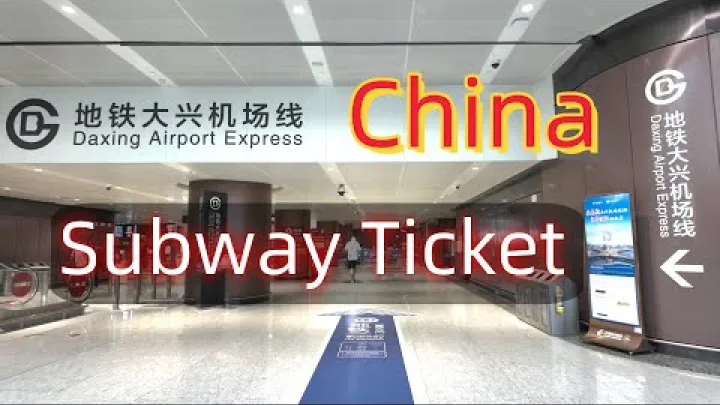
Buses can be useful for some journeys, but the financial difference from the subway is not always worth changing an otherwise convenient plan. Taxis and ride-hailing create a much wider range because the distance, traffic, time of day, and vehicle type matter. A solo traveler who uses one car each day can move out of the budget transport band quickly, while a couple or group can divide a vehicle cost.
A multi-day or stored-value metro product may be worthwhile during an intensive itinerary if its terms match the number of planned rides. Do not buy a pass simply because it sounds convenient. Estimate the daily rides, compare the product with ordinary distance-based fares, and account for any remaining balance or usage restrictions. The transport allowance should reflect actual movement between the chosen base and attractions, not an idealized citywide sightseeing plan.
Airport Express, Taxis and Ride-Hailing
Beijing Capital International Airport, or PEK, and Beijing Daxing International Airport, or PKX, have different rail services and should not be treated as the same transfer. For PEK, the Capital Airport Express fare is listed as CNY 25 per single journey. A TravelChinaGuide comparison also places taxi costs around CNY 100–150 in the cited example, although the final car fare depends on the destination, traffic, tolls, and service used.
Published PKX fare examples show different prices by destination and class, including CNY 25 for one one-way option, CNY 35 for another relevant service, and a higher business-class fare. These figures are not interchangeable with the PEK fare. For a group, a taxi or ride-hailing car can become reasonable when several people share the cost. It can also be practical with heavy luggage, a late arrival, or a hotel that is not close to a rail connection.
Before choosing an airport transfer, confirm whether the itinerary uses PEK or PKX and check the current airport-express fare, operating hours, and last connection. A rail option that is cheap during the day may not suit a late landing. Add the transfer as a separate arrival and departure cost rather than assuming it is covered by the CNY 15–40 daily city-transport allowance.
Attraction Fees and Sightseeing Choices
Beijing sightseeing can be inexpensive when you combine public spaces, parks, museums, and low-cost temples with one or two flagship attractions. The main budget difference is often not the basic admission fee but the number of paid sites, guided services, cable cars, transfers, and special experiences added to the itinerary.
Free and Low-Cost Museums, Parks and Temples
Free or low-cost cultural days can keep the attractions line small. The National Museum of China may provide a low-cost or free cultural option under its current reservation and entry policy, while parks and some temples provide modest admission choices. The important distinction is between a free admission policy and guaranteed walk-in access. A reservation, identification document, time slot, or separate inner-site ticket may still affect the practical cost and effort.
Temple of Heaven is a useful local price anchor. Its visitor information lists CNY 15 for admission and CNY 34 for a combined ticket, with discounted prices also shown. The combined ticket matters because a traveler who wants to see more of the site should not compare only the basic entrance fee. Similar distinctions can apply to parks, exhibitions, and optional halls at other attractions.
Build the itinerary around a mix of low-cost and paid days. A park, hutong walk, public cultural area, or low-cost temple can balance a day with a flagship museum or an expensive excursion. This approach controls the average without removing the attractions that motivated the trip. Check the current reservation and eligibility rules for any site described as free or low-cost.
Forbidden City and Other Flagship Attraction Tickets
The Palace Museum, commonly called the Forbidden City, provides the clearest example of why an official ticket reference matters. The official Palace Museum page gives CNY 60 as a ticket reference and also displays information about opening times, discounts, and free admission. Treat that amount as a basic admission reference rather than the total price of a guided experience.
A basic ticket is different from a guided tour, audio guide, special exhibition, bundled package, or private visit. A self-guided day around Tiananmen and the Forbidden City can therefore have a relatively modest entry cost, but it requires more planning than purchasing a packaged experience. The attraction line should show the admission ticket and any optional service as separate items.
Before visiting, check the attraction's current official booking page for admission, reservation, identification, opening, and entry requirements. Availability can matter as much as price, particularly for a short itinerary. Do not assume that a third-party tour price is the official Palace Museum admission fee or that a displayed ticket includes every museum area.
Great Wall Budget: Mutianyu, Badaling and Access
A Great Wall day is a separate budget event rather than an ordinary city sightseeing day. The cost can combine the wall admission, transport from Beijing, a scenic-area shuttle, cable cars or chairlifts, meals, and a tour or private vehicle. Mutianyu and Badaling are not identical products, so comparing only their headline entrance fees can produce an unrealistic total.
The official Mutianyu booking example lists an adult CNY 200 package that includes the scenic ticket, shuttle bus, and round-trip cable car. The Mutianyu Great Wall ticket page illustrates why package contents matter. The city-to-wall journey, food, and any separate return transport still need to be considered when building the complete day-trip budget.
Public or shared transport can reduce the price but may require more time and coordination. A group tour can combine transport and admission in one purchase, while a private taxi or vehicle offers more flexibility at a higher total cost that can be divided among travelers. Badaling may have different admission, shuttle, and transport arrangements from Mutianyu. Read the ticket package inclusions and confirm whether shuttle transport, cable cars, and return transport are included before paying.
What Raises or Lowers a Beijing Budget
Beijing prices are shaped by demand as well as by the choices you make after arriving. A flexible traveler can often save more by changing dates or accommodation location than by trying to reduce every subway ride by a small amount.
How Season, Weekends and Events Change Prices
Hotel listings can vary meaningfully by month, day of week, and event demand. Weekends, pleasant travel periods, conferences, major exhibitions, and large events can reduce availability and push room rates upward. Golden Week and Chinese New Year require particular attention because transport, attractions, and accommodation may experience stronger demand at the same time.
There is no single cheapest month for every Beijing hotel. A property that is inexpensive on one weekday can be expensive during a weekend, a conference, or a public holiday. Shoulder-period travel and flexible weekdays can reduce accommodation pressure more effectively than small savings on ordinary local transport. Refundable rates can also have value when the difference from a non-refundable rate is reasonable.
Check current holiday and event dates and compare the exact nightly rates before making a non-refundable reservation. Look at the full stay rather than one sample night, because a weekend inside an otherwise inexpensive trip can change the average substantially.
Saving Tactics That Preserve Convenience
Start with the savings that usually have the largest effect:
- Choose a connected base. Compare a central hotel with a lower-priced property near a practical subway station. A small lodging premium may be worthwhile if it saves long daily journeys.
- Use local meals regularly. Keep breakfast, noodles, dumplings, food courts, and neighborhood restaurants as the normal pattern, then budget separately for a planned Peking duck meal or nightlife.
- Use the subway for routine travel. Reserve taxis and ride-hailing for groups, heavy luggage, late arrivals, or journeys where the time saving justifies the extra cost.
- Mix paid and low-cost attractions. Alternate flagship museums and day trips with parks, public cultural areas, and modest-fee sites.
- Compare complete package prices. For hotels, tours, and attractions, include breakfast, shuttle transport, cable cars, service charges, and other inclusions before deciding which option is cheaper.
These tactics preserve convenience because they focus on the largest decisions rather than forcing every traveler to follow the same low-cost routine. One intentional upgrade can be easier to enjoy when the rest of the itinerary has a clear spending limit.
Currency, Payments and Budget Control
A budget is easier to control when every category is recorded in the same currency and one-time costs are not hidden inside a daily average. Use CNY for hotel comparisons, meals, transport, and tickets, then convert the final total into your home currency only as a secondary step.
Use CNY, Track Exchange Rates and Set a Buffer
Renminbi and CNY refer to the local currency used for Beijing prices. A displayed amount in yuan is not automatically comparable with a foreign-currency estimate because exchange rates can move between research, booking, card authorization, and travel. Keep the original CNY amount next to any conversion so you can recognize the actual price at the time of payment.
Use this formula for a practical trip estimate:
Total Beijing budget = daily accommodation, food, local transport, and sightseeing costs multiplied by the number of nights or days, plus airport transfers, day trips, and discretionary spending, plus a contingency buffer.
The buffer protects against peak-date lodging, attraction add-ons, an occasional taxi, a missed low-cost connection, or one planned splurge. It is better to keep the buffer as a separate line than to make every daily category artificially high. Inspect the final booking total for each hotel, tour, and ticket instead of assuming that a displayed starting price includes every fee.
Mobile Payments, Cash Backup and Spending Control
Mobile payment is central to everyday spending in China. Overseas cards may be linkable to major payment platforms, but setup, identity checks, card compatibility, and merchant acceptance can differ. Complete the setup and test mobile payment with an overseas card before departure. Also prepare a small CNY cash backup for smaller vendors, older establishments, transport problems, or excursions outside the central city.
A short pre-departure checklist can include:
- Set up and test the chosen mobile payment method.
- Complete any required identity verification and keep the payment card available.
- Carry a small CNY cash reserve rather than relying on one payment method.
- Save booking details and important confirmation information for offline access.
- Track accommodation, food and drinks, local transport, and attractions in separate spending lines.
Tracking the same four categories used in the daily budget makes small purchases visible. Coffee, snacks, shopping, and nightlife should be placed in a discretionary line so they do not disappear inside the food or attraction total.
Build a Beijing Trip Budget
Once you choose a travel style, multiply the daily band by the length of the stay and then add one-time costs. A three-day visit can have a high daily average because airport transfers and a Great Wall excursion are concentrated into a short period. A seven-day visit may have a lower average if several days use free or low-cost attractions, but it can also cost more overall because the accommodation and food lines continue for longer.
Sample Three-Day and Seven-Day Budget Calculations
The following examples use the headline daily bands. They cover a Beijing stay, ordinary food and drinks, local transport, and a planned attraction allowance. They exclude international flights, visas, insurance, shopping, intercity travel, and major personal purchases. Airport transfers and a Great Wall day should be added separately.
| Traveler and style | Three-day base total | Seven-day base total | Planning basis |
|---|---|---|---|
| Solo budget | CNY 600–1,050 | CNY 1,400–2,450 | CNY 200–350 per day with a dorm bed |
| Solo mid-range | CNY 1,950–3,150 | CNY 4,550–7,350 | CNY 650–1,050 per day with a private room |
| Solo comfortable | CNY 3,750–7,200+ | CNY 8,750–16,800+ | CNY 1,250–2,400+ per day |
| Couple sharing a mid-range room | CNY 2,400–3,900 per couple | CNY 5,600–9,100 per couple | About CNY 400–650 per person per day after dividing the room |
For a budget solo example, the arithmetic is approximately CNY 80–150 for a dorm bed, CNY 60–100 for food, CNY 15–30 for local transport, and CNY 45–70 for activities each day. A solo mid-range traveler may pay CNY 500–800 for the room alone, so the upper end can be exceeded when several paid attractions or restaurant meals are added. A comfortable traveler has more flexibility for higher-service lodging, restaurant dining, taxis, and activities.
Sharing changes the calculation most clearly for couples. A CNY 500–800 private room becomes CNY 250–400 per person before the other categories are counted. Based on the same food, transport, and activity assumptions, the couple example is approximately CNY 400–650 per person per day, or CNY 2,400–3,900 for three days as a couple. One-time transfers, expensive excursions, and splurge meals remain additional.
Airport rail at PEK would add two CNY 25 journeys for a simple round trip, while a taxi arrangement can cost more. A Mutianyu package listed at CNY 200 includes specific scenic services, but city-to-wall travel and meals remain separate. Add those items to the base total instead of hiding them in the daily arithmetic.
Adjust for Shopping, Day Trips and a Different Travel Style
Use the base budget as a worksheet, then add the choices that are unique to your trip:
- Accommodation: multiply the final room or bed price by the number of nights, then divide the room cost between travelers when appropriate.
- Food and drinks: multiply the regular daily allowance by the number of days and add separate amounts for Peking duck, cafés, bars, hotel dining, or nightlife.
- Local transport: estimate daily subway and bus use, then add taxis or ride-hailing that are likely to be used.
- Attractions and activities: list each admission fee, guided service, cable car, shuttle, excursion, and special exhibition separately.
- One-time costs: add airport transfers, luggage-related charges, and any booking fees that are not part of the daily rate.
- Discretionary costs: set a separate amount for shopping, gifts, entertainment, private transport, or an upgrade.
Changing one category can move the trip into a different style. Replacing a dorm with a private central room may have a larger effect than choosing a slightly cheaper lunch. Adding a Great Wall excursion or frequent nightlife can raise the total even when the hotel remains budget-friendly. Conversely, a connected outer base, local meals, subway travel, and free cultural days can keep a private-room trip moderate.
Keep Beijing-only costs separate from a wider China budget. Intercity trains, domestic flights, rural stays, resort visits, and additional city hotels belong in the onward-travel plan. This separation shows exactly which decision is increasing the Beijing trip cost and prevents a national travel budget from being mistaken for a daily Beijing budget.
Beijing Budget Takeaway
For a starting point, plan around CNY 200–350 per person per day for a careful budget trip, CNY 650–1,050 for a mid-range solo stay, and CNY 1,250–2,400 or more for comfortable travel. Price the room separately from the person, keep airport transfers and Great Wall costs visible, and use local meals, the subway, connected outer bases, and mixed-cost sightseeing to control the total. The most useful budget is not the lowest possible number but a clear plan that matches your accommodation, food, transport, attraction, and discretionary choices.
Select area
Create a post
Posting is free and no registration is required.