Beijing Best Time to Visit: Weather, Seasons & Monthly Guide
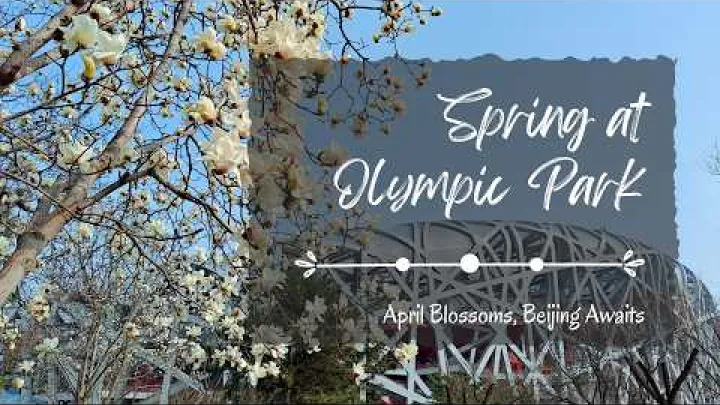
The best time to visit Beijing depends on whether you value comfortable walking, autumn scenery, lower prices, or cultural events. For most travelers, mid-April to late May and mid-September to late October offer the strongest balance of mild weather and outdoor comfort. Summer brings heat and rain, while winter is cold but often quieter and potentially more affordable. This guide explains Beijing weather by season and month, then shows how to plan the Forbidden City, Great Wall, parks, hutongs, and other outdoor activities around real conditions.
When Is the Best Time to Visit Beijing?
Beijing is usually easiest to explore during the main spring and autumn shoulder seasons. These periods often combine comfortable temperatures, relatively low rainfall, and good conditions for long days of walking between historical sites and open-air neighborhoods. Your final choice should also account for public holidays, hotel demand, and the live forecast.
Best Overall Windows: Mid-April to Late May and Mid-September to Late October
The best overall windows are generally mid-April to late May and mid-September to late October. Spring becomes more settled after the early-season transition, with greener parks, blossoms, and increasingly warm afternoons. Autumn usually brings clearer, drier-feeling days, cooler nights, and comfortable conditions for the Great Wall and long city walks.
These recommendations describe typical climate patterns, not a promise about a particular year or sightseeing day. Beijing can have an unusually warm, cool, windy, wet, or hazy period during any month. Tourism guidance from China Highlights also places April, May, September, October, and early November among the more favorable months, but travelers should use historical guidance for choosing dates and a short-range forecast for final plans.
The Best Weather Can Still Mean the Biggest Crowds
Good weather does not automatically mean an easy or inexpensive trip. Early May can be affected by the national holiday period, and the National Day holiday in early October is one of the busiest travel periods of the year. Hotels, trains, restaurants, and major attractions can experience stronger demand, and popular areas may feel much more crowded than they do on nearby dates.
When your schedule is flexible, compare the pleasant weather of a holiday week with the lower demand often found immediately before or after it. Check the current holiday calendar, hotel availability, and attraction booking rules before reserving accommodation and sightseeing dates. A few days outside a major holiday can preserve much of the seasonal weather advantage while reducing pressure on the itinerary.
Understanding Beijing's Climate Before Choosing Your Dates
Beijing's weather has a strong seasonal rhythm, but each season contains transition periods. Understanding that pattern helps you choose suitable clothing, decide how much outdoor walking to plan, and leave room for rain, wind, or reduced visibility.
Beijing's Continental Monsoon Pattern
Beijing has a temperate continental monsoon climate with four distinct seasons. Winters are cold and dry, spring is often windy and can be dusty, summers are hot and wetter, and autumn is usually short, mild, and relatively dry. A climate summary from BeijingTrip describes this broad four-season pattern.
Most of Beijing's annual precipitation usually falls during the warmer part of the year, with July and August commonly among the wettest months. Rain may arrive as a heavy shower or thunderstorm rather than as continuous rain all day, but it can still interrupt exposed sightseeing. The climate affects practical city travel: summer walking can become tiring, spring wind can reduce comfort and visibility, and winter daylight and cold can limit time outdoors.
Climate Averages Versus the Forecast for Your Trip
Monthly climate information describes what is typical over many years. It is useful for comparing April with July or October with December, but it cannot tell you exactly what will happen on the day you visit the Forbidden City or climb a Great Wall section. Average conditions also smooth out short periods of unusual heat, rain, wind, or cold.
Use averages to choose the season and approximate travel dates. Then use a short-range forecast to decide what to wear, when to schedule outdoor activities, and whether to place a park or Great Wall visit before an indoor attraction. Year-to-year variation and changing heat or rainfall patterns can make a trip feel different from the monthly average, so treat all seasonal descriptions below as indicative guidance.
Beijing by Season
Each season supports a different style of Beijing trip. Spring and autumn are strongest for outdoor sightseeing, summer works best with early starts and flexible plans, and winter suits travelers who prefer quiet museums, lower demand, or seasonal cultural experiences.
Spring: Mild Days, Blossoms, Wind, and Occasional Dust
April and May are strong choices for parks, historical areas, photography, and long walking days. April often combines cool mornings with mild afternoons, while late May can feel considerably warmer and closer to early summer. Parks, temple grounds, and gardens become more attractive as greenery develops, making spring a useful time to combine the Temple of Heaven, Summer Palace, and traditional Beijing hutong neighborhoods with outdoor walks.
Early spring is less settled than late April and later May. Wind can be noticeable, and dusty days may reduce comfort for people spending many hours outside. Pack layers that can be removed in the afternoon, and consider eye protection if wind or dust is forecast. The early May holiday can also bring a sudden rise in crowds and prices, so the weather benefits of May should be considered separately from holiday demand.
Summer: Heat, Humidity, Monsoon Rain, and School-Holiday Crowds
June can be a reasonable compromise for travelers who must visit in summer. Heat and humidity are increasing, and rainfall becomes more common, but the month can offer long daylight hours and vivid green scenery. July and August are usually hotter, wetter, and busier, with stronger domestic travel demand during school holidays and other peak periods.

Heavy showers and thunderstorms can disrupt a day even when the rain later clears. Heat also matters at exposed places such as the broad courtyards of the Forbidden City, temple grounds, hutong walking routes, and open Great Wall sections. Build demanding outdoor sightseeing into the early part of the day, carry compact rain protection, and keep an indoor alternative for a very hot or stormy day. Indoor museums, shaded rest stops, and shorter routes can make a summer itinerary more manageable.
Summer is not continuously rainy or uncomfortably hot every day. Travelers who accept flexible timing may enjoy green parks and long evenings, especially when they avoid placing every major outdoor activity on a fixed schedule.
Autumn: Clearer, Drier Conditions and Beijing's Golden Season
September and October are often the strongest months for comfortable city sightseeing and Great Wall walks. Early September may still feel warm, while mid-autumn usually becomes cooler and more comfortable for sustained activity. October often brings crisp days and cooler nights, with generally low rainfall compared with the summer months.
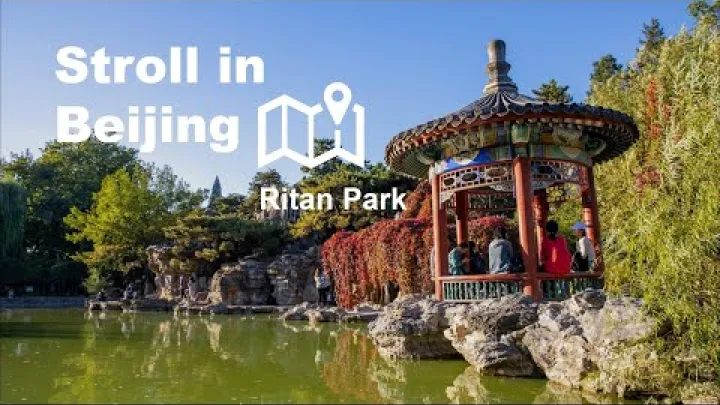
Autumn scenery is especially appealing around Fragrant Hills Park, parks, temple grounds, and nearby Great Wall areas. The season is useful for photography because pleasant walking conditions and changing foliage can support early-morning and late-afternoon visits. However, the normal advantages of October can be outweighed by the National Day holiday. Early September, the period after the October holiday, and later October each have different combinations of warmth, foliage, and demand.
Winter: Cold, Dry, Quiet, and Sometimes Hazy
December through February is generally the least comfortable period for long outdoor sightseeing. Cold air, wind, short daylight, and conditions that can fall below freezing make extended visits to exposed sites more demanding. The dry weather can still produce clear, attractive days, and winter scenery around historic buildings can feel very different from the busy spring and autumn experience.
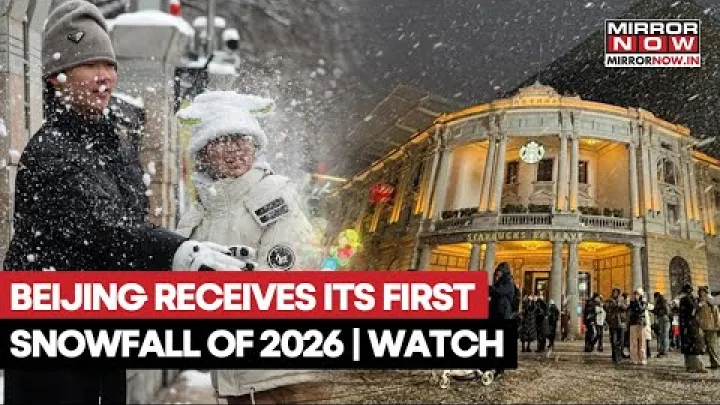
Winter's main advantages are lower visitor pressure and the possibility of lower accommodation costs outside major holidays. It can suit a budget traveler, a repeat visitor focused on museums and food, or someone interested in a quieter city atmosphere. Indoor cultural attractions can be combined with shorter outdoor visits rather than requiring a full day outside.
Air quality can also vary during the winter heating season, particularly when conditions are stagnant. Research on winter heating and air pollution provides academic context for the seasonal relationship between heating and particulate pollution in China. This is a seasonal consideration, not a statement that every winter day in Beijing is hazy. Spring Festival is another variable period: it can offer distinctive cultural experiences, but transport, business hours, hotel demand, and sightseeing access may differ from an ordinary winter week.
Beijing Weather and Travel Feel Month by Month
The month-by-month guide below is intentionally relative rather than a list of fixed temperature promises. It shows the usual travel feel, a planning advantage, and the main drawback to consider when choosing dates.
January to March: Deep Winter and the Windy Transition
January is usually the coldest and driest month, with low precipitation and limited comfort for long outdoor visits. Visitor pressure is often lower, making indoor cultural sightseeing and quieter photography possible, but cold and wind can shorten time at open-air sites.
February normally remains wintry. Spring Festival may fall during this month or partly overlap it, depending on the lunar calendar. The holiday can make cultural travel especially meaningful, but prices, transport demand, and the availability of services can change from year to year. March brings gradual warming and cool nights, while wind or dust can still affect outdoor comfort.
| Month | Typical feel | Useful for | Main drawback |
|---|---|---|---|
| January | Cold, dry, short winter days | Indoor culture and quieter visits | Cold wind and limited outdoor comfort |
| February | Continued winter conditions | Spring Festival culture or low-season travel | Holiday demand can change quickly |
| March | Cool, gradually warming, often windy | Fewer crowds and early spring transition | Cool nights and possible dust |
April to June: Prime Spring Weather to Early Summer Heat
April is often the most comfortable month in this group for visitors who prioritize walking. Expect a contrast between cool mornings and mild afternoons, with greenery and blossoms improving the experience at the Summer Palace, Temple of Heaven, parks, and historical areas. May is warmer and usually favorable, but early May should be treated separately because of holiday crowds and prices. June marks the move toward summer, with more heat, humidity, and rain and a greater need for flexible scheduling.
| Month | Typical feel | Useful for | Main drawback |
|---|---|---|---|
| April | Mild afternoons, cool mornings, spring scenery | Comfortable walking and outdoor culture | Conditions can change during the transition |
| May | Warmer and generally pleasant | Parks, historic sites, and the Great Wall | Early May may be crowded and expensive |
| June | Warmer, more humid, rain increasing | Long daylight and green landscapes | Heat and storms need flexible plans |
July to September: Peak Summer and Early Autumn Relief
July usually combines peak summer heat, humidity, more frequent rain, and heavy domestic travel demand. August often remains hot and wet, although some relief may appear toward the end of the month. September is a transition month: early September can still feel like summer, while later September is often more manageable for outdoor sightseeing.
| Month | Outdoor comfort | Rain flexibility | Crowd pressure |
|---|---|---|---|
| July | Lowest in this group because of heat and humidity | Frequent showers or storms can interrupt plans | Often high |
| August | Still hot, with possible late-month relief | Flexible scheduling remains important | Often high |
| September | Improves gradually, especially later in the month | Usually easier than midsummer | Often moderate, depending on dates |
October to December: Golden Autumn to Dry Winter
October often offers one of the best combinations of mild days, low rainfall, and autumn scenery, but the busiest holiday period should not be treated as representative of the whole month. November is a useful shoulder option, particularly early in the month, with cooler days, cold nights, fewer visitors, and a clear move toward winter. December is cold and dry, with lower visitor pressure and shorter daylight.
| Month | Typical feel | Budget and crowd outlook | Main trade-off |
|---|---|---|---|
| October | Mild, relatively dry, autumn scenery | Good outside major holiday dates | Holiday crowds can be very heavy |
| November | Cooler days and cold nights | Often a quieter shoulder period | Less daylight and increasing winter chill |
| December | Cold, dry, and wintry | Potentially quieter outside holidays | Outdoor comfort and air quality can vary |
Choose the Best Time for Your Beijing Trip
The best month changes with the purpose of your trip. A Great Wall climber needs different conditions from a museum-focused visitor, while a budget traveler may accept winter cold to avoid peak demand.
Best Time for the Great Wall and Outdoor Photography
The milder and usually drier parts of spring and autumn are the most comfortable choices for climbing, walking, and photography at the Great Wall. April, May outside the busiest holiday dates, and mid-September through October can reduce the physical strain of heat or winter cold. The exposed setting can make wind, thunderstorms, strong sun, or poor visibility more noticeable than they are in central Beijing.
Summer visits can still work with an early start, water, sun protection, and a flexible route. Winter may provide quiet paths and clear views on suitable days, but cold wind and short daylight increase the physical demands. Choose the specific Great Wall day using a current forecast rather than relying only on the month, and allow enough daylight for the return journey.
Best Time for the Forbidden City, Hutongs, Parks, and Culture
April, May, September, and October are usually the easiest months for long walking days that combine the Forbidden City, Temple of Heaven, Summer Palace, and Beijing hutong neighborhoods. These itineraries include courtyards, paved routes, gardens, and open-air streets, so moderate weather makes it easier to move between stops without exhausting the day.
Summer favors early starts, a slower pace, shaded breaks, and indoor attractions during the hottest part of the afternoon. Winter can work well when museums and indoor cultural activities form the center of the itinerary, with shorter outdoor visits between them. Rather than expecting every site to feel the same, alternate exposed landmarks with sheltered or indoor stops and check current access details for the attractions you plan to visit.
Best Time for Lower Prices, Fewer Crowds, or Winter Experiences
Winter outside major holiday periods may offer lower demand and potentially better accommodation value, but these are possibilities rather than guarantees. Shoulder-season dates just outside national holiday peaks often provide a stronger balance of weather, prices, and crowds than either the busiest mild-weather periods or the coldest part of winter.
Spring Festival is best viewed as a specialized cultural choice rather than a general recommendation for simple sightseeing. It may provide memorable traditions and a different city atmosphere, but exact dates and travel demand change each year. Compare hotel prices and availability for your exact dates, and separate your priorities: choose shoulder season for balance, winter for quiet or budget potential, and Spring Festival for a specific cultural experience.
Practical Weather Planning for a Beijing City Stay
Good date selection reduces weather problems, but practical preparation matters just as much. Beijing itineraries often combine indoor museums with exposed courtyards, parks, streets, and a demanding Great Wall day.
What to Wear and Pack by Season
Pack for the expected range between morning and afternoon, not only the season name. A city trip may involve several hours outside, changes in elevation at the Great Wall, and periods of waiting in exposed areas.
- Spring and autumn: Use adaptable layers, a light outer layer for cool mornings, comfortable walking shoes, and protection for wind or occasional rain. Late spring and early autumn may need lighter clothing than the start or end of the season.
- Summer: Choose breathable clothing, sun protection, a refillable water bottle, and compact rain protection. Clothing that dries reasonably quickly can be useful when showers or high humidity affect a long walking day.
- Winter: Bring insulating layers, warm footwear, gloves, and protection from dry wind. Extra warmth is particularly important for early starts, evening walks, and exposed Great Wall sections.
Use the forecast for your exact dates to adjust this basic list. The month provides a starting point, but a late-season warm spell or an unexpected cold period can change what is comfortable.
Managing Heat, Rain, Wind, Dust, and Air Quality
Summer heat and sudden rain affect more than comfort. They can make long routes between attractions tiring, reduce patience during queues, and complicate transfers between outdoor sites. Start strenuous walks early, build in water and rest stops, and move an exposed activity when a storm or dangerous heat is expected.
Spring wind and dust can reduce visibility and make open areas uncomfortable. Keep the itinerary adaptable and favor sheltered or indoor attractions when dust conditions are poor. In winter, heating-season pollution and stagnant air can be a concern, especially for travelers with respiratory sensitivity or anyone planning strenuous exercise.
Check current air-quality and dust advisories before strenuous outdoor activity. If conditions are poor, move the plan indoors or choose a shorter, less demanding visit. Treat seasonal air-quality patterns as a reason to monitor conditions, not as a prediction that a particular day will be unsafe.
Check Live Conditions Before Departure and Each Outdoor Day
Once your dates are chosen, use an official or reputable short-range forecast for temperature, precipitation, wind, and severe weather information. The World Meteorological Centre Beijing is one official forecast channel to consult. A forecast is most useful after the trip is booked, when you can decide whether the Forbidden City, Great Wall, parks, or indoor attractions should come first.
Check conditions close to departure and again before each major outdoor day. Add an air-quality check if you plan strenuous walking or are traveling during winter or a dusty spring period. The simple rule is to keep your travel dates when conditions are broadly suitable, adjust the order or length of outdoor activities when needed, and retain an indoor alternative.
Final Recommendation for Choosing Your Beijing Travel Dates
For the best overall combination of weather and sightseeing comfort, choose mid-April to late May or mid-September to late October, while avoiding the busiest holiday windows when possible. Choose June or early November as practical compromise periods, summer if you can manage heat and rain with flexible scheduling, and winter if quiet visits, indoor culture, or potential budget value matter more than outdoor comfort. Whatever month you select, use climate patterns to choose the dates and a live forecast and air-quality check to shape each day.
Select area
Create a post
Posting is free and no registration is required.