Where to Stay in Beijing: Best Areas for Every Traveler
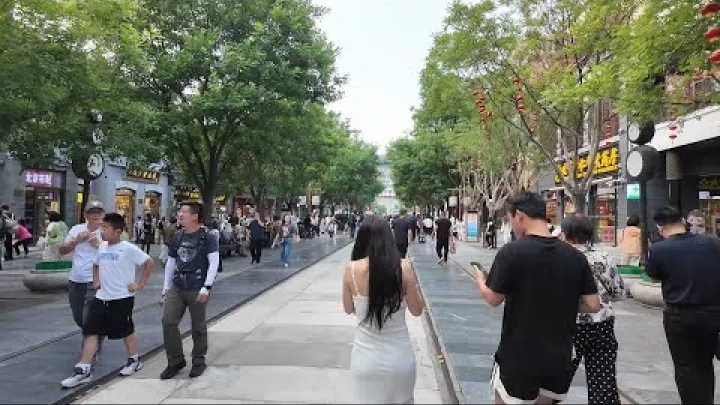
Where to stay in Beijing depends on how you plan to use the city. For a first visit focused on imperial sights, a central base can save time and make each day easier, while Sanlitun, Chaoyang CBD, or an airport area may be better for nightlife, work, or flight logistics. This guide compares Beijing neighborhoods, transport access, walking conditions, noise, accommodation types, and total trip value. It also gives a clear default recommendation before explaining when another area is a better fit.
Where to Stay in Beijing: The Short Answer
For most first-time visitors, central Dongcheng, especially around Wangfujing, is the strongest default. It combines a central position, dining and shopping, a broad range of accommodation, and practical access to major historic sights. However, it is not the universal winner: Gulou or Houhai may suit travelers who want traditional atmosphere, Sanlitun is better for nightlife, Chaoyang CBD fits work trips, and an airport hotel can be sensible for a very early flight.
The Best Default for First-Time Sightseeing
Choose Wangfujing when your main goal is to see the Forbidden City, Tiananmen Square, central parks, museums, and other historic attractions without making every day a long cross-city journey. The area is commercial and visitor-oriented, so it offers many places to eat, shop, and return to after sightseeing. It also has accommodation across several service and price levels, although the exact choice varies by street and property.
Wangfujing is best understood as a convenient starting point rather than a promise that every hotel is equally close to every landmark. Beijing's attractions are large, entrances can be separated from the landmark shown on a map, and a property on a side street may feel very different from one on the main avenue. A neighborhood guide from Discover Over There also identifies Wangfujing as a strong first-time base because of its central position and access to the Forbidden City.
Choose another area if your priority is late-night entertainment, a work address, a quieter local setting, or proximity to an airport or railway station. A useful base is the one that reduces the most important daily journey, not necessarily the one with the most famous name.
Choose by Your Main Travel Priority
The table below is a starting point for choosing where to stay in Beijing. It compares area characteristics, not permanent hotel rankings. Within each area, the exact address, station route, room conditions, and surrounding street can change the experience.
| Main priority | Good starting area | Main advantage | Main trade-off |
|---|---|---|---|
| Historic sightseeing | Wangfujing or central Dongcheng | Central access to major sights | Commercial setting and variable prices |
| Historic atmosphere | Qianmen or Gulou | Older streets and traditional surroundings | Less uniform lodging and access |
| Family travel | Wangfujing or Qianmen | Food, central routes, and easy returns | Busy areas and limited room layouts in some properties |
| Nightlife | Sanlitun | Bars, clubs, dining, and modern city life | Longer trips to imperial sights |
| Business | Chaoyang CBD or near the office | Shorter workday journeys | Less efficient for a short historic-sightseeing trip |
| Airport transit | The relevant airport area | Simple departure or arrival logistics | Poorer sightseeing convenience |
| Lower-cost stay | A central hostel or a connected outer area | Potentially lower room cost | Commuting and facility trade-offs |
For a mixed itinerary, start with the activity that cannot easily be moved. A first-time sightseeing trip usually favors central Dongcheng. A conference favors the venue's neighborhood. A late arrival followed by an early flight may justify two different bases rather than forcing one hotel to serve every purpose.
Let Trip Length Shape Your Location Choice
Trip length changes the value of location. On a one-night stay or a short first visit, time spent changing hotels or crossing the city has a large effect on what you can see. A central Dongcheng base can make it easier to visit one major sight, take a meal break, and continue without building the entire day around transport.
Longer stays allow more specialization. You might choose Gulou for hutong surroundings, Sanlitun for evening life, or Chaoyang for work and modern facilities if the metro or taxi route fits your routine. A longer visit can also justify a serviced apartment with a kitchen, laundry, or workspace. If your arrival or departure dominates the schedule, consider an arrival-night base near Beijing Capital International Airport, Beijing Daxing International Airport, or a railway station separately from your main sightseeing base.
How Beijing's Size and Transport Affect Your Base
Beijing is easier to plan when you think in terms of landmarks and daily routes rather than district names alone. The historic core, commercial east, work districts, airports, and railway stations serve different purposes. Your hotel should be judged by the complete route from its entrance to the places you need to reach.
Start with the Historic Core, Not Just the District Name
Central Dongcheng and nearby parts of Xicheng are useful reference points for visitors interested in the old city. Wangfujing and Qianmen sit near the central historic zone, while Gulou, Shichahai, Houhai, and Beihai offer a different northern or western orientation. Chaoyang, by contrast, includes much of the modern commercial and business environment, including Sanlitun and Chaoyang CBD.
Use landmarks to test a location. The Forbidden City and Tiananmen Square indicate central historic access; the Temple of Heaven points toward the southern part of the old city; Beihai Park, Drum Tower, Shichahai, and Houhai help identify the northern and western central areas. A hotel described as being in a large district may still be far from the particular landmark or station you care about. The exact neighborhood and entrance matter more than the district label.
Check Metro, Walking, and Last-Mile Access
The Beijing metro makes it possible to consider more areas than the immediate historic center. It can connect sightseeing districts, commercial areas, and major transport points, but a metro journey is only one part of the trip. The walk between the hotel entrance and station, transfers inside the network, the walk from the destination station to an attraction entrance, and the return route all affect convenience.
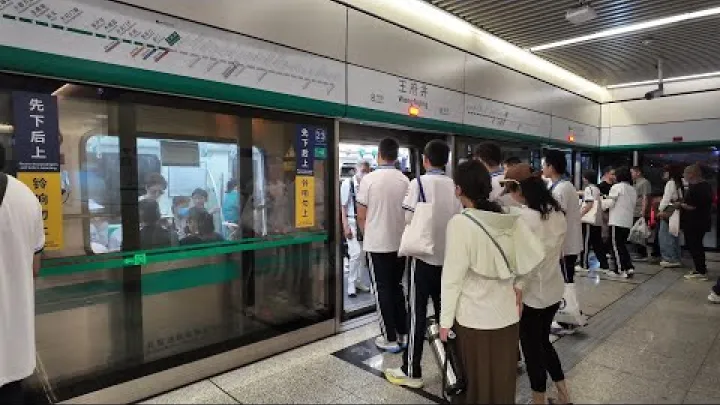
Before booking, map the exact walk from the property to the nearest usable station. Check whether the route crosses a large road, a restricted entrance, a busy commercial area, or a narrow lane that is difficult with luggage. Then review the likely route for your main attractions and confirm current line hours, transfers, fares, payment methods, and last-mile options. Operating details can change, and a route that works during the day may be less useful after an evening event.
Taxis and ride-hailing are useful complements to the metro. They can help with luggage, tired children, late returns, or accommodation that is not directly beside a station. Traffic conditions, pickup points, demand, and service availability affect the result, so treat a taxi as a practical option rather than a guaranteed shortcut. A transport overview from KKday can help travelers understand the transport choices, but current information should take priority when you plan a particular journey.
Plan Airport and Rail Connections Separately
An airport base and a sightseeing base solve different problems. Beijing Capital International Airport serves the northeastern side of the city, while Beijing Daxing International Airport is a separate airport area to the south. A hotel near one airport is not automatically convenient for the other, and neither airport area is a natural default for visitors who want to spend most of their time around the Forbidden City.

Rail travel also requires a separate calculation. Beijing Railway Station is closer to the central city than some outer transport points, while Beijing South Railway Station and Beijing West Railway Station serve different directions and routes. The best hotel for a high-speed rail departure depends on the station, departure time, luggage, and the route from the property. Do not choose a base for a railway journey by looking only at the word Beijing in the station name.
Compare the arrival route with your daily sightseeing route before choosing a hotel mainly for convenience. An airport hotel may be sensible for a late arrival, early departure, airport-related work, or a short transit stay. For a multi-day visit, calculate whether moving to or from that base will cost more time and money than staying centrally. Check the exact terminal or station, available transfer method, expected last-mile route, and departure schedule for your booking.
Best Areas to Stay in Central Beijing
Central Beijing offers the widest range of sightseeing bases, but the neighborhoods are not interchangeable. Wangfujing is convenient and commercial, Qianmen is historic and pedestrian-oriented, Gulou emphasizes hutong life, and the Xidan, Beihai, and Houhai areas combine different mixes of shopping, parks, lakes, and evening activity.
Wangfujing and Central Dongcheng
Wangfujing is the strongest all-around choice for many first-time visitors. Its appeal comes from the combination of central sightseeing, dining, shopping, and accommodation variety. Depending on the property, you may have a practical walk or short local journey to the Forbidden City, Tiananmen Square, Jingshan Park, and other central sights. It is also a convenient base when different people in a group want different activities during the day.
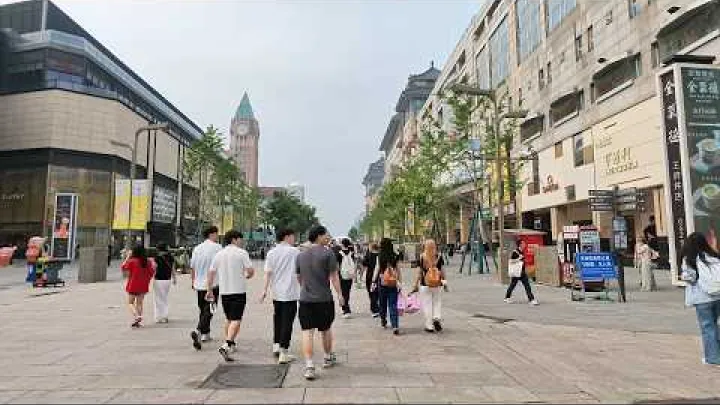
The trade-off is atmosphere. Wangfujing is more commercial and tourist-oriented than a hutong neighborhood, and prices can vary widely by date, room type, and service level. The area around a hotel may be busy, while a nearby side street may be quieter. Inspect the exact map position, entrance, and recent comments about noise rather than assuming that every property marketed as Wangfujing has the same setting.
Current accommodation pages near the Forbidden City illustrate the range of properties available in the central market, from larger full-service hotels to apartment-style options. A Booking.com search is useful as a snapshot of that range, but listings, prices, facilities, and availability are not permanent rankings.
Qianmen and Southern Dongcheng
Qianmen Street is a strong alternative for travelers who want a historic setting close to central attractions. Its main avenue and surrounding areas include traditional-looking architecture, restaurants, pedestrian-oriented sections, and nearby hutongs. The location can work well for families and visitors who value an evening walk in a recognizable historic environment after a day of sightseeing.
Qianmen does not offer exactly the same accommodation inventory as Wangfujing. Some properties are compact or set within older buildings, and the experience depends heavily on whether the address is on a lively avenue or on a quieter nearby lane. That difference affects noise, vehicle access, and how easy it is to manage luggage. Choose Qianmen for its setting and central position, not because every property will have the same modern facilities.
Gulou and Dongcheng North
Gulou suits travelers who want hutong streets, small cafés, local businesses, and a less standardized neighborhood experience. Drum Tower and Bell Tower provide clear orientation points, while nearby Shichahai, Houhai, and surrounding hutongs add opportunities for walks and informal exploration. The area can feel more residential and layered than a commercial hotel district.
That character brings practical compromises. Smaller hotels, guesthouses, and courtyard properties may have irregular room layouts, narrow lanes, limited signage, or less predictable vehicle access. A location that looks close on a map may require a final walk through a lane, which matters when carrying luggage or arriving late. Before booking a hutong property, review the final walking route, the place where a vehicle can stop, luggage assistance, and the property's check-in arrangements.
Gulou is best for travelers who actively want traditional urban surroundings. It is not automatically a better version of Wangfujing, and its value depends on whether atmosphere matters more to you than standardized service and simple navigation.
Xidan, Beihai, and Houhai
These central alternatives appeal to visitors who want historic Beijing with a different daily rhythm. Xidan is more commercial and transport-oriented, making it useful for shopping and for travelers who prefer a busy urban environment. Beihai is attractive to people who value park access and central walks, while Houhai is known as a lakeside and evening-oriented area with restaurants and venues.
The three locations should not be treated as one neighborhood. Xidan may feel more like a major shopping and movement corridor. Beihai can suit a slower sightseeing routine built around parks and nearby historic areas. Houhai is more appealing when evening activity and lakeside walks are part of the plan. Around active lakefront or entertainment areas, noise and crowds can vary by street and by time of night. A quieter side street may provide a better balance than a room directly above a busy venue.
Best Areas for Nightlife, Business, and Airport Stays
Once work schedules, late evenings, or flight times become the main constraint, a central sightseeing base may no longer be the most efficient choice. These areas are purpose-specific alternatives.
Sanlitun for Nightlife and Modern Beijing
Choose Sanlitun when bars, clubs, international dining, shopping, and contemporary city life matter more than walking to imperial sights. Staying near the evening activities reduces the need to arrange a cross-city return after dinner or a late event. It can also suit travelers who have visited Beijing before and want a modern social district rather than a historic base.
The main trade-off is sightseeing distance. The Forbidden City, Tiananmen Square, and the Temple of Heaven generally require a metro journey or taxi trip from Sanlitun. Nightlife streets may also be crowded or noisy, especially for rooms close to active venues. If you want Sanlitun's restaurants but sleep lightly, look for accommodation on a quieter edge of the area and read recent comments about nighttime sound.
Chaoyang CBD for Business and Longer Stays
Chaoyang CBD and nearby work-focused areas are practical for business travelers, conference attendees, professionals, and visitors staying for several weeks. The first filter should be the exact office, conference venue, embassy, or institution, not simply the name Chaoyang. A hotel that is close to the district may still be inconvenient for a specific daily destination.
Accommodation in work-oriented areas can provide modern dining, business facilities, meeting spaces, and serviced-apartment formats. These features are valuable when you need a workspace, a regular laundry routine, or a comfortable base between appointments. The compromise is that a short sightseeing trip centered on the historic core may involve more daily travel. Compare the route to work with the route to your main attractions, and decide which journey you will repeat most often.
Beijing Capital and Daxing Airport Areas
Airport-area accommodation is a specialist choice for a late arrival, early departure, airport-related work, or a short transit stay. Beijing Capital International Airport and Beijing Daxing International Airport are separate locations, so search and book by the correct airport rather than using a general Beijing airport label.

Airport hotels can be convenient when the flight schedule is the dominant concern, but airport convenience does not equal sightseeing convenience. A low room rate may lose its value if you need repeated transfers into central Beijing. Around Daxing, booking platforms show options ranging from international airport hotels to more budget-oriented properties; an Agoda search demonstrates that this is a distinct accommodation market.
For an airport stay, confirm the airport and terminal, the transfer method, whether a shuttle or station connection is available, and how early you must leave the hotel. For a longer Beijing itinerary, consider staying centrally and using an airport-area hotel only when the flight timing makes that change worthwhile.
Choose a Beijing Base by Traveler Profile
The best area changes with group size, budget, travel style, and the amount of time you will spend in the room. Use the following profiles to refine the area decision before comparing individual properties.
First-Time Visitors, Families, and Solo Travelers
First-time visitors often benefit from central Dongcheng because it keeps major historic sights, food, and return routes within a manageable part of the city. Wangfujing is the simplest default, while Qianmen can add a more historic setting. Families may prefer an area where they can find meals easily, take breaks during the day, and return without a complicated late journey. Room size, bed configuration, elevators, breakfast, and laundry access may matter more than a fashionable address.
Solo travelers can compare properties by looking for active surroundings, a clear entrance, straightforward transport, and recent reviews that describe the arrival experience. These are practical comfort signals, not an absolute safety assessment. A central commercial area may feel easier to navigate at night, while a quiet hutong stay may offer more atmosphere but require more attention to the final walk and property access.
For all three groups, avoid choosing solely from a district name. Place the property on a map, identify the nearest useful station and the main attraction entrances, and consider how much energy the group will have after a full day outside.
Budget Travelers
A lower nightly rate outside the central sightseeing area may be offset by metro fares, taxi use, longer journeys, and the time spent returning to the hotel. The cheapest room is not always the lowest-cost base for a short trip. Central hostels, guesthouses, or modest hotels near useful transport can sometimes offer better overall value than a much cheaper room in a poorly connected location.
Compare the full stay cost rather than the room rate alone. Include:
- Daily metro and occasional taxi costs.
- Breakfast, laundry, and other required facilities.
- The room type, number of beds, and any shared facilities.
- Cancellation terms and the cost of changing plans.
- The actual walk to the station, including the route with luggage.
Check current listings for hostels, guesthouses, and budget hotels in central or well-connected areas. A smaller room may be worthwhile for a solo traveler but unsuitable for a family. Similarly, a property with a low rate but no convenient food, laundry, or transport may create extra daily spending.
Long-Stay and Business Travelers
For a longer visit, start with your daily work location and the facilities you will use repeatedly. Space, a kitchen, laundry, a desk, reliable building access, neighborhood services, and a suitable grocery or dining routine can matter more than being close to one landmark. A central Dongcheng or Xicheng stay may suit someone who wants historic surroundings after work, while Chaoyang may be more efficient for an office-based schedule.
Serviced apartments can be useful for extended stays because they may provide more living space and household facilities than a standard hotel room. Their value depends on the exact included services and length-of-stay terms. Ask how minimum stays, deposits, cleaning, utilities, laundry, and cancellation work before treating an apartment as a hotel substitute.
Choose the Right Type of Accommodation
Area selection comes first, but the lodging format determines how easily the base fits your trip. Hotels favor flexibility, hostels and guesthouses can reduce cost, courtyard stays add atmosphere, and serviced apartments suit routines that last beyond a few nights.
Hotels for Flexible Short Stays
Hotels are usually the simplest choice for a short sightseeing visit. They can combine a central location, reception services, several room categories, and clearer cancellation choices. Compare them by exact location, room needs, transport, breakfast, and flexibility rather than star rating alone. A high service level does not compensate for a poor daily route if sightseeing is your main purpose.
Accommodation pages near the Forbidden City show a broad range of central hotel and apartment-style inventory. Use those pages to understand the available market, then assess each property independently. Named properties and displayed prices are dated examples, not permanent recommendations. Resort-style or leisure properties can work for a planned relaxation stay, but they should not be treated as central sightseeing defaults without checking their location and daily travel burden.
Hostels and Budget Guesthouses
Hostels and guesthouses can suit solo travelers, backpackers, and visitors who prioritize price or a social setting. They may be located in central hutong or older neighborhood environments, giving guests a more local-looking street experience. Inventory, facilities, and service standards vary more than in a large standardized hotel.
Read recent reviews for cleanliness, noise, room size, shared bathrooms, luggage handling, address clarity, and transport. Check whether the property has a visible entrance and whether a vehicle can reach it. A low price may involve a smaller room, shared facilities, fewer services, or a longer walk. These formats work best when the traveler understands the trade-off and does not need full hotel services.
Courtyard Hotels and Hutong Stays
Courtyard accommodation is an experience-led choice for visitors interested in traditional architecture and hutong surroundings. It can make the lodging itself part of the Beijing experience and may place you near areas such as Gulou or other historic lanes.
The practical experience can differ greatly from a modern hotel. Rooms may be smaller or arranged around shared courtyards, sound insulation may vary, and vehicle access can be limited. Signs may be less prominent, and navigation with luggage may require a final walk. For a first visit, a central courtyard property with a workable transport connection is usually a better balance than an isolated address chosen only for atmosphere.
Serviced Apartments for Longer Stays
Serviced apartments are designed for visitors who need more than a sleeping room. Extra space, a kitchen or kitchenette, laundry, privacy, and a work area can be valuable for families, business travelers, and stays lasting several weeks. The right location depends on the routine: a central option around Wangfujing or a connected area such as Dongzhimen may suit sightseeing, while a Chaoyang location may better fit an office-based schedule.
Do not assume that every serviced apartment accepts short bookings or includes the same services as a hotel. Check the minimum stay, deposit, cancellation terms, cleaning schedule, utilities, laundry equipment, kitchen facilities, and exact address. Compare the apartment with a hotel room that offers the facilities you need, not only with the cheapest nightly listing.
Safety, Noise, and Booking Checks
Comfort at night depends on the street, building, entrance, and surrounding activity as much as on the neighborhood name. A careful final check helps you choose a property that fits your group and arrival plans.
Assess Night-Time Surroundings Without Relying on Labels
No Beijing district or neighborhood should be treated as completely safe by default. Broad traveler perceptions can be useful for forming questions, but they are not authoritative safety assessments and cannot describe every street. Consult current official travel guidance relevant to your nationality, and use normal city precautions for valuables, transport, and late-night movement.
Assess the actual surroundings of the property. Look for a visible entrance, an active route between transport and the hotel, lighting, late-night food or services, and a building that is easy to identify. Read recent area and property comments for specific descriptions of late arrivals, isolated lanes, crowds, or difficult access. If you are traveling alone, with children, or arriving late, choose the route you would be comfortable using with luggage rather than judging from a daytime map alone.
Different night environments create different concerns. A commercial street may be bright and busy but crowded. A pedestrian area may be easy to walk through but have restricted vehicle access. A hutong lane may be quiet and atmospheric but less obvious to navigate. Lakeside entertainment areas around Houhai can bring evening activity and noise, while Sanlitun nightlife streets may remain active later. Select a quieter side street or a room away from active venues when sleep is more important than being directly beside the action.
Verify the Property, Dates, and Booking Conditions
Before paying, confirm the exact property rather than relying only on a landmark label or a broad neighborhood description. Check the map pin, building entrance, room type, bed arrangement, current availability, check-in hours, cancellation policy, and any property-specific booking requirements. This applies equally to a hotel, hostel, courtyard stay, guesthouse, or serviced apartment.
A property marketed as near the Forbidden City may still be inconvenient if its entrance is on another street, the nearest station requires a long walk, or the listed room is different from the room shown in older photographs. Check whether facilities are private or shared, whether breakfast and laundry are included, and whether deposits or minimum stays apply. For airport accommodation, confirm the airport, terminal, shuttle or station connection, and departure procedure.
Use this prepayment checklist:
- Match the address and map pin across the booking page and map service.
- Read the latest reviews for noise, cleanliness, room condition, and arrival access.
- Confirm the exact room category, beds, bathroom arrangement, and included facilities.
- Review cancellation, payment, deposit, minimum-stay, and check-in conditions.
- Plan the route from the entrance to the nearest useful metro station or pickup point.
- Save the property address and check-in instructions in a form you can use on arrival.
Booking platforms are useful snapshots of the market, but listings, prices, facilities, and operating arrangements can change. Recheck the details immediately before payment and again before travel so the property you expect is the property you reach.
Final Recommendation for Where to Stay in Beijing
For a first-time sightseeing trip, begin with Wangfujing or another well-positioned base in central Dongcheng. Choose Qianmen for a more historic southern setting, Gulou for hutong atmosphere, Beihai or Houhai for parks and evening walks, Sanlitun for nightlife, and Chaoyang CBD for work. Use an airport hotel only when flight timing or airport-related work makes that convenience more important than central sightseeing.
Then compare the exact property, not just the neighborhood: walkability, metro access, noise, room requirements, total cost, and booking conditions determine whether a location works in practice. A well-chosen base should make your most important daily journeys simpler while matching the way you actually want to experience Beijing.
Select area
Create a post
Posting is free and no registration is required.