Ho Chi Minh City Travel Guide for First-Time Visitors

This Ho Chi Minh City travel guide is designed for first-time visitors who want practical decisions, not an overwhelming list of every attraction. Vietnam's southern metropolis, still widely called Saigon in daily conversation, is a city of museums, markets, coffee, street food, river views, nightlife, and onward routes into southern Vietnam. Most travelers begin in District 1, around Bến Thành Market, Đồng Khởi Street, Nguyễn Huệ, and the Saigon River, then add other districts or day trips depending on time. Use this guide to choose when to go, where to stay, how to get around, what to do, and what to check before departure.
Why Visit Ho Chi Minh City
Ho Chi Minh City is one of Vietnam's most useful entry points for international travelers and a strong introduction to the country's south. The official tourism website, Visit Vietnam, presents the city as a major destination for culture, food, shopping, and urban energy, which matches how many first-time visitors experience it.
The City at a Glance
Ho Chi Minh City is fast, warm, crowded, and rewarding when planned with realistic expectations. District 1 contains many classic first-visit sights, including central architecture, museums, markets, hotels, restaurants, and tour pickup points. The Saigon River helps orient the central city, while nearby areas such as District 3, District 5, Thảo Điền, and District 7 offer different atmospheres.
The name Saigon remains common in speech, business names, and travel writing, especially when referring to the central urban core. Using either name is widely understood, but Ho Chi Minh City is the official name. The best reason to visit is not one single landmark; it is the mix of history, food, local commerce, cafe culture, nightlife, and access to southern Vietnam.
How Ho Chi Minh City Fits Into Southern Vietnam
Many travelers use Ho Chi Minh City as a base before or after visiting the Mekong Delta, Củ Chi Tunnels, Cần Thơ, Vũng Tàu, or Phú Quốc. This makes it useful even for visitors whose main goal is a wider Vietnam itinerary.
Compared with northern and central Vietnam, the city feels more tropical, commercial, and urban. It is not a substitute for Hanoi, Huế, Đà Nẵng, or Hội An, but it is the strongest southern gateway for flights, tours, food exploration, and regional connections.
How Many Days to Spend
Two days is enough for a compact introduction focused on District 1 history, architecture, one market, food, and an evening activity. Three to four days is better for most first-time visitors because it allows time for District 5, a slower food day, and one excursion such as the Củ Chi Tunnels or the Mekong Delta.
Five days or more works well if you want a slower pace, have children, are working remotely, or plan to add Cần Thơ, Vũng Tàu, or another southern extension. Do not underestimate heat, rain, and traffic. A short list of well-grouped stops is usually more enjoyable than crossing the city several times in one day.
Before You Go
Pre-trip planning for Ho Chi Minh City should focus on entry rules, weather, packing, and health preparation. Requirements and local conditions can change, so make important checks close to departure.
Entry Rules, Visas, and Health Checks
Before booking, check your passport validity, visa or visa-exemption eligibility, e-visa rules, permitted length of stay, and any current entry conditions. Rules can vary by nationality and may change with limited notice. Government travel advisories such as GOV.UK foreign travel advice are useful for checking entry requirements, safety guidance, health risks, and legal differences before travel.
Avoid relying only on old forum posts or travel blogs for immigration details. If you need a visa, use official channels or trusted visa support linked to your airline, embassy, or government guidance. Keep digital and printed copies of your passport, visa approval, insurance, flight booking, and hotel address.
Best Time to Visit Ho Chi Minh City
Ho Chi Minh City has a tropical climate, so the main planning difference is usually dry season versus rainy season rather than four distinct seasons. The drier months are generally easier for first-time sightseeing because outdoor walking, museum hopping, and day trips are less likely to be interrupted by heavy showers.
The rainy months can still be workable if you build flexible days, carry light rain protection, and avoid scheduling every activity outdoors. Rain often affects traffic as well as comfort. Major holidays, especially around Tết, can influence hotel prices, business hours, attraction access, and transport availability, so check dates before finalizing plans.
What to Pack for Heat, Rain, and City Travel
Pack lightweight, breathable clothing, comfortable walking shoes, sun protection, and a compact rain jacket or umbrella if traveling in wetter months. A small day bag, secure phone storage, and copies of key documents are practical for city days.
Bring modest clothing for pagodas, temples, and religious sites, especially in areas such as Chợ Lớn and around historic pagodas. Indoor spaces, buses, malls, and cafes can be strongly air-conditioned, so a light layer may be useful. A reusable bottle can help with hydration if you have reliable access to safe drinking water refills.
Where to Stay in Ho Chi Minh City
Choosing the right district matters more than choosing the cheapest room. Traffic can make short distances feel longer, so base yourself near the activities you expect to do most.
District 1 for First-Time Convenience
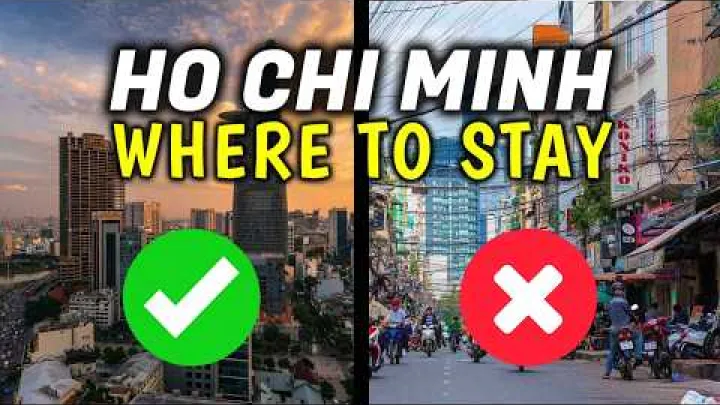
District 1 is the most convenient base for many first-time visitors. It places you close to Bến Thành Market, Đồng Khởi Street, Nguyễn Huệ, the Central Post Office, the Saigon Opera House, restaurants, rooftop bars, and many tour pickup areas.
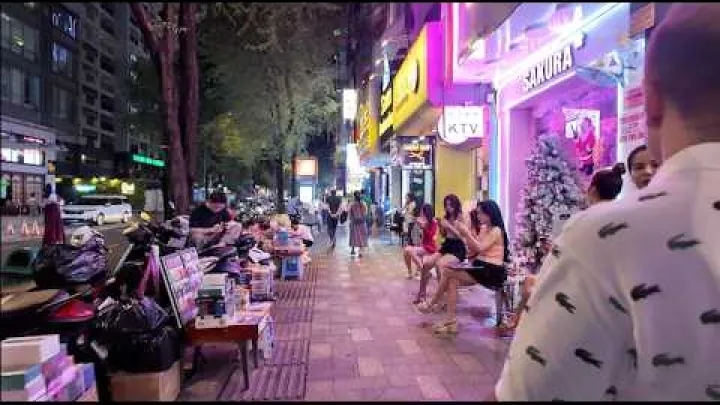
It is not all the same. Around Đồng Khởi and Nguyễn Huệ, the atmosphere is central and polished, with hotels, shopping, and architecture nearby. Around Bùi Viện Walking Street, nightlife is louder and more intense, which may suit budget travelers and nightlife-focused visitors but can be tiring for families or light sleepers. Near Bến Thành Market, convenience is excellent, but check recent reviews for noise, construction, and room quality.
District 3 for a Central Local Feel
District 3 is a practical alternative for travelers who want central access without staying directly in the busiest tourist zone. It borders District 1 in key areas and has cafes, restaurants, tree-lined streets in some pockets, and a more residential feel.
Saigon Railway Station is an important anchor in District 3 for travelers using trains. District 3 can suit couples, solo travelers, and repeat visitors who want quick rides to major sights but a slightly calmer base at night. Prices vary widely by hotel quality and booking season, so compare recent reviews rather than assuming it is always cheaper.
District 2, District 5, and District 7 for Specific Travel Styles
Thảo Điền in District 2 is popular for longer stays, cafes, international dining, apartments, and a residential expat-oriented atmosphere. It can be comfortable, but it is not always the easiest base for a short first visit focused on District 1 attractions.
District 5 and Chợ Lớn are good choices for travelers interested in Chinatown, temples, markets, and Chinese-Vietnamese cultural texture. District 7, especially Phú Mỹ Hưng, offers modern planned surroundings, wider streets in some areas, and a quieter feel that may suit longer stays or families. These districts are useful options, not mandatory bases for every trip.
How to Choose the Right Base
Use your travel style first, then compare exact addresses. A hotel described as central may still be awkward if it is far from your main activities or difficult to reach in traffic.
| Traveler need | Best-fit area | Main trade-off |
|---|---|---|
| Short first visit | District 1 near central sights | More crowds and tourist pricing |
| Quieter central stay | District 3 | More rides to some attractions |
| Nightlife focus | Near Bùi Viện or central District 1 | Noise and late-night activity |
| Food and culture focus | District 3 or District 5 | Less simple for first-time sightseeing |
| Longer stay | Thảo Điền or District 7 | Longer trips to central museums |
Before booking, check recent reviews for noise, construction, access, elevators, walkability, and whether the exact address matches the district you expect.
Getting Around Ho Chi Minh City
Getting around is one of the biggest adjustment points for first-time visitors. Traffic is part of daily life, and travel time can change with rain, peak hours, roadworks, and events.
Airport Transfers from Tan Son Nhat International Airport
Tân Sơn Nhất International Airport is relatively close to central districts, but traffic can make the transfer unpredictable. Main options include app-based ride-hailing, reputable taxis, public buses, and pre-arranged hotel transfers. Practical airport guides such as The Common Wanderer can help you understand typical choices, but always confirm current pickup points, fares, and operating hours before you travel.
If you use a taxi or ride-hailing service, confirm the vehicle, destination, payment method, and approximate fare before leaving the terminal area. If you use a bus, check current route numbers, luggage rules, payment method, and the stop closest to your accommodation.
Taxis, Ride-Hailing, and Fare Precautions
Ride-hailing apps are often the simplest option because they show the destination, route, and estimated fare before you travel. Reputable taxi services can also work well, especially from hotels, malls, and official taxi areas.
Before starting, check the vehicle details, confirm the destination, and make sure the fare is app-based or the meter is being used as agreed. Carry small bills for short rides and market purchases. Mobile data is useful because it lets you follow the route, translate addresses, and contact your hotel if needed.
Public Transport, Metro, Buses, and Waterbus Options
Public transport can be useful for budget travelers and visitors comfortable navigating local systems. Buses, metro services, and waterbus routes may help with selected trips, but details such as routes, stations, fares, and operating hours should be checked with current operators or local information after arrival.
For a first short visit, taxis and ride-hailing are usually easier for cross-city movement. Public transport becomes more attractive if you have extra time, are staying near a convenient stop, or want to reduce transport costs.
Walking and Motorbike Safety
Walking is possible in central clusters such as around the Central Post Office, Notre Dame Cathedral Basilica, Đồng Khởi Street, Nguyễn Huệ, and the Saigon Opera House. Sidewalks may be uneven or partly blocked, and crossings can feel challenging at first.
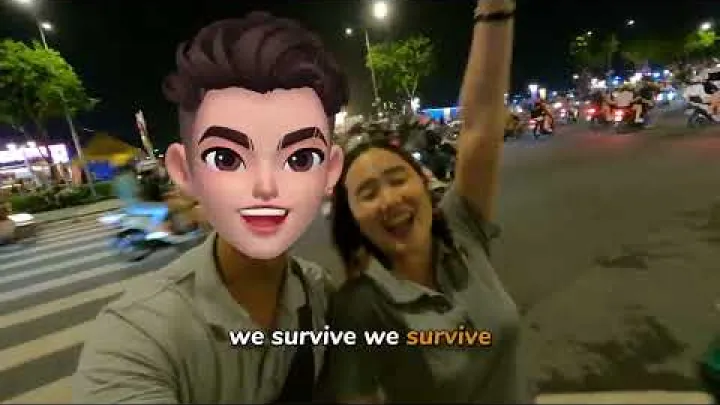
Cross streets carefully and predictably, keep phones away from the road edge, and avoid stepping suddenly into traffic. Renting or driving a motorbike is not recommended for inexperienced visitors because traffic conditions, insurance, licensing, and legal requirements can be difficult. Safer alternatives include guided tours, taxis, ride-hailing, and walking short distances within one neighborhood.
Best Things to Do in Ho Chi Minh City
The best first visit combines history, markets, food, and at least one slower period for cafes or river views. Check current opening hours, renovation status, ticket rules, and performance schedules before building a fixed day.
Historic Sights in District 1
District 1 contains many of the city's most recognizable visitor sights. The War Remnants Museum, Independence Palace, Notre Dame Cathedral Basilica, Central Post Office, Saigon Opera House, and colonial-era streets around Đồng Khởi can be grouped into a practical half-day or full-day route.
Use respectful language and behavior at war-related and colonial-history sites. The War Remnants Museum can be emotionally heavy, so many visitors prefer not to combine it with too many other intense stops. Notre Dame Cathedral Basilica has had renovation periods, so confirm access before planning your visit around it.
Markets, Chinatown, and Street Life
Bến Thành Market is a useful first stop for orientation, souvenirs, food stalls, and the feeling of a central market, although it is also firmly on the tourist route. Bargaining may be part of the experience in some market settings, but keep it polite and relaxed.
District 5 and Chợ Lớn show another side of the city through markets, temples, shopfronts, and Chinese-Vietnamese heritage. Be respectful when photographing people, religious spaces, and everyday commercial activity. Keep valuables secure in crowded areas and avoid assuming any market is automatically the cheapest place to shop.
Food, Coffee, and Nightlife
Food is one of the strongest reasons to visit Ho Chi Minh City. Good first tastes include bánh mì, a filled baguette; cơm tấm, broken rice often served with grilled pork; bánh xèo, a crisp savory pancake; noodle soups; fresh rolls; and street snacks. Coffee culture is also strong, from simple sidewalk cafes to modern specialty shops.
For nightlife, choose based on your comfort level. Rooftop bars offer skyline views, craft-beer venues and live music spaces suit quieter evenings, and Bùi Viện Walking Street is louder and more chaotic. Use normal food hygiene judgment: choose busy places, look for fresh turnover, and be cautious with raw items if you have a sensitive stomach.
Museums, Performances, and Rainy-Day Ideas
Rainy or very hot periods are good times for museums, cafes, covered markets, malls, galleries, spas, and indoor cultural performances. The Saigon Opera House may host performances, and water puppet shows are sometimes available, but schedules and booking methods change, so check current listings.
Build flexible days. For example, keep District 1 architecture and outdoor walking for a clearer morning, then move to museums, cafes, or a market if rain arrives. This approach is more comfortable than trying to follow a strict hour-by-hour plan.
Day Trips and Regional Extensions
Ho Chi Minh City is a strong base for southern Vietnam, but not every add-on is necessary. Choose excursions based on your total trip length, interests, season, and tolerance for long travel days.
Cu Chi Tunnels
The Củ Chi Tunnels are one of the most common historical excursions from Ho Chi Minh City. Tours vary by site visited, transport mode, group size, guide quality, and how much historical context they provide.
Approach the tunnels as a serious historical site, not only an adventure stop. Crawling sections can be narrow, hot, and uncomfortable, and may be unsuitable for visitors with claustrophobia, mobility concerns, or some health conditions. Confirm current entrance fees, tour inclusions, pickup area, and timing before booking.
Mekong Delta
The Mekong Delta is the classic river-and-rural-life extension from Ho Chi Minh City. A day tour is convenient if you have limited time, but it can feel compressed and may include several short stops. An overnight stay, especially around Cần Thơ, usually gives a better sense of the delta's pace.
When comparing tours, check transport, boat time, meals, guide language, pickup location, group size, and whether entrance fees are included. Avoid romanticizing local communities as attractions; choose operators that explain where you are going and how local visits are handled.
Vung Tau, Can Tho, Phu Quoc, and Other Add-Ons
Vũng Tàu can work as a nearby coastal break, Cần Thơ is useful for deeper Mekong Delta exploration, and Phú Quốc is a larger island extension for beach time. These are regional add-ons, not essential parts of every Ho Chi Minh City trip.
| Add-on | Best for | Planning note |
|---|---|---|
| Vũng Tàu | Coast and short break | Check current road or ferry options |
| Cần Thơ | Mekong Delta depth | Better with at least one night |
| Phú Quốc | Island and beach time | Usually needs flights or longer planning |
If your total Vietnam trip is short, choose one extension instead of trying to see everything. Moving bases too often can make the trip feel like transport rather than travel.
Costs, Booking, and Daily Logistics
Ho Chi Minh City can suit budget, mid-range, and higher-comfort travelers. Your accommodation style and dining choices usually shape your daily spending more than basic sightseeing.
Budget Categories to Plan For
Plan for accommodation, food, local transport, attractions, day tours, mobile data, laundry, coffee, nightlife, shopping, and travel insurance. Budget travelers can keep costs lower with simple guesthouses, local meals, and buses. Mid-range travelers often spend more on central hotels, ride-hailing, cafes, and organized tours. Higher-comfort travelers will find international hotels, private transfers, fine dining, and private guides.
Exact daily budgets change by season, district, event periods, exchange rates, and booking timing. Treat any online cost estimate as a planning example, not a guarantee.
Money, SIM Cards, and Useful Apps
Carry some cash for small restaurants, markets, taxis, tips, and street food. Cards are commonly useful at hotels, malls, and larger businesses, but smaller vendors may prefer cash. Keep small notes separate from larger bills so you do not need to open your full wallet in busy places.
Mobile data is highly useful for maps, ride-hailing, translation, messaging accommodation, and checking opening hours. Before arrival, download offline maps, a translation tool, and any ride-hailing or transport apps you expect to use. Do not rely on one payment method only.
Booking Tours and Avoiding Common Problems
Before booking Củ Chi Tunnels, Mekong Delta, or city tours, check what is included: pickup area, transport type, guide language, group size, meals, entrance fees, cancellation rules, and return point. Vague street offers and unclear prices are worth avoiding, especially if you cannot confirm the operator or itinerary.
- Save confirmations offline.
- Confirm the pickup time and exact meeting point.
- Ask whether entrance fees and meals are included.
- Check cancellation terms before paying.
- Keep your hotel address available in Vietnamese and English if possible.
Safety, Health, and Responsible Travel
Most visits are trouble-free when travelers use normal city awareness. The main practical risks involve traffic, petty theft, overcharging, heat, mosquitoes, and poor decisions around nightlife or transport.
Petty Theft, Traffic, and Nightlife Awareness
Keep phones away from the road edge, especially when taking photos or checking maps near traffic. Use a crossbody bag or secure day bag, avoid carrying excess cash, and keep passports in secure storage unless needed. Pickpocketing and bag or phone snatching are more likely concerns than serious violent crime for many travelers, but the city is not risk-free.
At night, arrange your ride back before drinking heavily, be cautious with unfamiliar late-night offers, and avoid arguments over small fare differences. Check current foreign ministry advice before departure and again if regional conditions change during your trip.
Health, Insurance, and Mosquito Precautions
Buy travel insurance that covers medical care, emergencies, trip disruption, and the activities you plan to do. Check current health notices before departure through official sources such as CDC Travel Health Notices, especially if you are pregnant, immunocompromised, traveling with children, or managing a medical condition.
Use mosquito precautions, manage heat exposure, drink enough fluids, and be careful with food hygiene. If you take prescription medicine, bring enough for the trip, keep it in original packaging when possible, and carry documentation if needed.
Local Etiquette and Cultural Respect
Dress modestly at temples, pagodas, and religious sites, including in Chợ Lớn and at places such as Jade Emperor Pagoda. Speak quietly in sacred spaces and follow signs about shoes, photography, and restricted areas.
At museums and war-related sites, behave with respect and avoid treating serious history as a photo opportunity. In markets, taxis, hotels, and tours, patient and polite communication usually helps more than pressure. Ask before photographing people at close range, especially in residential or religious settings.
Sample Itineraries and Final Planning Tips
Use these itineraries as flexible frameworks rather than fixed schedules. Adjust them for weather, energy, opening hours, and where you stay.
Two-Day City Highlights Itinerary
On day one, focus on central District 1. Visit the Central Post Office, Notre Dame Cathedral Basilica area if accessible, Đồng Khởi Street, Nguyễn Huệ, and the Saigon Opera House exterior. Add lunch nearby, then spend the afternoon at the War Remnants Museum or Independence Palace. In the evening, choose a rooftop view, a casual food walk, or Bùi Viện Walking Street if you want loud nightlife.
On day two, visit Bến Thành Market in the morning, then add another museum, cafe time, or a short ride to Jade Emperor Pagoda. If rain arrives, switch outdoor walking for museums, cafes, covered markets, or a mall. Staying central makes this short itinerary much easier.
Three to Four Days with a Day Trip
With three to four days, keep the two-day city core but slow it down. Add District 3 cafes or local streets, then spend a half day or evening in District 5 and Chợ Lớn for markets, temples, and a different urban texture.
Use one day for either the Củ Chi Tunnels or the Mekong Delta. The tunnels suit travelers focused on history and wartime context. The Mekong Delta suits visitors who want river landscapes and a view beyond the city, though a day tour can feel compressed. Keep evenings flexible for food, coffee, performances, or rest.
Five Days or More in Southern Vietnam
With five days or more, combine Ho Chi Minh City with one deeper southern extension. A comfortable plan might include three days in the city plus one or two nights in Cần Thơ, or several city days followed by Vũng Tàu or Phú Quốc depending on transport, season, and your wider Vietnam route.
For a better trip, choose fewer bases and move less often. The key decisions are simple: check entry and health rules, choose the season with realistic weather expectations, stay in a district that matches your travel style, use safe and practical transport, protect your belongings in traffic and crowds, and leave enough time for food, history, and one meaningful excursion beyond central Ho Chi Minh City.
Select area
Create a post
Posting is free and no registration is required.