Ho Chi Minh City Getting There: Flights, Train, Bus, Ferry

Ho Chi Minh City getting there is usually straightforward, but the best route depends on where you start, how much time you have, and how close you want to arrive to District 1. The city is served by Tan Son Nhat International Airport, Saigon Station, major long-distance bus terminals, private bus depots, and a limited ferry route from Vung Tau. This guide compares flights, trains, buses, cross-border routes, and ferry options so you can choose a practical arrival plan. Because schedules, fares, terminal locations, and operator rules can change, always confirm the latest details before you travel.
Quick Decision Guide for Getting to Ho Chi Minh City
For most international visitors and travelers coming from northern or central Vietnam, flying is the fastest way to reach Ho Chi Minh City. Buses are often the most practical budget option from the Mekong Delta, Da Lat, Vung Tau, and other nearby destinations. Trains are slower but useful for travelers who want the north-south railway experience or prefer arriving at Saigon Station in District 3. The Vung Tau ferry is a scenic route for a specific coastal journey, not a general replacement for air, rail, or road transport.
Fastest, cheapest and most scenic arrival options
The best way to get to Ho Chi Minh City is not the same for every traveler. If you are arriving from overseas, Hanoi, Da Nang, or another far city, a flight to SGN is usually the most time-efficient choice. If you are coming from Can Tho, other Mekong Delta cities, Da Lat, Nha Trang, Vung Tau, or Phnom Penh, a long-distance bus or limousine van may be more direct and more affordable.
Trains are best for travelers who value the journey itself. The rail route into Ho Chi Minh City can be attractive if you are building a multi-stop Vietnam itinerary and do not mind a slower trip. Ferries are more limited: the Vung Tau fast ferry can be a pleasant way to arrive near the city riverfront when it is operating and when its schedule suits your plan.
| Mode | Best for | Likely arrival point | Main caution |
|---|---|---|---|
| Flight | International, northern Vietnam, central Vietnam | Tan Son Nhat International Airport | Check SGN airport code, baggage, and live flight status |
| Train | Scenic overland travel and multi-stop itineraries | Saigon Station in District 3 | Much slower than flying from distant cities |
| Bus | Budget travel from nearby regions | Mien Tay Bus Station, Mien Dong, Mien Dong Moi, or operator depot | Drop-off addresses vary by operator |
| Ferry | Vung Tau to central Ho Chi Minh City | Bach Dang Pier area when operating | Weather and schedules can affect service |
Main gateways and where they arrive in the city
The main air gateway is Tan Son Nhat International Airport, commonly identified by the SGN airport code. It is north of the central visitor area, and the Ho Chi Minh City Airport Guide describes it as the city airport and notes its location roughly 6 km north of District 1. This makes it convenient compared with airports far outside some large cities, but road traffic can still make the transfer slow at busy times.
Rail passengers arrive at Saigon Station in District 3, which is relatively close to District 1 and many central neighborhoods. Bus passengers need to pay closer attention: routes from the Mekong Delta often use Mien Tay Bus Station, while eastern, coastal, and highland routes may use Mien Dong, Mien Dong Moi, or private company offices. A ticket that says “Ho Chi Minh City” may not mean a central hotel drop-off.
For the river route from Vung Tau, arrivals are usually planned around the Bach Dang Pier riverfront area if the fast ferry is operating as scheduled. This can be convenient for District 1, but travelers should confirm the exact pier, departure point, luggage rules, and same-day service status.
Arriving by Air at Tan Son Nhat International Airport
Air travel is the main long-distance gateway for Ho Chi Minh City and southern Vietnam. It is usually the easiest option for international arrivals, short business trips, and travelers who want to connect quickly from Hanoi, Da Nang, Phu Quoc, or other domestic airports.
International flights and regional connections to SGN
Tan Son Nhat International Airport uses the airport code SGN. Check this code carefully when booking because Vietnam also has major airports serving Hanoi and Da Nang, and selecting the wrong city can create expensive changes. SGN is the airport you want for Ho Chi Minh City, District 1, the wider southeast region, and many onward journeys into the Mekong Delta.
Many visitors reach Ho Chi Minh City via regional hubs in Asia, while some arrive on direct international services depending on airline schedules and origin city. Route networks change by season and commercial demand, so avoid relying on old route lists. A route overview such as FlightConnections can help you understand broad connectivity, but the operating airline should always be checked directly before payment.
If you need to connect onward the same day, allow a realistic buffer. International arrivals involve immigration, baggage collection, customs flow, and a road transfer if your next trip leaves from a railway station, bus terminal, or hotel pickup point.
Domestic flights from major Vietnamese cities
Domestic flights are normally the quickest way to get to Ho Chi Minh City from northern and central Vietnam. Common itinerary points include Hanoi, Da Nang, Hue, Da Lat, Phu Quoc, Nha Trang, and other Vietnamese cities with current air service. Exact flight times and frequencies should be checked with airlines because they change across seasons, holidays, and route demand.
When comparing airlines, look beyond the headline fare. Budget carriers may be a good value if you travel light, but checked baggage, seat selection, schedule changes, and payment fees can change the total cost. Full-service fares may include more baggage or flexibility, but this is not guaranteed on every ticket type. Read the fare conditions before you book.
For short domestic trips, remember that airport time matters. Add time for travel to the departure airport, check-in, security, baggage claim, and the transfer from SGN into the city. Even so, flights usually save the most time from Hanoi and Da Nang compared with train or long-distance bus options.
Arrival basics after landing
Domestic and international arrivals use different terminal flows, but both connect to road transport into Ho Chi Minh City. Typical onward options include public bus routes, metered taxis, ride-hailing services, and pre-booked private transfers. The best choice depends on your arrival time, luggage, budget, and comfort with navigating a busy airport.
Use official taxi areas, recognized ride-hailing pickup points, or clearly confirmed private transfer details. If you arrive late at night or after a long flight, a pre-arranged transfer can reduce stress, especially if your hotel is in a small lane or outside District 1. Keep your hotel address available offline and in a format that a driver can understand.
Traffic is the main variable. The airport is close enough to the center to look simple on a map, but peak-hour congestion or heavy rain can increase travel time. Avoid scheduling a tight train, bus, tour, or meeting immediately after landing.
Getting to Ho Chi Minh City by Train
The train is a slower but memorable way to reach Ho Chi Minh City. It is especially relevant if you are traveling down Vietnam’s coast, stopping in cities such as Hue, Da Nang, or Nha Trang before ending in the south.
Saigon Station and the north-south railway
Saigon Station is the key railway arrival point for Ho Chi Minh City. It is in District 3 and functions as a major hub on Vietnam’s national railway network, as summarized by Wikipedia. For many visitors, its location is more convenient than peripheral bus terminals because District 1 is a shorter onward ride away.

Trains connect Ho Chi Minh City with major points on the north-south railway where services are operating, including long-distance routes from Hanoi and intermediate stops such as Da Nang, Hue, and Nha Trang. Seat and sleeper categories vary by train and ticket class. Before booking, check the current railway schedule, carriage type, refund rules, and whether your ticket is issued by an official or reputable channel.
Even though Saigon Station is relatively central, it is not usually a walk-to-hotel arrival point for travelers with luggage. Plan for a taxi, ride-hailing car, or other local transport to District 1, District 3 accommodation, or another neighborhood.
When rail makes sense instead of flying
Rail makes sense when the journey is part of the experience. If you want to see more of Vietnam, break the route into several stops, or take an overnight journey, the train can be more satisfying than a short flight. It can also be convenient if your hotel is near a railway station at both ends.
From Hanoi or Da Nang, flying usually saves significant time when measured from city to city. The train becomes more attractive when you are not in a hurry, when you prefer overland travel, or when a sleeper schedule lets you avoid a hotel night. From Nha Trang or other coastal stops closer to the south, the decision may be more balanced, depending on current train times and flight prices.
Compare total door-to-door time, not only ticket price. A cheap flight can become less convenient after baggage fees, airport transfers, and waiting time. A cheap train seat can become uncomfortable on a long journey if you would sleep better in a berth. For long routes, comfort class matters.
Getting to Ho Chi Minh City by Long-Distance Bus
Long-distance buses are essential for getting to Ho Chi Minh City from nearby provinces, the Mekong Delta, highland destinations, coastal cities, and Cambodia. They can be inexpensive and frequent, but the most important detail is the exact arrival address.
Mekong Delta routes and Mien Tay Bus Station
Mien Tay Bus Station is the major western gateway for many buses from the Mekong Delta and nearby southern provinces. Travelers coming from Can Tho and other delta destinations often find buses or limousine vans more practical than flying because the road connection is direct and departure choices can be frequent.
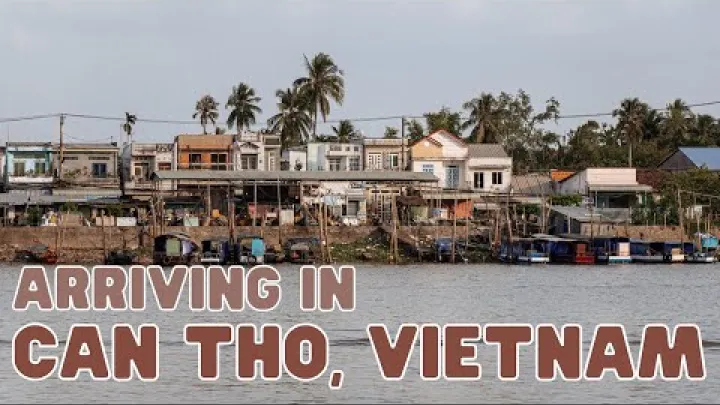
Route examples change by operator, but booking platforms show that major Vietnamese bus companies serve Ho Chi Minh City links with places such as Can Tho and other southern destinations. Baolau lists Phuong Trang Futa Bus coverage between Ho Chi Minh City and several southern, coastal, and highland destinations, which is useful for understanding the type of network available.
If your bus arrives at Mien Tay, allow time and budget for the onward ride to District 1 or another central hotel area. Check whether your operator offers a shuttle, a city office drop-off, or only the public bus station. Late arrivals deserve extra caution because public transport choices may be reduced and tired travelers are more likely to accept unclear onward fares.
Eastern, coastal and highland bus routes
Routes from Da Lat, Nha Trang, Vung Tau, and other eastern, coastal, or highland destinations may not all arrive at the same public terminal. Some use Mien Dong, some use Mien Dong Moi, and some use branded company offices or depots. This can be convenient if the depot is near your hotel, but inconvenient if you expected a central arrival and are dropped far away.
Before booking, read the pickup point and drop-off point carefully. Do not rely only on the destination name “Ho Chi Minh City.” Save the full address, look it up on a map, and check how you will continue to your accommodation. If you arrive with large luggage, a door-to-door limousine service or a reputable operator depot closer to your hotel may be worth a higher fare.
Travel times on road routes can vary because of traffic near Ho Chi Minh City, weather, rest stops, and holiday demand. If you need to catch an international flight, join a tour, or attend a fixed appointment, arrive earlier than the minimum advertised time suggests.
Sleeper buses and overnight travel comfort
Sleeper buses and cabin-style buses are common on longer routes to Ho Chi Minh City. They can be a good budget choice if you are comfortable sleeping on the road and if the arrival time is practical. They are less ideal if you need a full night of rest, have a large body size that may not fit the berth comfortably, or dislike overnight road travel.
The Da Lat to Ho Chi Minh City route is a common example. A current booking page from Klook describes a shared sleeper or limousine-style service with an approximate 7 to 8 hour travel time and amenities such as air conditioning and USB charging, but prices and inclusions should be checked at the time of booking.
For sleeper buses, review the seat or berth type, luggage allowance, pickup address, drop-off address, rest-stop policy, and arrival time. Bring a light layer because air conditioning can feel cold, keep valuables with you, and make sure your phone is charged before departure. Recent reviews are useful because vehicle condition and service quality can change by operator and route.
- Confirm whether the ticket is for a seat, sleeper berth, cabin, or limousine van.
- Check the exact arrival address, not only the city name.
- Choose arrival times that match hotel check-in, local transport, and safety comfort.
- Keep passport, money, phone, and medication in a small bag with you.
Cross-border buses from Phnom Penh
Phnom Penh to Ho Chi Minh City is an important overland route for travelers combining Cambodia and Vietnam. It can be practical and economical, but it requires more preparation than a domestic bus. You need to confirm the operator, departure point, arrival point, border crossing procedure, and Vietnam entry requirements before travel.
Do not treat visa or entry rules as fixed based on an old travel report. Requirements can vary by nationality, document type, and policy updates. Check official entry information and make sure your passport, visa, e-visa, or approval documents are accessible during the journey, not packed under the bus.
Advertised journey times can be affected by border processing, road conditions, rest stops, and traffic entering Ho Chi Minh City. If you are connecting to a flight or time-sensitive booking, avoid a same-day plan with no buffer. Also check whether the bus arrives at a public terminal, a city office, or an operator depot.
Arriving by River or Coastal Ferry
Ferry arrival is a niche option for Ho Chi Minh City. It is useful mainly for travelers already in Vung Tau or those who want to include a coastal side trip before entering the city by river.
Vung Tau fast ferry to downtown Ho Chi Minh City
The Vung Tau fast ferry can be one of the most scenic ways to approach Ho Chi Minh City when it is operating. It is commonly planned between the Vung Tau side around Ho May Pier and the Ho Chi Minh City riverfront around Bach Dang Pier, but travelers should confirm the current operator, pier name, address, and schedule close to travel.
This route is not a universal gateway. It is best for people already in Vung Tau or those who prefer a river arrival over another road journey. Weather, maintenance, river conditions, and seasonal demand can affect operations, so avoid building a tight connection after a ferry arrival.
Check luggage rules before buying a ticket, especially if you travel with large suitcases, sports equipment, or anything that may not fit standard passenger limits. If the ferry is not operating at a useful time, buses, vans, or private cars between Vung Tau and Ho Chi Minh City may be more practical.
How river arrivals fit into the wider transport plan
A river arrival can be convenient because Bach Dang Pier is near central Ho Chi Minh City and the District 1 riverfront. For some travelers, this means a shorter final ride to hotels, restaurants, and business areas than arriving at a distant bus station.
However, water transport around the city is not the main long-distance access network. Local waterbus services and sightseeing cruises serve different purposes and should not be confused with a regional ferry arrival plan. Use river options as a supplement to the main air, rail, and road network.
If you are choosing between Vung Tau bus and ferry, compare the full trip: departure point, pier access, weather risk, luggage, arrival location, and onward ride. The ferry may be more pleasant, while road transport may offer more departures or more flexible pickup points.
Booking, Reliability and Traveler Traps
Ho Chi Minh City is a major transport hub, so choices are plentiful. The main risks are not usually a lack of transport, but unclear addresses, changing schedules, tight connections, and rushed decisions after arrival.
Check live schedules and service status before departure
Always check live or current schedules shortly before you travel. Flights, trains, buses, and ferries can be affected by holidays, weather, traffic, maintenance, and operator changes. The Ho Chi Minh City Airport Guide provides live SGN flight status information, which illustrates why tight same-day onward plans can be risky.
Vietnamese holiday periods can increase demand and reduce seat availability. Around major holidays, book earlier, expect fuller vehicles, and allow more time for road transfers. Buses and ferries can be especially sensitive to road congestion, weather, and local operating changes.
Build buffer time before onward tours, international flights, medical appointments, business meetings, or long-distance connections. A modest buffer is often cheaper than missing a fixed booking.
Choose booking channels and read the arrival address
You can book through official airlines, railway channels, ferry operators, bus companies, hotel desks, or reputable aggregators. Official channels may give the clearest rules, while aggregators can offer language support and easier comparison. No single channel is always best.
Before payment, check the cancellation rule, baggage allowance, seat or berth type, pickup point, drop-off point, and what happens if the operator changes the departure time. For buses, confirm whether the arrival is Mien Tay Bus Station, Mien Dong, Mien Dong Moi, a company office, or a hotel-area drop-off.
- Match the airport, station, pier, or terminal name to a map before booking.
- Save the address in English and local spelling where available.
- Take screenshots of the ticket, address, and operator contact details.
- Check whether checked baggage, oversized luggage, or extra bags cost more.
- Review recent traveler feedback for private bus or limousine services.
Reduce risks from touts, fare confusion and late arrivals
At busy arrival points, use normal large-city caution. Choose marked taxi queues, recognized ride-hailing apps, confirmed hotel transfers, or official transport counters where available. Avoid accepting unclear fares from unsolicited drivers, especially when you are tired or carrying luggage.
Confirm the destination before the ride begins. If you use a ride-hailing app, check the license plate, driver details, and pickup point. If you use a taxi, use the official queue or a reputable company and make sure the fare method is clear.
Late-night arrivals require more planning. Public transport may be limited, some station areas may feel confusing, and phone battery problems can make simple decisions harder. Keep a charged phone, offline hotel address, small local cash, and a backup plan for reaching your accommodation.
Best Routes for Common Travel Plans
The easiest way to choose is to start with your origin. For distant origins, compare flights and trains. For nearby regions, compare buses, vans, and specific ferry options.
If you are coming from northern or central Vietnam
From Hanoi, Da Nang, and Hue, compare flights and trains first. Flying is usually the quickest route to Ho Chi Minh City and is often the best choice for travelers with limited vacation time. Trains are better if you want the overland experience, plan to stop along the coast, or prefer an overnight schedule.
Long-distance buses from far northern origins are usually less attractive because of distance and comfort, but they may work for some shorter central, coastal, or highland segments. For example, a traveler moving gradually from Da Nang to Nha Trang to Da Lat to Ho Chi Minh City might combine train and bus services instead of using only flights.
| Origin type | Quickest choice | Scenic or budget choice | Arrival detail to check |
|---|---|---|---|
| Hanoi | Flight to SGN | North-south train | Airport terminal or Saigon Station |
| Da Nang or Hue | Flight to SGN | Train with coastal stops | Current train time and berth type |
| Nha Trang | Flight or train, depending on schedule | Train or bus | Station or bus depot location |
| Da Lat | Flight or road service, depending on timing | Sleeper bus or limousine van | Operator depot and arrival time |
If you are coming from the Mekong Delta, the coast or Cambodia
From the Mekong Delta, buses and limousine vans are usually the main practical options. Can Tho is a useful example because road services to Ho Chi Minh City are common, and arrival may be at Mien Tay Bus Station or an operator-specific point. Always check the drop-off address before you choose a ticket.
From Vung Tau, compare road transport with the fast ferry. The ferry can be more scenic and may arrive near District 1, but it is more sensitive to schedule and weather conditions. Road options may offer more departures and easier luggage handling.
From Phnom Penh, cross-border buses can be practical for Cambodia-Vietnam itineraries. The key planning points are entry documents, border procedure, departure and arrival addresses, and realistic timing. Do not plan a tight onward connection immediately after the border route.
| Starting point | Main option | Why choose it | What to verify |
|---|---|---|---|
| Can Tho and Mekong Delta | Bus or limousine van | Direct and budget-friendly | Mien Tay or operator drop-off |
| Vung Tau | Ferry, bus, van, or car | Ferry is scenic; road is flexible | Pier, weather, luggage, schedule |
| Phnom Penh | Cross-border bus | Useful for Cambodia-Vietnam trips | Entry documents and border timing |
| Coastal and highland towns | Bus, train, or flight where available | Depends on distance and comfort | Exact station or depot address |
Frequently Asked Questions
What is the best way to get to Ho Chi Minh City for most travelers?
Flying is the best choice for most international travelers and for trips from Hanoi or central Vietnam. Buses are often better for nearby regions such as the Mekong Delta, Da Lat, Vung Tau, and Phnom Penh.
Which airport should I use for Ho Chi Minh City?
Use Tan Son Nhat International Airport, airport code SGN. Check the SGN code carefully when booking so you do not accidentally choose Hanoi, Da Nang, or another Vietnamese city.
Is the train to Ho Chi Minh City worth it?
Yes, if you want a scenic overland journey or a multi-stop Vietnam itinerary. It is usually much slower than flying from Hanoi or Da Nang, so travelers with limited time should compare total door-to-door travel time.
Where do long-distance buses arrive in Ho Chi Minh City?
They may arrive at Mien Tay Bus Station, Mien Dong, Mien Dong Moi, or a private operator depot. Always check the exact drop-off address before booking, especially for late arrivals.
Can I travel from Phnom Penh to Ho Chi Minh City by bus?
Yes, cross-border buses are a common option for Cambodia-Vietnam itineraries. Confirm current operators, border procedures, arrival address, and Vietnam entry requirements before travel.
Is there a ferry to Ho Chi Minh City from Vung Tau?
There is often a fast ferry option between Vung Tau and central Ho Chi Minh City, commonly planned around Ho May Pier and Bach Dang Pier. Check the current schedule, weather conditions, pier details, and luggage rules before relying on it.
Conclusion: Choosing the Best Way to Get There
Getting to Ho Chi Minh City is easiest when you match the transport mode to your origin. Choose flights for speed, trains for the overland experience, buses for nearby and budget routes, and the Vung Tau ferry for a scenic river arrival when the service fits your plan.
The most important practical step is to verify the exact arrival point. Tan Son Nhat International Airport, Saigon Station, Mien Tay Bus Station, Mien Dong, Mien Dong Moi, Bach Dang Pier, and private bus depots all place you in different parts of the city. Check live schedules, save addresses offline, leave buffer time, and plan your final ride into District 1 or your chosen neighborhood before you arrive.
Select area
Create a post
Posting is free and no registration is required.