Ho Chi Minh City Budget: Daily Costs, Hotels and Tips
A practical Ho Chi Minh City budget depends less on one fixed price and more on where you sleep, how you eat, and how often you use paid transport or tours. The city can be very affordable for travelers who choose local meals, central walking routes, and simple accommodation, but costs rise quickly with premium hotels, rooftop bars, private transfers, and organized day trips. This guide gives daily budget ranges, typical price categories, and decision points for planning a realistic Vietnam trip cost in Ho Chi Minh City. Use the numbers as planning ranges, then check current prices before booking.
How Much to Budget Per Day in Ho Chi Minh City
For most short-term visitors, accommodation is the largest cost, followed by food style, local transport, and paid attractions. The table below uses a rounded planning conversion near 25,000 VND to US$1 only for easy estimation. Exchange rates change, so convert your final budget with a current bank app or currency tool.
Quick Daily Budget Ranges by Travel Style
A careful budget traveler can often plan around US$22 to US$30 per day if they use dorms or simple rooms, eat mainly local food, walk when practical, and choose low-cost museums or free city walks. A mid-range visitor who wants a private room, air conditioning, several ride-hailing trips, cafes, and paid sightseeing should plan closer to US$55 to US$70 per day. A comfortable or luxury-light traveler using better hotels, frequent cars, restaurant meals, and selected premium activities may spend around US$100 to US$150 per day before shopping or major nightlife.
| Travel style | Daily estimate | Typical pattern |
|---|---|---|
| Budget | US$22-30, about 550,000-750,000 VND | Hostel or basic room, local meals, walking, buses, low-cost sights |
| Mid-range | US$55-70, about 1.4-1.8 million VND | Private hotel room, cafes, restaurants, Grab rides, museums |
| Comfortable | US$100-150, about 2.5-3.8 million VND | Better hotel, frequent cars, premium meals, tours or shows |
These ranges are most useful when treated as averages. One day with the Cu Chi Tunnels, a show, or a rooftop bar may cost far more than a simple day around Nguyen Hue Walking Street, markets, and cafes.
What Is Included in These Estimates
The daily estimates normally include one night of accommodation, three simple meals, local transport inside the city, basic sightseeing, and small drinks or snacks. They do not include international flights, travel insurance, visa costs, major shopping, expensive nightlife, private guides, premium shows, or domestic flights to other parts of Vietnam.
Accommodation is usually the biggest variable because the difference between a dorm bed, a small guesthouse room, and a well-located hotel can be larger than the difference between several local meals. Dining style is the second major factor. A day built around banh mi, noodle soup, rice dishes, and Vietnamese coffee can be inexpensive, while Western restaurants, imported drinks, and hotel dining change the budget quickly.
How Exchange Rates and Vietnamese Dong Affect Planning
Most local prices are shown in Vietnamese dong, and first-time visitors can be confused by the large denominations. It helps to think in price bands instead of converting every item one by one. Small snacks and drinks may be in the tens of thousands of dong, simple local meals often sit in the tens of thousands, and hotels, tours, and larger activities are commonly in the hundreds of thousands or more.
Before you travel, save a current exchange rate on your phone and practice reading notes such as 10,000, 20,000, 50,000, 100,000, 200,000, and 500,000 VND. When paying cash, pause before handing over large notes in dark bars, busy markets, or taxis. A simple habit of checking the zeros reduces mistakes.
Accommodation Costs in Ho Chi Minh City
Ho Chi Minh City has a wide accommodation range, from backpacker hostels near nightlife areas to comfortable business hotels and serviced apartments. For a travel budget, the best value is not always the cheapest nightly rate. Location, cleanliness, air conditioning, soundproofing, and transparent fees all affect the real cost of a stay.
Hostels, Guesthouses, and Budget Hotels
Hostels and budget hotels are the main reason a low Ho Chi Minh City travel budget is possible. Booking-market snapshots change daily, but Agoda lists Ho Chi Minh City hostels as a budget accommodation category and shows that prices vary by area and property type. Dorm beds, capsule-style stays, and basic private rooms can work well for travelers who value location over space.
Many budget hotel searches focus on District 1 because it is close to Bui Vien Street, Ben Thanh Market, Nguyen Hue Walking Street, and several central attractions. This convenience can raise the price, especially for properties with strong reviews. Cheaper rooms may appear in nearby inner districts, but check the total value: a low nightly rate is less attractive if you spend more each day on ride-hailing or lose time crossing the city.
For a cheap stay that still feels good value, look beyond the headline price. Prioritize recent cleanliness reviews, reliable air conditioning, clear cancellation terms, elevator access if needed, and realistic comments about noise. Around Bui Vien Street, low prices can come with late-night sound, which may matter more than saving a few dollars.
Mid-Range Hotels and Comfortable Stays
Mid-range hotels are often the practical choice for visitors who want a private bathroom, air conditioning, Wi-Fi, a reception desk, and easy access to central sights. Platform averages are only snapshots, but Booking.com has shown three-star hotel pricing in Ho Chi Minh City with different average prices for normal nights and weekend demand. This is a useful reminder that the same hotel category can change price by date.
When comparing hotels, include the cost of location. A slightly higher rate near your planned sights may save several Grab rides per day. Also compare breakfast, room size, window quality, taxes, service charges, and payment rules. A cheaper room without breakfast or with poor soundproofing may not be the best budget decision.
District 1 Versus Nearby Districts
District 1 is the easiest base for a first visit because it concentrates many hotels, restaurants, travel agencies, nightlife, and landmarks. Staying near Ben Thanh Market, Nguyen Hue Walking Street, or the Saigon Opera House can reduce transport spending and make short breaks at the hotel easier. The trade-off is that central convenience usually attracts higher prices and more tourist-focused businesses.
District 3 can be a strong compromise for travelers who want a more local feel while staying close to the War Remnants Museum, Independence Palace, and central District 1. District 10 and other inner areas may offer lower room prices, but the savings depend on your itinerary. If you plan several days of central sightseeing, many short rides can erase the lodging discount.
Food and Drink Prices
Food is one of the easiest categories to control in Ho Chi Minh City. Local prepared food can be inexpensive, widely available, and satisfying, while cafes, bars, Western restaurants, and hotel dining create a much wider spending range.
Street Food and Local Meals
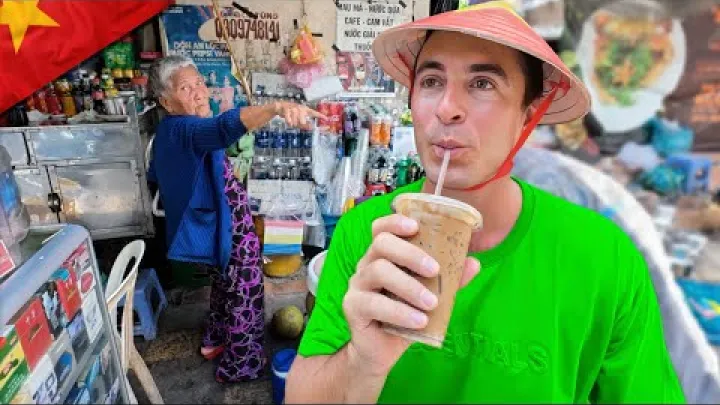
As a cautious planning range, think of simple local meals as a low daily-cost category rather than a guaranteed price. A traveler eating mainly local breakfasts, lunches, and dinners can spend far less than someone choosing Western brunch, hotel meals, and imported drinks. For mid-range visitors, mixing street food with one planned restaurant meal each day keeps costs predictable while still allowing comfort.
Cafes, Restaurants, and Nightlife
Vietnamese coffee is part of the daily rhythm in Ho Chi Minh City, and cafe spending can be either modest or surprisingly high depending on where you sit. A small local coffee shop is usually cheaper than a specialty cafe in a premium location or a hotel lobby. If you plan two or three cafe stops per day, include them as a real budget line, not as minor extras.
Sit-down restaurants vary widely. Local restaurants are often affordable, while Western-style meals, international chains, and hotel restaurants cost more. Bui Vien Street can offer cheap food and drinks, but it also encourages impulse spending through bars, music, late-night snacks, and quick rounds of beer. Rooftop bars, cocktails, imported alcohol, and nightclub entry can turn a low-cost day into a mid-range or comfortable day very quickly.
Simple Ways to Keep Food Costs Predictable
To control food spending, check menus before sitting down, confirm prices in dong, and ask about portions if you are unsure. Choose local dishes and local drinks when you want to stay within a budget. In tourist-heavy areas, avoid ordering without seeing a price, especially for seafood, alcohol, or specials.
Self-catering is less important for a short hotel stay in Ho Chi Minh City than in expensive cities because local cooked food is widely available. However, buying water, fruit, and basic snacks from convenience stores can help avoid unnecessary cafe or minibar spending. If comfort matters, plan one higher-quality meal instead of several unplanned upgrades throughout the day.
Local Transport and Airport Transfer Costs
Transport costs in Ho Chi Minh City depend heavily on your base. A central hotel can make walking realistic for several attractions, while a cheaper room farther away may require daily ride-hailing. Treat transport as part of your accommodation decision, not as a separate afterthought.
Walking, Buses, and Low-Cost City Travel
If you stay in or near central District 1 or District 3, you can often walk between several sights, cafes, and restaurants. For example, it is practical to group visits around Independence Palace, the War Remnants Museum, Ben Thanh Market, and nearby streets instead of taking separate rides for each stop. Walking also helps you understand distances before deciding whether a ride is worth it.
Public buses are usually the lowest-cost city transport option for travelers who are comfortable with local navigation. They are best for people with time, patience, and a willingness to check routes. This article focuses on cost, so for detailed route planning, use current local transport apps or maps before you travel.
Grab, Taxis, and Ride-Hailing Budgets
Ride-hailing is popular because it gives an estimated fare before booking and reduces the need to negotiate. The operator fare structure on Grab shows that car prices are built from elements such as distance, time, and service type, with pricing that can vary by conditions. In practice, this means a short ride at a quiet time and a longer ride during heavy traffic are not comparable.
For budgeting, count rides rather than guessing a single taxi total. If you take four short rides per day, the combined cost can become meaningful even when each ride feels inexpensive. Check the fare in the app before booking, compare car and bike options only if you are comfortable with the safety trade-off, and allow extra time during rain or peak traffic.
Airport Transfers from Tan Son Nhat International Airport
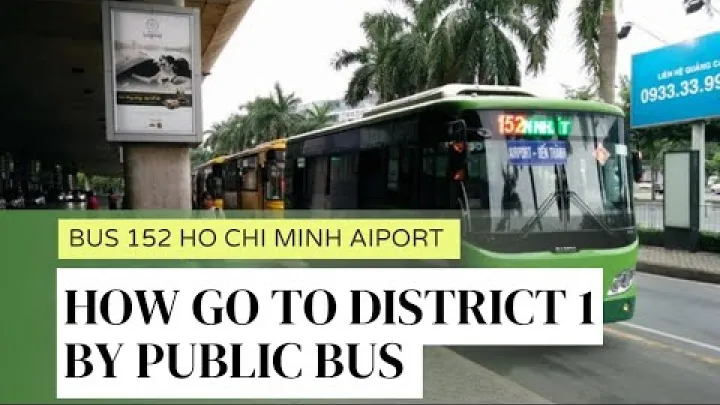
Tan Son Nhat International Airport is close to the city compared with many international airports, but arrival costs still vary. The cheapest approach may be a public bus if the timing, luggage, and route suit you. Traveler reports on Tripadvisor mention Airport Bus 152 as a very low-cost transfer option, but fares and operating conditions should be checked on the day you travel.
Ride-hailing is more convenient for many visitors, especially after a long flight or with luggage. A private transfer is usually the most comfortable and predictable option but costs more. The best choice depends on arrival time, group size, luggage, and whether your accommodation is easy to reach from a bus stop.
Attractions, Museums, and Day Trip Costs
Ho Chi Minh City sightseeing can be inexpensive if you focus on museums, historic sites, markets, and walking areas. Costs rise when you add observation decks, theater performances, private guides, and full-day tours.
Low-Cost Museums and Historic Sites
Several major historic sites are affordable compared with attractions in many large global cities. The official Independence Palace visitor page lists adult ticket information and reduced categories, making it a useful place to check current entry details before visiting.
The official War Remnants Museum visit page lists ticket information and visitor details for one of the city’s most important museums. Because ticket prices and opening conditions can change, use official pages or the attraction entrance as the final reference.
To save time and transport money, group central sights into clusters. Independence Palace, the War Remnants Museum, Notre-Dame Cathedral area, the Central Post Office area, and parts of central District 1 can fit into a low-transport sightseeing day if the weather is manageable.
Higher-Priced Views, Shows, and Tours
Premium activities need a separate budget line. Views from Bitexco Financial Tower, performances at the Saigon Opera House, guided food tours, and organized Cu Chi Tunnels tours can all be worthwhile, but they can distort an ultra-budget day. If your target is US$22 to US$30 per day, one premium activity may use most of that day’s allowance.
Mid-range and comfortable travelers can include these experiences more easily by spreading them across the trip. Instead of booking several paid tours close together, choose the experiences that are most important to you. For many first-time visitors, one historic site day, one food-focused evening, and one major excursion can feel balanced without excessive spending.
How to Balance Free and Paid Activities
A simple strategy is to alternate paid days with low-cost days. For example, one day can include museums and a paid viewpoint, while the next focuses on Nguyen Hue Walking Street, Ben Thanh Market, local cafes, neighborhood walks, and parks. Markets are not automatically free if you shop heavily, but they can be low-cost places to explore if you set a spending limit.
This approach keeps the average daily activity budget under control. It also prevents sightseeing fatigue. Ho Chi Minh City is a place where everyday street life, coffee culture, and neighborhood movement are part of the experience, so every valuable day does not need a high entry fee.
Sample Budgets for Common Trip Lengths
Daily ranges are useful, but trip length changes the final number. Short trips often cost more per day because visitors compress transport, tours, and top attractions into fewer days. Longer stays allow cheaper days to balance expensive ones.
Three-Day First Visit Budget
For a three-day first visit, multiply your daily style by three, then add airport transfers and any premium activity. A budget traveler might plan roughly US$66 to US$90 for daily costs, then add a small airport transfer allowance and a buffer. This assumes simple lodging, local meals, walking or buses, and modest sightseeing.
A mid-range traveler might plan about US$165 to US$210 for three days, plus transfers and any larger tour. This allows a private hotel room, mixed local and restaurant meals, several Grab rides, cafes, and museums. A comfortable traveler may plan US$300 to US$450 or more for three days if using better hotels, cars, premium dining, and selected experiences.
One-Week City Stay Budget
One week gives you more control. A budget traveler can mix paid museum days with cheaper neighborhood days and may spend less on average than during a rushed weekend. A mid-range visitor can plan by category: accommodation for seven nights, daily meals and coffee, a ride-hailing allowance, museum tickets, and one possible excursion such as Cu Chi Tunnels.
Instead of forcing the same allowance every day, set a flexible weekly total. You might spend more on arrival day and tour day, then less on days focused on cafes, walking streets, and local meals. This is also useful when comparing Ho Chi Minh City with a wider Vietnam travel budget, because resort islands and very tourist-focused destinations may have different accommodation and activity costs.
Longer Stays and Remote Work Style Costs
Longer stays are a different calculation from a short tourist budget. Monthly apartments, serviced apartments, deposits, electricity, laundry, coworking, SIM or data packages, and regular cafe work sessions can change the cost structure. Air conditioning use can matter, especially if electricity is billed separately.
Remote workers should avoid assuming that a tourist daily budget converts neatly into a monthly living budget. A hotel-based one-week stay, a serviced apartment month, and a local apartment lease all have different fees and responsibilities. For longer stays, compare total monthly cost, location, workspace quality, noise, laundry access, and cancellation terms before committing.
What Makes Ho Chi Minh City More or Less Expensive
Ho Chi Minh City can feel cheap, moderate, or expensive depending on repeated decisions. The city has low-cost local options, but it also has international hotels, premium restaurants, luxury shopping, and high-end nightlife.
Season, Weekends, and Events
Accommodation prices can rise during busy weekends, public holidays, major events, and periods of high travel demand. Tet, the Vietnamese Lunar New Year period, deserves special attention because availability, transport demand, and normal business operations can change. Some places close, some routes become busier, and some services may operate differently.
If you want a central hotel in District 1 during busy dates, book earlier and compare cancellation rules. Avoid relying on exact seasonal percentage increases because prices vary by property, booking platform, and demand. The safest planning method is to check your real dates before setting the final budget.
Neighborhood Choice and Daily Habits
Neighborhood choice shapes daily habits. Staying in District 1 makes sightseeing easier but may place you near more tourist-priced restaurants, bars, and convenience spending. Staying slightly outside District 1, such as in parts of District 3 or District 10, can reduce accommodation costs, but only if you do not replace the savings with many rides.
Repeated habits matter more than one-off purchases. Eating Western food daily, taking many short rides, drinking every night, and choosing premium cafes can raise total spending quickly. Eating local meals, walking between grouped sights, using low-cost museums, and planning paid activities deliberately can keep the same trip much cheaper.
Payment Fees, Cash, and Hidden Costs
Cash is still useful for street food, small vendors, markets, tips, and some low-cost transport situations. Hotels, larger restaurants, malls, and some attractions are more likely to accept cards, but minimums, surcharges, or foreign transaction fees may apply. Carry smaller notes when possible so you are not forced to use a large bill for a small purchase.
Hidden costs can include ATM fees, foreign transaction fees, hotel taxes, service charges, bottled water, laundry, luggage storage, late checkout, and small tips or rounding. None of these has to be large, but together they can change a tight budget. Add a buffer of at least 10 percent to your planned total if you want less stress.
Practical Money-Saving Strategy
The best way to save money in Ho Chi Minh City is to reduce repeated daily costs while protecting comfort and safety. A very cheap decision that causes poor sleep, excessive travel time, or stress is not always good value.
Where to Save Without Losing Comfort
Start with accommodation value. Choose a well-reviewed budget hotel, hostel, or guesthouse with reliable air conditioning and a location that matches your itinerary. Do not automatically choose the cheapest listing if it creates extra transport costs or poor rest.
Save next on food and transport habits. Eat local meals for most breakfasts and lunches, choose local coffee shops, group nearby sights, and walk when the distance and weather are reasonable. Use ride-hailing when it clearly saves time or improves safety, but avoid turning every short movement into a paid ride.
Where It Is Worth Spending More
Some upgrades are worth the cost. A better-located hotel can reduce daily transport spending and make the trip easier. Reliable air conditioning can improve sleep in a hot climate. Safe late-night transport is worth paying for if you are returning from Bui Vien Street or another nightlife area.
It can also be worth spending more on one or two high-priority experiences, such as a quality food tour, a performance, or a well-organized Cu Chi Tunnels excursion. The best budget is not always the lowest possible budget. A good travel budget protects the experiences you care about and reduces accidental spending elsewhere.
Conclusion: Build a Flexible Ho Chi Minh City Travel Budget
A realistic Ho Chi Minh City budget starts with your travel style: about US$22 to US$30 per day for careful budget travel, US$55 to US$70 for a practical mid-range trip, and US$100 to US$150 for a comfortable stay with more convenience. Accommodation, dining style, transport frequency, and premium activities are the main cost drivers.
Choose your base carefully, think in Vietnamese dong, keep cash for small purchases, and plan a mix of paid and free activities. With a flexible allowance and a small buffer for fees or impulse spending, Ho Chi Minh City can be one of the more manageable big-city destinations in Southeast Asia for travelers who want value without giving up comfort.
Select area
Create a post
Posting is free and no registration is required.