Ho Chi Minh City Best Time to Visit: Weather Guide

The Ho Chi Minh City best time to visit is usually December to February, when the weather is generally drier and slightly more comfortable for walking, markets, museums, and day trips. The city is warm to hot all year, so the real choice is not cold versus warm weather, but dry weather versus wetter and more humid conditions. This guide explains the dry season, rainy season, heat, local flooding risks, packing needs, and the month-by-month feel of the city. It also helps you choose when to visit based on your travel style, from sightseeing to budget travel and excursions to the Cu Chi Tunnels or Mekong Delta.
Quick Answer: The Best Time to Visit Ho Chi Minh City
If you want the simplest recommendation, choose the early dry season. If you want better value and can accept some rain, consider a shoulder month or the less intense part of the rainy season.
Best Overall Window
For most first-time visitors, December to February is the best overall window. During this period, Ho Chi Minh City is usually drier, skies are often clearer, and the heat is a little easier to manage than in the hotter months that follow. GetYourGuide also frames December to February as a strong period for parks, river cruises, and general city exploration.
This does not mean the city becomes cool in a winter sense. Ho Chi Minh City remains tropical, with warm days and humid air. The advantage is practical comfort: it is easier to walk around Ben Thanh Market, the Independence Palace, the War Remnants Museum area, and central districts without planning every hour around downpours.
March can also be a good choice if you want dry-season reliability and can tolerate stronger afternoon heat. For a first visit with limited time, December, January, and February are the safest weather choices.
Good Alternatives For Value And Flexibility
November is a useful alternative because it often marks the transition from the rainy season toward the dry season. Rain can still occur, but conditions may become more manageable than in the wettest months. It can suit travelers who want a balance of weather, availability, and flexibility.
May to August can also work for budget-focused travelers or visitors who do not mind adjusting plans around showers. Accommodation and flight prices may be more favorable at times, but this is not guaranteed. Costs depend on holidays, events, booking lead time, airline demand, and hotel availability.
Choose these months if you are comfortable with humidity, short-notice itinerary changes, taxis during heavy rain, and indoor backup plans such as museums, cafes, shopping centers, or covered markets.
Least Convenient Months For Dry-Weather Plans
September and October are usually the least convenient months for travelers who need dry weather every day. Rain can be heavier and more disruptive, especially for walking routes, motorbike travel, outdoor photography, and day trips outside the city.
City life continues during the rainy season, and travel is not impossible. The main issue is convenience. Streets can become slippery, traffic can slow during downpours, and localized flooding may affect some routes after intense rain.
If you cannot travel in December to February, consider March for drier weather or November for a shoulder-season compromise. If your stay is very short and outdoor-heavy, avoid relying on September or October unless you can remain flexible.
Ho Chi Minh City Weather Basics
Ho Chi Minh City has a southern Vietnam climate pattern. It is different from northern Vietnam, where winter can feel cool, and different from parts of central Vietnam, where storm exposure and seasonal rainfall patterns can vary.
A Two-Season Tropical Climate
Ho Chi Minh City has a tropical monsoon climate with two main seasons: a dry season and a rainy season. It does not have four strongly distinct seasons like many temperate cities.
The city is warm to hot year-round. Rainfall, humidity, and storm timing matter more than large temperature changes. Climate averages from Climate-Data.org place the city’s annual average temperature at about 27°C, with significant yearly precipitation.
Use these figures as broad planning context, not as a promise for a specific day. Averages help you choose a month, while live forecasts help you decide when to walk, book a river cruise, or take a day trip.
Heat, Humidity, And Comfort
Most days feel warm from the morning, hot in the afternoon, and humid for much of the year. December to February usually feels more comfortable because rainfall is lower and the air can feel less heavy.
March to May can feel hotter, especially during the middle of the day. From May to November, humidity and showers become a bigger part of daily planning. Even if the temperature does not look extreme on paper, the combination of heat, humidity, traffic, and walking can be tiring.
Plan outdoor activities early in the morning or later in the afternoon. Use midday for museums, cafes, shopping centers, hotel breaks, or air-conditioned transport. Drink water often, wear breathable clothing, and avoid overloading your schedule with long walks during peak heat.
Rain, Thunderstorms, And Local Flooding
Rainy-season showers in Ho Chi Minh City are often intense and may be short-lived, but they can still disrupt movement. A sudden downpour can make it difficult to cross streets, use motorbike taxis, walk with luggage, or keep to a tight schedule.
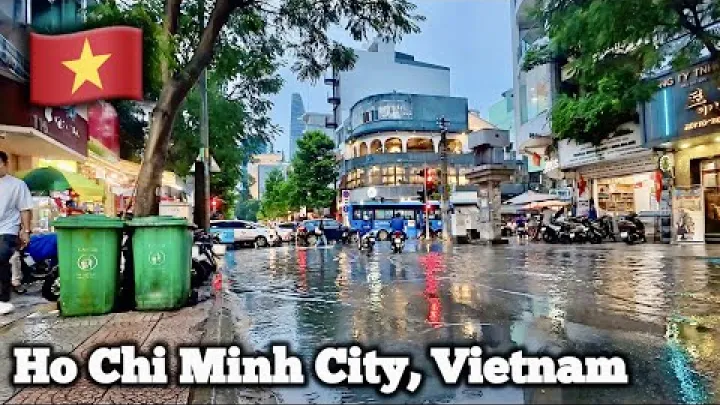
Localized flooding can happen after heavy rain, especially on lower streets or poorly drained routes. Pavements and market areas may become slippery. This is usually a practical inconvenience rather than a reason to cancel a trip, but it matters for airport transfers, day tours, and plans with fixed times.
Before important outdoor plans, check current forecasts from Vietnam’s NCHMF or another reliable weather service. Monthly climate patterns are useful, but day-by-day weather can be different.
Seasons In Detail
The two seasons affect how you plan each day. The dry season is easier for classic sightseeing, while the rainy season can still be rewarding if you build in flexibility.
Dry Season From December To April
The dry season runs broadly from December to April. It brings lower rainfall and more reliable conditions for walking, sightseeing, rooftop views, markets, and day trips.
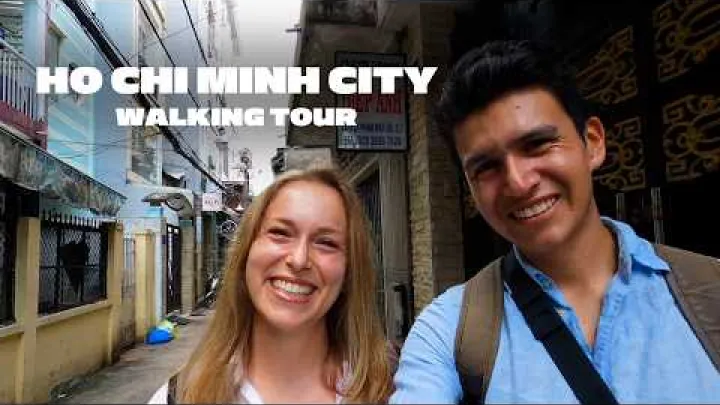
The early dry season, especially December to February, is the most comfortable part. It is a good time to explore Ben Thanh Market, Tao Dan Park, the Independence Palace, the War Remnants Museum, and central walking routes. It is also a better period for evening plans near the Saigon River.
March and April are still part of the dry season, but heat builds. These months can be good for travelers who prioritize dry days, but you should schedule outdoor activities early, use shade, and take indoor breaks.
The dry season can also bring stronger demand, especially around major holidays. Tet, the Vietnamese Lunar New Year, falls in January or February depending on the year. Around Tet, transport, hotel prices, crowds, and opening hours can change, so book earlier and check attraction schedules.
Rainy Season From May To November
The rainy season runs broadly from May to November. It is hotter, wetter, and more humid, with frequent showers and a greener city atmosphere. Agoda describes May to November as the rainy season and notes that the period can still be enjoyable with the right expectations.
Rainy season does not usually mean constant rain all day. Many travelers still visit successfully by planning outdoor activities in shorter blocks and keeping indoor alternatives ready. Museums, cafes, markets, spas, restaurants, and shopping centers can help you continue sightseeing during wet periods.
The trade-off is clear: you may find fewer crowds or better availability at some times, but you accept more humidity, sudden showers, wet streets, and possible transport delays. If you are flexible, the rainy season can work. If you need clean skies every day, choose the dry season.
Shoulder Months: March And November
March and November are useful compromise months, but they are not the same. March is generally drier but increasingly hot. It suits travelers who want dry-season conditions and are comfortable planning around afternoon heat.
November is a transition month from rainy to drier weather. It may still bring showers, but it can offer a better balance than the middle of the rainy season. It is often a good choice for flexible travelers seeking a mix of value and improving weather.
Because transition timing can vary by year, check the forecast close to your trip. This is especially important if you plan river cruises, long walking routes, or day trips outside the city.
Month-by-Month Feel In Ho Chi Minh City
The tables below give a practical travel feel by month. They are climate guidance, not a live forecast.
December To April At A Glance
| Month | Typical feel | Travel note |
|---|---|---|
| December | Drier and more comfortable | Excellent for first-time sightseeing and walking |
| January | Dry, warm, and popular | Book ahead; check Tet dates if relevant |
| February | Dry and pleasant by local standards | Good for markets, museums, and river evenings |
| March | Mostly dry, heat increasing | Start early and rest indoors at midday |
| April | Hotter late dry season | Best for travelers who tolerate heat well |
Tet can fall in January or February depending on the year. During this holiday period, some businesses may close temporarily, transport demand can rise, and prices may change. Confirm opening hours before visiting specific attractions or restaurants.
May To November At A Glance
| Month | Typical feel | Travel note |
|---|---|---|
| May | Early rainy season | Carry rain gear and keep plans flexible |
| June | Humid with frequent showers | Use indoor breaks and short outdoor windows |
| July | Wet and humid | Good for flexible city stays, less ideal for tight schedules |
| August | Humid monsoon conditions | Plan taxis and covered activities during downpours |
| September | Rain-disruption-prone | Less ideal for dry-weather itineraries |
| October | Often very wet | Allow extra time for transfers and tours |
| November | Improving transition month | A useful shoulder option if you accept some rain |
During the wettest months, keep important plans flexible where possible. If you have only two or three days in the city and want outdoor photos, walking tours, and day trips, a drier month is a better choice.
Best Time By Travel Style
The best time to visit Ho Chi Minh City depends on how you plan to spend your days. A museum-focused traveler can handle more rain than someone planning river cruises and long walking routes.
Sightseeing, Museums, And Markets
For classic sightseeing, December to March is the strongest period. This window is good for walking between central attractions, visiting Ben Thanh Market, exploring the War Remnants Museum, seeing the Independence Palace, and spending time around Tao Dan Park.
In hotter months, go early in the day and save indoor sites for the afternoon. Museums, cafes, and air-conditioned spaces help you manage heat and humidity without losing a full day.
Rainy-season sightseeing can still work if you build the day around indoor stops. Visit markets or museums when rain is likely, and keep outdoor walks short enough to adjust quickly.
Outdoor Walks, Parks, And Saigon River Cruises
December to February is best for outdoor comfort. It is the most suitable period for parks, riverfront walks, evening viewpoints, and Saigon River cruise plans.

March and April can still work, but timing matters. Plan walks in the morning, late afternoon, or evening. Wear sun protection, take water, and avoid long exposed routes in the hottest part of the day.
During the rainy season, outdoor and river plans need more flexibility. Showers can arrive suddenly, and operators may adjust schedules depending on conditions. Check the forecast before committing to weather-sensitive activities.
Budget Travel And Lower Crowds
May to August and November can be good value windows for flexible travelers. You may find better availability or lower prices at some hotels or flights, but savings are not guaranteed.
The main trade-off is rain and humidity. This period works best if you enjoy slower travel, can change plans easily, and do not need every day to be dry. It is less suitable for travelers with a tight checklist and many outdoor bookings.
A good rainy-season city plan combines cafes, museums, covered markets, restaurants, and short outdoor windows. Keep one or two flexible slots for activities that need better weather.
Day Trips To Cu Chi Tunnels And The Mekong Delta
If day trips are a major priority, choose drier months when possible. December to March is generally better for smoother travel to the Cu Chi Tunnels, the Mekong Delta, and other areas outside central Ho Chi Minh City.
Rainy-season trips may still operate, but wet roads, muddy ground, delays, or schedule changes can affect the experience. Conditions can also differ between central Ho Chi Minh City and nearby rural or river areas.
Before departure during wet periods, check the local forecast and confirm conditions with your tour provider. If heavy rain or thunderstorms are expected, allow extra time or keep a backup plan.
What To Wear And How To Plan Each Day
Packing for Ho Chi Minh City is mainly about heat, humidity, rain protection, and comfortable movement. You do not need cold-weather clothing, but a light layer can be useful inside strongly air-conditioned places.
Dry Season Packing
Pack light, breathable clothing for warm tropical weather. Cotton, linen, or quick-dry fabrics are practical for walking and sightseeing.
Bring sun protection, comfortable walking shoes, sunglasses, a hat, and a refillable water bottle. If you plan to visit pagodas or religious sites, pack clothing that can cover shoulders and knees when needed.
Air-conditioned buses, malls, museums, and restaurants can feel much cooler than the street. A light shirt or thin layer may be useful, especially if you are sensitive to air conditioning.
Rainy Season Packing
For the rainy season, bring a compact umbrella or light rain jacket, quick-dry clothing, and footwear that can handle puddles. Waterproof sandals or water-resistant walking shoes are often more practical than heavy shoes that dry slowly.
A waterproof pouch, dry bag, or bag cover helps protect your phone, passport copy, camera, and power bank during sudden showers. Drying time can be slower because humidity is high.
Rain gear is for sudden downpours and short transfers, not for cold weather. Keep it light enough to carry every day, because showers can arrive even when the morning looks clear.
Using Climate Averages Versus Live Forecasts
Climate averages help you choose the best month to visit Ho Chi Minh City. Live forecasts help you choose the best time of day for long walks, river cruises, day trips, and airport transfers.
Before weather-sensitive plans, check the forecast close to departure. This matters most during the rainy season, but it is useful at any time of year.
A simple rule works well: if the forecast shows heavy rain or thunderstorms, move outdoor-heavy plans to another time if you can. If only scattered showers are expected, keep plans flexible, carry rain gear, and place indoor stops near outdoor activities.
Frequently Asked Questions
What is the best month to visit Ho Chi Minh City?
January or February is often the best month for most visitors because the weather is usually dry and relatively comfortable by local standards. December is also excellent, while March is good if you can handle more heat.
Is the rainy season a bad time to visit Ho Chi Minh City?
No. The rainy season is not a bad time if you are flexible. Showers can be heavy, but they do not usually stop city life all day. It is less ideal for short trips that depend on dry weather.
When is Ho Chi Minh City the hottest?
March to May usually feels hottest, with April often feeling especially hot before the rainy season becomes fully established. Plan outdoor activities early and take indoor breaks during the afternoon.
Does Ho Chi Minh City get typhoons?
Ho Chi Minh City is less exposed to direct typhoon impacts than some coastal and central parts of Vietnam, but regional storm systems can still bring heavy rain. Check official forecasts close to your travel dates, especially from May to November.
What should I pack for Ho Chi Minh City weather?
Pack breathable clothing, comfortable walking shoes, sun protection, and a refillable water bottle. In the rainy season, add a compact umbrella or light rain jacket, quick-dry clothing, and a waterproof pouch for electronics and documents.
Final Recommendation
For the best balance of dry weather, comfort, and easy sightseeing, visit Ho Chi Minh City from December to February. Choose March if you prefer dry weather and do not mind stronger heat, or November if you want a shoulder-month compromise.
May to August can suit flexible and budget-conscious travelers, while September and October are the least convenient for dry-weather plans. Whatever month you choose, remember that Ho Chi Minh City is tropical year-round: plan early starts, take breaks during heat or rain, and check live forecasts before outdoor-heavy days.
Select area
Create a post
Posting is free and no registration is required.