Nong Khai Budget: Daily Travel Costs and Money Tips

A Nong Khai budget can be very manageable if you plan around guesthouses, local Isaan food, walkable areas, and simple transport. This Mekong border city in northeast Thailand is not usually a high-cost resort destination, but the final price of a trip still depends on comfort choices, arrival transport, and whether you cross into Laos. This guide focuses on tourist spending in Nong Khai, including rooms, meals, local rides, attractions, short side trips, and practical money decisions. All prices are approximate and should be checked close to your travel dates.
Nong Khai Budget at a Glance
Nong Khai is often a good-value base for travelers who want a quieter Isaan city, the Mekong riverfront, temples, markets, and access to the Thai-Lao Friendship Bridge. The ranges below are per person per day in Thai baht and exclude international flights, insurance, major shopping, medical care, and visa fees.
What a Realistic Daily Budget Looks Like
A realistic daily Nong Khai budget starts with your room choice. A solo traveler in a simple guesthouse spends differently from two people sharing a comfortable hotel room near the river. Food can stay inexpensive if you eat at local markets and simple restaurants, while cafe stops, alcohol, private transfers, and riverfront rooms increase the total quickly.
| Travel style | Approximate daily total | Typical pattern |
|---|---|---|
| Budget | 900-1,500 THB | Basic guesthouse or dorm, local meals, walking, markets, low-cost sights |
| Mid-range | 1,500-2,800 THB | Private air-conditioned room, mixed local and restaurant meals, some tuk-tuks, one paid sight |
| Comfortable | 2,800-5,000 THB | Nicer hotel, cafes, restaurant dinners, drinks, more convenient transport |
For planning, you can break the daily budget into accommodation, food and drink, local transport, attractions, and small extras. Long-distance transport to Nong Khai from Bangkok, Udon Thani, or another city is a separate fixed cost unless you prefer to average it across the number of days in your trip.
Why Nong Khai Can Be Cheaper Than Thailand’s Major Tourist Hubs
Nong Khai is a smaller Isaan city rather than a beach resort, capital city, or major nightlife destination. For many travelers, this means fewer expensive entertainment temptations and more days built around markets, temples, riverside walks, and simple meals.
The Mekong riverfront, Tha Sadet Market, Wat Pho Chai, and local evening markets can fill a day without large ticket costs. Central distances are also manageable for many visitors, so walking or short local rides may replace repeated taxis. The main exception is access: getting to Nong Khai and crossing to Vientiane can add fixed transport and border-related costs.
What This Budget Includes and Excludes
This article is about a travel budget, not a government or municipal budget. It covers typical tourist costs in Nong Khai: lodging, food, drinks, local transport, attractions, short nearby trips, and basic cash or card decisions.
The core daily ranges do not include international flights, travel insurance, visas, major shopping, medical care, or relocation costs. Vientiane and Laos expenses are treated as optional add-ons because many visitors stay only in Thailand, while others use Nong Khai as a border base.
Accommodation Costs in Nong Khai
Accommodation is usually the biggest part of a Nong Khai travel budget. The city has simple guesthouses, hostels, modest hotels, chain-style rooms, and more comfortable riverfront or resort-style properties, but it is not a huge hotel market. Prices change with season, room type, booking platform, cancellation terms, and demand.
Budget Guesthouses and Hostels
Budget accommodation in Nong Khai usually means dorm beds, fan rooms, small private rooms, or older guesthouses. These can work well for travelers who care more about location and price than large rooms, modern bathrooms, or hotel facilities. Local examples include Mut Mee Garden Guest House and Silsopa Hostel, but availability and exact rates can change quickly.

Platform listings can give a useful price signal. For example, Agoda has shown Mut Mee Garden Guest House in a low-price range, which supports the idea that simple Nong Khai guesthouses can be affordable. Treat this as a booking-platform snapshot, not a guaranteed market average.
A budget room may exclude air conditioning, breakfast, river views, flexible cancellation, or a private bathroom. If you need reliable Wi-Fi, quiet work space, or late check-in, confirm those details before booking. Direct booking, longer stays, and lower-demand dates may reduce the nightly cost, but the lowest price is not always the best value if it creates extra transport costs.
Mid-Range Hotels and Riverfront Stays
Mid-range lodging usually means a private air-conditioned room, a newer building, better bedding, a private bathroom, and easier booking terms. Chain-style hotels and well-reviewed local hotels can be good value for travelers who want predictable comfort without paying for luxury.
Current hotel platforms list properties such as HOP INN Nong Khai, Amanta Hotel Nongkhai, LePont Riverfront Resort Nongkhai, and Park & Pool Resort among Nong Khai options. Booking.com has shown Nong Khai listings starting around the low US-dollar hotel range, but actual prices vary by date, room, taxes, and demand.
For two people sharing, a mid-range room can be very reasonable per person. The price rises when you choose river views, pools, breakfast, newer rooms, larger spaces, or a location close to the Mekong. If you are staying only two or three nights, paying slightly more for a central location can save time and local transport costs.
Long Stays and Monthly Cost Trade-Offs
Slow travelers may reduce accommodation costs by comparing weekly or monthly rates instead of paying nightly hotel rates. Options can include guesthouses, simple apartments, small houses, and vacation rentals. Nong Khai can be less transparent online than larger Thai cities, so some of the best long-stay information may come from contacting properties directly or checking locally after arrival.
Before committing, ask what is included. Electricity, water, internet, cleaning, linen changes, deposits, and early departure rules can change the real monthly cost. Remote workers should also test or confirm Wi-Fi speed, mobile data coverage, desk space, noise levels, and access to laundry.
Staying outside the riverfront or central area may lower rent, but it can increase daily transport needs. A cheaper room becomes less valuable if you need frequent tuk-tuk rides or a motorbike rental just to reach food, markets, and the Mekong.
Food, Drinks, and Local Meal Prices
Street Food, Markets, and Isaan Dishes
Local markets and street stalls are central to eating well on a low budget in Nong Khai. Common choices include som tam, grilled chicken, sticky rice, noodle soup, rice dishes, skewers, fruit, and snacks. Tha Sadet Market and evening markets are useful areas to look for simple food, but prices vary by stall, portion size, protein choice, and location.
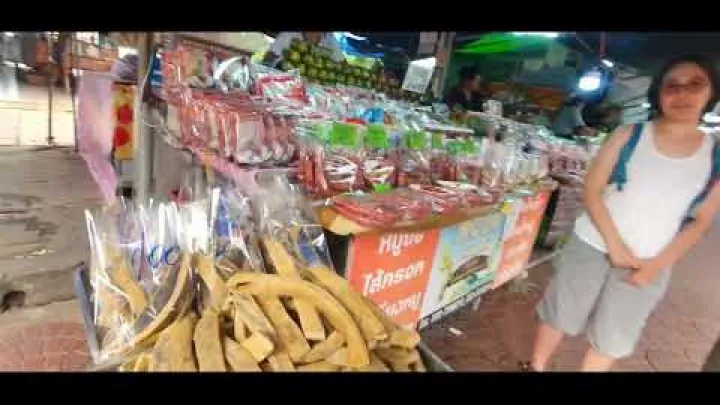
As a broad planning range, a simple local meal may cost around 40-100 THB, while snacks and drinks can add another 20-80 THB. Seafood, larger meat portions, tourist-facing stalls, and riverside seating can cost more. Eating local food is not only a saving tactic; it is also one of the main cultural experiences of visiting Isaan.
Sit-Down Restaurants, Cafes, and Alcohol
Sit-down restaurants, cafes, desserts, imported ingredients, and alcohol raise the daily food budget. A casual restaurant meal can still be moderate, but repeated coffee stops and evening drinks often cost more than travelers expect. Hotel restaurants and scenic riverfront venues may also charge more than market stalls.
For planning, a restaurant meal may be roughly 100-300 THB per person, depending on the venue and order. Coffee or dessert can add 50-150 THB, while beer, cocktails, or wine can raise the day’s total quickly. None of these choices are wrong, but they belong in a mid-range or comfortable Nong Khai travel budget rather than the lowest budget tier.
Daily Food Budgets by Travel Style
A food budget in Nong Khai is highly controllable because inexpensive, satisfying meals are widely available. The difference between budget and comfortable spending often comes from drinks, cafes, air-conditioned restaurants, and alcohol rather than from basic meals.
| Travel style | Food and drink per day | What it usually includes |
|---|---|---|
| Budget | 200-400 THB | Local meals, water, simple snacks, limited cafe or alcohol spending |
| Mid-range | 400-800 THB | Local meals plus cafes, restaurant dinner, occasional beer or dessert |
| Comfortable | 800-1,500 THB | More restaurants, coffee stops, drinks, desserts, and flexible choices |
Small items add up. Bottled water, fruit, coffee, snacks, and one evening drink can change a low-cost day into a mid-range day even when your main meals are inexpensive.
Transport Costs for Nong Khai
Transport is the cost category with the most variation. Inside Nong Khai, many visitors can keep spending low by walking, cycling, or taking only a few short rides. Reaching Nong Khai from another city or crossing to Vientiane is different because those costs are fixed parts of the wider trip.
Getting to Nong Khai from Bangkok or Udon Thani
Nong Khai does not have a major commercial airport, so many travelers arrive by train, bus, or through Udon Thani. Bangkok to Nong Khai overland transport can be a meaningful fixed expense, especially for short trips. Overnight train or bus travel may sometimes reduce one night of accommodation spending, but comfort level, class, and timing affect the total.
Udon Thani is a common gateway for travelers who fly domestically and continue overland. Route tools such as Rome2rio show that Udon Thani and Nong Khai are connected by train, bus, taxi, and car options, with fares varying widely by mode. Always check current operators, departure points, timetables, and fares before travel.
For budgeting, separate arrival transport from daily Nong Khai spending. A three-night visit can feel more expensive per day if you include long-distance tickets, while a week-long stay spreads those fixed costs more gently.
Getting Around Town Without Overspending
Central Nong Khai is compact enough for many short trips on foot, especially around the Mekong riverfront, Tha Sadet Market, nearby restaurants, and some central hotels. Walking is the cheapest option, but heat, rain, luggage, and distance can make local transport worthwhile.
Tuk-tuks are useful for short rides, but agree on the fare before you get in. Bicycle rental can be good for slower sightseeing if your accommodation offers it or can recommend a reliable shop. Motorbike rental can make it easier to reach places such as Sala Keoku, but it adds safety and liability concerns.
Traveler reports in a Facebook travel group have mentioned low motorbike rental prices such as around 200 THB per day, along with warnings about repair bills and rental terms. Treat this as anecdotal evidence only. Inspect the bike, photograph existing damage, confirm helmet availability, ask about insurance and passport deposits, and get the rental conditions as clearly as possible.
Budgeting for the Vientiane Border Crossing
Some travelers use Nong Khai as a base for Vientiane because the Thai-Lao Friendship Bridge is nearby. This can be convenient, but it should be budgeted separately from normal Nong Khai spending. Cross-border costs may include local transport to the bridge or station, public bus or private transfer, tuk-tuk or taxi on the Laos side, visa-related fees, currency exchange, and extra waiting time.
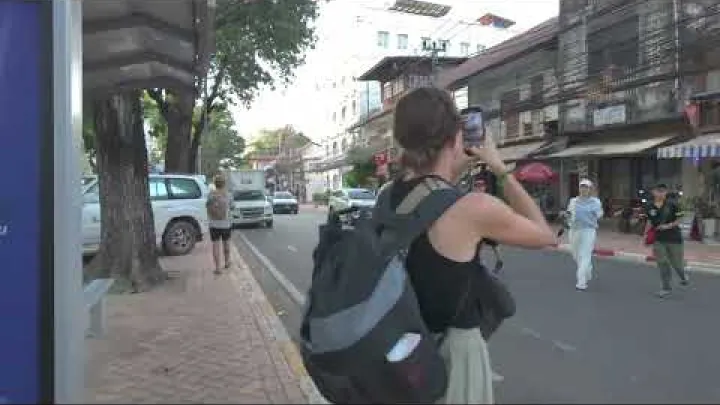
Public buses can be cheaper than private transfers, but current fares and procedures change. Traveler comments in a Facebook travel group mention reported Nong Khai to Vientiane transport costs in Lao kip and local tuk-tuk ranges, but these should be treated as recent anecdotes rather than official fare evidence.
Before accepting border-area transport, confirm the total fare, currency, destination, and whether the price is per person or per vehicle. Visa rules and fees depend on nationality and are outside the core Nong Khai daily budget, so check them separately before crossing.
Attractions and Activity Costs
Activities are usually not the budget-breaking category in Nong Khai. Many of the best experiences are simple: temples, markets, the Mekong riverfront, local food, and relaxed walking. Paid attractions and day trips matter more because transport can cost as much as, or more than, the entrance fee.
Free and Low-Cost Sights in Town
Wat Pho Chai, the Mekong riverfront, Tha Sadet Market, and local evening markets can all fit a low-cost sightseeing plan. Some places may be free to enter, while temples may have donation boxes and markets naturally encourage small purchases. Do not assume every site is always free; check signs and local information when you arrive.
A relaxed day can be inexpensive if you combine a temple visit, riverside walk, market meal, and sunset by the Mekong. Your activity cost may be close to zero, while snacks, drinks, donations, and small souvenirs become the only extras.
Sala Keoku and Paid Day Trips
Sala Keoku is one of the best-known attractions near Nong Khai. It is a sculpture park outside the central riverfront area, so the total cost includes both entrance and transport. Entrance fees can change, so check the price at the gate or through a current local source before visiting.
![Preview image for the video "RURAL THAILAND ISAN: SALA KAEO KU PARK in NONG KHAI [S5 E35]".](/sites/default/files/styles/media_720x405/public/oembed_thumbnails/2026-06/cj8RuZ117RmeMir2JRcoL1tUxQECeXvPThgJwwqVXjQ.jpg.webp?itok=G62xxGC_ "Preview image for the video \"RURAL THAILAND ISAN: SALA KAEO KU PARK in NONG KHAI [S5 E35]\".")
The cheapest way to reach nearby sights is not always the easiest. A bicycle may be low cost but slower and weather-dependent. A motorbike can be flexible but requires safe driving, a valid license situation, and clear rental terms. A tuk-tuk or private car is easier but should be priced before departure, especially if the driver waits and returns with you.
For most travelers, one paid sight or transport-linked excursion will not ruin the budget. Repeated private rides, organized excursions, or cross-border convenience services are the bigger cost drivers.
Sample Nong Khai Budgets by Travel Style
The ranges below show how a day in Nong Khai can look in practice. They are planning examples, not promises. Your real total will depend on booking date, room type, exchange rate, food choices, and how much transport you use.
Budget Traveler Scenario
A budget traveler might sleep in a dorm, fan room, or very simple guesthouse, eat local meals, walk around the Mekong riverfront, visit Wat Pho Chai, browse Tha Sadet Market, and avoid paid transfers except when necessary.
- Accommodation: 300-700 THB
- Food and drink: 200-400 THB
- Local transport: 0-200 THB
- Activities and small extras: 0-200 THB
- Likely daily total: 900-1,500 THB
This low range works best for travelers who are comfortable with simple rooms and local food. Alcohol, private transfers, air conditioning upgrades, and last-minute room choices can move this scenario into the mid-range category. Short stays also feel more expensive if you include arrival transport from Bangkok or Udon Thani.
Mid-Range Traveler Scenario
A mid-range traveler might choose an air-conditioned private room, eat a mix of local meals and restaurant meals, take a few tuk-tuk rides, visit Sala Keoku, and stop at a cafe. This is often the most useful planning range for international visitors because it allows comfort without assuming luxury.
- Accommodation: 700-1,600 THB
- Food and drink: 400-800 THB
- Local transport: 150-600 THB
- Activities and small extras: 100-400 THB
- Likely daily total: 1,500-2,800 THB
Two people sharing a room can reduce the per-person accommodation cost significantly. The main decision points are room quality, restaurant habits, and how often you choose private rides instead of walking or cycling. Vientiane transport or visa-related spending should be added separately.
Comfortable Traveler Scenario
A comfortable, not luxury, Nong Khai budget might include a nicer hotel or riverfront room, breakfast, coffee stops, restaurant meals, drinks, and more convenient transport. Nong Khai can still feel moderate compared with more expensive Thai destinations, but high-end resort infrastructure is not the main character of the city.
- Accommodation: 1,600-3,500 THB
- Food and drink: 800-1,500 THB
- Local transport: 400-1,200 THB
- Activities and small extras: 200-800 THB
- Likely daily total: 2,800-5,000 THB
This range allows for comfort and convenience, especially for solo travelers paying the full room cost. Riverfront upgrades, private taxis, alcohol, tours, and cross-border services are discretionary costs. If you remove some of them, the same traveler may fit comfortably into the mid-range tier.
What Makes a Nong Khai Trip More Expensive
Nong Khai is generally manageable for budget planning, but costs can rise for predictable reasons. The most important are timing, room comfort, transport convenience, and cross-border plans.
Season, Weekends, and Booking Timing
Accommodation prices can rise during Thai holidays, weekends, local events, and high-demand periods. Well-reviewed hotels, riverfront rooms, and properties with pools or newer facilities may sell out earlier or show fewer discounts when demand is higher.
Nong Khai may not have the same extreme price swings as some beach resorts, but timing still matters. If comfort is important, book earlier and compare several platforms plus direct rates. If saving is more important and your schedule is flexible, compare dates and room types before committing.
Comfort Choices That Raise Daily Spending
Common cost drivers include private room upgrades, air conditioning, river views, Western meals, cafes, alcohol, private transfers, organized tours, and border convenience services. None of these choices are bad; they simply move the trip into a different budget tier.
One or two upgrades can change the whole day. A nicer room plus a restaurant dinner may be enough to shift a budget traveler into mid-range spending. A private transfer to a sight plus evening drinks may do the same. Use the sample budgets as a checklist: if you are adding comfort in several categories at once, plan for the higher range.
Cash, Cards, and Prices to Verify Locally
Carry enough Thai baht cash for small local expenses such as markets, tuk-tuks, small eateries, temple donations, and minor attraction costs. Keep small notes because drivers and stalls may not always have change for large bills.
Do not rely on one payment method. Card acceptance, ATM fees, exchange rates, and cash needs vary by bank, venue, and service. Border-related spending may involve Thai baht, Lao kip, or card payments depending on the location and provider, so check current requirements before crossing to Laos.
How to Save Money in Nong Khai Without Missing the Best Experiences
The best savings in Nong Khai usually come from choosing location well, eating locally, avoiding unnecessary private rides, and planning paid trips carefully. The goal is not to skip the city’s best experiences, but to spend where it improves the trip.
Best Value Choices for Short Visits
For a two- or three-night visit, stay central enough to walk to the Mekong riverfront, Tha Sadet Market, and nearby restaurants if the price difference is reasonable. A cheaper room far from the places you want to visit may cost more after tuk-tuks and lost time.
Mix one or two paid or transport-linked sights with free or low-cost experiences. For example, you might spend one day around Wat Pho Chai, markets, and the riverfront, then use another day for Sala Keoku or a cross-border plan. Avoid poorly timed transfers that force you into expensive private rides.
Best Value Choices for Slow Travelers
Slow travelers should compare longer-stay rates for guesthouses, apartments, small houses, and vacation rentals. A good routine might include local markets, simple restaurants, walking, cycling, and occasional day trips rather than daily paid activities.
Before agreeing to a long stay, confirm electricity, water, internet, deposit rules, cleaning, laundry access, kitchen access, and the exact location. Remote workers should prioritize reliable Wi-Fi and a practical work setup. Staying slightly outside the center can save money, but only if transport needs stay low.
Final Budget Advice for Nong Khai
Nong Khai is a strong choice for travelers who want a lower-cost Thailand destination with local food, Mekong views, markets, temples, and a relaxed Isaan atmosphere. A careful budget traveler can often plan around 900-1,500 THB per day, many visitors will feel comfortable around 1,500-2,800 THB, and a comfortable, not luxury, trip may sit around 2,800-5,000 THB per day.
The biggest money decisions are where you sleep, how you eat, how often you use private transport, and whether you add Vientiane or other side trips. Keep arrival transport and border costs separate from the daily Nong Khai budget, check current prices close to travel, and carry enough small Thai baht notes for local spending. With those habits, Nong Khai can be both affordable and rewarding without feeling like a trip built only around saving money.
Select area
Create a post
Posting is free and no registration is required.