Nong Khai Travel Guide: Where to Stay and What to Do
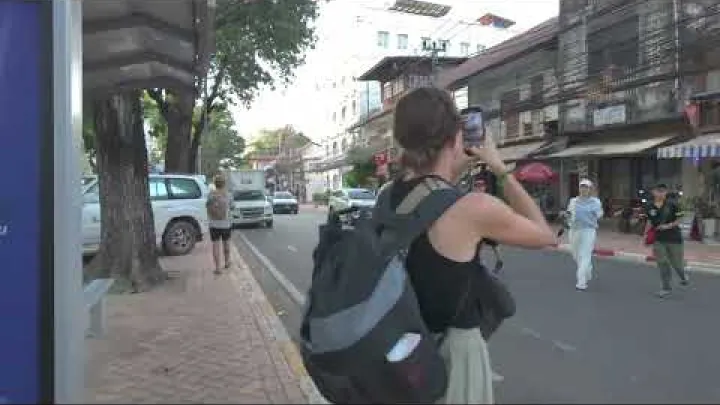
This Nong Khai travel guide is for travelers who want a slower, practical base in Isaan, Thailand, not only a quick stop before Laos. Nong Khai sits beside the Mekong River, close to Vientiane, and offers riverfront walks, temples, markets, countryside views, and one of Thailand’s most unusual sculpture parks. The city is easy to enjoy in a short visit, but it rewards travelers who give it two or three days instead of rushing through. This guide explains when to go, how to get there, where to stay, what to do, and what to check before you travel.
Nong Khai at a Glance
Nong Khai is often described as a border city, but that only explains part of its appeal. It is also a calm Mekong River destination with a strong Isaan identity, everyday local culture, and enough sights for a relaxed Thailand itinerary.
Where Nong Khai Sits in Thailand and Isaan
Nong Khai is in northeastern Thailand, the region commonly known as Isaan. The city lies along the Mekong River, opposite Laos, and is closely connected with Udon Thani, Vientiane, and the First Thai-Lao Friendship Bridge. For many travelers, this geography makes Nong Khai a useful point on an overland route between Thailand and Laos.
It should not be treated only as a transit town. The riverfront, Rim Khong Road, Tha Sadet Market, Wat Pho Chai, Sala Keoku, and nearby countryside give Nong Khai a distinct travel rhythm. The Tourism Authority of Thailand highlights the province for temples, local culture, countryside, and folk traditions, which matches the slower experience most visitors find here.
Because Nong Khai is close to an international border, travel plans can involve administrative details. Treat border timing, transport rules, visa requirements, and entry conditions as separate checks from general sightseeing plans.
Who Should Visit and How Long to Stay
Nong Khai suits first-time Isaan visitors, overland travelers going to or from Laos, slow travelers, temple visitors, market browsers, photographers, and people looking for a quieter side of Thailand. It is also a good choice if you want a softer introduction to Isaan before moving deeper into the region.
Stay one night if your main purpose is border logistics and you only want a riverfront walk, a meal, and a simple overnight stop. Stay two or three days for a comfortable first visit that includes the Mekong promenade, Tha Sadet Market, Wat Pho Chai, Sala Keoku, and relaxed meals. Stay four or five days if you want countryside excursions, repeat visits to the riverfront, and time to explore without a fixed schedule.
Nong Khai is not the best match for travelers who want beaches, large nightlife districts, luxury resort infrastructure, or a dense list of famous attractions. Its appeal is quieter: the Mekong at sunset, temple visits, Isaan food, local markets, and a slower pace.
Best Time to Visit Nong Khai
Weather matters in Nong Khai because many of the best experiences are outdoors. Walking the promenade, visiting Sala Keoku, exploring markets, and taking countryside day trips are all easier when heat and rain are manageable.
Cool Season Conditions
November to February is generally the most comfortable broad window for visiting Nong Khai. This period usually brings cooler evenings, lower rainfall, and better conditions for walking, sightseeing, cycling, and countryside trips. It is not a guarantee of perfect weather, but it is the easiest season for most first-time visitors.
Broad climate data for Nong Khai shows a warm tropical pattern with significant annual rainfall, so seasonal planning should focus on comfort and flexibility rather than exact daily predictions. Climate Data gives useful background for understanding average temperature and rainfall patterns, but travelers should still check current forecasts close to departure.
The cool season is especially helpful if you plan to spend long periods outside at the Mekong promenade, Sala Keoku, Wat Pha Tak Suea, or Phu Phra Bat Historical Park. Shade can be limited in open areas, so even cooler months still require water, sun protection, and realistic pacing.
Hot Season and Rainy Season Trade-Offs
March and April are hotter months. Outdoor sightseeing is still possible, but it is better to start early, rest during the hottest part of the day, and return outside in the late afternoon. Air-conditioned accommodation becomes more important in this period, especially if you plan to walk often.
May to October is wetter, greener, and more humid. Rain can interrupt riverfront walks, scooter trips, cycling plans, and countryside viewpoints. It can also make roads more difficult for inexperienced riders. The benefit is a greener landscape and, outside major event periods, a less crowded feel.
Nong Khai remains visitable year-round if you adjust your pace. In hot months, prioritize mornings and evenings. In rainy months, keep flexible plans, choose transport carefully, and avoid building your whole trip around one weather-dependent excursion.
River Levels and Seasonal Events
The Mekong River changes appearance with the seasons. Water level, color, exposed sandbanks, and the mood of the promenade can vary through the year. This is part of the experience, but it also means riverfront expectations should be flexible.

The Naga fireball period is one of the best-known local cultural events associated with Nong Khai and the Mekong. It is linked with the end of Buddhist Lent, and the timing follows the lunar calendar, so dates vary. Treat it as a cultural phenomenon and local event period rather than something that can be guaranteed on a specific evening.
Other seasonal events, such as Rocket Festival traditions and Loy Krathong, may also affect the atmosphere and accommodation demand. Before booking around any festival, check the current year’s dates and local arrangements. Hotels near the riverfront can be more in demand during major event periods.
Getting to Nong Khai and Moving Around
Nong Khai is not difficult to reach, but transport planning is easier when you understand the role of Udon Thani, the railway, and the Laos border. Avoid relying on old timetables, because schedules, fares, and transfer arrangements can change.
Routes from Bangkok, Udon Thani, and Other Thai Cities
The main approaches are rail or long-distance road travel from Bangkok, and shorter onward travel from Udon Thani. Udon Thani is a practical regional gateway because it has broader transport links and is close to Nong Khai. Many travelers reach Udon Thani first, then continue by train, van, bus, taxi, or private transfer.
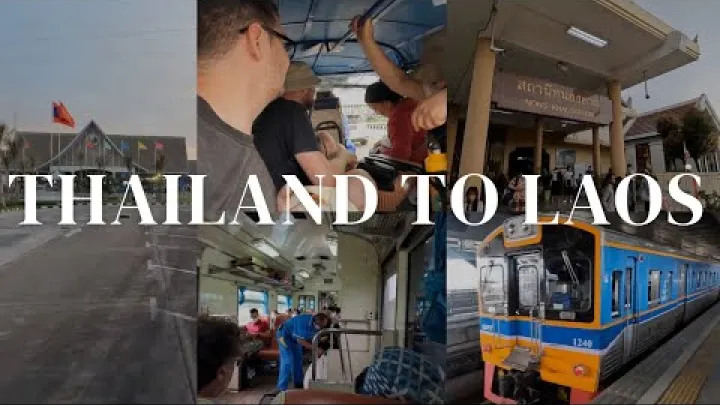
Transport platforms such as 12Go show common options between Udon Thani and Nong Khai, including road and rail choices, but schedules and fares should be checked again before travel. This is especially important if you have a flight, train connection, or border crossing on the same day.
| Route option | Best for | Main trade-off |
|---|---|---|
| Train from Bangkok | Travelers who prefer rail and overnight planning | Timetables and seat availability need checking |
| Bus or van | Flexible road travel from regional hubs | Comfort and luggage space vary |
| Via Udon Thani | Most practical regional gateway | Requires an onward transfer |
| Private transfer | Groups, luggage, late arrivals, or comfort | Usually costs more than shared transport |
If you are arriving late, consider staying either near the riverfront for atmosphere or near transport links for convenience. Do not assume every connection runs late into the evening.
Using Nong Khai for Overland Travel to Laos
Nong Khai is a common gateway for travelers continuing to Vientiane via the First Thai-Lao Friendship Bridge. This makes it useful for Thailand and Laos itineraries, especially for travelers who prefer overland travel instead of flying.
Border planning should be handled carefully. Check current visa rules, entry requirements, fees, opening hours, transport methods across the border, and any nationality-specific conditions with official sources before travel. Rules can differ by passport, travel purpose, and current policy.
This guide can help you decide whether Nong Khai fits your route, but it is not a substitute for official immigration advice. If your onward travel depends on crossing the border on a specific day, build in extra time and avoid tight same-day connections.
Local Transport Inside the City
Central Nong Khai is relatively compact near the riverfront. Walking works well for Rim Khong Road, the Mekong promenade, Tha Sadet Market, nearby cafes, restaurants, and some temple stops. Heat, uneven surfaces, and distance still matter, so check maps instead of assuming all places are close.
For longer distances, travelers may use tuk-tuks, songthaews, bicycles, scooters, or private hires depending on availability, comfort, and confidence. Scooters can be useful for experienced riders, but they are not the best choice for everyone. Rain, unfamiliar roads, and traffic habits increase risk.
Outlying attractions such as Sala Keoku, Wat Pha Tak Suea, and regional countryside viewpoints require more planning than riverfront sights. If you do not want to ride a scooter, consider arranging a driver, using local transport where practical, or choosing fewer distant attractions.
Where to Stay in Nong Khai
The best area to stay depends on your priorities: river atmosphere, value, transport convenience, parking, or border logistics. For most first-time visitors, the riverfront is the easiest choice, but it is not the only practical base.
Rim Khong Riverfront for First-Time Visitors
Rim Khong Road and the nearby riverfront area are the best base for most first-time visitors. This area puts you close to the Mekong promenade, Tha Sadet Market, casual restaurants, cafes, and the most atmospheric evening walks. It is also the easiest area if your main goal is to enjoy Nong Khai without constant transport planning.
River-view rooms and central riverfront properties may cost more than back-street options, and quality varies by property. Hotel platforms such as Agoda show a broad range of Nong Khai accommodation, but travelers should compare recent reviews, map location, air conditioning, parking, and cancellation terms before booking.
This area is best if you want to step outside in the late afternoon, walk by the Mekong, browse the market, and return easily after dinner. It is less ideal if you need large parking, a very quiet setting, or the lowest possible room rate.
Inner Town Hotels for Value and Convenience
Inner town hotels can be a practical alternative if you want better value, newer rooms, stronger air conditioning, parking, or easier road access. Some properties away from the river may be more functional than atmospheric, but they can still work well for sightseeing.
The main trade-off is location. A hotel may look central on a booking platform but still be a long or unpleasant walk in heat or rain. Before booking, check the walking distance to the Mekong promenade, Tha Sadet Market, the railway station, restaurants, and any transport point you plan to use.
This area suits travelers who prioritize comfort and price over river views. It can also be a good choice for drivers who want easier access to day trips outside the city.
Outskirts and Friendship Bridge Area for Transit
Accommodation outside the center or closer to the Friendship Bridge may suit travelers with vehicles, early border plans, or a preference for quieter surroundings. It can also work if Nong Khai is mainly a transit stop before continuing to Laos.
These areas are usually less convenient for walking to restaurants, markets, and riverfront evening life. If you choose them, check how you will get dinner, reach the riverfront, and continue your journey the next morning.
For most first-time visitors, the outskirts are not the best base unless there is a clear reason. Choose them for logistics, parking, quiet, or border timing, not for the classic Nong Khai visitor experience.
Best Things to Do in Nong Khai
The best things to do in Nong Khai are not only individual attractions. The city is most enjoyable when you combine a few key sights with unhurried time beside the Mekong River.
Mekong Promenade and Tha Sadet Market
The Mekong riverfront is the central visitor experience in Nong Khai. Walk the promenade, look across toward Laos, pause for coffee or a simple meal, and return near sunset when the light and temperature are usually more pleasant. The riverfront changes mood through the day, with quieter mornings and more activity later.
Tha Sadet Market is a useful stop for browsing local goods, snacks, household items, souvenirs, and everyday market life. It is close enough to combine with a riverfront walk, making it one of the easiest first stops after arrival.
Avoid planning this area as a rushed checklist. Nong Khai’s riverfront is best experienced slowly: a walk, a market visit, a drink, a sunset, and dinner nearby.
Wat Pho Chai and Riverfront Temples
Wat Pho Chai is one of Nong Khai’s most important religious stops and is associated with the revered Luang Pho Phra Sai Buddha image. It is a meaningful place for local worship, so visit with the same respect you would bring to any active temple in Thailand.
Other temple stops, including riverfront temples such as Wat Phrathat Lanong, can be added if you enjoy religious architecture and quieter local sites. Do not try to visit too many temples in one day if heat is strong; the experience becomes more rewarding when you slow down.
Dress modestly, remove shoes where required, keep your voice low, and avoid intrusive photography. Temples are not only photo locations; they are living religious spaces.
Sala Keoku Sculpture Park
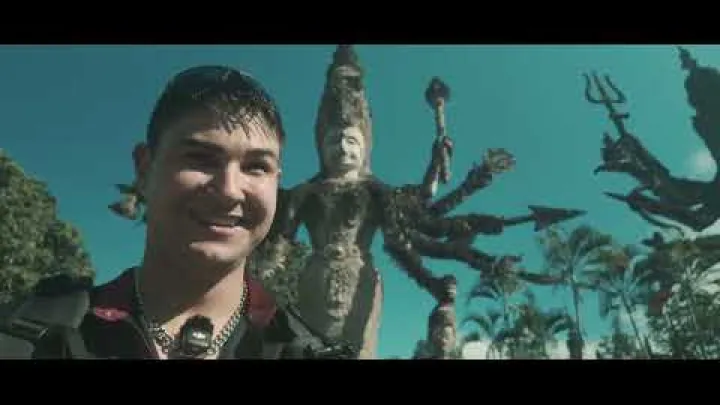
Sala Keoku is one of Nong Khai’s signature attractions. It is known for large concrete sculptures with Buddhist and Hindu imagery, including figures that feel very different from a standard temple visit. The scale and visual style make it one of the most memorable places in the province.
The site has religious and devotional elements, so treat it respectfully even if you visit mainly for the art and atmosphere. Read the setting as a cultural and spiritual place, not only as an unusual photo stop.
Plan around heat. Much of the experience is outdoors, and shade may be limited. Visiting earlier in the morning or later in the afternoon is usually more comfortable. Check current access, hours, fees, and transport options before going, especially if you are not renting a vehicle.
Countryside Day Trips from Nong Khai
Wat Pha Tak Suea is a scenic temple and viewpoint excursion that can be rewarding when weather and transport allow. It is outside the central city, so it should be planned as a trip rather than a casual walk from the riverfront.
Phu Phra Bat Historical Park is another wider regional excursion for travelers interested in heritage-style landscapes and unusual rock formations. It requires more planning than city attractions and is better treated as a day trip from Nong Khai or as part of a broader Udon Thani and Isaan route.
Mekong-side villages, rural roads, and countryside viewpoints can add depth to a longer stay. Choose safe transport, avoid riding in heavy rain if you are inexperienced, and leave enough time to return before dark if you are unfamiliar with the roads.
Food and Local Culture
Nong Khai’s food and culture are closely tied to Isaan, the Mekong, and cross-border Lao influences. You do not need a famous restaurant list to eat well here; markets and simple local places are part of the experience.
Isaan Food and Mekong Meals
Expect sticky rice, papaya salad, grilled meats, spicy salads, soups, herbs, and Mekong fish when available. Isaan flavors are often spicy, sour, salty, and herb-forward. If you are sensitive to spice, ask for a milder version and taste carefully before adding extra chili.
Markets are good places to sample snacks and simple dishes, while local restaurants are better for sitting down and ordering a fuller meal. Food availability changes by stall, season, and time of day, so stay flexible.
Use normal food hygiene judgment. Choose busy stalls, look for freshly cooked food, and be cautious with raw items if you have a sensitive stomach. Carry cash, because smaller places may not accept cards.
Markets, Cafes, and Evening Riverfront Life
Nong Khai’s culture is experienced through daily routines as much as formal attractions. Evening walks, casual riverfront dining, small cafes, and local markets all help visitors understand the city’s pace.
The atmosphere is mixed rather than polished for tourists only. You may see local families, Thai travelers, long-stay foreigners, cyclists, market sellers, and people simply exercising by the river. This everyday quality is part of Nong Khai’s appeal.
Keep your expectations respectful. Nong Khai is not a theme park version of rural Thailand. It is a working provincial city where tourism is present but not overwhelming.
Costs, Safety, and Practical Travel Tips
Nong Khai is generally good value compared with Thailand’s major tourist hubs, but exact costs change with season, booking timing, transport choices, and travel style. The best approach is to understand what can raise or lower your spending.
Typical Costs and Value Expectations
Accommodation is often the biggest variable. Riverfront stays, rooms with views, and festival periods can cost more, while inner-town hotels and simpler guesthouses may offer better value. Always compare recent reviews with the map location, not only the price.
Local food can be affordable if you eat at markets and simple restaurants. Cafes, riverfront dining, private transfers, and longer day trips will raise daily spending. If you plan countryside excursions with a driver, budget separately for that rather than assuming local transport will cover everything.
Nong Khai is a good value destination for travelers who enjoy walking, markets, temples, and simple meals. It becomes more expensive if you require private transport often, travel during major events, or choose higher-end riverfront accommodation.
Safety, Heat, Roads, and River Awareness
Use normal travel precautions. Watch valuables in crowded areas, be careful with alcohol late at night, and avoid poorly judged transport decisions when tired. Nong Khai is generally calm in feel, but it is still a real city where travelers should stay aware.
Heat is one of the most important safety issues. Drink water, use sun protection, wear light clothing, and plan breaks during the middle of the day. Outdoor attractions can feel much harder in hot weather than they look on a map.
Road safety deserves attention. Scooter rental may be convenient, but it is not risk-free, especially for inexperienced riders, during rain, or on unfamiliar rural roads. If you are unsure, use tuk-tuks, songthaews, taxis, private drivers, or a more limited itinerary. Around the Mekong, use basic river awareness and avoid risky behavior near water, especially at night or after alcohol.
Current Checks Before You Travel
Before finalizing your trip, check transport schedules, accommodation availability, festival dates, border rules, visa requirements, and current travel advisories. This is especially important if your plan includes the Laos crossing, a major event, or a rainy-season day trip.
Use official tourism, immigration, transport operator, hotel, and weather sources for time-sensitive details. Booking platforms and travel blogs can help with planning ideas, but they may not reflect the latest rule changes or operating conditions.
A simple checklist helps: confirm arrival transport, confirm your hotel location, check the weather forecast, verify any attraction access that matters to you, and confirm border requirements if continuing to Laos. Doing this reduces stress and prevents avoidable last-minute problems.
Suggested Nong Khai Itineraries
Your ideal Nong Khai itinerary depends on whether the city is a border stop, a first Isaan visit, or a slow-travel base. Keep plans flexible, because heat, rain, transport, and festival crowds can change what feels realistic.
One Night for a Border Stop
If you have only one night, do not overpack the visit. Stay near the riverfront if you want atmosphere, or near transport links if the next morning’s border or onward journey is the priority.
After arrival, walk the Mekong promenade, browse Tha Sadet Market if timing works, and have dinner near the river. In the morning, keep plans simple and allow enough time for your transfer, train, bus, or border crossing.
This itinerary gives only a taste of Nong Khai. It is worthwhile, but it will not show the countryside or the slower side of the city.
Two or Three Days for a First Visit
Two or three days is the best first-time plan for most travelers. Use the riverfront as your base if possible, then divide your time between the Mekong promenade, Tha Sadet Market, Wat Pho Chai, Sala Keoku, and relaxed meals.
A simple two-day structure works well: spend the first day around the riverfront and temples, then visit Sala Keoku on the second day with time for cafes, markets, and sunset. With a third day, add a nearby excursion or more unplanned time.
Do not make the schedule too rigid. Nong Khai is more enjoyable when you leave space for heat, rain, slow transport, and small discoveries that are not on a fixed attraction list.
Four or Five Days for Slow Travel
Four or five days suits travelers who like relaxed towns, photography, writing, cycling, markets, and rural Isaan exploration. You can repeat the promenade at different times of day, try more local food, and add countryside trips when weather is suitable.
Use the extra time for Wat Pha Tak Suea, Phu Phra Bat Historical Park, or Mekong-side rural areas if transport and access make sense. These trips should be conditional on weather, road comfort, and current local information.
This length is not necessary for every traveler, but it shows why Nong Khai should not be dismissed as only a border town. The city rewards people who slow down and let the Mekong set the pace.
Final Planning Takeaways
Nong Khai is best for travelers who want a practical, calm, and culturally rich stop in Isaan. It works as a Laos gateway, but it also stands on its own through the Mekong River, Rim Khong Road, Tha Sadet Market, Wat Pho Chai, Sala Keoku, and nearby countryside.
For most first-time visitors, stay two or three days near the riverfront, visit the main sights without rushing, and build your days around cooler mornings and evenings. Choose inner-town or bridge-area accommodation only when value, parking, or transit logistics matter more than river atmosphere.
Before you travel, confirm transport, weather, hotel location, festival dates, and any border requirements. If you like slower towns, local food, temple visits, and riverfront evenings, Nong Khai can become one of the most memorable stops on a Thailand and Isaan itinerary.
Select area
Create a post
Posting is free and no registration is required.