Nong Khai Best Time to Visit: Weather by Month

The Nong Khai best time to visit is usually the cool and dry season, especially from November to February. This Mekong riverside city in Isan is not a beach destination, so the most important weather questions are walking comfort, heat, rain, humidity, river levels, and festival timing. This guide explains the best months for different travel styles, what each season feels like, and how to plan around showers or hot afternoons. It also separates long-term climate patterns from the short-term forecast you should check before you travel.
Quick Answer: Best Time to Visit Nong Khai
The Short Recommendation
The best time to visit Nong Khai is generally from November to February, when the weather is usually cooler, drier, and more comfortable for walking around the city, visiting temples, browsing markets, and enjoying the Mekong Riverfront. January and February are often especially comfortable, while November and December are also strong choices for most travelers.
Nong Khai has a tropical savanna climate classification, and local climate tables show a clear seasonal pattern rather than the even climate found in some coastal areas. For background on the city climate context, see Wikipedia. Even in the drier season, occasional showers or hazy days can happen, so it is better to think in terms of usually good conditions rather than guaranteed perfect weather.
Best Months by Priority
If you need a fast decision, use the table below. It gives practical guidance without assuming that every year will follow the same pattern.
| Priority | Best time | Main caveat |
|---|---|---|
| Best overall weather | November to February | Popular holiday periods may be busier |
| Most comfortable months | January and February | Midday sun can still be strong |
| Festivals and culture | May and October | Weather is less predictable |
| Lower-crowd possibilities | June or rainy-season weekdays | Humidity and showers are more likely |
| Approach carefully | April, May, August, September | Heat or rain may affect comfort |
October can be attractive for travelers interested in Wan Awk Pansa, rowing events, and the Naga Fireball phenomenon, but it is a transition month rather than the most reliable weather choice. April and May can be difficult for heat-sensitive visitors, while July to September are better for flexible travelers who do not mind rain interruptions.
Nong Khai Weather and Seasons in Context
A Mekong Riverside City in Isan
This location matters because advice for southern Thailand’s islands does not apply directly here. In Nong Khai, the main weather issues are heat during the day, humid air in the wet season, rain logistics for city movement, and changing Mekong River levels. Places such as the Nong Khai city riverfront and Tha Sadet Market are easiest to enjoy when you can walk comfortably and do not need to adjust every plan around heavy showers.

Cool, Hot, and Rainy Seasons
For practical travel planning, Nong Khai has three broad seasons: a cool and drier season around November to February, a hot season around March to May, and a rainy season that often runs from about May to October. The exact timing can shift each year, especially at the beginning and end of the monsoon period.
The cool season is usually the most comfortable time for city sightseeing. Mornings and evenings can feel cooler than many visitors expect in inland Thailand, while daytime conditions are normally easier for walking than in the hot season. The hot season becomes increasingly intense from March, with April and May often the most challenging months. The rainy season brings humidity, frequent showers, greener scenery, and less predictable outdoor plans.
For broader Thailand climatology based on 1991-2020 historical data, the World Bank Climate Change Knowledge Portal is useful background. City-level weather can still differ from national averages, so use national patterns as context rather than a precise forecast for your exact travel dates.
Climate Averages Versus Weather Forecasts
Climate averages help you choose a good month. They do not tell you exactly what will happen during one specific week in Nong Khai. A month that is usually dry can still have a shower, and a rainy-season week can include long dry breaks.
Check a reliable short-term forecast shortly before arrival, especially if you are traveling during rainy season, attending a festival, or planning riverfront activities. Forecasts in the wet season may show storms on several days, but that does not always mean continuous all-day rain. Often, the practical question is whether you can keep your schedule flexible.
Month-by-Month Feel in Nong Khai
The table below gives a simple month-by-month feel for Nong Khai. It is meant for planning comfort, not for predicting exact temperatures or rainfall on your travel dates.
| Month | Typical feel | Best for | Main caveat |
|---|---|---|---|
| January | Cooler and usually dry | Walking, markets, river views | Cool mornings possible |
| February | Comfortable, gradually warmer | Balanced sightseeing | Sun still strong at midday |
| March | Hotter shoulder month | Flexible sightseeing | Heat increases |
| April | Very hot inland conditions | Short planned outings | Difficult for heat-sensitive visitors |
| May | Hot, humid, showers increasing | Culture-focused travel | Rainy-season onset |
| June | Greener and wetter | Flexible lower-peak trips | Frequent showers possible |
| July | Humid monsoon conditions | Slow travel | Outdoor plans less predictable |
| August | Wet and humid | Flexible travelers | Higher rain risk |
| September | Often wet late monsoon | Green scenery | High river and rain caveats |
| October | Transition month | Festivals and events | Weather uncertainty |
| November | Drier season returning | General sightseeing | Event and holiday demand can vary |
| December | Cooler and usually dry | Comfortable city stay | Holiday periods may be busier |
January to March: Cool Comfort into Rising Heat
January and February are among the easiest months for most visitors. Rain risk is usually lower, humidity is more manageable, and full days outdoors are more realistic. These months are good for the Mekong riverfront, open-air meals, temples, and unhurried time around Tha Sadet Market.
A light layer can be useful for early mornings and evenings, especially if you are traveling by scooter, walking beside the river, or staying in accommodation with strong air conditioning. March is still manageable for many travelers, but the heat becomes more noticeable. Plan outdoor activities earlier in the day and save shaded or indoor stops for the afternoon.
April to June: Peak Heat and Rainy-Season Onset
April is usually one of the hardest months for comfort in inland northeastern Thailand. If you are sensitive to heat, traveling with young children, or planning long walking days, this is not the easiest time to choose. Short outings, air-conditioned breaks, hydration, and flexible pacing become important.
May remains hot and becomes more humid as showers increase. It can still be a rewarding month for culture-focused visitors because Nong Khai is associated with the Rocket Festival in May, but the weather trade-off is real. June often feels greener and wetter, with showers that may interrupt plans but do not necessarily last all day.
July to September: Core Monsoon Months
July, August, and September are core rainy-season months. Expect higher humidity, more cloud, and a greater chance of heavy showers or storms. These months are not impossible for travel, but they require a different style: slower movement, flexible timing, and backup plans for outdoor activities.
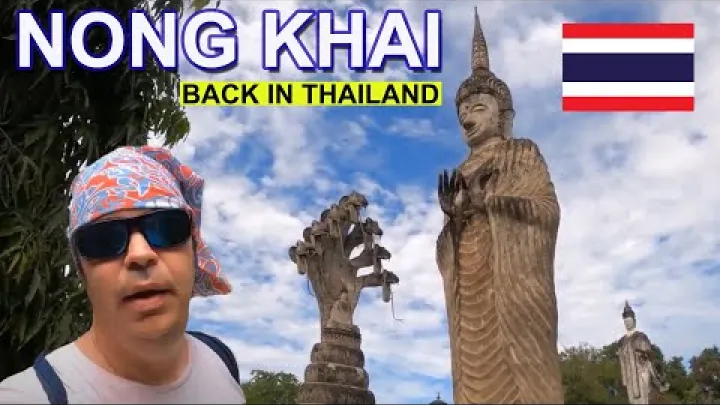
![Preview image for the video "RURAL THAILAND ISAN: NONG KHAI AT MEKONG RIVER [S5 E34]".](/sites/default/files/styles/media_720x405/public/oembed_thumbnails/2026-06/UJCTH_FMm2EhZzTF72I1md6WB3Z4FziKMS5WB6F3hdE.jpg.webp?itok=1XyDkoBQ "Preview image for the video \"RURAL THAILAND ISAN: NONG KHAI AT MEKONG RIVER [S5 E34]\".")
The Mekong may look fuller and more dramatic in this period, which can be appealing for photography and riverfront atmosphere. At the same time, wet pavements, sudden downpours, and changing river conditions can affect riverside walks, open-air dining, and boat-related plans. First-time visitors who want the easiest weather will usually be happier in the cool season.
October to December: Festival Season and Dry-Season Return
October is a transition month. It has strong cultural appeal but is not as weather-reliable as November to February. Travelers may choose October for Wan Awk Pansa, Naga Fireball-related travel, and rowing events, but rain and humidity can still be part of the trip.
The Naga Fireball phenomenon is associated with the Mekong around the end of Buddhist Lent, but visibility and conditions are not guaranteed for every visitor. If this is your main reason to visit, plan accommodation early and confirm the annual event schedule because lunar-calendar dates shift. November and December usually bring a return to more comfortable dry-season travel, although late December and New Year periods may bring more demand for rooms and transport.
Best Time to Visit by Travel Style
General Sightseeing and Riverside Walks
For general sightseeing, November to February is the best season. These months are usually the most comfortable for temples, markets, riverside walks, open-air dining, and relaxed city exploration. February can be a good balance for travelers who want pleasant weather without relying on the busiest late-December holiday period.
Even in the best months, the midday sun can be strong. Start early for the Nong Khai city riverfront, use shaded streets or covered market areas during the middle of the day, and return outside later in the afternoon when the light is softer and walking is easier.
Festivals and Cultural Events
Festival-focused travelers may choose months outside the best-weather window. The official Tourism Authority of Thailand highlights local anchors including Tha Sadet Market, the Thai-Lao Friendship Bridge, the Rocket Festival in May, and the Thai-Lao Rowing Festival at the end of Buddhist Lent.
May is therefore more interesting for culture than for weather comfort. October can also be important because of events around the end of Buddhist Lent, including Wan Awk Pansa, rowing-related activity, and Naga Fireball travel. Because festival dates can depend on the lunar calendar and local programming, confirm exact annual dates before booking transport and accommodation.
Budget and Low-Crowd Travel
Travel outside the main cool-season peak may offer better value or fewer visitors, but this is not guaranteed. Prices and availability can change around Thai holidays, local festivals, weekends, and cross-border travel demand. Avoid assuming that rainy season is always cheap or empty.
June and parts of the rainy season can work well for flexible travelers who can accept humidity and showers. The trade-off is simple: you may gain a quieter atmosphere, greener scenery, or better availability, but you also need to allow more time for weather changes and avoid planning every important activity outdoors.
Heat-Sensitive and Rain-Sensitive Travelers
If you are heat-sensitive, rain-sensitive, traveling with young children, or planning a slower trip with older travelers, December to February is the safest recommendation. These months usually offer the best combination of lower heat, lower humidity, and lower rain risk.
Think carefully before visiting in April or May if you struggle with heat. Choose air-conditioned accommodation, drink water regularly, and avoid long walks in the middle of the day. If rain is your main concern, be cautious with August and September, when monsoon interruptions and high-water conditions can be more relevant.
Rainy Season, Mekong River Levels, and Weather Risks
What Rainy Season Usually Means
Rainy season in Nong Khai usually means frequent showers or storms, not nonstop rain every day. A day may include bright periods, heavy rain, and humid calm all within a short time. This is why flexibility matters more than canceling the idea of travel completely.
Common practical effects include wet streets, slower movement, laundry drying slowly, and the need to change outdoor plans at short notice. Pack a compact umbrella or light rain jacket, use footwear that can handle wet pavements, and keep important documents protected from rain. The positive side is greener scenery, dramatic skies, and sometimes a quieter travel atmosphere.
Flooding and High River Levels
Nong Khai’s position on the Mekong makes river levels relevant during the wet season. Basin-level flood-season reporting from the Mekong River Commission shows why rainfall and river response are important considerations across the Lower Mekong during wet periods.
This does not mean severe flooding is normal for every rainy-season trip to Nong Khai. It does mean that high water, localized flooding, or temporary changes in riverside access can matter in low-lying areas after heavy rain. Before riverfront activities or boat-related plans in the wettest months, ask your hotel, local operators, or local authorities about current conditions and follow their instructions.
Tropical Storm Remnants and Heavy Rain Caveats
Nong Khai is inland, so coastal storm surge is not the concern. The more relevant issue is that remnants of tropical storms or typhoons can sometimes enhance monsoon rain over inland northeastern Thailand. This can lead to heavier rainfall than a normal shower pattern.
If you travel in the late rainy season, check forecasts more carefully in the days before arrival and during your stay. Build extra time into transport plans, especially if you are connecting to other Isan cities, crossing toward Laos, or relying on outdoor festival activities.
Packing and Daily Planning Tips
What to Wear and Pack by Season
For the cool season, pack light, breathable clothing plus a thin layer for early mornings, evenings, buses, and air-conditioned rooms. You do not need bulky cold-weather clothing, but a light shirt or jacket can make mornings more comfortable.
For the hot season, choose breathable fabrics, sun protection, a refillable water bottle, and comfortable walking shoes. Plan for air-conditioned rest breaks rather than trying to walk continuously. For rainy season, pack quick-dry clothing, sandals or footwear suitable for wet streets, and compact rain protection.
If you visit temples, bring clothing that covers shoulders and knees respectfully. This is useful in every season, so choose light fabrics that meet temple expectations without making you too hot.
How to Schedule Days Around Heat and Showers
In hot months, schedule outdoor walking early in the morning and again in the late afternoon. Use midday for lunch, cafes, rest, transport planning, or covered market time. This simple rhythm can make March to May much easier.
During rainy season, keep a flexible list of sheltered options. You might walk the riverfront when the sky is clear, then move to Tha Sadet Market or a cafe if rain arrives. Check the short-term forecast close to your travel dates, but also be ready to adjust hour by hour because tropical showers can be localized.
Final Recommendation for Planning Your Trip
For most travelers, the best time to visit Nong Khai is November to February, with January and February especially comfortable for walking, river views, markets, and relaxed city sightseeing. Choose October if festivals and the Naga Fireball period are your main priority, but accept that weather is less predictable. Consider June or other rainy-season periods only if you are flexible and comfortable with showers and humidity.
If you want the easiest trip, avoid building your first Nong Khai visit around April heat or the wettest monsoon months. Pack for the season, check the forecast shortly before arrival, and plan your days around the Mekong riverside rhythm: early outdoor time, shaded midday breaks, and flexible evenings by the river.
Select area
Create a post
Posting is free and no registration is required.