Ayutthaya Travel Guide: First-Time Visitor Tips

This Ayutthaya travel guide is for travelers who want a practical first look at Thailand's former capital without turning the trip into a rushed checklist. Ayutthaya sits in Central Thailand, close enough to Bangkok for a day trip but rich enough for one or two nights. Its temple ruins, rivers, museums, markets, and food scene reward visitors who plan around heat, distances, and transport. This guide covers where to stay, when to visit, how to get around, what to see, what to eat, and how to build a realistic itinerary.
Ayutthaya Travel Guide at a Glance
Ayutthaya is officially Phra Nakhon Si Ayutthaya, a historic province and city north of Bangkok. The Tourism Authority of Thailand describes it as a place where visitors can explore Thai history within easy reach of the capital. For most travelers, the main planning choice is simple: visit as a focused day trip from Bangkok or stay overnight to experience the temples at a calmer pace.
Why Ayutthaya Is Worth Visiting
Ayutthaya is worth visiting because it combines major historical ruins with a river landscape and a manageable travel distance from Bangkok. The old capital's temples are not grouped in one enclosed complex; they spread across the historical island and nearby areas, creating a sense of a lived-in city built around heritage rather than a single museum site.
The main appeal is the mix of architecture, history, atmosphere, and food. You can spend the morning among brick stupas and prangs at Wat Mahathat, Wat Ratchaburana, and Wat Phra Si Sanphet, then move to riverside viewpoints, boat noodles, grilled river prawns, or a quiet evening by the Chao Phraya River. For travelers building a Thailand travel guide itinerary, Ayutthaya is one of the easiest ways to add Central Thailand history without taking a domestic flight.
A day trip works well if you have limited time. An overnight stay is better if you want cooler morning visits, sunset photography, relaxed meals, or museums without rushing.
How Much Time You Need
There is no single perfect length for every traveler. The right amount of time depends on how much history you enjoy, how comfortable you are in hot weather, and whether you prefer independent movement or guided transport.
| Trip length | Best for | Main trade-off |
|---|---|---|
| Day trip | Travelers short on time in Bangkok | Efficient, but can feel hot and rushed |
| One night | Most first-time visitors | More relaxed, but needs accommodation planning |
| Two days | History, food, and photography-focused travelers | Better pacing, with more local transport decisions |
| Three days | Slow travelers, families, and Central Thailand add-ons | Best depth, but may be too slow for short Thailand trips |
If you only want the most famous temples, a day is enough. If you want to understand the city and avoid sightseeing during the hottest hours, plan at least one night.
Understanding Ayutthaya's Layout and Where to Stay
Ayutthaya is easier to plan once you understand that the main sights are spread across a historical island and surrounding districts. Distances are not extreme, but the heat, traffic, bridges, and temple surfaces make location and transport important.
The Historical Island, Rivers, and Main Sight Clusters
The historic core is commonly understood around the historical island, shaped by waterways including the Chao Phraya River, Pa Sak River, and Lopburi River. Many first-time visitors focus on the central temple cluster on or near the island, then add one or two off-island sights.
A practical way to think about the city is by clusters. The central ruins include Wat Mahathat, Wat Ratchaburana, and Wat Phra Si Sanphet. Riverside and off-island highlights include Wat Chai Watthanaram and Wat Yai Chai Mongkhon. Museums such as Chao Sam Phraya National Museum help connect the ruins to the former capital's wider story.
Some temples look close on a map but are less comfortable to reach on foot in midday heat. Plan your route by area rather than jumping across the city for every individual sight.
Best Base Areas for First-Time Visitors
For most first-time visitors, the historical island is the most convenient base. It reduces travel time to major ruins and makes it easier to return to your room for rest, water, or a change of clothes. Riverside areas are better for atmosphere and slower evenings. Outer districts can work for drivers or travelers with specific transport needs, but they are usually less convenient for temple-focused sightseeing.

| Base area | Why stay there | Best for |
|---|---|---|
| Historical island | Close to major ruins and practical transport | First-time visitors and short stays |
| Riverside areas | Quieter setting, river views, relaxed evenings | Couples, photographers, and slow travelers |
| Outer districts | May offer more space or easier road access | Drivers, repeat visitors, and transit stays |
Instead of choosing a hotel only by rating, check its position against your planned sights. A cheaper room far from the historical island can cost more in time and local transport.
How the Layout Affects Walking, Cycling, and Tuk-Tuks
Walking is useful inside temple compounds and between some central sights, but Ayutthaya is not fully walkable for every traveler. Heat, sun exposure, limited shade, and road crossings can make a full walking day tiring.
Bicycles are popular because many areas are flat, and they work well in the morning or late afternoon for confident riders. Tuk-tuks or hired drivers are more comfortable if you want to include off-island temples, travel with children, avoid cycling in traffic, or move efficiently in hot weather.
Wear comfortable footwear. Temple grounds can include uneven bricks, gravel, steps, and exposed surfaces. If rain is possible, choose shoes with grip rather than smooth sandals.
Best Time to Visit Ayutthaya
Ayutthaya can be visited year-round, but comfort changes strongly by season and time of day. Because much of the experience is outdoors, weather planning matters more here than in a city built around indoor attractions.
Season-by-Season Weather Expectations
Central Thailand generally has cooler dry months, a hot season, and a rainy season. November to February is usually the most comfortable period for outdoor temple visits, although this can also mean more demand for accommodation and tours. March to May can feel very hot, so early starts and longer rests become important. The rainy season can still work well if you stay flexible and prepare for showers.
Before and during your trip, check current local conditions with the Thai Meteorological Department. Weather patterns vary from week to week, and a current forecast is more useful than relying only on general seasonal advice.
Best Times of Day for Temples and Photography
Early morning is usually the best time to start. Temperatures are more comfortable, the light is softer, and you have more energy for walking through large ruins. Late afternoon is another strong window, especially for photography and riverside temples.
Use midday for lunch, a cafe break, a museum, a rest at your accommodation, or travel between areas. This is not wasted time; it helps you enjoy the morning and late afternoon instead of becoming exhausted early.
Wat Chai Watthanaram is a popular late-day choice because of its riverside setting and dramatic profile. Sunset conditions are never guaranteed, so treat it as a good possibility rather than a fixed promise.
Rainy Season Planning and Local Weather Checks
Rainy-season travel needs flexibility. Carry a light rain jacket or umbrella, use a waterproof cover for important items, and keep your phone protected so maps and transport communication remain available.
Heavy rain can make paths slippery, affect river areas, slow road travel, and reduce comfort at exposed ruins. It does not mean you must cancel your trip, but it is wise to build backup options into the day. Museums, long lunches, markets, and short rest breaks can help you wait out poor weather.
Check the forecast close to travel and again each morning. If rain is likely, prioritize your most important outdoor temples first and keep the rest of the route flexible.
Getting to Ayutthaya and Getting Around
Ayutthaya is close enough to Bangkok to make transport straightforward, but details change. Schedules, stations, pick-up points, ticket rules, and road traffic can affect the experience, so confirm current information shortly before travel.
Getting from Bangkok to Ayutthaya
The common ways to travel from Bangkok to Ayutthaya are train, van, bus, private car, or organized tour. The train is often attractive for independent travelers because Ayutthaya Railway Station is close to the city and can be an inexpensive, direct-feeling option. Vans and buses may be faster in some conditions but depend on departure points and road traffic. A private car or driver gives the most flexibility, especially if you want door-to-door service or a side trip.
Organized tours are the simplest option for many first-time visitors. They reduce decisions about routes and local transport, but they also limit how long you spend at each stop. Road travel times can vary, especially around Bangkok, so avoid planning a tight evening commitment immediately after your return.
Independent Travel Versus Organized Day Trips
Independent travel suits visitors who like control. You can start early, choose fewer temples, rest when needed, and stay longer at places you enjoy. It also works well if you are staying overnight and do not need to return to Bangkok the same day.
Organized day trips suit travelers who prefer simple logistics, a guide, and bundled transport. They can be especially helpful if you have limited time, do not want to negotiate local transport, or want historical explanation while visiting the ruins.
The main downside of a tour is reduced flexibility. Popular tours may overlap at major temples, and you may not be able to wait for better light, skip a stop, or extend lunch. Before booking, check recent reviews, group size, included admissions, meal details, pick-up location, and cancellation rules.
Local Transport: Tuk-Tuks, Bicycles, Boats, and Walking
Tuk-tuks are a common visitor option for temple circuits. Before starting, agree clearly on the route, duration, waiting time, and price. If you are unsure, ask your accommodation to help arrange a driver or explain a reasonable plan.
Bicycles are useful for confident riders in cooler hours, especially around flatter central areas. They are less appealing in strong heat, heavy rain, or busy traffic. If renting any motorized vehicle, make sure you have appropriate experience, a valid licence for the vehicle type, a helmet, and travel insurance that covers your activity.
Boat trips can add a useful river perspective, especially because Ayutthaya's geography is closely tied to waterways. Walking remains important inside temple compounds, so even if you hire transport, expect time on foot.
Transport Details to Verify Before You Go
Because transport information can change, verify the details that affect your day rather than relying on old timetables. Check your Bangkok departure station, current schedule, ticket rules, pick-up point, drop-off point, luggage policy, and final return option.
- For trains, confirm the departure station and arrival at Ayutthaya Railway Station.
- For vans or buses, confirm the exact terminal or pick-up point in Bangkok.
- For tours, confirm what is included and how long you spend at each stop.
- For local tuk-tuks or drivers, agree on the route and duration before leaving.
- For overnight stays, ask your accommodation about current local transport options.
This careful approach is especially useful for day trippers, because missing a late return option can make the end of the day stressful.
What to See and Do in Ayutthaya
The best Ayutthaya itinerary is selective. The city has many ruins and attractions, but a first visit is more rewarding when you choose a few strong sites and give them enough time.
Essential Temple Ruins and Historical Park Highlights
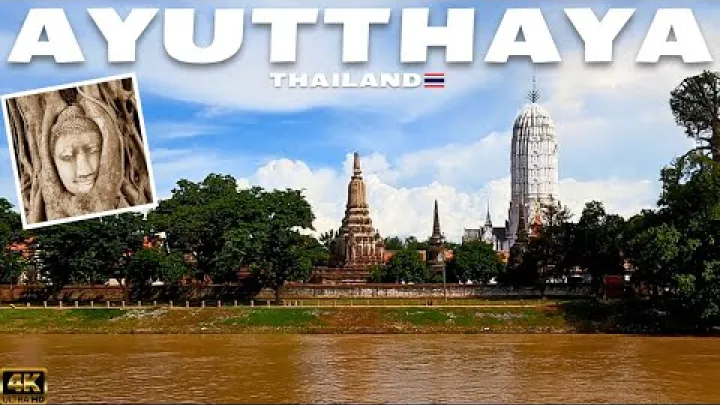
Wat Mahathat is one of the most photographed stops, known for the Buddha head entwined in tree roots. Treat this as a sacred image, not a prop. Keep a respectful distance, follow local instructions, and avoid posing in a way that appears disrespectful.

Wat Ratchaburana adds impressive architecture and a strong sense of vertical scale. Wat Phra Si Sanphet is important for understanding the former royal center and is often paired with nearby central ruins. Together, these three sites form a practical core for a short first visit.
Wat Chai Watthanaram is a major riverside temple and a strong choice for late afternoon if transport and timing allow. Wat Yai Chai Mongkhon, off the main island, is often included because it combines large-scale temple architecture with active worship. You do not need to visit every ruin. A better first route is usually three central temples, a rest, then one off-island or riverside site.
Museums and Heritage Context
The Chao Sam Phraya National Museum is a useful complement to the temple ruins because it helps connect visible architecture with historical objects and royal context. It is also a practical midday option when outdoor sightseeing becomes uncomfortable.
Baan Hollanda and the Japanese Village can help visitors understand Ayutthaya's historical trading connections. These places show that the old capital was not only a religious and royal center, but also part of wider regional and international networks.
Before visiting any museum, check current opening days, hours, and ticket details. Museums can have different schedules from temple sites, and some smaller heritage attractions may be affected by maintenance, events, or staffing.
Riverside Sights, Markets, and Bang Pa-In Side Trips
Ayutthaya's rivers are not just scenery; they help explain why the city developed where it did. A boat ride can make the layout easier to understand and gives a different view of temples, houses, and river life.
Ayothaya Floating Market is a lighter food, shopping, and entertainment stop. It is best understood as a visitor attraction rather than a remote traditional market. Go if you want an easy break from ruins, snacks, and a more casual atmosphere.
Bang Pa-In Summer Palace is a common nearby side trip when time and transport allow. It fits best into a two-day or three-day Ayutthaya plan, or into a private-car itinerary. Check current access rules, opening details, and dress expectations before going.
Food, Costs, and Practical Essentials
Ayutthaya is not only a temple destination. Food, markets, river restaurants, and simple logistics can shape the quality of your visit, especially if you stay overnight.
What to Eat in Ayutthaya
Boat noodles are one of the classic local food experiences.
Grilled river prawns and freshwater fish dishes reflect the city's river setting. They are often served at riverside restaurants and can be a highlight for travelers who enjoy seafood. Roti sai mai, a sweet snack made with thin candy floss wrapped in soft roti, is another well-known Ayutthaya treat and easy to share.
For meals, look at noodle shops, markets, and riverside restaurants rather than chasing one fixed must-visit place. Choose busy, clean-looking stalls, drink safe water, and be cautious with raw or uncovered food if you have a sensitive stomach.
Budget Categories and Cost Expectations
Ayutthaya can be budget-friendly for independent travelers, especially as a day trip by public transport. Costs rise with private cars, guided tours, riverside accommodation, special meals, and side trips such as Bang Pa-In.
| Cost category | What affects it | Planning tip |
|---|---|---|
| Bangkok transport | Train, van, bus, private car, or tour | Compare comfort with flexibility |
| Local transport | Tuk-tuk, bicycle, boat, or driver | Agree on route and price first |
| Accommodation | Location, season, and riverside setting | Book earlier in busy periods |
| Admissions | Temples, museums, and side attractions | Carry cash and check current details |
| Food | Street food, cafes, or riverside restaurants | Mix simple meals with one special meal |
Rather than relying on fixed price lists, build your budget by category. This keeps the plan useful even when fares, admissions, or menus change.
Tickets, Cash, Booking, and Connectivity
Carry cash for small payments, local transport, snacks, markets, and some admissions. Do not assume every small vendor or attraction will accept cards or mobile payment options familiar from Bangkok.
Check attraction opening hours and ticket details shortly before travel, especially for museums and side trips. If you travel during a busy season, book accommodation ahead and confirm your arrival time with the property.
- Keep small notes for tuk-tuks, snacks, and temple admissions.
- Save offline maps or keep mobile data available.
- Carry sun protection, water, and rain protection when needed.
- Keep a simple list of priority sights in case plans change.
Suggested Ayutthaya Itineraries
The following itineraries are designed for first-time visitors. They avoid overloading the day and leave space for heat, meals, transport delays, and personal interests.
One-Day Ayutthaya Itinerary from Bangkok
Leave Bangkok early and travel to Ayutthaya by your preferred method. Start with the central temple cluster: Wat Mahathat, Wat Ratchaburana, and Wat Phra Si Sanphet. These give a strong introduction without needing to cross the city repeatedly.
Take a proper lunch break and avoid pushing through the hottest part of the day. In the afternoon, choose one museum, one additional central ruin, or one off-island temple. If timing and transport are smooth, Wat Chai Watthanaram can be a strong late-day stop.
A hired tuk-tuk, driver, or guided tour can reduce friction on a day trip. Keep the plan realistic and protect enough time for your return to Bangkok.
Two-Day Ayutthaya Itinerary for a Slower Visit
On day one, arrive from Bangkok and focus on the central ruins in the morning or late afternoon, depending on your arrival time. Use midday for lunch, check-in, and rest. In the evening, choose a riverside meal or a sunset temple if conditions are good.
On day two, start early with an off-island temple such as Wat Yai Chai Mongkhon or Wat Chai Watthanaram. Later, visit Chao Sam Phraya National Museum or another heritage site to add context. Leave time for boat noodles, roti sai mai, or a relaxed market stop before departing.
This two-day pace is meaningfully different from a stretched day trip because it gives you the best outdoor hours twice. It also lets you pause when the weather, crowds, or your energy level make a slower rhythm wiser.
Three-Day Ayutthaya Itinerary with Central Thailand Add-Ons
A three-day visit suits travelers who want depth rather than speed. Use the first two days for the historical island, off-island temples, museums, food, and a boat or riverside experience.
Use the third day for Bang Pa-In Summer Palace, additional museums, slower neighborhood exploration, or another river-based experience. If you plan broader Central Thailand add-ons, arrange transport carefully and avoid adding too many distant stops to one day.
This pace works well for photographers, families, history-focused travelers, and anyone who wants to avoid constant movement. Slowing down also makes it easier to visit temples in better light and rest during uncomfortable weather.
Safety, Etiquette, and Responsible Travel
Ayutthaya is a practical destination for many international travelers, but comfort and respect matter. Most problems are avoidable with heat awareness, road caution, modest temple behavior, and sensible personal-security habits.
Temple Etiquette and Respectful Behavior
Many temple ruins are still sacred or culturally sensitive spaces. Dress modestly, especially at active worship areas. Conservative temple guidance commonly recommends covered shoulders and clothing that reaches around the knees; Nok Thai Tour gives similar practical dress-code advice for visitors.
Remove shoes where signs or staff indicate. Speak quietly, do not climb on protected structures, and avoid touching or leaning on Buddha images. When photographing sacred objects, keep your posture respectful and follow local instructions.
Hot weather can make modest dress feel challenging, so choose light, breathable clothing rather than very revealing clothing. A light scarf or overshirt can help when moving between temples and casual areas.
Heat, Rain, Traffic, and Personal Security
The main everyday risks for visitors are heat, dehydration, slippery surfaces after rain, and road awareness. Carry water, use sun protection, rest during the hottest hours, and be careful on uneven bricks or wet steps.
Use normal personal-security habits. Watch your bag in crowded areas, do not leave valuables unattended, and keep important documents secure. At night, use well-known transport arrangements and avoid unnecessary risks in unfamiliar areas.
For broader national safety context, check current guidance from your own government before travel. The U.S. State Department publishes a Thailand travel advisory, but some advisory concerns may relate to other parts of Thailand rather than Ayutthaya specifically.
Responsible Heritage Travel
Responsible travel in Ayutthaya is practical and specific. Stay on permitted paths, follow signs and staff instructions, avoid touching fragile ruins, and do not remove stones, plants, or objects from heritage areas.
Respectful behavior helps protect sites for local communities and future visitors. It also keeps the city from becoming only a photo background. Ayutthaya is a living community as well as a historic destination.
Support local businesses when possible, reduce litter, carry a refillable water bottle where practical, and choose drivers or tours that respect site rules and local residents. Small actions matter when many visitors pass through the same fragile places.
Final Tips for Planning Your Ayutthaya Trip
Final Planning Checklist
Before you go, decide how long you want to stay, where you will base yourself, how you will travel from Bangkok, and how you will move between temple clusters. Choose your priority sights instead of trying to see every ruin.
- Pick a trip length: day trip, one night, two days, or slower three-day visit.
- Stay on the historical island for convenience or by the river for atmosphere.
- Confirm current transport details, including your final return option.
- Plan temple visits for morning and late afternoon when possible.
- Carry cash, water, sun protection, and modest temple clothing.
- Check current weather, attraction hours, ticket details, and access rules shortly before travel.
Ayutthaya is easy to reach, but it is better with thoughtful pacing. Treat it as more than a quick stop from Bangkok, and you will have time to appreciate the temples, rivers, food, and living heritage of one of Central Thailand's most memorable historic cities.
Select area
Create a post
Posting is free and no registration is required.