Ayutthaya Budget: Daily Costs, Prices, and Saving Tips
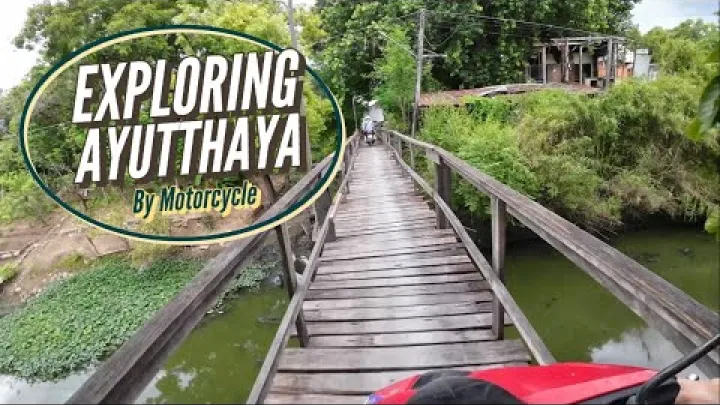
An Ayutthaya budget is easier to plan than a Bangkok budget, but the final cost depends strongly on how you move between temples. The main expenses are accommodation, local food, Bangkok access, bicycles or tuk-tuks, and entrance fees for major ruins in Ayutthaya Historical Park. This guide focuses on travel costs, not government or public-finance budgets. Use the ranges below as practical planning estimates in Thai baht, and check current prices locally because transport quotes, room rates, and attraction fees can change.
Ayutthaya Budget Snapshot
Ayutthaya can be a very affordable Central Thailand stop if you use public transport, stay near the city island, eat local food, and choose your paid temples carefully. Costs rise quickly when you add private drivers, many separate entrance tickets, Western meals, or a riverside hotel.
Daily Cost Ranges by Travel Style
For a simple Ayutthaya travel budget, separate your spending into four parts: stay, food, local transport, and activities. The figures below exclude international flights and long Thailand travel outside the Bangkok to Ayutthaya access leg. Accommodation is shown per person where relevant, with notes for private rooms.
| Travel style | Likely daily total | Typical breakdown | Best for |
|---|---|---|---|
| Budget | 900-1,600 baht | Dorm or cheap room, local meals, walking or bicycle, selective temples | Backpackers and low-cost day trippers |
| Mid-range | 1,600-3,200 baht | Private guesthouse or simple hotel, mixed meals, bicycle plus some tuk-tuk, several paid sites | Couples and travelers who want comfort without overspending |
| Comfortable | 3,200-6,000 baht or more | Nicer hotel, restaurant meals, private transport or tour, flexible attraction spending | Short-stay visitors and travelers prioritizing convenience |
Solo travelers usually pay more per person for private rooms and tuk-tuks because they cannot split the cost. Two travelers sharing a room and a vehicle can often travel more comfortably for only a moderate increase per person.
Day Trip Versus Overnight Budget
A Bangkok day trip to Ayutthaya usually saves the cost of a hotel, but it concentrates spending into one busy day. You may pay for return transport, local transfers, temple tickets, lunch, drinks, and perhaps a tuk-tuk to cover more distance in less time. Independent day trips can be low-cost, but a rushed route often pushes people toward convenience spending.
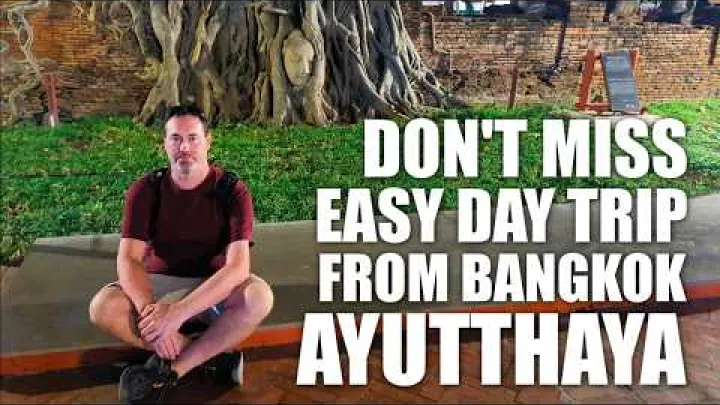
An overnight stay adds accommodation, but it can reduce pressure. You can sightsee in cooler parts of the day, walk or cycle more, visit fewer temples at once, and avoid paying extra just to move faster. Choose a day trip for speed and simple logistics. Choose an overnight stay for slower pacing and better value if you want to see more than the most famous ruins.
Group size changes the calculation. A private driver or tuk-tuk can be expensive for one person but more reasonable when divided among two to four people. A tour may also look costly at first, but it can be fair value if it includes Bangkok transfers, lunch, guiding, and entrance fees.
Why Ayutthaya Often Costs Less Than Bangkok
Ayutthaya generally has less pressure on accommodation and simple restaurant prices than Bangkok. A cost comparison by Numbeo indicates much higher rent and restaurant prices in Bangkok than in Ayutthaya, which matches the practical experience of many travelers using guesthouses and local food in the old capital.
This does not mean every Ayutthaya cost is lower. Tourist services such as tuk-tuks, private drivers, tours, and official attraction fees can still be significant. The savings come most clearly from simple rooms, local meals, shorter distances on the city island, and the option to explore much of the central Historical Park at a slower pace.
Transport Costs: Reaching and Moving Around Ayutthaya
Transport is often the category that decides whether Ayutthaya feels cheap or expensive. Public transport keeps the Bangkok access cost low, while tuk-tuks, tours, and private vehicles buy speed and comfort.
Train, Van, and Bus Costs from Bangkok
The train is often the lowest-cost common way to reach Ayutthaya from Bangkok. Basic rail services can be much cheaper than vans, buses, and organized tours, especially for travelers who do not mind simple seating and a less polished travel experience. Bangkok departure points may include Krung Thep Aphiwat Central Terminal or Hua Lamphong Station, depending on the service and ticket type.

Vans and buses usually cost more than the cheapest trains, but they may offer a more predictable seat, different departure locations, or simpler booking for some travelers. Recent traveler reports, including RooWanders, describe several Bangkok to Ayutthaya transport choices depending on budget and time. Because the available evidence is not fully official for every route and operator, verify current fares at the railway counter, van counter, operator desk, or booking platform before travel.
| Option | Budget impact | Trade-off |
|---|---|---|
| Basic train | Usually lowest cost | Simple comfort, check schedule and ticket type |
| Van or bus | Usually moderate | May be more convenient from some Bangkok areas |
| Organized tour | Usually higher | May include transfers, guide, lunch, or tickets |
Tours and Private Drivers as Convenience Upgrades
Guided day tours and private drivers are convenience upgrades, not the cheapest way to visit Ayutthaya. They can make sense if you have limited time, dislike coordinating transfers, or want a guide to explain major sites such as Wat Mahathat, Wat Ratchaburana, and Wat Phra Si Sanphet.
Before comparing a tour with independent travel, check exactly what is included. Important details are pickup point, return transport, guide, lunch, temple entrance tickets, parking, boat ride, and whether the tour visits Bang Pa-In Palace. A cheap headline price may exclude tickets, while a higher price may replace several separate payments.
Private drivers become more economical when shared by a small group. For a solo traveler, one private vehicle can dominate the daily budget. For a couple or family, the same vehicle may buy shade, air conditioning, and a flexible route at a more reasonable per-person cost.
Ferry, Walking, Bicycle, Motorbike, and Tuk-Tuk Costs
Local movement in Ayutthaya works best as a cost ladder. The cheapest approach is walking, especially around parts of Ayutthaya Historical Park and Rama Public Park. If you arrive at Ayutthaya Railway Station, the short river crossing toward the city island can help reduce the need for a longer road transfer. Small ferry prices can change, so treat them as minor cash expenses and confirm at the pier.
Bicycle rental is the core budget strategy for many visitors. It is usually affordable, gives enough range for the central temple area, and avoids repeated tuk-tuk payments. It is most useful if you stay near the city island, Naresuan Road, or the Historical Park area.
Motorbike rental can be faster for outlying temples, but it adds responsibilities. Check licensing rules, insurance coverage, helmet availability, fuel, deposits, and damage terms. Do not choose a motorbike only because it appears cheap if you are not licensed or confident in local traffic.
Tuk-tuks are convenient and sometimes very useful in heat or rain, but they can become one of the largest local costs. Always confirm whether the quote is per person, per vehicle, per hour, per route, or per day. Sharing a tuk-tuk makes much more budget sense than using one alone.
Accommodation Costs in Ayutthaya
Accommodation in Ayutthaya ranges from dorm beds and simple guesthouses to boutique riverside stays. The best value is not always the cheapest bed; location can reduce bicycle, tuk-tuk, and time costs.
Best Budget Areas to Stay
For most budget travelers, a base on or near Ayutthaya city island is practical. Staying near the Historical Park, Naresuan Road, food streets, bicycle rentals, and temple clusters can save more money than choosing a cheaper room far away. A central room may cost slightly more, but it can reduce transfers and make it easier to rest during hot hours.
Solo travelers usually benefit from hostels or centrally located cheap rooms because local transport costs are not shared. Couples often get better value from private guesthouses because the room cost is divided between two people. First-time visitors should prioritize a simple, walkable location over a remote bargain.
Hostels and Dorm Beds
Dorm beds are the lowest accommodation category for many Ayutthaya budget travelers. Hostel booking data from KAYAK shows low advertised hostel prices and also indicates seasonality, with March appearing cheaper in available data and August appearing more expensive. Use this as a planning signal, not a guarantee that the cheapest bed will be available on your dates.
Dorm prices are per person, not per room. They vary by month, weekday or weekend, booking timing, location, air conditioning, curtains, breakfast, lockers, and bathroom quality. If you visit during high season, weekends, or Thai public holidays, book earlier if a low rate matters.
| Stay type | How to compare | Budget note |
|---|---|---|
| Dorm bed | Per person | Lowest cost for solo travelers |
| Guesthouse room | Per room | Good value for two people |
| Simple hotel | Per room | Higher comfort, check location |
Guesthouses, Cheap Hotels, and Riverside Stays
Budget private rooms are often a strong-value choice in Ayutthaya. A solo traveler pays more than for a dorm, but gains privacy, quiet, and sometimes a better location. Two travelers sharing a room can often keep the per-person cost close to a hostel while gaining a private bathroom and more space.
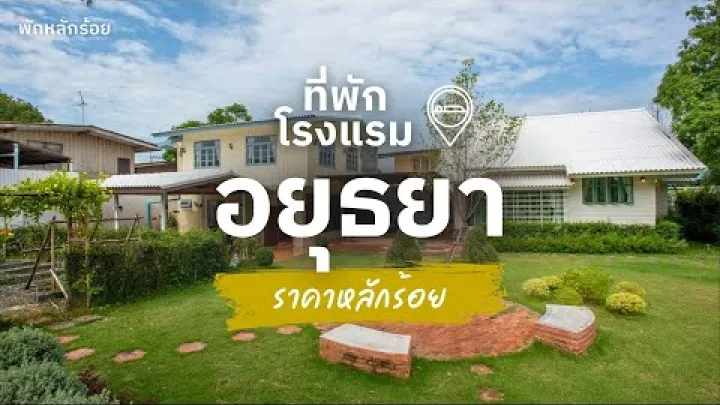
Simple guesthouses usually focus on basic rooms, fans or air conditioning, and practical location. Cheap hotels may add reception service, larger rooms, parking, or breakfast. Riverside stays near the Chao Phraya River or other waterways can cost more because of views, setting, restaurant space, or boutique design.
When comparing options, do not compare a dorm bed price with a private room price without dividing the room cost by the number of travelers. Also check whether air conditioning, private bathroom, breakfast, taxes, and cancellation terms are included.
Food and Drink Prices in Ayutthaya
Food is one of the easiest parts of an Ayutthaya budget to control. You can eat cheaply at local markets and simple restaurants, or spend more on cafes, Western dishes, desserts, and alcohol.
Street Food, Markets, and Simple Restaurants
Local Thai meals are the backbone of a low Ayutthaya food budget. Noodle soups, rice dishes, skewers, fruit, snacks, and market dinners are usually much cheaper than Western-style meals. Ayutthaya Night Market and local boat noodle shops are useful anchors for travelers who want affordable food without going far from sightseeing areas.
Prices vary by stall, location, portion size, and tourist demand. A small bowl of noodles or a snack may not be a full meal, so you may need two items. Even then, a local-food day can remain inexpensive if you drink water, avoid repeated cafe stops, and eat where local customers eat.
Cafes, Western Food, and Alcohol
Cafes, Western food, imported ingredients, desserts, and alcohol can raise spending quickly. They may still feel affordable compared with prices in many other countries, but they are expensive compared with local noodle shops and rice stalls.
A practical example shows the difference. A traveler eating local breakfast, noodles for lunch, market snacks, and a simple dinner may keep food spending low. The same traveler adding iced coffee, cake, a Western lunch, and evening drinks can more than double the daily food total. This is not a reason to avoid comfort; it is a reason to budget for it.
A good value strategy is to alternate. Eat local food for most meals, then choose one cafe, dessert, or nicer restaurant meal when it improves the day.
Sample Daily Food Budgets
Food spending can be adjusted day by day, which makes it one of the easiest categories for saving money. The ranges below are broad planning estimates.
| Food style | Daily estimate | Includes |
|---|---|---|
| Frugal local food | 200-350 baht | Simple meals, water, market snacks |
| Mixed local and cafes | 350-700 baht | Local meals plus coffee, dessert, or one cafe stop |
| Restaurant-focused | 700-1,400 baht or more | Restaurants, Western food, alcohol, desserts |
Travelers can eat well in Ayutthaya without spending much if they choose local places. The largest changes usually come from drinks, snacks, coffee, and restaurants rather than basic meals.
Temple and Attraction Fees
Ayutthaya’s famous ruins are the reason most travelers visit, and entrance fees can become a meaningful part of the budget. The key decision is whether to visit every paid site or combine a few landmark ruins with free or lower-cost stops.
Major Historical Park Ticket Costs
Major sites such as Wat Mahathat, Wat Ratchaburana, and Wat Phra Si Sanphet commonly require separate planning for entrance fees. If you visit many paid ruins in one day, tickets can cost more than food and sometimes more than local transport.
Admission levels have changed over time and may continue to change. The Ayutthaya tourist-site fee list maintained by Ayutthaya History is useful for understanding that foreign visitor admission fees are a real planning category, but you should still check the ticket booth or current signage before committing to a full temple circuit.
A selective visitor may spend modestly by choosing two or three headline sites. A comprehensive visitor who enters many ruins, adds a museum, and uses transport between them should budget more.
Free and Lower-Cost Temple Options
Not every temple or monument in Ayutthaya has the same admission cost. Functioning temples, outdoor Buddha images, and less central stops may be free or lower cost, but conditions can change. Examples often considered for lower-cost sightseeing include Wat Lokaya Sutharam and Wat Yai Chai Mongkhon, but confirm current fees, donation expectations, and access details when you arrive.
A good low-cost sightseeing strategy is to pay for the landmark ruins that matter most to you, then mix in open-air stops, working temples, and a walk through areas such as Rama Public Park. At worship sites, dress and behave respectfully. Even where entry is free, donations, toilets, parking, or small ancillary charges may still apply.
Bang Pa-In Palace and Optional Add-On Costs
Bang Pa-In Palace is outside the core Historical Park circuit, so it can add both entrance and transport costs. For a short Ayutthaya day trip, this extra travel time may reduce the value of the visit unless the palace is a priority for you.
Consider the cost per hour. If adding Bang Pa-In Palace requires a private vehicle, extra ticket, and a tighter schedule, it may be better saved for a longer trip. Also check dress rules, current admission, opening hours, and return transport before adding it to a budget itinerary.
Timing, Cash, and Price Verification
Ayutthaya prices are not fixed in the same way for every traveler. Your travel date, room availability, weather, and payment method can all affect the real cost of the day.
High Season, Weekends, and Booking Timing
The cool, dry season is popular in Central Thailand, and accommodation demand can increase. Weekends and Thai public holidays may reduce cheap-room availability and make tours, vans, and private drivers less flexible. Base transport fares may not always rise, but convenience can become more expensive when seats and rooms are limited.
Weekdays are often better for budget travelers. Book accommodation earlier for peak periods, especially if you need a dorm bed, a central guesthouse, or an air-conditioned room at a low price. Weather also affects spending: strong heat or rain can push travelers toward tuk-tuks, cafes, taxis, or shorter sightseeing days.
Cash, Small Notes, and Payment Limitations
Cash remains important in Ayutthaya, especially for budget transactions. Street food, small ferry rides, bicycle rentals, temple tickets, toilets, snacks, and tuk-tuks may require Thai baht cash. Cards or QR payments may be available in some larger businesses, but do not assume they will work for a day of temple hopping.
Carry small notes and coins. A practical cash buffer for a day trip is often at least 1,000-2,000 baht per person, depending on how many temples, meals, and transport upgrades you expect. Overnight travelers should carry more or know where they can use an ATM. Avoid relying only on a foreign card for small purchases.
Where to Check Current Prices on Arrival
Normal price checking is part of traveling well in Ayutthaya. Confirm train fares at railway counters, van prices at operator counters, room rates on current booking platforms, temple fees at ticket booths, and bicycle or motorbike terms at rental shops.
For tuk-tuks and private vehicles, always clarify the unit of the quote. Ask whether it is per person, per vehicle, per hour, per route, or for a full day. Travel blogs and social media can be helpful, but they may become outdated quickly. Build a small buffer into your Ayutthaya budget so one changed fee or extra transfer does not cause stress.
Sample Ayutthaya Budget Plans
The following sample plans show how different choices change the total. Treat them as planning models, not fixed itineraries.
Budget Backpacker Plan
A budget backpacker can keep costs low by using public transport from Bangkok, sleeping in a dorm or cheap room, eating local food, walking or renting a bicycle, and choosing a few paid temples rather than entering every site.
| Category | Budget choice | Upgrade to watch |
|---|---|---|
| Stay | Dorm or cheap guesthouse | Private room or peak-date booking |
| Food | Markets and simple Thai meals | Cafes, desserts, alcohol |
| Transport | Train, walking, bicycle | Solo tuk-tuk or private driver |
| Sights | Two or three paid landmarks | Full paid circuit plus add-ons |
This plan is realistic without being extreme. The main experience of Ayutthaya is still included: ruins, local food, and time around the Historical Park. The biggest optional upgrades are extra paid temples, cafe breaks, tuk-tuks, and tours.
Mid-Range Value Plan
The mid-range value plan is often the most useful for couples and travelers who want comfort. It might include a private guesthouse or simple hotel, air conditioning, local meals plus a cafe stop, bicycle use for central sites, and a tuk-tuk for farther temples or hot hours.
Compared with the backpacker plan, the extra money buys privacy, shorter walks, more flexible sightseeing, and less fatigue. Splitting a room and occasional vehicle costs keeps the per-person total reasonable. If you do not want to ride a motorbike, a short tuk-tuk route can replace it without committing to a full-day private driver.
Comfortable But Still Sensible Plan
A comfortable Ayutthaya plan can include a nicer hotel or riverside stay, restaurant meals, private or semi-private transport, and flexible attraction spending. This is not a luxury plan; it is a value-focused approach for travelers who have limited time or prefer less physical effort.
The biggest added costs are usually lodging, private transport, and bundled tours. Comfort spending is worthwhile when it saves heat, time, or stress. It may add less value if you pay for a private vehicle but still visit only one or two nearby sites that could have been reached by bicycle or a short tuk-tuk ride.
Best Ways to Cut Costs Without Missing the Main Sights
The highest-impact savings are simple. Use the train when it fits your schedule. Stay centrally. Walk or rent a bicycle for the city island and central Historical Park. Eat local food most of the time. Choose your temple priorities before you start paying separate entrance fees.
- Use public transport from Bangkok if your priority is the lowest access cost.
- Stay near Ayutthaya city island, Naresuan Road, or the Historical Park to reduce local transfers.
- Rent a bicycle for central sights if weather and fitness allow.
- Share tuk-tuks or private vehicles when you need them.
- Mix paid landmarks with free or lower-cost temples and outdoor stops.
- Carry small cash for food, tickets, ferries, toilets, and local transport.
- Plan a logical route to avoid backtracking and repeated tuk-tuk payments.
Avoiding one expensive transport choice can save more than skipping several small snacks. Good routing is often the best budget tool in Ayutthaya.
Frequently Asked Questions
How much money should I bring for one day in Ayutthaya?
For a budget day, bring at least 1,000-2,000 baht in cash per person, plus a card or extra reserve. This covers local food, small transport, several temple fees, drinks, and a buffer for tuk-tuks or changed prices.
Is Ayutthaya cheaper than Bangkok for travelers?
Often yes, especially for simple accommodation and local meals. However, tourist transport, private drivers, tours, and multiple temple tickets can still make an Ayutthaya day expensive.
Can I visit Ayutthaya on a budget day trip from Bangkok?
Yes. The cheapest approach is usually public transport, local food, walking or bicycle rental, and selective paid temple visits. Costs rise if you use a tuk-tuk for many hours or book a private tour.
Are Ayutthaya temple entrance fees included in tours?
Sometimes, but not always. Check whether the tour price includes entrance tickets, lunch, guide, pickup point, return transport, and any add-ons such as Bang Pa-In Palace.
Do I need cash in Ayutthaya?
Yes, cash is strongly recommended. Small vendors, bicycle rentals, ferries, toilets, temple booths, and tuk-tuks may not accept foreign cards, so carry small Thai baht notes and coins.
Final Budget Advice for Ayutthaya
Ayutthaya can be one of the better-value stops in Central Thailand if you make a few smart choices. The strongest budget plan is simple: use low-cost Bangkok access, stay near the city island, eat local food, explore the central ruins by foot or bicycle, and pay for the temples that matter most to you.
If you have limited time, spending more on a tour, tuk-tuk, or private driver can be reasonable. Just compare inclusions carefully and confirm current prices before you commit. With a small cash buffer and realistic expectations, you can plan an Ayutthaya budget that fits anything from a low-cost day trip to a comfortable overnight stay.
Select area
Create a post
Posting is free and no registration is required.