Mrauk U Travel Guide: Safety, Access, Temples & Planning
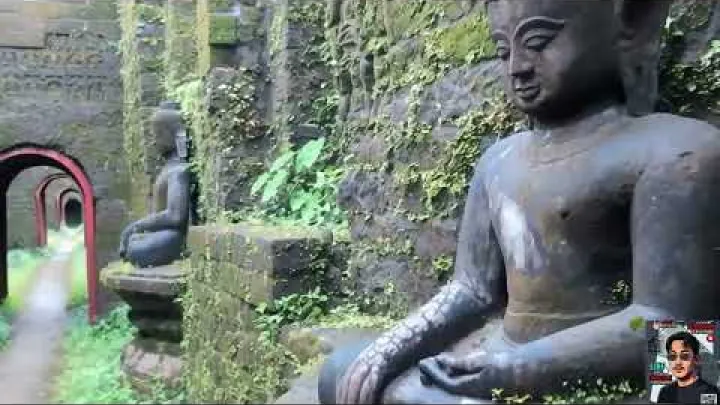
Mrauk U is one of the most distinctive heritage destinations in Western Myanmar, known for religious monuments spread across an inland landscape of hills, fields, villages, and waterways. However, this Mrauk U travel guide must begin with the current travel decision: official advisories make the area unsuitable for a routine leisure trip at the time of writing. The sections below explain the historical route through Sittwe and the Kaladan River, the main temples and viewpoints, seasonal planning, accommodation, daily logistics, and responsible preparation for a substantially safer future period. Treat historical transport, hotel, and sightseeing details as background rather than proof that any service is operating today.
Is Mrauk U Open for Tourism? Check Current Conditions First
The practical answer depends first on official security advice and lawful access, not on whether an old travel blog describes an enjoyable itinerary. Mrauk U is in Rakhine State, where conditions can change quickly and where online tourism information may remain available after routes, hotels, or permissions have changed.
Current advisories and the present go-or-no-go decision
At the time of writing in August 2026, Mrauk U should not be treated as open for routine international leisure tourism. The GOV.UK travel advice states that the FCDO advises against all travel to Rakhine State. This is a direct reason to postpone a holiday visit rather than proceed because an older guide describes the temples as accessible.
The U.S. Department of State also gives Burma, or Myanmar, a Do Not Travel warning. Its risk categories include armed conflict, unrest, arbitrary enforcement of local laws, crime, poor health infrastructure, landmines, and unexploded ordnance. These are not ordinary inconveniences that can be solved with a better itinerary, a private driver, or a larger travel budget.
Check the live U.S. and UK pages immediately before making a decision, and read the wording for both Myanmar as a whole and Rakhine State specifically. While official advice against travel to Myanmar or Rakhine State remains in force, the conservative choice for a leisure traveler is to postpone. Current government advice takes priority over hotel listings, promotional tourism pages, social media posts, and personal accounts from a more stable period.
How to read the rest of this guide
This article uses clear labels to separate historical information from advice that could be acted on today. Words such as historically, older accounts, and when access was permitted refer to conditions described before the present security situation. They do not confirm that a boat, bus, guesthouse, temple, guide, or viewpoint is currently available.
The practical sections are best understood as future planning notes. Route schedules, foreign visitor permissions, accommodation operations, local movement rules, and prices may change or disappear without reliable online updates. A description of a bicycle circuit or river excursion can help explain how Mrauk U fits together, but it is not a recommendation to attempt that activity while official warnings remain strongly negative.
Understand Mrauk U in Myanmar and Western Myanmar
A geographic and historical overview helps explain both the appeal of Mrauk U and the difficulty of planning a visit. It is not part of the simplest Myanmar tourist circuit, and its inland setting makes the connection between gateway, river, road, and heritage area especially important.
Mrauk U, Rakhine State, and the Sittwe gateway
Mrauk U is an inland heritage town in Rakhine State, in Western Myanmar. Sittwe, on the coast, was historically the main gateway used by visitors continuing toward Mrauk U. The Kaladan River provided the traditional water connection between the coastal city and the inland town.
This geography gives Mrauk U a different travel pattern from destinations built around a major airport, a continuous highway, or one compact archaeological park. A visitor historically had to think about the gateway in Sittwe, the river or road connection, arrival during daylight, and movement after reaching the heritage area. Hills, rivers, coastal conditions, and conflict-related restrictions can all affect that sequence.
The Lemro River is relevant to some historical excursions beyond the central monuments, but it should not be confused with the Kaladan route from Sittwe. Rakhine State is also not a uniform or freely connected tourist region. Relationships between towns that appear close on a map may not translate into a lawful, operating, or safe route for a foreign visitor.
Why Mrauk U is a distinctive heritage destination
Mrauk U was the former royal center of the Rakhine, also called Arakan, kingdom. Its religious monuments are distributed through a living landscape of low hills, fields, villages, lakes, and waterways. That setting is central to the experience: the temples are encountered as part of a town and its surrounding communities rather than as a single fenced site with one entrance and a standard visitor route.
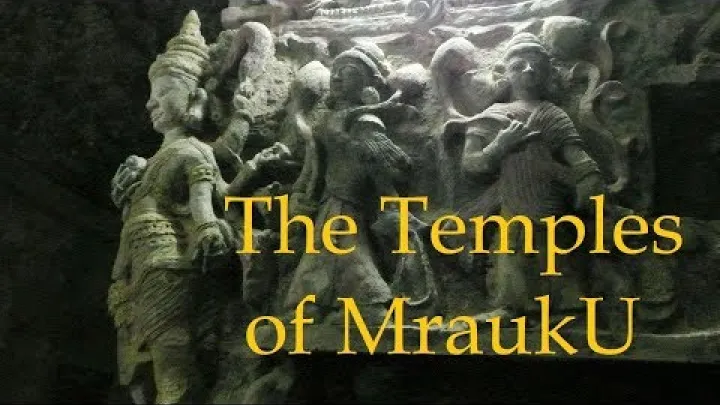
For first-time travelers, the architecture also creates a useful contrast with the more open brick temple landscape commonly associated with Bagan. Mrauk U is often described through substantial grey-stone and fortress-like religious buildings, with dark interiors, thick walls, enclosed passages, and monuments that appear integrated into the surrounding terrain. The contrast is a visual description, not a claim that one destination is more important than the other.
The heritage landscape should not be romanticized as an untouched secret or an isolated ruin. Contemporary Rakhine communities live around and alongside the monuments, and the area has a complex history of conflict, displacement, and humanitarian hardship. A responsible visitor would approach the temples as active religious and cultural places, not simply as scenery for an adventurous travel story.
Reaching Mrauk U: Historical Routes and Current Access Checks
Older travel information usually describes Sittwe as the starting point for the final journey to Mrauk U. That history is useful for understanding the destination, but it should not be converted into current transport instructions without direct confirmation.
Sittwe to Mrauk U by boat: the historical route
The classic historical sequence was to reach Sittwe and then travel upriver on the Kaladan River toward Mrauk U. Older accounts commonly describe the boat journey as taking roughly five to six hours, although the actual time would have depended on the vessel, river conditions, departure arrangements, and stops.
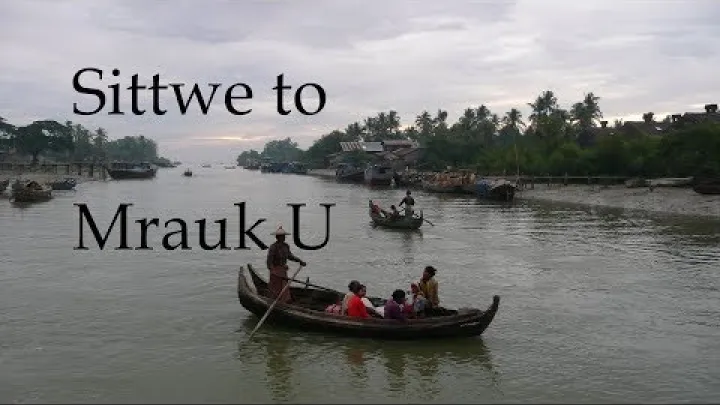
Historical information refers to more than one type of boat arrangement. Government ferry services were described in some periods, while private or locally arranged boats were used in others. Do not treat an old departure time, fare, vessel type, or journey duration as a current fact. A page that still displays an attractive river itinerary may simply be describing the period in which its writer traveled.
A firsthand historical account from Jenny Faraway describes the Sittwe-to-Mrauk U boat journey as a way to see river life and interact with local communities. That account is useful travel history, not evidence that the service is operating now. River travel can be affected by weather, daylight, security conditions, closures, changing rules, and whether foreign visitors are permitted to use the route.
The scenic value of the Kaladan journey does not make it safe or available under current advisories. If access improves in the future, confirm the departure point, operating date, daylight arrival, passenger requirements, cancellation procedure, and a realistic way to leave Mrauk U before committing to the trip.
Overland travel and movement around town
Older accounts also describe overland travel through mountainous roads and checkpoints. This was generally presented as a less predictable alternative to the historical river route, with road quality, travel time, permissions, and local restrictions affecting the journey. This guide does not provide a bus number, departure time, fare, or road condition because those details require recent confirmation.
Once in Mrauk U, visitors historically moved between temple areas by walking or bicycle. Tuk-tuks, local boats, and informal arrangements were also mentioned for some journeys. These options describe local transport patterns, not a guarantee that foreign travelers can currently enter the area, move freely, or hire the same services.
Keep three separate questions in mind:
- Can you legally reach Rakhine State? Entry into Myanmar does not automatically establish permission to travel onward to Mrauk U.
- Can you legally reach Mrauk U? A road, river, or flight connection may exist for residents or authorized movement without being available to foreign visitors.
- Can you move between sites after arrival? Local transport, paths, checkpoints, and rural permissions may differ from the conditions at the gateway.
Access verification before making bookings
Before making any future booking, use a written verification sequence. Record the date, time, contact name, and answer for every time-sensitive item rather than relying on a general statement that the region is open.
- Read the latest government advisories. Check the country-level warning and the specific advice for Rakhine State. Confirm that the advice does not prohibit the proposed journey.
- Confirm foreign visitor permission. Ask a current, credible source whether foreign visitors are lawfully permitted to reach Mrauk U and whether additional permits, registration, or route limitations apply.
- Confirm the gateway and connection. Check the actual operation of the Sittwe connection, whether by river, road, or another lawful route. Ask about daylight arrival, cancellations, and what happens if the service stops.
- Confirm the accommodation directly. Ask whether the property is open, accepts foreign guests, has usable utilities, and can help arrange lawful local transport.
- Confirm the exit plan. Do not verify only the outward journey. Establish how and when you could leave if a route closes, a permission changes, or conditions deteriorate.
- Keep payment flexible. Avoid non-refundable transport, rooms, tours, and transfers until the main route and lawful access have been confirmed through current channels.
Check more than one current source, but do not assume that several copied websites represent independent confirmation. A private guide, hotel, or boat operator cannot override an official restriction or make an unlawful route acceptable.
What to See and Do in Mrauk U if Access Resumes
Mrauk U is easier to understand as a group of temple zones than as a short list of isolated attractions. A future visit would require a mental map of the central town, northern monuments, eastern sites, southern lakes, viewpoints, and possible river excursions.
Organize a visit by temple zones
The monuments are spread around a modern town, fields, villages, lakes, and low hills rather than contained inside one compact archaeological enclosure. This layout is part of the character of Mrauk U, but it also means that a visitor needs to think about distance, daylight, road or path conditions, and the boundaries of lawful movement.
Older sightseeing patterns can be grouped into four broad areas:
- The central and northern temple area: This is the logical cluster for understanding the main urban heritage landscape and visiting several major monuments without treating every site as a separate long-distance trip.
- The eastern area around Koe-Thaung: Koe-Thaung is usually considered separately because its position and scale make it a distinct part of a future temple circuit.
- The southern lakes and surrounding landscape: These areas help explain the relationship between monuments, water, agriculture, and settlement.
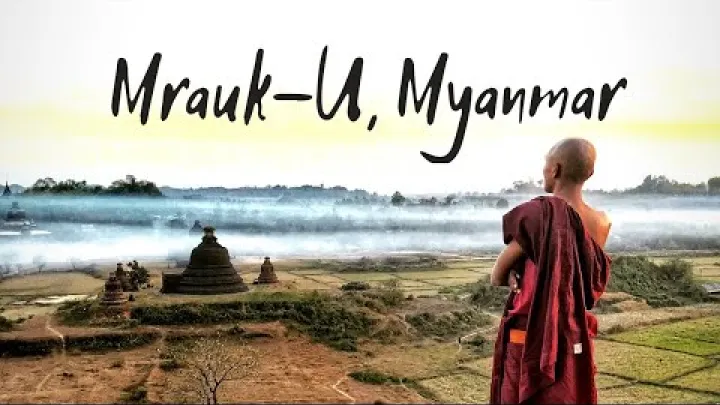
- Hills and viewpoints: Dawn and late-day views historically allowed visitors to see temple silhouettes, mist, fields, and low hills from above.
Walking and cycling were historically useful ways to explore the town and nearby temple zones. They should not be interpreted as permission to leave established routes or travel into unsupervised rural areas. If access resumes, use only paths and roads that a current local contact identifies as permitted and appropriate.
Major temples and religious sites
Shite-Thaung Temple and Koe-Thaung Temple are the best-known major monuments in many descriptions of Mrauk U. They differ in scale, layout, setting, and architectural detail. A future visitor should allow time to observe walls, passageways, images, stonework, and the way each building sits within the wider landscape instead of trying to reduce the visit to a checklist of names.
Other named religious sites include Mahamuni Buddha Temple, Andaw Thein Temple, the Sanda Muni Buddha Image, and Lawka Man Aung Pagoda. These places differ in religious significance and visual character, and some may feel more connected to local worship than to formal tourism. Their names appearing in an online attraction list does not guarantee that an interior, shrine, path, or surrounding area is open to visitors.
Temple etiquette should be simple and consistent:
- Dress modestly and follow local expectations for shoulders, legs, and general behavior.
- Remove footwear wherever local practice or posted instructions require it.
- Ask before photographing people, worshippers, ceremonies, or areas that are not clearly open to visitors.
- Do not touch images, inscriptions, walls, offerings, or conservation materials.
- Follow instructions from religious caretakers and local authorities, even if an older guide describes broader access.
Spellings and transliterations can vary between maps and travel pages. For a future trip, confirm the names, opening status, conservation condition, and permitted route for each site locally rather than assuming that every listed monument can be entered.
Dawn viewpoints and Lemro River or Chin village excursions
Older visitor descriptions mention viewpoints such as Discovery View and Sunrise Hill as places to experience dawn or dusk over temples, lakes, hills, and mist. These names should be treated as historical itinerary references until their exact locations, access paths, and current status are confirmed.
A viewpoint visit also requires more than a scenic forecast. Early departures may involve limited light, uneven paths, local permission, and movement away from the main town. Do not follow an online map into an unfamiliar area simply because a photograph suggests a good view.
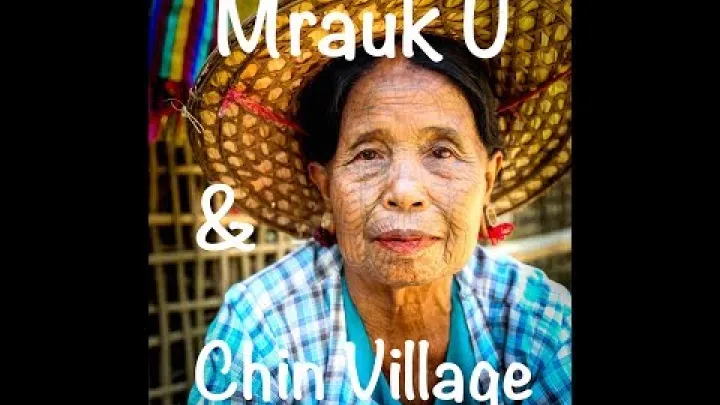
Lemro River trips were historically separate from the central temple circuit. They generally involved a local boat and guide and could include visits to rural and Chin communities. Such an excursion should never be treated as a standard attraction to be collected alongside temples.
Responsible cultural visits require current permission, community consent, and a clear understanding of what visitors are being invited to do. Ask before taking photographs, do not pressure residents to perform or pose, and do not enter homes, villages, or religious spaces without agreement. Because conflict, movement controls, and community conditions can change, rural excursions should not be promoted as normal activities unless local permission and conditions clearly support them.
Choose a Season Based on Weather and Current Conditions
Climate can help with future planning, but favorable weather never overrides an official travel warning or a restriction on movement. Think of the following periods as broad historical patterns rather than guaranteed travel windows.
Dry season: the historically favored window
Roughly mid-October through mid-March was historically considered the preferred period for Mrauk U. Conditions were generally drier and clearer, with cooler mornings and firmer paths supporting temple walks, bicycle rides, viewpoints, and river travel.
The dry season can make an outdoor heritage landscape more comfortable, but it does not remove security, permission, transport, or medical risks. A clear sky is not evidence that a route is operating or that a foreign visitor is allowed to use it. In a safer future period, combine seasonal planning with a current forecast and direct route confirmation.
Hot pre-monsoon months
March through May was historically hotter and more humid. Long walks, bicycle rides, exposed temple visits, and hill viewpoints could become physically demanding, especially during the middle of the day.
For a future period when travel is appropriate, plan outdoor activity for early morning or late afternoon, carry sufficient drinking water, use shade when available, and protect yourself from strong sun. Heat-related illness is more serious when pharmacies, clinics, emergency transport, and hospital care cannot be assumed to meet international traveler needs.
Do not let a plan built around early starts create a new problem. Confirm that the route, transport, and accommodation arrangements support those hours, and avoid treating heat management as a substitute for a sound travel decision.
Monsoon, rain, flooding, and route disruption
Approximately June through early October was the wetter period, with heavier rain, muddy roads, reduced visibility, and possible flooding. River and boat conditions can also become more difficult, while rain may compound road, flight, river, and conflict-related closures.
A monthly weather page such as the Mrauk-U listing from AccuWeather can provide a broad seasonal indication, but it cannot predict the conditions on a particular departure day or confirm that a route is usable. Check a current forecast together with local river and road information before any movement from Sittwe or travel outside Mrauk U.
Even in a substantially safer future, keep plans flexible during the wet season. Do not turn an old monthly pattern into a promise about a specific year, connection, or boat journey. When official access or local conditions remain unresolved, wet-season planning is not a reason to proceed.
Where to Stay and Handle Daily Logistics
Accommodation and daily services historically reflected Mrauk U's small-town setting. A future visitor would need to plan for fewer services and less reliable information than in Myanmar's major tourist centers.
Accommodation and the best historical base
Visitors historically based themselves in Mrauk U town, where small locally operated guesthouses and modest hotels provided access to the temple areas and helped arrange local services. Staying in town was more practical than assuming that every monument or rural area would have accommodation nearby.
Golden Mrauk-U Guest House and Golden Star Guest House can be mentioned as historical examples of the type of property travelers once used. Their names are not assurances that either property is open, accepts foreign guests, has the same management, or can currently support transport. Do not infer current availability, prices, review quality, or safety standards from an old listing.
Contact a property directly before committing to a future booking and ask:
- Is the property open on the exact dates requested?
- Does it accept foreign guests under the current rules?
- Are electricity, water, cooling, communications, and payment arrangements functioning?
- Can staff explain the current lawful transport options without promising access they cannot provide?
- What is the cancellation policy if a route, permit, or local restriction changes?
Booking platforms can be stale or incomplete in a conflict-affected destination. A confirmed-looking room is not proof that the property is operating or that the destination is accessible.
Food, cash, connectivity, and health essentials
Historically, daily life in Mrauk U included local markets, tea shops, family-run eateries, and rice or noodle dishes, with a smaller range of tourist-oriented dining than in larger Myanmar destinations. Food planning was therefore usually simple, but choice and opening hours could vary.
Mrauk U was generally treated as a cash-based destination using kyat. Travelers could not safely assume that ATMs, card payments, internet banking, mobile coverage, or reliable internet would be available when needed. Do not plan a future trip around a single payment method or one online communication channel.
Plan medication conservatively and carry essential prescriptions in their original packaging. Do not assume that a local pharmacy will stock a specific medicine, that a clinic can provide specialist care, or that hospital access will meet international expectations. A traveler who needs regular treatment should identify what support is realistically available before considering the destination.
Communication planning should also allow for interruption. Keep important contacts, accommodation details, identification information, and transport arrangements available offline. Tell a trusted person where you expect to be, but remember that a shared itinerary cannot provide assistance if communications and exit routes fail.
Costs, trip length, and booking flexibility
There is no dependable current price basis for Mrauk U in this guide, so old guesthouse, meal, boat, and bicycle prices should not be presented as typical costs today. Prices may be affected by route availability, fuel, local restrictions, payment access, and the cost of arranging a contingency exit.
A future budget should include these categories:
- Transport to Sittwe or another confirmed gateway and the onward connection to Mrauk U.
- Accommodation, including extra nights caused by delays.
- Food, drinking water, local transport, and communications.
- Guides, bicycles, boats, or other lawful local services.
- Travel insurance, emergency support, and any required administrative costs.
- A contingency reserve for cancellations, route changes, medical needs, or an early departure.
Do not market Mrauk U as simply cheap. Transport uncertainty, insurance exclusions, delays, communications, and contingency costs may matter more than the nightly room rate. A flexible trip structure should allow time for arrival, temple exploration, weather or transport disruption, and departure instead of depending on an old two-day or three-day schedule.
Safety, Permissions, and Responsible Travel
Any future visit would require more than ordinary sightseeing etiquette. Permissions, checkpoints, photography, community relations, and emergency planning all need to be handled conservatively.
Checkpoints, movement rules, and sensitive photography
Older travelers reported passport checks, checkpoints, curfews, monitoring, and changing restrictions around Sittwe and Mrauk U. Current rules may be stricter, differently applied, or unrelated to what an older visitor experienced. Treat this section as a behavior checklist, not as a complete statement of Myanmar law.
Before moving beyond the main town in a future period, ask a current and credible local contact about permits, checkpoints, movement restrictions, and photography rules. Follow the answer without improvising. A route that appears on a map, a path used by residents, or a location shown in a video is not automatically open to foreign visitors.
Do not enter restricted, closed, rural, or off-road areas without clear current permission. Landmines and unexploded ordnance are serious reasons not to leave confirmed paths or touch unfamiliar objects. Do not photograph military or security personnel, checkpoints, government buildings, communications facilities, transport infrastructure, or other sensitive subjects unless local rules clearly permit it.
When photographing religious sites or daily life, ask first and accept a refusal. Keep passports and required documents secure but available for lawful checks, and do not argue at a checkpoint or assume that a private guide can resolve a restriction. If instructions are unclear, stop and seek clarification rather than continuing.
Ethical engagement with Rakhine communities and heritage
Rakhine State has a history of conflict, displacement, and humanitarian suffering. A Mrauk U travel guide should not present the area only as an exotic ruin landscape or a place to find an unusual photograph. The communities living around the monuments are not part of a visitor attraction.
Use consent-based photography and respectful conversation. Ask before photographing people, homes, ceremonies, work, or children, and avoid treating poverty, displacement, or restricted living conditions as visual content. Do not pressure residents to provide access, perform cultural practices, or accept an arrangement they do not understand.
If travel becomes appropriate again, favor transparent local operators who explain prices, permissions, and the purpose of community visits. Support credible conservation or community initiatives when their work, funding, and local relationships are clear. Avoid activities connected to coercion, exploitation, forced access, or conflict parties, even if they are advertised as exclusive or adventurous.
Heritage respect also includes leaving objects where they are, not climbing on monuments, avoiding damage to fragile surfaces, and following religious instructions. A responsible visit should benefit from the landscape without adding pressure to communities or conservation sites.
Emergency planning and the limits of risk mitigation
In a substantially safer future period, review insurance exclusions before booking. Check whether the policy covers Myanmar and the specific region, whether armed conflict is excluded, and whether medical evacuation, emergency transport, cancellation, and repatriation limits are adequate. A policy that is valid for ordinary illness may not cover travel against an official warning or an active conflict risk.
Prepare several layers of support:
- Communication: Keep essential numbers and documents offline and plan for mobile or internet failure.
- Location sharing: Give a trusted person your accommodation, route, transport details, and expected check-in times.
- Medical planning: Carry necessary medication and know what level of treatment and evacuation support can realistically be reached.
- Exit thresholds: Decide in advance what will make you leave, such as a route closure, loss of communication, changed permission, worsening conflict, or inability to obtain reliable help.
- Financial reserve: Keep enough accessible funds for delays, a change of route, additional nights, or an early departure.
Insurance, a local guide, a contingency fund, and an offline map cannot remove the risk of armed conflict, detention, landmines, sudden closure, or inadequate medical care. If reliable evacuation, communication, legal assistance, or medical support cannot be confirmed, postpone rather than improvise.
Plan a Flexible Future Mrauk U Itinerary
A useful future itinerary should be modular. It should allow the traveler to remove a temple zone, viewpoint, or river excursion without creating pressure to take an unconfirmed route.
A sample structure for a stable period
The following is an illustrative framework, not a bookable itinerary or a promise that every traveler can complete it:
- Arrive through a confirmed gateway. Reach Sittwe or another lawful gateway only after the connection to Mrauk U has been confirmed for the relevant date and conditions.
- Settle in Mrauk U town. Use the first period to confirm accommodation, local permissions, transport, weather, daylight, and any changes to movement rules. Do not schedule a remote excursion immediately after arrival.
- Explore the central and northern temple cluster. Begin with the monuments that can be reached through confirmed local routes. Allow time to visit religious sites respectfully rather than rushing through a long list.
- Add the eastern area or viewpoints only if permitted. Koe-Thaung, Discovery View, Sunrise Hill, and other locations should be modular additions, dependent on current access, path conditions, and local guidance.
- Consider rural or Lemro River activities separately. Add a river or community visit only when a current local arrangement, community consent, lawful permission, and a safe return plan are all clear.
- Protect the departure period. Keep contingency time for rain, canceled transport, health needs, route changes, or a decision to leave early. Never make the final connection so tight that a delay forces risky movement.
The number of nights should be based on verified transport connections, daylight, weather, local permissions, and the ability to leave safely. It should not be selected only because an old account completed Mrauk U in two or three days. If a boat is canceled, do not automatically switch to an overland route; first confirm that staying, changing transport, or leaving is lawful and appropriate.
Final go-or-no-go checklist
Before considering a future leisure visit, write down the date and time of each check and keep the evidence available offline:
- Government advice: Are the latest U.S. and UK advisories compatible with leisure travel to Myanmar and Rakhine State?
- Foreign visitor access: Is there clear, current confirmation that foreign visitors may lawfully reach and move around Mrauk U?
- Transport: Are the gateway, river, road, or flight connections operating, with a daylight arrival and a realistic return option?
- Accommodation: Has the property directly confirmed that it is open, accepts foreign guests, and can support lawful local arrangements?
- Weather and routes: Do the current forecast and local road or river reports support the proposed movement?
- Insurance and medical support: Does insurance cover the destination and relevant risks, and can essential medical or evacuation assistance realistically be reached?
- Communication and exit: Can you contact someone outside the area, and do you have a clear threshold and practical method for leaving?
The central answer remains straightforward: while official warnings against travel to Myanmar or Rakhine State remain in force, postpone a leisure visit rather than treating Mrauk U as a normal tourist itinerary. A future visit becomes more reasonable only when authoritative advisories, local access, transport, accommodation, weather, medical support, and community conditions all support it. If a key safety or access question remains unresolved, delay is the responsible choice.
Conclusion: Let Current Conditions Set the Schedule
Mrauk U offers a remarkable historical landscape, from Shite-Thaung Temple and Koe-Thaung Temple to smaller religious sites, lakes, hills, and the historical river approach from Sittwe. Its appeal is inseparable from its geography and living communities, so understanding the destination requires more than collecting temple names or copying an old route.
For now, let current official advice set the schedule. Keep the historical information in this guide for future planning, but make a trip only when lawful access, transport, accommodation, medical support, and local conditions can be confirmed together. When that time comes, a flexible, respectful, and conservative itinerary will serve Mrauk U better than a rigid promise of easy travel.
Select area
Create a post
Posting is free and no registration is required.