Mrauk U Best Time to Visit: Weather by Month & Seasons

Choosing the best time to visit Mrauk U is mainly a decision about rain, heat, and how much flexibility your route allows. The temple area is in Rakhine State, where the monsoon is much wetter than in central Myanmar, and weather can affect paths, photography, river travel, and the length of each sightseeing day. November through February is usually the strongest overall period, while March to May and October can work with important trade-offs. This guide explains Mrauk U weather by month, compares each season by travel purpose, and shows how to use current weather information before departure.
The Best Time to Visit Mrauk U at a Glance
For most leisure travelers, the best time to visit Mrauk U is November through February. This period generally gives the best balance of drier conditions, more manageable temperatures, and useful daylight for exploring the archaeological landscape.
November to February is the Best Overall Window
November through February offers the strongest overall combination for a first visit. Rain is usually less disruptive than during the monsoon, daytime conditions are more manageable than in the hottest months, and early mornings and evenings can feel comparatively comfortable. These conditions make it easier to walk between temple sites, spend time at viewpoints, take photographs, and keep a full sightseeing day without constantly reorganizing plans around showers.
January and February can be especially attractive within this window because they are commonly associated with the more settled part of the dry season. November may still have some transition-weather uncertainty, while February can already feel warmer as the hot season approaches. Seasonal averages are not guarantees, so choose this period for the best odds rather than an assurance of clear skies every day. Destination guidance from Audley Travel also highlights the importance of heavy monsoon rain when deciding when to visit Mrauk U.
Months to Avoid or Approach with Caution
June through September is the core monsoon period. Frequent rain, high humidity, cloudier conditions, and wet ground can reduce the number of reliable outdoor sightseeing windows. A short trip that depends on walking through temple areas or following a fixed transport plan becomes less predictable, even when travel remains technically possible.
March through May is a different type of challenge. March can be hot while still offering some relatively drier conditions, but April and May generally bring more heat, humidity, and increasing signs of the approaching monsoon. Late May is therefore less attractive for travelers who want long days outdoors. The problem is not only rainfall: a mostly dry day can still be uncomfortable for extended walking if the temperature and humidity are high.
October and early November should be treated as transition periods rather than automatic alternatives or absolute no-go months. Rain may be easing, but paths and unpaved surfaces can remain saturated, and heavy showers may still remove several hours from an itinerary. Early November deserves a separate assessment from late October because conditions can improve as the season changes. These months are possible for flexible travelers, but they offer less certainty than the main November-to-February window.
Understanding Mrauk U's Climate and the Rakhine Monsoon
Mrauk U weather is easier to understand when it is compared with the rest of Myanmar. The country has broad cool-dry, hot, and rainy seasonal patterns, but those labels do not produce the same experience everywhere. Rakhine State and the Rakhine coast are much wetter than the central dry zone, so a general Myanmar best-season recommendation should be adjusted for this western destination.
Why Rakhine Is Wetter Than Much of Myanmar
Central Myanmar and western Myanmar have a strong regional contrast. The UNDP Climate Change Adaptation overview describes annual rainfall of less than about 1,016 millimetres in central Myanmar compared with about 5,080 millimetres on the Rakhine coast. These figures are broad regional comparisons, not a precise climate normal for every location, but they show why advice based on destinations around the central dry zone can be misleading for Mrauk U.
Mrauk U is inland from the coastal gateway of Sittwe, yet it remains part of the same Rakhine monsoon environment. Rainfall at Mrauk U will not match every coastal observation, but the regional pattern still matters for planning. Sittwe can be useful as a broad weather and route proxy, especially when checking coastal wind or sea conditions, but it should not be treated as an exact substitute for local observations in the temple area.
This regional difference affects more than whether an afternoon feels pleasant. Heavy rain can change the condition of unpaved surfaces, reduce visibility, make outdoor photography less predictable, and affect travel between the gateway and Mrauk U. It also explains why the rainy season deserves more weight in a Mrauk U itinerary than it might in a visit focused on central Myanmar.
How to Read the Available Mrauk U Climate Data
Available climate information for Mrauk U is not the same as a fully documented local weather-station normal series. Some local profiles use modeled historical climate data, while coastal information from Sittwe provides a regional comparison. Meteoblue, for example, presents simulated historical weather and climate information for Mrauk U. Such data is useful for identifying seasonal tendencies, but modeled values should be read as indicative rather than as official measurements for a specific hotel, path, or departure point.
For trip planning, broad categories are more useful than false precision. Think in terms of drier or wetter months, increasing or easing heat, and a higher or lower chance of losing outdoor time. A monthly average can help you choose between January and April, but it cannot tell you whether a particular boat will operate or whether a temple path will be dry on your arrival day. Use climate averages for long-range planning and a live forecast for the actual departure date and activities.
Mrauk U Weather by Month
The table below gives a simple month-by-month feel for Mrauk U. It is a planning guide, not a promise about individual days. The most useful distinction is between the relatively drier November-to-February period, the hotter March-to-May period, the core monsoon from June through September, and the variable October-to-early-November transition.
| Month | Typical feel | Planning implication |
|---|---|---|
| January | Drier and comparatively comfortable | Strong choice for long temple days |
| February | Dry, with gradually warmer days | Strong choice for sightseeing and photography |
| March | Hotter, often still relatively dry | Plan early starts and shorter midday walks |
| April | Very hot and more humid | Outdoor plans need heat management |
| May | Hot, humid, and increasingly unsettled | Expect more weather uncertainty |
| June | Monsoon rain becomes a major factor | Fixed itineraries become less reliable |
| July | Wet, humid, and often cloudy | Allow substantial flexibility |
| August | Core monsoon conditions | Poor default for a short leisure trip |
| September | Still wet, with changing conditions | Outdoor access may be difficult |
| October | Transitioning, green, and variable | Useful only with spare time and flexibility |
| November | Improving, especially later in the month | A transition into the preferred season |
| December | Drier and generally manageable | Good for a full sightseeing itinerary |
November to February: Drier, Cooler, and Most Comfortable
These months usually provide the most visitor-friendly conditions in Mrauk U. Rain is generally less likely to interrupt a full day, and the combination of drier ground and less intense heat is well suited to walking around the temple area. January and February are often particularly appealing for travelers who want to make several outdoor stops in one day, although February can begin to feel warmer than January.
The season also supports photography because visitors have better odds of finding usable periods for temple details, wide landscapes, and viewpoints. A drier weather pattern can make a river journey more practical when the current service is operating, but seasonal comfort does not establish a transport timetable. For clothing, pack breathable daytime layers and a light extra layer for cooler mornings or evenings. Comfortable walking footwear remains useful even in the preferred season because temple routes can be uneven.
March to May: Hotter, More Humid, and Increasingly Unsettled
March is often the most workable month of this hot-season group for travelers who tolerate heat well. It may retain some of the drier feel of the preceding months, but daytime temperatures become more demanding. An early-March visit can be a compromise if the itinerary is built around morning and late-afternoon sightseeing rather than continuous midday walking.
April usually brings a stronger heat and humidity challenge. May remains hot and can become increasingly unsettled as the monsoon develops, with a greater possibility of showers or storms compared with earlier in the dry season. The three months should not be treated as identical: March is mainly a heat-management decision, April is often the most uncomfortable period for outdoor activity, and May combines heat with growing rain uncertainty.
Heat and rain should be assessed separately. Even if a forecast shows little rain, high daytime heat can shorten walking time, reduce concentration, and make viewpoints or exposed temple areas difficult to enjoy. Conversely, a rainy day in May may be cooler but more disruptive to paths and transport. Travelers choosing this season should judge whether they value a possible shoulder-season compromise more than a predictable full day of sightseeing.
June to September: The Core Monsoon Season
June through September is the period when rain becomes the central planning issue. Frequent showers or heavier rain, high humidity, and extended cloud cover can reduce visibility and limit the number of dependable hours outside. The effect on Mrauk U is practical: low-lying paths may be wet, unpaved routes may become muddy, and moving between sites can take longer or become uncomfortable.
Ordinary rain inconvenience is different from a serious weather or access disruption. A short shower may only require a pause, while persistent rain can affect roads, river conditions, local access, and the ability to keep a fixed sequence of temples. This is why the monsoon is a poor default choice for a short leisure visit, especially when the trip has little spare time. Travel is not automatically impossible, but it is more suitable for visitors who accept changing plans and can tolerate losing outdoor sightseeing time.
October and Early November: Green but Variable
October can be appealing because the landscape may still look lush after the wet season, and travelers may encounter less demand than during the main dry-season window. The same transition can create problems: ground may remain saturated, heavy showers can still occur, and a green landscape does not guarantee clear views or dry temple routes. Photographers may value dramatic cloud and seasonal color, but they need enough time to wait for usable conditions.
Early November should be assessed separately from late October. It may mark a move toward more dependable weather, but the change is gradual rather than a fixed switch on a particular date. If you choose either transition period, keep the itinerary less compressed than a dry-season plan. Extra time is more valuable than a tightly scheduled route because it gives you a chance to move outdoor activities to a better weather window.
Choose the Best Time for Your Travel Purpose
The best season depends on what you want to do in Mrauk U. A visitor focused on temple walking has different priorities from a photographer seeking green fields or a budget traveler willing to accept heat. The following comparisons turn the general seasonal recommendation into a more specific travel decision.
Best Time for Temple and Cultural Sightseeing
November through February is the best period for walking between Mrauk U's archaeological sites, temple areas, and viewpoints. Drier ground and more manageable temperatures support longer outdoor visits, so you can spend time looking at details rather than rushing between stops. The season is also better suited to a first visit because a short itinerary has more usable sightseeing days.
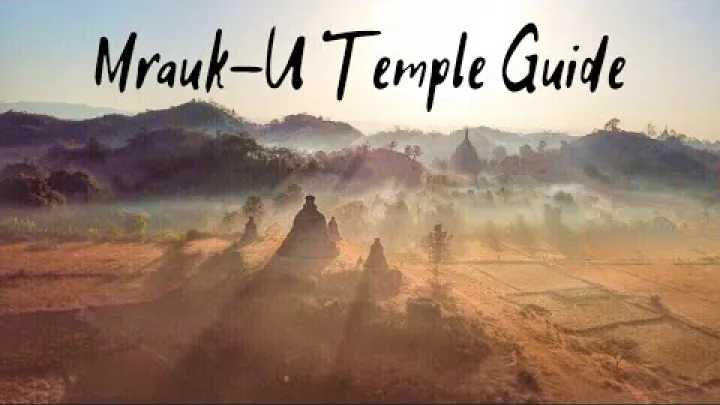
Early March can work as a qualified backup for experienced or heat-tolerant travelers. Start outdoor visits early, use the later afternoon for another shorter outing, and avoid assuming that a full midday schedule will feel comfortable. If cultural sightseeing is your main reason for visiting and your dates are flexible, January or February is usually a safer choice for physical comfort and scheduling.
Best Time for Photography and Green Landscapes
Choose November through February when dependable access and a higher chance of dry, usable shooting periods matter most. Drier conditions make it easier to reach viewpoints and return with equipment, while more predictable days give photographers more opportunities for temple architecture and broad landscape views. This does not guarantee clear sunrise or sunset conditions, but it reduces one major source of lost shooting time.

October or the wider transition period may suit photographers who value greener fields, changing cloud, and a more seasonal landscape over reliable access. The trade-off is that rain can arrive during a planned session or make movement between locations difficult. If photography is the main purpose, allow additional days in the transition season rather than building the trip around one specific sunrise, sunset, or landscape view.
Best Time for Lower Crowds and Budget Flexibility
Classic dry-season months may attract stronger travel demand, but actual crowd levels, accommodation prices, and transport costs in Mrauk U can change by year and by operator. Do not assume that a lower-demand month will always produce a lower total cost. A cheaper room is less useful if rain or heat removes a large part of the sightseeing time.
March can be a possible budget compromise for travelers willing to manage heat, particularly if accommodation availability is better on their dates. October may also appear attractive for lower demand, but its wetter conditions make the value less predictable. Compare current room rates, transport options, and operator availability, then consider the value of usable sightseeing days rather than choosing only the lowest booking price.
Best Time for Walking and Rural Exploration
The cooler dry-season months are the strongest choice for walking around the temple landscape and exploring nearby rural areas. Dry ground and more manageable heat improve mobility, make longer routes less tiring, and reduce the chance that a path will interrupt the day. November can be useful as the landscape changes toward the dry season, but late-October conditions may still affect surfaces.

March requires more planning around heat. Earlier starts, shorter exposed sections, and a longer midday break can make a route more realistic. During the monsoon, unpaved paths may be muddy or wet, and rural access can be more difficult than a town-based temple visit. Ask locally about current conditions before committing to remote routes, particularly when your plan depends on one available day.
How Weather Affects Access and Daily Logistics
Mrauk U's weather decision is also an access decision. The temple area, Sittwe gateway, and the journey between them should be considered together rather than as separate parts of a fixed itinerary.
Planning Sittwe and River Transport Around the Weather
Sittwe is a regional gateway for Mrauk U, and some itineraries depend on the Sittwe–Mrauk U river route. The existence, timing, and current operation of a boat service are operational questions, not details that can safely be inferred from a general climate chart. Confirm the current boat or road plan with your accommodation, a current operator, or another trusted local contact when arranging the trip.

Weather can affect a river departure through wind, visibility, rain, and river or coastal conditions. Heavy rain may also affect roads, loading areas, and other parts of the route. These factors can lead to delays, changes, or a decision not to operate, but they do not create a single timetable that applies to every season. Avoid publishing your itinerary around an assumed departure time unless the operator has confirmed it for your dates.
Build flexibility into both arrival and departure days. A buffer is especially valuable if missing the river connection would affect accommodation, onward travel, or a flight from Sittwe. Ask what happens if the service changes, whether a road alternative is currently available, and how much notice the provider normally gives. Conditions and transport arrangements can change, so local confirmation close to the journey is more useful than an old schedule copied into a travel plan.
Heat, Rain, Clothing, and Temple-Day Logistics
For hot months, plan the day around the temperature rather than trying to keep the same schedule used in January. Wear breathable clothing, use sun protection, carry sufficient water, and place the longest outdoor visits in the morning or late afternoon. A midday rest period can make the difference between an enjoyable temple visit and an exhausting one. If you feel unwell from heat, stop outdoor activity, move to a cooler place, and seek local assistance rather than continuing to a distant viewpoint.
For wet or transitional months, pack a reliable rain layer and footwear that remains comfortable on wet or uneven surfaces. Protect phones, cameras, passports, and other documents in waterproof bags or sealed covers. A small towel or dry layer can also be useful after a shower, but the main priority is keeping essential equipment and documents dry.
The same temple itinerary can feel easy in the drier season but physically demanding or impractical during persistent rain or extreme heat. Allow time for breaks, do not place every outdoor site in one narrow weather window, and choose clothing that supports walking while remaining appropriate for visiting temple spaces. Practical preparation is more useful than trying to predict a perfect day months in advance.
Check Current Conditions Before You Travel
Climate averages help you select a season. Current forecasts and local transport information help you decide how to use a particular day.
Climate Averages Versus the Live Forecast
A monthly climate profile describes typical tendencies, not the weather on your travel date. It can show why January is generally a stronger choice than April or why August carries more rain risk, but it cannot promise dry paths, clear views, or an operating boat. Modeled Mrauk U data and coastal information from Sittwe are especially useful as broad context because neither should be treated as a precise forecast for every part of the destination.
Use climate information several months ahead when choosing dates. As departure approaches, use a live forecast for Mrauk U and Sittwe, especially if you are deciding whether to travel in March, October, early November, or the monsoon period. Check again before an outdoor excursion or river journey. A forecast is still not a guarantee, but it gives you a more relevant basis for changing the day's plan than a historical monthly average.
Current Weather, Sea, and Hazard Checks
Before a trip involving boats, exposed viewpoints, low-lying routes, or several days of outdoor sightseeing, review current weather and hazard information from Myanmar's official meteorological service. The Moezala daily weather information can include Rakhine conditions, and reports may warn of squalls with moderate to rough seas along or near the Rakhine coast. Such information is more relevant to a current travel decision than a normal seasonal label.
Storm, cyclone, flood, or heavy-rain advisories should override a normal recommendation for November through February or any other season. A trip that looks reasonable on a climate chart may still need to be postponed or redesigned when an active warning, route closure, or unsafe sea condition applies.
- Review the official forecast and hazard notices. Look for heavy-rain, storm, flood, wind, and sea-condition information affecting Rakhine State, Sittwe, or the route.
- Confirm transport status. Ask the current boat or road provider whether the Sittwe–Mrauk U service is operating for your date and what happens if conditions change.
- Ask your accommodation about local access. Check whether temple paths, rural routes, and nearby activities are usable after recent rain.
- Revise or postpone when warnings or closures apply. Do not treat a prepaid plan or a favorable monthly average as a reason to travel against current official advice.
Final Recommendation for Planning a Mrauk U Trip
For most travelers, choose November through February, with January and February often offering the best balance of drier weather, manageable temperatures, and comfortable temple exploration. Choose early March only if you can organize your days around the heat. Consider October or early November when greener scenery, flexibility, or potentially lower demand matters more than predictable conditions, and approach June through September as a high-uncertainty period rather than the default time for a short leisure visit.
The best time to visit Mrauk U is therefore the season that matches both your weather tolerance and your route. Use regional climate information to choose dates, allow realistic time for walking and transport, and base final activity decisions on current forecasts and local operating information.
Select area
Create a post
Posting is free and no registration is required.