Mrauk U Budget: Daily Costs, Transport and Trip Planning

A Mrauk U budget needs more than a daily room-and-food estimate. The cost of reaching this remote historic town can be large compared with local spending, while current prices may no longer match older travel accounts. This guide separates daily costs from fixed access costs, compares budget, mid-range, and comfortable travel styles, and shows how to build a trip total without inventing unreliable prices. Check current official travel advisories and local access conditions before booking, then confirm volatile local prices and services close to departure.
Mrauk U Budget at a Glance
There is no dependable permanent price list for a Mrauk U trip. Accommodation availability, transport services, food costs, payment conditions, and access rules can change. The safest approach is to build a daily local subtotal from dated quotes and then add the cost of reaching the town. The tiers below describe what each style includes rather than promising a universal current amount.
Budget, Mid-Range, and Comfortable Daily Tiers
Think of the daily Mrauk U travel budget as a set of choices. A budget traveler may use a basic guesthouse, eat mainly at local venues, walk or cycle when practical, and limit paid extras. A mid-range traveler may choose a private room, include occasional restaurant meals, and hire local transport on some days. Comfortable travel can mean a better private room, more reliable services, private vehicles, hotel dining, or a guide for selected visits. None of these daily tiers automatically includes the cost of reaching Mrauk U.
Older pre-2020 travel references sometimes used a figure of about US$15 to US$35 per person per day. Treat that only as historical context. It is not a current Mrauk U price promise, and it may not include gateway transport, archaeological fees, disruption costs, or later price and currency changes.
| Tier | Build the local day from | Usually excludes | Best use |
|---|---|---|---|
| Budget | Basic room, local meals, water, walking or cycling | Gateway transport, private services, frequent drinks | Keep recurring costs low |
| Mid-range | Private room, mixed dining, selected hired transport | Private vehicle every day and premium activities | Balance comfort and control |
| Comfortable | Higher-comfort room, private transport, optional services | Unless added, access and one-time fees | Prioritize convenience and flexibility |
State every figure as per person or per room. A double room can look expensive as a room total but reasonable after dividing it between two travelers. The same applies to a tuk-tuk, private vehicle, boat arrangement, guide, or other service quoted per vehicle or group.
Separate Daily Spending from Fixed Trip Costs
Use this basic formula:
Full trip total = local daily spending × number of nights + return access costs + gateway accommodation + one-time fees + optional activities + contingency reserve.
The local daily subtotal can include lodging, meals, water and drinks, local transport, and a portion of sightseeing costs. Keep outbound and return access as separate lines. Add a gateway night if a boat, flight, bus, or connection does not align with the same-day plan.
For example, a short stay can be written as D × 2 + A + F + B + R, where D is the current local daily amount, A is return access, F is one-time fees, B is a gateway night, and R is the reserve. A longer trip might be D × 6 + A + F + B + R. The longer trip costs more overall, but the fixed access cost is spread across more days, so the average cost per day may fall. That average is not the amount you must pay upfront.
Accommodation Costs in Mrauk U
Accommodation is often the easiest part of the budget to check because a property can quote a price for exact dates. Even so, a listing is a time-specific snapshot, not a permanent market average. Compare the final payable amount and included services before placing a room in a budget tier.
Budget Guesthouses and Basic Rooms
Golden Mrauk U Guest House is a useful local anchor for the basic accommodation category. Its listing asks travelers to enter dates to see availability and prices, so it can support a dated comparison but does not establish one permanent rate.
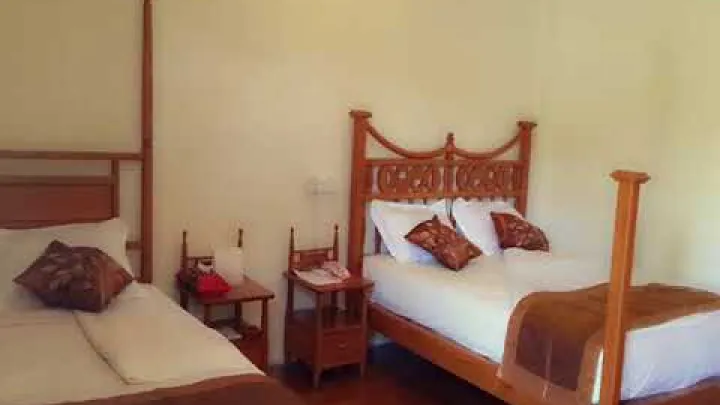
Golden Star Guesthouse on Min Bar Gree Road is another named low-cost option found in accommodation listings. Treat both properties as comparison points rather than guaranteed choices. Check whether the quoted amount is for one person, one bed, or the whole room, and record the currency and date checked.
For a basic room, compare private or shared bathrooms, breakfast, electricity arrangements, air conditioning, fan use, Wi-Fi, water, check-in time, and payment method. A lower headline rate may not be better if breakfast is excluded, power is unreliable, or payment must be made in a currency you do not have. Online availability may not show every locally arranged room, but a walk-in rate should not automatically be assumed cheaper. If contacting a property directly, ask for the exact total, occupancy, inclusions, cancellation terms, and whether the booking will be held.
Mid-Range Hotels and Resort Options
For a more private and comfortable stay, compare Mrauk U Palace Resort, Shwe Thazin Hotel Mrauk U, and Mrauk U Hotel. These are useful shortlist names, but the comparison should focus on room condition, location, meal options, electricity, staff support, availability, and services rather than assumed star ratings.

An older review-based room price for Mrauk U Hotel can provide historical context, but it should not be copied into a current budget. Current rates need an exact date, occupancy, currency, taxes, breakfast information, and cancellation conditions. In Mrauk U, comfortable travel may mean securing a reliable private room and useful on-site services rather than finding a fully developed luxury market. A higher room rate can substantially change the daily budget even when meals and short local journeys remain similar.
Compare the Real Nightly Price
Compare rooms for the same dates, occupancy, and cancellation policy. Record the final total rather than the first nightly number shown. Check:
- Final price, taxes, service charges, and any deposit
- Breakfast, water, Wi-Fi, air conditioning, and electricity arrangements
- Private or shared bathroom and guest limit
- Cancellation, date-change, late-arrival, and no-show conditions
- Payment currency, card acceptance, cash requirements, and exchange-rate basis
- Separate charges for transfers, extra beds, or other services
Do not assume a booking platform, direct contact, or walk-in booking is always cheapest. The meaningful comparison is the final amount for the same room and dates, with the same inclusions and a realistic payment method.
Food, Drinks, and Everyday Spending
Food costs are easier to control when essential meals and discretionary purchases are recorded separately. A low-cost food plan can combine local meals with occasional restaurant dining, but menus and opening conditions may differ from older travel descriptions.
Local Meals and Rakhine Specialties
Mohinga, Rakhine montdi, and ngapi are useful food anchors when planning local meals. Mohinga and montdi identify local noodle-based choices, while ngapi is a strong Rakhine flavor and ingredient reference. These names describe food options, not universal prices or guaranteed menus.
A local tea shop or simple eatery belongs in a different cost category from a tourist-oriented restaurant or hotel dining room. Build a food estimate by identifying the venue category, dish or portion, and number of meals. Add separate lines for water, tea, coffee, snacks, soft drinks, and any meal included with accommodation.
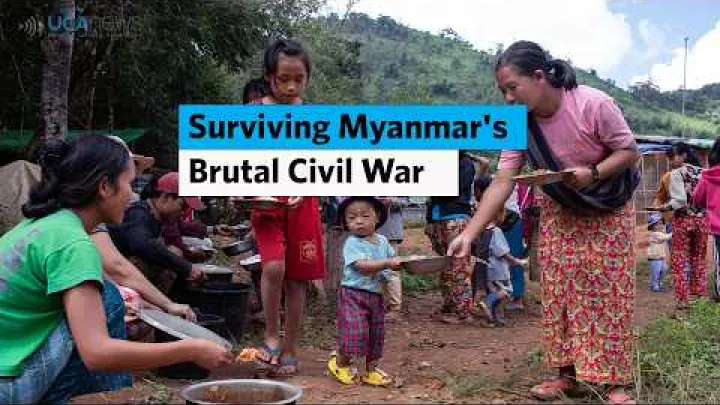
Recent DMedia reporting describes food-cost pressure in Mrauk-U and nearby townships. This is inflation context, not a visitor menu price. It shows why an old daily food allowance can become misleading when supplies, transport, or currency conditions change. Use approximate ranges only when supported by a dated observation or direct local quote, and record whether the amount is for one dish, one meal, or several people.
Restaurants, Water, Tea, and Snacks
Moe Cherry Restaurant on Mrauk U's main street is a named dining anchor, but directory information does not provide a reliable current menu. Confirm that it is operating, ask about current dishes and prices, and check payment methods before reserving money for a meal there.
A practical mixed food plan has three lines: essential local meals, sit-down meals, and drinks or snacks. Bottled water may be a daily necessity, while tea, coffee, soft drinks, and small snacks can quietly increase the total. Someone eating two simple meals and one restaurant meal needs a different allowance from someone eating every meal at a hotel. Do not use one restaurant as the average for the whole town.
Alcohol and Other Discretionary Costs
Alcohol should have its own budget line. Regional reporting on beer and liquor describes restrictions and price pressure in Arakan State, so availability and prices may be difficult to predict. The report does not establish a universal current beer or whiskey price for every Mrauk U venue.
Imported drinks, café purchases, extra snacks, souvenirs, and private dining can move a traveler from a strict daily budget toward a comfortable one. Limiting these purchases can make a large difference without reducing the allowance for essential meals. Keep discretionary spending visible instead of hiding it inside the food average.
Transport as Part of the Mrauk U Travel Budget
Transport has two separate roles in a Mrauk U budget: reaching the town and moving between lodging, markets, and archaeological sites. The first is usually a fixed or semi-fixed trip cost; the second is a recurring local choice.
Getting to Mrauk U: Flights, Boats, and Buses
Sittwe, the Kaladan River, domestic flights, and long-distance buses appear in historical descriptions of access to Mrauk U. Those descriptions distinguish slower boats, faster services, private arrangements, and overland travel, but the available evidence is not current enough for a firm fare table or guaranteed schedule.

Request a current outbound quote and return quote separately. Add the cost of reaching the gateway, a possible gateway night, meals during a delay, and any local connection. An apparently cheap historical route may no longer be available, permitted, suitable for foreign travelers, or compatible with your dates. Confirm the current route and foreign-traveler eligibility with a current operator or trusted local accommodation before purchasing connections. Access can equal several days of local spending, especially on a short visit.
Moving Around Town and the Archaeological Area
Walking is the lowest-cost local option when distances, heat, rain, and time allow. Bicycle rental covers more ground without a private vehicle, but depends on availability, road conditions, physical ability, and weather. Tuk-tuks add convenience and may work well when the fare is shared. A private vehicle or driver costs more but can reduce heat exposure and simplify visits to several places.
Ask whether a quote is per passenger, vehicle, hour, or full day. Compare distance, hire duration, waiting time, fuel, driver time, and any archaeological-area access component rather than the first quoted number. Choose according to group size, time available, and the day's conditions: walking and cycling may reduce costs, while hired transport may protect limited sightseeing time or reduce physical strain.
Budget for Transport Delays and Operator Changes
A changed boat schedule, road disruption, missed connection, or private replacement can add a gateway night, meals, local transport, or a higher fare. Keep a separate transport-contingency line rather than hiding it in food or lodging. Before paying, ask the provider about cancellation, postponement, refund, and disruption terms. The required reserve depends on route, season, booking method, and group size, so a universal percentage is not reliable.
Archaeological Fees and Optional Activities
Temple visits and archaeological-zone costs should be separated from ordinary daily spending. Some charges may be one-time, while others may depend on the site or service.
Zone Passes and Temple-Related Fees
Research references give different historical figures for Mrauk U access. Older material reported a US$5 archaeological fee, while a more recent Siam Society Under Royal Patronage post reported a US$10 archaeological-zone pass plus a 3,000 kyat lighting fee. Treat these as dated references, not current fee quotations.
Shite-thaung, also spelled Shittaung, Pagoda has been reported as a collection point. At the current counter, confirm the fee, validity period, collection location, payment currency, and whether the pass covers the intended sites or stay. Do not convert the amount into a current kyat or dollar equivalent without a date-stamped exchange rate. Once validity is established, record the pass as a one-time or short-stay cost and keep a separate line for possible lighting, donations, or other charges.
Guides and Optional Excursions
Guides, private temple circuits, visits outside the main area, and other excursions should be quote-based additions. Ask whether a quote includes transport, guide time, entrance fees, meals, waiting time, and return arrangements. Sharing a vehicle or guide can reduce the cost per person but may reduce privacy and flexibility; a private arrangement costs more but may permit later starts and longer stops. Confirm duration, inclusions, group size, meeting point, payment currency, cancellation terms, and weather-disruption arrangements.
What Makes Mrauk U More or Less Expensive
The total is shaped by timing, supply, access, currency, and the choices made within the trip, not just the price of one room or meal.
Season, Weather, and Demand
Pre-research describes a traditionally drier period from around mid-October to mid-March and more disruptive monsoon conditions. This is a planning pattern, not a guarantee of current prices or services. Weather can affect river services, roads, room demand, and the cost of changing a connection.
Demand may rise during popular periods, weekends, or local events, reducing room availability and increasing quoted prices for accommodation or private services. A quieter period may offer a lower room quote but fewer operating services or less convenient connections. Compare price, availability, comfort, and flexibility rather than assuming low season is always cheapest. Check the current weather and river-service outlook immediately before travel and keep at least one flexible day where possible.
Remoteness, Supply, Currency, and Payment
Mrauk U's remote position can affect the cost of fuel, imported goods, alcohol, and tourism services. A simple local meal may remain modest while a private transfer, imported drink, or higher-comfort room becomes expensive. Do not assume a rural destination is cheaper in every category than a major city.
Food and alcohol reporting illustrates volatility but is not a complete local price index. Separate local inflation, exchange-rate movement, and venue-specific pricing when comparing an old figure with a new quote. Confirm whether each property and venue accepts kyat, United States dollars, or cards. Check cash access, card reliability, and the exchange-rate timing used for a quote, and carry a reserve in the form required for essential payments.
Travel Choices That Change the Total
The decisions below can move a traveler between tiers. Their effect is directional because prices and availability are not stable.
| Decision | Lower-cost choice | Higher-cost choice | Main trade-off |
|---|---|---|---|
| Room | Basic guesthouse or shared facilities | Private room with more services | Comfort, power, and amenities |
| Occupancy | Share a double room | Pay for single occupancy | Privacy versus cost per person |
| Food | Local meals and tea shops | Restaurant or hotel dining | Variety, setting, and convenience |
| Local transport | Walk or cycle | Tuk-tuk or private vehicle | Time, weather, and physical effort |
| Services | Share a vehicle or guide | Use a private arrangement | Lower per-person cost versus flexibility |
| Extras | Limit alcohol and activities | Add drinks, guides, or excursions | Experience versus reserve money |
Lodging and meals usually scale by night or day. A room or vehicle may be shared, while an archaeological pass may be paid once. Identify the scaling rule for every line so a change in group size or stay length produces a realistic total.
Ways to Save Money Without Underbudgeting
Saving works best when it reduces a chosen convenience rather than removing money from an essential category.
Lower Recurring Daily Costs
- Accommodation: Choose a basic guesthouse when room conditions, electricity, and location meet your needs. The trade-off may be fewer services, less comfort, or a shared bathroom.
- Food: Combine local meals with occasional restaurant dining instead of using hotel dining for every meal. The trade-off may be less variety or less predictable opening time.
- Local transport: Walk or cycle for practical distances and share a tuk-tuk when appropriate. The trade-off includes heat, rain, distance, and convenience.
- Activities: Visit essential sites independently when practical and add a guide or private circuit only where it provides value. The trade-off is less interpretation or flexibility.
Use current quotes and actual availability when choosing these tactics. Mrauk U is not automatically cheap because older accounts describe low daily costs. A low room rate can become poor value if it requires expensive transfers, unavailable services, or a last-minute replacement.
Reduce the Cost of Access Carefully
Staying longer can spread a fixed access cost across more nights, but it also adds rooms, food, and possible local transport. Compare full totals for two plausible stay lengths rather than dividing access by a preferred number of days.
For each route or connection, compare current total cost, travel time, reliability, gateway accommodation, and payment conditions. A slower shared service may cost less than a faster private option only if it is operating and suitable. Do not select a cheap historical route solely because it is cheaper on paper; permission, eligibility, safety, and current operation come first.
Build a Buffer Instead of Chasing the Lowest Estimate
Keep a separate reserve for a changed boat or road connection, gateway night, replacement meal, price change, payment problem, or short-notice private arrangement. The amount depends on route, season, accommodation, group size, and travel style, so an unsupported universal percentage is not useful.
A conservative plan can include a larger reserve and fewer optional activities. A flexible plan can use a lower daily allowance while keeping enough cash for transport and accommodation changes. In either case, keep the reserve visible rather than counting it as money available for drinks or shopping.
Build a Mrauk U Budget Worksheet
A worksheet turns uncertain prices into replaceable inputs. Record the original currency, date, unit, inclusions, and confidence level for every quote.
Fill In the Local Daily Budget
Start with the local daily amount for each tier. Keep required costs separate from discretionary spending so an extra can be removed without weakening the basic plan.
| Field | What to record | Unit or note |
|---|---|---|
| Lodging | Final room total and inclusions | Per room per night; divide if shared |
| Meals | Breakfast, local meals, and restaurant meals | Per person per day |
| Water and drinks | Water, tea, coffee, soft drinks, and alcohol | Separate essential and discretionary |
| Local transport | Walking, bicycle, tuk-tuk, or vehicle quotes | Per person, vehicle, hour, or day |
| Archaeological costs | Pass and related charges | Keep original one-time amount; allocate for comparison only |
| Optional activities | Guide, private circuit, or excursion | Per person, group, or quote |
| Incidental spending | Small purchases and unplanned essentials | Use a separate allowance |
For each row, add the currency, date checked, source of the quote, and whether it includes tax, breakfast, fuel, entrance fees, or payment charges. Build budget, mid-range, and comfortable scenarios by changing inclusions rather than applying an arbitrary multiplier to an old daily number.
Add One-Off Costs and Compare Scenarios
After calculating the local daily subtotal, add return access, gateway accommodation, archaeological fees, optional guides or excursions, payment costs, and the separate contingency reserve. Calculate both the full-trip total and the average per day of the stay.
- Choose two plausible stay lengths, such as a shorter and longer visit.
- Use the same current access quote, fee assumption, and travel style in both scenarios.
- Multiply the local daily subtotal by the nights in each scenario.
- Add one-off and gateway costs separately rather than hiding them in the daily figure.
- Divide each full-trip total by the number of nights to see how fixed costs affect the average.
- Replace historical or approximate inputs with current operator, accommodation, menu, or fee confirmation before paying.
A useful final worksheet column is verification. Mark the date, currency, inclusions, payment form, and confidence level for every line. If a route, room, fee, or venue cannot be confirmed, leave the amount as an explicit planning placeholder and increase the reserve rather than presenting false precision.
Mrauk U Budget: Final Planning Takeaways
Build your Mrauk U budget in two layers: a local daily amount and a separate total for reaching the town and handling one-time costs. Use named accommodation and dining options as starting points, but rely on dated quotes and final inclusions rather than old averages. Keep food extras, guides, private transport, and alcohol visible as optional lines, and allow for access changes, payment requirements, and weather-related delays. A worksheet with original currency, source date, unit, and verification status will give you a more reliable trip total than a single historical daily figure.
Select area
Create a post
Posting is free and no registration is required.