Bagan Travel Guide: First-Time Tips for Myanmar

Bagan is a vast heritage landscape on the Ayeyarwady River, where temple visits are combined with local markets, village life, food, and open-road exploration. This Bagan travel guide explains how to choose between Nyaung-U, Old Bagan, and New Bagan, when to visit, and how to organize transport and temple routes. It also covers current travel-advisory considerations, viewpoints, entry passes, money, health, and respectful behavior. Because conditions in Myanmar can change, use this guide as a planning framework and confirm time-sensitive details before departure.
Bagan at a Glance and the Current Travel Decision
Bagan can be rewarding for travelers who want history and religious heritage in a landscape that is still connected to everyday life. It also requires more careful planning than a simple sightseeing stop, especially when transport, site access, and security conditions are changing.
What Bagan Is and Why Travelers Visit
Bagan is an archaeological and religious landscape beside the Ayeyarwady River. It is closely associated with three settlements: Nyaung-U, the practical town center; Old Bagan, the riverside heritage and hotel area; and New Bagan, a quieter settlement farther south. Treating Bagan as one town can make route planning confusing, so these names are useful from the beginning.
The landscape contains temples, pagodas, monasteries, murals, village areas, and viewpoints. A first visit often combines major monuments such as Ananda Temple, Shwezigon Pagoda, Dhammayangyi Temple, and Htilominlo Temple with smaller structures found along the roads. Sunrise and late-afternoon outings are popular because the light is softer and the heat is usually easier to manage. Other possibilities include a visit to Nyaung-U Market, a craft-focused stop in Myinkaba, an Ayeyarwady River experience, or a guided heritage tour.
The Myanmar Ministry of Hotels and Tourism presents Bagan as a UNESCO World Heritage Site with heritage dating back to the ninth century. Visitors should still understand that this is a living Buddhist destination, not only an open-air photography location. People may be praying, making offerings, selling goods, or caring for religious places. Quiet behavior, suitable clothing, and attention to local instructions are part of the experience.
Check Current Travel Advisories Before You Book
The decision to visit Bagan should begin with a current travel advisory, not with an old itinerary or a recent social-media report. Myanmar's security, transport, administrative, and legal conditions can change quickly. Official advice may distinguish between regions, but a route that appears manageable on a map can still be affected by checkpoints, curfews, closures, conflict, or limited communication.
Consult your own government's foreign ministry or travel-advice service, your embassy information, and any relevant health authority guidance. The U.S. Embassy in Burma specifically warns travelers to avoid leaving well-used roads, tracks, and paths because of unexploded-ordnance risk. Follow that type of advice literally: do not investigate unknown metal objects, cross barriers, or use an isolated track simply because it appears to lead toward a temple.
Do not treat the presence of hotels, other visitors, or a personal trip report as proof that all travel is safe. Emergency response and medical infrastructure may be limited, and consular assistance cannot remove local risks. If an advisory does not support your planned trip, postpone it or change the destination rather than trying to work around the warning. If you do proceed in accordance with your own government's guidance, share your route with someone at home, keep accommodation contact details available, and avoid making remote exploration part of the plan.
Understand Bagan's Layout and Choose a Base
Where you stay affects the time, cost, and comfort of every temple outing. The three main bases have different strengths, so choose according to your daily routine rather than searching for one universally best area.
Nyaung-U, Old Bagan, and New Bagan Compared
Nyaung-U is usually the most practical base for independent travelers. It is associated with Nyaung-U Airport, transport connections, Nyaung-U Market, rental services, guesthouses, restaurants, and everyday supplies. The atmosphere is more like a working town than a heritage resort, which can make it useful for travelers who want local services and a wider range of moderate-cost accommodation.

Old Bagan is the riverside area closest to many of the best-known monuments. It often suits visitors who value short access to temple routes, a more heritage-focused setting, and hotel comfort. Accommodation and dining can be more oriented toward travelers, and the location can make it easier to return for a midday rest during a temple-heavy day.
New Bagan is a separate settlement with accommodation and dining choices and a generally quieter evening atmosphere. It can suit travelers who want a slower base, more choice at a moderate price level, or convenient access to the southern part of the archaeological area. Its best fit depends on the current availability of transport, restaurants, and accommodation.
| Area | Atmosphere and services | Temple access | Likely best for |
|---|---|---|---|
| Nyaung-U | Working town, market, services, and transport | Good for planned routes by rental vehicle or taxi | Budget travelers and independent visitors |
| Old Bagan | Riverside heritage setting and more hotel comfort | Closest to many headline monuments | Convenience, comfort, and short temple transfers |
| New Bagan | Quieter settlement with accommodation and dining | Useful for southern routes; transport is important | Relaxed stays and a possible middle ground |
Choose a Base for Budget, Comfort, and Daily Temple Routes
Choose Nyaung-U if your priority is value, market access, rental services, and easy connections when arriving or leaving. It is a sensible choice for travelers who plan to spend most of the day outside and do not need to be beside the most famous monuments. It may also be convenient if you want to buy snacks, water, or practical supplies without depending on a hotel.
Choose Old Bagan if you are willing to pay more for proximity and comfort. A nearby base can matter in Bagan because a return to the hotel during the strongest heat is more realistic when the first part of the day is organized around nearby monuments. Old Bagan can also suit travelers who prefer hotel facilities and a heritage-oriented setting.
Consider New Bagan if you want quieter evenings and a choice of accommodation and restaurants while remaining within reach of the archaeological area. Before relying on descriptions from an older guidebook, confirm that your selected hotel is open, that transfers are available, and that nearby dining and rental services meet your needs. Current local availability can be more important than a district's general reputation.
How Many Nights to Spend in Bagan
Two to three nights is a practical starting point for a first-time visit. This usually allows time for an arrival outing, one full temple day, a sunrise or sunset experience, and some rest. It is enough for a focused introduction if you select a manageable group of major sites instead of trying to inspect every structure.
Three to four nights create a slower visit. The extra time can support a guided heritage day, a market or village visit, smaller temples, local food, a river experience, or a weather and transport buffer. A side trip such as Mount Popa is optional, not an essential part of a short Bagan stay. Match the length of the visit to the rest of your Myanmar route and to the possibility that intercity transport may not run exactly as planned.
Choose the Best Time to Visit Bagan
Season affects the comfort of walking and riding across the temple plain more than the number of attractions available. Bagan is exposed, dusty, and often hot, so the best season is the one that fits your tolerance for heat and your willingness to adjust plans.
Understand Bagan's Cool, Hot, and Rainy Seasons
Myanmar has a broad pattern of a cooler and drier period from about November to February, a very hot period before the monsoon, and wetter monsoon months. November through February is the usual planning preference for outdoor temple exploration because conditions are generally more comfortable for long mornings and late-afternoon outings. Even in this favored period, central Bagan can feel hot and exposed, especially on roads without shade.
The months from roughly March toward the early monsoon can be demanding because of strong heat and sun. The rainy period may bring showers, mud, dusty or wet surfaces, and reduced visibility. Rain does not automatically make a visit impossible, but it can change the ease of riding an e-bike, walking between sites, and keeping a long route on schedule.
These are broad seasonal patterns, not a promise about a particular week. If your dates are fixed, use a current forecast as well as climate averages. If you can choose freely, select the period that gives you the best balance between outdoor comfort, accommodation availability, and the current operating conditions of activities you care about.
Plan Days Around Heat, Sun, and Road Conditions
Build the day around the climate rather than trying to maintain a full sightseeing schedule from morning to evening. Start with an early temple outing, return for breakfast or rest when the sun becomes intense, and plan a second outing in the late afternoon. A shaded hotel break, quiet meal, or indoor cultural visit is more useful than adding another distant monument during the hottest part of the day.
Wear breathable clothing that remains modest at religious sites. Carry sun protection, enough drinking water, and footwear that is comfortable on uneven ground and easy to remove when required. A scarf or light layer can help with sun and dust, while a phone or camera should be protected on unpaved routes. If you are using an e-bike or bicycle, leave enough battery, energy, and daylight for the return journey.
Check the forecast close to the day of each outing and use it to decide whether to ride, walk, hire a taxi, or shorten the route. Rain can make surfaces slippery or muddy, while heat can reduce visibility, stamina, and battery performance. Schedule exposed riding and temple visits for cooler morning and late-afternoon periods, and keep a shorter alternative for days when weather makes the original route uncomfortable.
Check Balloon Flights and Seasonal Events
Hot-air balloon flights are seasonal and are generally associated with the cooler, drier travel window. Availability depends on the operator, weather, and the day's flying conditions, so treat a balloon ride as an optional premium experience rather than the foundation of your itinerary. If the flight matters to you, place it early in the stay so that a cancellation may still leave time for another attempt.
One operator page, Balloons Over Bagan, lists an approximate flight duration of 45 minutes and a price of US$335. These are listed operator details, not permanent Bagan prices. Confirm the current service tier, booking window, inclusions, payment terms, weather decision, and cancellation or rescheduling policy directly with the operator.
Seasonal cultural events can also change demand and accommodation planning. If you are considering an event such as the Ananda Pagoda Festival, use a current official or local announcement for its dates instead of relying on a familiar calendar listing. Travelers who do not fly can use a designated observation area or an Ayeyarwady riverside experience as alternatives, subject to the day's access and weather.
Plan How to Get to Bagan
Bagan's local gateway is Nyaung-U Airport, but reaching it is a separate step from entering Myanmar. Intercity transport should be planned as a choice between speed, cost, scenery, and uncertainty rather than as a fixed list of guaranteed services.
Arrive Through Nyaung-U Airport
Nyaung-U Airport is the air gateway for Bagan. When domestic services are operating, flights from major Myanmar gateways can reduce overland travel time and may be useful for a short itinerary. They do not replace Myanmar's international entry requirements, so check current passport, visa, immigration, and arrival rules separately through official government or immigration information.
Domestic schedules can be different from archived travel guides. Before committing to a flight, confirm the airline's current departure time, baggage allowance, ticket conditions, and any route changes. Ask your accommodation whether an airport transfer is available, how late check-in works, and what to do if the flight is delayed. Keep the first evening simple enough that a late arrival does not disrupt an important temple visit.
Compare Flights, Buses, Trains, and Ayeyarwady River Routes
Each transport mode serves a different travel style. Flights prioritize speed. Buses may be attractive when a suitable route is running and cost is the main concern. Ayeyarwady River routes offer a slower, scenic experience when services operate. Trains may appeal to travelers who value the journey itself, but current availability and foreign-visitor access must be confirmed rather than assumed.
| Mode | Main advantage | Main uncertainty | Confirm before booking |
|---|---|---|---|
| Flight | Fast arrival | Domestic schedule changes | Airline, baggage, transfer, and check-in |
| Bus | Possible lower cost | Delays and route changes | Departure point, duration, seat, and arrival plan |
| River route | Scenery and a slower journey | Seasonal or disrupted service | Operating date, boarding point, and cancellation terms |
| Train | Journey experience | Availability and visitor access | Current timetable, ticket rules, and route operation |
Do not publish your itinerary around an old fare, journey time, or train rule. Reconfirm the intercity route and departure schedule shortly before travel, and keep a flexible backup such as an extra night, a different departure, or a change of transport mode. No mode is automatically the best choice for every traveler under changing conditions; consider daylight, luggage, onward connections, and the reliability of the specific service you can actually book.
Get Around Bagan's Temple Plain
The archaeological area is spread out, so local transport determines how much you can see without becoming exhausted. A good plan uses nearby clusters and leaves room for rest instead of treating every temple as a separate mandatory stop.
Choose Between E-Bikes, Bicycles, Taxis, and Horse Carts
E-bikes provide independence with less physical effort than a standard bicycle and are often useful for travelers who want to make their own route. Bicycles can be suitable for shorter distances and slower exploration, but heat, dust, uneven surfaces, and fitness level matter. Neither option is ideal if you are uncomfortable riding, traveling with a person who needs extra support, or planning a long exposed route.
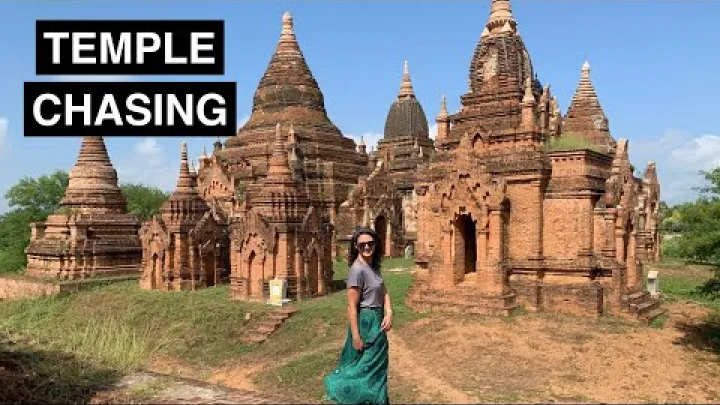
A taxi is the more comfortable choice for families, older travelers, people carrying equipment, or anyone who wants a driver to organize a route. It can also make a midday hotel return easier. Relative to self-rental, a taxi usually costs more, especially for a full-day arrangement, but the extra cost may be worthwhile when it protects energy and time. Horse carts offer a slower, traditional-style experience and can suit travelers who prefer not to ride, although comfort and route flexibility may be limited.
Inspect an e-bike or bicycle before leaving. Check the brakes, tires, lights, battery level, and charging arrangement, and choose a vehicle that matches your riding confidence. For a taxi or horse cart, agree on the price, duration, stops, waiting time, and inclusions before setting out. Ask what happens if you finish early or need to change the route. Avoid making a long, exposed journey late in the day when returning the vehicle or finding a driver may be harder.
Map Temple Routes with Offline Tools and Local Advice
Use a few landmarks to create practical route groups. Ananda Temple, Shwezigon Pagoda, Dhammayangyi Temple, and Htilominlo Temple can serve as orientation anchors, while nearby smaller structures and settlements provide opportunities to slow down. The goal is not to cover every map pin. Choose several major sites, add one or two smaller stops, and leave time for shade, food, photographs, and unplanned discoveries.
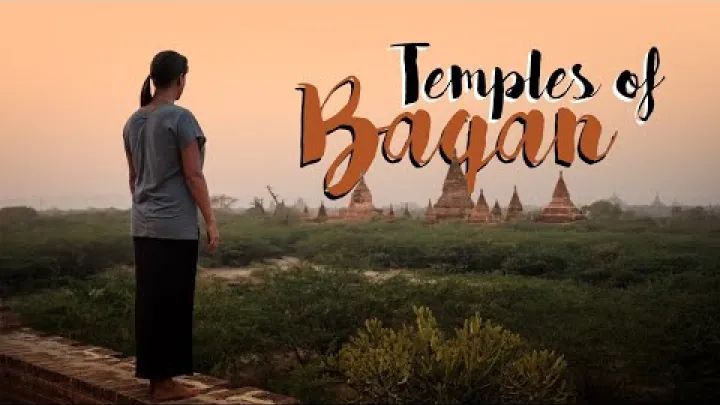
Download an offline map before leaving reliable internet access. Save your accommodation name, phone number, and location, and carry a charged phone with a backup power source. Ask accommodation staff or a current local driver whether a particular site is open, accessible, or sensible to include that day. A map pin may show a structure but not its current entrance, restrictions, road surface, or practical access.
Use digital mapping and local advice together. Stay on routes that are known and used, and do not turn a missed temple or an interesting-looking track into an isolated exploration project. If a route is unclear, choose a nearby alternative or use a taxi with local knowledge rather than extending the day into unfamiliar terrain.
Use Designated Viewpoints Instead of Climbing Temples
Older photographs often show visitors standing on temple roofs, but those images are not a reliable guide to current permissions. Do not climb a structure because a blog, map review, driver, or traveler says it was possible in the past. Climbing can damage fragile heritage and create a serious fall risk.
Use currently designated observation mounds, platforms, or riverside viewpoints instead. Follow signs, barriers, and instructions from site staff even when another visitor appears to ignore them. Ask locally which viewpoint is permitted for the time of day, especially for sunrise or sunset, and allow for the possibility that a location may be closed or busy.
Viewpoint planning should support the landscape rather than dominate it. A quiet position at an approved site, with enough time to leave before darkness, is better than an unsafe roof or an improvised track. Legal and conservation rules apply even when older travel content presents informal access as a normal part of a Bagan visit.
What to See and Do in Bagan
Bagan is most satisfying when major monuments provide structure for the visit and smaller encounters provide context. Mix architecture with religious practice, markets, food, and local livelihoods rather than measuring the day only by the number of temples seen.
Visit Bagan's Major Temples and Pagodas
Ananda Temple is a strong introduction to Bagan's major religious architecture. Shwezigon Pagoda offers a different setting centered on an important Buddhist pilgrimage tradition. Dhammayangyi Temple is known for its massive form, while Htilominlo Temple adds another major architectural stop. Gubyaukgyi is useful for travelers interested in mural traditions, subject to its current opening and access conditions.
These sites should be approached as religious and heritage places, not simply as photography stops. Remove footwear where required, keep voices low, and avoid touching surfaces or religious objects. Do not assume that every named monument has the same entrance, opening status, lighting, or photography permission.
A balanced route might include several major monuments and a few smaller structures selected for proximity. A guide can add historical and religious context, help interpret architectural details, and reduce the temptation to rush. Before setting out, ask locally about current access and whether conservation work or a religious activity affects the visit.
See Markets, Villages, Crafts, and Local Food
Nyaung-U Market is a useful local anchor for seeing daily commerce and buying food, water, or practical supplies. Go with the aim of observing how the market works, not only of taking photographs. Keep walkways clear, ask before photographing people, and remember that vendors are working rather than performing for visitors.

Myinkaba and nearby village areas may offer opportunities to learn about lacquerware, crafts, and everyday life. Access and workshop arrangements vary, so approach homes and businesses respectfully. Ask permission before entering, photographing a maker, or recording a demonstration. Buying a useful item directly from a maker or a reputable local business can support livelihoods more meaningfully than treating a village as scenery.
For food, look toward Burmese curries, tea leaf salad, grilled foods, tea shops, and local snacks. A simple meal in a busy local setting can be part of the experience, but do not depend on an old restaurant list, opening hour, or price promise. Ask your accommodation or a current local contact which places are open and suitable for your dietary needs.
Add a Balloon Ride, River Experience, or Mount Popa Trip
Choose optional activities according to interest, budget, time, and the day's operating conditions. A balloon flight is the premium choice for travelers who want an aerial view and can accept a high price and weather-related uncertainty. An Ayeyarwady sunrise or sunset experience is slower and may suit travelers who prefer scenery, reflection, and a break from temple roads. A Mount Popa excursion is a longer outing beyond the main temple plain and should not be added automatically to a short visit.
River services can be seasonal or disrupted, so ask about the current boat, departure point, duration, and cancellation terms. Consider Mount Popa only when current advisories and local route conditions permit, and allow enough time for the return rather than combining it with an ambitious temple schedule. For any paid activity, confirm what is included and whether a weather cancellation results in a refund, rescheduling, or another arrangement.
Optional experiences should replace part of a demanding temple day, not simply be added on top of it. Travelers who do not want an expensive balloon flight can choose a designated viewpoint. Those who prefer cultural depth can use the time for a guide, Myinkaba crafts, Nyaung-U Market, local food, or rest. A slower plan often produces a better impression of Bagan than a crowded list of excursions.
Handle Entry Passes, Money, Connectivity, and Health
Administrative and practical details can affect the whole visit. Prepare for them before the first temple outing so that a missing pass, weak connection, or payment problem does not consume valuable time.
Confirm the Bagan Zone Pass Before Entering
The Bagan Zone Pass is used for access to the archaeological zone, and visitors should confirm the current fee, validity period, purchase location, inspection practice, and accepted payment before entering. Keep the pass accessible during temple visits and ask an official archaeology counter, designated ticket point, or current local accommodation contact what is required if you arrive outside normal hours.
A dated report by CNI Myanmar recorded a foreign-visitor fee of 30,000 kyats and reported changes to the permitted length of stay. That report is useful evidence that the fee and validity rules have changed, but it should not be treated as a current price or current administrative instruction. Do not rely on an old exchange-rate conversion or a guidebook's purchase-point description.
Verify the latest Zone Pass details shortly before arrival and keep enough time in your first day to resolve an administrative question. If the pass is checked at a site, follow the staff member's instructions and do not attempt to enter a restricted area without the required authorization.
Prepare Cash, Connectivity, Health, and Emergency Backups
Plan for a cash-based stay even if your accommodation accepts cards. Card acceptance, ATM access, network service, and exchange conditions can vary, and a payment method that worked for another traveler may not work for you. Carry enough backup cash for the stay, while storing it in more than one secure place. Ask about the preferred payment method before booking transport, activities, meals, or accommodation extras.
Download offline maps and important booking information. Save your accommodation address and contact details in a form that remains available without mobile data. Carry a charged phone, a power bank, essential medication, and copies of important travel documents. Travel insurance should match your planned activities and include medical treatment and evacuation coverage that you consider adequate for the risks of the trip.
Heat and dehydration are practical concerns. Drink treated or reliably safe water, use sun protection, rest before you become exhausted, and seek help from your accommodation if you feel unwell. Bring personal medication and any supplies you may not be able to replace easily. Do not assume that a nearby clinic, pharmacy, ATM, or emergency service will have exactly what you need; a basic backup plan is more useful than an optimistic fixed budget or service assumption.
Follow Temple Etiquette and Travel Responsibly
Respectful behavior protects both the heritage landscape and the people who use it for worship and work. Rules can differ by site, so treat signs and local instructions as the final guide.
Dress, Remove Footwear, and Behave Respectfully
Wear modest clothing that covers the shoulders and knees when visiting temples and pagodas. Choose breathable fabrics because the same clothing must also work in Bagan's heat. At places where it is required, remove shoes and socks before entering temple or pagoda grounds. Carrying footwear in a small bag can be practical when a route includes several sites, but follow the site's instructions about where footwear may be left.
Keep voices low, avoid blocking entrances, and give worshippers space. People may be praying, lighting candles, making offerings, or sitting quietly. Do not lean on sacred structures or use religious areas as casual seating. Respectful posture and a calm pace show that you understand Bagan as a living Buddhist destination rather than a collection of empty ruins.
Photograph Heritage and Local Life Responsibly
Do not touch murals, carvings, or Buddha images. Do not obstruct worship, place personal items on sacred objects, or pose in ways that turn religious images into props. Follow signs about photography, flash, tripods, and restricted rooms, and accept a refusal without argument.
- Do: Ask before taking close-up portraits, especially in markets, villages, homes, and craft workshops.
- Do: Photograph discreetly and step aside when people are praying or moving through a site.
- Do not: Touch heritage surfaces, enter private areas, or photograph a person who has not given permission.
- Do not: Reduce local communities to scenery or bargain in a way that dismisses the value of handmade work.
Responsible photography is part of responsible travel. If a maker or resident agrees to a photograph, consider whether the interaction is respectful and whether a purchase or fair payment is appropriate. The best image is never more important than a person's privacy or a site's religious purpose.
Build a Flexible First-Time Bagan Itinerary
A good first itinerary has a clear rhythm but leaves space for heat, transport delays, site restrictions, and changing light. Use the following plans as sequences rather than fixed timetables.
A Two-Night Itinerary for Essential Highlights
A two-night stay works best when you keep the route compact. Select your base according to your arrival and departure plans, then avoid crossing the whole area repeatedly. A short visit should focus on a few strong experiences rather than trying to prove that every monument was visited.
- Arrival period: Check in at Nyaung-U, Old Bagan, or New Bagan, settle your transport, confirm Zone Pass arrangements, and ask about current site access. If energy, weather, and light allow, take a manageable late-day outing from your base to a designated viewpoint.
- Full sightseeing day: Start early with several major monuments such as Ananda Temple, Shwezigon Pagoda, Dhammayangyi Temple, or Htilominlo Temple. Group stops by location and interest rather than following a rigid list. Take a long midday break, then visit Nyaung-U Market or Myinkaba if the timing and access are suitable.
- Late afternoon and departure: Use a permitted viewpoint or another nearby site for the final light. Keep the next departure flexible, especially if your intercity connection is important, and do not schedule an expensive activity so tightly that a delay would cause a missed connection.
From Nyaung-U, prioritize practical routes and market access. From Old Bagan, use the proximity to major monuments to return for rest. From New Bagan, consider southern sites and allow more time for local transport. On a two-night trip, a guided visit or premium activity may replace part of the temple route rather than fit comfortably beside it.
A Three- to Four-Night Itinerary for a Slower Visit
Extra nights allow you to separate experiences instead of compressing them into one demanding day. Begin with a gentle arrival outing, then use the following days for a mixture of major architecture, smaller sites, local life, and rest.
- First day: Settle in, arrange local transport, and take a short orientation route. Use the evening to confirm the next day's weather, viewpoint options, and any activity booking.
- Heritage day: Visit major temples with a guide or a well-planned route. Allow time for Ananda Temple, Shwezigon Pagoda, Dhammayangyi Temple, Htilominlo Temple, Gubyaukgyi, or other sites that are currently accessible. Take a proper midday break.
- Local and flexible day: Explore Nyaung-U Market, Myinkaba crafts, tea shops, Burmese food, or smaller structures. An Ayeyarwady experience can replace part of the road route if it is operating and matches your interests.
- Optional activity and buffer: If a balloon flight is operating, placing it early in the stay leaves room for cancellation or rescheduling. Consider Mount Popa only after checking current advisories and route conditions. Otherwise, keep this period as a weather, transport, or rest buffer.
Before leaving home, read the current travel advisory, confirm your intercity transport and accommodation arrangements, check Zone Pass requirements, prepare backup cash and offline information, and review the forecast. At each site, follow signs, barriers, and staff instructions. Bagan can offer a rich heritage experience, but the trip should proceed only after you have made a current, informed decision about Myanmar and confirmed the local logistics that matter most to you.
Select area
Create a post
Posting is free and no registration is required.