Mawlamyine Where to Stay: Best Areas and Lodging Guide
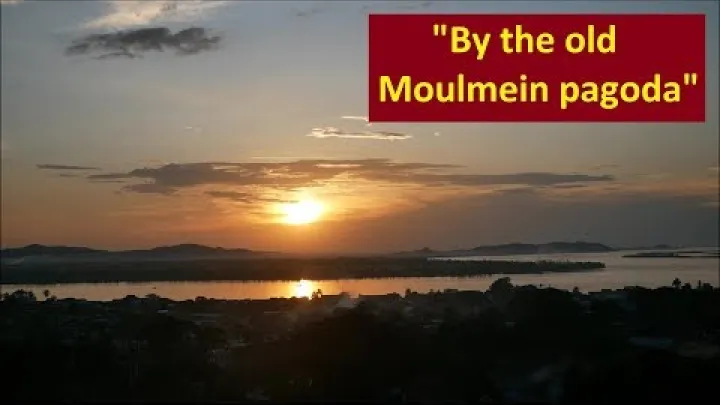
Where to stay in Mawlamyine depends on whether your priority is riverfront atmosphere, access to cultural sights, a lower room cost, or an easy onward journey. For many first-time visitors, Strand Road is the best starting point because it combines the Thanlwin River waterfront with a relatively visitor-oriented setting. The central cultural core, highway bus station area, and airport-side hotels each offer a different trade-off. This guide compares those bases, explains which lodging type fits each trip, and gives you a practical checklist for booking in current local conditions.
Quick Answer: Where to Stay in Mawlamyine
Mawlamyine is easier to choose when you select an area before comparing individual rooms. Start with the location that matches your daily route, then assess the exact property, current operating details, and total cost of staying there.
Choose Strand Road for a First Visit
For many first-time visitors, choose Strand Road, which runs alongside the Thanlwin River. It is the strongest default base when you want a waterfront setting, access to evening activity, and a practical starting point for central sightseeing. An Expedia hotel guide identifies the Strand Road area as Mawlamyine's most developed area for visitors.
This is an area recommendation, not a ranking of every hotel on the road. Riverside properties can differ substantially in room condition, views, noise, reception arrangements, and access to food. Check the exact map pin rather than relying on a city-level search result. A hotel described as being in the Strand Road area may be close to the promenade without being directly on the water.
Strand Road may cost more than basic lodging near a transport corridor, particularly when a room includes a river view or a more central position. It may also be a poor fit if you have a very early bus or need to minimize transfers. Even so, it is usually the most balanced base for a short sightseeing stay because it reduces the need to travel for every meal, walk, or waterfront visit.
Choose a Different Base When Logistics Matter More
Choose the central cultural core if your main goal is access to the Mon Cultural Museum, Kyaik Than Lan Pagoda, and central streets. Choose the Mawlamyine Highway Bus Station corridor, including roads around Myo Shaung Road, when an early departure, late arrival, or short stopover matters more than scenery. Choose an airport or outer-city hotel when you prefer a more self-contained property and are comfortable arranging transport for most central activities.
These are trade-offs, not permanent rankings of the neighborhoods. A simple decision rule is useful:
- Sightseeing and first visit: begin with Strand Road.
- Cultural access or a lower-cost central base: compare the area around the museum and pagoda.
- Onward transport: compare the bus station corridor with the confirmed departure point.
- Privacy and on-site comfort: consider an airport-side or outer-city hotel.
Check Current Access and Booking Conditions Before You Book
Location is only one part of choosing accommodation in Mawlamyine. Booking availability, foreign-guest eligibility, transport arrangements, and local operating conditions can affect whether a seemingly convenient room is actually suitable.
Confirm That the Property Accepts Foreign Guests
International travelers should not assume that every hotel or guesthouse visible online can host every foreign visitor. A property may appear on a booking platform without that listing proving that it is currently authorized, willing, or operational for your passport nationality and arrival date. Treat foreign-guest acceptance as a basic booking filter rather than as a conclusion that applies to every property in the city.
Before paying, contact the property directly. Give the staff your passport nationality, dates, expected arrival time, and booking name. Ask whether the property can host foreign guests, what passport or registration information is required, and whether check-in will be available when you arrive. Written confirmation by message or email is more useful than a general assumption based on a platform listing.
Save that confirmation with your reservation. If you book well in advance, contact the property again shortly before arrival because operating arrangements can change. If the property cannot give a clear answer, choose an established hotel or guesthouse that confirms the arrangement rather than relying on a nonrefundable booking.
Verify Current Travel and Transport Arrangements
Traveler information describes foreign-passenger access on some bus routes as limited or complicated. That report should not be treated as a universal current rule, but it does show why transport needs to be checked separately from accommodation. A room near the highway bus station does not guarantee that a particular route will be running or that a ticket will be available to a foreign passenger.
Hotel staff may be able to explain which terminal an operator uses, help contact a ticket office, or arrange a vehicle. That assistance can reduce confusion, but it is not a substitute for confirmation from the bus operator.
Before finalizing your itinerary, confirm the current foreign-passenger ticket policy, departure time, route, terminal, luggage rules, and any payment requirements with the operator or ticket office. Then ask the property whether its front desk and transport assistance match those details. Keep the final departure information in writing, especially when the bus station name or operator has changed between older travel reports and your booking.
Use a Current Safety and Services Check
Safety in Mawlamyine should be assessed as a current-condition question, not as a permanent ranking of Strand Road, the cultural core, the bus station area, or the outskirts. Conditions in Myanmar can affect movement, communications, services, and transport. Available lodging information is not enough to establish that one neighborhood is always safe or that another is always unsuitable.
Review a current official travel advisory before committing to the trip. Ask the accommodation about restrictions, road disruptions, local access issues, and any conditions affecting your exact dates. You should also ask whether electricity, water, mobile communications, and Wi-Fi are functioning as expected, and whether reaching the property after dark is practical for your arrival plan.
Use the answers to make a clear go or no-go decision. Keep the questions factual and specific: Is the road open for the expected transfer? Can guests move between the property and the main sights under current conditions? Is late arrival accepted? Are there service interruptions that would affect a short stay? This process is more reliable than choosing a neighborhood because an anecdotal review describes it as calm.
The Best Areas to Stay in Mawlamyine
Mawlamyine does not need to be divided into rigid official hotel districts for a visitor to make a good choice. Think in terms of four practical bases: the Strand Road waterfront, the central hill and cultural core, the highway bus station corridor, and airport or outer-city properties.
Strand Road Riverside Promenade
Strand Road is the most visitor-oriented base in the available accommodation research. Its main advantage is the Thanlwin River waterfront, which gives the stay a stronger sense of place than a purely functional roadside location. It is a good fit for travelers who want to step out near the river, spend part of the evening in the central area, and reach other sights by a short ride when walking is not practical.

Booking listings identify riverside examples such as Mawlamyine Strand Hotel, whose presentation emphasizes views of the Thanlwin River. You can compare those listings through Agoda, but treat the platform as a starting point rather than a complete description of current conditions. Look at the room category, not only the hotel name: a river view may apply to some rooms and not others.
The trade-off is usually value rather than access. Riverside accommodation may cost more than a basic room near the bus station, and the busiest parts of the promenade may not be as quiet as an outer-city property. Walkability also varies by address, heat, slope, road crossings, and the exact route to your destination. Choose this area for its balance of atmosphere and convenience, not because every hotel is directly beside every attraction.
Central Hill and Cultural Core
The central cultural core is the practical area around the Mon Cultural Museum, Kyaik Than Lan Pagoda, and nearby central streets. It suits visitors who would rather begin the day near cultural landmarks than beside the river. It can also work well for travelers comparing independent guesthouses or lower-cost private rooms in a central position.
Cinderella Hotel provides a useful example of this area type: its listing places the hostel within a 15-minute walk of the Mon Cultural Museum and Kyaik Than Lan Pagoda, according to Expedia. That distance is a property-specific reference, not a promise for every hotel in the cultural core. Map distance may not equal a comfortable walk because of slopes, heat, road conditions, or the time of day.
This base gives up some of the promenade atmosphere in exchange for cultural proximity. You may still need a ride to reach the riverfront, the bus station, or attractions farther away. Do not assume that a central address guarantees an easy walk after dark; assess the actual route, arrival time, and current local conditions. The area is best for culture-focused travelers who value location more than a resort-like setting.
Highway Bus Station and Myo Shaung Road
The highway bus station area is a functional transport base centered on the Mawlamyine Highway Bus Station and nearby roads, including the Myo Shaung Road corridor. Its main advantage is not scenery. It is the ability to reduce the number of transfers before an early bus, after a late arrival, or during a one-night stopover.
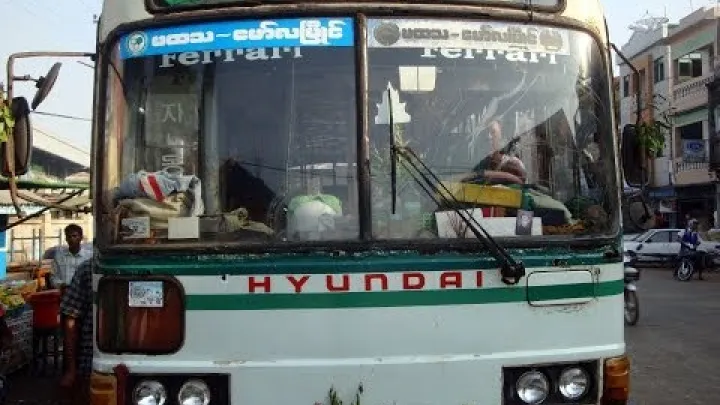
Hotel KS illustrates this positioning. Its booking description emphasizes access to Mawlamyine's major public transport stations and the highway bus station, as shown by Agoda. A transport-focused hotel can be a sensible choice when your itinerary is built around a confirmed departure rather than around waterfront time.
Expect a different experience from Strand Road. Traffic, vehicle noise, fewer visitor-oriented dining choices, and a greater need for rides to the riverfront or cultural sights may affect the stay. Conditions also vary along the corridor, so do not generalize from one property. Confirm the actual terminal, the property's position, and the walking or driving route to the departure point before deciding that the area solves your transport problem.
Outskirts and Airport-Vicinity Hotels
Airport or outer-city hotels suit travelers who prefer a larger, more self-contained property, more privacy, or a predictable accommodation routine. They can be useful for business travelers, guests arriving through the airport, or visitors who do not need to walk to the riverfront and cultural center each day.
Royal Hinthar Hotel is an evidence-backed example of this category. Its listing presents it as a four-star property and gives an eight-minute drive from the airport, according to Agoda. The eight-minute figure is a listed claim for that property, not a travel-time guarantee for every hotel or every traffic condition.
The main disadvantage is dependence on arranged transport. Reaching Strand Road, the Mon Cultural Museum, Kyaik Than Lan Pagoda, restaurants, or the highway bus station may require a taxi or hotel-arranged vehicle. A peripheral location is a comfort preference, not evidence of superior safety. Before booking, make sure the hotel can support your actual routes and that airport or road connectivity matches your arrival and departure plans.
Compare Lodging Types and Value
Mawlamyine accommodation ranges from riverside hotels and central guesthouses to hostels and higher-category properties outside the main visitor core. Compare what the room enables you to do, not only its star label or nightly rate.
Midrange Riverside Hotels
Midrange riverside hotels such as Mawlamyine Strand Hotel and Ngwe Moe Hotel appeal to travelers who want a private room, a central or waterfront position, and a balance between comfort and access. They can be suitable for couples, first-time visitors, and short stays when reducing daily transfers is more important than finding the lowest room price.
Compare the details that affect real value: air-conditioning, breakfast, room size, river or city views, bathroom arrangement, recent reviews, payment terms, and cancellation rules. A three-star label or attractive photograph does not tell you whether the booked room has the feature you need. Confirm whether breakfast is included, whether the view is guaranteed for your room category, and whether the displayed rate applies to your dates.
The likely trade-off is a higher room cost in exchange for location and convenience. That premium may be worthwhile if it replaces several short rides during a short visit. It may be less attractive if you spend most of your time on organized excursions or leave the city early. Use current booking pages to compare total value rather than relying on a fixed price band.
Hostels and Guesthouses for Lower-Cost Stays
Cinderella Hotel, The Old Moulmein Hostel, and Feel Guest House represent the budget and independent-traveler segment identified in the accommodation research. These properties can reduce the room cost and may place you closer to central streets, but the experience depends heavily on the exact room and operating arrangements.
Compare a private room with a dormitory, and check whether the bathroom is private or shared. Also look for reception hours, luggage storage, air-conditioning, breakfast, room access, and the distance to the places you plan to visit. A lower nightly rate may be offset by extra local transport if the property is away from the riverfront, museum, or pagoda.
For international travelers, confirmed foreign-guest eligibility remains part of the comparison; use the direct confirmation process described earlier instead of assuming that a hostel listing alone is sufficient. For everyone, ask how late arrivals, stored luggage, and early departures are handled. A simple room can be good value when the location and check-in process match your itinerary.
Upscale and Resort-Style Hotels
Higher-category or retreat-style hotels are useful for travelers who prioritize space, privacy, quiet, predictable routines, or on-site dining. In Mawlamyine, resort-style is best understood as a more self-contained urban lodging experience, not as a beach-resort setting. The appeal is comfort within the property, especially when you plan to work, rest, or spend more time at the hotel.
Royal Hinthar Hotel is an example of a four-star, airport-oriented option in the available listings. Compare the comfort premium with the practical cost of arranging transport to Strand Road, the Mon Cultural Museum, Kyaik Than Lan Pagoda, restaurants, and the bus station. A higher category does not automatically mean that every service will meet your needs.
Check work-relevant and stay-relevant details separately: Wi-Fi, power continuity, breakfast timing, desk space, vehicle assistance, room conditions, and payment terms. Keep privacy and comfort separate from safety judgments. A quieter or more peripheral property may fit your routine without being objectively safer than a central hotel.
Serviced Apartments and Long Stays: Verify Before Relying on Them
The available research does not establish a dependable current inventory of serviced apartments in Mawlamyine. Monthly rooms or apartment-style arrangements may exist through local contacts, but they should be treated as a category to investigate rather than as a confirmed accommodation recommendation.
For a longer stay, ask for the monthly price and the exact terms in writing. Confirm whether a kitchen is included, how Wi-Fi is provided, whether electricity and water charges are separate, whether there is backup power, and how laundry works. Also ask about registration, payment method, deposits, notice periods, maintenance, and cancellation flexibility.
If a suitable arrangement cannot be clearly confirmed, established hotels or guesthouses may be more practical. Ask whether they offer a longer-stay rate, laundry access, room cleaning, and a reliable way to pay. The best long-stay option is not necessarily the one with the largest room; it is the one with clear costs and dependable daily services.
Choose Your Base by Trip Purpose
The same Mawlamyine area can be convenient for one itinerary and inefficient for another. Match the base to the number of nights, your arrival and departure times, and how often you want to travel between the hotel and the city's main anchors.
First-Time Sightseeing and Evening Walks
For a first sightseeing visit, start with Strand Road. The riverfront atmosphere, central position, and access to evening activity make it the most balanced choice for many travelers. Select the exact hotel by checking its distance from the Thanlwin River and central streets rather than assuming that every address in the area offers the same walking experience.
A practical daily rhythm is to use the part of the day when you are most comfortable for walking along the waterfront or visiting central sights, then use a short ride for hilltop or more distant destinations. You do not need the highest hotel category to have a good base. A well-located room with a workable check-in process can reduce repeated transfers during a short stay more effectively than extra facilities far outside the center.
Backpacking and Budget Control
Budget travelers should compare total trip cost, not only the advertised room rate. A hostel or guesthouse in the cultural core may reduce transport costs for the museum and pagoda. A cheaper room near the bus station may be better value when your main expense is an onward ticket and you spend little time sightseeing in the city.
Choose between a private budget room and a dormitory by considering privacy, reception hours, luggage, sleep needs, and bathroom arrangements. A private room can be worthwhile for a short rest before travel, while a dormitory may suit a flexible itinerary. Do not assume that taxis will always be cheap, available, or practical at your travel time. Include likely rides, meals, and any early-transfer cost in the comparison.
Early Buses and Multi-City Itineraries
If your main concern is a very early bus, a late arrival, or a one-night functional stop, compare accommodation near the highway bus station first. The benefit is simple: less friction between the room and the confirmed departure point. It may be worth giving up the riverfront for one night if doing so avoids a long early-morning transfer.
A split stay is another option. Spend the sightseeing nights near Strand Road or the cultural core, then move closer to the terminal only when the confirmed departure makes that change worthwhile. This adds another check-in and may not be useful for a short visit, so weigh the time and luggage effort carefully.
For a transport-focused night, ask about check-in timing, luggage storage, the route to the terminal, and whether a vehicle can be arranged at the required hour. Keep those details alongside your confirmed departure information. The practical goal is not simply to sleep near a bus station; it is to reach the correct terminal with minimal transfers.
Quiet Comfort and Business Travel
An upscale or airport-oriented property may suit business travelers and visitors who prefer more controlled accommodation routines. More space, privacy, on-site dining, and a less central setting can make it easier to rest or work between appointments. This choice is strongest when daily transport is already planned or when meetings are not concentrated around the riverfront.
Compare the convenience of staying on-site with the time and cost of reaching central restaurants, cultural sights, and the bus station. For work, check Wi-Fi, power continuity, desk space, breakfast timing, payment arrangements, and transport assistance using current property information. Do not infer service standards solely from a star category, and do not treat a quiet location as proof of superior safety.
A Practical Booking Checklist for Mawlamyine
Once you have chosen an area, use a property-level checklist. This prevents an attractive room description from hiding a location, service, or arrival problem that matters more than the room itself.
Compare the Exact Location Before Comparing Room Features
Place each property on a map against Strand Road, the Thanlwin River, Kyaik Than Lan Pagoda, the Mon Cultural Museum, and the Mawlamyine Highway Bus Station. Then compare the route you will actually use, not only the distance shown in a search result. A city-level listing can conceal major differences between a riverside address, a central street, a bus-station corridor, and an outer-city compound.

Assess whether you want to walk for meals and evening activity or whether short rides are acceptable. Consider road crossings, slopes, traffic exposure, arrival time, and the availability of food near the property. Exact walking times should come from the current address and map route, not from a general claim that the hotel is central.
| Area | Best for | Walkability | Transport access | Relative cost | Main trade-off |
|---|---|---|---|---|---|
| Strand Road | First visits and waterfront atmosphere | Best for central walks; varies by address | Good for central trips | Medium to higher | May cost more and may not suit early buses |
| Cultural core | Museum, pagoda, and central sightseeing | Useful for selected sights; routes may include slopes | Rides may be needed elsewhere | Low to medium | Less riverfront atmosphere |
| Bus station corridor | Early departures and stopovers | Useful for the terminal; less sightseeing-oriented | Best for confirmed bus travel | Often lower | Possible traffic, noise, and extra rides |
| Airport or outskirts | Privacy, comfort, and self-contained stays | Limited for central sightseeing | Depends on arranged transport | Medium to higher | Less spontaneous access to central life |
Confirm Room, Power, Water, Wi-Fi, and Check-In Details
Send the property a short checklist before arrival. Confirm the booked room type, private or shared bathroom, air-conditioning, water supply, electricity arrangements, Wi-Fi, breakfast, payment method, and reception hours. Ask whether the room shown in the booking is the room you will receive, especially when a listing includes several categories.
Small-property operating details matter when inventory is limited or conditions change. Ask about late arrival, passport registration, luggage storage, extra charges, and the process for contacting staff outside reception hours. If electricity backup, reliable Wi-Fi, continuous water, or 24-hour reception is important, request a direct answer rather than assuming it from reviews or photographs.
Keep the property's response with your booking confirmation. The most useful message is specific enough to be checked on arrival: room type, arrival time, payment, included services, and any arrangements for transport or luggage.
Build Flexibility Into Short Stays
Choose flexible cancellation or change terms when they are available, particularly for a one-night transit booking or an itinerary that depends on confirmed transport. Flexibility gives you room to move from a peripheral hotel to a central base, or from the riverfront to the bus station corridor, when your actual schedule makes that change worthwhile.
Keep the property's direct contact details, booking confirmation, arrival time, and onward transport information together. Ask in advance what happens if your arrival is delayed or your departure time changes. Flexible terms are a planning tool, not a guarantee that every change can be accepted, so read the conditions rather than relying on a flexible label.
A split stay can preserve both sightseeing access and transport convenience, but it adds another check-in and luggage transfer. Use it only when the confirmed route and timing justify the extra move. For many short visits, one well-positioned Strand Road or cultural-core booking is simpler; for a very early departure, one practical night near the terminal may be the better use of your final evening.
Final Recommendation for Where to Stay in Mawlamyine
For most first-time visitors, Strand Road is the best default area to stay in Mawlamyine because it combines the Thanlwin River waterfront with access to central activity. Choose the cultural core when the Mon Cultural Museum and Kyaik Than Lan Pagoda are your main priorities, the highway bus station corridor when a confirmed departure controls your schedule, and an airport or outer-city hotel when privacy and on-site comfort matter more than walkability.
Whichever base you choose, compare the exact map position and total trip cost before comparing room features. Confirm foreign-guest acceptance, transport details, current local conditions, and property services directly when they affect your booking. That approach will help you find not merely a room in Mawlamyine, but a base that matches the way you plan to experience the city.
Select area
Create a post
Posting is free and no registration is required.