Mawlamyine Budget: Daily Costs, Ranges & Saving Tips
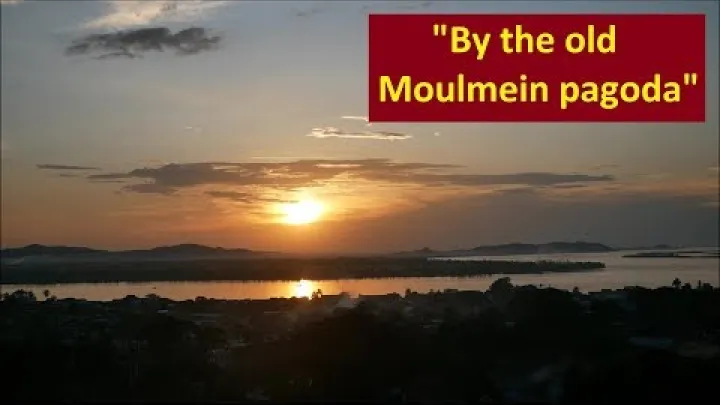
A Mawlamyine budget can be modest, but the total depends heavily on your room, food choices, transport needs, and optional experiences. As a practical starting point, plan about US$20–35 per person per day for shoestring travel, US$35–60 for mid-range travel, and US$60–100 or more for a comfortable stay. These are planning bands rather than guaranteed current prices because the available evidence combines booking snapshots with dated Myanmar-wide and local references. This guide explains what each range includes, how to budget for solo and couple travel, and how to replace estimates with current quotes.
Mawlamyine Daily Budget Ranges
Daily Budget Ranges by Travel Style
The table below gives a quick Mawlamyine travel budget for one person. It assumes solo occupancy of a simple private room and a normal sightseeing day inside the city. The figures are indicative allowances, not live tariffs. The broad ranges are useful for planning, but the final amount should come from the exact room, menu, ride, and activity prices available for your dates.
| Travel style | Per person per day | Lodging | Food and drinks | Local transport | Activities |
|---|---|---|---|---|---|
| Shoestring | US$20–35 | US$12–20 | US$5–9 | US$1–3 | US$0–3 |
| Mid-range | US$35–60 | US$20–35 | US$8–15 | US$2–6 | US$0–8 |
| Comfortable | US$60–100+ | US$40–92+ | US$15–30+ | US$5–15+ | US$0–25+ |
The component ranges can overlap and should not be added automatically at their maximum values. For example, a mid-range traveler may choose a US$25 room, local meals, and free sightseeing, while another may choose a cheaper room but spend more on restaurant meals and transport. A dated Myanmar-wide travel-cost guide places local food and basic daily expenses in relatively low categories, but its figures should frame the estimate rather than be treated as current Mawlamyine prices.
A couple sharing one private room may spend less per person than the solo figures suggest because the room is paid once. A comfortable tier is provisional: it is mainly a result of better accommodation, hotel dining, private rides, private boat travel, or paid guides, not a verified citywide average.
What the Daily Figures Include and Exclude
The normal daily estimate means on-the-ground spending during a Mawlamyine stay. It usually includes one night of lodging, three simple meals or a mixture of meals and snacks, ordinary drinks, short local rides, and free or low-cost sightseeing. In the table, lodging is shown as a solo room allowance. For a couple, enter the full room price once and divide it between the two travelers.
Usually included: one night, daily food and normal drinks, short trips within Mawlamyine, and a small allowance for free or low-cost activities.
Usually excluded: international transport, arrival and departure tickets, intercity buses or boats, shopping, insurance, permits, and optional Hpa-An boat trips. Add these as separate lines rather than hiding them inside a city-day average.
An intercity travel day can cost more than a sightseeing day because the ticket is an additional item. A room, meals, and short rides may stay similar, but a bus, minibus, or boat can add a separate per-person or per-group charge.
The Main Factors That Move Costs Up or Down
Accommodation and occupancy usually have the greatest effect on a Mawlamyine budget. The same trip can look inexpensive for two people sharing a room and much more expensive for one person paying the entire nightly rate. Room type also matters: a fan room with a shared bathroom is a different product from an air-conditioned ensuite room with breakfast and hot water.
- Room choice and occupancy: the nightly rate, room facilities, and number of people sharing the room can change the per-person total more than a single meal.
- Food and drinks: local tea shops and simple restaurants support a lower allowance, while imported food, hotel dining, soft drinks, and alcohol create upgrades.
- Transport frequency: a walkable base reduces short rides. Frequent private tuk-tuk-style trips or a vehicle hired for a day can move a traveler into a higher band.
- Optional experiences: a shared boat may be a manageable add-on, while a private charter, guide, or organized trip can have a much larger group cost.
- Dates and availability: weekends, local events, limited room supply, and short booking lead times can affect both price and choice, even when no standard surcharge is published.
Mawlamyine should be planned as a specific urban base rather than as a fixed price model for every part of Southeastern Myanmar. A rural stop or resort-style destination may have a different balance between room supply, food choice, and access. Compare the total cost of the base, including rides and time, instead of relying only on a neighborhood label.
Accommodation Prices in Mawlamyine
Accommodation is often the most important line in a Mawlamyine daily budget. Compare the room features and total booking cost, not only the advertised nightly number.
Budget Guesthouses and Simple Private Rooms
An Agoda listing snapshot shows Mawlamyine accommodation from around A$12 per night. This is an availability signal from a booking platform, not a guaranteed rate for your dates. Taxes, room type, booking conditions, and remaining inventory can make the price you see at checkout different.

Older reported Mawlamyine examples include Aurora Guest House, Aye Chan Mya Guest House, and Breeze Inn. Together, these examples illustrate why simple rooms should not be compared as if they were identical. Historical descriptions distinguish between fan rooms, air-conditioned rooms, shared and private bathrooms, breakfast, and Wi-Fi. Older material has also reported simple private rooms from the low teens to around US$20, but those figures are not current MMK quotes.
Before paying, compare the following details:
- Whether the booking is for a private room, a shared room, or a bed.
- Fan or air conditioning, bathroom type, hot water, and the room's actual occupancy.
- Whether breakfast, Wi-Fi, taxes, or other services are included.
- Power arrangements and any practical limits that affect air conditioning or charging.
- The accepted payment method, the currency used at payment, and the cancellation terms.
Confirm the current room rate, the exact room type, included breakfast, air-conditioning, bathroom, and cancellation conditions with the property or booking provider before paying. A low headline rate is less useful if the room lacks the facility you need or becomes nonrefundable before your itinerary is settled.
Mid-Range and Comfortable Hotels
Mid-range accommodation usually means a more consistent private room, private bathroom, air conditioning, hot water, breakfast, quieter surroundings, a river view, or access to on-site dining where available. Not every property offers every feature, so use the description and inclusions to define the tier rather than assuming that a hotel label guarantees comfort.
An Expedia snapshot for Mawlamyine hotels with restaurants displays a rate around US$92 per night. This is an upper-market listing signal from a narrow search category, not a citywide average or a guaranteed rate. It helps show how quickly a comfortable room can dominate the daily total.
For a solo traveler, a US$92 room is a US$92 lodging line before meals and transport. For two people sharing that room, the accommodation portion is US$46 per person before other spending. Taxes, breakfast, service charges, and cancellation rules should be kept visible, because a room-only rate and a complete hotel package are not directly comparable.
A comfortable daily budget can therefore exceed US$100 when a higher-priced room is combined with restaurant meals, private transport, alcohol, or a paid experience. The room price should always be separated from the complete daily estimate.
Location, Availability, and Booking Choices
Strand Road and Lower Main Road appear in reported Mawlamyine lodging references as riverfront and central location examples. They can be useful comparison areas for travelers who value walking access, but neither should be treated as always the cheapest, safest, or best base. The right choice depends on the room price, included features, nearby food, and the number of rides you expect to take.
A cheaper room farther from your main activities may stop being cheaper if you need repeated rides. Conversely, paying more for a central room is not automatically good value if you plan to use private transport or spend most of the day elsewhere. Compare the nightly difference with the expected transport cost and the time saved.
Online booking makes it easier to compare photographs, reviews, inclusions, and cancellation terms. Asking a local guesthouse directly or checking availability after arrival may offer different options, but walk-in prices and room supply are less predictable. For either method, compare the final total for the same dates, the same room occupancy, and the same inclusions.
Exact dates, weekends, local events, length of stay, and cancellation flexibility can all change the best choice. A flexible booking can be useful when transport or arrival timing is uncertain, while a nonrefundable rate may only be worthwhile when the room and dates are already settled.
Food, Drinks, and Everyday Spending
Food costs in Mawlamyine are shaped less by a single citywide price than by where and what you eat. A local-food routine can fit the lower daily bands, while imported products, hotel meals, and alcohol need a larger allowance.
Local Meals, Tea Shops, and Restaurants
A dated Myanmar-wide reference reports street-food prices of roughly 400–1,300 kyat and simple restaurant prices of roughly 2,600–10,000 kyat. These amounts are historical context, not current Mawlamyine menu prices. The Southeast Asia Backpacker guide is useful for seeing the relative difference between street food and restaurant meals, but old kyat figures should not be converted directly into a current US dollar allowance.
![Preview image for the video "[EngSub] Our LAST DAY in Mawlamyine | စလေဒင် ဒီမှာ တကယ်နေခဲ့တာလား? မရမ်းကုန်းပဲလိပ်နဲ့ မုန်လာဥမုန့်".](/sites/default/files/styles/media_720x405/public/oembed_thumbnails/2026-08/6Toy3Uw0fe1WkAlE6IvADWrXRTtqDrBsk8vJGhTXjyo.jpg.webp?itok=cySwvBUJ "Preview image for the video \"[EngSub] Our LAST DAY in Mawlamyine | စလေဒင် ဒီမှာ တကယ်နေခဲ့တာလား? မရမ်းကုန်းပဲလိပ်နဲ့ မုန်လာဥမုန့်\".")
For planning, a local-food day might include a tea-shop breakfast, a simple rice or noodle meal, a modest restaurant meal, and water or tea. This can support the lower food allowance in the budget table. A traveler who chooses Western food, imported ingredients, hotel restaurants, large shared meals, or several restaurant drinks should move toward the mid-range or comfortable food allowance.
Pao Mon and May South Indian Chetty Food are named Mawlamyine examples that travelers may investigate when comparing local dining options. Treat them as places to check rather than guaranteed recommendations. Confirm whether each venue is open on your intended day, review the current menu and portions, and ask which payment methods are accepted.
Sharing dishes can reduce the per-person amount when portions are suitable for two people, while ordering individually can make the total easier to control. Keep breakfast, lunch, dinner, snacks, and drinks as separate mental categories so one inexpensive meal does not hide a costly evening meal.
Water, Soft Drinks, and Alcohol
The dated Myanmar-wide research gives examples of bottled water at about 300–500 kyat and beer in the several-thousand-kyat range in different contexts. These nominal prices may have changed, and the same product can cost more at a hotel, bar, or tourist-oriented venue than at a local shop. Use the examples to understand the relative effect of drinks, not as current Mawlamyine prices.
Build the food budget in two versions if drinks matter to you. An alcohol-free example includes meals, tea, and essential water, with a small line for soft drinks or snacks. A moderate-drinking example adds one or two beers or other discretionary drinks each day. That addition can materially change a shoestring food budget, especially when drinks are bought with restaurant meals.
Separate essential hydration from discretionary purchases. Frequent bottled drinks, imported soft drinks, hotel-bar purchases, and alcohol are easy to overlook when the budget is written only as breakfast, lunch, and dinner.
Laundry, Connectivity, and Other Small Costs
Small expenses are rarely the largest part of a Mawlamyine trip, but they accumulate over several nights. Keep a separate incidental line for laundry, SIM or data, toiletries, snacks, small donations, tips, and minor personal purchases.
- Laundry: note whether you will pay for a service or wash small items yourself.
- Connectivity: include a SIM, data, or extra communication costs if needed for maps and bookings.
- Personal supplies: allow for toiletries, medication, sunscreen, snacks, and replacement items.
- Local customs: keep donations or tips visible when you choose to make them rather than treating them as compulsory fees.
The available evidence does not support fixed current Mawlamyine prices for these categories. Use a flexible worksheet line and record actual spending during the first day or two. These items are usually easier to reduce than accommodation or intercity access, but they should not be omitted from a longer itinerary.
Local Transport and Intercity Access Costs
Transport should be divided into short city rides and access to or from Mawlamyine. Walking can keep a normal sightseeing day inexpensive, while a single intercity ticket can change the total for that day.
Short Rides Within Mawlamyine
Walking, motorbike taxis, trishaws, and tuk-tuk-style vehicles are the main types of local mobility to consider for a budget worksheet. A dated Wikivoyage reference gives about 350 kyat for an in-town ride and about 700 kyat for transport from a bus or train station to the center. These are historical benchmarks, not current fares.
The same historical reference warns about a much higher quoted tuk-tuk fare. That example should not be treated as a current price ceiling, but it shows why travelers need a local benchmark and should agree on the fare before boarding. A walkable base, grouped errands, shared transport, and fewer short rides can reduce the transport line more reliably than trying to predict one exact fare.
For planning, the table's US$1–3 shoestring allowance assumes walking with only occasional short rides. US$2–6 may suit a mid-range traveler who rides more often, while US$5–15 or more can apply when private rides are frequent. These are placeholders for the worksheet, not live local tariffs.
Buses, Minibuses, and Boats to Nearby Bases
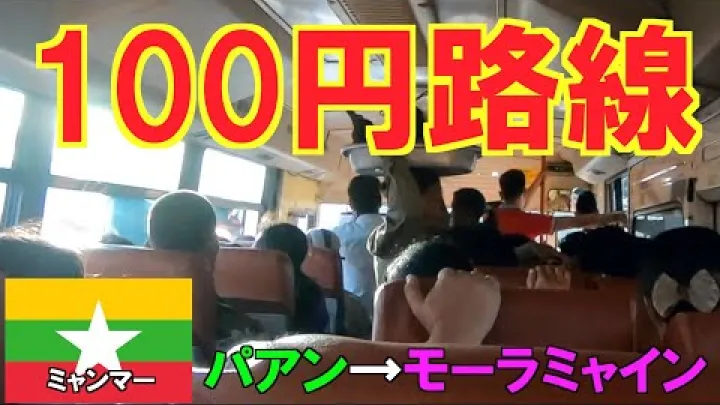
Access costs require a separate comparison because the cheapest option is not always the fastest or most comfortable. Historical Hpa-An–Mawlamyine references distinguish a local bus, an air-conditioned minibus, and a shared boat. The local bus represents the lower-cost transport choice, the air-conditioned minibus represents a higher price for comfort or speed, and the boat combines access with a scenic experience.
| Mode or connection | Historical comparison | Budget meaning | Record before purchase |
|---|---|---|---|
| Hpa-An–Mawlamyine local bus | Older lower-cost reference | Usually compare as a per-person ticket | Fare, departure point, time, baggage |
| Hpa-An–Mawlamyine air-conditioned minibus | Older higher-cost reference | Pay more for a different comfort or speed choice | Operator, departure, inclusions, price basis |
| Shared boat | Older per-person boat reference | Separate shared fare from a private charter | Operating date, boarding point, weather or access limits |
| Yangon or Myawaddy connection | Older route-fare examples and ranges | Keep long-distance access outside the city-day average | Current operator, route, ticket, baggage, transfers |
Historical Yangon and Myawaddy fare ranges are useful only as evidence that these connections need their own budget lines. Fuel costs, operators, schedules, route conditions, and currency conditions can change them. Do not combine a shared boat fare per person with a private charter price for the whole boat, because that produces a misleading range.
Before buying, confirm the current bus or boat fare, departure point, schedule, and whether the quoted price is per person. If the provider does not operate on your intended date, the cheapest historical option may not be available at all.
How to Budget for a Transport Day
Use a simple formula for a day that includes access to or from Mawlamyine:
Transport-day total = lodging + meals and drinks + local rides + intercity ticket + optional experience + confirmed fees.
If a normal city day is planned at US$30 and the current one-way ticket is quoted separately, the transport day is US$30 plus that ticket. Do not replace the local transport allowance with the ticket or hide the ticket inside an unexplained daily average. Add baggage, terminal, booking, or transfer fees only when the current operator or ticket source confirms them.
Compare the modes by total cost and experience. A bus may preserve a shoestring budget, an air-conditioned minibus may buy comfort or time, and a boat may be worth keeping when the journey itself is a priority. None is universally best for every traveler.
Low-Cost Activities and Sightseeing
Mawlamyine can support a low activity budget when the itinerary emphasizes self-guided walks, public areas, and reported free-entry landmarks. Keep optional boats, guides, and organized experiences outside the base sightseeing total.
Pagodas, Riverside Areas, and Self-Guided Exploration
Kyaikthanlan Pagoda is reported as a no-entry-fee landmark and can be used as an example of a low-cost activity. Treat the report as a planning reference, not a promise that every visit has identical conditions. Check locally for donation expectations, special access rules, event-related changes, or areas that may not be open.
Other low-cost options can include riverside walks, markets, colonial-era streets, and local neighborhoods. Their main costs are time, water, and any local transport needed to reach them. A day built around walking and free or low-cost sights can keep the activity line near zero, even if the food and accommodation choices are mid-range.
For each sight, write down the actual budget decision: walk or ride, possible donation, guide or no guide, and whether the site is suitable for a self-guided visit. Do not assume that every landmark is free or that all sites have the same opening conditions.
When a Boat Trip or Guided Experience Changes the Budget
The Hpa-An–Mawlamyine boat can be treated either as transport or as an optional scenic experience. Historical references distinguish a shared fare per person from a private charter for the whole boat. Those old figures can show the difference between the two choices, but they should not be used as current quotations.

A private charter, guide, organized day trip, or premium experience can create a large jump from a budget day to a comfortable day. Use a clear decision rule: keep the experience if it is a priority, but remove it from the base budget and list it as an optional add-on.
For every boat, guide, or tour, label the amount as either per person or per group. Do not invent an admission or tour price when the available research does not provide one. A planned activity can remain in the worksheet as a blank line until a provider gives a usable quote.
Currency, Payments, and Price Verification
Kyat prices and US dollar planning bands serve different purposes. Use each one carefully so old local figures do not create false precision.
Using Kyat and USD Without Misreading Old Prices
Older kyat prices cannot be converted directly into today's US dollar budget. Both nominal local prices and the exchange rate may have changed, so an old amount that once represented a cheap meal may no longer buy the same meal. The same problem applies to old transport fares and guesthouse rates.
Use USD for broad comparison when the source provides a dated USD figure or a booking snapshot, such as a displayed accommodation rate. Use MMK examples with their date and source context. Their main value is to show relative tiers, such as street food versus a simple restaurant, not present-day purchasing power.
Check a current authorized MMK exchange quote and the payment method accepted by each major provider before fixing the final cash budget. Record any known exchange spread or transaction fee separately. Do not rely on a live exchange rate unless it has been checked close to the time you make the booking or withdrawal.
In your worksheet, keep the provider's quoted currency as the primary record and add your planning-currency estimate beside it. This makes it easier to update the total when the exchange rate changes without rewriting the original quote.
Cash, Cards, ATMs, and Small Payments
Plan for cash-based small purchases unless current card acceptance has been confirmed with the specific accommodation, restaurant, transport provider, or attraction. Payment practice can differ between a hotel, a local restaurant, a bus office, and a boat operator, so a national assumption is not enough for a particular purchase.
ATM access, withdrawal limits, fees, network availability, and the currency dispensed are variables to check. Avoid treating any one ATM or payment method as guaranteed. Ask the accommodation about accepted payment methods before arrival, and ask transport or boat providers how they require payment before committing to the service.
Keep three concepts separate in the worksheet: the full trip budget, the amount planned for ordinary daily spending, and an emergency reserve. This separation helps you see whether a low daily estimate depends on access to a card or ATM that may not be available when needed.
A Price-Verification Checklist Before Paying
Use this short checklist on your phone for every important quote:
- Date: When was the price given, and is it valid for your exact stay or travel date?
- Currency: Is the amount in MMK, USD, or another currency, and what exchange assumption is being used?
- Price basis: Is it per person, per room, per vehicle, per boat, or per group?
- Inclusions: Are breakfast, drinks, baggage, transfers, taxes, service charges, or entry included?
- Payment: Is cash, card, transfer, or another method accepted, and when is payment due?
- Conditions: What are the cancellation, refund, rescheduling, and no-show terms?
- Availability: Is the room, vehicle, boat, guide, or attraction actually available on the intended date?
- Evidence status: Is this a confirmed quote, a booking-platform estimate, a historical benchmark, or an informal verbal suggestion?
Apply the same process to a guesthouse, restaurant menu, local ride, intercity ticket, boat, guide, or donation-based attraction. Record the original quote and your planning-currency estimate side by side. A confirmed quote is stronger than a platform estimate, a platform estimate is different from a historical benchmark, and an informal suggestion should not be treated as a fixed fare.
Practical Ways to Save Money in Mawlamyine
The best savings usually come from a few large decisions rather than trying to remove every small pleasure from the trip.
Choose the Right Room and Base
Start with the room features you actually need. Compare fan and air-conditioned rooms, shared and private bathrooms, breakfast inclusion, power arrangements, and room sharing. Do not treat every room in the budget category as equivalent.
Next, compare walking convenience with the total price. A room that costs more may be good value if it removes several daily rides and reduces travel time. A cheaper room farther away may still be the better choice when you plan to walk, eat nearby, and stay several nights.
Use this decision sequence:
- Choose the essential room features.
- Compare the walking distance to your main activities and food options.
- Compare the complete price, including inclusions and payment terms.
- Choose booking flexibility that matches the certainty of your itinerary.
A small upgrade from a basic room to a more comfortable room can improve the trip without automatically moving the entire budget into the comfortable tier. The effect depends on whether you also add hotel dining, private transport, and paid activities.
Save on Food, Transport, and Activities
Use local tea shops and restaurants for most meals when that suits your preferences. Treat imported food, hotel dining, and alcohol as deliberate upgrades rather than invisible defaults. This keeps the food budget understandable and makes it easier to choose one special meal without allowing every meal to become a higher-cost meal.
Walk short distances when practical, group errands, and compare shared transport with private rides. The trade-off is less convenience and sometimes more time. A private ride can be worthwhile for a late arrival, heavy luggage, or a group, but it should be listed as a choice rather than assumed in every daily total.
Build sightseeing around reported free or low-cost landmarks, riverside areas, markets, and self-guided walks. Add a boat trip or guide only when it is a priority. Keep water, snacks, laundry, and connectivity visible in the worksheet so savings in one category are not lost through untracked incidentals.
Manage Weekend, Peak-Period, and Event Costs
Exact-date demand can affect room availability and quoted prices, even though the available evidence does not establish a standard Mawlamyine weekend or event surcharge. A preferred room may be unavailable, leaving only a more expensive category or a less convenient base.
For the same dates, compare several live listings and ask properties whether a weekend rate, local holiday, or event-related condition applies. Compare the final total and inclusions, not only the first nightly number. If a preferred property is unavailable, adjust the room features or dates while keeping nonrefundable bookings separate from uncertain estimates.
Shoulder-period savings are possible but not guaranteed. Before making a nonrefundable booking, check live prices for the exact dates, including weekends and known local events. Flexibility is most useful when it changes the room category or avoids a shortage, not when it is based on an assumed seasonal discount.
A Practical Mawlamyine Budget Worksheet
A worksheet turns broad ranges into a trip estimate that you can update. Use the same categories for solo and couple travel, then add intercity costs separately.
Build a Solo Traveler Estimate
For a solo traveler, use this formula: nightly bed or room cost + three meals and drinks + short local rides + planned activities + incidental spending. The solo traveler normally pays the full room rate, so accommodation is often the key decision even when food and local transport remain inexpensive.
The following examples use provisional allowances only. They show the math, not guaranteed itineraries or current quotes.
| Style | Illustrative calculation | Illustrative daily total |
|---|---|---|
| Budget | US$15 room + US$8 food and drinks + US$2 rides + US$2 activities + US$3 incidentals | US$30 |
| Mid-range | US$28 room + US$13 food and drinks + US$4 rides + US$5 activities + US$4 incidentals | US$54 |
| Comfortable | US$65 room + US$25 food and drinks + US$10 rides + US$10 activities + US$5 incidentals | US$115 |
Replace every example with your own quote. If you are planning two nights, multiply the night-inclusive daily estimate by two and then add any separate arrival or departure-day spending that the example does not cover. If you have an intercity ticket, keep it on its own line so the city-day cost remains clear.
Build a Couple's Shared-Room Estimate
For a couple, calculate the room once and divide the accommodation cost by two. Then add each person's food, transport, activity, and incidental spending. Sharing can make a mid-range room affordable per person, but private tours, alcohol, and boat charters can still raise the total.
| Category | Couple calculation | Per-person amount |
|---|---|---|
| Room | US$40 private room divided by two | US$20 |
| Food and drinks | US$12 each | US$12 |
| Local transport | US$4 each | US$4 |
| Activities | US$5 each | US$5 |
| Incidentals | US$4 each | US$4 |
| Total | US$90 for two people | US$45 each |
In this example, the couple's total is US$90 per day and the per-person equivalent is US$45. If the room changes from US$40 to US$60, each person's accommodation line increases by US$10. That change may be larger than the difference between one inexpensive local meal and another. Label a shared boat or private vehicle separately: a shared boat may be priced per person, while a charter is generally considered as a group cost.
Add Arrival, Departure, and Contingency Costs
Use a final trip formula that keeps uncertainty visible:
Total trip estimate = normal city days + extra nights or day spending + intercity tickets + station or terminal transfers + optional boat travel + confirmed fees + flexible reserve.
For a multi-night stay, enter lodging once for each night. Enter meals, local rides, and activities for each calendar day you will actually spend them. For example, a four-night stay may have four night-inclusive city days plus separate food or transport on a fifth departure day. Add the arrival or departure ticket on its own line rather than assuming it is part of the ordinary Mawlamyine daily budget.
Keep a flexible reserve for a changed room, extra transport, unavailable service, price movement, or a higher-than-planned meal. Do not hide that uncertainty inside an overly precise total or assign a fixed percentage that does not match your travel style. Recalculate the worksheet after checking accommodation, transport, payment, and exchange information.
Final Mawlamyine Budget Takeaways
For a practical starting point, use US$20–35 per person per day for shoestring Mawlamyine travel, US$35–60 for mid-range travel, and US$60–100 or more for comfortable choices. The largest variables are usually the room and occupancy, followed by restaurant meals, drinks, private transport, and optional experiences.
Keep historical kyat figures separate from current quotes, treat booking snapshots as signals rather than guarantees, and list intercity tickets and boat trips outside the normal city-day budget. A simple worksheet that records the price basis, inclusions, payment method, and exact dates will give you a more reliable Mawlamyine travel budget than any single average.
Select area
Create a post
Posting is free and no registration is required.