Mawlamyine Best Time to Visit: Weather by Month
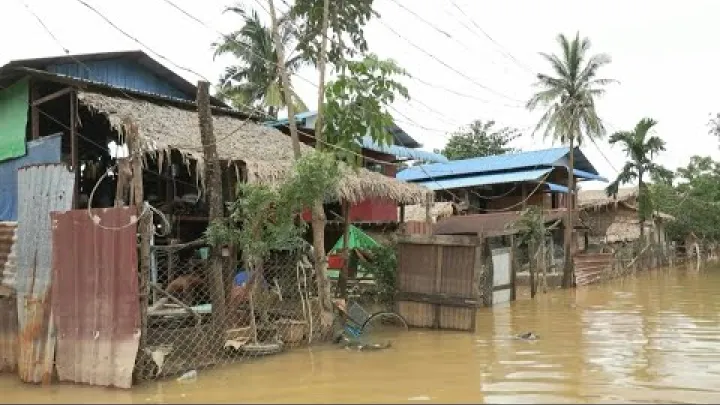
The best time to visit Mawlamyine is usually from November to February, when rain is generally lower and walking, riverfront sightseeing, and day trips are easier to plan. Mawlamyine stays warm throughout the year, so the main seasonal choice is between drier conditions, intense pre-monsoon heat, and the heavy rain of the southwest monsoon. This Mawlamyine weather guide explains the climate by month and shows how the seasons affect pagoda visits, outdoor excursions, coastal plans, clothing, transport, and possible travel costs. Climate averages can help you choose a month, but the live forecast and local access conditions should shape your final itinerary.
Quick Answer: When Is the Best Time to Visit Mawlamyine?
For most travelers, November to February offers the best overall balance. The weather is generally drier than in the monsoon, humidity is more manageable than in the wettest months, and daytime sightseeing is usually more comfortable than during the hottest part of the year. This is the strongest period for a first visit focused on the Mawlamyine riverfront, hilltop pagodas, viewpoints, local markets, and excursions around Mon State.
Best Overall: November to February
Choose November to February if you want the simplest travel conditions. Lower rainfall improves the chances of uninterrupted walks, clearer views across the Salween River, and easier movement between city sights. It can also make road-based day trips more practical because wet surfaces and heavy rain are less likely to dominate the schedule.
This is a warm tropical travel window, not a cold-season escape. Light clothing, drinking water, a hat, and sun protection are still useful. January is often described as one of the more comfortable months, while December and February are also strong choices for dry-weather sightseeing. November can be especially appealing as a shoulder month, although early-month conditions may still show some variation after the monsoon. The recommendation describes a typical pattern, not a promise of clear skies every day.
When to Choose the Shoulder or Wet Season Instead
March and April can suit visitors who prefer mostly dry access and can tolerate strong heat. Outdoor plans are more manageable when the day is organized around the hottest hours, but the experience is less comfortable than in the drier and milder part of the year. May is a transition month, with rising humidity and increasingly established rain, so it requires more flexibility than April.
June to October can appeal to travelers who like lush scenery, a slower atmosphere, or the possibility of lower-season accommodation value. The trade-off is substantial: rain can interfere with viewpoints, walking, road journeys, river activities, and coastal excursions. Do not assume that one month is always the cheapest or least crowded in Mawlamyine. Prices and visitor levels depend on exact dates, accommodation supply, transport, events, and wider travel conditions. Peak monsoon months are the least suitable choice for a rigid schedule with several time-sensitive excursions.
| Period | Typical feel | Best for | Main trade-off |
|---|---|---|---|
| November to February | Drier and warm | General sightseeing and excursions | Some high-season demand may affect availability |
| March to April | Hot and mostly dry | Heat-tolerant travelers | Strong midday heat |
| May to June | Hot, humid, and increasingly wet | Flexible travelers and green scenery | Changing plans and rising rain |
| July to September | Core monsoon | Atmosphere and lush landscapes | Frequent rain and difficult outdoor access |
| October | Monsoon transition | Travelers seeking improving conditions | Rain remains possible and variable |
Mawlamyine Climate and Weather Pattern
Mawlamyine has a tropical, monsoon-influenced climate. Its location in Mon State, near the Salween River and the Gulf of Mottama, helps explain why the city remains warm while experiencing a pronounced wet season. The practical result is a long period when rain can affect travel, rather than four sharply separated temperate seasons.
Why Mawlamyine Has a Short Dry Season and a Very Wet Monsoon
Mawlamyine's low-latitude coastal setting keeps temperatures warm through the year. The southwest monsoon brings moist air and a strong increase in rainfall, while the months from late in the year into early in the next year are generally drier. Regional geography also matters. The Salween River shapes views and riverfront activities, while the Gulf of Mottama contributes to a maritime environment in which heavy rain, high humidity, and coastal weather systems are important considerations.
The broad annual pattern is more useful than a single temperature figure. November to February is generally the drier travel window. March and April are hotter and often more demanding for long walks. Rain increases from May, and the established monsoon usually affects June through September most strongly. October often begins a gradual transition toward drier conditions, although it should not be treated as reliably dry. A climate summary for Mawlamyine Climate Data also describes the city as tropical with substantial precipitation during much of the year.
Climate Averages Versus the Live Forecast
Climate averages describe what has commonly happened over a long period. They help you compare January with August or February with April, but they do not predict the weather on a particular travel date. A normally dry month can still bring a rainy day, and a wet month can contain useful breaks between showers.
Use the monthly guide below to choose the general season, then make operational decisions from current information. The U.S. Climate Normals information explains why long-term normals are useful for comparison but should not be confused with a specific forecast. Before departure, consult Myanmar's Department of Meteorology and Hydrology for current forecasts, warnings, and severe-weather information. This is especially important when your plans involve boats, exposed coastal areas, long road journeys, or several outdoor activities on fixed dates.
November to February: The Drier Travel Window
These four months are the clearest answer to the question of when to visit Mawlamyine for general comfort. They are not guaranteed to be rain-free, but they normally provide the most dependable combination of drier weather, usable walking conditions, and manageable heat.
November
November is a transition toward the drier season. Conditions often improve after the main monsoon, but the beginning of the month can differ from the end. Travelers who arrive later in November may find the seasonal change more established, while early November still deserves a little flexibility.
As rain decreases, riverfront walks, hilltop pagoda visits, and road travel can become easier. Better breaks in the cloud may also improve views around the Salween River, although visibility is never guaranteed. November is a strong shoulder-season choice for visitors who want drier conditions without treating every day as perfectly clear. The month works particularly well for a city stay with a few regional excursions, provided the itinerary allows for normal transition-season variation.
December
December is part of Mawlamyine's relatively dry and comfortable period. Lower rain risk supports walking tours, visits to viewpoints and hilltop pagodas, and day trips that would be less predictable during the core monsoon. It is a practical month for visitors who want to spend much of the day moving between outdoor and cultural sights.
Daytime conditions remain tropical. Pack light clothing, comfortable shoes, sun protection, and enough water for extended walks. A light layer may be useful for a more comfortable morning or evening, but winter clothing is generally not the focus of a Mawlamyine packing list. Demand across Myanmar may be higher during the broader dry-season travel period, which can affect some availability, but there is not enough Mawlamyine-specific evidence to claim a fixed December price or crowd pattern.
January
January is often one of the most comfortable months to visit Mawlamyine. It belongs to the drier part of the year and is relatively cooler by local standards, although the city remains warm. Mornings and evenings may feel easier for walking, while afternoons are still suitable for sightseeing when sun protection and rest are included.
The more manageable conditions support a full range of city activities, including the Mawlamyine riverfront, local markets, hilltop pagodas, and regional road trips. January is a good choice when you want to combine several types of sightseeing rather than focus only on indoor culture. Treat cool as a relative term: visitors should still expect a tropical climate and plan for warmth during the middle of the day.
February
February continues the dry-season pattern and is generally favorable for walking, photography, viewpoints, and nearby excursions. It is one of the best balances between reliable access and manageable temperatures, especially for visitors who want to spend substantial time outdoors.
Heat begins to build as the year moves toward March and April. Midday sun protection, water, and occasional rest breaks therefore become more important than they may be in January. February does not eliminate short showers or year-to-year variation, but it normally offers a more dependable sightseeing base than the months that follow. Choose it when dry conditions matter but you would prefer to avoid the strongest pre-monsoon heat.
March to June: Heat, Monsoon Onset, and Rising Rain
This period contains two different planning challenges. March and April are mainly defined by heat, while May and June bring the transition into a wetter and more humid travel pattern. The best month within this period depends on whether you value relatively reliable access or can accept changing outdoor conditions.
March
March marks the beginning of the hot pre-monsoon period. Rain is often less dominant than later in the year, which can preserve access to city sights and road excursions, but the middle of the day can be physically demanding. Long walks, climbs to viewpoints, and exposed riverfront activities may feel much harder than they do from November to February.
March can suit heat-tolerant visitors who prioritize relatively reliable access over cooler conditions. Plan the most active outdoor visits for early morning or late afternoon, and use the middle of the day for lunch, rest, shopping, or indoor cultural activities. If your travel style requires long walks at a steady pace, the drier-season months are generally more comfortable.
April
April is usually one of the hottest months in Mawlamyine. Strong sun, high daytime heat, and rising humidity can make a long midday sightseeing route uncomfortable even when rain has not yet become constant. Short showers or storms may begin to appear as the monsoon approaches, but April is still different from the established wet season.
April is not automatically unsuitable. It can work for travelers who accept the heat and want to retain a relatively dry-weather travel option. Start early, use shade, drink water regularly, wear breathable clothing, and place an indoor break in the middle of the day. Accommodation with effective ventilation or cooling can make a meaningful difference. Outdoor activities should return in the late afternoon rather than being forced into the hottest hours.
May
May is a genuine transition month. Early May and late May can feel different as monsoon rainfall becomes more established, and the timing varies between years. Lingering heat combines with rising humidity and increasingly frequent rain, creating a more complicated planning environment than either April or the main wet season.
Do not carry an April itinerary unchanged into late May. Keep outdoor plans movable, leave extra time between activities, and choose accommodation and transport arrangements that do not depend on perfect weather. A short dry interval may still allow a riverfront walk or a pagoda visit, but rain can change the condition of paths and roads quickly. May is suitable for flexible travelers who are comfortable adjusting the order or number of excursions.
June
June is part of the established southwest monsoon. Rain is frequent, humidity is high, and cloudier conditions are common. Daytime heat may feel lower than in April, but that does not automatically make June easier: wet surfaces, persistent rain, and slower travel can affect the comfort and timing of a full day outdoors.
June remains possible for travelers who value green surroundings, a quieter atmosphere, or a flexible city-based trip. Use rain protection, group activities that are close together, and allow buffer time around road journeys and day trips. Keep a backup plan for periods of heavy rain rather than relying on one weather-sensitive excursion. The green-season atmosphere is a benefit, but it comes with less predictable access and a greater chance that the original schedule will need to change.
July to October: Core Monsoon and Seasonal Recovery
July through September usually represents the most rain-focused part of the Mawlamyine calendar, while October begins a gradual recovery. These months can produce vivid green scenery and atmospheric skies, but they are difficult for travelers who need dependable outdoor access each day.
![Preview image for the video "[EngSub] I Took a Shortcut in Mawlamyine and Regretted It | ဒီလမ်းကနေ လုံးဝ မသွားပါနဲ့".](/sites/default/files/styles/media_720x405/public/oembed_thumbnails/2026-08/Zg24jf7vFQkfdFY_qn9_lE_lqCnAo3SYMhoioxLh-WE.jpg.webp?itok=Xtc5HvG2 "Preview image for the video \"[EngSub] I Took a Shortcut in Mawlamyine and Regretted It | ဒီလမ်းကနေ လုံးဝ မသွားပါနဲ့\".")
July
July is a core monsoon month with very frequent rain, high humidity, and extensive cloud cover. Outdoor plans can be interrupted repeatedly, especially when a day includes long walks, exposed viewpoints, river activities, or a distant road excursion. Wet surfaces and slower movement may also reduce comfort even during periods when rain pauses.
Lower daytime temperatures do not necessarily mean better travel conditions. Humidity, damp clothing, slippery surfaces, and persistent cloud can matter more than the thermometer. If you travel in July, base the itinerary close to Mawlamyine and combine weather-resistant city activities with short outdoor windows. Avoid building the trip around several excursions that all depend on clear weather, dry roads, or reliable river conditions.
August
August is the month most consistently associated with peak wetness in the available Mawlamyine climate evidence. Prolonged rain can reduce visibility, saturate roads and paths, and make river or coastal activities difficult. A plan that looks short on a map may take longer when rain affects surfaces, waiting times, or local access.
August is the least suitable month for a rigid sightseeing schedule. It can still appeal to visitors who prioritize lush landscapes, quiet atmosphere, and the visual character of the green season over predictable access. Cyclones and severe coastal weather are hazards to monitor, but their possibility does not mean that a cyclone will occur during every August. The right approach is to accept uncertainty and keep outdoor plans secondary to current conditions.
September
September generally remains wet, even if some climate summaries show rainfall beginning to ease from the peak. It is better understood as a possible shoulder within the monsoon than as a dependable return to dry weather. Rain can still affect viewpoints, paths, roads, and excursions beyond central Mawlamyine.
Travelers who choose September should carry waterproof gear and allow flexibility in transport and sightseeing. Late-month improvement is possible, but it varies by year and should not be promised. The month may suit visitors who prefer a greener setting and can change plans, while those with a short, tightly scheduled trip will usually find November to February easier.
October
October is a transition toward drier conditions as the monsoon begins to retreat. Rain remains possible, and conditions can vary between years, but the month is generally more promising than July or August for travelers hoping to spend time outdoors. Green scenery may still be a strong feature of the landscape.
October can suit visitors who want an improving-weather opportunity without waiting until the main dry window. Keep backup plans for rainy periods and treat each excursion separately. Current rainfall, road, and boat conditions matter more than the month name when deciding whether to leave the city. October is often a better prospect than the core wet months, but it is less predictable than December to February.
Best Time to Visit Mawlamyine by Travel Purpose
The best month depends on what you want to do. A traveler focused on walking and views has different priorities from someone seeking a low-cost, flexible stay or a green-season atmosphere. Use the following choices as practical trade-offs rather than universal rules.
Best Time for City Sightseeing and Riverfront Views
November to February is the strongest choice for city sightseeing and riverfront views. Lower rain risk makes it easier to walk along the Mawlamyine riverfront, move between neighborhoods, visit hilltop pagodas, and spend time looking across the Salween River. Drier surfaces also make ordinary city movement more comfortable than during the monsoon.
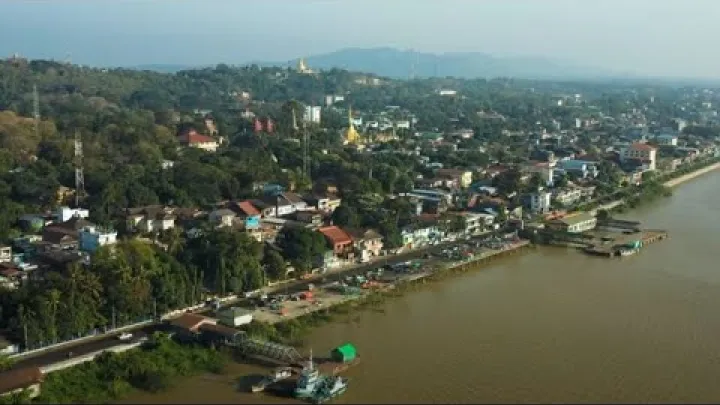
March and April can still work if the route is divided around the hottest hours. During the wet season, a cloudy day may provide comfortable temperatures but reduced visibility, while a rain break may be too short to plan around confidently. Keep an indoor or nearby alternative for viewpoints and long walks. Dry-season conditions improve the odds of a good view, but they do not guarantee a particular sunset, clear horizon, or cloud-free afternoon.
Best Time for Hiking and Nearby Excursions
Favor November to February for hilltop pagoda walks, rural excursions, and other activities where slippery paths, heavy rain, or wet roads can reduce comfort. These months provide the best general balance between access and heat. March and April may preserve access but require more tolerance for strong sun, while June to October can make an excursion slower and more dependent on breaks in the weather.
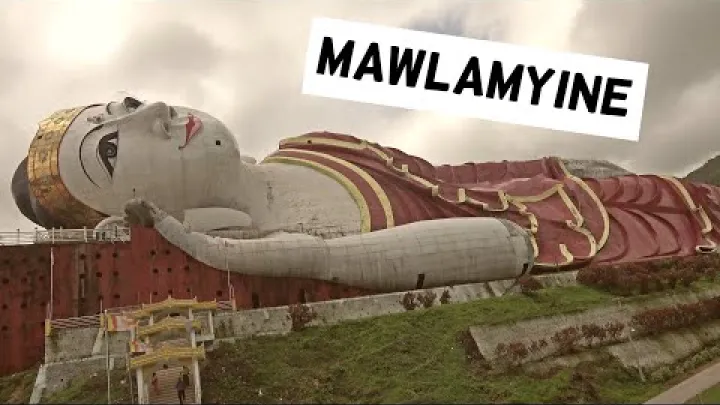
If your plans include a beach or coastal outing near the Gulf of Mottama, apply the same decision rule: choose the drier season when reliable access and outdoor comfort matter most; choose the wet season only if you accept changes and delays. City weather may not represent every nearby route, river crossing, or coastal area. Ask the local guide, driver, boat operator, or accommodation about the specific excursion rather than assuming that a favorable forecast in central Mawlamyine applies everywhere.
Best Time for Culture and a Quieter Visit
Cultural sightseeing is possible throughout the year because many activities can continue during rain. The drier months make it easier to move between sites, combine several stops in one day, and avoid losing time to wet streets or transport delays. They are therefore the safer choice when a short trip includes many cultural locations.
The monsoon can suit visitors who value a slower, less predictable atmosphere and lush surroundings. However, quiet travel is not automatically better if rain prevents access to the places you want to see. Climate information does not establish venue hours, event dates, or a cultural calendar, so confirm those details separately. Choose the wet season for atmosphere and flexibility, not because every site will necessarily be empty or every activity will continue normally.
Best Time for a Lower-Cost Trip
Lower-demand periods may sometimes provide better accommodation value, but available research does not prove a fixed cheapest season for Mawlamyine. Prices can change with exact dates, room type, cancellation conditions, transport availability, local demand, and wider travel conditions. A general low-season label is not enough to predict the final cost.
Compare current room rates and cancellation terms for your dates, then add transport and excursion costs. June to October can be a value-oriented choice when you can tolerate rain, delays, and changes to outdoor plans. A cheaper room is less useful if a fixed boat trip is canceled or a road journey requires an extra night. Consider flexibility and total trip cost, not only the nightly rate.
Practical Planning for Weather in Mawlamyine
Good seasonal planning is mostly about matching clothing, daily timing, and transport choices to the weather pattern. A small amount of preparation can make a hot month more manageable and can protect a wet-season trip from becoming entirely dependent on one forecast.
What to Pack for Dry, Hot, and Rainy Months
For November to February, pack light clothing, comfortable walking shoes, sun protection, and a light layer for a cooler-feeling morning or evening. Closed shoes are useful for city walking and visits to uneven or elevated sites. A small day bag can hold water, sun protection, and a light cover without requiring specialized equipment.
For March to May, prioritize breathable clothing, water, a hat, sunglasses, and strong sun protection. Choose footwear that remains comfortable during hot walking and can cope with a brief shower. From June to October, add dependable rain protection, quick-drying clothing, waterproof bags or covers for electronics, and footwear that handles wet surfaces. Pack for a city stay rather than assuming that technical hiking equipment is always necessary, but do not rely on a small umbrella alone if you expect prolonged monsoon rain.
How to Plan Each Day Around Heat and Rain
In the hot season, use an early start for the most exposed walking or climbing, take a longer midday rest or indoor period, and return to outdoor activities in the late afternoon. This pattern is useful for both independent travelers and visitors using a guide or driver because it reduces the amount of time spent in the strongest heat.
During the monsoon, group activities that are close together and leave space between scheduled stops. Keep at least one flexible alternative for a rainy day, such as a shorter local route, a market visit, a café break, or an indoor cultural activity. A short break in the rain can help, but it is not a dependable timetable. Build the day around options rather than assuming that one clear interval will last long enough for a distant excursion.
Roads, Flooding, and River or Coastal Conditions
Heavy monsoon rain can affect low-lying roads, river crossings, wet surfaces, and access to excursions around the Gulf of Mottama and the Salween River. The most important issue is not simply whether rain is falling in the city. Water levels, road conditions, visibility, boat operations, and local decisions can all affect whether a particular journey is practical.
Coastal hazards can include cyclones, tidal surges, and flooding. The Gulf of Mottama is described by Helvetas as especially vulnerable to hazards including cyclones, tidal surges, floods, saline intrusion, and drought. This is a reason to take official warnings seriously, not a prediction that a specific storm will affect your trip. Before leaving Mawlamyine in the wet season, confirm road, ferry, boat, and excursion conditions with local providers. Avoid exposed river or coastal activities when official storm, flood, or severe-weather warnings are active.
How to Check Conditions Before You Travel
Use a simple verification sequence. First, choose the travel month from the long-term seasonal pattern. Second, check the current forecast near departure. Third, read official warnings rather than relying only on a monthly weather page. Fourth, confirm local access for any weather-sensitive road, ferry, boat, or excursion. Finally, keep an alternative plan available until the activity begins.
The Department of Meteorology and Hydrology is the official Myanmar reference for current forecasts and warnings. For wet-season travel, local accommodation staff, guides, drivers, ferry contacts, and boat operators may have the most useful information about conditions on a particular route, because a live Mawlamyine transport-status source is not established here. Recheck conditions shortly before a weather-sensitive day trip and adjust the plan if warnings or local access information change.
Final Recommendation for Visiting Mawlamyine
Choose the Drier Season Unless Your Priorities Point Elsewhere
November to February is the safest general recommendation for a comfortable Mawlamyine visit. It offers the best overall chance of easier walking, usable riverfront and hilltop-pagoda visits, clearer opportunities for views, and fewer rain-related interruptions to regional excursions. January and February are especially strong for comfort, while November can work well as a transition-season option.
Choose March or April if you are heat-tolerant and want relatively dry access. Choose May or October if you accept transitional conditions and can adjust your plans. Choose June to September if green landscapes, a slower atmosphere, or possible lower-season value matter more than reliable outdoor access. Climate averages should guide the month you select; current official forecasts, warnings, and local access checks should guide the final itinerary. Select the season that matches your priorities, then confirm weather-sensitive plans before booking or departure.
Select area
Create a post
Posting is free and no registration is required.